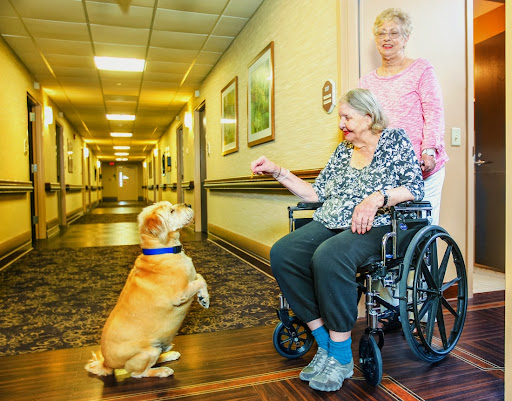
Residents and families frequently describe staff as attentive and responsive to needs.
Across many reviews, families say staff were friendly, caring, and quick to address questions or concerns. Several also mention communication as a strength, including updates during care and help connecting families with the right people. A few reviews specifically call out patient-centered attention in memory care and on the rehab unit, where staff are described as making residents comfortable and helping with daily routines.
common11 reviews mention this
Communication is a recurring strength
Many reviewers highlight clear communication with families during a stay.
A common thread is that families felt informed—either through regular check-ins, quick answers to concerns, or coordination with the nurse manager, social worker, and nursing staff. Some reviews mention hospice or end-of-life communication as frequent and helpful. On the flip side, a small number of dissatisfied reviews complain about not getting follow-ups or not feeling heard when issues were raised.
caveat9 reviews mention this
Food quality is mixed
Dining reviews are split between praise and complaints about quality and timing.
Some residents and families describe meals as good and mention room for choices when a meal wasn’t preferred. Others report delays, understaffing affecting service, or food that they felt was not good. There are also complaints about limited snacks during the day and about diet handling that didn’t meet specific needs, including concerns with pureed foods and denture-related eating.
caveat15 reviews mention this
Care quality concerns show up
A recurring concern in reviews is inconsistent care due to staffing and follow-through issues.
Several negative reviews describe understaffing and delayed assistance, including long waits for help with personal care and situations where residents were not changed or assisted in a timely way. Others mention issues with bathing frequency, medication handling, and wounds not being cared for as expected. A number of complaints also extend to administration or billing concerns, with reviewers saying problems were difficult to resolve.
differentiator4 reviews mention this
Memory care gets specific praise
Memory care residents receive specific attention in multiple reviews.
Some reviewers focus on the memory care unit, describing staff as patient and attentive and saying residents seemed comfortable or engaged. These accounts align with the community’s care focus on assistance with daily activities, medication management, and special dietary needs. A few reviews also reference better comfort and communication when care teams were actively involved for residents with dementia.
How we summarize
Counts show how many written reviews mention each theme; a review can touch several themes, and only frequently mentioned themes are displayed.
The features offered at Bethesda Meadow are designed to enhance the quality of life for residents with dementia or Alzheimer's disease by promoting independence while ensuring safety and support. Assistance with dressing helps individuals maintain their dignity and control over their daily routine, while medication management ensures compliance with prescribed treatments, reducing the risk of confusion or missed doses. Meal preparation and service cater to nutritional needs and preferences, fostering a sense of normalcy and routine through enjoyable dining experiences. Support in activities of daily living, such as bathing and transfers, addresses both physical needs and personal hygiene, which are crucial for overall well-being. Furthermore, the 24-hour supervision provides constant monitoring, allowing for immediate assistance in case of disorientation or distress, thus creating a secure environment where residents can thrive despite their cognitive challenges.
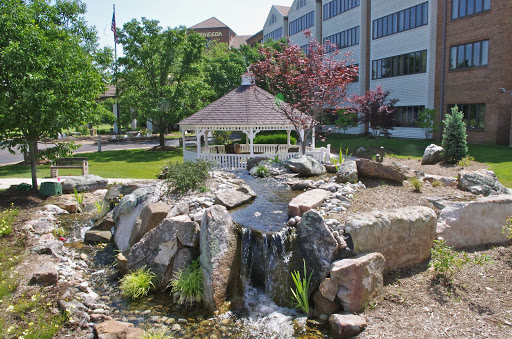
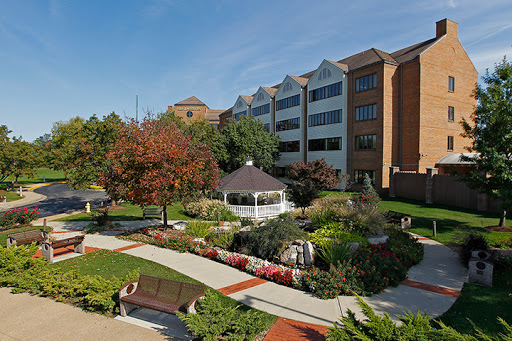
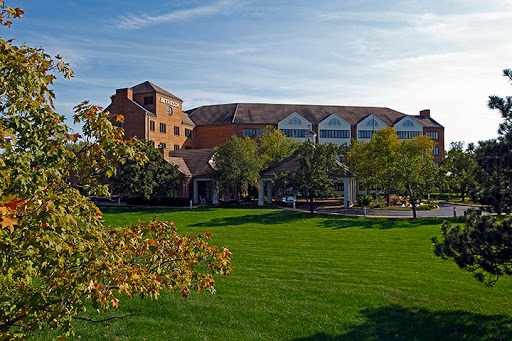
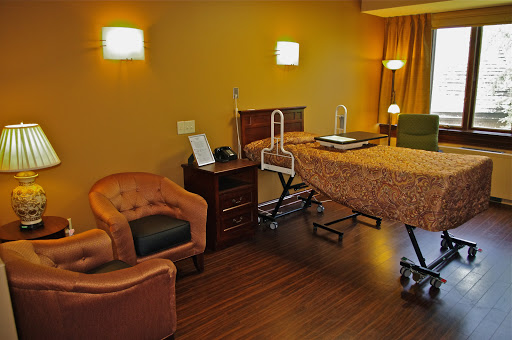
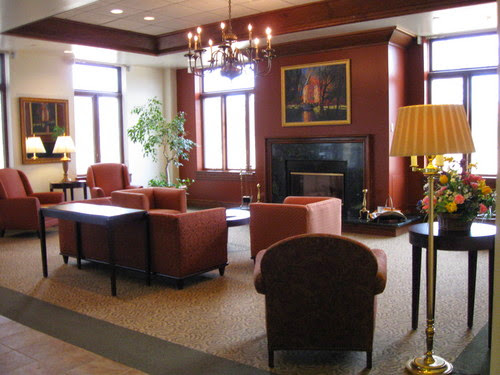
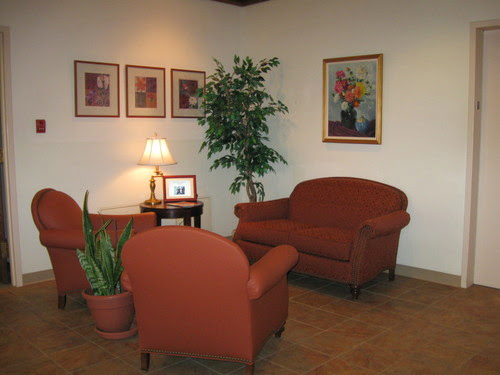
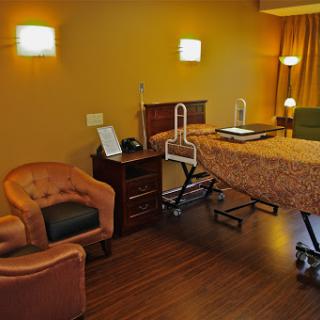
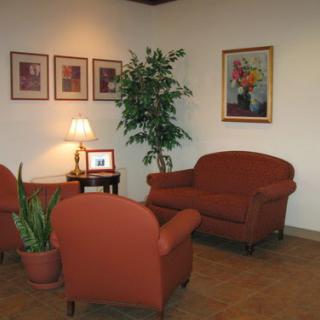
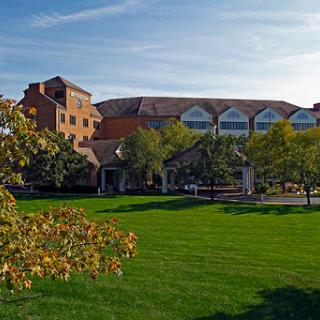
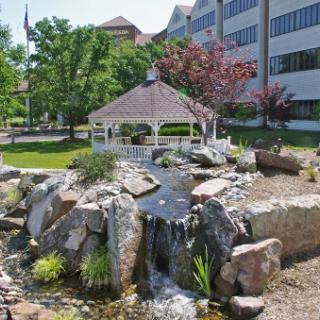
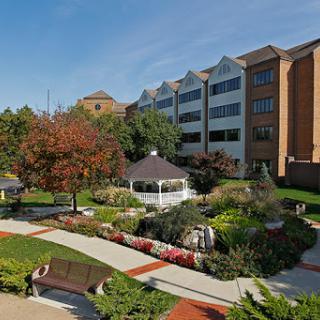
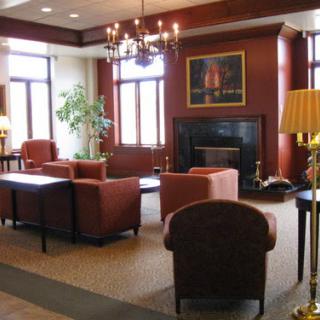
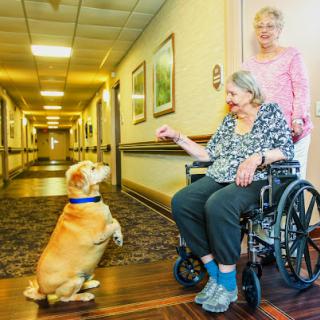
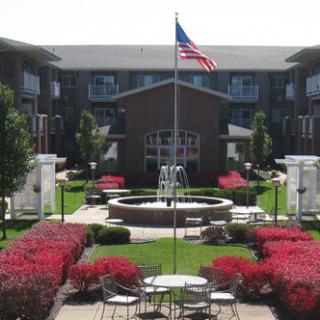
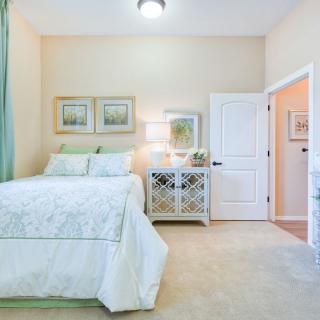
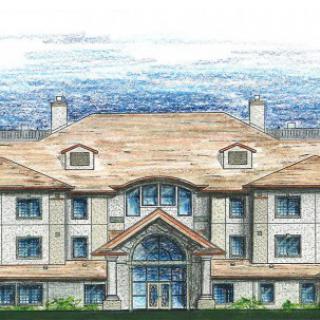
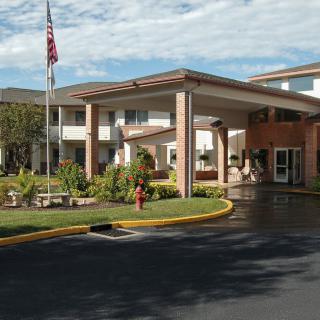
Bethesda Meadow on seniors.fyi includes 8 photos including images showing building, landscaping, outdoor, interior, park, nature, garden, lighting, and more.
Nearby Communities
Gambrill Gardens
Ellisville, MO
4.4 from 144 reviews
$3,141 to $3,415 / month
Beautiful, well-maintained facility with friendly staff and a vibrant activities program.
Autumn View Gardens, Assisted Living and Memory Care
Ellisville, MO
4.7 from 62 reviews
$2,865 to $4,565 / month
Friendly, attentive staff with long tenure and engaging activities.
Autumn View Gardens Ellisville
Ellisville, MO
4.9 from 43 reviews
Beautiful surroundings with caring staff and engaging activities.
Fountains Of West County Al
Ellisville, MO
4.5 from 26 reviews
Wide amenities and 24-hour supervision
The Fountains of West County
Ellisville, MO
4.2 from 44 reviews
$2,500 to $5,295 / month
Beautiful, well-kept, hotel-like community with abundant amenities and a friendly staff.
Westview at Ellisville Assisted Living & Memory Care
Ellisville, MO
4.1 from 94 reviews
$2,800 to $6,195 / month
Caring staff, engaging activities, and bright, spacious apartments.
Creek Valley Retirement Community
Ellisville, MO
4.9 from 42 reviews
$3,782 to $5,278 / month
Excellent dining, around-the-clock management, and strong value in a well-kept community.
Holiday Briarcrest Estates
Ballwin, MO
4.2 from 150 reviews
$2,579 to $3,999 / month
Welcoming community with friendly staff, tasty locally prepared meals, and engaging activities.
Delmar Gardens Of Chesterfield
Chesterfield, MO
3.3 from 101 reviews
$4,500 / month
Clean, well-maintained community with friendly staff and engaging activities.
The article presents five subtle indicators of dementia, such as memory lapses and mood swings, to help families assess cognitive decline in loved ones. It emphasizes early detection, open communication, and seeking professional help while providing practical support steps.
Dementia encompasses progressive neurological disorders that impair cognitive functions and can lead to paranoia due to cognitive decline and emotional changes. The article discusses the triggers of paranoia in dementia, caregiver strategies for managing it, and the importance of distinguishing between dementia-related paranoia and other psychiatric conditions.
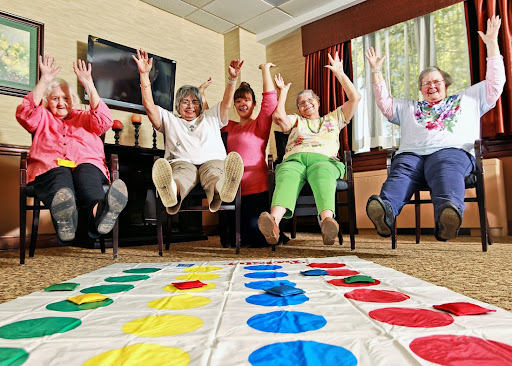
Memory care activities are essential for improving the quality of life of seniors with cognitive impairments, as they stimulate cognitive function, promote well-being, and encourage social interaction through tailored strategies. These activities combine structured exercises with spontaneous tasks, sensory engagement, physical workouts, creative pursuits, and intergenerational interactions to enhance emotional connection and a sense of purpose.
Get PricingAsk A QuestionSchedule A TourContact Senior Advisor
By clicking submit, you agree to our Partner's Terms of Use. You
also consent to receive calls and texts, which may be autodialed, from our Partner. Your consent is not a condition to
using our Partner's service. Please visit our Partner's Privacy Policy for information about their privacy practices.



 210 resident community capacity
 Memory Care
 Skilled Nursing Facility
 Air-conditioning
 Beauty salon
 Cable or satellite TV
 Computer center
 Dining room
 Fitness room
 Fully furnished
 Gaming room
 Garden
 Housekeeping services
 Kitchenette
 Move-in coordination
 Outdoor space
 Private bathrooms
 Restaurant-style dining
 Small library
 Telephone
 Wellness center
 Wi-Fi/high-speed internet available
 Lambert-St Louis International (17 miles away)
 Community operated transportation
 24-hour call system
 Activities of daily living assistance
 Assistance with bathing
 Assistance with dressing
 Assistance with transfers
 Diabetes diet
 Medication management
 Special dietary restrictions
 Concierge services
 Planned day trips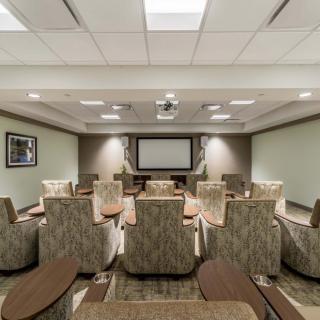
 Beautiful, well-maintained facility with friendly staff and a vibrant activities program.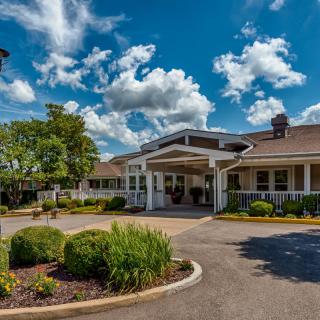


 Five Subtle Dementia Indicators to Observe: An In-Depth Guide to Understanding “Does My Mom Have Dementia?”
 Dementia, Paranoia, and Caregiver Guidance: Understanding the Connection
 Engaging Memory Care Activities That Enhance Quality of Life