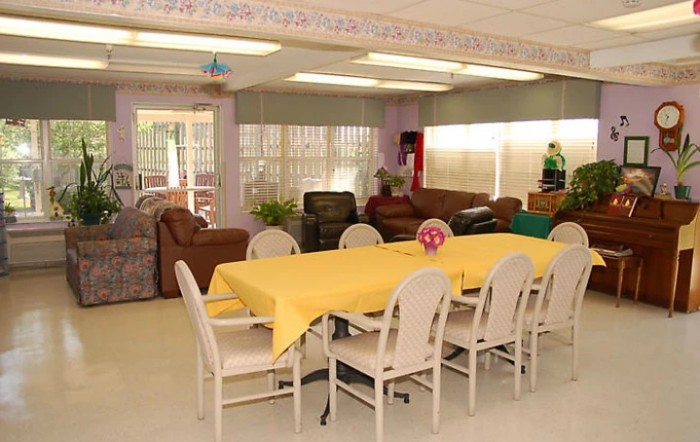
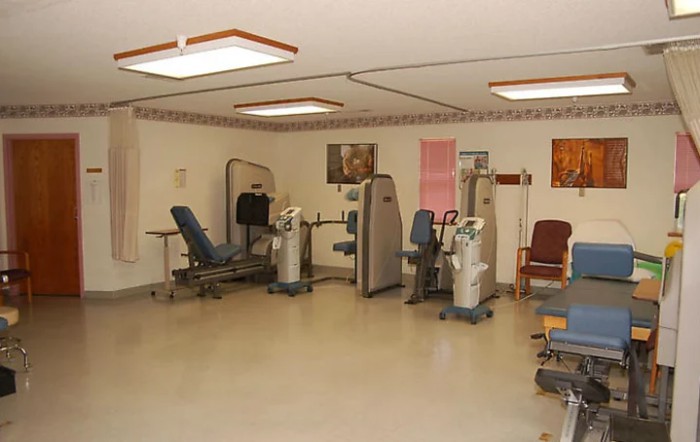

1000 Patterson Street, Anderson, MO 64831
For more information about senior living options: (866) 208-4318
Mcdonald County Living Center Costs & Pricing
At McDonald County Living Center, the costs for semi-private and private rooms are aligned with the average expenses in McDonald County, but they slightly differ from state averages. For a semi-private room, residents can expect to pay $3,937 per month, matching the county rate while being somewhat higher than Missouri's state average of $3,772. If opting for a private room, the monthly fee is set at $4,320, which again is consistent with local pricing yet falls below the broader state average of $4,483. This positioning suggests that McDonald County Living Center offers competitive rates considering its locality and provides quality care tailored to meet the needs of its residents.
| Floor plans | Mcdonald County Living Center | McDonald County | Missouri |
|---|---|---|---|
| Semi-Private | $3,937 | $3,937 | $3,772 |
| Private | $4,320 | $4,320 | $4,483 |
Skilled Nursing Facilities with a similar price nearby
-
from -$687 / mo

Webwood Assisted Living
$3,250 to $4,600 / month16.2 miles away
Overall Review of Mcdonald County Living Center
Pros
 The mother loves her place and the caregivers, nurses, doctor, and staff at MCLC.
- She is very well cared for at MCLC and has many caring people there.
- The care provided at MCLC makes her feel loved.
- The service at MCLC is great, with a hardworking and compassionate staff.
- The staff and residents are lovely.
- The facility is pleasant and friendly.
Cons
 The facility is subpar.
- The mother-in-law’s stay lasted almost a week without a shower, the room was dirty, and housekeeping did not clean the toilet.
- The staff are not the friendliest, especially when they are called out.
- The facility is not even worth one star.
Review
McDonald County Living Center is best suited for families who prize a small, relationship-rich environment where caregivers, nurses, and staff cultivate ongoing bonds with residents. This community works well for residents who respond to personal attention, warmth from the care team, and a social routine built around familiar faces. Families that want daily reassurance from a team that seems genuinely invested in a resident’s emotional well-being will find the strongest value here. In short, it’s a good fit for those who measure quality by the quality of daily interactions and a sense of belonging, rather than by gleaming facilities or flawless housekeeping.
Alternatives are worth considering for residents whose priorities extend beyond companionship and warmth. If pristine cleanliness, consistently prompt housekeeping, and a uniformly professional, responsive staff are non-negotiable, this center may fall short. Those needing more immediate, high-level medical oversight, advanced mobility supports, or a highly structured activity calendar with broader programming might find other options more aligned with expectations. Families should also scrutinize responses to concerns and the consistency of care, as a few reviews hint at variance in staff demeanor and attention.
The strongest pros are clear: staff dedication, compassion, and genuine care for residents. Multiple accounts highlight hardworking caregivers and nurses who build trust and rapport, helping residents feel valued and loved. That relational core often translates into calmer days, better mood, and a sense of security for families watching from the outside. These positives, however, must be weighed against recurring concerns about cleanliness and housekeeping. When a facility succeeds at emotional caregiving, it can soften, but not entirely neutralize, the impact of inconsistent sanitation or inattentive housekeeping lapses.
In practical terms, these dynamics mean the center can deliver meaningful daily quality of life through personal interactions, but it may struggle to sustain the same level of physical maintenance across rooms and common areas. Families should be prepared to address issues up front: ask for transparent housekeeping schedules, verify how often rooms are cleaned, and gauge whether housekeeping responds promptly to concerns raised by residents or families. The same diligence should be applied to monitoring hygiene-related needs, like bathing routines, to confirm that basic dignity is consistently upheld alongside emotional support.
A deliberate evaluation plan helps separate good intent from reliable practice. Schedule a tour during mealtime and after activities to observe how staff manage interruptions and how residents interact with caregivers. Request to meet with a few residents’ families to hear their ongoing experiences, and inquire about staff consistency, turnover, and how care plans are reviewed and updated. Ask for exact metrics: response times to calls, average time for room cleanliness, and the frequency of routine hygiene tasks. If possible, request a temporary placement to observe day-to-day operations firsthand, ensuring the environment aligns with what the reviews suggest and what the family needs most.
Overall, McDonald County Living Center delivers a candid mix: a warm, people-centered atmosphere supported by staff who genuinely care, balanced against real concerns about cleanliness and consistency in service. For families prioritizing emotional connection, companionship, and a sense of community, this center can be a meaningful, even transformative, choice. For those whose decision hinges on immaculate housekeeping, rigorous sanitation, and consistently brisk operational pace, it may be wise to explore other options first. The decision hinges on what matters more: the comfort of a trusting care relationship or the steadiness of spotless physical upkeep and uniformly prompt service.
 96 resident community capacity
 Memory Care
 Skilled Nursing Facility
 Air-conditioning
 Beauty salon
 Cable or satellite TV
 Computer center
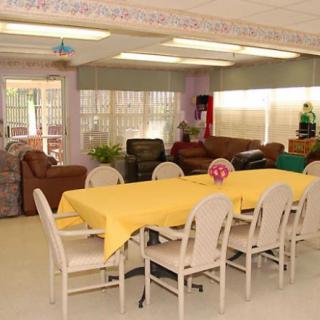
 Dining room
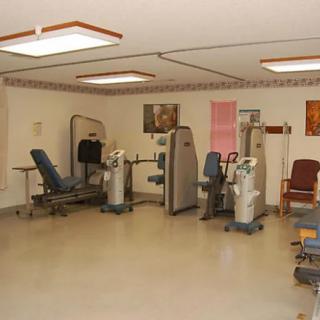
 Fitness room
 Fully furnished
 Gaming room
 Garden
 Housekeeping services
 Kitchenette
 Move-in coordination
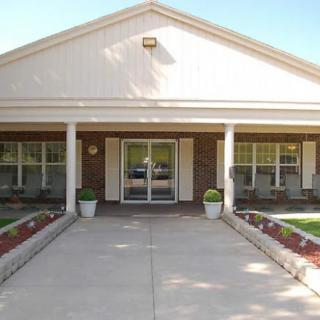
 Outdoor space
 Private
 Private bathrooms
 Restaurant-style dining
 Small library
 Telephone
 Wellness center
 Wi-Fi/high-speed internet available
 Community operated transportation
 24-hour call system
 Activities of daily living assistance
 Assistance with bathing
 Assistance with dressing
 Assistance with transfers
 Diabetes diet
 Medication management
 Special dietary restrictions
 Concierge services
 Planned day trips



 An In-Depth Look at Reminiscence Therapy in Dementia Care
 Dementia-Related Hallucinations: Causes, Experiences, and Practical Approaches
 Illuminating Insights About Alzheimer's Disease: Ten Crucial Realities