
2001 Sunrise Boulevard, Grove, OK 74344
To contact a resident: (918) 787-2011
For more information about senior living options: (866) 208-4318
Overall Review of Grandwood Assisted Living, LC
Pros
 Grandwood is resident-oriented and family-oriented.
- It has low staff turnover and great nursing staff.
- Administrators care about families and employees.
- The environment serves the residents' best interests.
- Private ownership is associated with personalized care.
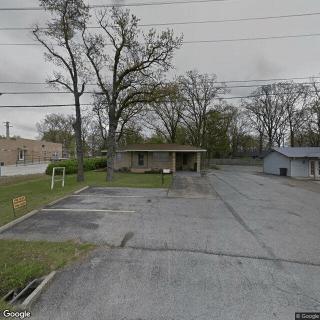
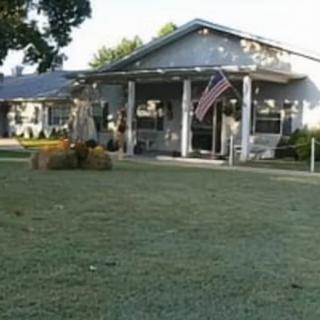
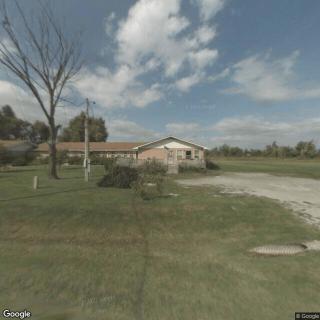
- The facility is beautiful, with caring attendance and thoughtful oversight.
- Residents can live out their lives with grace and dignity.
Cons
 The facility was not impressive, especially as the mother's dementia worsened.
- They basically kicked her out.
- They packed some of her belongings and left them at the front door.
- They are still waiting for the rest of her belongings to be returned.
- The administrator is described as rude and not the best.
Review
Grandwood Assisted Living in Grove, Oklahoma is best suited for families facing the practical transition from home care to assisted living for a parent who values a resident- and family-centered culture over slick marketing. The community’s private ownership is repeatedly linked to personalized attention, with administrators and front-line staff described as accessible and genuinely invested in residents’ welfare. For seniors who want a warm, home-like setting, attentive nursing oversight, and a coherent spectrum of care that includes memory support, Grandwood presents a compelling option. The emphasis is on sustaining dignity and daily quality of life, with caregivers who know residents by name and tailor routines around individual needs. In short, it serves families seeking a humane, relationship-driven approach rather than a one-size-fits-all program.
On the positive side, multiple reviewers highlight the resident- and family-oriented atmosphere as the core strength. There is a sense of stability thanks to lower staff turnover and a nursing staff that is described as capable and attentive. Administrators are portrayed as people who care about both families and employees, which translates into timely responses and a culture of listening. The privately owned model is cited as enabling more personalized care than larger chains, and this translates into what families describe as better alignment between care plans and real-life needs. The physical environment is described as beautiful, and the combination of oversight and compassionate care allows residents to live with grace and dignity.
Still, the experience is not uniformly positive. One family recounts a troubling episode during their loved one’s dementia progression, feeling that the facility effectively discharged the resident and packed belongings at the front door, with the remaining items not promptly returned. Another reviewer singles out an administrator as rude, underscoring that staff conduct and leadership tone can color the entire care experience. These incidents raise legitimate concerns about how transitions are handled, how communication is conveyed to families, and how the facility protects a resident’s possessions during sensitive phases of decline. They are not universal, but they are crucial to weigh alongside the successes.
Do the strong advantages offset the drawbacks? In many cases, yes, but only if the expectations line up with reality. The resident-and-family orientation, stable caregiving teams, and high level of nursing attention can counterbalance the risk of abrupt transitions by providing a predictable daily routine and a responsive care network. The private ownership angle supports customization, which matters when a loved one’s routines, preferences, and health needs shift. However, one strongly negative incident is a stark reminder that administrative responsiveness, trauma-informed handling of dementia episodes, and careful policy on belongings require continuous attention. The best outcomes arise when families verify that leadership practices match the compassionate care story they hear about in tours and references.
Those who should consider alternatives include families managing advanced dementia with high behavioral and medical complexity who demand an exceptionally proactive memory-care program and tightly documented discharge procedures. Similarly, if a family places premium importance on consistently courteous administration and transparent grievance handling, Grandwood should be evaluated for alignment with those standards. For some, other Grove-area options or smaller, more tightly regulated communities may offer clearer policies and more predictable processes, particularly around transitions and personal belongings. It is also worth comparing price-to-service value and checking if the facility’s memory-support strategies match the resident’s stage of decline.
Practical next steps are clear: arrange a guided tour with questions tailored to memory care needs, observe interactions between staff and residents, and request candid discussions with nursing leadership about care plans, discharge policies, and how belongings are managed during moves. Speak with several families currently or recently served to understand consistency in the experience. Confirm the facility’s approach to dementia progression, including how concerns are escalated and how transitions are handled ethically and compassionately. Taken together, Grandwood offers a compelling, people-first environment for many families, but its suitability hinges on aligning expectations with leadership style and the practical realities of dementia care and administrative responsiveness.
 Assisted Living
 Independent Living
 Memory Care
 Activities on-site
 Devotional services off-site
 Indoor common areas
 Ambulatory care
 Diabetic care
 Meals provided




 22 Remarkable Caregiver Support Groups Available Online and In-Person
 Understanding Medicaid Coverage for Assisted Living: A Comprehensive Guide
 How and When Medicaid May Cover Assisted Living Costs