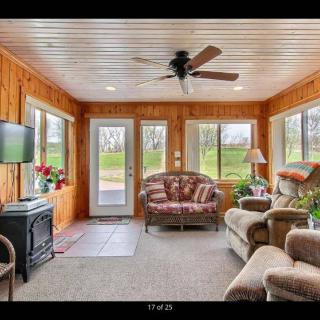
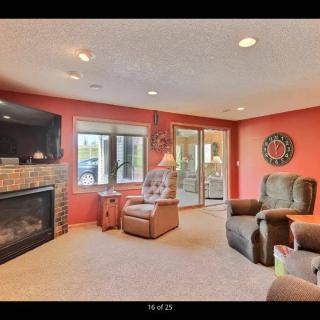
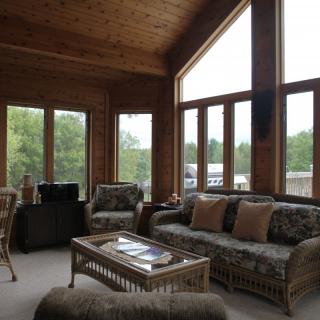
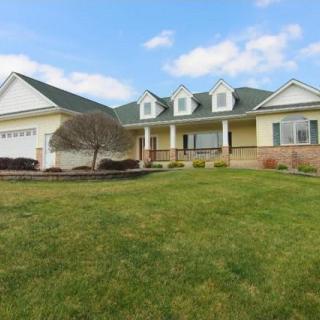
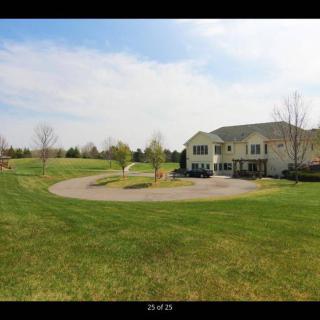

14145 205th Street N, Scandia, MN 55073
To contact a resident: (651) 433-4638
For more information about senior living options: (866) 208-4318

September Cottage Eldercare Costs & Pricing
September Cottage Eldercare offers a consistent pricing structure for its residents, with both private and semi-private rooms set at $7,000 per month. This pricing is notably higher than the averages in Washington County and across Minnesota, where private room costs are approximately $4,952 and $5,090, respectively. Similarly, the semi-private rooms at September Cottage meet the same monthly rate as their private options but exceed local averages of $4,649 in Washington County and $4,051 statewide. While September Cottage provides a comprehensive range of services tailored to eldercare needs, prospective residents may find its costs significantly above those found in surrounding areas.
| Floor plans | September Cottage Eldercare | Washington County | Minnesota |
|---|---|---|---|
| Private | $7,000 | $4,952 | $5,090 |
| Semi-Private | $7,000 | $4,649 | $4,051 |
Memory care communities with a similar price nearby
-
from +$650 / mo
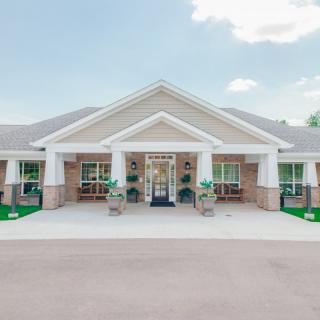
Artis Senior Living of Woodbury
$7,650 / month23.2 miles away -
About the same

Personal Care Senior Living Columbia Heights
$7,030 / month24.8 miles away -
from +$700 / mo
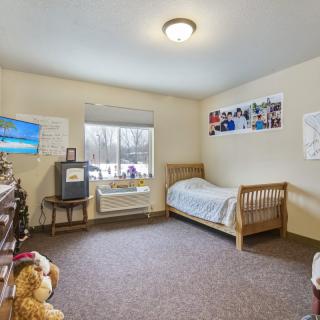
Suite Living - Vadnais Heights
$7,700 / month19.2 miles away -
from +$700 / mo
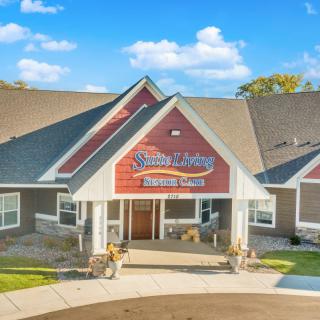
Suite Living - North St. Paul
$7,700 / month18.2 miles away -
from -$950 / mo
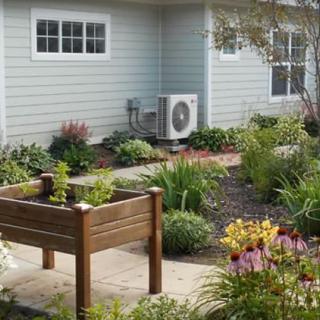
Prelude Homes & Services LLC
$6,050 to $6,260 / month16.0 miles away
Overall Review of September Cottage Eldercare
Pros
 October Cottage Eldercare is described as a top-notch place for loved ones in need of care.
- The staff are said to become like family and consistently show respect for residents.
- Residents’ families can expect comfort, love, and extraordinary care for medical and personal needs.
- The staff go above and beyond, including taking loved ones to emergencies and spending hours with them.
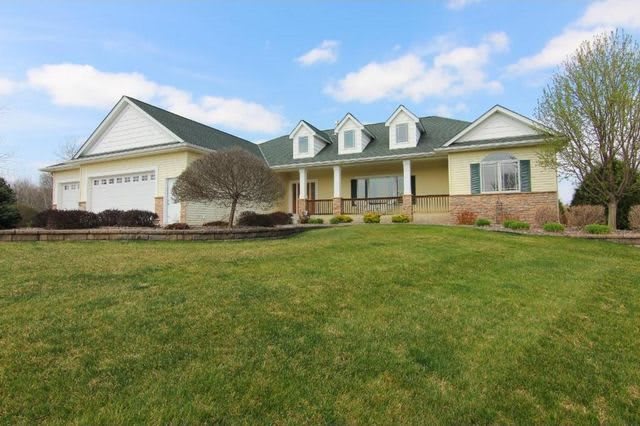
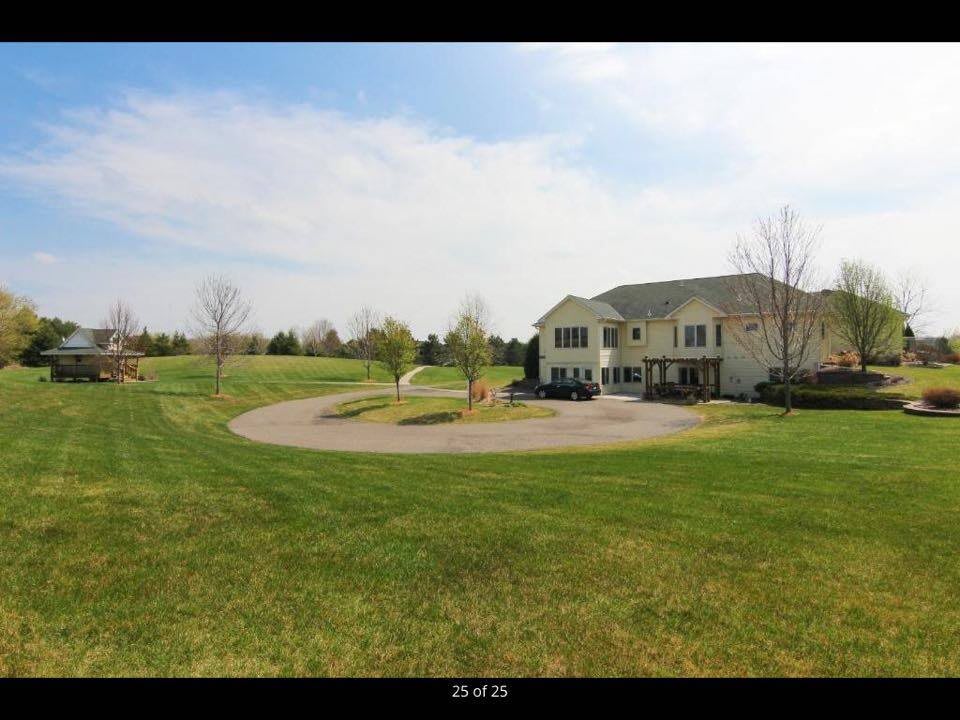
- The home is a beautiful setting with wonderful, courteous workers, and families are always welcome to visit.
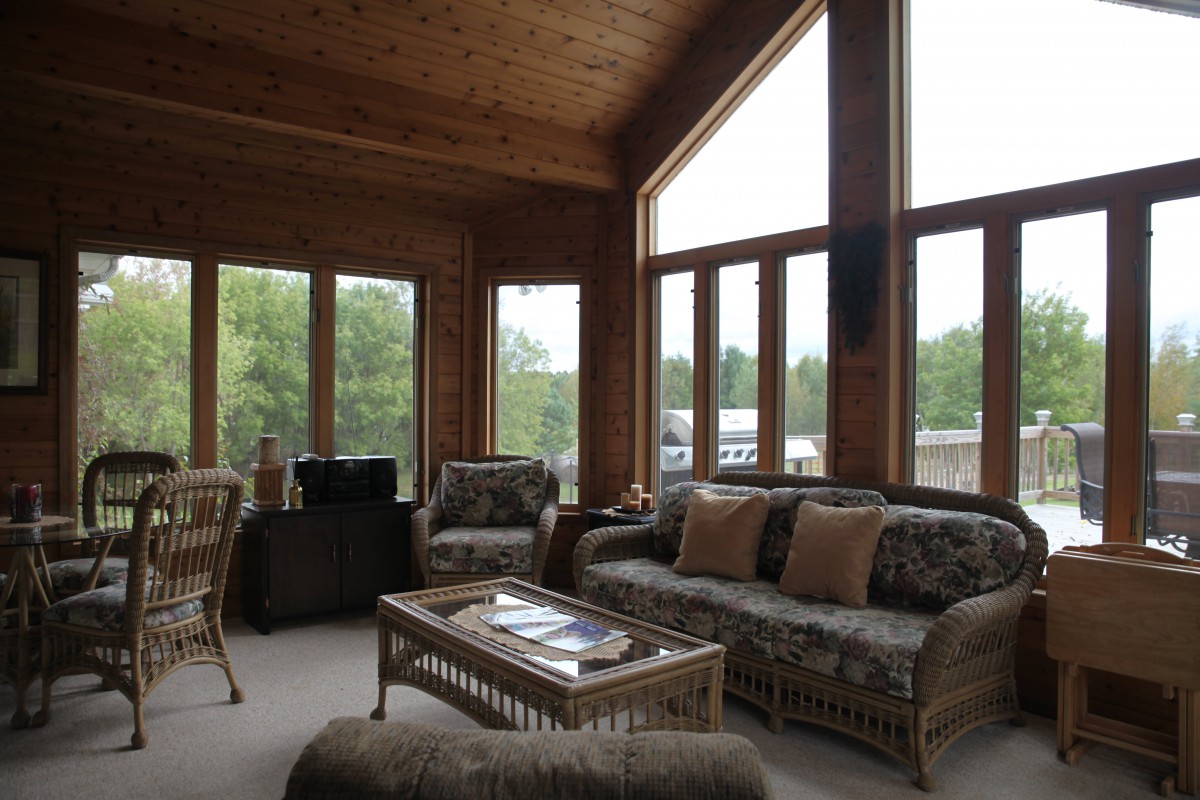
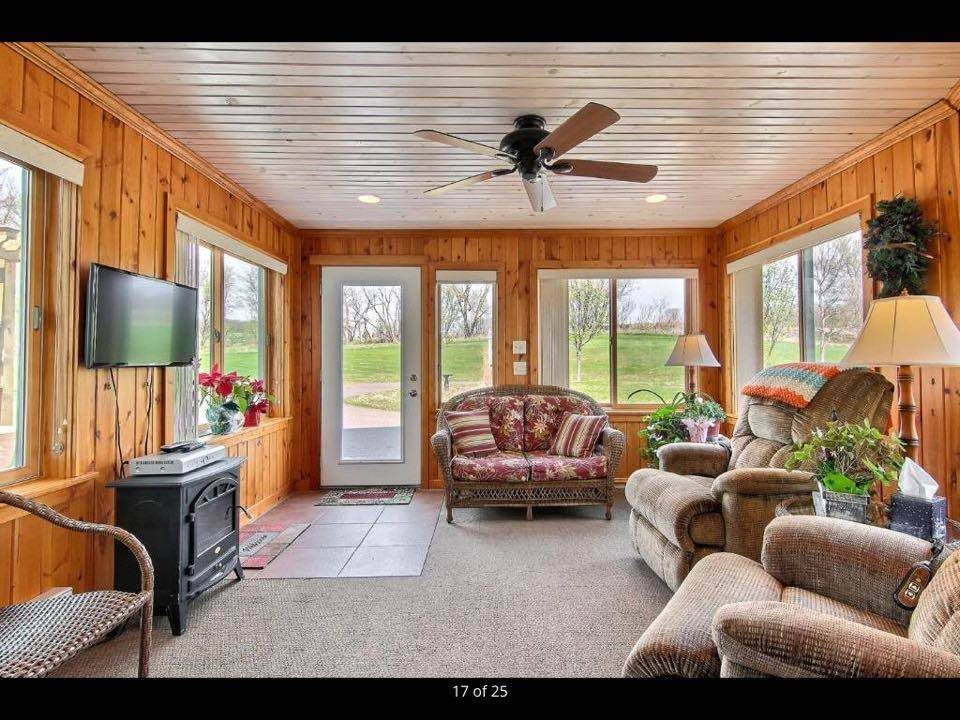
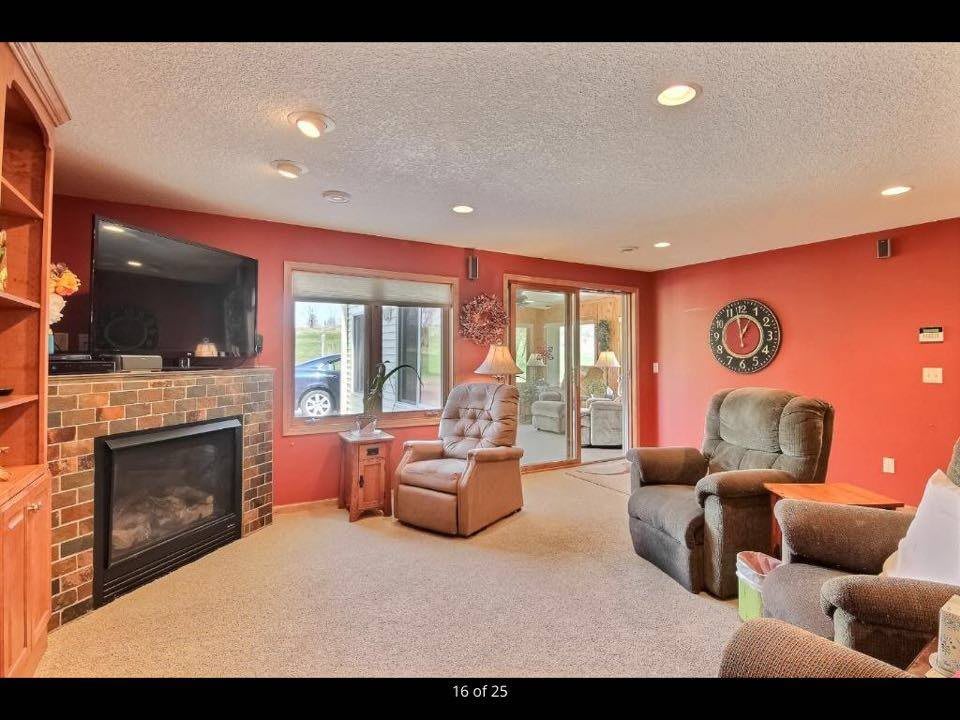
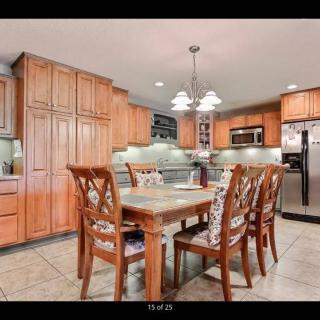
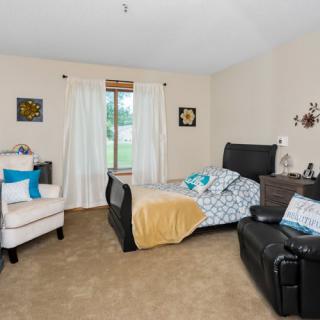
- The home-like atmosphere is created by personal rooms and a family room, making it feel like a real home.
- October Cottage is highly praised and recommended by those who sought care.
- September Cottage Eldercare is described as a blessing, with a home-like setting and staff who are knowledgeable and caring.
- Residents at September Cottage are treated like family and are loved and cared for 24/7.
- Justin, Alana, and the team are noted for amazing care and top-notch service.
- The staff take time to know and understand residents, with comfortable, helpful, and prompt communication.
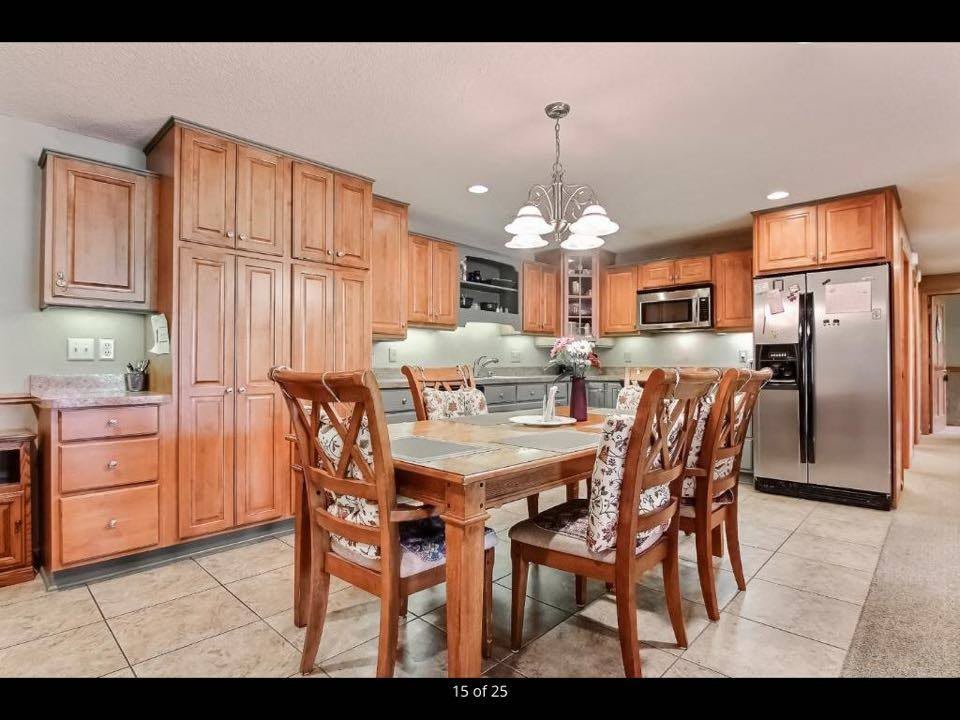
- The home is immaculate and beautiful, and families feel lucky to have found September Cottage.
- Families would highly recommend September Cottage to others.
Cons
 No negative statements are present in the reviews.
Review
September Cottage Eldercare is best suited for families seeking a small, home-like memory-care setting where residents receive around-the-clock, compassionate attention and staff become trusted, extended members of the family. The environment emphasizes familiarity, with personal rooms and a shared family space that makes daily life feel like home rather than a clinical institution. For families prioritizing ease of visitation, consistent staff relationships, and a sense that a loved one’s dignity is the top priority, this community delivers a peace of mind that is hard to find in larger, more impersonal facilities.
That clarity of fit, however, comes with trade-offs. If the priority centers on expansive clinical resources, robust rehab programs, or a campus with a wide array of amenities and activities, this may not be the right match. For residents with complex medical needs requiring highly specialized on-site physicians, intensive therapy schedules, or rapid access to a broad spectrum of medical services, a larger assisted-living or memory-care campus may be preferable. Families should explicitly assess the balance between intimate, person-centered care and the breadth of medical capacity before deciding.
The strongest advantages lie in the culture of care. Reviews consistently spotlight a staff team that treats residents like family, delivering care that is attentive, respectful, and deeply personal. Families report staff who spend meaningful time with loved ones, even stepping in during emergencies and taking ownership of transport and logistics to ensure timely care. Communication with leadership, most notably, the accessibility and responsiveness of the caregiving team, creates a sense that the resident’s needs are understood and acted upon promptly. The home’s cleanliness and beauty, plus the design of private rooms and a dedicated family area, reinforce the feeling that this is a place where life continues with warmth and dignity.
These strengths effectively offset the potential downsides of a smaller setting. The intimate scale can limit the breadth of social programming and the sheer volume of daily activities, yet the depth of relationships and the focus on individualized routines often produce more meaningful engagement for residents. The consistent, hands-on approach reduces the anxiety families sometimes feel when a loved one transitions into care, and it minimizes the friction that can accompany large-operating facilities where residents risk feeling lost in the crowd. In short, the trade-off becomes a win for those who value daily reassurance, transparent communication, and a sense of belonging over a bustling campus vibe.
Memory-care residents particularly benefit from the environment. The staff’s knowledge of each person’s history, preferences, and routines translates into care that honors identity and past life, rather than eroding it. Reports of improved life quality, residents being loved and cared for around the clock, with staff who “know and understand” them, underscore the value of a facility where personalized attention is the norm. The sense of continuity, where families feel welcomed during visits and where care plans are discussed openly with trusted leaders, reduces distress for both residents and their relatives. Even when a move is difficult, the transition is eased by a culture that treats dementia care as more than just tasks to complete; it is a relationship-driven approach.
For families evaluating options, the practical questions are clear. Inquire about the resident-to-staff ratio, the availability of 24/7 nursing coverage, and how the facility handles medical complexity for memory-care residents. Clarify what therapies and rehabilitative services are included, how often care plans are updated, and how family members are kept informed. Verify the admission process, costs, and what is included in the base rate versus add-ons. Tours should probe the daily rhythm: how often residents participate in meaningful activities, how visits are accommodated, and how staff respond to new or distressed residents. If warmth, trust, and consistent, personalized care align with the family’s priorities, this community stands out as a top choice. If those needs point toward broader clinical capacity or larger-scale programming, alternatives deserve consideration.
 Board and Care Home
 Memory Care
 Cats allowed
 Dogs allowed
 Activities off-site
 Bath tubs
 Beautician on-site
 Cable or satellite TV
 Computer center
 Devotional services off-site
 Garden
 Guasts at mealtime
 Indoor common areas
 Laundry
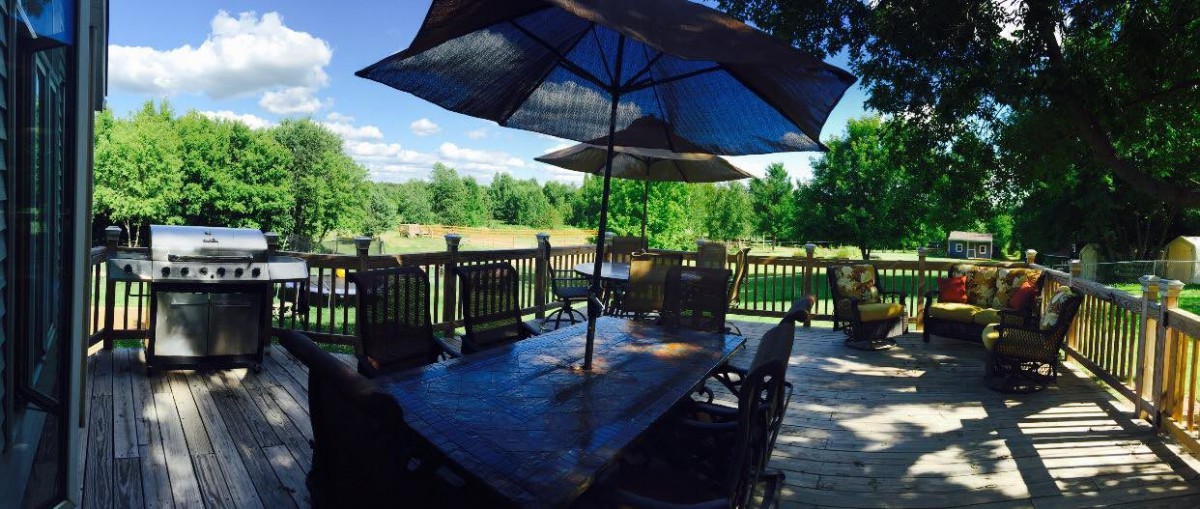
 Outdoor common areas
 Private
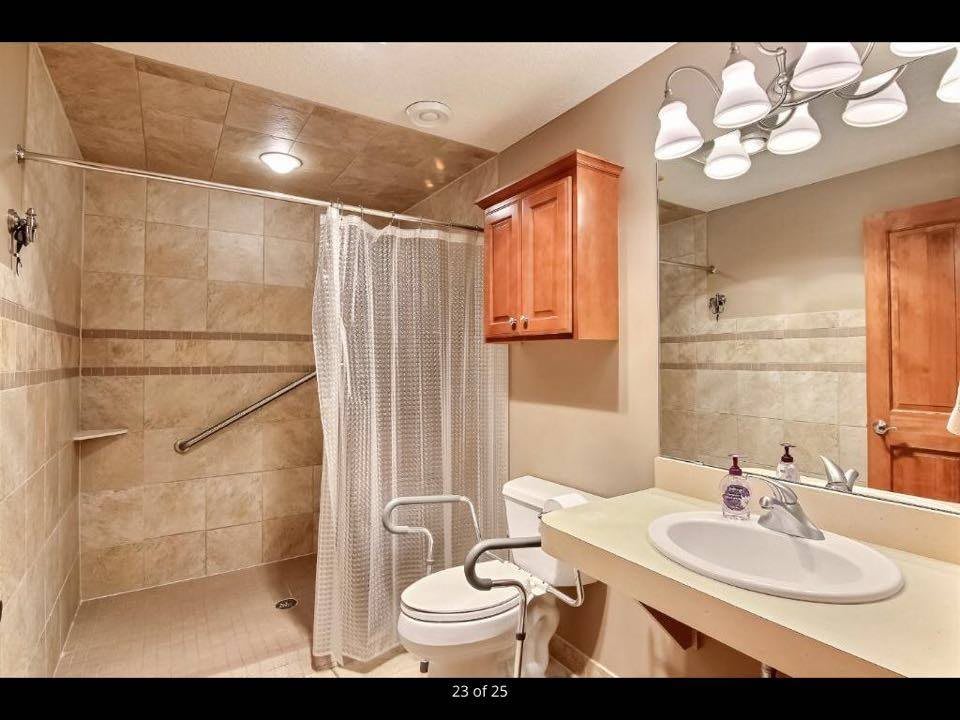
 Private bathrooms
 Resident parking
 Respite or short term stays offered
 Wheelchair accessible showers
 Wi-Fi/high-speed internet available
 Transportation & parking
 Diabetic care
 High acuity care
 Incontinence care
 Medication management
 Kosher

 How to Communicate with a Loved One Living with Dementia: 10 Supportive Strategies
 Comprehensive Guide to VA Nursing Homes: A Crucial Long-Term Care Resource for Veterans
 Estimating the Expenses of At-Home Dementia Care: A Detailed Exploration