
517 280Th Street, Osceola, WI 54020
For more information about senior living options: (866) 208-4318
Overall Review of Community Homestead The Farm House
Pros
 They catered a family reunion and a wedding, and everyone loved it.
- The chocolate chip cookies are awesomely delicious.
- They offer CSA shares, and customers couldn’t be happier.
- The farm is fun to visit for picking up the box, and everyone always says hi.
- The produce is always good, and people enjoy seeing what’s in season.
- The veggies have an awesome mission behind them.
- They can be found at nearby farmers markets, weekly veggie memberships, or the farmstand right off the street.
- They offer great selections of organic vegetables plus delicious raspberry jam and cookies.
- They provide a supportive work/home environment for folks with special needs.
Review
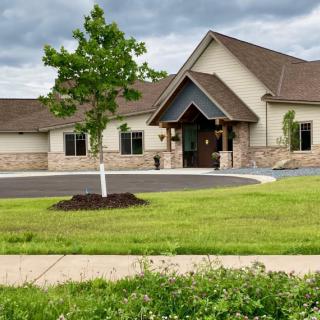
Best suited for seniors who want to drop into a small, purpose-driven farm community rather than a sterile, institutional setting. Community Homestead The Farm House in Osceola, Wisconsin, embodies a hands-on, values-forward lifestyle where daily life intermixes with fresh produce, local crafts, and regular social happenings. This environment appeals especially to older adults who enjoy staying active through CSA pickups, farm market visits, and seasonal events, and who prefer a warm, neighborly atmosphere over a clinical routine. The sentiment across reviews is clear: a welcoming, friendly culture with reliable, daily-life support from staff and volunteers. For someone seeking meaningful participation alongside neighbors and a sense of shared mission, this is a compelling fit.
Conversely, those whose top priority is licensed on-site care, continuous nursing supervision, or formal memory support should consider alternatives. The Farm House reads as a community-centered setting rather than a traditional assisted living campus. Families needing scheduled medical oversight, medication management, or overnight staffing will likely want a facility designed around 24/7 care. Similarly, couples or individuals who require structured daily schedules enforced by professional caregivers may find more conventional options provide clearer expectations. In short, this model trades clinical density for social integration, independence, and purposeful contribution, best for those who can function with lighter, on-site health support.
On the upside, several core strengths align with the needs of many seniors. Staff are consistently described as kind, caring, and welcoming, creating a reliable social fabric that reduces isolation and cultivates trust. The mission-driven approach, supporting community members and, notably, adults with special needs, adds a layer of purpose that resonates with families seeking meaningful engagement and a sense of shared responsibility. The farm’s offerings, organic vegetables, CSA memberships, a steady farmstand, jams, and cookies, provide regular, tangible touchpoints for routine and well-being without turning daily life into a clinical grind. The crafts and farm-based activities further broaden social opportunities, anchoring residents in a broader, caring network.
However, the most important trade-off is the absence of conventional care infrastructure. There is no explicit mention of on-site licensed nursing, memory-care programming, or round-the-clock medical support in the materials, implying reliance on family or external providers for sustained health needs. The rural setting and small scale can limit access to transportation, emergency services, and rapid responses for urgent health issues. The positives, warm, inclusive community, access to fresh foods, and an ecosystem that treats residents as contributors, offset these limits for those who are relatively independent and prize belonging and purpose. Yet this cannot be mistaken for a substitute for formal caregiving capabilities expected at traditional senior living communities.
To decide, approach with a practical checklist. Visit during CSA pickups or market days to observe how residents and staff interact, the pace of daily life, and the degree of autonomy residents exercise. Ask directly about meal management, daily routines, and what support is available for activities of daily living, mobility, and transportation needs. Inquire about partnerships with outside home-care providers, availability of transportation, and how emergencies are handled. Clarify the cost structure, what’s included in meals and housekeeping, and whether memory-care or other specialized supports are available if health needs evolve. Assess accessibility features, hallways, bathrooms, entrances, and explore whether residents can participate in farm chores or community projects to maintain purpose-driven routines.
Bottom line: this community shines for seniors who value belonging, purpose, and a nonclinical lifestyle anchored in local food, crafts, and inclusive work/home harmony. It excels when independence is present and the goal is to remain socially connected within a close-knit, mission-driven setting. For anyone requiring regular, licensed care on-site or a traditional senior-living calendar with professional memory-care resources, exploring alternatives is prudent. When the priority is a warm, social home with fresh produce, crafts, and a strong sense of community involvement, The Farm House stands out as a compelling option, provided health needs align with what a small, community-based model can realistically deliver.
 3 resident community capacity
 Assisted Living
 Cable or satellite TV
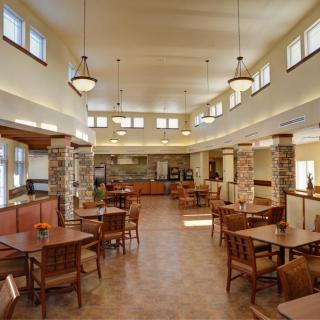
 Dining room
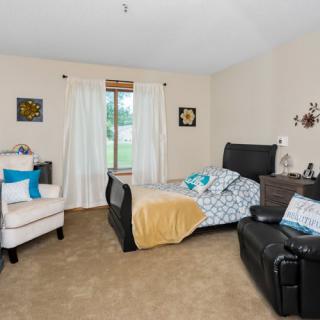
 Fully furnished
 Garden
 Housekeeping services
 Move-in coordination
 Outdoor space
 Telephone
 Wi-Fi/high-speed internet available
 24-hour supervision
 Activities of daily living assistance
 Assistance with bathing
 Assistance with dressing
 Assistance with transfers
 Diabetes diet
 Meal preparation and service
 Medication management
 Special dietary restrictions
 Transportation arrangement (medical)
 Transportation to doctors appointments


 When to Transition from Assisted Living to Memory Care: Key Indicators, Steps, and Finding the Right Community
 Assisted Living and Memory Care: Understanding Their Core Differences
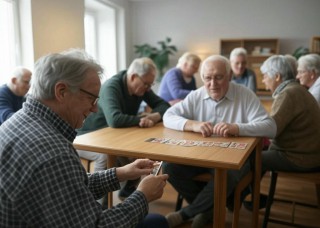 Beyond the Bingo Hall: 50+ Enriching Activities for Seniors in Assisted Living