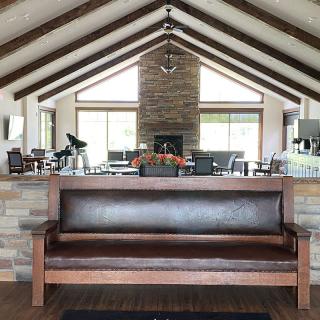
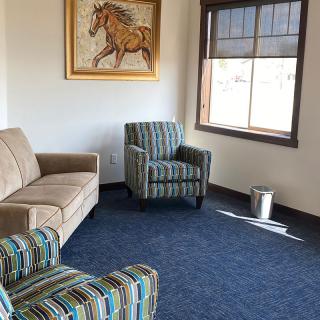
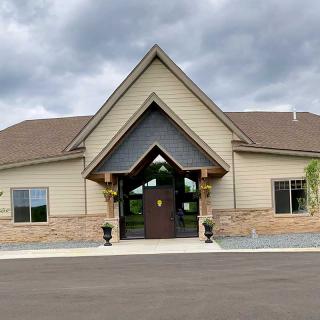

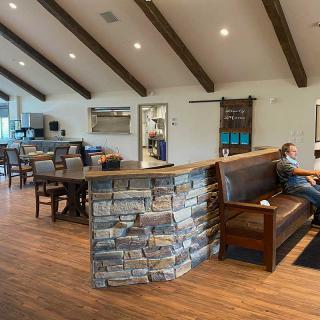
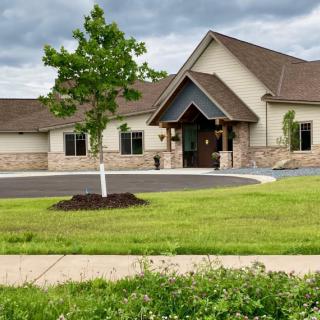

101 Ridge Road, Osceola, WI 54020
For more information about senior living options: (866) 208-4318
Eagle Ridge Senior Living Costs & Pricing
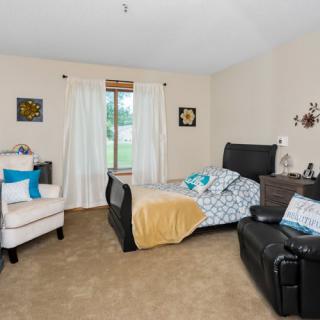
Eagle Ridge Senior Living offers competitive pricing for its studio accommodations, with a monthly cost of $4,499. This rate reflects the premium services and amenities designed to enhance the quality of life for its residents. In comparison, the average monthly cost for similar studio units in St. Croix County stands at $3,701, while Wisconsin's statewide average is slightly higher at $3,999. While Eagle Ridge's rates are above these averages, they encompass a comprehensive array of services that may include personalized care options, engaging social activities, and state-of-the-art facilities aimed at fostering a supportive community for seniors. Residents can expect not just a place to live but an enriching environment that prioritizes their well-being.
| Floor plans | Eagle Ridge Senior Living | St. Croix County | Wisconsin |
|---|---|---|---|
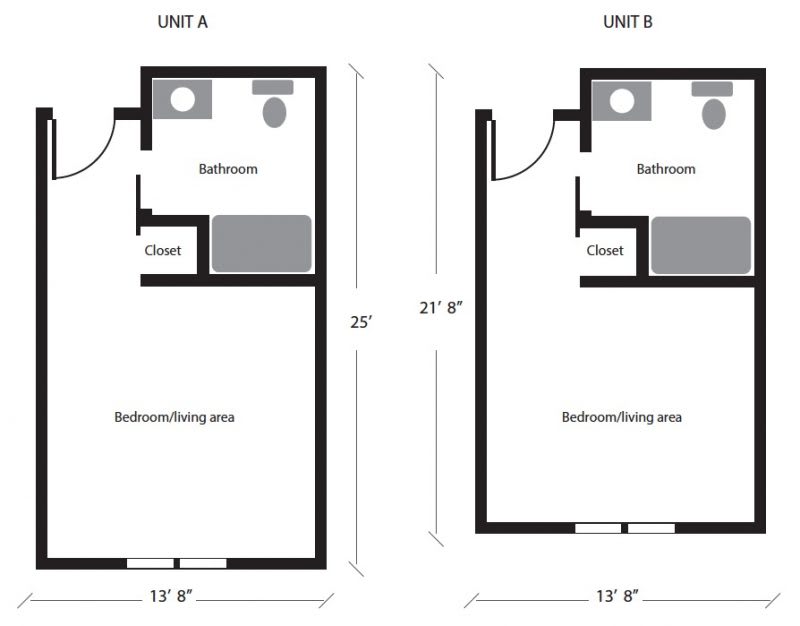
| Studio | $4,499 | $3,701 | $3,999 |
Memory care communities with a similar price nearby
-
from -$699 / mo
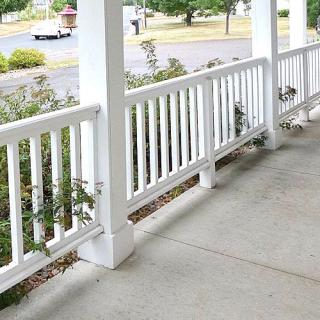
Our House Senior Living - New Richmond Memory Care
$3,800 / month16.2 miles away -
from -$204 / mo
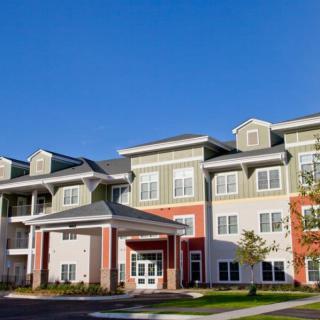
Keystone Place at LaValle Fields
$4,295 to $5,695 / month17.9 miles away -
from -$844 / mo
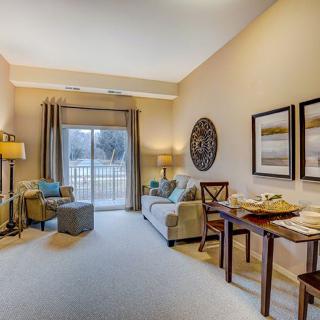
Gable Pines
$3,655 to $4,535 / month24.8 miles away -
from -$374 / mo
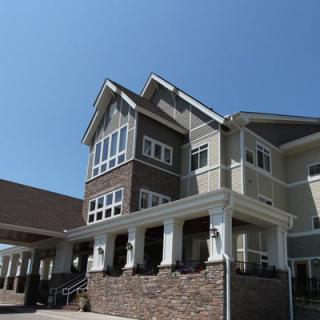
Blaine White Pine Senior Lvg
$4,125 to $5,400 / month24.9 miles away -
from -$499 / mo
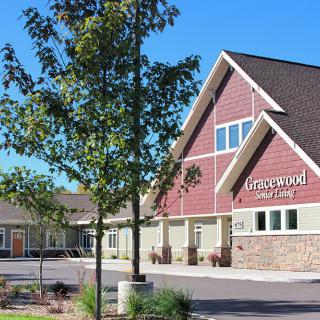
Gracewood of Lino Lakes
$4,000 to $4,800 / month21.6 miles away
Overall Review of Eagle Ridge Senior Living
Pros
 The staff are absolutely fantastic.
- The staff are kind and patient with residents and treat everyone like family.
- The facility feels like home.
- The location is perfect—close to downtown yet quiet on the hill.
- Residents love living there.
- The staff are warm, caring, and loving.
- The staff communicate well with families and help residents stay connected.
Cons
 The care is inconsistent due to the staff on duty, affecting all aspects of needed care including medication administration, bathing, night routines, and resident checks, with a lack of empathy and basic caring.
- The leadership shows a lack of regard for punctuality, honesty, basic communication, follow-through, and setting a positive example.
- Making drink runs and leaving early on a regular basis is not the behavior of good leaders.
- The facility has lost sight of its basic purpose—the care and well-being of the residents.
- The resident experienced a very bad stay with no timely help, especially at night and on weekends.
- There was no assistance to get out of bed or to the bathroom at night, resulting in bed-wetting and remaining in it.
- Bedding was changed in the morning while wet mattress pads were left on the bed, and wet bedding was discarded on the floor in the bathroom rather than taken to the washing room.
- The day they packed her up, hot water had been unavailable for seven days and counting, and she did not receive a shower or bath in ten days.
- The facility demonstrates poor management, allows non-medication certificates to pass meds, overworks employees, and breaches confidentiality.
Review
Eagle Ridge Senior Living in Osceola is best suited for seniors who prize a home-like atmosphere and warm daytime interactions from staff. The setting works for residents seeking quiet, community-focused living with opportunities for social engagement, light activities, and attentive caregivers who treat residents like family. It favors those with moderate assistance needs who do not require constant monitoring or rapid-response medical intervention, and for families willing to partner closely with frontline staff and administrators to keep care aligned with expectations. It is less appropriate for individuals with complex medical conditions or those demanding around-the-clock supervision and impeccably consistent care.
For families weighing alternatives, the strongest caveat is the inconsistency in day-to-day care tied to shifting staff and unsettled leadership. If medication administration, timely night-time help, or strict privacy and confidentiality are non-negotiables, Eagle Ridge may fall short. Those who require robust oversight, crisis management, and reliably steady operations should compare with other communities that demonstrate clearer accountability and more predictable staffing. In short, this house works best for those who can tolerate some variance while valuing warmth; those who cannot should look toward facilities with proven leadership and stronger care protocols.
The positive threads are real and meaningful. Reviewers repeatedly describe staff as kind, patient, and genuinely engaged, with residents feeling cared for and treated like family. The quiet hilltop location and proximity to downtown add to a sense of home and security that many families find comforting. This emotional support matters because it shapes daily experience, reduces stress, and builds trust between residents and caregivers. Yet warmth alone cannot fix gaps in care when emergencies arise or when essential duties, such as nighttime assistance, bathing, or rapid response to needs, are delayed. The tension between heartfelt interactions and operational consistency is the core challenge in Eagle Ridge’s narrative.
Families evaluating Eagle Ridge should press for clarity on operations and oversight. Key diligence includes verifying how medications are administered and logged, who holds licensure for medications, and how staffing levels shift between days and nights. Meeting the administrator or Director of Nursing, reviewing incident and duty logs, and requesting recent references from current residents are prudent steps. Consider visiting during evenings and weekends to observe response times and the cadence of nightly routines. Transparency about leadership expectations, staff scheduling, and problem-resolution processes makes the difference between a resonant, home-like experience and a fragile, under-supervised one.
Taken together, the review pattern reveals two worlds coexisting in the same space: warmth and strong interpersonal connections on one hand, governance and consistency gaps on the other. Ten five-star endorsements point to a culture where residents flourish emotionally when well-staffed, while four one-star experiences signal real failures in fundamental caregiving and operations. This dichotomy matters for families choosing a long-term home: the emotional climate can be compelling, but it cannot compensate for recurring lapses in basic care, privacy breaches, or prolonged reliability issues. The high variability in experiences should weigh heavily in the decision-making process.
In the end, Eagle Ridge ought to be considered by families who can actively participate in care coordination, demand accountability, and tolerate imperfect consistency in exchange for genuine warmth. For residents with high or intricate medical needs, or for those requiring unwavering reliability around the clock, alternatives with stronger staffing stability and clearer leadership are advisable. If proceeding, establish a concrete oversight plan, set clear expectations with the leadership team, and arrange regular follow-ups on medication management, night-time care, and sanitation concerns. The right fit hinges on balancing the human warmth evident in daily interactions with the firm safeguards that ensure daily safety, dignity, and dependable care.
 32 resident community capacity
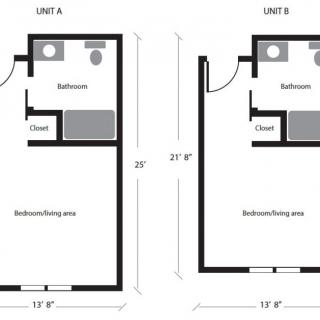
 Studio apartments
 Assisted Living
 Memory Care
 Activities off-site
 Air-conditioning
 Bath tubs
 Beautician on-site
 Cable or satellite TV
 Devotional services off-site
 Dining room
 Fully furnished
 Garden
 Housekeeping services
 Indoor common areas
 Kitchenette
 Move-in coordination
 Outdoor common areas
 Respite or short term stays offered
 Telephone
 Wheelchair accessible showers
 Wi-Fi/high-speed internet available
 24-hour call system
 Assistance with bathing
 Assistance with dressing
 Assistance with transfers
 Diabetes diet
 Diabetic care
 High acuity care
 Incontinence care
 Meal preparation and service
 Medication management
 Mental wellness program
 Special dietary restrictions
 Transportation arrangement (medical)
 Transportation to doctors appointments
 Art classes
 Cooking classes
 Day trips and outings
 Happy hour
 Live dance or theater performances
 Live musical performances
 Live well programs
 Visiting chaplain or priest



 22 Remarkable Caregiver Support Groups Available Online and In-Person
 Understanding Medicaid Coverage for Assisted Living: A Comprehensive Guide
 How and When Medicaid May Cover Assisted Living Costs