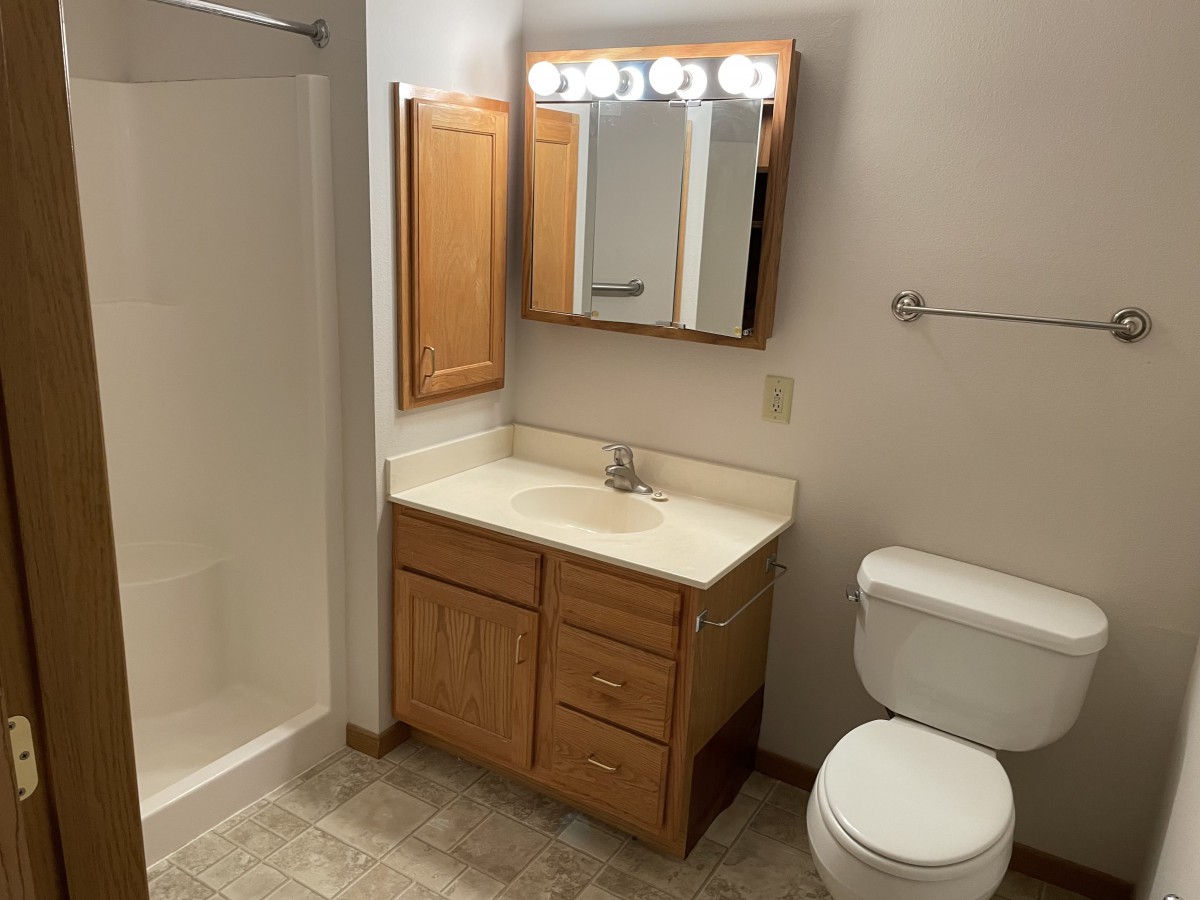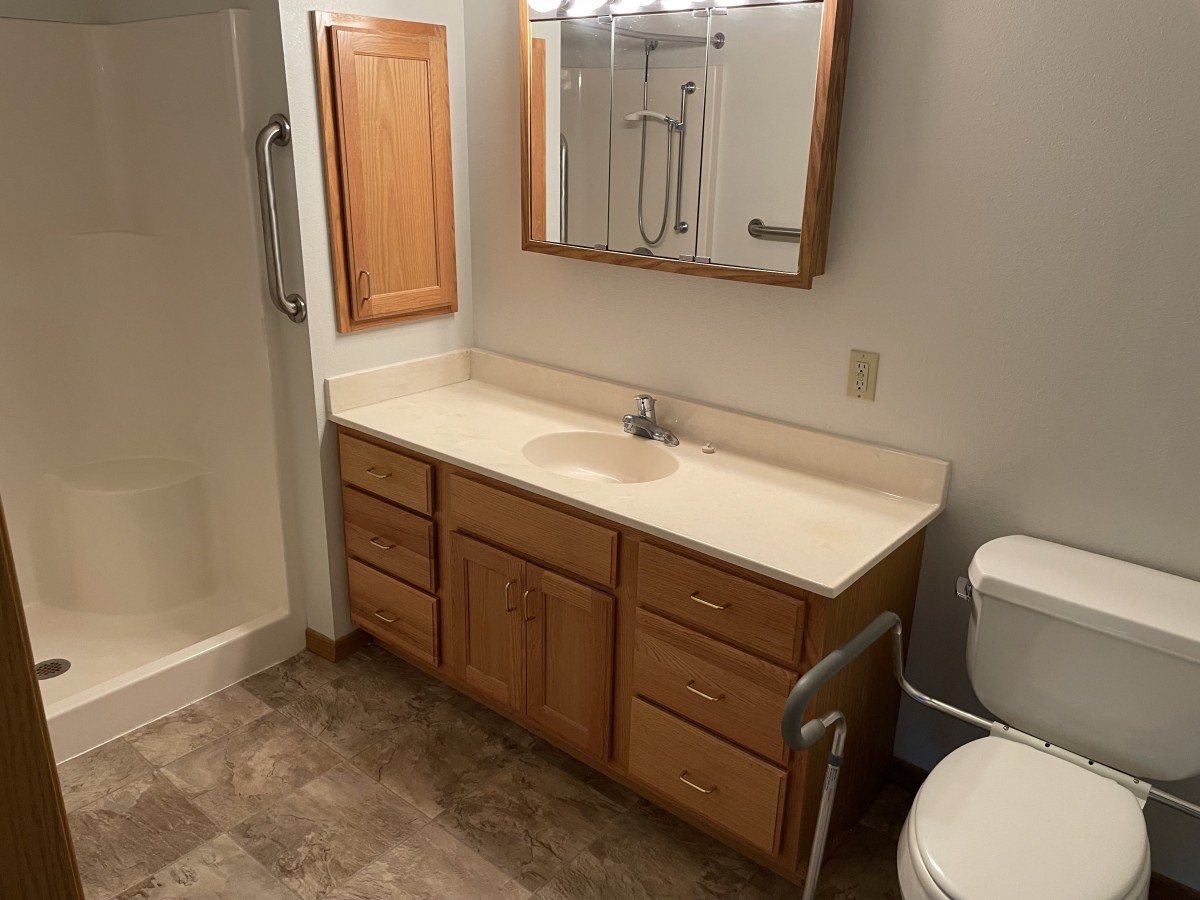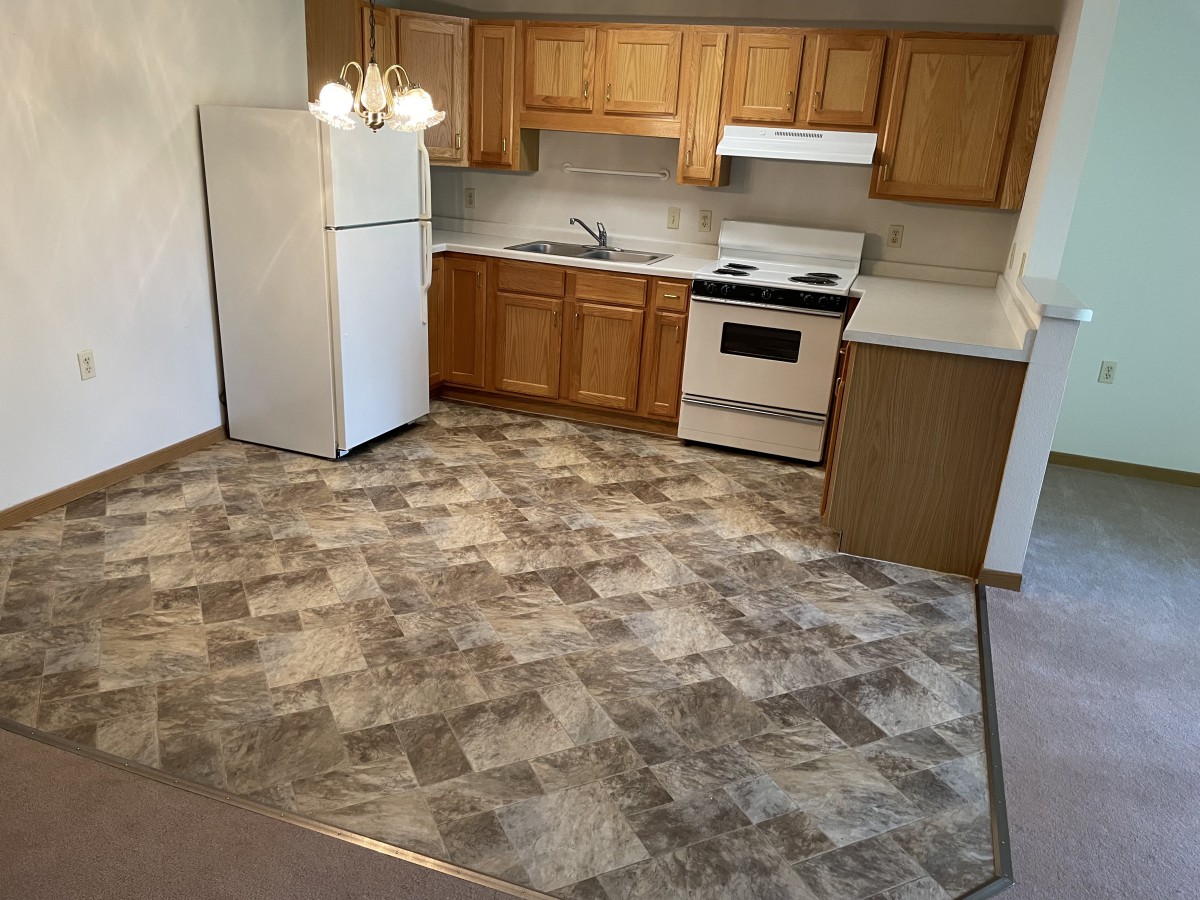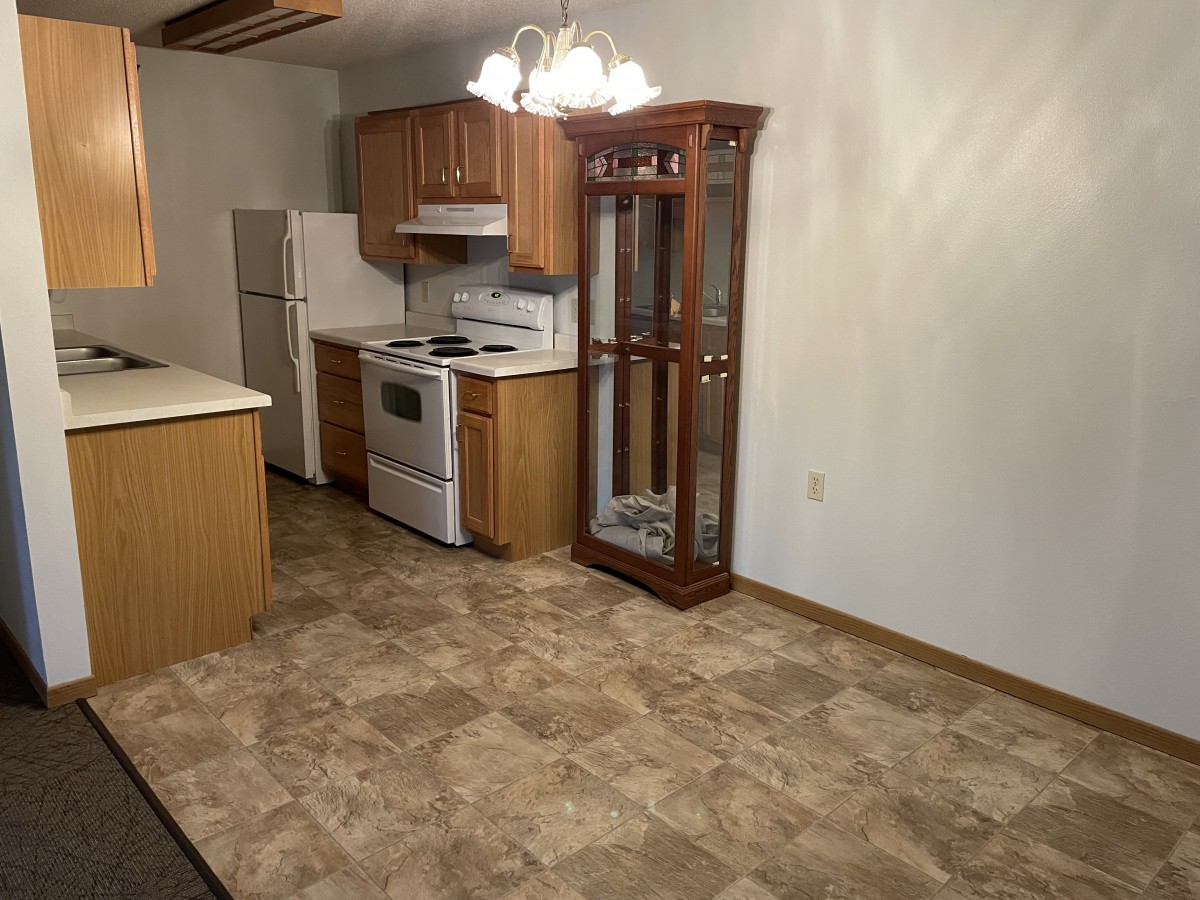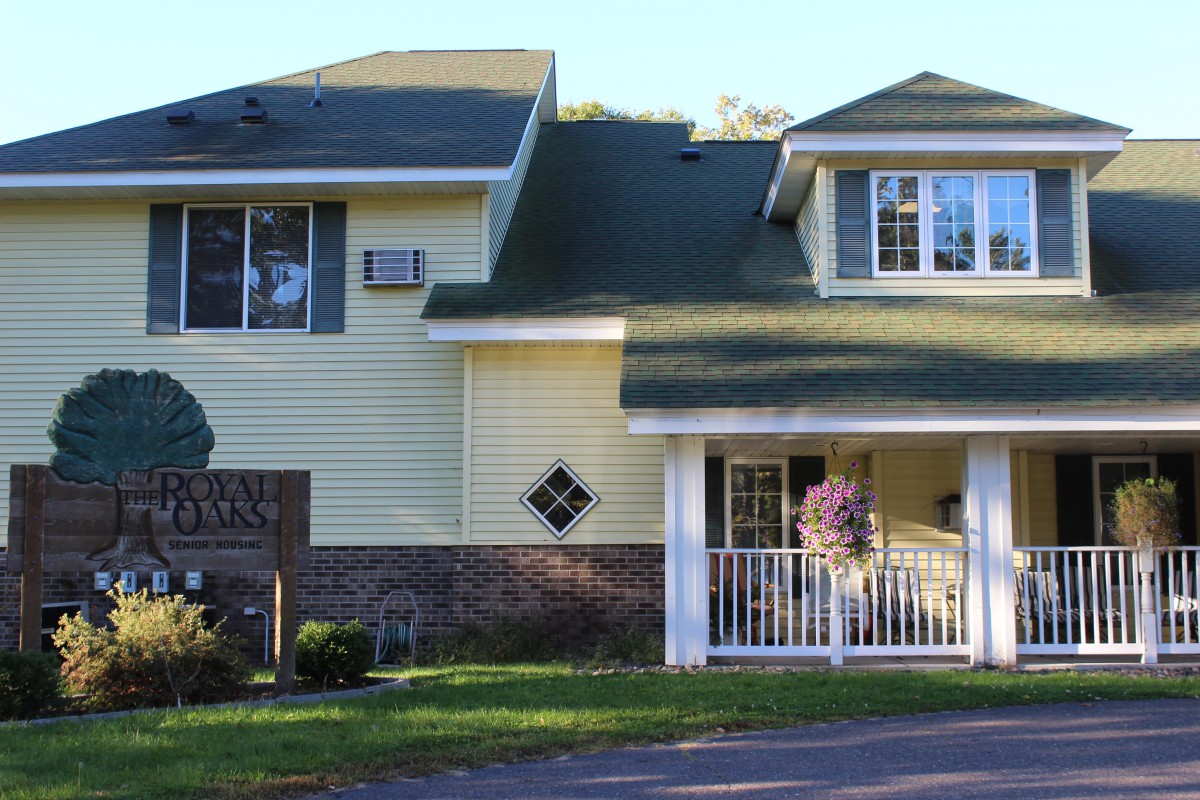
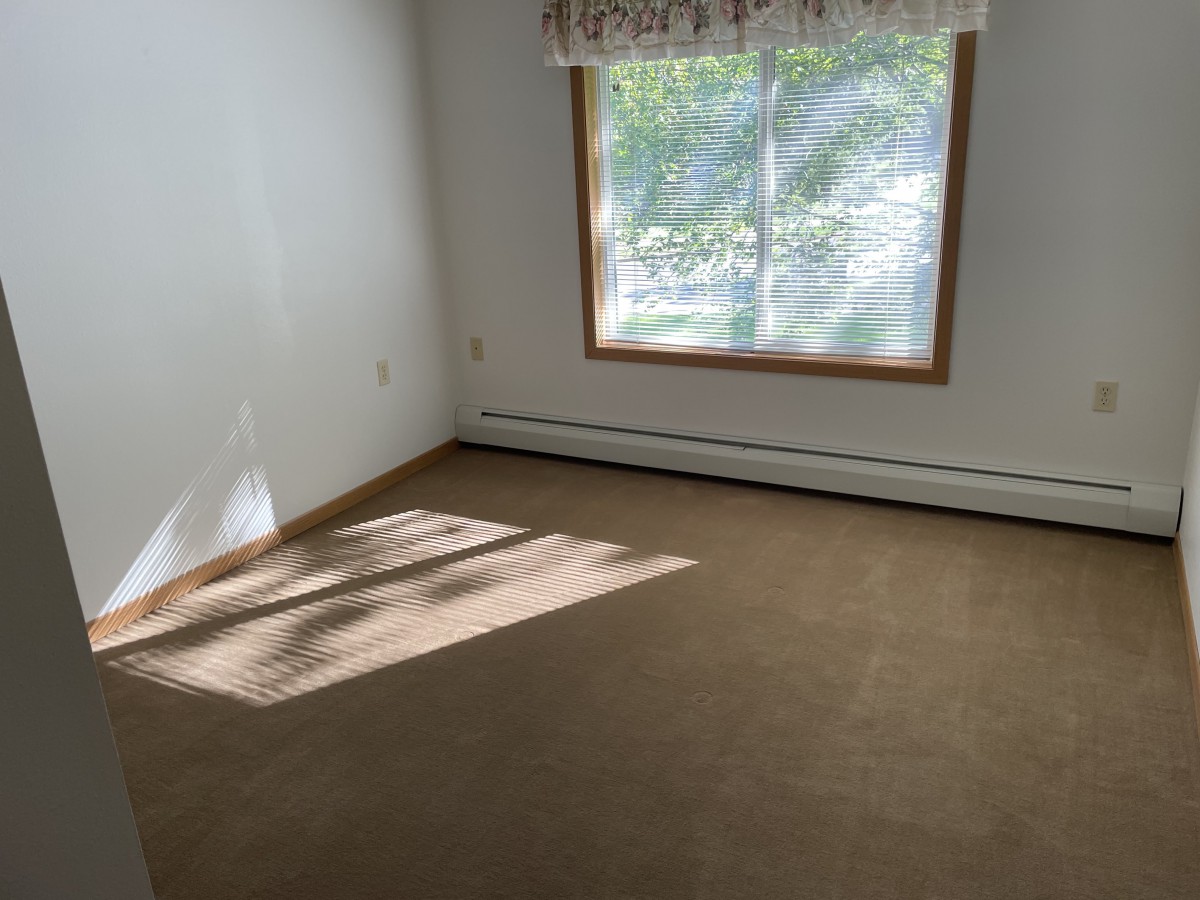
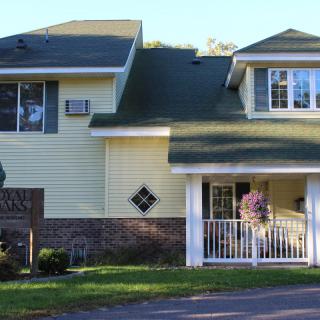
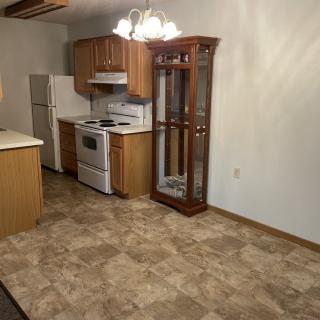
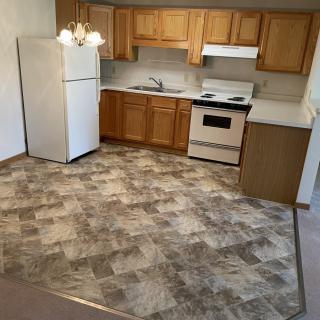
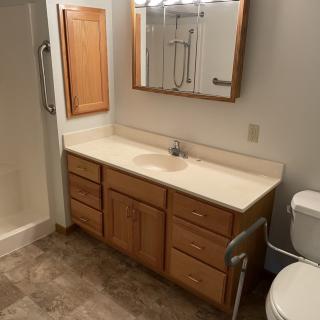
304 8th Ave E, Osceola, WI 54020
To contact a resident: (715) 294-1600
For more information about senior living options: (866) 208-4318
The Royal Oaks, Inc Costs & Pricing
At The Royal Oaks, Inc, residents benefit from competitive monthly rates compared to broader regional averages. For a one-bedroom unit, the cost is $2,040, which is significantly more affordable than the St. Croix County average of $3,108 and the statewide figure of $3,412. Similarly, for two-bedroom accommodations, The Royal Oaks offers pricing at $2,652, again undercutting both the county average of $3,064 and Wisconsin's average of $3,111. These cost efficiencies make The Royal Oaks an attractive option for individuals seeking quality living arrangements without stretching their budgets too far in comparison to other options within the county and state.
| Floor plans | The Royal Oaks, Inc | St. Croix County | Wisconsin |
|---|---|---|---|
| 1 Bedroom | $2,040 | $3,108 | $3,412 |
| 2 Bedrooms | $2,652 | $3,064 | $3,111 |
Assisted Living communities with a similar price nearby
-
from +$90 / mo
Cerenity Residence-White Bear Lake
$2,130 to $2,700 / month23.0 miles away -
About the same
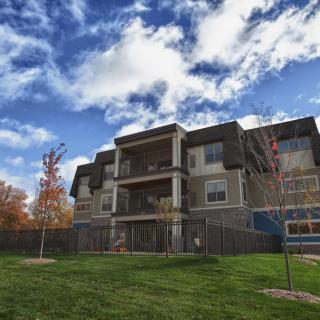
Encore at Mahtomedi
$1,995 to $4,331 / month22.0 miles away
Overall Review of The Royal Oaks, Inc
Pros
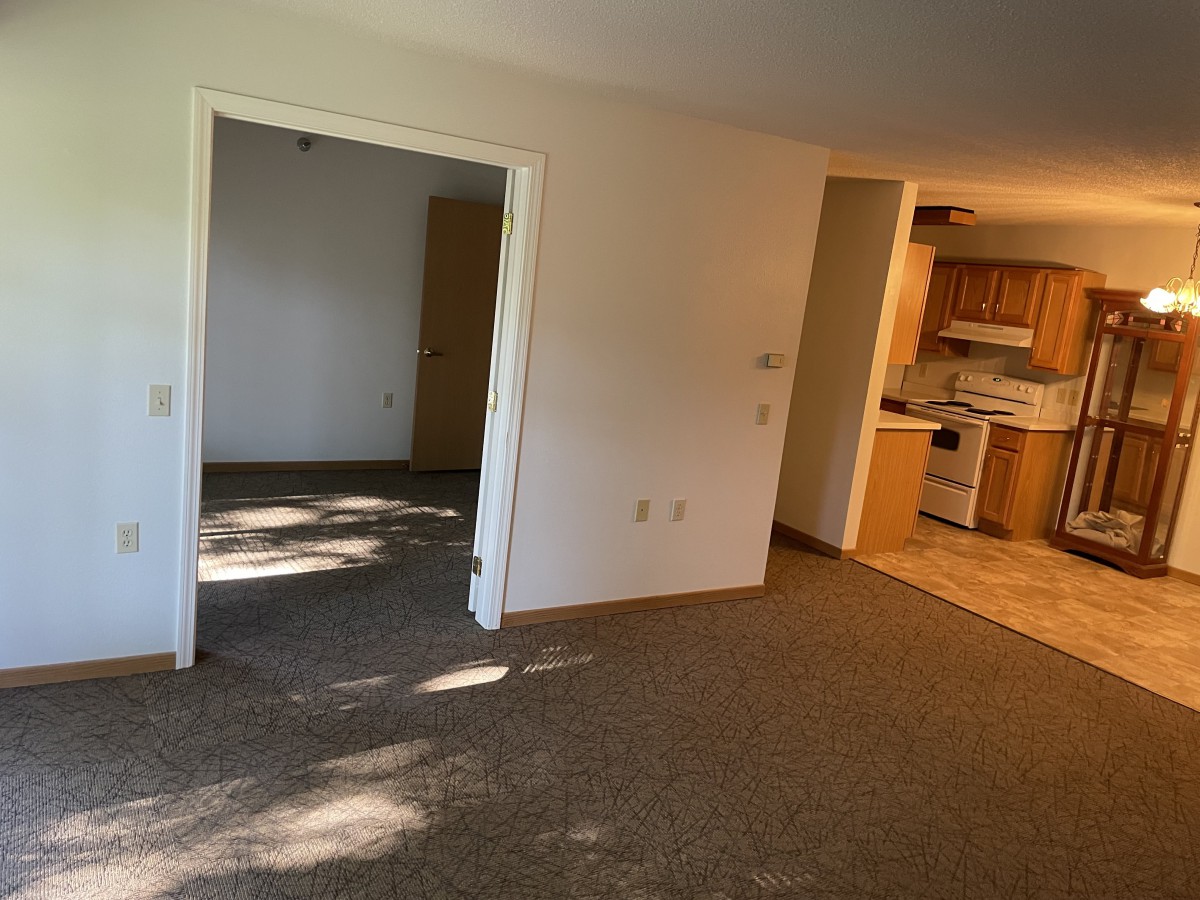
 The accommodations are very nice.
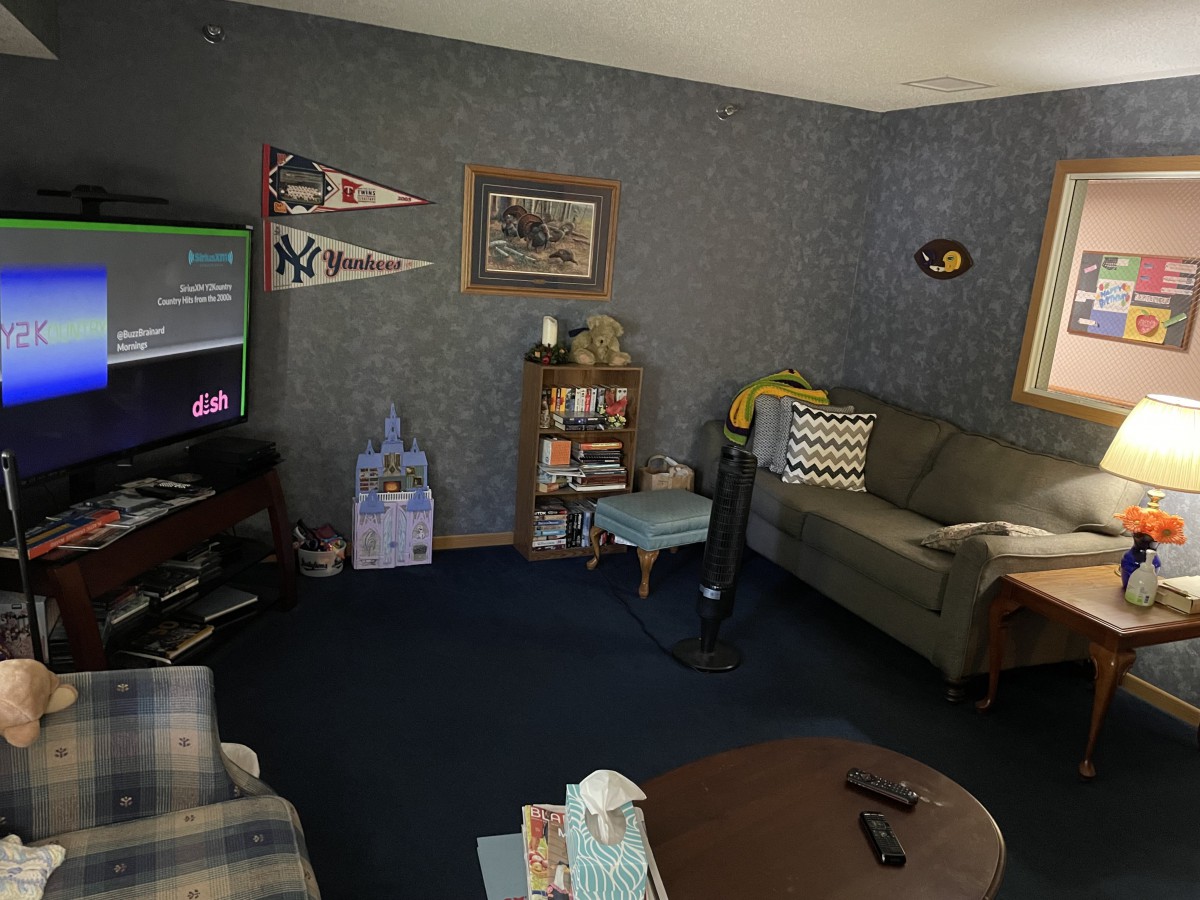
- The facility offers a courteous, friendly, homey atmosphere.
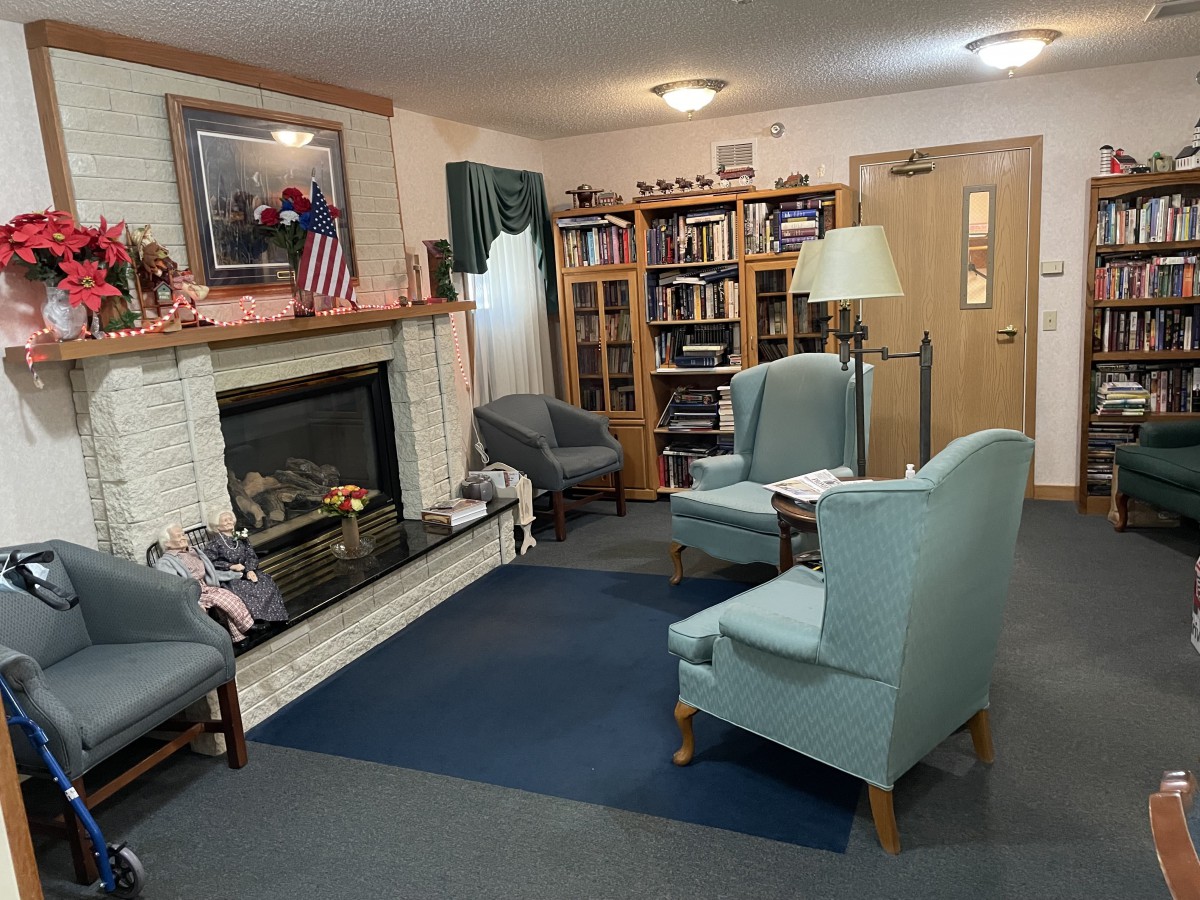
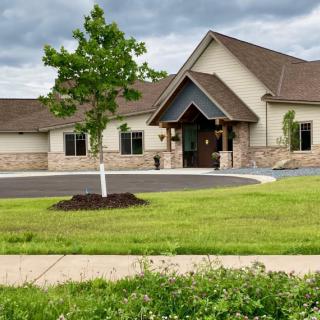
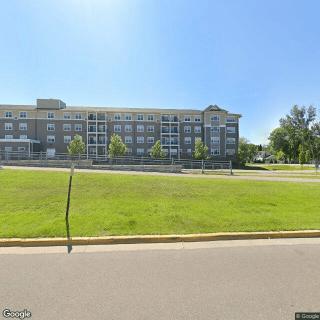
- The facility is newly remodeled and residents appear content.
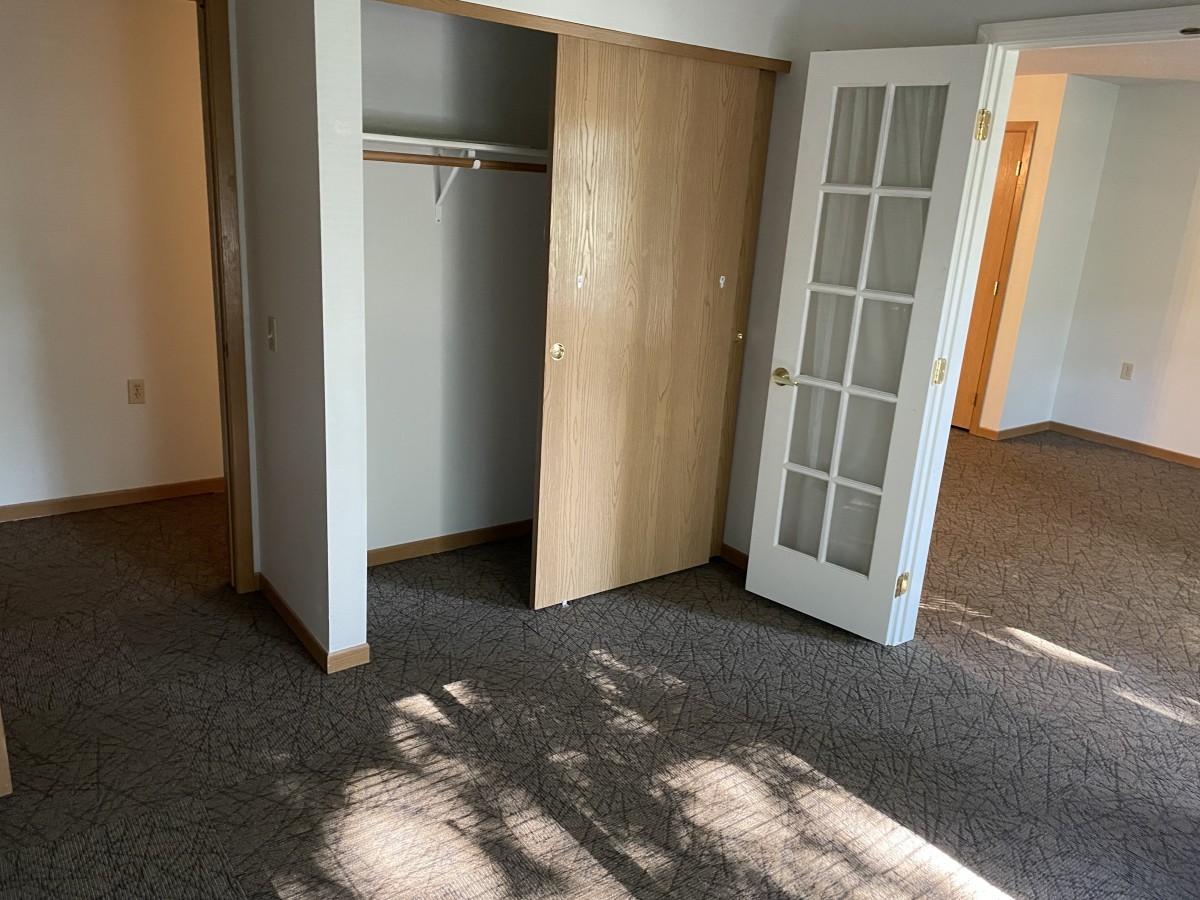
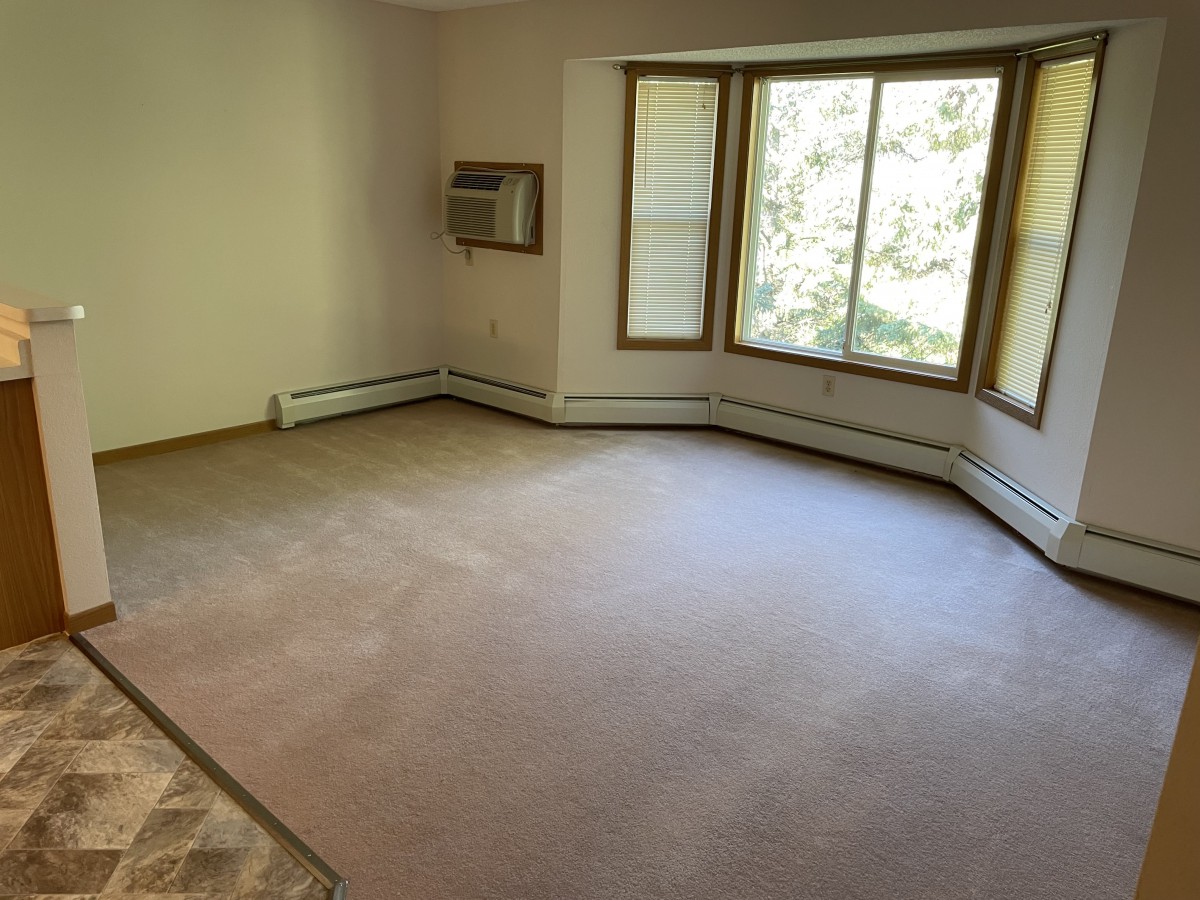
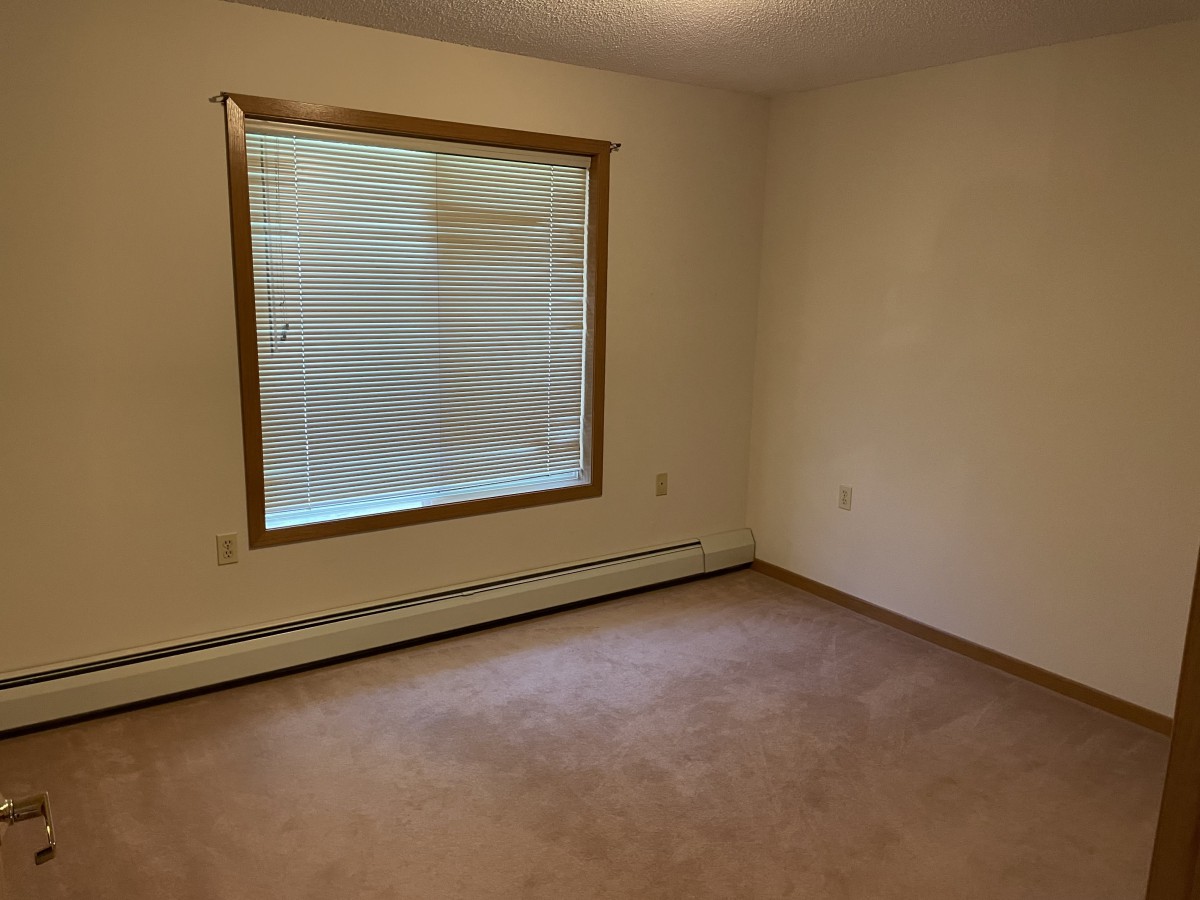
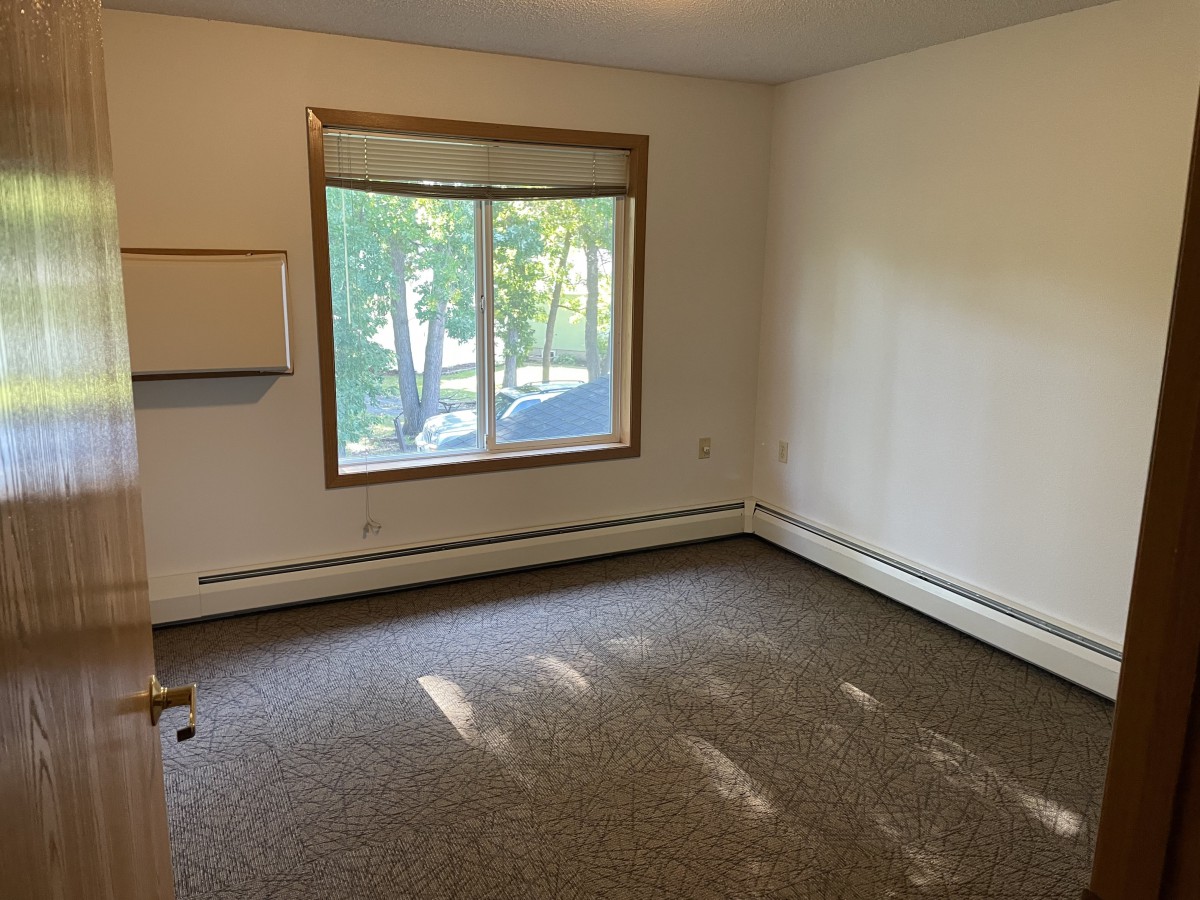
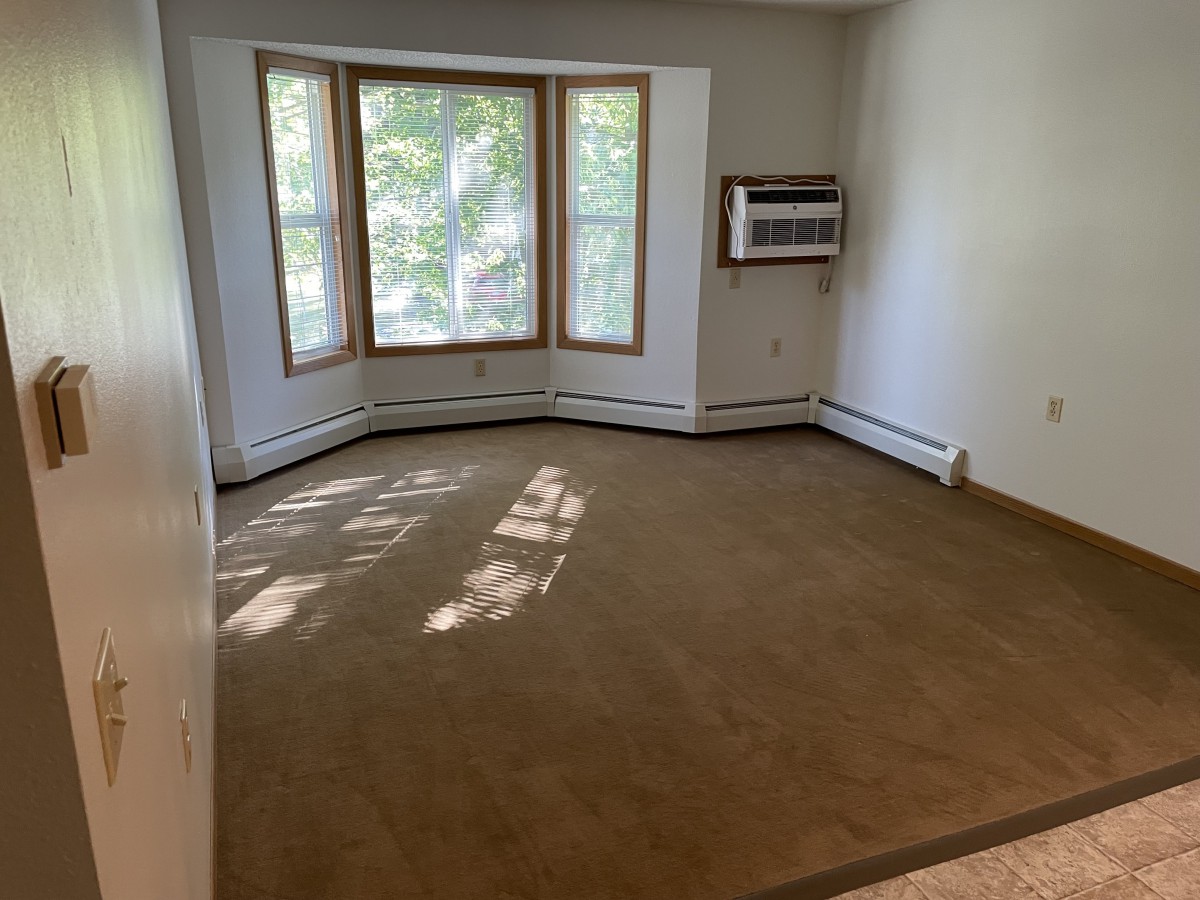
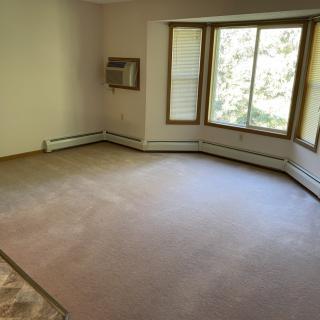
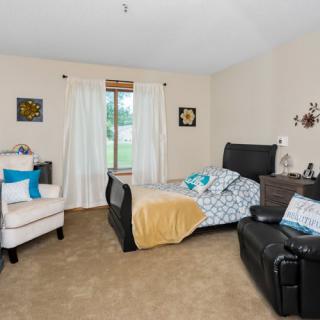
- The double-occupancy rooms provide privacy with a dividing door.
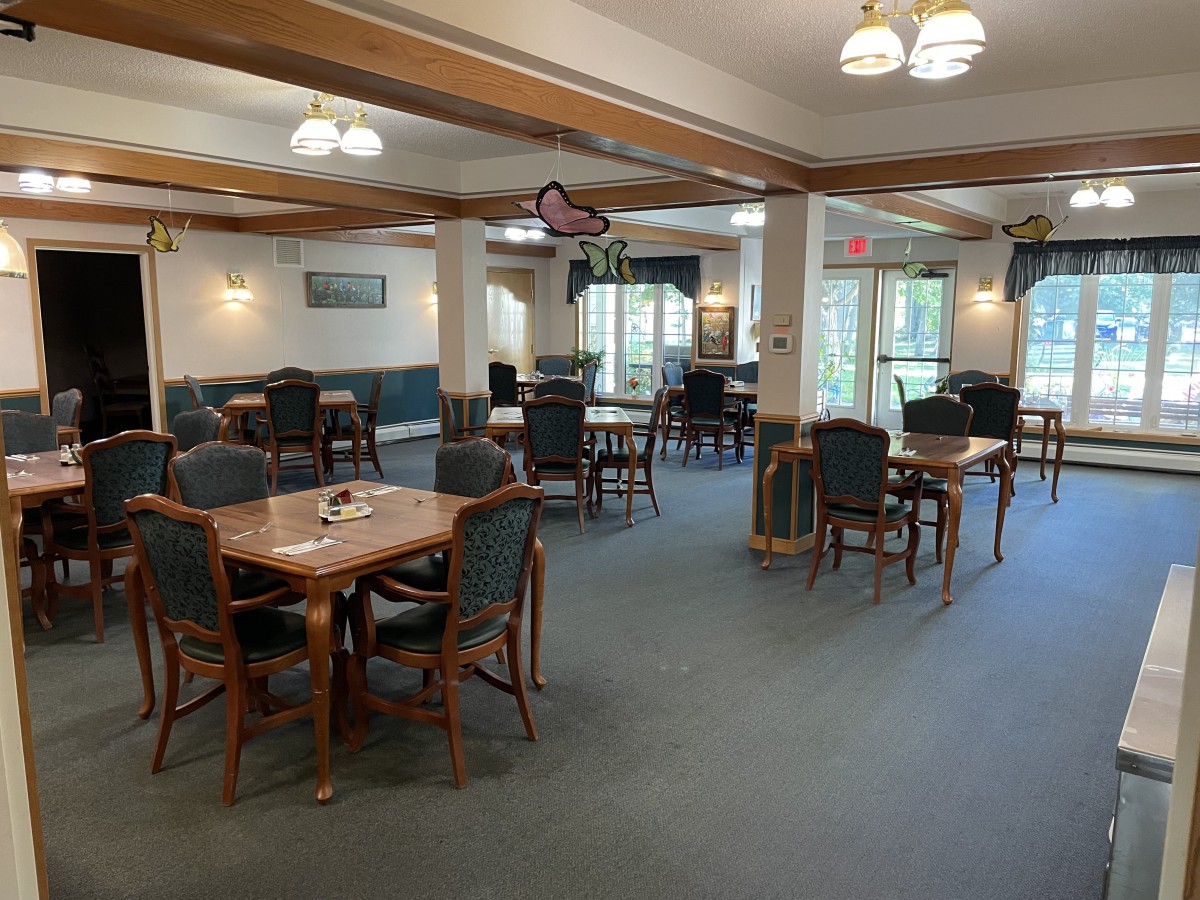
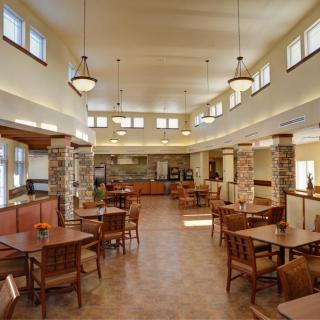
- The menu looks wonderful and activities are plentiful.
- Judy provides a great tour.
- The meals are made from scratch and are great.
- The building is well kept, always clean, and the staff are friendly and caring.
Review
The Royal Oaks Assisted Living in Osceola is best suited for couples or individuals who want a warm, family-like setting where staff familiarity with residents is palpable, daily life feels social and intentional, and meals and activities are integral to the living experience. The atmosphere reads as homey and cared-for, with newly remodeled interiors that show ongoing attention to quality. Residents appear content, and the staff is described as courteous and friendly, which translates into predictable daily routines and a sense of security for families. The double-occupancy suites with a door separating the two spaces offer a practical balance of companionship and personal space, so this option works well for those who don’t insist on complete privacy but still want defined living areas.
Those who may want to consider alternatives include families seeking higher-acuity medical oversight, intensive memory-care programming, or private rooms without sharing walls. For residents who require substantial on-site nursing, complex wound care, or 24/7 clinical management, the reviews do not document those capabilities in depth, so a closer check is essential. Similarly, couples who strongly prefer separate, fully private residences may be uncomfortable with a shared configuration, even with a dividing door. If a larger campus with a broader continuum of care, or a setting focused specifically on memory care, is a priority, it’s prudent to compare options that foreground those services and room options.
The strong pros effectively offset the main trade-offs in several meaningful ways. A remodeled, well-kept building signals ongoing investment in safety and comfort, while a homey, welcoming vibe reduces the emotional strain families sometimes associate with transitions. The staff’s apparent knowledge of residents, coupled with abundant daily activities and a menu described as wonderful and scratch-made, supports sustained engagement, reduces isolation, and helps maintain a sense of normalcy. The combination of a caring, attentive team and a structured social calendar creates daily life that feels purposeful, which is a meaningful offset to the reality of shared space. In this sense, the most important strengths, staff familiarity, resident contentment, and strong culinary and activity offerings, directly counterbalance the compromises of semi-private rooms.
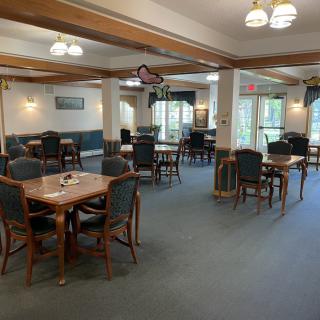
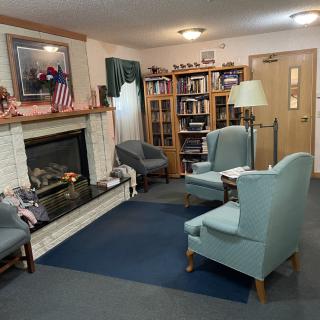
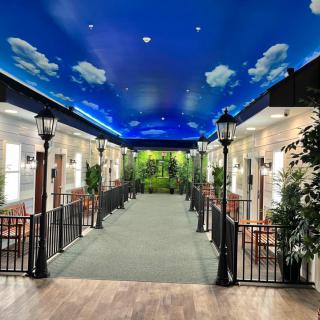
Day-to-day life and the touring experience reinforce the facility’s strengths. Tours are portrayed as informative, with staff who guide families through what to expect, reflecting a transparent operation. The kitchen’s ability to produce meals from scratch and the calendar of activities point to a robust internal rhythm, one that supports nutrition, socialization, and cognitive engagement. Cleanliness and ongoing upkeep further reassure families regarding safety and comfort. The holiday-decorated environment signals an active community calendar and a tone of celebration that can ease the adjustment for new residents. These elements collectively create a credible picture of a well-run, warm home rather than a clinical facility.
Data discipline matters here: six reviews, while overwhelmingly positive, provide a small sample. The 4.7 average underscores consistency in the experiences described, yet prospective residents should verify current room availability, gauge how room-sharing affects personal routines, and confirm the level of care available on a day-to-day basis. Scheduling a hands-on tour remains essential to observe staff interactions, resident mood, and the fit between individual needs and the community’s offerings. Families should ask about dietary accommodations, activity pacing, and how emergencies or medical needs are handled in practice. In short, diligence during a visit will reveal whether the environment truly aligns with expectations for daily life, safety, and ongoing engagement.
Bottom line: The Royal Oaks is a strong, practical choice for those prioritizing warmth, social vitality, and dependable staff, with the added confidence of a well-kept, newly remodeled setting and scratch-made meals. It is especially well-suited for couples or individuals who are comfortable sharing semi-private space and who want a lively calendar of activities and a home-like atmosphere. Those needing private accommodations, high-acuity medical care, or dedicated memory-care programming should actively compare alternatives to ensure a closer match to clinical needs and privacy expectations. A focused tour, candid questions about care levels, and a clear understanding of room options will determine whether this community becomes the right next chapter.
 Assisted Living
 Independent Living
 Activities on-site
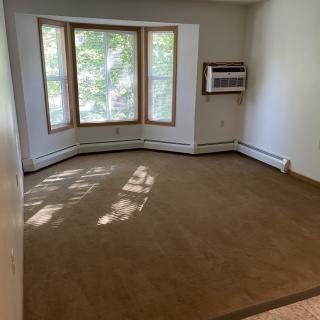
 Air-conditioning
 Beautician on-site
 Devotional services off-site
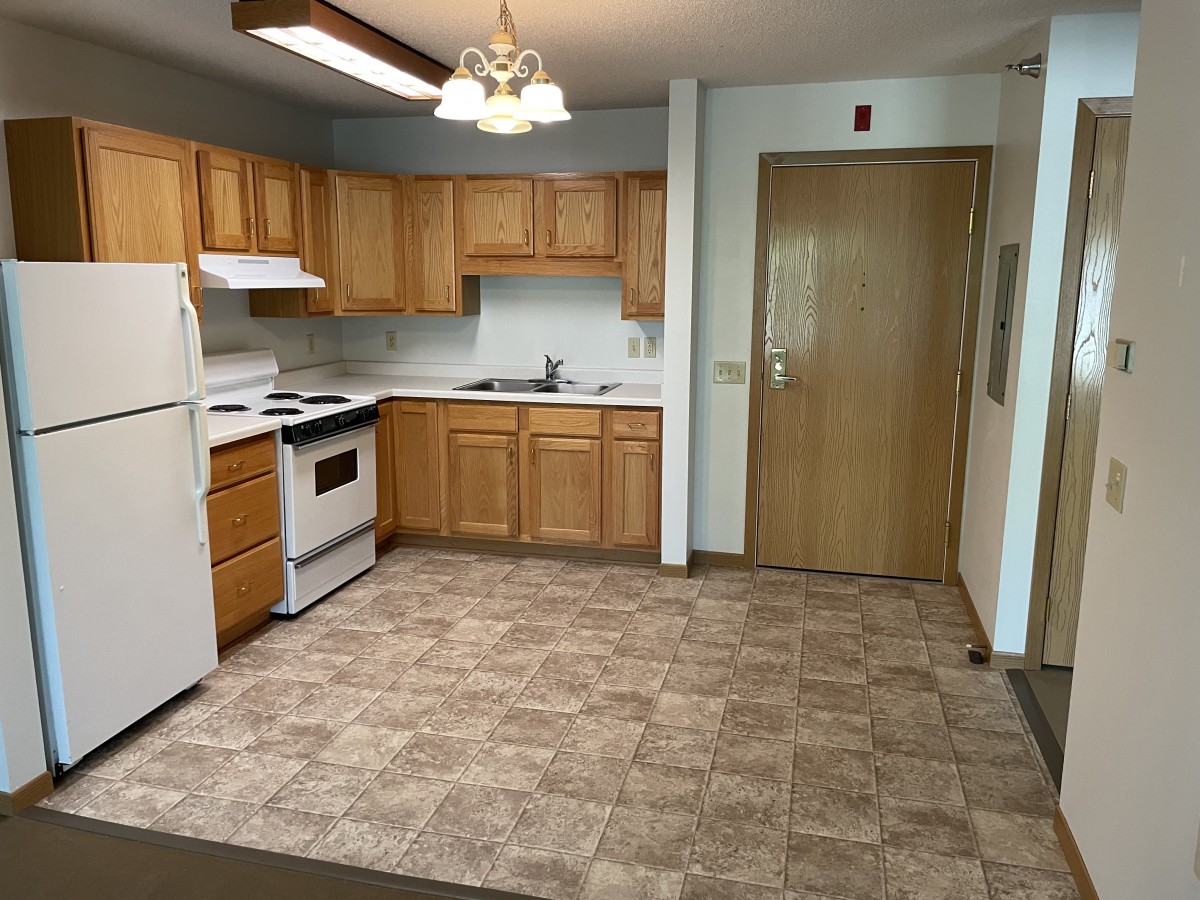
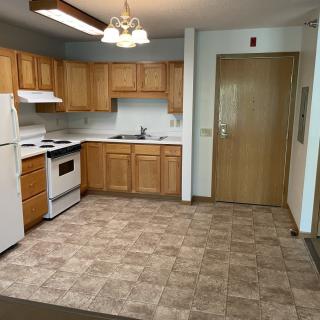
 Full kitchen
 Ground floor units
 Indoor common areas
 Outdoor common areas
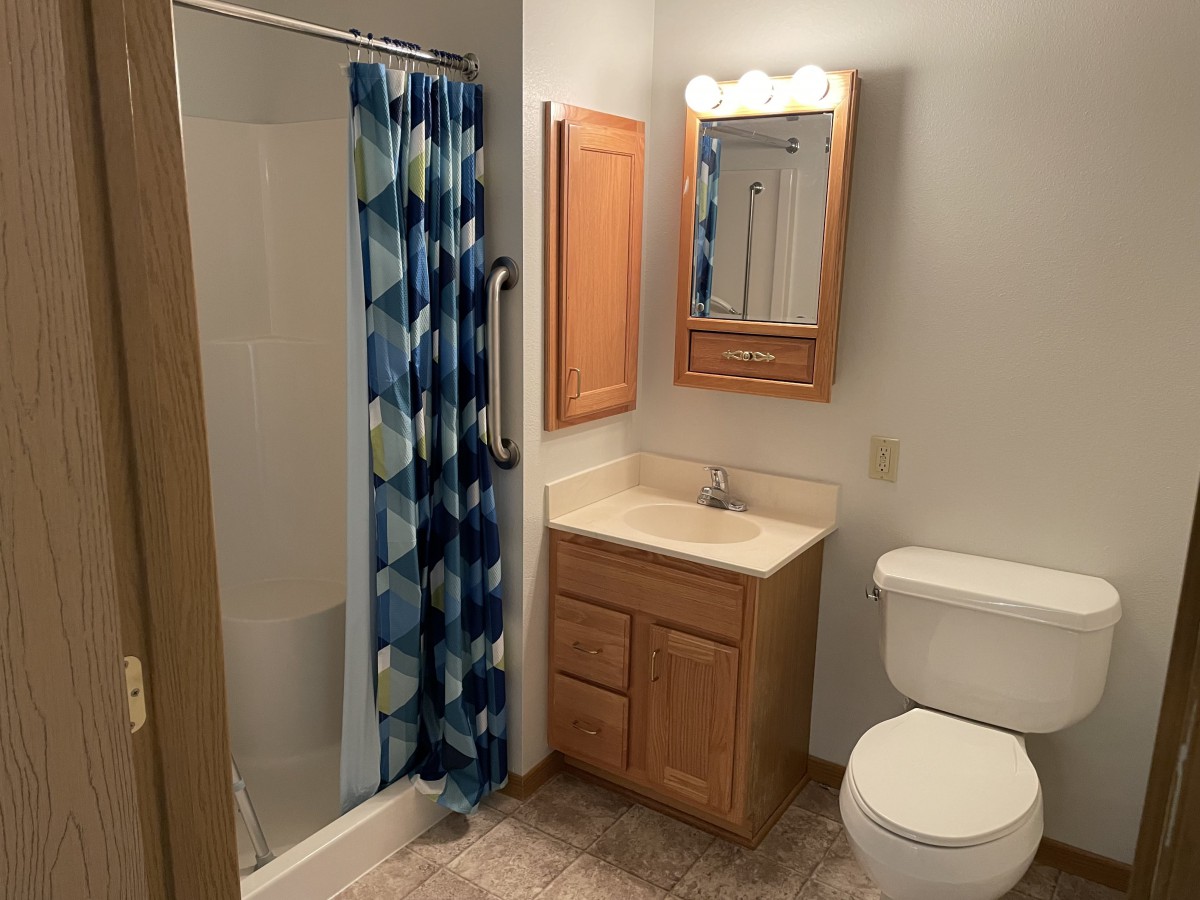
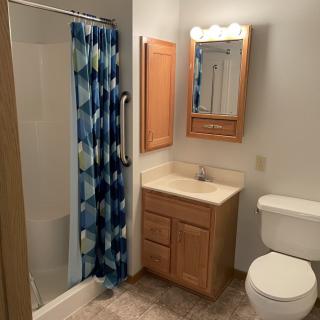
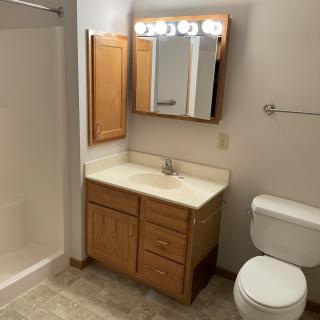
 Private bathrooms
 Wheelchair accessible showers
 Wi-Fi/high-speed internet available
 Ambulatory care
 Diabetic care
 Incontinence care
 Medication management
 Gluten-free
 Art classes
 BBQs or picnics
 Birthday parties
 Catholic services
 Happy hour
 Live musical performances
 Stretching classes

 Funding and Affording Assisted Living: A Thorough Overview
 Assisted Living Expenses and Long-Term Care Insurance: A Comprehensive Exploration
 Securing Financial Support for Assisted Living: A Comprehensive Overview