



2650 65 Th Avenue, Osceola, WI 54020
For more information about senior living options: (866) 208-4318
Overall Review of Christian Community Home Of Osceola
Pros
 The Osceola facility is highly recommended for its great staff and location.
- The staff are helpful, friendly, and welcoming from the moment one arrives.
- Christian Community Homes is a wonderful facility with friendly, helpful staff and engaging activities for residents.
- The center is a godsend for families; residents are thriving and well cared for, with attentive, responsive staff and thorough therapy.
- The staff are dedicated and caring, and the organization respects and honors the seniors it serves.
- Families express heartfelt thanks for the compassionate care provided to their loved ones.
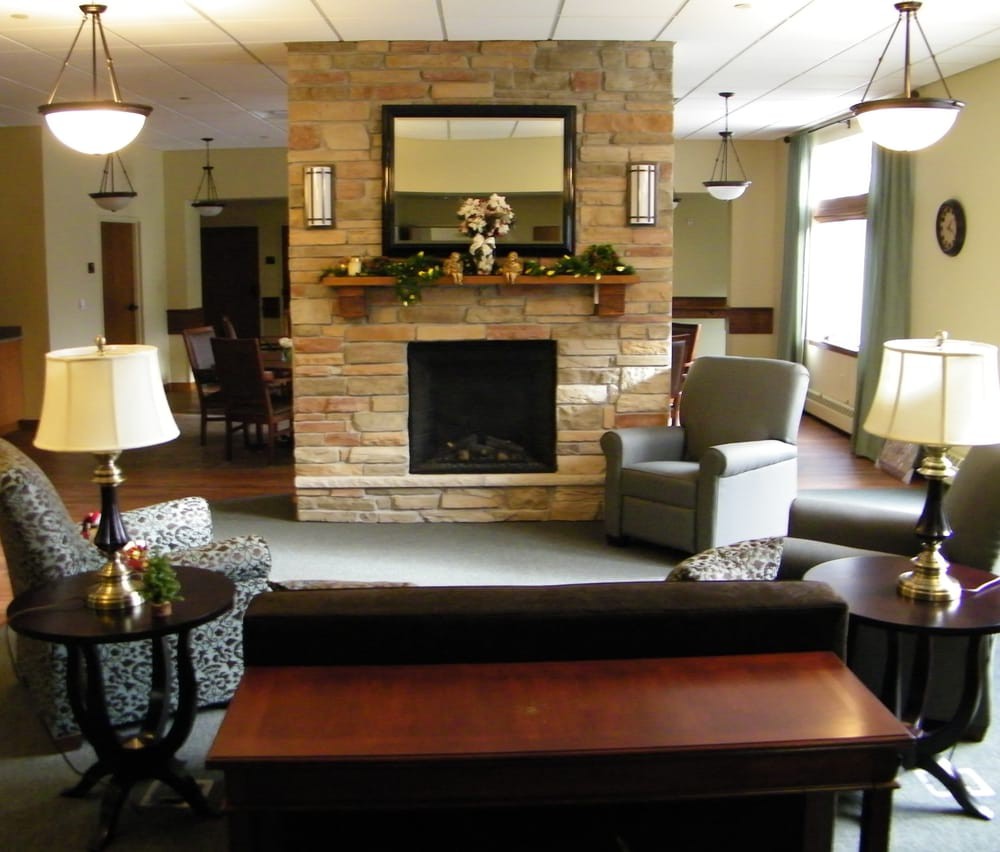
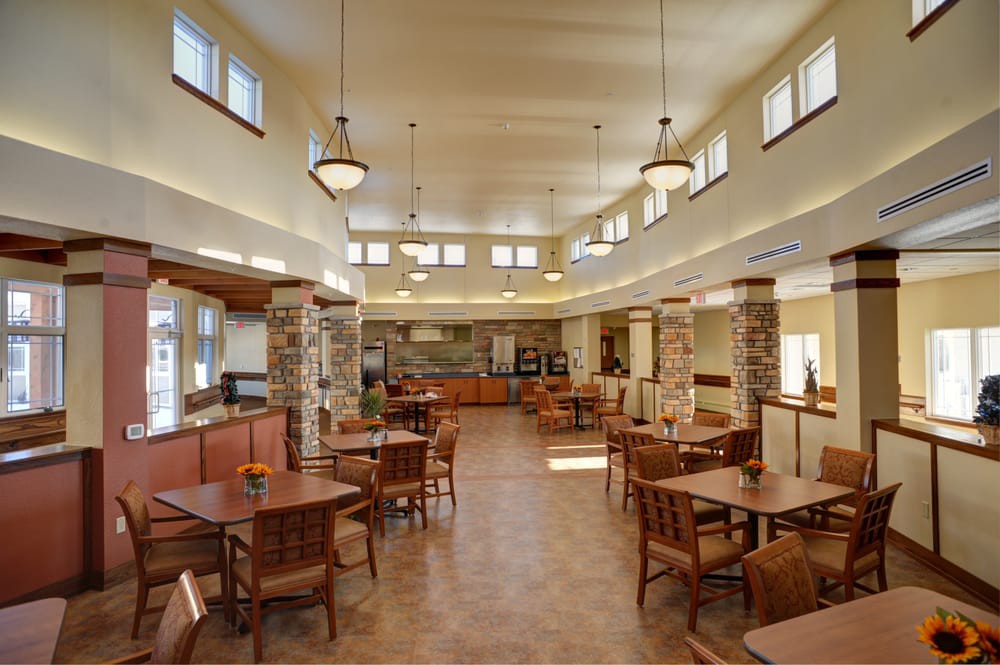
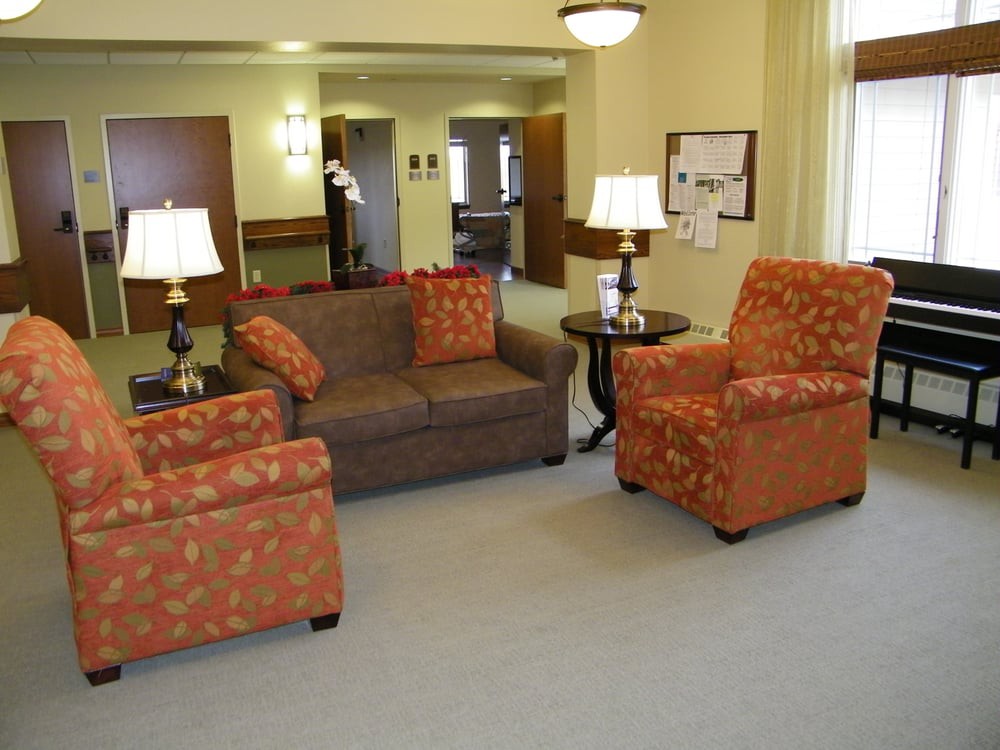
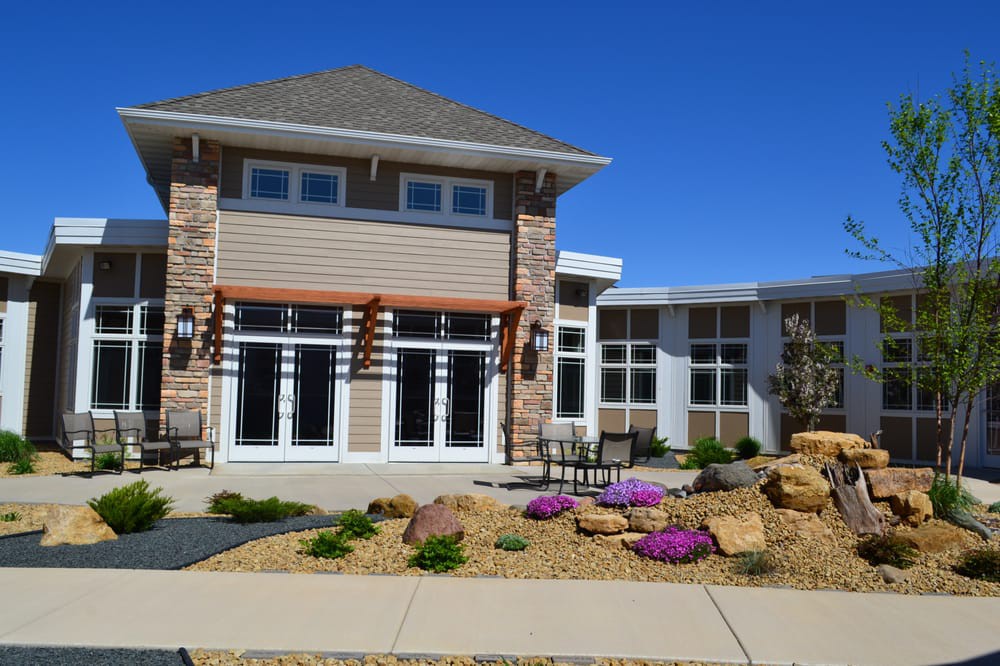
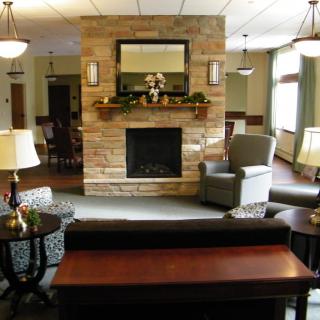
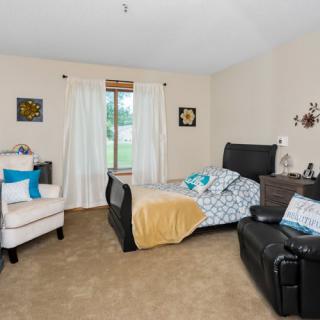
- The facility is modern, beautiful, clean, and maintains high standards.
- Residents receive daily rehab and show steady progress under attentive care.
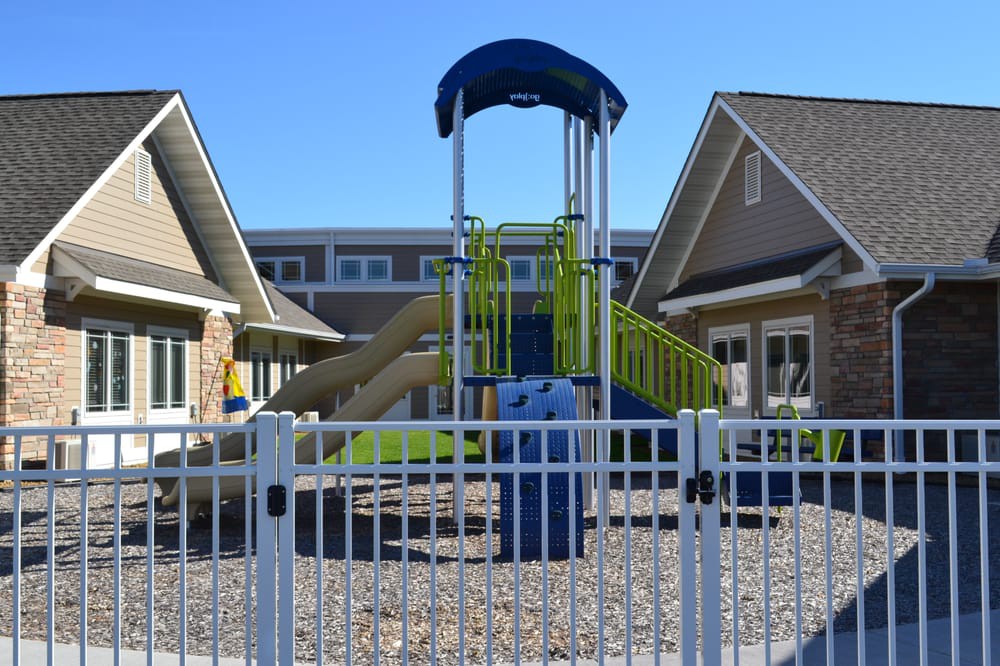
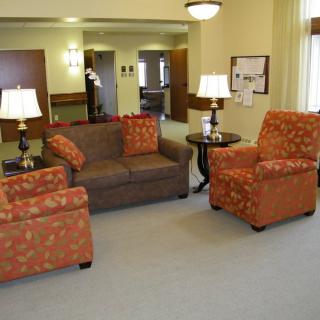
- The environment is warm, comfortable, and family-friendly, with amenities like an on-site chapel and pet-friendly visitation.
Cons
 They would not recommend the facility.
- This facility is the worst place to send anyone.
- They neglected a patient and were very unprofessional, leaving him unable to receive care when he needed it.
- The nursing home killed him.
- The nursing home doesn't even deserve a 1-star rating.
- The staff management does not treat employees fairly, and a manager verbally abused an employee.
- The staff were incredibly rude.
Review
This community is best suited for families in the Osceola area who want a warm, faith-driven atmosphere with a strong emphasis on social activity, personal interaction, and ongoing rehabilitation for older adults. It works well for seniors who thrive on a lively calendar, meaningful staff connections, and chapel-based support, all within a modern, inviting setting close to medical facilities. Those seeking a consistently formal, top-to-top management reputation or highly specialized memory care with rigid oversight may not find it here. Families price-conscious about value will find clear benefits, but should remain attentive to leadership norms and how promptly concerns are addressed.
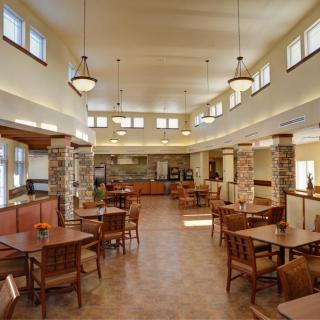
Several core strengths stand out in daily life at this facility. The staff consistently earns praise for friendliness, helpfulness, and a welcoming demeanor from the moment residents arrive. Families note attentive care, responsiveness to questions, and thorough therapy during rehab stays, with many residents reporting tangible improvement and renewed independence. The activities program is described as varied and engaging, offering meaningful options that help residents stay connected, while food quality is frequently highlighted as a pleasant surprise. The setting itself, modern, well-kept, and convenient to the hospital, adds to a sense of safety, and the campus design supports easy visitation and neighborly interaction.
There are credible concerns voiced by a minority of reviewers that should not be ignored. A handful describe rude or strained interactions with staff, and there are broader implications about management practices raised by some accounts. A few commentaries recount experiences of neglect or mismanagement that culminated in serious health outcomes for loved ones. While these reports are not the majority, they are serious enough to warrant careful scrutiny. Prospective families should verify the current climate by speaking with front-line caregivers, seeking candid feedback from multiple families, and requesting a tour that includes time with staff across shifts to gauge consistency and tone.
Despite those concerns, the balance of evidence from positive experiences is substantial. The strongest offset comes from the proven capacity to deliver compassionate, hands-on care, robust rehabilitation, and a collaborative approach that keeps families informed and involved. The combination of a supportive resident community, spiritual elements, and a welcoming physical environment translates into meaningful day-to-day quality of life. When care needs are moderate to substantial but not hyper-specialized, this facility often meets or exceeds expectations through proactive therapy, ongoing activity engagement, and a culture that prioritizes safety and connection.
Those weighing this community against alternatives should focus on two criteria: staffing stability and leadership responsiveness. If stability at the management level and consistent, respectful staff interactions are non-negotiables, there may be better options with a longer track record in transparent governance. For families prioritizing post-acute rehab success, social vitality, and a warm, family-like atmosphere, this community remains a compelling choice, provided the decision-makers verify current staffing dynamics and request a clear plan for addressing any concerns raised by past reviews.
The next steps are practical and non-negotiable. Schedule a firsthand visit during peak activity to observe how staff interact with residents and how quickly needs are met. Request to speak with several front-line caregivers, a nurse supervisor, and multiple families currently navigating care planning. Review current staffing ratios, the availability of therapy services, and the daily calendar to confirm responsiveness and activity quality. Finally, examine state licensure and any recent inspection notes to understand ongoing compliance and corrective actions. With due diligence, families will determine whether this community aligns with their loved one’s values and care requirements, or whether another option better fits the desired level of oversight, consistency, and memory-care expertise.
 20 resident community capacity
 Assisted Living
 Board and Care Home
 Memory Care
 Skilled Nursing Facility
 Beauty salon
 Cable or satellite TV
 Fully furnished
 Garden
 Housekeeping services
 Move-in coordination
 Outdoor space
 Private bathrooms
 Transportation arrangement
 24-hour call system
 Activities of daily living assistance
 Assistance with bathing
 Assistance with dressing
 Assistance with transfers
 Diabetes diet
 Meal preparation and service
 Medication management
 Mental wellness program
 Special dietary restrictions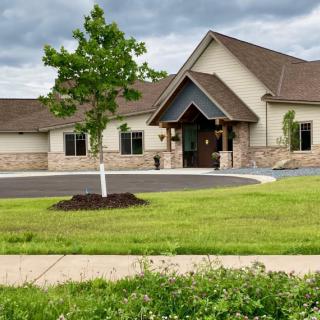




 When to Transition from Assisted Living to Memory Care: Key Indicators, Steps, and Finding the Right Community
 Understanding the Distinctions: Assisted Living and Memory Care Explained
 How to Communicate with a Loved One Living with Dementia: 10 Supportive Strategies