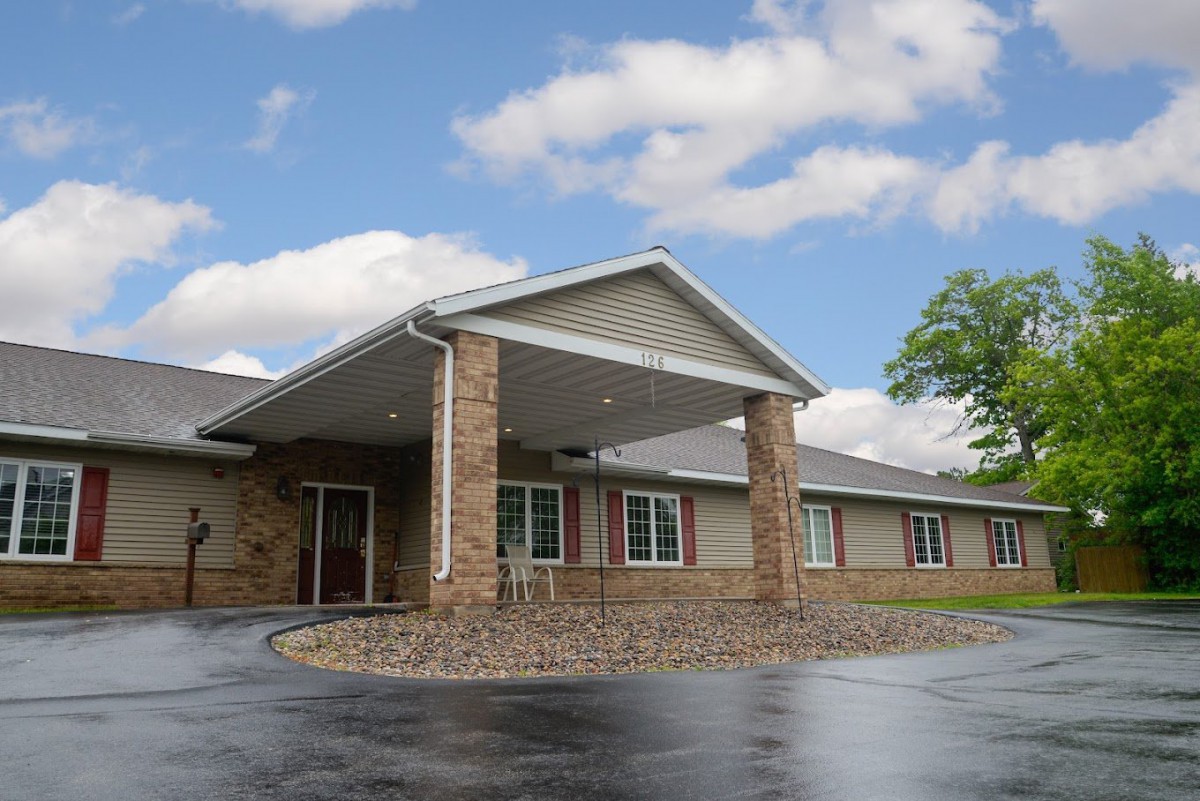
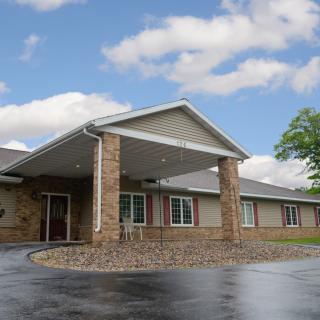
126 98th Ave W, Duluth, MN 55808
To contact a resident: (320) 266-3028
For more information about senior living options: (866) 208-4318
Scandia Senior Care of River Hill Costs & Pricing
Scandia Senior Care of River Hill offers competitive pricing for its accommodations, particularly in comparison to the broader St. Louis County and Minnesota averages. For a private room, residents can expect to pay $3,198 per month, which is significantly lower than the county's average of $4,110 and well below the state average of $5,090. However, the cost for a one-bedroom unit stands at $5,155 per month, which exceeds both St. Louis County's average of $2,731 and Minnesota's average of $2,893. This pricing structure suggests that while Scandia Senior Care provides affordable options for private rooms, their one-bedroom offerings may be less attractive financially compared to similar facilities in the surrounding area.
| Floor plans | Scandia Senior Care of River Hill | St. Louis County | Minnesota |
|---|---|---|---|
| Private | $3,198 | $4,110 | $5,090 |
| 1 Bedroom | $5,155 | $2,731 | $2,893 |
Memory care communities with a similar price nearby
-
About the same
Scandia Senior Care of Proctor
$3,198 / month3.7 miles away -
from -$564 / mo
New Perspective Twin Ports
$2,634 to $5,332 / month6.1 miles away -
from +$352 / mo
Keystone Bluffs Assisted Living
$3,550 to $4,825 / month8.8 miles away -
About the same
New Perspective Senior Living | Cloquet/Barnum
$3,109 to $3,903 / month11.4 miles away
Overall Review of Scandia Senior Care of River Hill
Pros
 The family is pleased with the caring and attentive staff and the communication between staff and family.
- The River Hill staff genuinely cares about their residents.
- They are glad the facility is under new ownership.
- The location is great.
- The facility is described as perfect, quiet, tranquil, and friendly.
Cons
 They will now reconsider this facility for their loved one due to the new owner.
- Their previous review no longer applies to the new owner, signaling dissatisfaction with the ownership change.
Review
Scandia Senior Care of River Hill is best suited for families seeking a small, caregiver-focused assisted living option in Duluth where staff engagement and clear family communication are prioritized, and where residents value a quiet, home-like atmosphere over institutional bustle. The community appears to serve seniors who want attentive, personable care and accessible, practical support with daily living tasks, delivered in a setting that feels peaceful and controllable. For families that place faith in hands-on staff interaction and a calm daily rhythm, this facility presents a compelling fit.
There are clear reasons to consider alternatives, however. A notable caveat in the recent experience is ownership transition. Families should be aware that a new owner has entered the scene, which can bring shifts in policies, culture, and consistency. For some households, that ongoing transition raises questions about long-term stability, pricing, and the continuity of staff relationships. Those who require a consistently stable governance framework, or who want a fully standardized program across providers, may prefer to compare with peers in Duluth to confirm that the new ownership aligns with their expectations and needs.
On the positive side, the most persuasive strengths are staff-driven: genuine care, attentiveness, and strong communication with families. The caretaking team earns trust through steady, visible involvement with residents, daily responsiveness, and a willingness to keep families informed. When concerns arise, staff’s proactive communication reduces uncertainty and fosters confidence that the resident’s preferences and routines will be respected. In parallel, the location’s appeal and the sense of tranquility contribute measurable value, easy access to Duluth amenities without sacrificing a quiet, residential atmosphere where residents can settle into a predictable routine.
The core risk is not a dramatic deficit in care but the potential disruption that accompanies leadership change. Without a transparent read on how the new ownership will handle staffing ratios, programming, and fee structures, some families may worry about future consistency. The limited public data from the reviews suggests a favorable baseline of staff stability and patient-focused service, but it remains prudent to verify current management philosophy, staffing plans, and any upcoming changes before committing long term. The third review’s brief praise for quietness and friendliness hints at a positive culture, yet that sentiment should be validated in person across multiple shifts and with multiple residents.
Despite the ownership caveat, the pros substantially offset the main concerns for many families. A caregiving-focused environment, where staff genuinely engage with residents and communicate openly with families, provides a strong counterweight to governance uncertainties. The tranquil, home-like setting supports everyday comfort and reduces the emotional strain often associated with transitions into assisted living. The facility’s location adds practical leverage: relatives can visit easily, participate in care decisions, and maintain a sense of continuity with the resident’s existing community. For families who value relational care and a serene daily pace, the upside remains meaningful.
For decision-making, a disciplined next step matters more than impression alone. Schedule a full campus tour with opportunities to meet direct care staff across shifts, and request a clear statement from the administrator about current ownership, long-term plans, and how staffing and programming will be maintained or evolved. Ask to review the current care plan, daily activity calendar, and lease or fee schedule; probe any anticipated increases and what services they cover. Compare Scandia River Hill with other Duluth-area communities on staff stability, family communication practices, and opportunities for resident engagement. The bottom line: Scandia Senior Care of River Hill is a strong candidate for families prioritizing compassionate, attentive care in a quiet setting, provided due diligence confirms that ownership changes will harmonize with those core expectations.
 Board and Care Home
 Memory Care
 Activities on-site
 Air-conditioning
 Cable or satellite TV
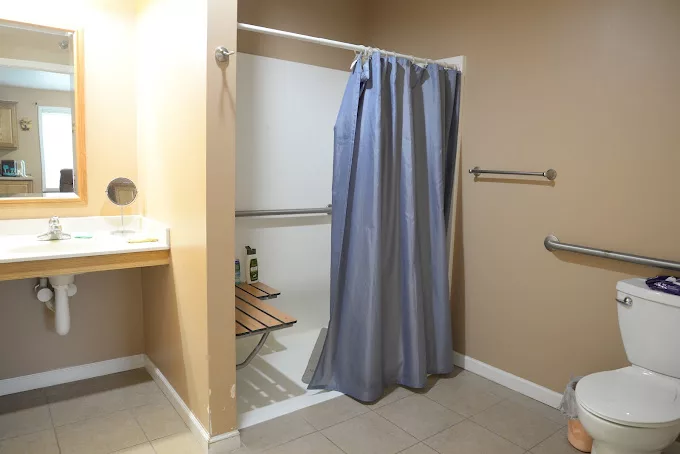
 Handicap accessible
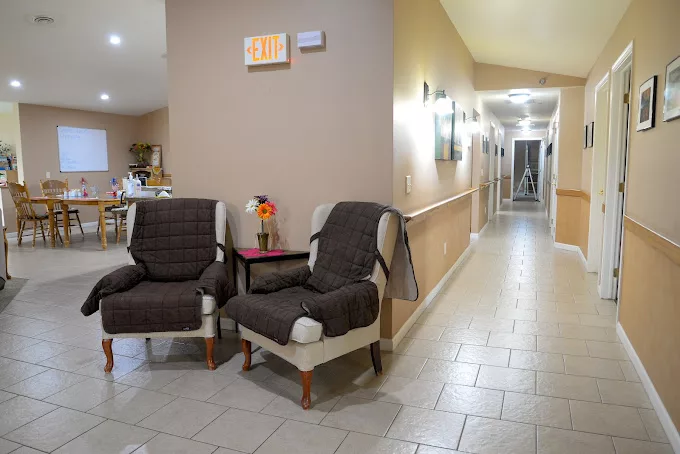
 Indoor common areas
 Outdoor common areas
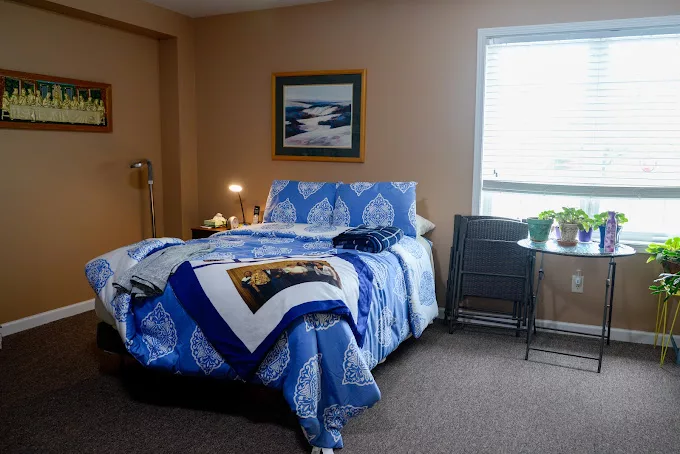
 Private
 Private bathrooms
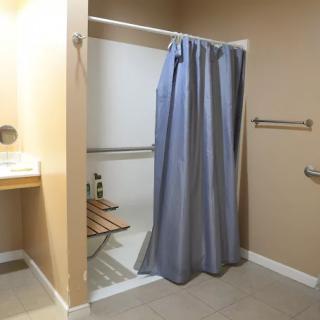
 Wheelchair accessible showers
 Wi-Fi/high-speed internet available
 Duluth International (12 miles away)
 Ambulatory care
 Diabetic care
 High acuity care
 Incontinence care
 Medication management
 Guest meals
 Birthday parties
 Trivia games

 Are Dementia and Alzheimer's Disease Lethal? A Comprehensive Exploration
 Exploring the Power of Reminiscence Therapy for Individuals With Dementia
 An In-Depth Look at Reminiscence Therapy in Dementia Care