
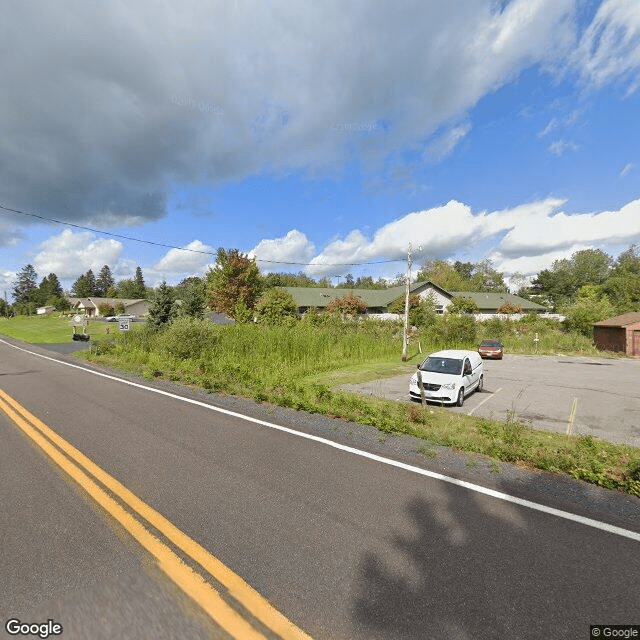
915 Old Highway 2, Proctor, MN 55810
To contact a resident: (218) 348-5578
For more information about senior living options: (866) 208-4318
Diamond Willow Assisted Living of Proctor Costs & Pricing
Diamond Willow Assisted Living of Proctor offers a range of accommodations with costs that are significantly higher than both St. Louis County and the broader state of Minnesota. For a one-bedroom unit, residents can expect to pay $6,400 per month, which is more than double the average county rate of $2,731 and slightly above the state average of $2,893. The two-bedroom options come at a monthly cost of $6,950, again surpassing local and state averages - with St. Louis County at $2,092 and Minnesota averaging $2,955. Similarly, their semi-private rooms also carry a fee of $6,950 per month, contrasting sharply with the county's average of $3,432 and the state's typical cost of $4,051. These figures suggest that while Diamond Willow provides premium services and amenities in a supportive environment, potential residents should be prepared for a financial commitment that exceeds standard regional pricing.
| Floor plans | Diamond Willow Assisted Living of Proctor | St. Louis County | Minnesota |
|---|---|---|---|
| 1 Bedroom | $6,400 | $2,731 | $2,893 |
| 2 Bedrooms | $6,950 | $2,092 | $2,955 |
| Semi-Private | $6,950 | $3,432 | $4,051 |
Memory care communities with a similar price nearby
-
from +$1100 / mo
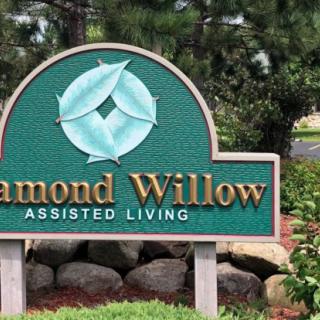
Diamond Willow Assisted Living of Lester Park
$7,500 / month12.3 miles away -
from +$800 / mo
Diamond Willow Assisted Living of Cloquet
$7,200 / month11.5 miles away
Overall Review of Diamond Willow Assisted Living of Proctor
Pros
 The staff at Diamond Willow were always very helpful and kept residents as happy as possible.
- It is described as a warm and loving community where staff show genuine care for residents and their families.
- There were always at least three staff members on duty, ensuring residents were well cared for.
- The rooms were nicely sized and easily accessible, with daily laundry keeping clothes clean.
- The facility maintained a generally clean and pleasant environment.
- Safety measures were in place, including alarms on doors and wearable devices to protect residents.
- The facility hosted holiday events with plenty of food, fostering community and connection.
- The staff followed hospice instructions, demonstrating attentive and respectful care.
Cons
 The facility does not care about its staff whatsoever and undervalues them.
- It is the most poorly run facility the reviewer has ever worked at.
- Management treated staff horribly, and the facility was always short-staffed.
- The facility and company have become so bad that it is heartbreaking.
- Memory care costs over $9,000 a month, which is outrageous.
- The home was a mess with only superficial cleaning and a persistent horrible smell.
- There was a chronic lack of staff, with at least one shift having only a single staff member on duty.
- The facility charged an elderly resident an exorbitant amount, ending up owing about $24,000 upon discharge.
Review
Diamond Willow Assisted Living of Proctor is best suited for families that prioritize a memory-care oriented campus with defined, secure spaces and a social, home-like atmosphere. The community model, multiple buildings with distinct units for moderate memory loss and dedicated cottages for Alzheimer’s and dementia, serves as a practical framework for daily routines and wandering prevention. It works well for loved ones who need 24/7 structure, alarms on doors, and an emphasis on social engagement, rather than a clinical, hospital-like setting. In short, it is a workable home for residents who thrive on consistency, familiar surroundings, and accessible activities within a campus that feels village-like rather than sterile.
Those for whom alternatives deserve consideration include families chasing low cost and transparent billing, or those requiring dialysis-ready or high-acuity medical oversight on a daily basis. Several reviews flag staffing as a chronic challenge, with understaffing affecting responsiveness and execution of care. If a family needs a facility that can guarantee constant nursing presence, rapid bedside care, and consistently pristine housekeeping without variability, Diamond Willow may not meet those expectations. Additionally, historical concerns about management style and ownership changes are enough to prompt a cautious buyer to compare other options where governance and financial practices are more transparent.
The strongest positives center on the environment and the safety-net features that memory care demands. The campus design supports social interaction and family involvement, with roomy common areas, regular events, and opportunities for personal connection that improve mood and engagement. Families report rooms that are appropriately sized, daily laundry, and an overall emphasis on keeping residents clean and comfortable. The memory-care units themselves, complete with monitored doors and alarm systems, provide a critical security layer that reassures caregivers and residents alike, especially for those prone to wandering or disorientation. When staff members do engage, they can deliver warmth, conversation, and practical assistance that smooths daily life for residents and families.
However, the drawbacks are not minor. Chronic short-staffing comes up repeatedly, yielding slower responses, difficulty in providing consistent bedside care, and occasional lapses in supervision. Management practices in particular are identified as a friction point, with reviews pointing to shifts in leadership and how staffing and operations are run. Cleanliness and odor issues occasionally surface, suggesting that some days feel surface-clean rather than deeply refreshed, and that housekeeping may not keep up during busier periods. Financial pressures also appear in discussions of memory-care pricing, with one note flagging monthly costs in the high range, which can strain budgets for long-term stay. Taken together, these factors mean the day-to-day experience can feel uneven in a way that affects predictability and peace of mind.
The key to whether the pros truly offset the cons rests on priorities. For families where safety, social activity, and a stable memory-care framework trump perfect staffing, Diamond Willow offers a usable, even reassuring environment. The presence of trained memory-care layouts, alarms, and a campus culture that emphasizes caregiver-resident interaction can provide steadiness in routines and predictable daily life. Yet for those who demand unwavering staffing coverage, pristine cleanliness on every shift, and absolute transparency around billing and governance, the cons will often weigh heavier than the advantages. In such cases, exploring other options with stronger nurse availability, clearer financial practices, and more uniformly high cleanliness standards is prudent.
Practical steps to decide: verify current staffing levels on each shift and ask who supervises care on weekends; request concrete timelines for response times to calls; confirm RN or LPN availability and on-call coverage; obtain a clear, line-item breakdown of memory-care pricing and what is included; review a sample care plan for a memory-care resident to assess how milestones and safety features are tracked; tour the units individually and talk to current residents or families about daily routines, meal quality, and housekeeping consistency. If the answers favor reliable nursing oversight, transparent costs, and consistently clean environments, Diamond Willow may still be a solid match. If, instead, those assurances feel tentative, it is wise to compare similar facilities in the area that offer stronger staffing guarantees and steadier management practices.
In the end, Diamond Willow Assisted Living of Proctor represents a practical option for families needing a structured memory-care setting with security features and a warm, socially active environment. It can be an excellent long-term home for residents who value community life and safety net protections over perfect staffing reliability or ultra-tight governance. Still, the decision should weigh the high cost of memory care against the reality of staffing fluctuations and management concerns. For households prioritizing predictability, transparent finances, and consistently high-touch care, alternatives should be on the short list to ensure the best possible match for long-term peace of mind.
 Assisted Living
 Memory Care
 Activities on-site
 Devotional services off-site
 Indoor common areas
 Duluth International (7 miles away)
 Ambulatory care
 Diabetic care
 Meals provided

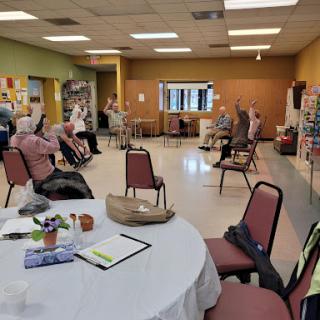


 Five Subtle Dementia Indicators to Observe: An In-Depth Guide to Understanding “Does My Mom Have Dementia?”
 Dementia, Paranoia, and Caregiver Guidance: Understanding the Connection
 Engaging Memory Care Activities That Enhance Quality of Life