

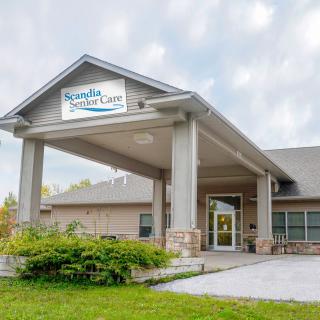
318 3Rd Avenue, Proctor, MN 55810
For more information about senior living options: (866) 208-4318

Overall Review of Home Instead Senior Care I
Pros
 Cindy is highly knowledgeable and anticipates clients' needs with outstanding service.
- The new management and care providers are greatly appreciated, and families look forward to each visit.
- Dena is kind and passionate in caring for her mother.
- Lillie provided amazing care and allowed dad to stay home until the very end.
- Shelley goes above and beyond to ensure mom is happy and well cared for.
- Nelia makes it possible for families to have much-needed time away.
- Renee delivers excellent companionship for a mom with Alzheimer's; she is upbeat, warm, and reliable.
- Marianne feels like family and embodies the trust and devoted service shown by Home Instead.
Cons
 The reviewer notes that management did not supervise staff and did not take feedback seriously.
- A caregiver refused to wear a mask, despite being offered one.
- After contacting the company, there was still no change in infection-control practices.
- It was described as unreal that Home Instead asked a family member how to tell the worker to wear a mask.
- The reviewer warns that other vulnerable adults could be put at risk due to lack of infection-control oversight.
Review
Home Instead Senior Care I in Proctor, MN is best suited for seniors who want to stay in their own home while receiving reliable, compassionate in-home support, and for families that prize consistent caregiver relationships over time. It’s a strong fit when independence is still possible with hands-on help for daily tasks, companionship, and respite for the primary family caregiver. For anyone prioritizing truly personalized, long-term care at a residence of their choosing, the model here often delivers the strongest alignment between care needs and a familiar, trusted caregiving team.
There are clear reasons to consider alternatives. This service model relies on visiting caregivers rather than a built-in, 24/7 on-site medical staff, so those with heavy medical needs, complex skilled nursing requirements, or a desire for the security of a traditional assisted-living environment may be better served elsewhere. Families who want absolute, immediate supervision and a tightly controlled infection-control program in a centralized facility should look toward facility-based options with full-time staff and on-site medical oversight. In short, this option shines for homebound support and companionship, but it isn’t designed to replace a skilled nursing facility or a resident community with round-the-clock on-site care.
The strongest pros here are the caregiving relationships and the tangible impact of those relationships on daily living. Reviewers consistently highlight highly capable, caring individuals who anticipate needs, stay engaged, and go above and beyond to improve quality of life. Caregivers like Dena, Lillie, Marianne, Renee, Kristin M., and Jackie Wiggins are repeatedly praised for compassion, reliability, and the sense that the person receiving care is treated as a person with preferences, routines, and dignity. That depth of connection translates into practical benefits: less stress for families, meaningful companionship for seniors, and the ability for someone to remain at home with support that feels personal rather than procedural. The program’s involvement with broader community care, such as coordinating veteran–specific gifts or adult-friendship activities, adds another layer of meaningful, purpose-driven care.
Those same strengths offset a few legitimate concerns in the landscape. The most notable issue raised involves supervision and responsiveness to feedback during a tougher period, with one reviewer noting lapses in oversight and a family feeling the need to advocate actively for safety and adherence to expectations. While such concerns are not universal, they underscore a reality: success here hinges on active communication with the office, consistent caregiver assignment, and ongoing supervision of the care plan. When leadership and field staff are aligned, the care plan comes to life in a way that makes the home feel more like a supported extension of family life, not a contracted service. The presence of a broad, capable caregiver pool and long-tenured staff helps mitigate risk, and positive changes under new leadership appear to have improved accountability.
In practice, the positive outcomes are concrete. Families report that loved ones look forward to visits, enjoy meaningful outings and activities, and experience improved mood and engagement thanks to reliable companionship. Seniors with dementia benefit from steady, patient interaction and routine, while spouses and children gain precious respite and confidence that daily tasks, meals, housekeeping, and personal care, are being managed with respect and competence. The ability to maintain familiar routines, keep medical appointments, and organize social time, sometimes even rides to errands or lunches, helps preserve independence longer than would be possible with less personalized in-home support. The depth of trust built between caregiver and client emerges as a defining strength.
The bottom line is practical and decisive: this service excels for families seeking dependable, compassionate in-home care that preserves independence and dignity, with caregivers who cultivate real relationships and a comforting sense of continuity. It’s less suitable for those who require continuous medical supervision, a structured facility environment, or rigorously centralized oversight. For families leaning into home-based care, the next steps are straightforward: confirm caregiver redundancy and assignment stability; inquire about supervisory routines and how care plans are updated; request references on how emergencies or acute changes are handled; and discuss any specialized needs, memory support, mobility assistance, or transportation needs, to ensure the schedule and care plan align. When those elements align, Home Instead Proctor becomes not just a service but a trusted bridge to sustained independence and peace of mind.
 21 resident community capacity
 Assisted Living
 Beauty salon
 Cable or satellite TV
 Dining room
 Fully furnished
 Garden
 Housekeeping services
 Kitchenette
 Move-in coordination
 Outdoor space
 Telephone
 Wi-Fi/high-speed internet available
 Duluth International (7 miles away)
 24-hour call system
 Activities of daily living assistance
 Assistance with bathing
 Assistance with dressing
 Assistance with transfers
 Diabetes diet
 Meal preparation and service
 Medication management
 Mental wellness program
 Special dietary restrictions
 Transportation arrangement (medical)
 Transportation to doctors appointments





 Assisted Living Support for Veterans: A Complete and Detailed Overview
 Exploring the Contrasts Between Assisted Living and Skilled Nursing
 8 Key Indicators That Suggest It May Be Time to Transition from Assisted Living to Skilled Nursing Care