Our House Senior Living Memory Care - Austin Costs & Pricing
At Our House Senior Living Memory Care in Austin, the monthly cost for a studio room is $4,680, which reflects the specialized services and amenities designed to support residents with memory care needs. In comparison, the average monthly costs in Mower County and across Minnesota stand at approximately $2,968 and $3,617 respectively for similar accommodations. While Our House offers comprehensive care tailored to enhance the quality of life for its residents, it's important to consider that the pricing may be higher due to factors such as staffing ratios, program offerings, and facility features that prioritize both safety and engagement in a nurturing environment.
Floor plans
Our House Senior Living Memory Care - Austin
Mower County
Minnesota
Studio
$4,680
$2,968
$3,617
Memory care communities with a similar price nearby
Overall Review of Our House Senior Living Memory Care - Austin
common19 reviews mention this
Staff care is a major theme
Residents and families repeatedly describe caring, attentive staff and responsive support.
Many reviews emphasize kindness, patience, and compassion, with residents’ well-being and day-to-day support coming up again and again. Several reviewers also mention good communication with families and feeling comfortable entrusting care to the home. A smaller set of reviews takes the opposite view, describing serious failures in care and treatment of residents.
common6 reviews mention this
Activities keep residents engaged
Reviews frequently mention activities and entertainment that help residents stay engaged.
Residents and visitors describe a steady schedule of activities, including themed parties and entertainment, with one review specifically noting they enjoy seeing activity photos. The community’s activities are presented as a regular part of the experience rather than occasional events. The positive accounts focus on engagement and something to do, while the negative reviews do not challenge that the community runs activities.
common4 reviews mention this
Clean, well-kept environment stands out
Multiple reviews praise the facility’s cleanliness and upkeep.
Several reviewers describe the building as clean, well-kept, or pristine, and connect that with a positive overall experience. One review also pairs cleanliness with a friendly environment and helpful staff. The critical reviews describe severe neglect and poor conditions, which conflicts directly with the cleanliness praise.
caveat4 reviews mention this
Severe concerns about care and safety
Some reviews raise urgent concerns about care lapses and resident safety.
A few reviews describe alarming nighttime incidents, including an ambulance or hospital involvement and concerns about missing personal items. Others describe residents being left in distress, with allegations of neglect and harmful conditions. These comments are serious and stand in contrast to the many positive reviews about compassion and responsiveness.
How we summarize
Counts show how many written reviews mention each theme; a review can touch several themes, and only frequently mentioned themes are displayed.
Features
Types of Care
Memory Care
Pets
Cats allowed
Dogs allowed
Amenities
Activities off-site
Activities on-site
Beautician on-site
Devotional services off-site
Devotional services on-site
Indoor common areas
Outdoor common areas
Respite or short term stays offered
Wheelchair accessible showers
Care Services
Diabetic care
Incontinence care
Medication management
Dining
Meals provided
Activities
Activities off-site
Activities on-site
BBQs or picnics
Birthday parties
Devotional activities offsite
Devotional activities on-site
Holiday parties
Live dance or theater performances
Live musical performances
Nearby Places of Interest
This area of Austin, Minnesota offers a variety of amenities that may be appealing for seniors looking to relocate. The proximity of medical facilities such as the Family Eye Care Center and the Austin Medical Center, as well as pharmacies like Walgreens and Sterling Main Street, provides convenient access to healthcare services. Additionally, there are several places of worship nearby, including Our Savior's Lutheran Church and St Edwards Church, catering to spiritual needs. For recreational activities, residents can enjoy parks like Bandshell Community Park and the Austin Dog Park. Transportation options such as the Austin Shuttle also make it easy for seniors to get around the area. Overall, this part of Austin offers a range of services and facilities that can support a comfortable and fulfilling senior living experience.
Physicians
Family Eye Care Center Of Austin (0 miles)
Austin Eye Clinic (0.8 miles)
Austin Medical Center-Mayo Health (0.8 miles)
Austin Medical Center Behavioral (0.8 miles)
Quick Care (0.9 miles)
Pharmacies
Walgreens (0.1 miles)
Sterling Main Street (0.2 miles)
Sterling Stores (0.2 miles)
Good Neighbor Pharmacy (0.2 miles)
Medicap Pharmacy (0.3 miles)
St Olaf Pharmacy (0.8 miles)
Smart-Fill Management Group (1 miles)
Hospitals
Crime Victims Resource Center (0.1 miles)
Stress Unit (0.8 miles)
Blooming Prairie Clinic (14 miles)
Places of Worship
Our Savior's Lutheran Church (0.1 miles)
Cornerstone Church (0.2 miles)
First Congregational United Church of Christ (0.3 miles)
Iglesia Pentecostals Del Remanente De Dios (0.4 miles)
At Our House Senior Living Memory Care in Austin, the monthly cost for a studio room is $4,680, which reflects the specialized services and amenities designed to support residents with memory care needs. In comparison, the average monthly costs in Mower County and across Minnesota stand at approximately $2,968 and $3,617 respectively for similar accommodations. While Our House offers comprehensive care tailored to enhance the quality of life for its residents, it's important to consider that the pricing may be higher due to factors such as staffing ratios, program offerings, and facility features that prioritize both safety and engagement in a nurturing environment.
Medication management at Our House Senior Living Memory Care ensures that residents receive their prescribed medications accurately and on time, which is crucial for individuals with dementia or Alzheimer's disease who may struggle with memory and organization. By maintaining a structured medication regimen, the facility minimizes the risk of missed doses or medication errors, thus supporting the overall health and well-being of residents. Additionally, incontinence care is an essential service that provides dignity and comfort to those experiencing challenges associated with cognitive decline. This compassionate assistance allows residents to feel secure and respected, alleviating potential stress or embarrassment while promoting personal hygiene and overall quality of life. Together, these features create a supportive environment tailored to meet the unique needs of individuals facing memory impairments.
Memory care activities are essential for improving the quality of life of seniors with cognitive impairments, as they stimulate cognitive function, promote well-being, and encourage social interaction through tailored strategies. These activities combine structured exercises with spontaneous tasks, sensory engagement, physical workouts, creative pursuits, and intergenerational interactions to enhance emotional connection and a sense of purpose.
Transitioning from assisted living to memory care is driven by an individual's cognitive decline and specific needs, requiring careful evaluation of indicators like increased confusion and wandering. The process involves consulting medical professionals, researching suitable communities, considering financial and legal aspects, and ensuring effective communication for personalized care plans.
The article differentiates between assisted living and memory care, explaining that assisted living supports seniors with daily activities while promoting independence, whereas memory care provides specialized services for individuals with dementia, focusing on secure environments and cognitive support. It also addresses staff training, safety considerations, costs, family involvement, and transition strategies for families navigating these care options.
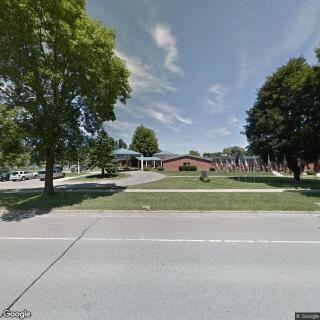
Our House Senior Living Memory Care - Austin photos
×
Architecture
Architecture, Garden, and Porch
Get PricingAsk A QuestionSchedule A TourContact Senior Advisor
By clicking submit, you agree to our Partner's Terms of Use. You
also consent to receive calls and texts, which may be autodialed, from our Partner. Your consent is not a condition to
using our Partner's service. Please visit our Partner's Privacy Policy for information about their privacy practices.



 Memory Care
 Cats allowed
 Dogs allowed
 Activities off-site
 Beautician on-site
 Devotional services off-site
 Indoor common areas
 Outdoor common areas
 Respite or short term stays offered
 Wheelchair accessible showers
 Diabetic care
 Incontinence care
 Medication management
 Meals provided
 BBQs or picnics
 Birthday parties
 Live dance or theater performances
 Live musical performances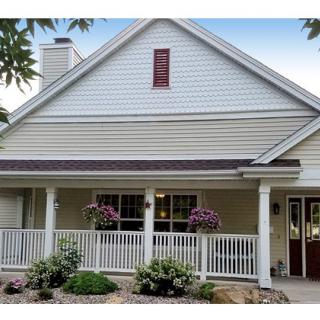
 Excellent, attentive staff; clean, well-maintained facility.

 Engaging Memory Care Activities That Enhance Quality of Life
 When to Transition from Assisted Living to Memory Care: Key Indicators, Steps, and Finding the Right Community
 Understanding the Distinctions: Assisted Living and Memory Care Explained