
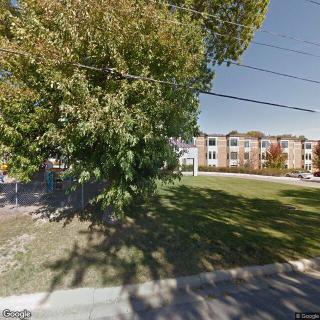
105 Latham St NE, Brownsdale, MN 55918
To contact a resident: (507) 203-1818
For more information about senior living options: (866) 208-4318
Legacy of Brownsdale Costs & Pricing
Legacy of Brownsdale offers competitive pricing for its residents, providing a welcoming option within Mower County and the broader Minnesota landscape. For instance, a studio apartment at Legacy is priced at $2,495 per month, which is notably lower than both the county average of $2,968 and the state average of $3,617. Similarly, their one-bedroom units are available for $2,995 - a figure that slightly surpasses Mower County's average of $2,466 but remains more affordable than the statewide average of $2,893. This pricing strategy not only reflects Legacy's commitment to accessibility but also positions it as an attractive choice for those seeking quality accommodations without overstretching their budgets.
| Floor plans | Legacy of Brownsdale | Mower County | Minnesota |
|---|---|---|---|
| Studio | $2,495 | $2,968 | $3,617 |
| 1 Bedroom | $2,995 | $2,466 | $2,893 |
Assisted Living communities with a similar price nearby
-
from +$248 / mo
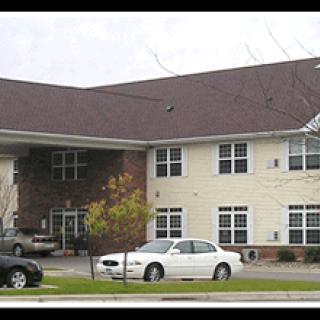
Oak Park Place - Albert Lea
$2,743 to $4,233 / month24.8 miles away -
from -$383 / mo

Thorne Crest Senior Living Community, a CCRC
$2,112 to $5,463 / month24.6 miles away -
from +$280 / mo
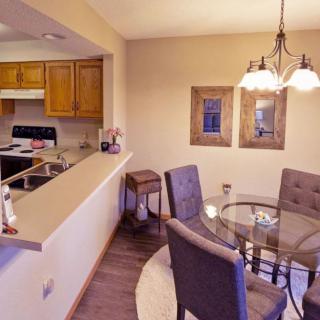
South Grove Lodge Senior Living
$2,775 to $3,000 / month8.6 miles away -
from -$200 / mo

Sacred Heart Home Health Care
$2,295 to $3,395 / month7.9 miles away
Overall Review of Legacy of Brownsdale
Pros
 The staff are very good at what they do.
- The place is very good.
- People are really nice to have around.
- They help residents when assistance is needed.
- They can accommodate any request.
- The facility and its staff treat residents well and take very good care of them.
- There are plenty of activities to participate in and things go on all the time.
- The rooms are a good size.
- The residents are wonderful to be around.
Cons
 The food here is just typical mass cooking.
Review
Legacy of Brownsdale in Brownsdale, MN is best suited for active seniors who want a warm, neighborly community where help is readily available and social life remains constant. The reviews portray a setting that feels homey rather than clinical, with staff consistently friendly and residents who value daily interaction. This is the kind of environment where aides respond promptly, conversations with caregivers feel genuine, and a smaller campus atmosphere translates into a sense of belonging. For families seeking predictable routines, dependable assistance, and a tangible sense of community, Legacy of Brownsdale delivers. Those prioritizing gourmet dining, ultra-high-end amenities, or a broad medical specialization may want to compare with other options.
On the strengths side, the staffing culture drives the experience. Staff are described as wonderful to work with, always welcoming new residents, and eager to help keep people engaged. The social ecosystem matters just as much as the care: residents regularly participate in games like cornhole and Uno, forming natural opportunities to connect with new neighbors. The facility itself supports this social energy with spacious dining areas, well-sized rooms, and an environment that residents repeatedly praise for its beauty and upkeep. A steady stream of activities and a visible, engaged staff create daily reassurance for families, turning relocation into a step toward continuity rather than disruption.
The key con that surfaces is practical rather than dramatic: dining is described as typical mass cooking rather than a standout culinary program. That may disappoint families who equate quality dining with gourmet options or frequent menu customization. Yet the offset is meaningful. When meals occur in a social, well-attended dining space and occur within a calendar packed with activities and accessible staff, the culinary element becomes less critical to overall satisfaction. In other words, a solid, home-like menu paired with strong care, lively resident engagement, and a pleasant setting often yields a stronger overall value than dining quality alone.
Those considering alternatives should map to two primary profiles. Culinary purists who want chef-driven menus and regularly evolving dining experiences may prefer communities known for higher-end cuisine. Families with residents requiring more intensive medical oversight, specialized rehab, or memory-care capabilities beyond standard assisted living should compare with campuses that offer a broader clinical continuum. For those who value size and breadth of amenities, or a resort-like cadence of services, Legacy of Brownsdale may feel too intimate. The practical takeaway is clear: match expectations for dining variety and clinical needs to the facility’s strengths before deciding.
Decision-making should hinge on a focused checklist. Observe how staff interact with residents: do aides know names, anticipate needs, and engage warmly? Review the activity calendar to ensure there are diverse options across the week and that residents actually participate. Assess the dining experience for social atmosphere and pacing, as well as the comfort and privacy of rooms. Engage current residents and families in conversations about consistency and responsiveness, and request a seasoned tour during different times of day to gauge daily rhythms. With a strong overall rating, the decisive factor becomes whether the day-to-day tone, friendliness, attentiveness, and genuine community, lines up with the resident’s and family’s expectations.
In sum, Legacy of Brownsdale stands out for its people and the reliable, engaging daily life it fosters. It offers a practical, dependable path for seniors who want a welcoming environment, consistent assistance, and a community where residents genuinely look out for one another. The principal trade-off is dining variety, a negotiable detail when offset by meaningful social programming and responsive care. For many families, the value lies in the warmth, continuity, and low-friction daily life that the community supports. For those prioritizing gourmet dining or advanced clinical services, alternatives deserve serious consideration, but for families seeking connection, stability, and a pleasant, well-maintained setting, Legacy of Brownsdale should be placed near the top of the short list.
 Assisted Living
 Independent Living
 Cats allowed
 Dogs allowed
 Activities on-site
 Devotional services off-site
 Indoor common areas
 Rochester International (22 miles away)
 Diabetic care
 Medication management
 Meals provided



 8 Key Indicators That Suggest It May Be Time to Transition from Assisted Living to Skilled Nursing Care
 Vibrant Senior Living: A Comprehensive Guide for Active Older Adults
 When to Transition from Assisted Living to Memory Care: Key Indicators, Steps, and Finding the Right Community