
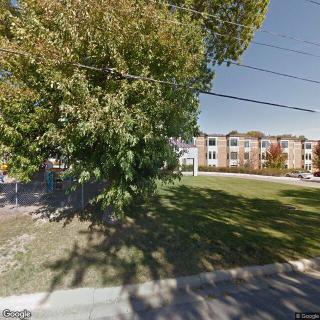
2301 10th Street NW, Austin, MN 55912
To contact a resident: (507) 433-1310
For more information about senior living options: (866) 208-4318
Village Cooperative of Austin Costs & Pricing
At the Village Cooperative of Austin, the monthly costs for living arrangements display a notable variance when compared to both Mower County and the broader context of Minnesota. For a one-bedroom unit, residents can expect to pay between $800 and $3,600, which offers a flexible pricing structure that may appeal to varying budgets. In contrast, the average cost in Mower County stands at approximately $2,466, while statewide averages reach around $2,893. Additionally, for those considering studio apartments, Village Cooperative provides a singular rate of $3,000 - this price is slightly below the county average of $2,968 but remains above the state average of $3,617. Overall, these costs illustrate how Village Cooperative offers competitive options that cater to diverse financial needs within the local market.
| Floor plans | Village Cooperative of Austin | Mower County | Minnesota |
|---|---|---|---|
| 1 Bedroom | $800 to $3,600 | $2,466 | $2,893 |
| Studio | $3,000 | $2,968 | $3,617 |
Independent Living communities with a similar price nearby
-
from +$50 / mo

Cedars Of Austin
$850 to $3,350 / month0.8 miles away
Overall Review of Village Cooperative of Austin
Pros
 It is described as the best independent senior living in Austin, Minnesota.
- It offers affordable, carefree living at its finest.
- It features a great social environment.
Review
Village Cooperative of Austin is best suited for active, self-directed seniors in or around Austin, Minnesota, who want a maintenance-light, independent living environment that preserves choice and autonomy while delivering a socially rich experience. The model centers on affordable, predictable living arrangements with an emphasis on community engagement rather than on-site medical care. For residents who value a lively social calendar, convenient town access, and the dignity of managing routines independently, this option delivers with low friction and clear practicality.
Those who may want to consider alternatives are seniors who expect a strong care continuum on-site, daily personal assistance, memory care, 24/7 staffing, or coordinated healthcare management. If the plan requires robust on-site services or regular access to skilled nursing, this community’s independent-living orientation may fall short. Families needing a straightforward trajectory into assisted living as needs evolve should compare with facilities that offer dedicated care levels to prevent disruption later on.
From the available impressions, the biggest positives are independence, affordability, and a naturally social magnet. The term “care-free living” captures the essence: residents retain control over routines, fixed costs help with budgeting, and the maintenance-forward design reduces everyday chores. The social environment isn’t an afterthought but a central feature that combats isolation and creates daily reasons to participate, which in turn supports mood, relationships, and overall satisfaction.
Yet the same independence can become a trap if health or functional needs rise before a plan is in motion. The lack of an on-site care ladder means heavier reliance on external services or family support as conditions change. In practical terms, longevity of independence hinges on upfront planning, access to reliable home care, clear care-coordination options, and a readiness to transition when necessary. Families should quantify the cost and logistics of outside services to ensure long-term feasibility and avoid financial or logistical crunches down the line.
Practical due diligence should focus on the specifics that color everyday life: how transportation is handled, the scope of meal service, guest policies, activity calendars, and safety features in apartments. The touted strength, a great social environment, must line up with personal preferences and energy levels; what serves one resident might feel crowded to another. Prospective residents should request sample calendars, tour common areas, and discuss how much flexibility exists to tailor routines, as well as how maintenance, housekeeping, and emergency response are managed.
In sum, Village Cooperative of Austin represents a compelling choice for budget-conscious seniors who prize independence and community in a small-city setting. It offsets typical trade-offs of independent living with a strong social fabric and affordable dues, making it ideal for those who anticipate remaining self-reliant for the foreseeable future. If care needs are likely to escalate or specialized medical support is required soon, alternatives with broader care offerings should be pursued. The decision should hinge on long-term care planning, personal lifestyle expectations, and a candid comparison with other local options, best accomplished through a structured visit, direct conversations with staff, and a clear understanding of the contractual terms.
 Independent Living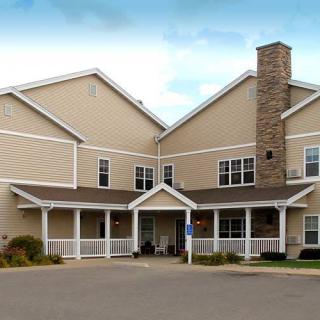



 Fecal Incontinence in Older Adults: A Comprehensive Guide
 Recognizing the Journey: Understanding and Navigating Anticipatory Grief
 Encouraging Participation in Adult Day Care: A Guide to Supporting a Hesitant Parent