American House Freedom Place Roseville Costs & Pricing
At American House Freedom Place Roseville, the monthly costs for accommodations reflect a higher investment compared to both Macomb County and the broader state of Michigan. For a semi-private room, residents can expect to pay $4,500 per month, which is significantly above the county average of $3,232 and the state average of $3,191. Similarly, the rate for a one-bedroom apartment stands at $5,900, considerably exceeding the county's average of $3,527 and Michigan's average of $3,384. This pricing suggests that American House Freedom Place Roseville may offer enhanced amenities or services that cater to individuals seeking a more luxurious or supportive living experience.
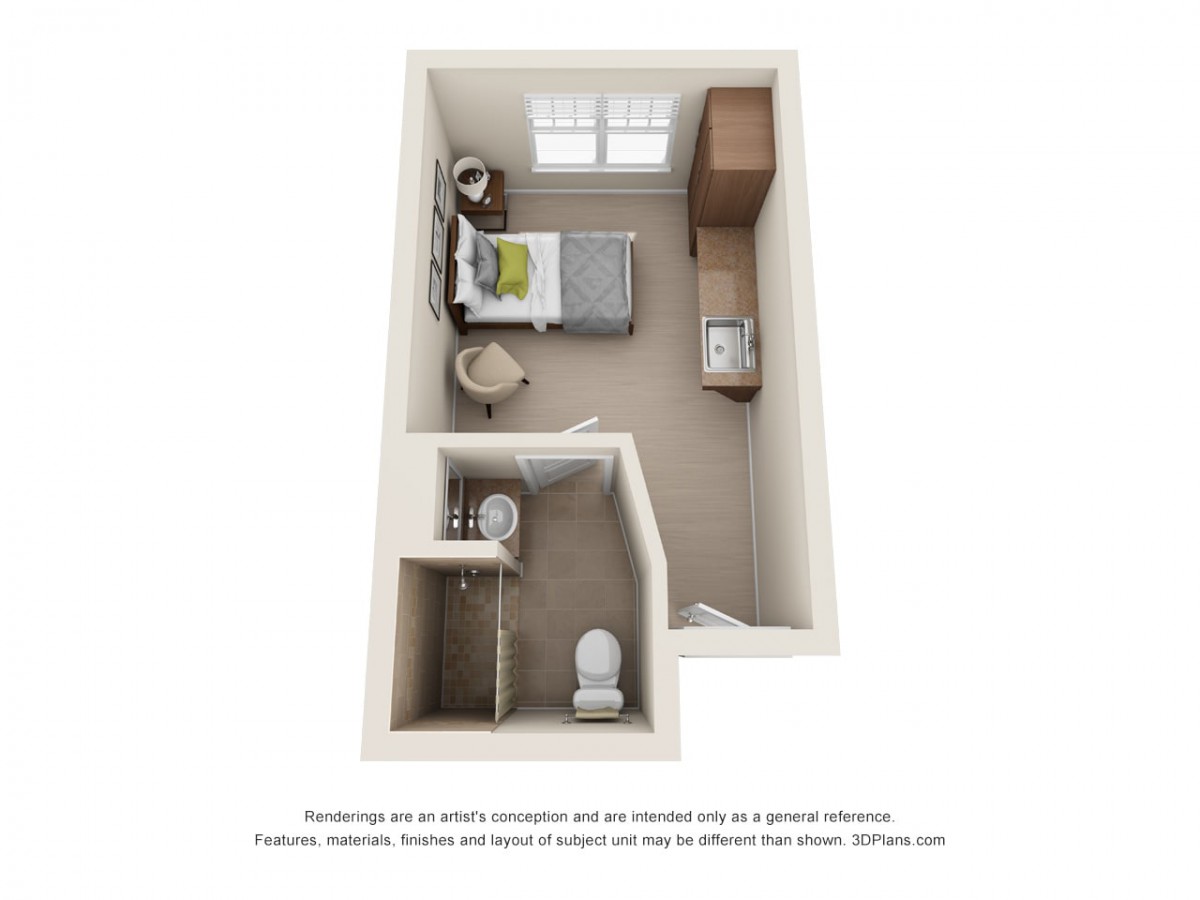
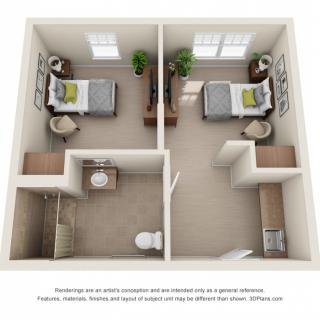
Floor plans
American House Freedom Place Roseville
Macomb County
Michigan
Semi-Private
$4,500
$3,232
$3,189
1 Bedroom
$5,900
$3,527
$3,384
Memory care communities with a similar price nearby
Overall Review of American House Freedom Place Roseville
common
Caregivers focus on routine and safety
Residents describe care teams that stay engaged and responsive throughout the day.
Multiple reviews mention attentive, patient staff and a steady focus on residents’ day-to-day needs, including support with personal care and check-ins. Several families also say communication with staff and families felt consistent, which helped ease transitions into the community. A few reviews also mention around-the-clock reassurance and that residents are not left alone.
differentiator
Memory care programming and supports
Memory care is a central focus, with programming and routines families notice.
Reviews repeatedly frame the community around memory care needs, describing an environment that feels calm and safe and that emphasizes routine and dignity. Families mention staff who know what residents like and need, along with help that includes structured daily care. The offering is also supported by the community’s stated care approach, including memory-care programming and related waivers and support services.
caveat
Activities feel strong, but uneven
Residents describe frequent activities during the week, with concerns about weekends.
Many reviews praise the variety and energy of resident activities, including parties and daily plans supported by staff members like the Activities Director or Life Enrichment Director. A few families also mention themed decoration and special birthday-style participation. At the same time, some residents and families report that the activity schedule did not match reality—especially on weekends—leading to disappointment and complaints of false advertisement.
common
Dining is flexible, with mixed taste
Meals are provided with special-diet options, though taste varies by reviewer.
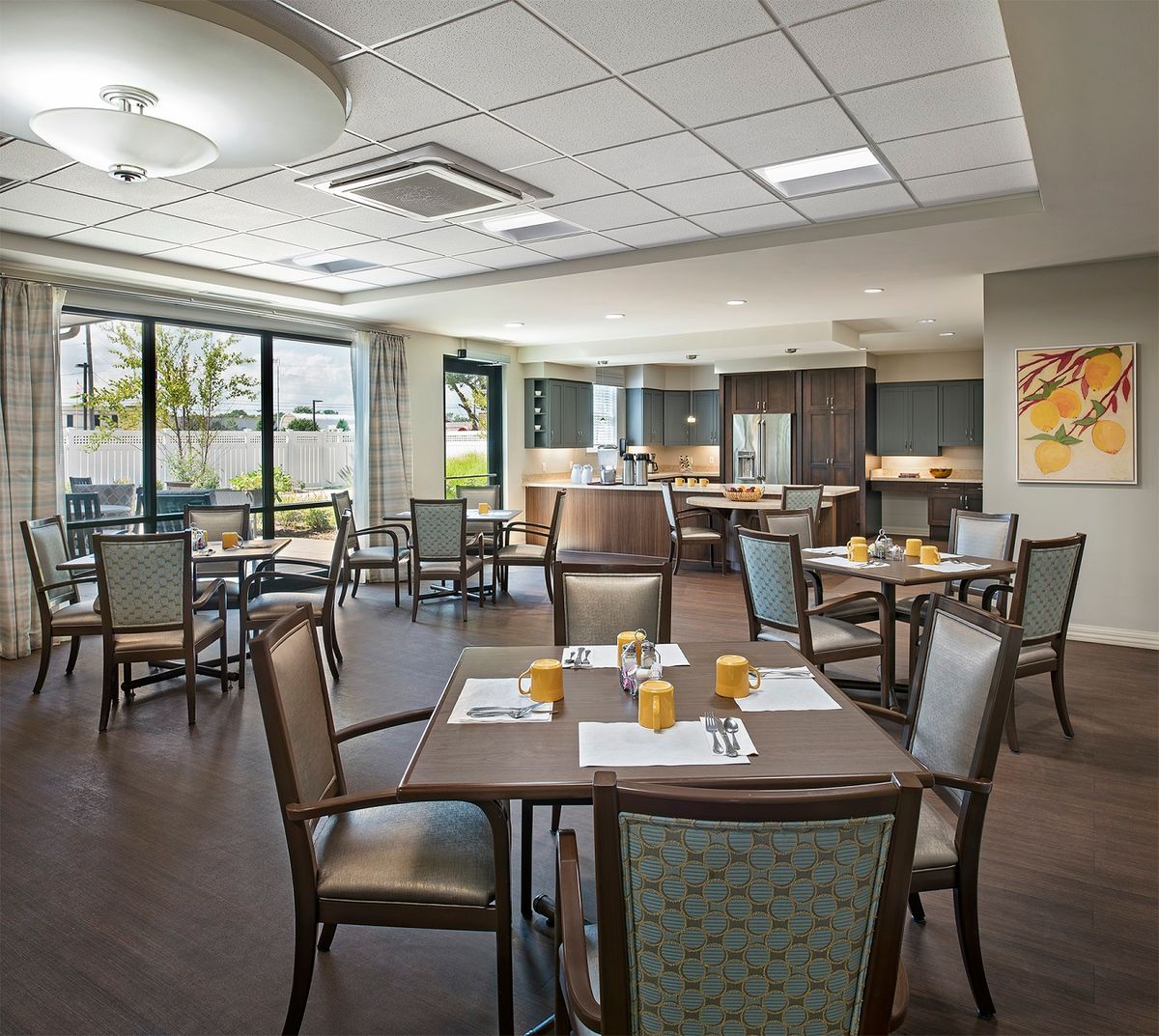
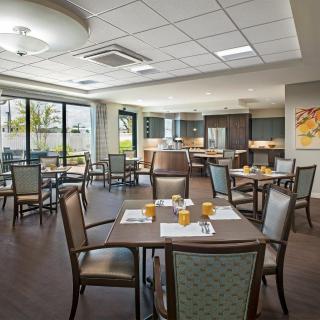
Several reviews say the food is plentiful and tasty, and that dining is organized in a spacious dining area. Families also mention the community can handle special diets, including soft diets, and provide meals as part of monthly living. Other reviews, however, describe food as merely fair, note limited desserts, and say the way food is served is difficult for some mobility needs.
caveat
Safety concerns over locking
While some reviews describe a locked environment, others report a serious locking failure.
A number of families say the memory care setting feels secure, including descriptions of alarms/locks and an enclosed layout that prevents residents from wandering out. One reviewer also connects this to a resident safety incident during move-in. However, another review reports that the building did not lock down properly, describes a resident found outside the facility, and states the facility did not alert them until after police contact—turning this into a major safety concern for that family.
caveat
Pricing runs high for memory care
Families repeatedly flag higher-than-expected costs as a key downside.
Reviews frequently describe the community as expensive, with some families comparing it to other options or saying it was above what they expected. A couple of reviewers also contrast that cost with what they felt they received, such as adequate care and justification of the rate. Others specifically mention relocating further away to find cheaper options, and at least one review says they were looking for a lower-cost alternative but liked the facility overall.
How we summarize
We summarize when many written reviews mention each theme; a review can touch several themes, and only frequently mentioned themes are displayed.
Features
Housing
50 resident community capacity
Studio apartments
Types of Care
Hospice Agency
Memory Care
Respite Care
Amenities
Activities on-site
Air-conditioning
Beautician on-site
Beauty salon
Cable or satellite TV
Devotional services on-site
Dining room
Fully furnished
Garden
Housekeeping services
Indoor common areas
Kitchenette
Move-in coordination
Outdoor common areas
Outdoor space
Restaurant-style dining
Small library
Telephone
Wheelchair accessible showers
Wi-Fi/high-speed internet available
Care Services
24-hour call system
24-hour supervision
Activities of daily living assistance
Ambulatory care
Assistance with bathing
Assistance with dressing
Assistance with transfers
Coordination with health care providers
Dementia waiver
Diabetes diet
Diabetic care
Hospice waiver
Incontinence care
Meal preparation and service
Medication management
Mental wellness program
Mild cognitive impairment
Special dietary restrictions
Specialized memory care programming
Transportation arrangement (medical)
Transportation to doctors appointments
Dining
Diabetes diet
Meals provided
Restaurant style dining
Special dietary restrictions
Special dining programs
Activities
Activities on-site
Community-sponsored activities
Devotional activities on-site
Reminiscence programs
Resident-run activities
Scheduled daily activities
Nearby Places of Interest
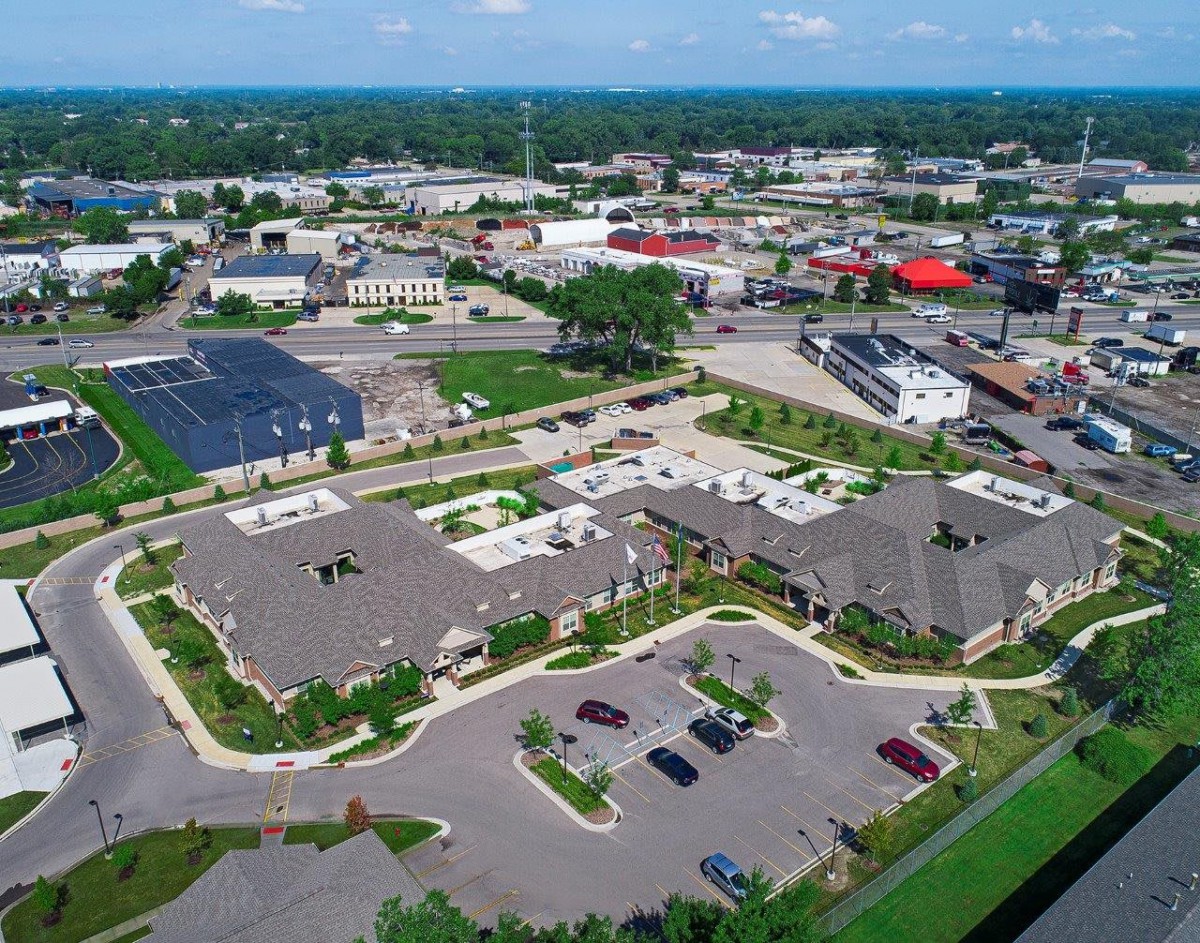
This part of Roseville, Michigan offers a variety of amenities that may appeal to seniors looking for a convenient and vibrant community. With several pharmacies in close proximity, accessing necessary medications and health supplies is convenient. There are also numerous parks nearby, providing opportunities for outdoor recreation and relaxation. A range of restaurants and cafes offer dining options for every palate, from Mexican cuisine to coffee shops. Access to quality healthcare is easily accessible with hospitals and physician offices nearby. For entertainment, there are movie theaters within a short drive. Places of worship are also easily accessible for those seeking spiritual fulfillment. Overall, this area of Roseville provides a well-rounded environment for seniors looking to enjoy their retirement years with ease and convenience.
Pharmacies
Walgreens (0.4 miles)
CVS Pharmacy (1.3 miles)
CVS Pharmacy (1.5 miles)
CVS Pharmacy (2.2 miles)
Meijer Pharmacy (2.4 miles)
Meijer Pharmacy (2.4 miles)
Walgreens (2.6 miles)
Parks
McKinley Park (1.1 miles)
Lac St Claire Park (3.5 miles)
Center Line Memorial Park (5.1 miles)
Clinton Township Parks & Recreation (5.4 miles)
Wilson Park (6 miles)
Dodge Park (6.1 miles)
Restaurants
El Charro Mexican Restaurant (1.4 miles)
National Coney Island (1.7 miles)
Applebee's (1.8 miles)
Qdoba Mexican Eats (1.9 miles)
Culver's (2 miles)
Chipotle Mexican Grill (2.1 miles)
McDonald's (2.1 miles)
Physicians
Henry Ford Macomb Family Medicine & Gynecology (1.9 miles)
Beaumont East Area Family Physicians (1.9 miles)
McLaren Building (4.5 miles)
Pointes Allergy And As (4.9 miles)
Midwest Center For Dermatology (7 miles)
Mmi Dr M Chen (7.2 miles)
Cafes
Panera Bread (1.9 miles)
Tim Hortons (2.8 miles)
Biggby Coffee (3 miles)
Starbucks (5.2 miles)
Starbucks (5.9 miles)
Starbucks (7.4 miles)
Hospitals
St John Macomb Hospital (3.1 miles)
St John Macomb-Oakland Hospital Warren Emergency Care (3.1 miles)
At American House Freedom Place Roseville, the monthly costs for accommodations reflect a higher investment compared to both Macomb County and the broader state of Michigan. For a semi-private room, residents can expect to pay $4,500 per month, which is significantly above the county average of $3,232 and the state average of $3,191. Similarly, the rate for a one-bedroom apartment stands at $5,900, considerably exceeding the county's average of $3,527 and Michigan's average of $3,384. This pricing suggests that American House Freedom Place Roseville may offer enhanced amenities or services that cater to individuals seeking a more luxurious or supportive living experience.
The comprehensive features offered at American House Freedom Place Roseville are specifically designed to support residents with dementia and Alzheimer's disease, promoting both safety and quality of life. The 24-hour supervision ensures that residents are monitored at all times, minimizing the risk of wandering or accidents. Assistance with activities of daily living--such as bathing, dressing, and transfers--helps maintain personal dignity and independence while addressing the unique challenges faced by individuals with cognitive impairments. Coordination with health care providers ensures that medical needs are met effectively, while medication management helps prevent complications from missed doses or improper use. The dementia waiver allows for tailored interventions to suit individual care plans, further enhancing support. Incontinence care is delicately handled to maintain comfort and self-esteem, while meal preparation caters to nutritional needs through specialized menus. The mental wellness program addresses emotional health through engaging activities designed for those with mild cognitive impairment. Specialized memory care programming provides structured environments that stimulate cognition in a safe manner, fostering engagement and social interaction. Additionally, transportation arrangements for medical appointments facilitate seamless access to healthcare services without adding stress for residents or their families.
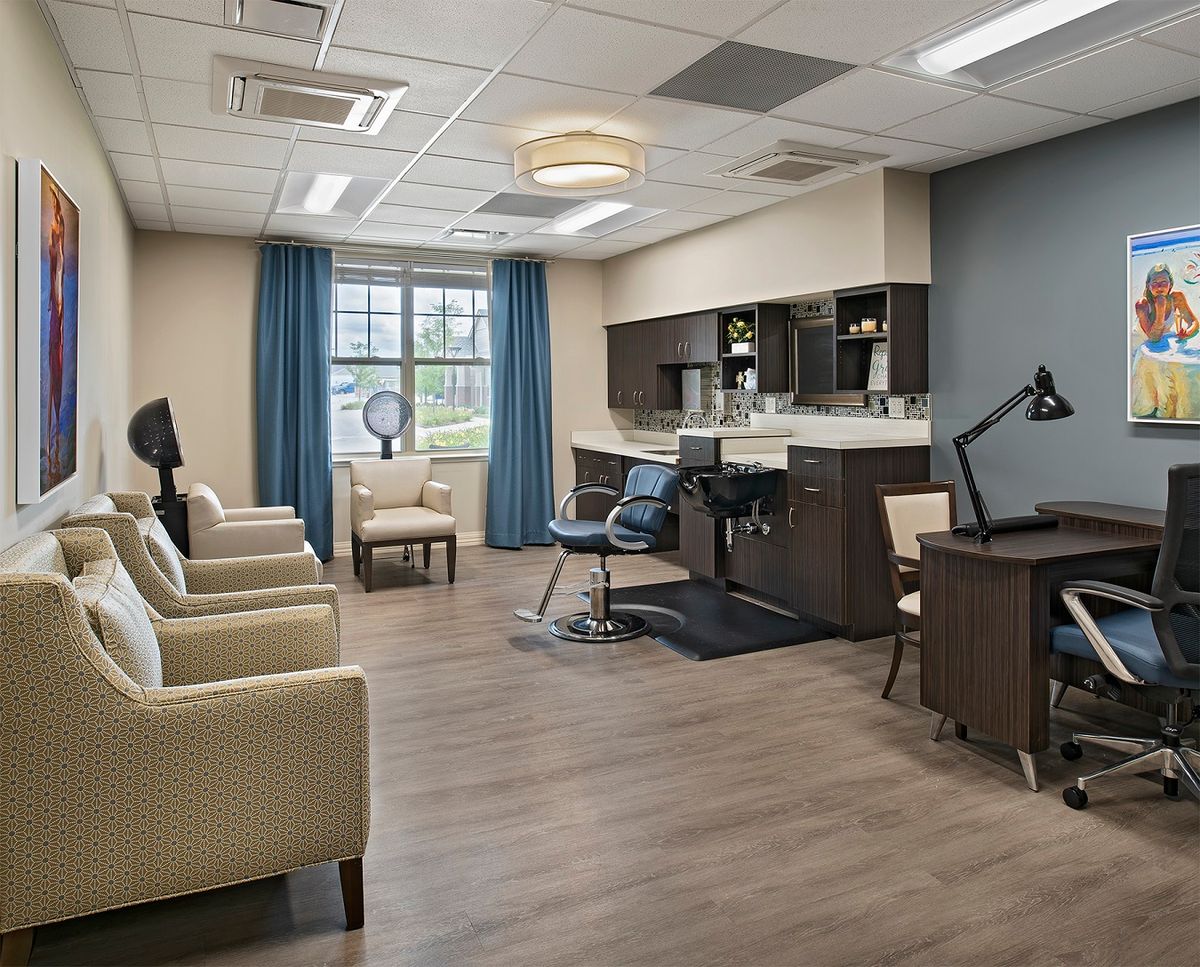
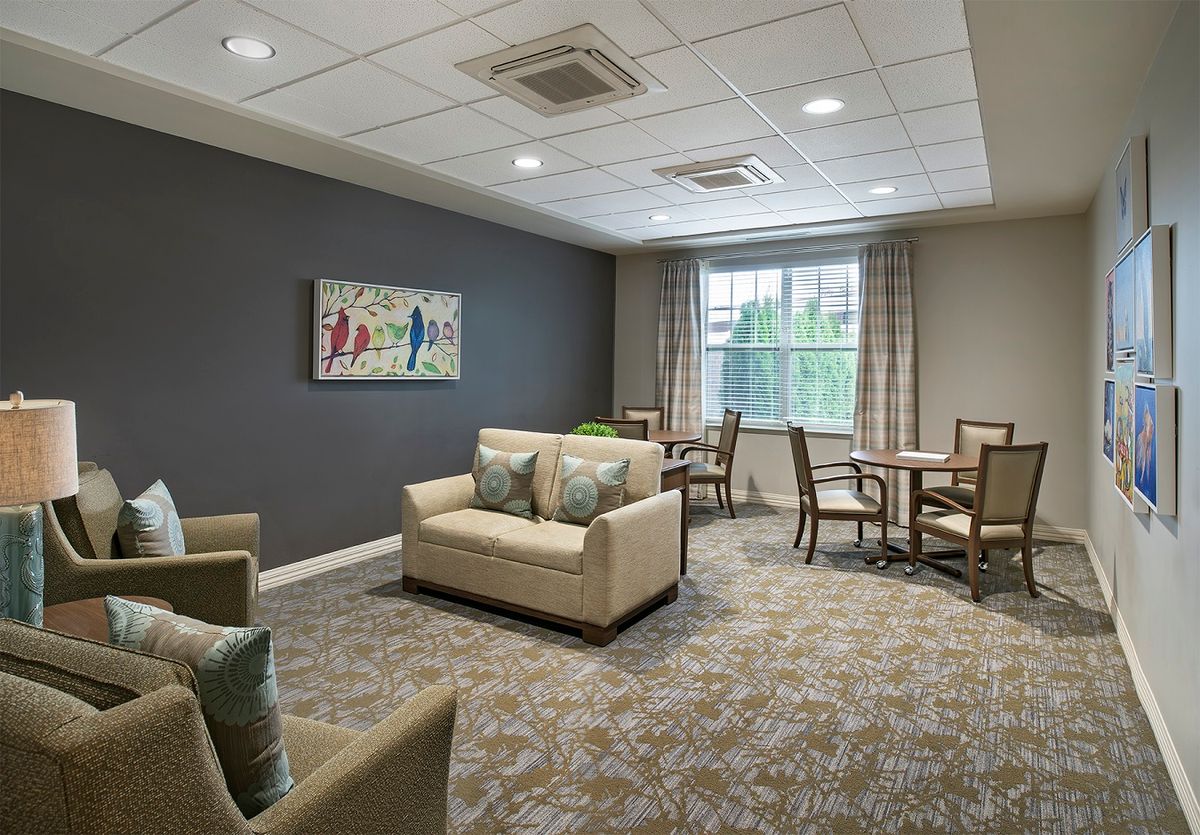
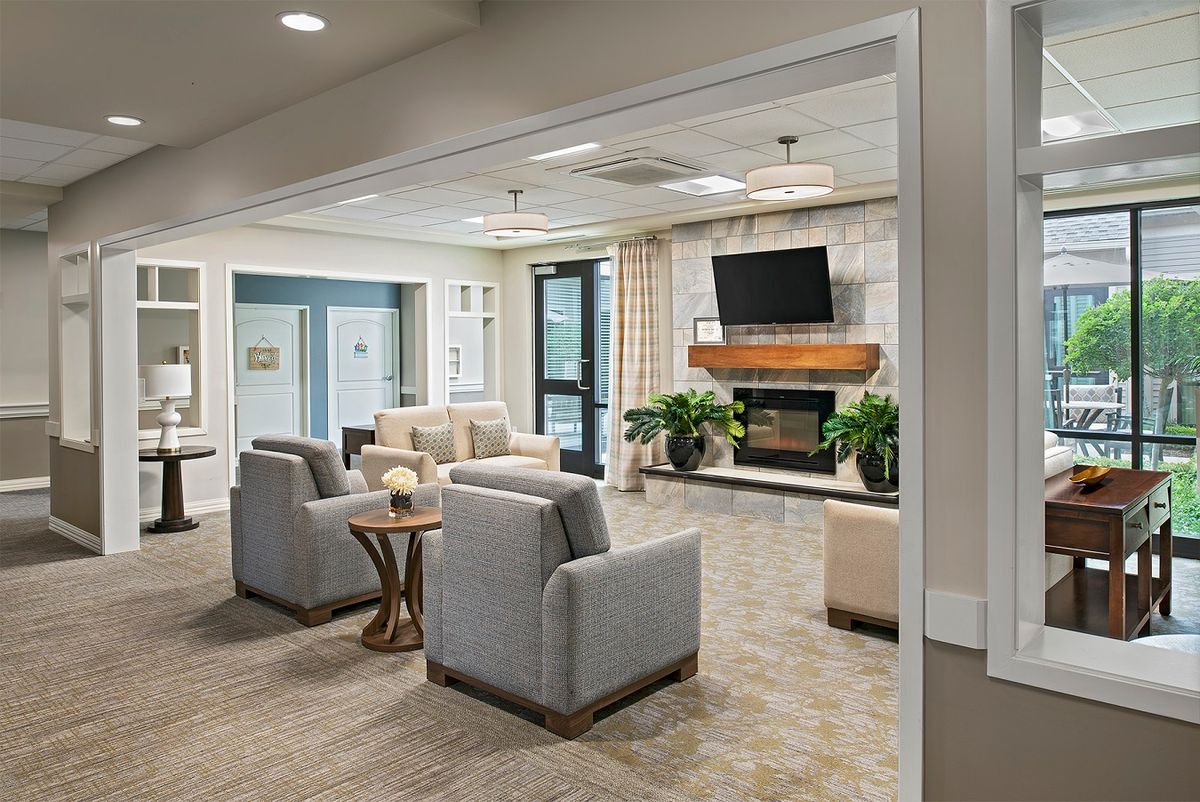
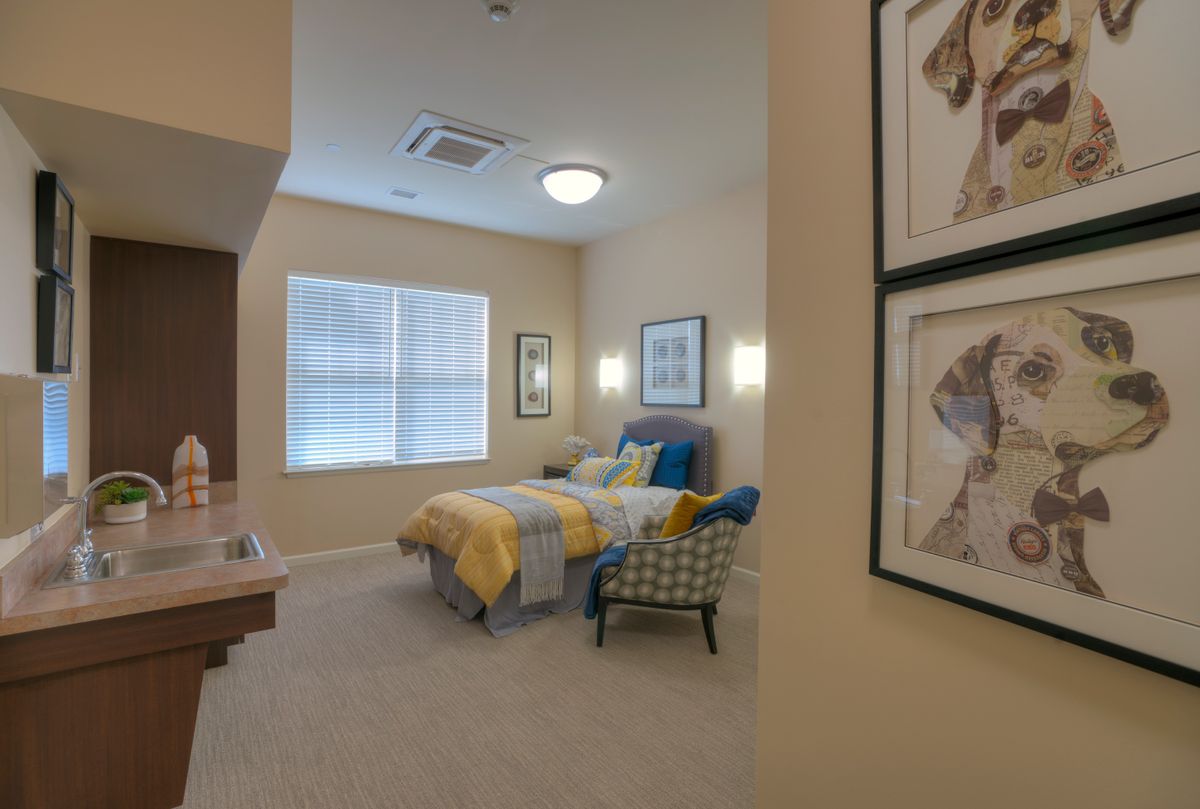
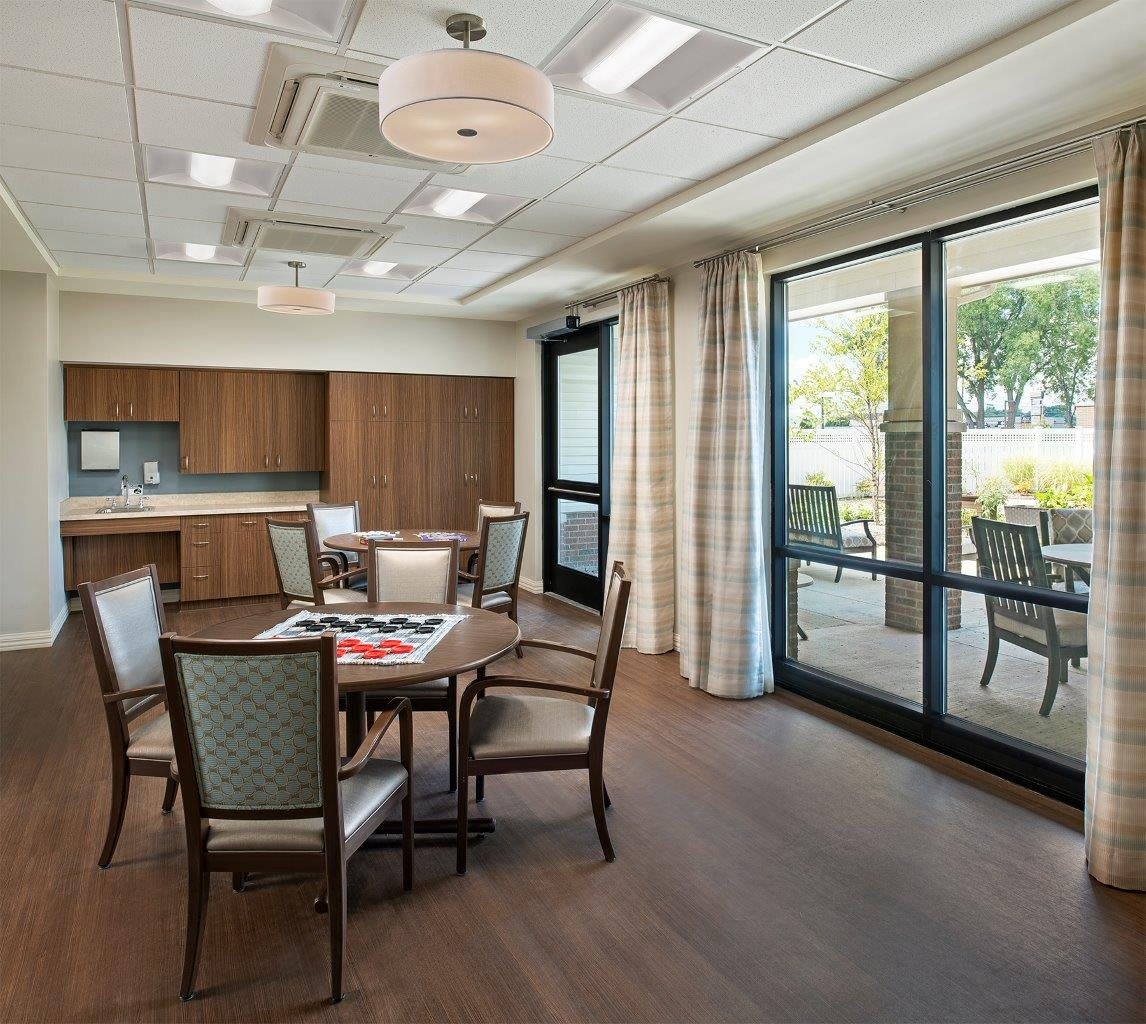
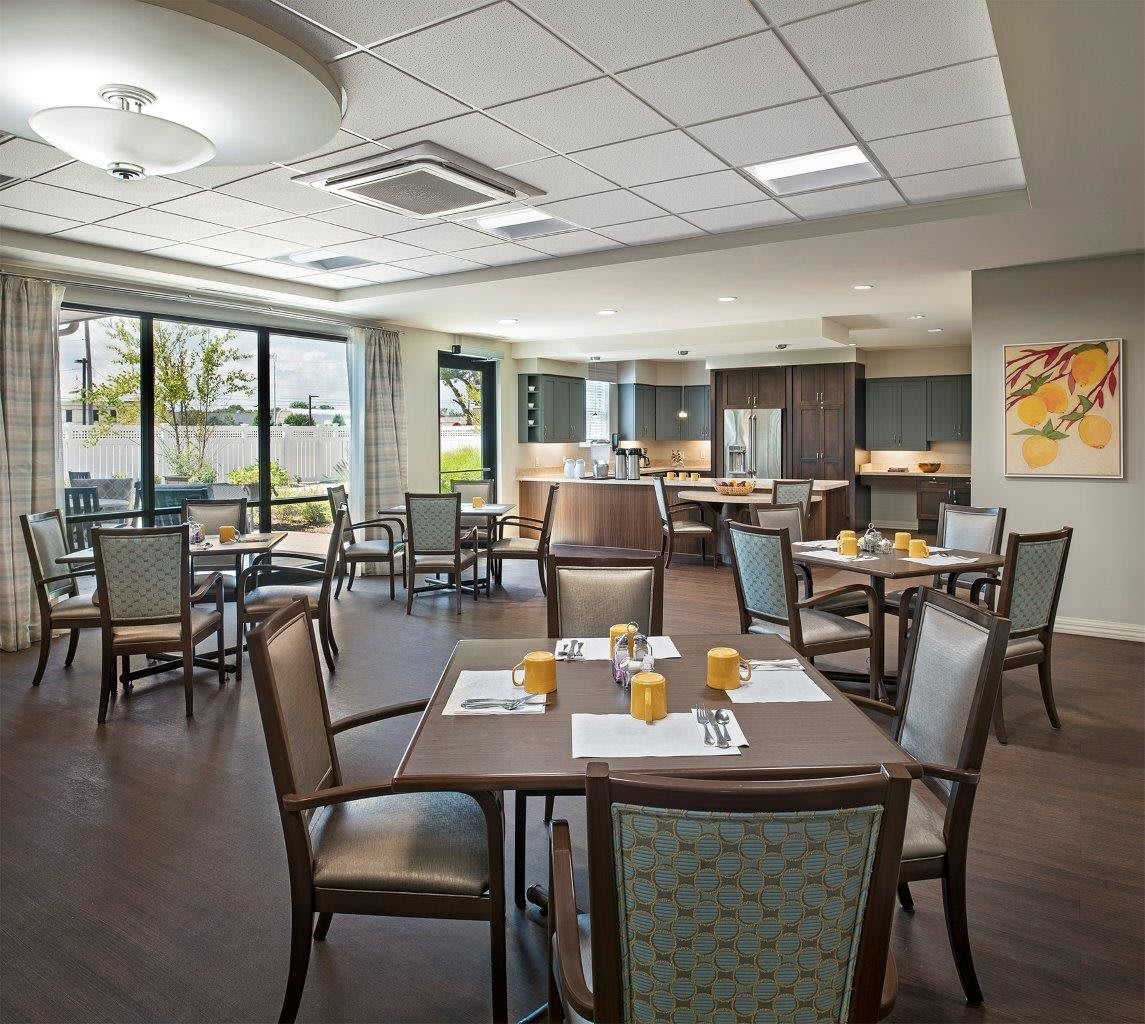
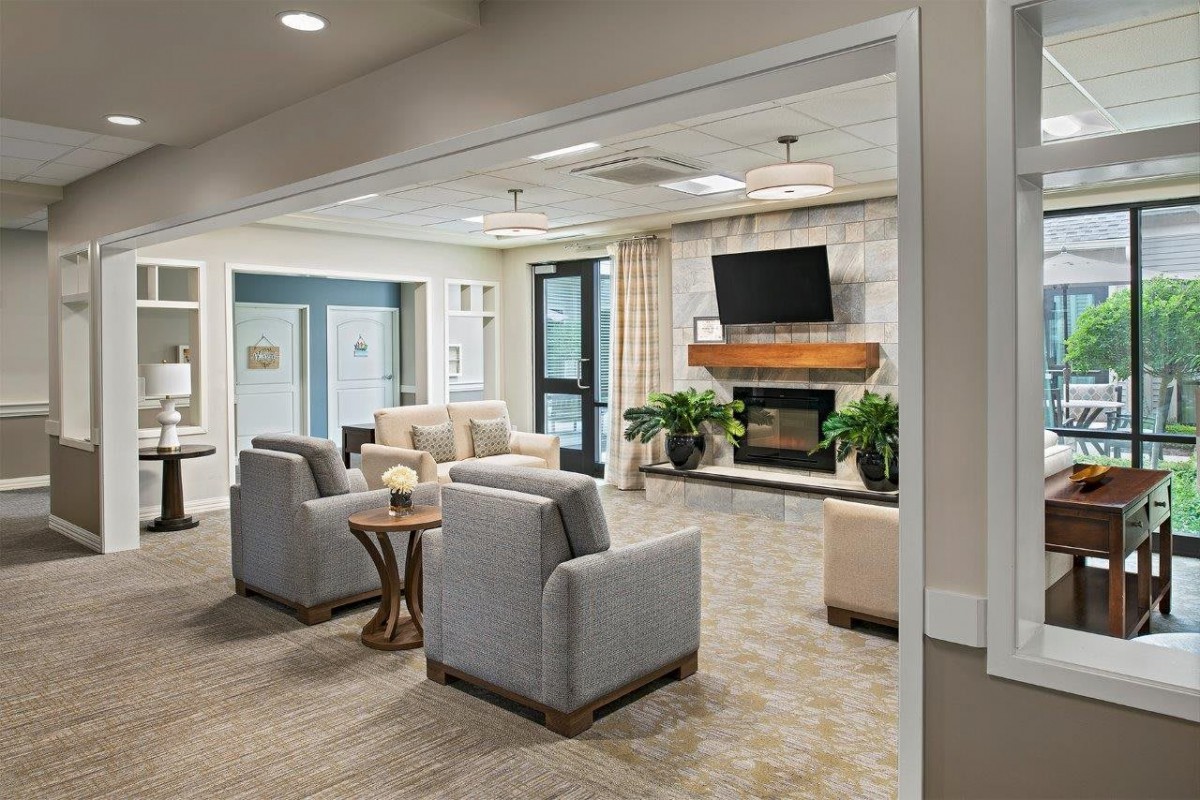
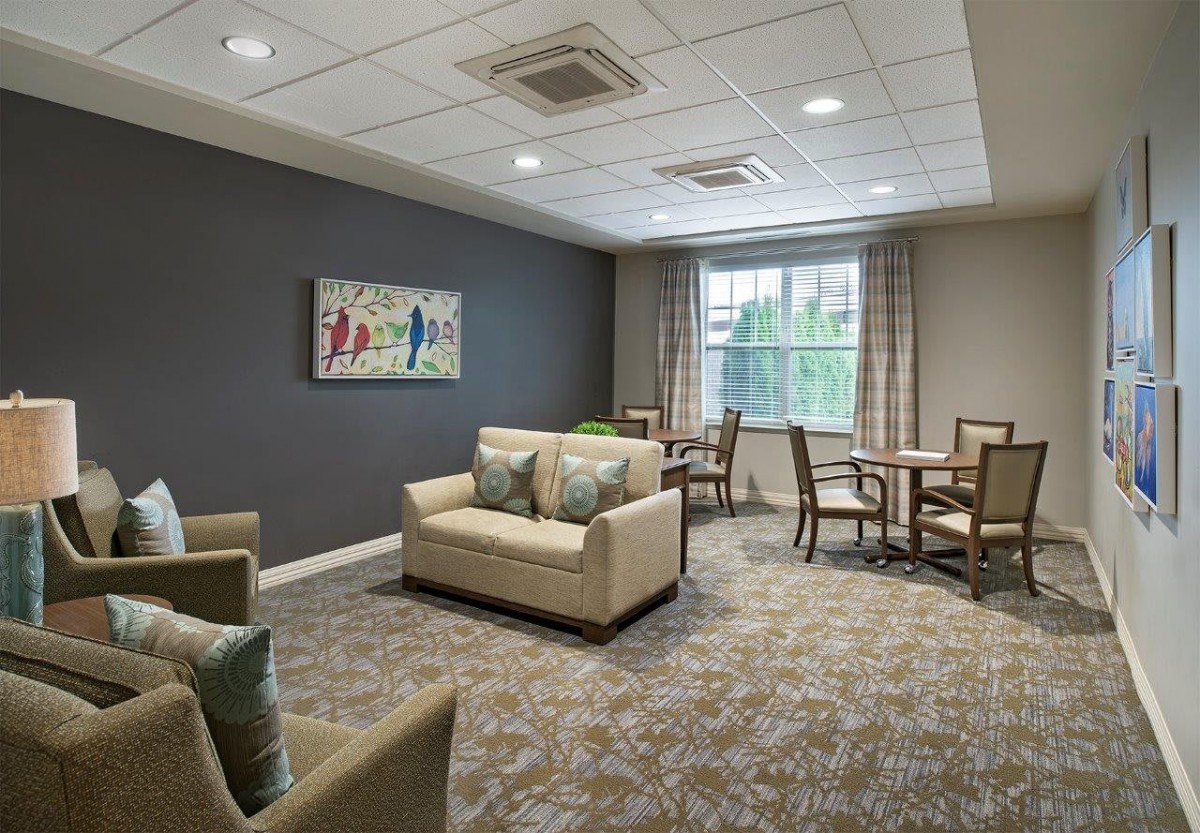
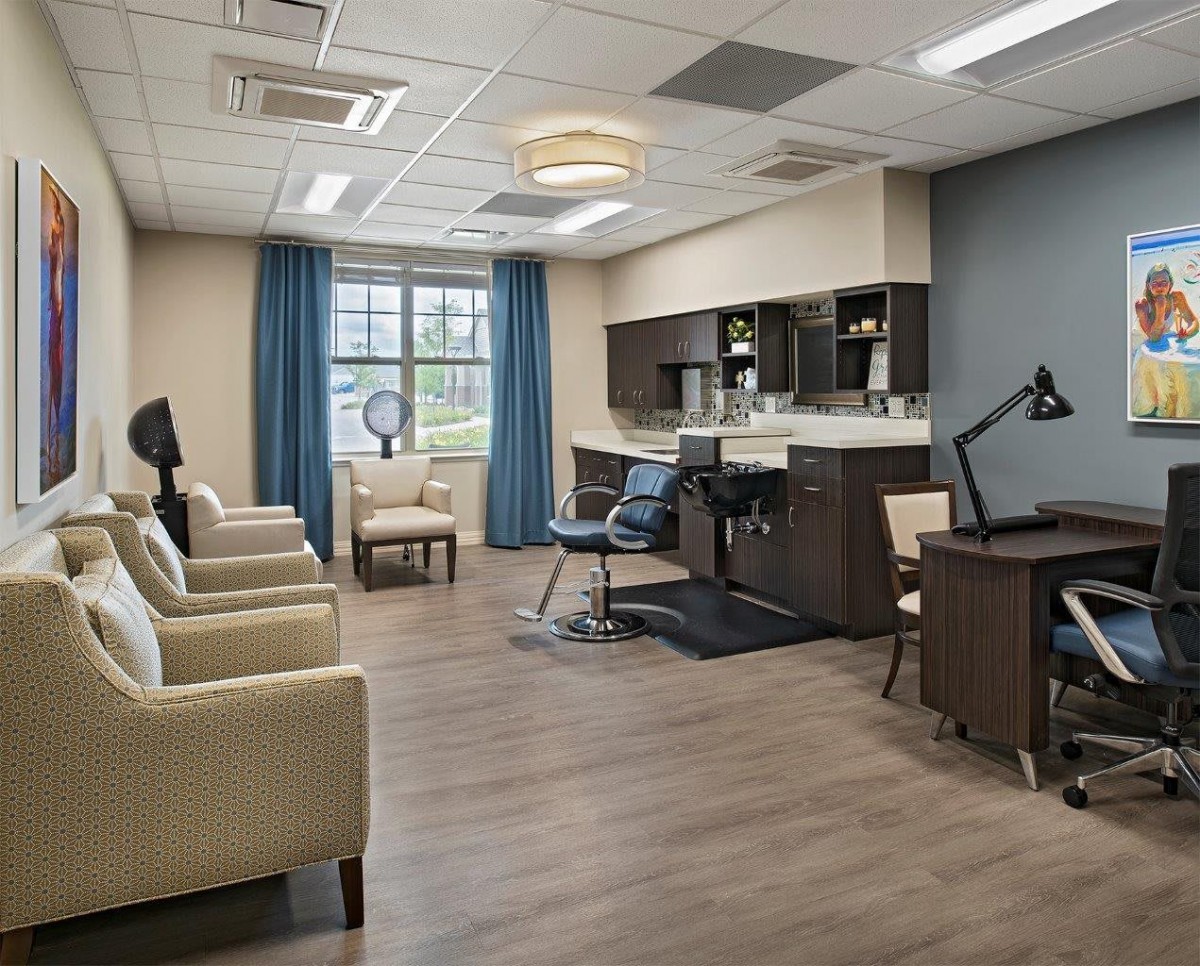
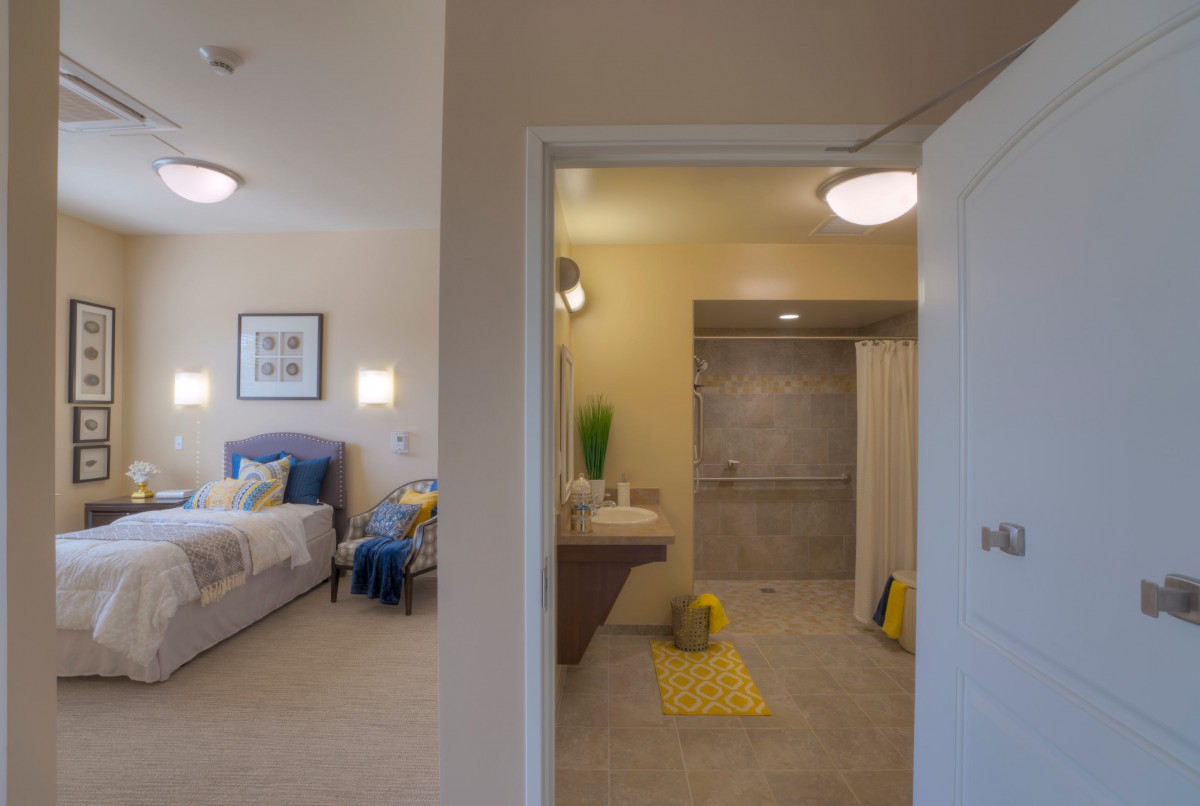
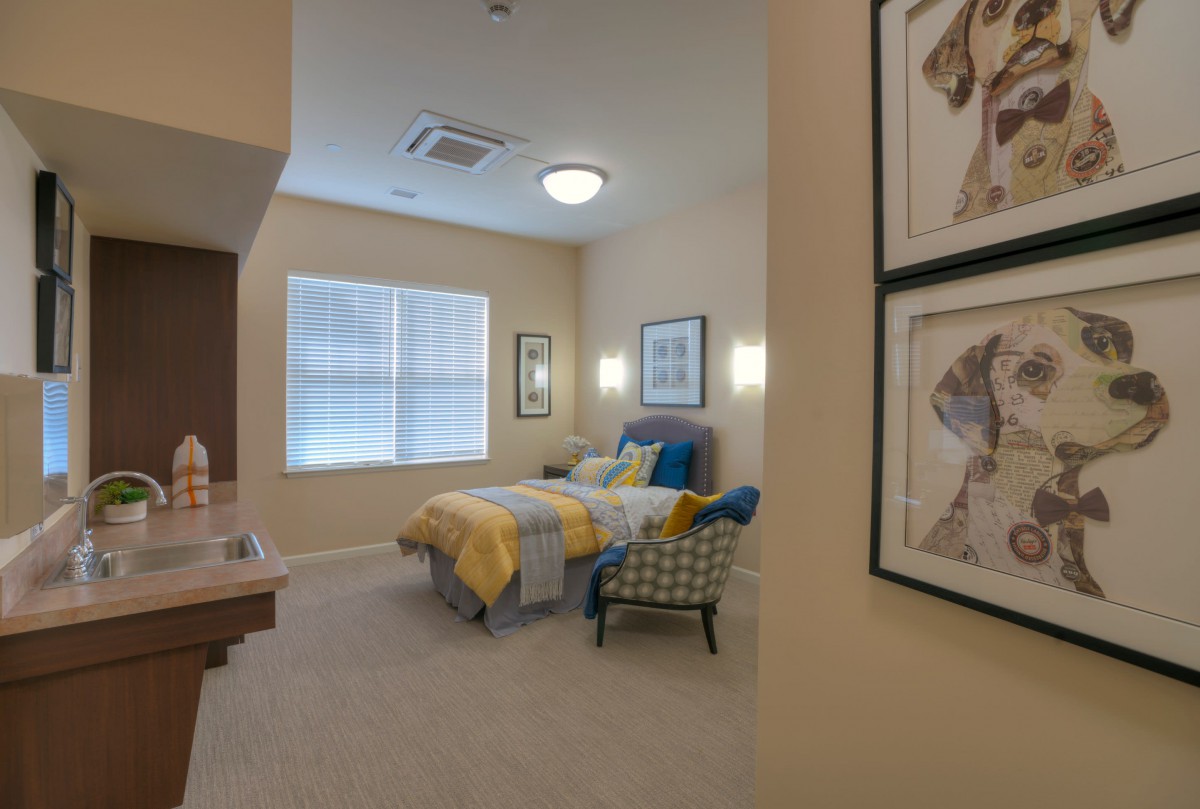
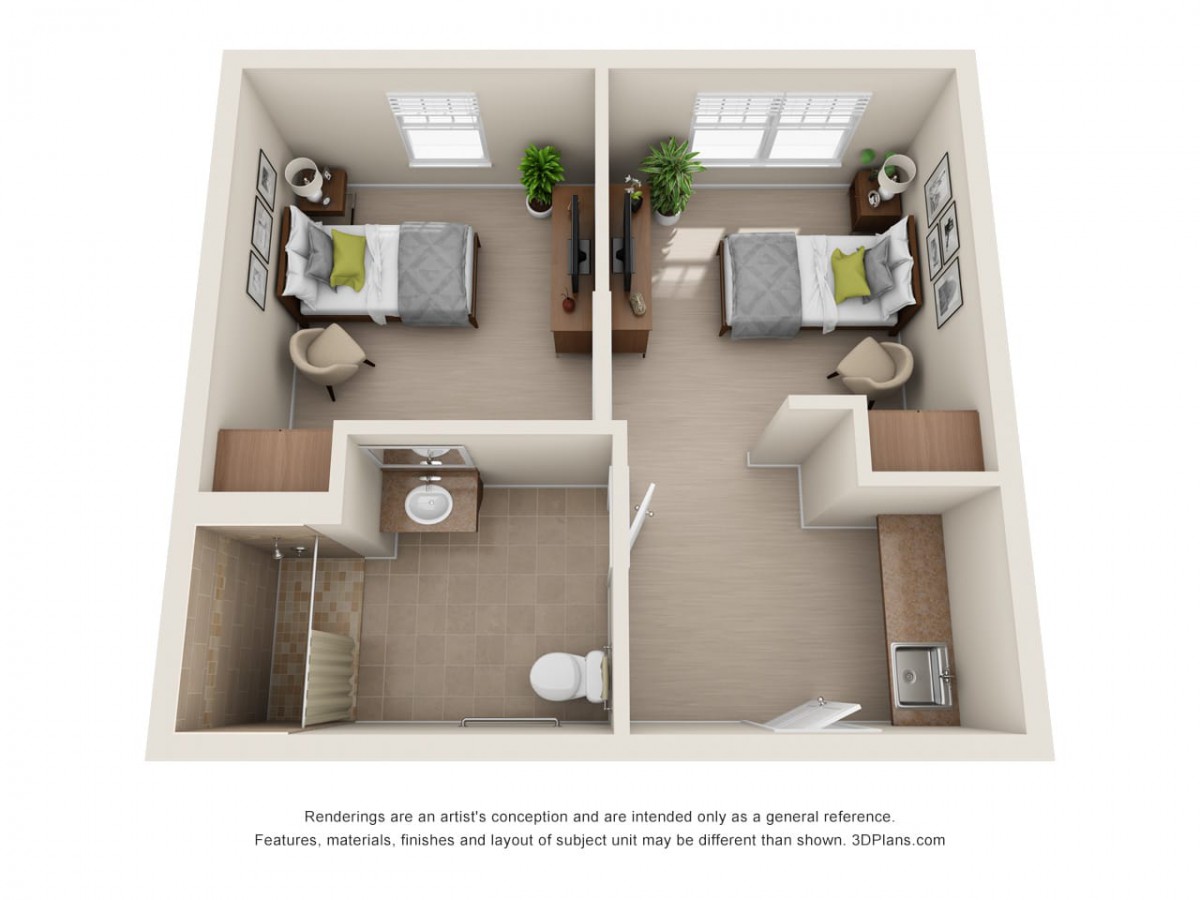
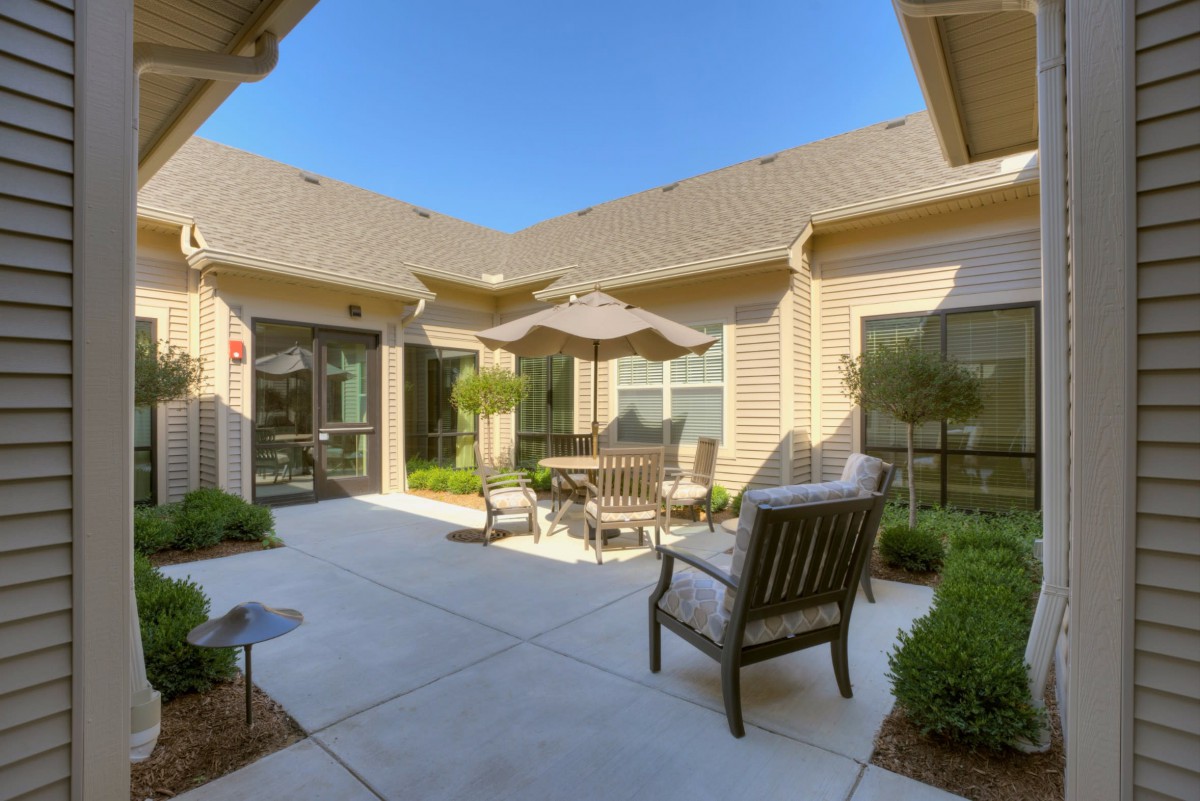
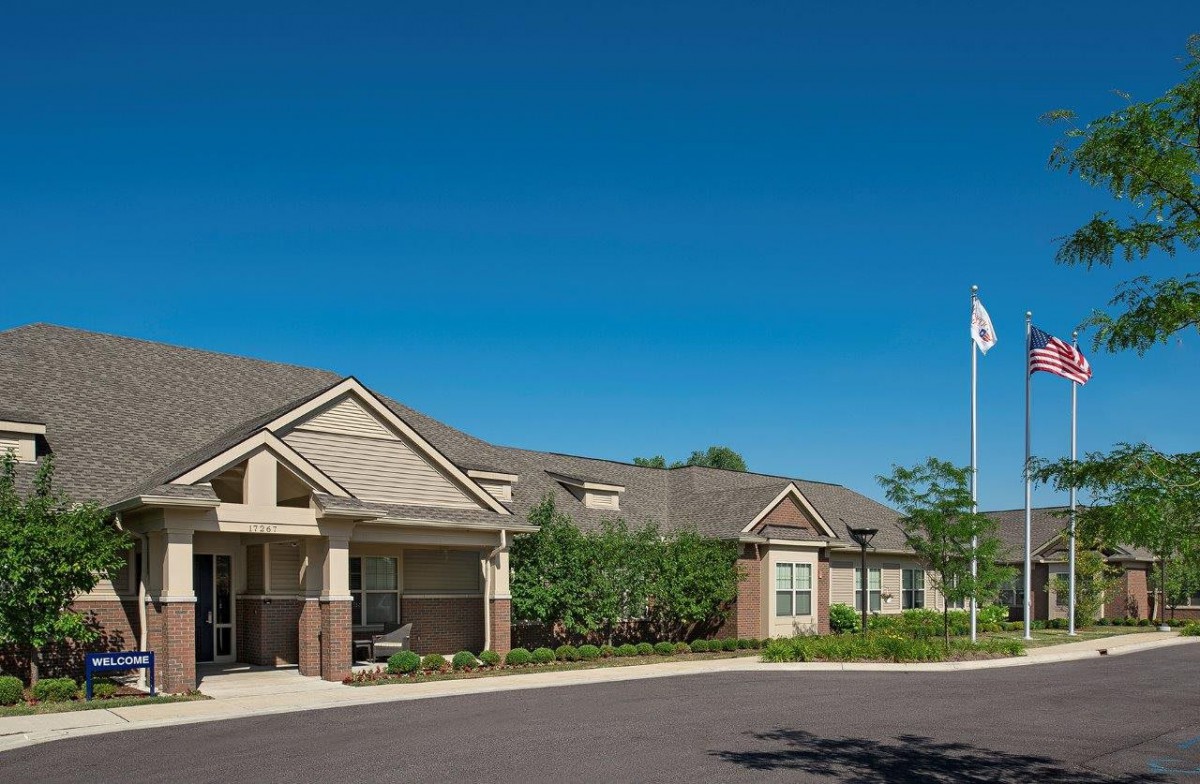
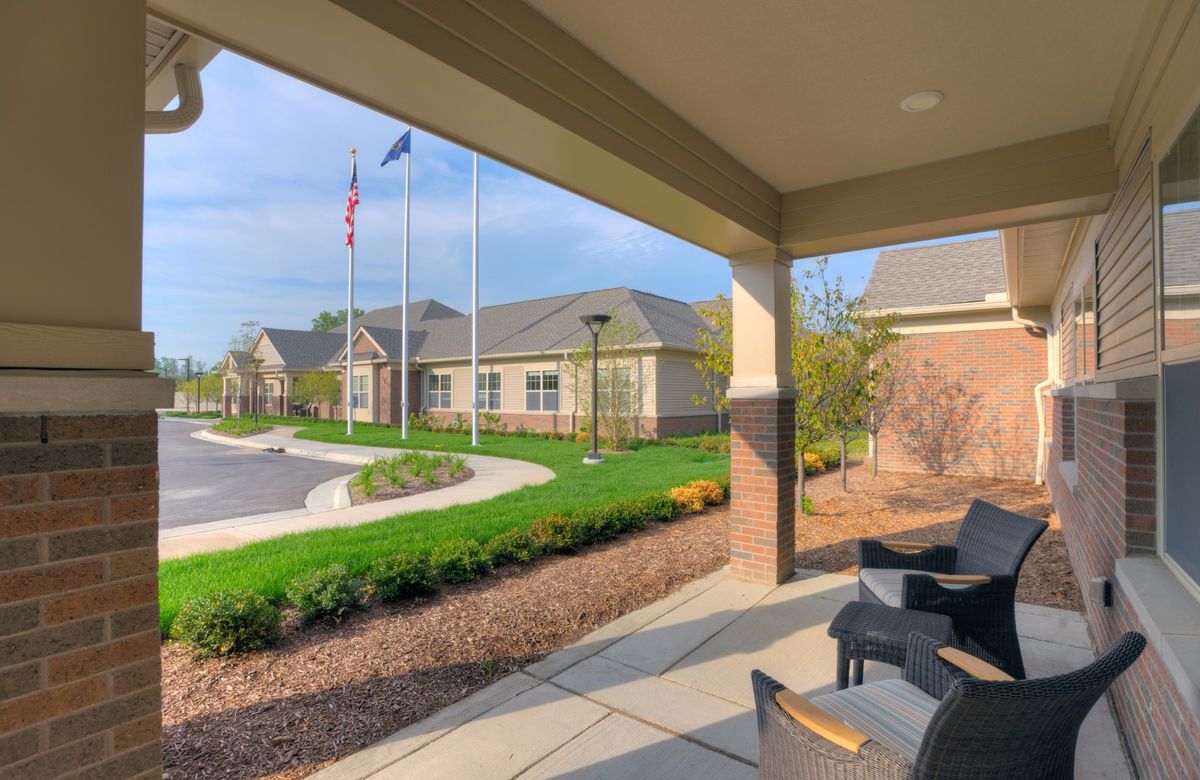
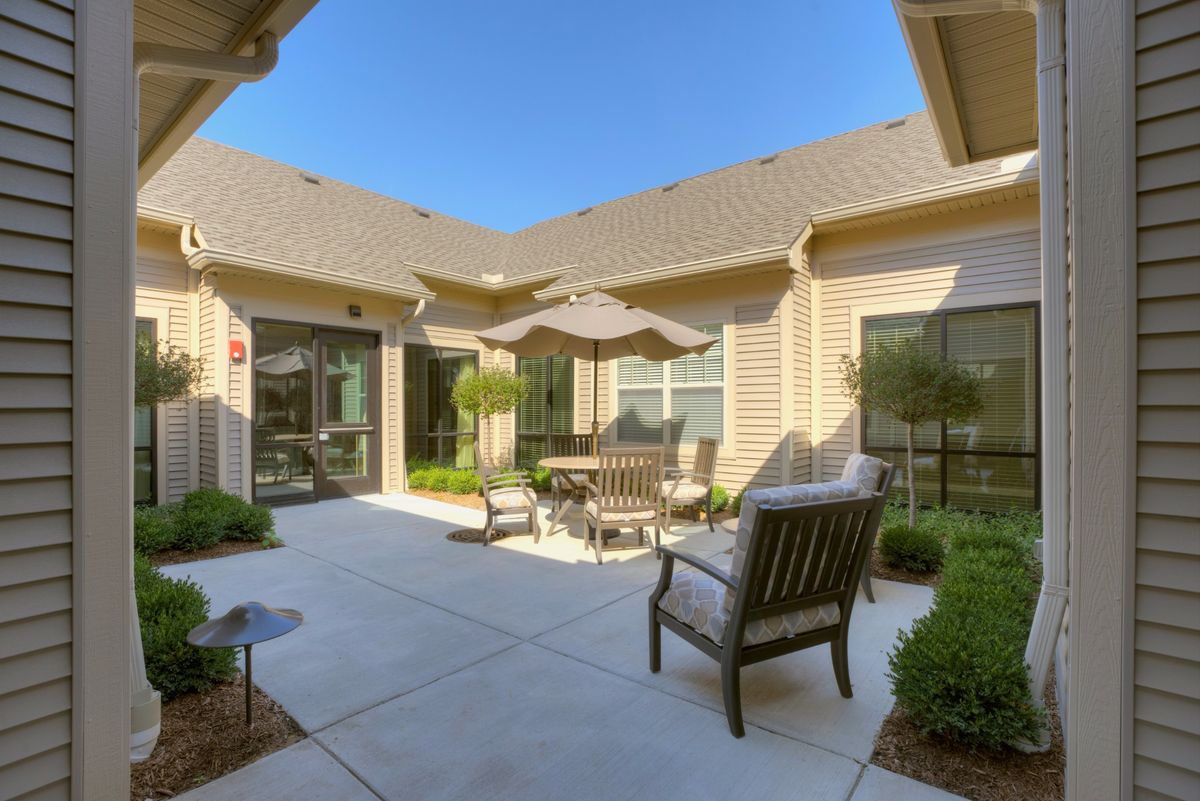
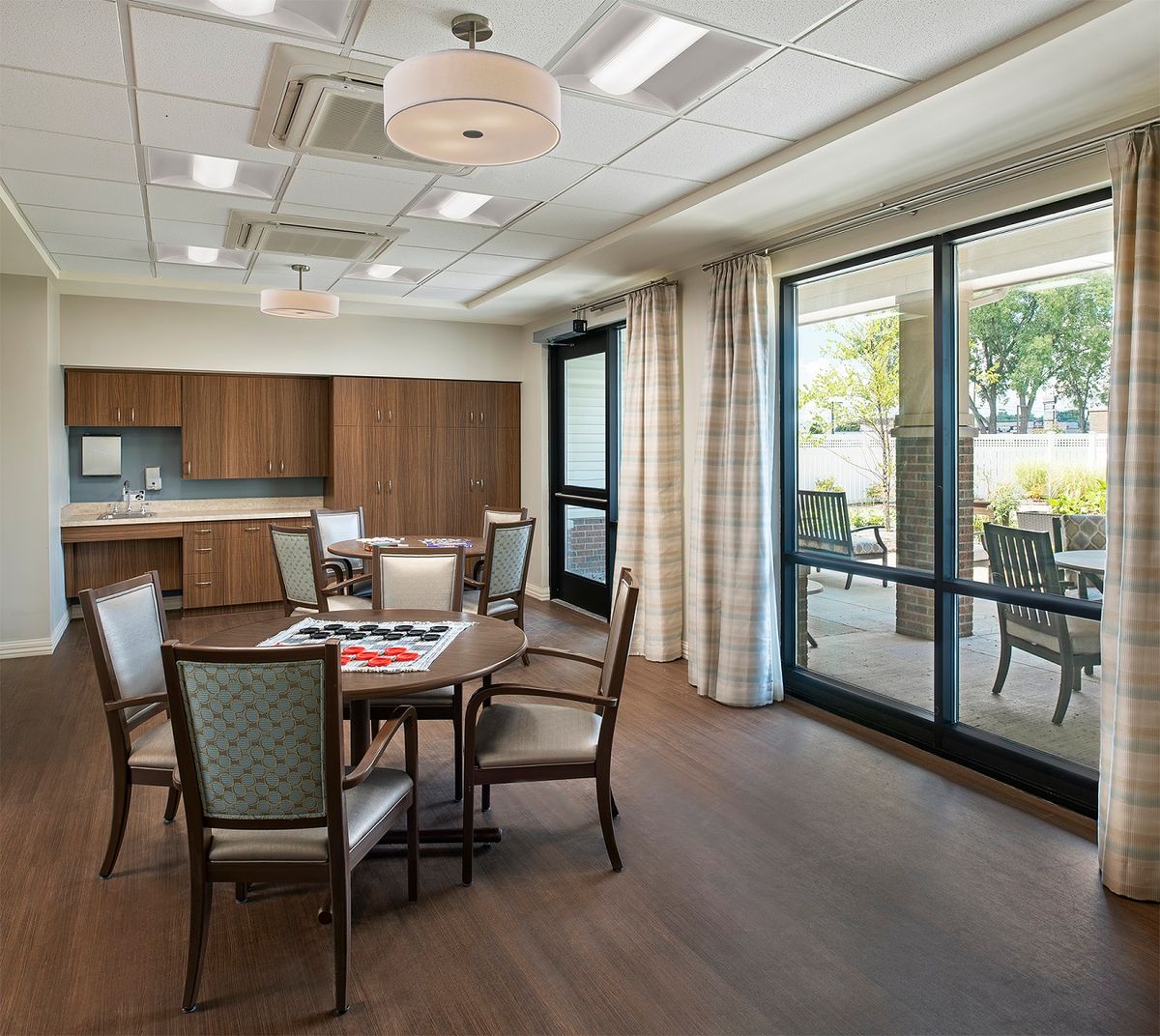
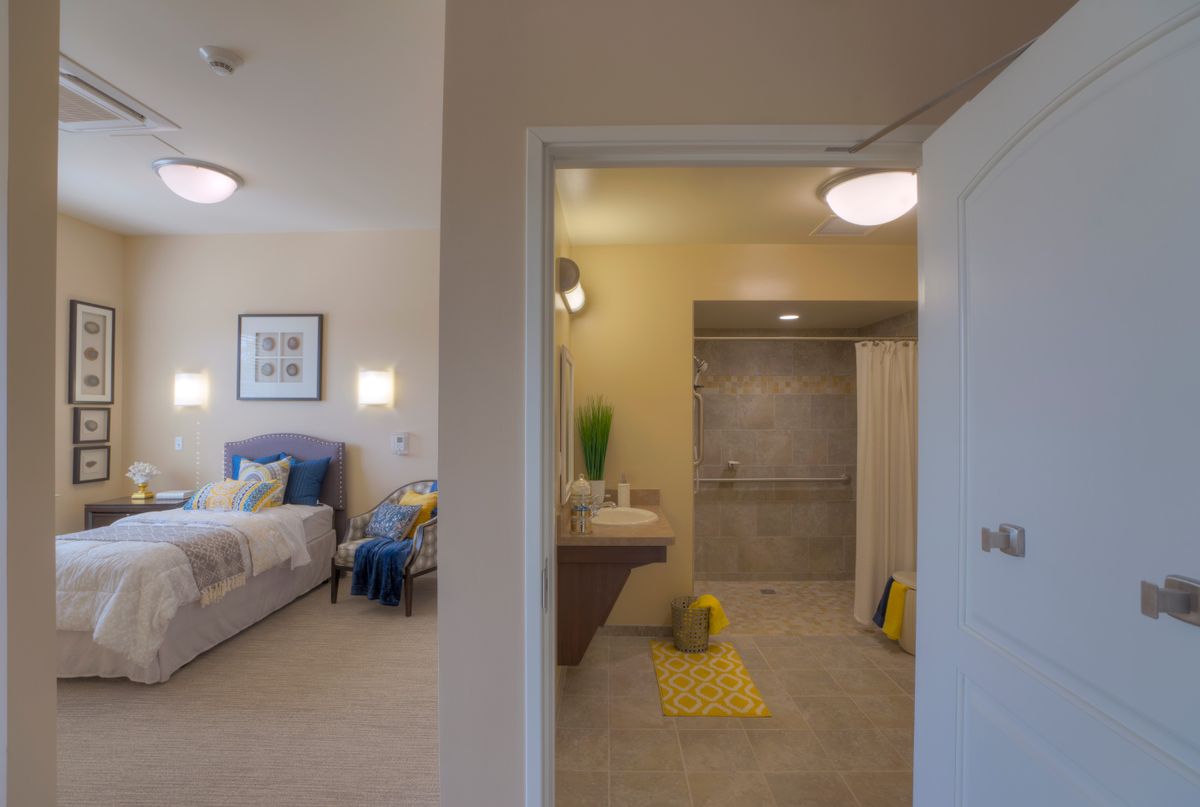
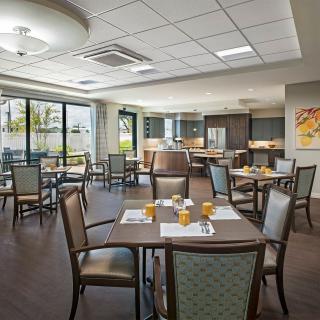
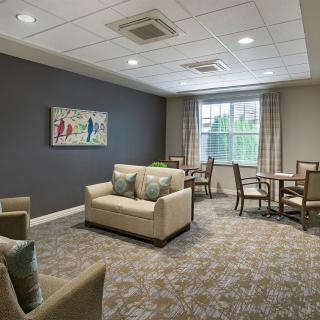
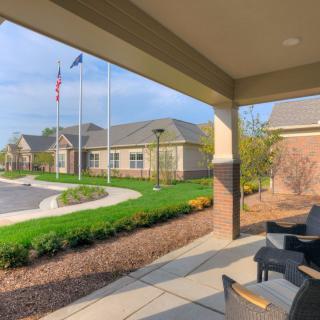
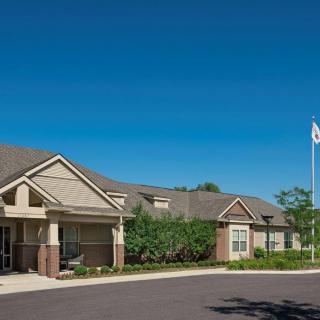
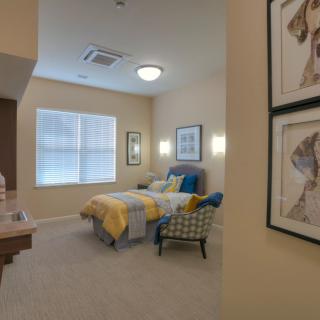
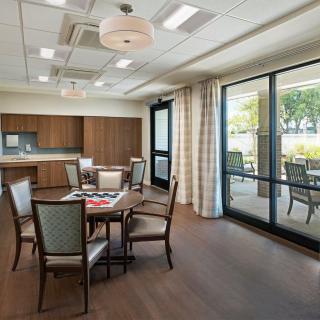
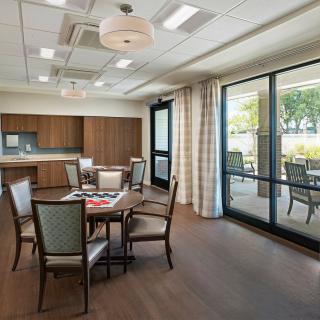
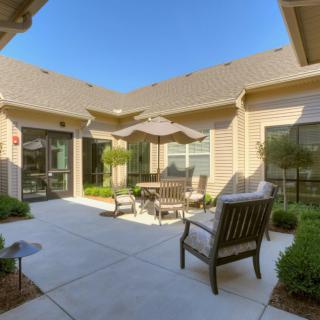
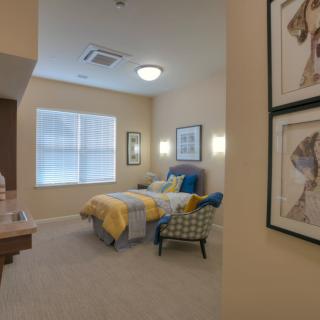
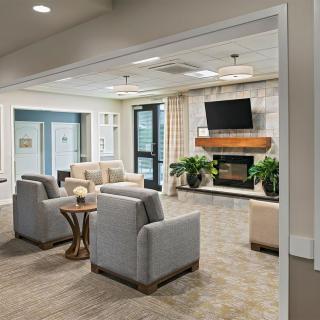
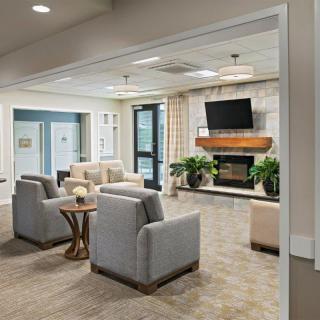
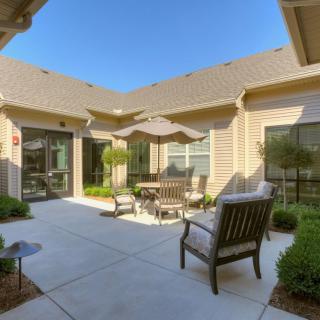
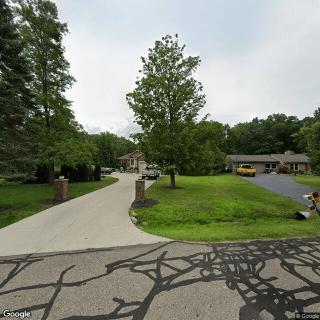
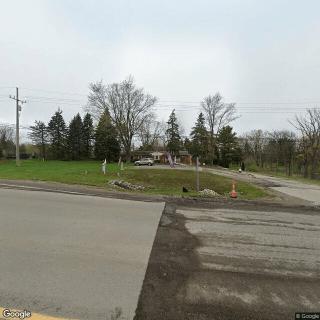
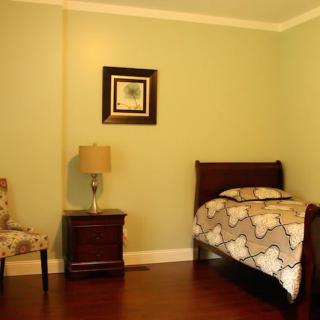
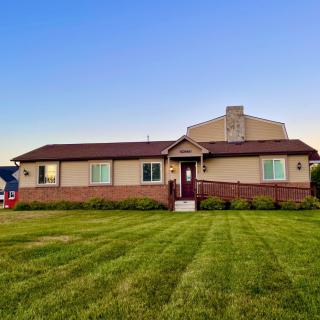
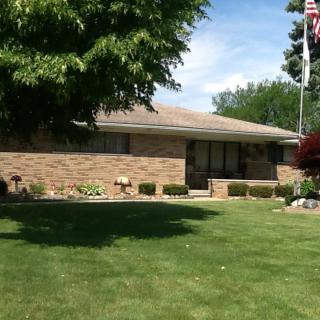
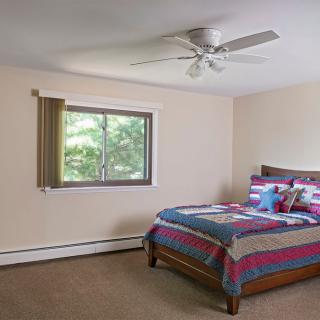
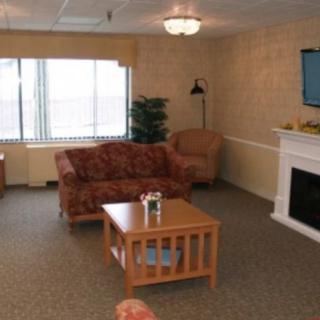
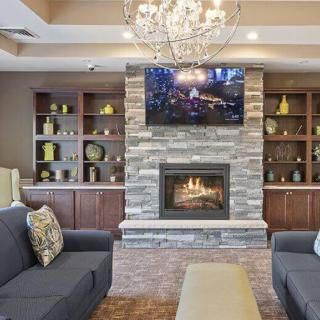
American House Freedom Place Roseville on seniors.fyi includes 21 photos including images showing interior, bedroom, dining, windows, decor, floor plan, living room, salon, and more.
Nearby Communities
American House East I
Roseville, MI
4.5 from 105 reviews
$2,100 to $2,795 / month
Friendly staff and a welcoming, active community with clean facilities.
American House East I Villas
Roseville, MI
4.3 from 58 reviews
$2,075 to $2,295 / month
Knowledgeable, friendly staff with a family-like atmosphere and spacious, accessible apartments.
Rosewood Manor Apartments
Roseville, MI
3 from 31 reviews
Excellent access to healthcare, dining, parks, worship, and entertainment nearby.
Rossbach CTH
Roseville, MI
Small, personalized setting with furnished accommodations, meals, housekeeping, transportation, and activities.
Affinity Home Care
Fraser, MI
Well-connected location with easy access to parks, cafes, pharmacies, restaurants, healthcare, places of worship, theater, and hospitals.
American House East II Senior Living
Roseville, MI
4.4 from 59 reviews
$1,806 to $3,200 / month
Friendly staff in a clean, active community with dining options.
Fraser Villa
Fraser, MI
3.2 from 116 reviews
Caring staff, clean rooms, engaging activities, and good meals.
The Arbor Inn
Warren, MI
3.9 from 157 reviews
$2,235 to $5,000 / month
Caring staff, clean environment, engaging activities, and affordable semi-private/studio options.
Hampton Manor of Clinton
Clinton Township, MI
4.5 from 63 reviews
$2,200 to $4,200 / month
Caring, attentive staff in a beautiful, accessible environment with on-site activities.
Sundown syndrome, or sundowning, is a phenomenon in dementia patients characterized by increased confusion and agitation during late afternoon and evening, influenced by factors like disrupted circadian rhythms and fatigue. Effective caregiver strategies include establishing routines and managing environmental light while addressing caregiver stress through support services.
Delirium is a rapidly onset, reversible cognitive disturbance often caused by acute medical issues, while dementia is a gradual and irreversible decline due to chronic neurodegenerative diseases. Accurate differentiation between the two is essential for appropriate treatment and management in older adults.
Dementia, including Alzheimer’s disease, is often mischaracterized in terms of lethality as it leads to complications that can be fatal rather than being a direct cause of death; it causes a progressive decline in cognitive and physical health, making patients vulnerable to infections and other health crises. Effective management of nutrition, hydration, and communication is crucial in patient care, with palliative care becoming vital in advanced stages to enhance comfort and quality of life while caregivers play a key role amidst the challenges posed by the disease.
Get PricingAsk A QuestionSchedule A TourContact Senior Advisor
By clicking submit, you agree to our Partner's Terms of Use. You
also consent to receive calls and texts, which may be autodialed, from our Partner. Your consent is not a condition to
using our Partner's service. Please visit our Partner's Privacy Policy for information about their privacy practices.

 50 resident community capacity
 Studio apartments
 Hospice Agency
 Memory Care
 Respite Care
 Activities on-site
 Air-conditioning
 Beautician on-site
 Cable or satellite TV
 Devotional services on-site
 Dining room
 Fully furnished
 Garden
 Housekeeping services
 Indoor common areas
 Kitchenette
 Move-in coordination
 Outdoor common areas
 Restaurant-style dining
 Small library
 Telephone
 Wheelchair accessible showers
 Wi-Fi/high-speed internet available
 24-hour call system
 Ambulatory care
 Assistance with bathing
 Assistance with dressing
 Assistance with transfers
 Diabetes diet
 Diabetic care
 Incontinence care
 Medication management
 Mental wellness program
 Special dietary restrictions
 Transportation arrangement (medical)
 Transportation to doctors appointments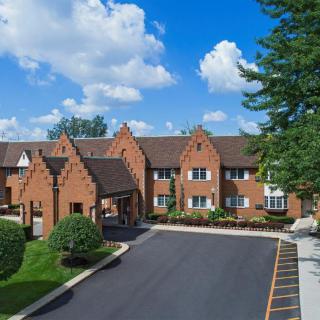
 Friendly staff and a welcoming, active community with clean facilities.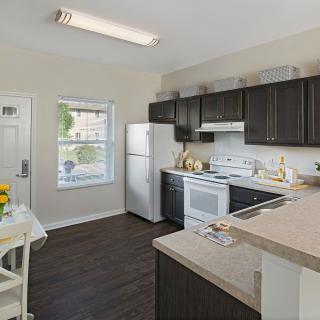

 Comprehending Evening Confusion in Dementia: Causes, Manifestations, and Support
 Delirium and Dementia: Unraveling the Key Differences
 Are Dementia and Alzheimer's Disease Lethal? A Comprehensive Exploration