
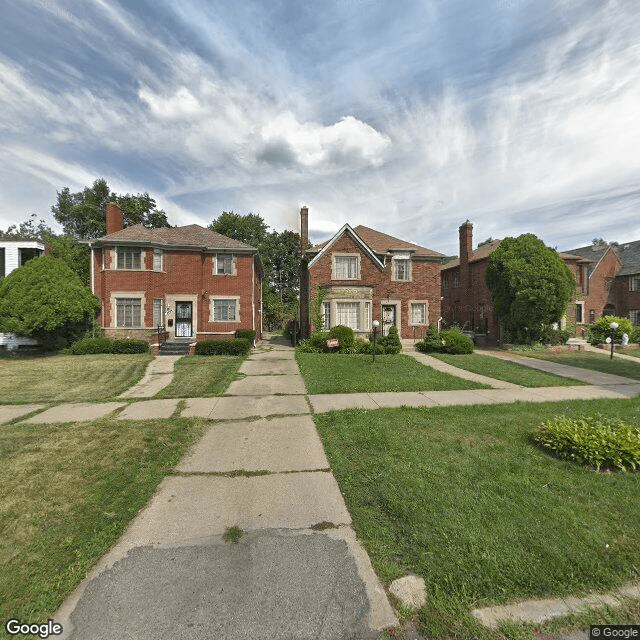
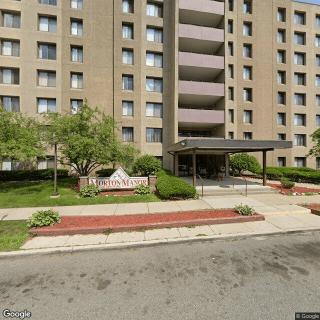
4084 Fullerton Street, Detroit, MI 48238
To contact a resident: (248) 910-7972
For more information about senior living options: (866) 208-4318
Loving Care Home #1 Costs & Pricing
Loving Care Home #1 offers remarkably competitive monthly rates compared to both Wayne County and the broader state of Michigan. With a private room priced at $850, it stands in stark contrast to the county average of $3,335 and the state average of $3,675. Similarly, their studio and one-bedroom options are attractively priced at $1,000 each, significantly lower than the county averages of $3,495 and $3,210 respectively. The differences in costs highlight Loving Care Home #1 as an affordable alternative for residents seeking quality care without the burden of excessive financial strain. This makes it an appealing choice for individuals and families looking for economical yet comfortable living arrangements in a supportive environment.
| Floor plans | Loving Care Home #1 | Wayne County | Michigan |
|---|---|---|---|
| Private | $850 | $3,335 | $3,674 |
| Studio | $1,000 | $3,495 | $3,824 |
| 1 Bedroom | $1,000 | $3,210 | $3,384 |
Memory care communities with a similar price nearby
-
About the same
Loving Care Home #3
$850 to $1,000 / month0.0 miles away -
from -$50 / mo
MGS Haven
$800 / month2.7 miles away -
from +$150 / mo
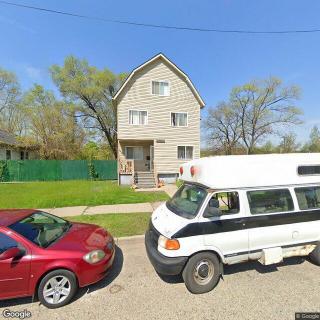
Westbrook AFC
$1,000 / month5.1 miles away -
About the same
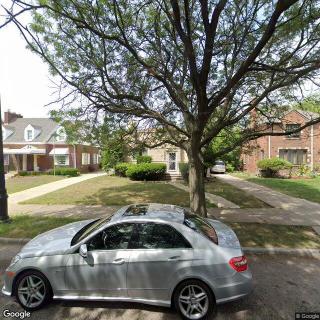
Loving Care Home #2
$850 to $1,000 / month0.9 miles away -
About the same
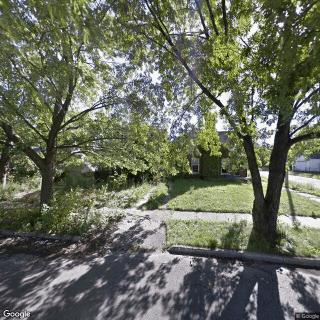
New Beginnings AFC
$850 to $1,000 / month8.0 miles away
Overall Review of Loving Care Home #1
Pros
 The facility is warm, welcoming, and beautifully maintained, with cozy common areas and peaceful outdoor spaces.
- The staff are incredibly kind, attentive, and patient, consistently engaging with residents in a respectful and caring way.
- The environment feels like a home, fostering a strong sense of community and peace of mind for residents and families alike.
- The rooms are spacious, home-like, and the facility is clean and well-organized.
- Residents appear content and well cared for, with a clear commitment to safety, dignity, and well-being.
- Families receive real-time updates and reassuring communication from the staff, providing comfort when they cannot be there in person.
- The administrator and caregiving team are described as reliable, professional, and genuinely dedicated to residents' emotional and physical well-being.
- The facility is highly recommended for compassionate, high-quality care by a trustworthy team.
- The care staff go above and beyond, arranging appointments, providing one-on-one attention, and making loved ones feel cherished.
Review
This community is best suited for families seeking a warm, home-like assisted living experience in Detroit where a nurse-led team delivers deeply personal, ongoing attention. It shines for residents with complex medical or emotional needs who benefit from real-time family communication, hands-on caregiving, and a staff culture that treats residents with dignity and genuine warmth. The setting is intimate enough that caregivers know residents well, yet professional enough to maintain strong safety standards and organized routines. For families who value visibility into daily care and frequent, compassionate interaction, Loving Care Home #1 is a compelling match.
Those who may want to consider alternatives are families prioritizing a larger campus atmosphere, highly specialized memory-care programming, or a more clinical, hospital-like cadence of care. If a loved one requires highly structured dementia care with dedicated memory-care wings, or if a need for around-the-clock medical oversight feels better met by a bigger facility with extensive on-site medical teams, exploring other options is prudent. Likewise, if the priority is a facility with extensive in-house rehabilitation programs or a broader range of therapeutic amenities, some larger communities may better fit those expectations and budget considerations.
The core strengths, attentive staff, RN-led medical awareness, transparent family communication, and a genuinely homelike environment, offset the potential drawbacks of a smaller operation. The reviews consistently highlight staff who are not only professional but truly invested: patient, respectful, and capable of meaningful one-on-one interactions that elevate daily life. The owner’s presence as a nurse, along with nurses like Sally, provides reliable clinical oversight and a reassuring safety net for unsettled moments. Real-time video updates, help coordinating appointments, and proactive problem-solving effectively mitigate typical anxieties around transitions to care, making the intimate setting feel both secure and responsive.
Another major advantage is the atmosphere itself. Residents appear content, engaged, and connected, with a sense of community that turns the facility into a nurturing home rather than a sterile institution. Cleanliness and thoughtful design, spacious yet cozy rooms, inviting common areas, and peaceful outdoor spaces, support a calm, dignified daily rhythm. The testimonies repeatedly point to genuine warmth, laughter, and everyday acts of kindness that create emotional well-being alongside physical care. When family members observe improvements, mobility gains, improved lucidity, or increased willingness to participate in activities, the credibility of the caregiving team is reinforced, turning states of worry into confidence.
That said, families should approach with practical diligence. inquire about current staff-to-resident ratios and how shifts affect availability for personalized attention; confirm what medical supports are evergreen versus situational (for example, how emergencies are handled and how quickly a resident can access a clinician on short notice). Ask about payment structures, insurance coordination, and any limits on care services that could impact long-term needs. Given the strong emphasis on family updates, verify the expected cadence of communication and the formats families prefer, ensuring alignment with expectations around privacy and consent. Finally, explore whether the setting’s intimate scale fits the specific medical and social profile of the loved one, as some seniors thrive more in larger ecosystems with broader programmatic options.
In sum, Loving Care Home #1 represents a standout choice for families seeking a compassionate, high-engagement, home-like environment with consistent clinical grounding and transparent communication. It is especially well-suited for residents whose conditions benefit from attentive nursing oversight, staff who view care as a vocation, and families who want visible, ongoing involvement in daily life and health updates. For those who prioritize size, highly specialized memory-care programs, or very intensive clinical protocols, alternatives deserve consideration. For most cases, the combination of warmth, competence, and meaningful connection makes this community a strong, sensible fit.
 Board and Care Home
 Memory Care
 Activities on-site
 Devotional services off-site
 Indoor common areas
 Private
 Detroit Metropolitan-Wayne County (16 miles away)
 Ambulatory care
 Diabetic care
 Meals provided


 A Thorough Discussion of Medications Potentially Linked to Dementia Risk
 Why Do Dementia Patients Sleep So Much? Understanding Oversleeping, Stages, and Care Approaches
 8 Key Indicators That Suggest It May Be Time to Transition from Assisted Living to Skilled Nursing Care