
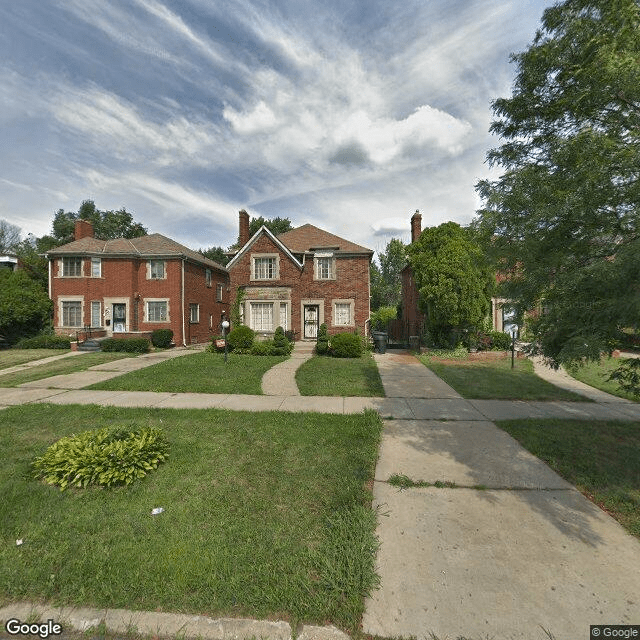
4076 Fullerton St., Detroit, MI 48238
To contact a resident: (248) 910-7972
For more information about senior living options: (866) 208-4318
Loving Care Home #3 Costs & Pricing
Loving Care Home #3 offers competitive monthly rates that stand out significantly when compared to the broader costs within Wayne County and the state of Michigan. For instance, a private room at Loving Care Home #3 is priced at just $850, which is considerably lower than the county average of $3,335 and the state average of $3,675. Similarly, their studio and one-bedroom options are available for $1,000 each; these rates again reflect substantial savings compared to Wayne County's averages of $3,495 and $3,210, respectively. Overall, Loving Care Home #3 provides an appealing and cost-effective solution for those seeking quality accommodations in a supportive environment without the financial burden often associated with similar facilities in the area.
| Floor plans | Loving Care Home #3 | Wayne County | Michigan |
|---|---|---|---|
| Private | $850 | $3,335 | $3,674 |
| Studio | $1,000 | $3,495 | $3,824 |
| 1 Bedroom | $1,000 | $3,210 | $3,384 |
Memory care communities with a similar price nearby
-
About the same
Loving Care Home #1
$850 to $1,000 / month0.0 miles away -
from -$50 / mo
MGS Haven
$800 / month2.7 miles away -
from +$150 / mo
Westbrook AFC
$1,000 / month5.1 miles away -
About the same
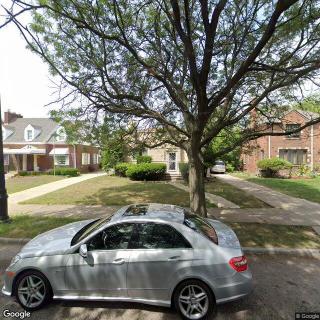
Loving Care Home #2
$850 to $1,000 / month0.9 miles away -
About the same
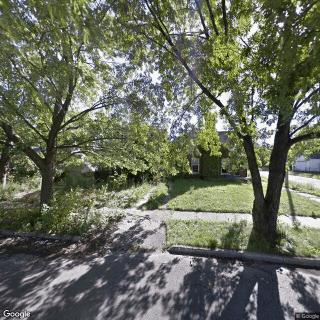
New Beginnings AFC
$850 to $1,000 / month8.0 miles away
Overall Review of Loving Care Home #3
Pros
 Candace is above and beyond the call of duty.
- Candace should be truly recognized for her loving, kind, and caring assistance during home visits.
- Candace should be recognized for outstanding leadership skills.
- Candace from Loving Hearts is absolutely amazing.
- She is an asset to the company.
- Miss Candace should be recognized for the hard work she does to ensure patients are satisfied.
- If the rest of the world would demonstrate the caring and kindness Candace shows, this world would be a better place.
- If you're having a bad day, she spends the extra time to show kindness and positivity.
- The administrative staff are extremely pleasant and professional.
- Candace Jefferson is one of those people.
- It's reflected in the high level of care, compassion, and professionalism that her team displays.
- The owner is very caring and concerned about the well-being of her clients, and she goes above and beyond to meet their needs.
Review
Loving Care Home #3 in Detroit is best suited for families seeking deeply personalized, in-home elder care delivered by a tightly knit team led by an exceptionally hands-on owner. The model works best for seniors who want to remain in their own home but need reliable assistance with daily tasks, companionship, and attentive, consistent caregiving. The care philosophy shines through in stories of Candace and her staff, caregivers who are described as loving, patient, and genuinely invested in each person’s well-being. This setup resonates strongly with families needing a caregiver-driven approach, where the focus is on individualized attention, continuity, and a trusted relationship with the team. Veterans and others with ongoing care needs often find this approach especially meaningful.
For those whose priority is a formal facility with around-the-clock clinical oversight, structured social programming, and built-in staffing in a traditional building, this home-health model may not be the best fit. If care requirements demand higher acuity management, rapid scalability, or housing in a different market, larger assisted living communities or skilled nursing facilities could be more appropriate. Additionally, while the team is highly dependable, the small operation can face capacity constraints if multiple families require intensive coverage at the same time. Families needing a broad menu of on-site services or social programming should evaluate alternatives to ensure all needs are met.
The strongest selling points are Candace’s leadership and the team’s demonstrated compassion and professionalism. Caregivers like Lily are frequently singled out for going above and beyond, and Candace herself is praised for ensuring patient needs are met with consistency and warmth. Administrative staff are described as pleasant and professional, making scheduling and service alignment smoother. This combination of reliable visits, personal attention, and a willingness to spend extra time creates a level of trust that often exceeds what is possible in larger agencies. The result is a consistently high-quality experience that translates into real peace of mind for families.
Caregivers are repeatedly praised for their sweetness and dedication, with Lily highlighted as someone who quickly feels like family. The owner’s direct involvement and evident concern for client well-being underpin every interaction, and this leadership ethos appears to permeate the entire care team. The Loving Hearts branding is reinforced by actions: punctuality, responsiveness, and a readiness to tailor services to individual routines and preferences. These elements coalesce into a warm, dependable environment where clients and families feel heard, protected, and valued, rather than treated as a set of tasks to check off.
Decision-makers should lean into this option when the priority is a humane, hands-on care partnership that respects autonomy while ensuring day-to-day needs are met. It pays to confirm caregiver assignments, backup coverage, and clear communication channels upfront. Families should request a defined plan for emergencies, regular progress updates, and a familiar caregiver schedule to preserve continuity. Given the strong caregiver–client rapport described in the reviews, aligning expectations around visit frequency, tasks, and respite options will maximize the benefits of this model and reduce the risk of friction if plans shift.
Overall, Loving Care Home #3 stands out for families valuing genuine compassion, dependable care, and intimate, home-based support. It is particularly well-suited for seniors who thrive on personal connection and a caregiver-led framework, including veterans who appreciate a respectful, mission-minded approach. Alternatives become appealing for those seeking the socialization and built-in programming of larger assisted living communities or the clinical oversight of nursing facilities. For those who choose this route, the path is clear: engage early, secure a consistent primary caregiver, verify backup coverage, and expect a high-touch, trustworthy partnership that turns daily routines into safer, more joyful days.
 Board and Care Home
 Memory Care
 Activities on-site
 Devotional services off-site
 Indoor common areas
 Private
 Detroit Metropolitan-Wayne County (16 miles away)
 Ambulatory care
 Diabetic care
 Meals provided


 Dementia, Paranoia, and Caregiver Guidance: Understanding the Connection
 Engaging Memory Care Activities That Enhance Quality of Life
 When to Transition from Assisted Living to Memory Care: Key Indicators, Steps, and Finding the Right Community