Wingate At Norton offers a studio accommodation at a monthly cost of $8,550, which significantly exceeds the averages for both Bristol County, where the typical monthly expense is around $4,245, and the broader state of Massachusetts, with an average of approximately $5,312. The higher pricing at Wingate may reflect its range of premium services and amenities designed to enhance resident comfort and care. While it stands as a more substantial investment compared to regional counterparts, potential residents and their families should consider the unique offerings that come with this level of care and support in evaluating their options.
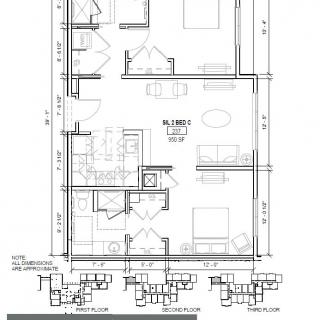
Floor plans
Wingate At Norton
Bristol County
Massachusetts
Studio
$8,550
$4,245
$5,312
Skilled Nursing Facilities with a similar price nearby
Residents and families describe staff as consistently caring, attentive, and responsive to questions and needs.
Across the reviews, families emphasize that caregivers and nursing staff are kind, professional, and focused on residents as individuals. Multiple reviewers say calls and concerns are met promptly, and they feel supported during transitions and day-to-day care. Even among the more critical experiences, reviewers frame their concerns around communication and training, which still centers on how staff interact with residents and families.
common4 reviews mention this
Activities keep residents engaged
The community offers plenty of daily activities that help residents stay engaged.
Reviewers repeatedly mention a busy schedule of things to do, from organized activities to opportunities for socializing. Families describe residents as never bored and often in good moods because there’s something happening throughout the day. The community also supports day-to-day engagement through concierge-style and community-planned activity offerings.
differentiator5 reviews mention this
Dining quality and chef service
Restaurant-style dining and strong kitchen service show up as clear highlights in residents’ experiences.
Several reviews praise food quality, describing meals as fantastic, cooked to order, and served with attentive dining-room support. Families also highlight special requests and hosting experiences, including arranging a family lunch with fully set service. This aligns with the community offering restaurant-style dining and meal preparation and service, with structured options tied to special dietary needs.
common4 reviews mention this
Clean, bright spaces
Multiple reviews call out a clean, well-kept environment that feels warm and easy to navigate.
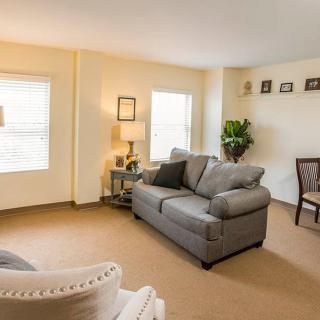
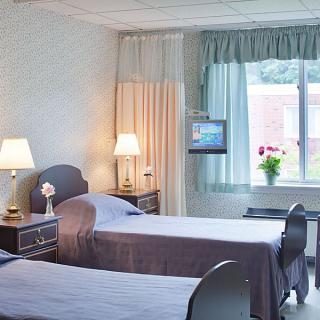
Reviewers describe the facility as clean and beautiful, with bright, welcoming common spaces and rooms that feel comfortable. Families also mention cleanliness in day-to-day routines like housekeeping and maintenance support. The atmosphere described by residents and visitors complements the community’s focus on housekeeping services and outdoor space access.
caveat3 reviews mention this
Mixed memory care experiences
Memory care reviews are mixed, with some families reporting communication and training problems.
Some families describe memory care as warm, welcoming, and compassionate, including helping residents feel comfortable and supported. At the same time, other reviews raise concerns about poor communication and staff training, describing resulting health issues and blaming those gaps on the facility’s memory care approach. Together, the reviews suggest memory care experiences may vary depending on circumstances and staffing execution.
caveat3 reviews mention this
Pricing and value concerns
Several reviews flag cost pressure and value concerns for memory care services.
One reviewer describes a situation where additional issues led to a higher monthly rate tied to the facility’s services. Another calls out the need to pay more for 24/7 care, and at least one review simply warns others to watch their wallet. Pricing information also places the community’s studio pricing notably above county and state benchmarks.
common
Nearby hospitals and clinics
Medical options are relatively close to the community.
For everyday access to care, nearby options include a hospital and physician offices within a few miles. Reviews focus more on care delivery than location, but the area’s healthcare presence may be helpful for families planning around appointments and emergencies.
How we summarize
We summarize when many written reviews mention each theme; a review can touch several themes, and only frequently mentioned themes are displayed.
Features
Housing
106 resident community capacity
Types of Care
Memory Care
Skilled Nursing Facility
Amenities
Air-conditioning
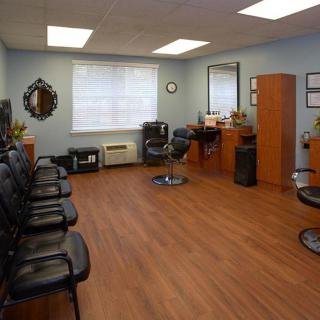
Beauty salon
Cable or satellite TV
Computer center
Dining room
Fitness room
Fully furnished
Gaming room
Garden
Housekeeping services
Kitchenette
Move-in coordination
Outdoor space
Private
Private bathrooms
Respite or short term stays offered
Restaurant-style dining
Small library
Telephone
Wellness center
Wi-Fi/high-speed internet available
Transportation
Theodore F Green State (21 miles away)
Community operated transportation
Transportation arrangement
Transportation arrangement (non-medical)
Transportation to doctors appointments
Care Services
12-16 hour nursing
24-hour call system
24-hour supervision
Activities of daily living assistance
Assistance with bathing
Assistance with dressing
Assistance with transfers
Diabetes diet
Meal preparation and service
Medication management
Mental wellness program
Special dietary restrictions
Dining
Diabetes diet
Special dietary restrictions
Activities
Community-sponsored activities
Concierge services
Fitness programs
Planned day trips
Resident-run activities
Scheduled daily activities
Nearby Places of Interest
Restaurants
McDonald's (0.1 miles)
Cibo Matto Caffe (3.5 miles)
Bliss Bros Dairy (4.2 miles)
KFC (4.2 miles)
The Chateau (4.3 miles)
Wendy's (5 miles)
McDonald's (5.2 miles)
Pharmacies
CVS Pharmacy (1.6 miles)
CVS Pharmacy (3.5 miles)
Walgreens (3.5 miles)
CVS Pharmacy (3.7 miles)
Walgreens (3.9 miles)
CVS Pharmacy (4.6 miles)
CVS Pharmacy (5.3 miles)
Transportation
Mansfield Municipal Airport (1B9) (1.7 miles)
Mansfield Railroad Station (3.5 miles)
Attleboro Train Station (4.7 miles)
MBTA Commuter Rail (8.3 miles)
Places of Worship
St Mary's Church Mansfield (3.7 miles)
National Shrine Of Our Lady Of La Salette (4.4 miles)
Wingate At Norton offers a studio accommodation at a monthly cost of $8,550, which significantly exceeds the averages for both Bristol County, where the typical monthly expense is around $4,245, and the broader state of Massachusetts, with an average of approximately $5,312. The higher pricing at Wingate may reflect its range of premium services and amenities designed to enhance resident comfort and care. While it stands as a more substantial investment compared to regional counterparts, potential residents and their families should consider the unique offerings that come with this level of care and support in evaluating their options.
Wingate At Norton's comprehensive range of features is specifically designed to enhance the quality of life for residents experiencing memory-related challenges. Assistance with dressing and bathing provides crucial support to maintain personal hygiene and dignity, while meal preparation and service ensure that residents receive nutritious meals that cater to their dietary needs. Medication management plays a vital role in keeping health on track, ensuring that residents take the correct medications at the right times, which is essential for their overall well-being. Activities of daily living assistance, including help with transfers, empowers individuals to engage in routine tasks more comfortably and safely. The 24-hour supervision ensures a secure environment where residents are constantly monitored and supported, reducing anxiety and promoting peace of mind for families. Additionally, a mental wellness program fosters cognitive engagement through tailored activities, helping stimulate memory retention and social interaction among residents. These carefully curated services collectively create an environment conducive to comfort, safety, and growth for those dealing with dementia or Alzheimer's disease.
Nearby Communities
The Residence at Great Woods
Norton, MA
4.7 from 103 reviews
$3,635 to $8,550 / month
Warm, home-like setting with friendly staff and quality meals.
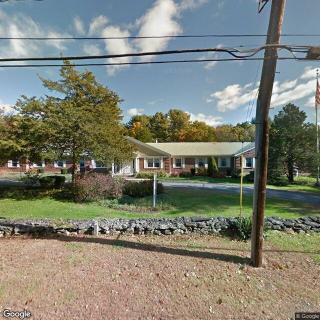
Old Colony Rest Home
Norton, MA
1 from 2 reviews
$4,295 / month
Dedicated staff with potential for revitalization.
The Village At Willow Crossings
Mansfield, MA
4.7 from 117 reviews
$6,350 to $10,100 / month
Friendly, compassionate staff with engaging activities and a clean, attractive environment.
Daggett-Crandall-Newcomb Home
Norton, MA
4.4 from 23 reviews
Outstanding, attentive staff providing consistent, personalized care and strong family involvement.
Red Mill Village
Norton, MA
4.4 from 27 reviews
Intimate, supportive assisted living with personalized care (meal preparation, medication management) and dietary accommodations, plus easy access to nearby amenities and transportation.
Canterbury Woods Reflections
Attleboro, MA
4.6 from 16 reviews
Nearby healthcare (pharmacies and physicians), hospital, dining options, and a park; convenient transportation.
Golden Living Center Garden Place
Attleboro, MA
2.4 from 33 reviews
$7,200 / month
Dedicated rehab staff and convenient location for family visits.
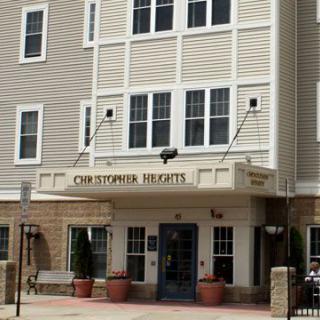
Christopher Heights Of Attleboro
Attleboro, MA
3.9 from 33 reviews
Caring, friendly staff in a clean, active community.
Home Instead - Attleboro, MA
Attleboro, MA
4.7 from 71 reviews
Compassionate, personalized care from dedicated caregivers and reliable scheduling.
"Memory Care Pathways: A Holistic Guide to Dementia Support" outlines the complexities of dementia and its various types, emphasizing early detection, patient-centered care strategies, caregiver support, and long-term care options while addressing legal and financial considerations to enhance the quality of life for individuals with dementia and their families.
Sundown syndrome, or sundowning, is a phenomenon in dementia patients characterized by increased confusion and agitation during late afternoon and evening, influenced by factors like disrupted circadian rhythms and fatigue. Effective caregiver strategies include establishing routines and managing environmental light while addressing caregiver stress through support services.
Delirium is a rapidly onset, reversible cognitive disturbance often caused by acute medical issues, while dementia is a gradual and irreversible decline due to chronic neurodegenerative diseases. Accurate differentiation between the two is essential for appropriate treatment and management in older adults.
Get PricingAsk A QuestionSchedule A TourContact Senior Advisor
By clicking submit, you agree to our Partner's Terms of Use. You
also consent to receive calls and texts, which may be autodialed, from our Partner. Your consent is not a condition to
using our Partner's service. Please visit our Partner's Privacy Policy for information about their privacy practices.


 106 resident community capacity
 Memory Care
 Skilled Nursing Facility
 Air-conditioning
 Beauty salon
 Cable or satellite TV
 Computer center
 Dining room
 Fitness room
 Fully furnished
 Gaming room
 Garden
 Housekeeping services
 Kitchenette
 Move-in coordination
 Outdoor space
 Private
 Private bathrooms
 Respite or short term stays offered
 Restaurant-style dining
 Small library
 Telephone
 Wellness center
 Wi-Fi/high-speed internet available
 Theodore F Green State (21 miles away)
 Community operated transportation
 12-16 hour nursing
 24-hour call system
 Activities of daily living assistance
 Assistance with bathing
 Assistance with dressing
 Assistance with transfers
 Diabetes diet
 Medication management
 Mental wellness program
 Special dietary restrictions
 Concierge services
 Planned day trips
 Warm, home-like setting with friendly staff and quality meals.

 Memory Care Pathways: A Holistic Guide to Dementia Support
 Comprehending Evening Confusion in Dementia: Causes, Manifestations, and Support
 Delirium and Dementia: Unraveling the Key Differences