
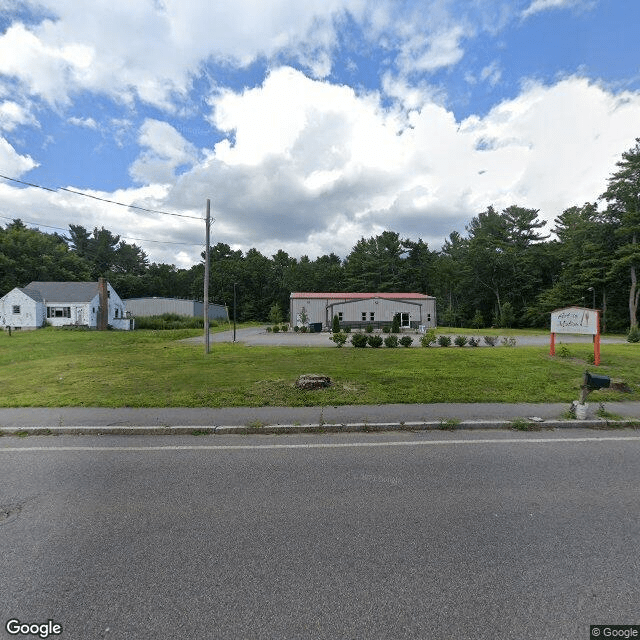
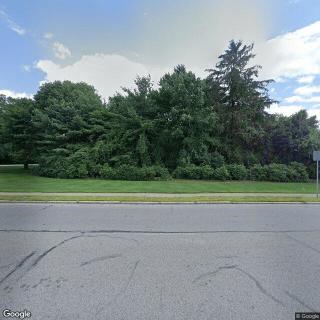
377 Old Colony Rd, Norton, MA 02766
To contact a resident: (508) 222-1074
For more information about senior living options: (866) 208-4318
Old Colony Rest Home Costs & Pricing
Old Colony Rest Home offers a semi-private room at a monthly cost of $4,295, which is notably lower than the average costs in both Bristol County and the broader Massachusetts area, where prices reach approximately $5,997 and $5,805 respectively. This competitive pricing not only makes Old Colony Rest Home an appealing option for families seeking quality care but also reflects the facility's commitment to providing accessible services without compromising on resident well-being. By positioning itself below regional averages, Old Colony Rest Home stands out as a cost-effective solution for those looking for supportive living arrangements in a nurturing environment.
| Floor plans | Old Colony Rest Home | Bristol County | Massachusetts |
|---|---|---|---|
| Semi-Private | $4,295 | $5,997 | $5,805 |
Senior living communities with a similar price nearby
-
from +$205 / mo
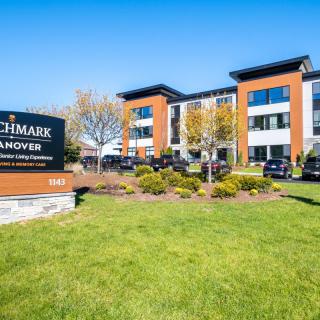
Benchmark at Hanover
$4,500 to $7,500 / month23.5 miles away -
About the same
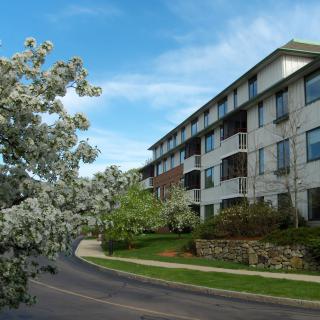
Orchard Cove Hebrew SeniorLife, a CCRC
$4,335 to $8,400 / month16.5 miles away -
from -$300 / mo

Atria Draper Place
$3,995 to $6,395 / month20.0 miles away -
from -$495 / mo

Pacifica Senior Living Victoria Court
$3,800 to $5,800 / month17.1 miles away -
from -$195 / mo
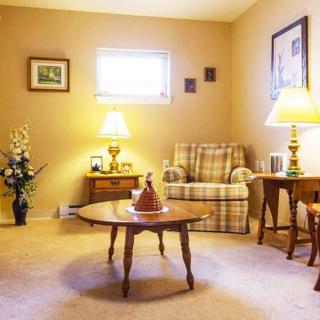
All American Assisted Living at Wrentham
$4,100 to $4,950 / month7.1 miles away
Overall Review of Old Colony Rest Home
Cons
 The place is dirty with the smell of urine, and residents look dirty.
- The place hasn't changed in 50 years.
- It needs a whole makeover.
- There is a help-wanted sign 365 days a year.
- Staff are underpaid, overworked, and have no benefits.
- Residents aren't happy.
- Residents are always hungry.
Review
Old Colony Rest Home in Norton, MA is best suited for residents and families who prioritize price over quality of care and are prepared to accept serious cleanliness and staffing shortcomings. The feedback portrays a setting where affordability is achieved at the expense of dignity, routine maintenance, and reliable service. In practical terms, this community may only be acceptable for someone who has exhausted other options on cost and is willing to oversee basic needs themselves, with the understanding that daily life will be marked by functional gaps rather than attentive, consistent care. The tone of the reviews suggests that the environment and the experience of living there will be markedly difficult for anyone hoping for comfortable, respectful daily living.
Those who should consider alternatives are anyone who values a clean environment, well-maintained interiors, nutritious meals, and stable, trained staff. For families seeking visible investment in upkeep and modern amenities, this option should be ruled out. Alternatives with better housekeeping, upgraded dining operations, and more engaged management are likely to deliver substantially fewer compromises on safety, comfort, and resident happiness. If a community’s appearance, odor, and staffing reliability are non-negotiable, the search should move toward facilities with demonstrable investments in cleanliness, resident well-being, and consistent caregiving.
The main cons are severe and cumulative. The two reports describe a facility permeated by dirt and a strong urine odor, with residents appearing unclean and poorly cared for. The building is characterized as “stuck in time,” with no meaningful renovations in decades, signaling a risk of deteriorating infrastructure and unsafe conditions. A chronic help-wanted situation points to underpaid, overworked staff and no meaningful benefits, which reliably translates into delayed response times, missed routines, and lower quality interactions with residents. The most troublingend result is resident unhappiness and persistent hunger, indicating gaps in nutrition, meal service, and overall daily satisfaction that go beyond cosmetic complaints and into real health and dignity concerns.
There are virtually no positive counterpoints reported that would offset these major drawbacks. Any potential upside, such as lower cost, cannot offset the daily realities described: persistent hygiene problems, neglected maintenance, high turnover, and meals that leave residents hungry. The combination of a neglected environment, unstable caregiving, and dissatisfied residents creates a risk profile that undermines safety, dignity, and emotional well-being. In practical terms, the cons far exceed any conceivable benefit, making this community a high-risk choice for most older adults who require consistent, respectful care.
Families evaluating this option should approach with a rigorous decision framework. Before visiting, assemble a clear list of questions about housekeeping schedules, infection-control practices, and maintenance responsiveness. During tours, scrutinize common areas and resident rooms for cleanliness, odor, and overall upkeep; observe how staff interactions unfold and how promptly assistance is offered. Request recent state inspection results, staffing ratios, and detailed meal plans; ask about wage scales, benefits, and turnover trends that directly impact care. Speak with a few current residents or their families to gauge day-to-day experiences, and verify licensing status and any cited deficiencies. This diligence is essential to avoid committing to a model that consistently fails basic expectations.
The verdict is decisively cautious. Old Colony Rest Home does not meet the threshold most families expect for safe, respectful, and nourishing senior living. The red flags, unacceptable cleanliness, aging, unresponsive staffing, and inadequate meals, outweigh whatever affordability the facility might claim. For those who can access alternatives with better cleanliness, more reliable staffing, and higher resident satisfaction, the move should be made. If price remains the driving constraint and no other options are immediately available, proceed only after thorough verification and negotiated assurances about care standards, maintenance commitments, and meal quality. In all other cases, pursue communities with proven commitment to resident dignity, safety, and consistent caregiving.
 Board and Care Home
 Theodore F Green State (19 miles away)
 Nearby healthcare (pharmacies and physicians), hospital, dining options, and a park; convenient transportation.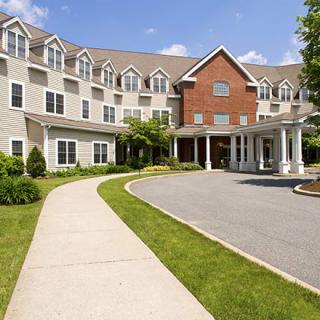


 Top Canine Companions for Older Adults
 Comprehensive Guide to Blood Pressure Charts for Older Adults: Understanding Normal and High Readings by Age
 Financing Long-Term Nursing Home Care Through Social Security: A Thorough Exploration