For more information about senior living options: (866) 208-4318
2.4 from 33 reviews
5 stars
8
4 stars
4
3 stars
1
2 stars
0
1 stars
20
Golden Living Center Garden Place Costs & Pricing
At Golden Living Center Garden Place, the monthly cost for a private room stands at $7,200, which is notably higher than both the average rates in Bristol County ($6,165) and across Massachusetts ($6,090). This reflects the center's commitment to providing exceptional care and amenities tailored to meet the unique needs of its residents. While this pricing may seem steep relative to nearby options, it underscores the quality of services and personalized attention that residents can expect at Garden Place. For families considering long-term care solutions, weighing these costs against the level of care and overall environment is essential in making an informed decision.
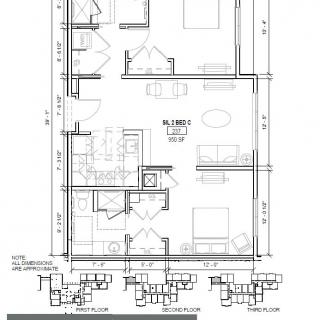
Floor plans
Golden Living Center Garden Place
Bristol County
Massachusetts
Private
$7,200
$6,165
$6,090
Skilled Nursing Facilities with a similar price nearby
Overall Review of Golden Living Center Garden Place
differentiator3 reviews mention this
Dining program gets strong mentions
Residents describe both a standout dining program and workable meal alternatives.
Several residents and families single out the food as better than other nearby facilities. Others also mention the kitchen accommodating special-order or alternative meal requests when needed. A smaller number of reviews go the other way, criticizing food quality and the way meals were handled.
common9 reviews mention this
Caregivers are often praised
Staff quality is a frequent bright spot for residents and families.
A number of reviews highlight staff who are kind, helpful, and supportive, including specific nurses and therapy team members. Families also describe staff calming them during rehab and making residents feel cared for day to day. A few reviews add that office staff were helpful and the facility felt clean overall.
caveat13 reviews mention this
Staffing and follow-through draw complaints
Multiple reviews report problems with staffing levels and timely follow-through.
Some residents and families report delays or missed needs, including issues with bed availability after a hospital stay, oxygen being kept filled, and residents not being ready on time. Others describe medication handling problems and inconsistent attention to care tasks. Several reviews also characterize the facility as having low staffing and poor communication when families call to check on loved ones.
common5 reviews mention this
Communication is mixed but recurring
Reviews frequently mention communication as a key part of the experience.
Some reviewers describe difficulty understanding staff clearly, especially when English is not the patientā€™s first language. On the positive side, other reviews credit care teams with good communication and reassurance during rehab. A few comments also say families had trouble getting accurate updates or support when they reached out.
caveat4 reviews mention this
Condition and cleanliness concerns appear
Several reviews express concerns about cleanliness and overall facility condition.
Some reviews describe an outdated building, while others focus on cleanliness problems like insufficient supplies and unsanitary conditions at times. There are also comments about unpleasant odors and difficulty maintaining daily hygiene needs. A smaller number of residents counter this by saying the facility was clean and well kept.
How we summarize
Counts show how many written reviews mention each theme; a review can touch several themes, and only frequently mentioned themes are displayed.
Features
Types of Care
Memory Care
Skilled Nursing Facility
Pets
Cats allowed
Dogs allowed
Amenities
Private
Transportation
Theodore F Green State (18 miles away)
Nearby Places of Interest
Pharmacies
Walgreens (0 miles)
CVS Pharmacy (0.1 miles)
CVS Pharmacy (0.8 miles)
CVS Pharmacy (3.5 miles)
Walmart Pharmacy (4.1 miles)
CVS Pharmacy (4.4 miles)
CVS Pharmacy (4.4 miles)
Restaurants
KFC (0.3 miles)
Bliss Bros Dairy (1 miles)
McDonald's (3.3 miles)
BJ's Restaurant & Brewhouse (3.8 miles)
McDonald's (3.9 miles)
McDonald's (4.4 miles)
McDonald's (5 miles)
Hospitals
Sturdy Memorial Hospital (0.6 miles)
Taunton State Hospital (9.4 miles)
Miriam Hospital - Infection, Disease, & Immunology Center (9.5 miles)
At Golden Living Center Garden Place, the monthly cost for a private room stands at $7,200, which is notably higher than both the average rates in Bristol County ($6,165) and across Massachusetts ($6,090). This reflects the center's commitment to providing exceptional care and amenities tailored to meet the unique needs of its residents. While this pricing may seem steep relative to nearby options, it underscores the quality of services and personalized attention that residents can expect at Garden Place. For families considering long-term care solutions, weighing these costs against the level of care and overall environment is essential in making an informed decision.
VA nursing homes, or Community Living Centers (CLCs), offer tailored long-term care for veterans, featuring medical attention and rehabilitation in a supportive environment. The guide covers facility types, eligibility criteria, financial assistance options, quality of care standards, and alternatives to full-time nursing home placement.
At-home dementia care expenses vary widely based on care levels, location, and caregiver expertise, with monthly costs for home health aides exceeding $4,500 and specialized care potentially surpassing $100,000 annually. While families favor in-home care for its comfort and personalized attention, they must consider financial planning and the challenges of caregiver fatigue.
The article discusses the late stages of dementia, detailing the progression from mild to severe impairment and highlighting key characteristics such as profound cognitive decline and dependency in daily activities. It emphasizes care strategies focused on comfort and dignity, the importance of advance directives, and the emotional support needed for family caregivers facing this challenging journey.
Get PricingAsk A QuestionSchedule A TourContact Senior Advisor
By clicking submit, you agree to our Partner's Terms of Use. You
also consent to receive calls and texts, which may be autodialed, from our Partner. Your consent is not a condition to
using our Partner's service. Please visit our Partner's Privacy Policy for information about their privacy practices.


 Memory Care
 Skilled Nursing Facility
 Cats allowed
 Dogs allowed
 Private
 Theodore F Green State (18 miles away)
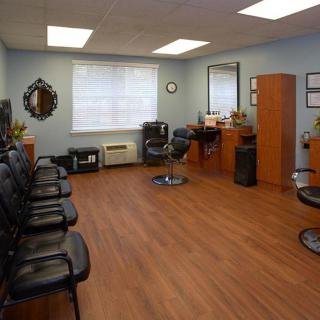
 Extensive amenities and comprehensive care services promote an active, social lifestyle.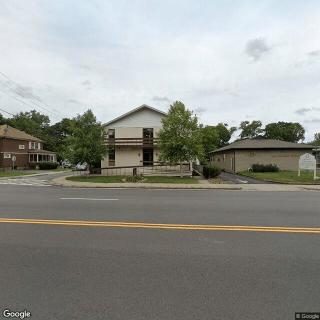

 Comprehensive Guide to VA Nursing Homes: A Crucial Long-Term Care Resource for Veterans
 Estimating the Expenses of At-Home Dementia Care: A Detailed Exploration
 Comprehensive Insights on the Late Stages of Dementia: What to Expect and How to Provide Care