
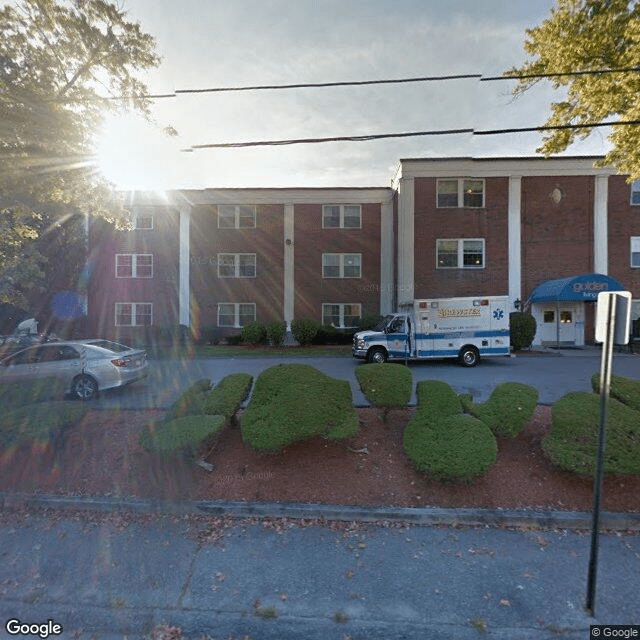
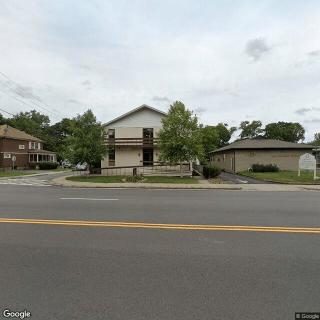
27 George Street, Attleboro, MA 02703
For more information about senior living options: (866) 208-4318
Attleboro Healthcare Costs & Pricing
Attleboro Healthcare offers competitive pricing for its services compared to both Bristol County and the broader Massachusetts region. For a studio apartment, residents pay $1,380, significantly lower than the county's average of $4,245 and the state average of $5,312. Similarly, the one-bedroom option at Attleboro is priced at $2,115, which is notably more affordable than Bristol County's $4,853 and Massachusetts' $5,349. The two-bedroom suite is also reasonably priced at $2,305 in contrast to county and state averages of $5,921 and $6,151 respectively. Even for private accommodations at $6,900, while higher than local metrics ($6,165) and slightly above the state average ($6,090), it remains an attractive choice given the comprehensive care provided. Overall, Attleboro Healthcare presents a cost-effective alternative without compromising on quality or service.
| Floor plans | Attleboro Healthcare | Bristol County | Massachusetts |
|---|---|---|---|
| Studio | $1,380 | $4,245 | $5,312 |
| 1 Bedroom | $2,115 | $4,853 | $5,349 |
| 2 Bedrooms | $2,305 | $5,921 | $6,151 |
| Private | $6,900 | $6,165 | $6,090 |
Overall Review of Attleboro Healthcare
Pros
 The caregivers were amazing; the staff is caring, giving, and provides comprehensive care for loved ones.
- The facility went the extra mile to protect its vulnerable elderly residents during COVID-19.
- The staff is outstanding at helping loved ones stay connected by phone; they are kind, considerate, and patient.
- There are nurses and CNAs who were very nice and loving toward residents.
- One reviewer would personally live there themselves, showing strong trust in the facility.
- One reviewer noted that the facility was clean and well-maintained.
Cons
 The facility does not care for its residents and treats them like prisoners.
- The staff breaks HIPAA and management covers it up, and nothing is done.
- The place is the worst place known to man; nurses hit residents and the person has nightmares about it.
- The facility worsened a grandmotherā€™s health, failed to contact the healthcare proxy, and she died from preventable complications.
- The staff are inept and do not return calls, making it impossible for families to reach anyone; residents deteriorate.
- An elderly grandmother suffered bedsores, UTIs, septic infections, and severe pain with no timely help; elder abuse.
- Administration does not respond; weeks pass with no callbacks; families plan to involve ombudsmen or the media.
- The place is filthy and disgusting; urine on the floor, sinks dirty, and staff are rude and unresponsive.
- Do not send your loved one here.
Review
Attleboro Healthcare in Attleboro, MA is best suited for families that are prepared to be highly involved in daily care and to demand rigorous oversight. This community is not a clear match for those seeking reliable, consistently responsive rehab or a smoothly run environment with minimal family involvement. For families that cannot commit to vigilant monitoring, or that prioritize predictable, proactive communication and steady care coordination, alternatives should be seriously considered.
There are a few bright spots in the landscape of care here, but they are intensely contingent on staff availability and engagement. When caregivers are present and attentive, reviewers describe moments of genuine compassion, approachable nurses, and aides who treat residents with warmth. In some accounts, the best moments come from particular team members who connect with residents and facilitate smoother day-to-day routines. These glimpses of quality care demonstrate that the potential for good care exists, it's just not reliably sustained across shifts and days.
The prevailing pattern in the reviews, however, is troubling and not easily dismissed. A broad chorus of families reports serious negative outcomes: unresponsive administration, a lack of timely return calls, and a breakdown in clear communication during crises. Families recount wounds that fail to heal properly, bedsores, infections, dehydration, weight fluctuations, and even outcomes that end in hospitalization or death. Accusations include rough handling, perceived elder abuse, and a sense that essential health monitoring and documentation are mishandled. Taken together, these experiences paint a deeply concerning baseline for safety and quality of life.
In weighing pros against cons, the limited positives cannot offset the credibility gap created by frequent safety and communication failures. The presence of a few caring staff cannot counterbalance repeated reports of neglect, mismanagement, and inadequate care coordination. When residents require complex medical oversight or consistent rehabilitation, the risk of harm or insufficient attention appears too high for a facility with such a troubling pattern. Families must recognize that the established issues are not isolated incidents; they echo through multiple reviews and across several years, indicating systemic strain rather than a transient problem.
For families still weighing a potential admission, several questions should anchor the due diligence: what are the latest state inspection findings and any sanctions? who is the current administrator, and how accessible is that contact person for ongoing concerns? can a detailed, written care plan be reviewed prior to intake, with explicit targets for pressure injury prevention, nutrition, and infection control? what caregiver ratios are typical on each shift, and how quickly are concerns escalated to supervisors or medical directors? and most importantly, can family members schedule repeated in-person visits to observe care interactions over time? These steps help separate genuine, accountable facilities from those where problems persist beneath a veneer of routine operations.
Ultimately, Attleboro Healthcare presents a high-stakes decision for families. The comprehensive pattern of safety concerns and communication gaps places substantial risk on vulnerable residents. For most families, pursuing alternatives, facilities with stronger safety records, clearer accountability, and demonstrably reliable responsiveness, will yield a calmer, more predictable care experience. If the choice is to move forward with this community, it must be accompanied by a formal commitment to aggressive oversight, transparent care plans, and an unambiguous escalation framework that holds administration and staff accountable every day.
 120 resident community capacity
 Skilled Nursing Facility
 Cats allowed
 Dogs allowed
 Air-conditioning
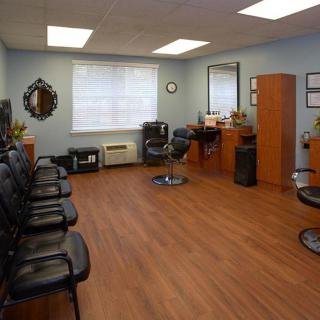
 Beauty salon
 Cable or satellite TV
 Computer center
 Dining room
 Fitness room
 Fully furnished
 Gaming room
 Garden
 Housekeeping services
 Kitchenette
 Move-in coordination
 Outdoor space
 Private
 Private bathrooms
 Restaurant-style dining
 Small library
 Telephone
 Wellness center
 Wi-Fi/high-speed internet available
 Theodore F Green State (17 miles away)
 Community operated transportation
 12-16 hour nursing
 24-hour call system
 Activities of daily living assistance
 Assistance with bathing
 Assistance with dressing
 Assistance with transfers
 Diabetes diet
 Medication management
 Mental wellness program
 Special dietary restrictions
 Concierge services
 Planned day trips

 Comprehensive Insights into Palliative Home Care: What It Is and What to Expect
 Skilled Nursing Facilities vs. Nursing Homes: Making Sense of the Differences
 A Detailed Examination of Nursing Home Costs Across the U.S.