
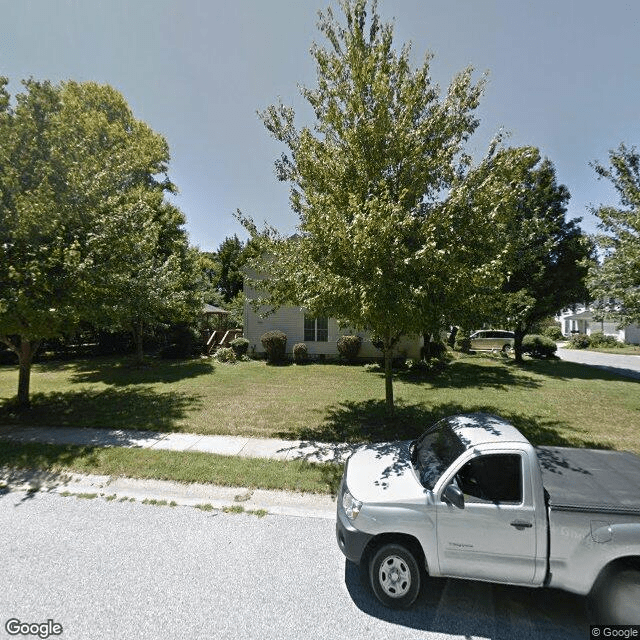
9420 Ridgeview Drive, Columbia, MD 21046
To contact a resident: (443) 326-6113
For more information about senior living options: (866) 208-4318
Agape Senior Home Costs & Pricing
Agape Senior Home offers competitive pricing for its services compared to the broader market in Howard County and the state of Maryland. For semi-private accommodations, residents can expect to pay $2,000 per month at Agape Senior Home, significantly lower than the county average of $3,865 and the state average of $3,545. Those seeking private rooms will also find Agape's rates favorable, with a monthly cost of $3,000 that is below both the Howard County average of $4,003 and the Maryland average of $4,112. This positioning not only makes Agape Senior Home an attractive option for individuals seeking quality care but also reflects a commitment to affordability in senior living.
| Floor plans | Agape Senior Home | Howard County | Maryland |
|---|---|---|---|
| Semi-Private | $2,000 | $3,865 | $3,545 |
| Private | $3,000 | $4,003 | $4,112 |
Memory care communities with a similar price nearby
-
About the same
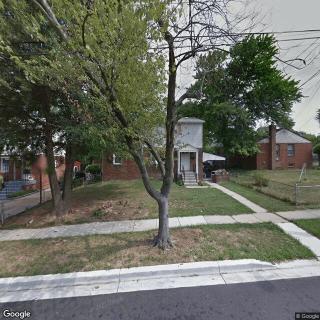
Senior's Place
$2,000 to $2,500 / month11.3 miles away -
from -$300 / mo
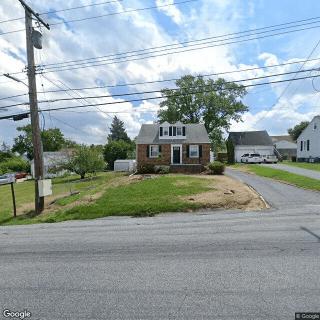
Moms & Pops Place
$1,700 to $2,000 / month22.0 miles away -
from +$380 / mo
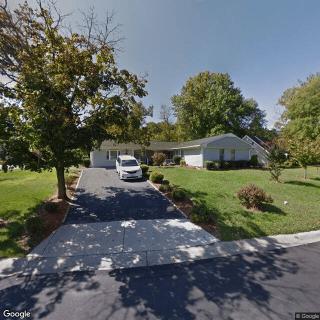
Bowie Spring
$2,380 to $3,800 / month15.8 miles away -
from +$280 / mo
Sunrise of Pikesville
$2,280 to $4,225 / month15.7 miles away -
from -$172 / mo

Noble Senior Living at Baltimore
$1,828 to $2,858 / month15.2 miles away
Overall Review of Agape Senior Home
Pros
 They are grateful to have found an affordable place for their mom where the staff are kind and thoughtful.
- They are thankful for A Place for Mom, which was very caring in helping them.
- They appreciate that residents can go outside, even though there are no scheduled activities.
- The location is nice and a good fit for an intimate family structure.
- There are at least two staff members always on site.
- The adviser is described as having 25 years of experience.
- The rooms were fairly clean.
Cons
 The facility does not offer scheduled activities.
- Residents were huddled in an upstairs living room watching TV.
- The house was in disrepair.
- Bathrooms had to be shared.
- Residents looked like zombies.
- The layout would not work for someone with bad knees and dementia.
- Even with a chair lift, residents still had to navigate the last three steps on their own.
- It was not considered the perfect setting for the reviewer’s mother.
Review
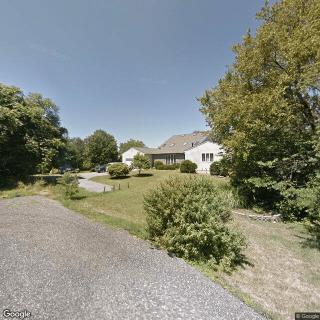
Agape Senior Home in Columbia, Maryland is best suited for seniors who want a true small-house experience: an affordable, intimate, family-style setting where care feels personal and staff availability is direct. It works for someone who is comfortable with a quiet routine, appreciates a caring team on site, and values the option to go outside without a rigid activity schedule. For families prioritizing budget and a home-like atmosphere over a high-traffic campus or a full calendar of programming, this community offers a pragmatic, down-to-earth option that keeps care approachable and reachable.
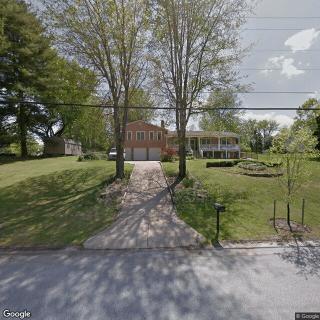
There are clear signals that some should consider alternatives. For seniors who require barrier-free, single-story living with no stairs, Agape may not fit, some layouts rely on stairs and partial lifts, which complicates mobility and dementia care. Maintenance and condition concerns also surface in reviews: a home described as being in repair, with shared bathrooms and spaces that feel cramped or dated. Medical oversight appears episodic rather than daily, with a doctor and nurse visiting only every several weeks. For families needing robust daily programming, on-demand medical response, or a facility that feels more modern and move-in ready, a larger, more formal option will likely be preferable.
On the positive side, the most consistent strength is the caregiving ethos. Staff are described as kind and thoughtful, and a sense of continuity emerges from a small, stable team, at least two staff members on site with a caregiver who has substantial experience. The intimate setting can foster meaningful relationships and easier communication with caregivers. The ability for residents to go outside without a tightly controlled schedule adds a practical level of autonomy that many families value. For seniors who prize warmth, personal attention, and a home atmosphere over institutional polish, these advantages can translate into real daily comfort.
The downsides are not trivial and merit careful scrutiny. The physical layout and maintenance gaps are meaningful barriers for mobility-impaired residents or those with dementia. A home that is described as being in repair, with shared bathrooms in a small house, raises legitimate safety and privacy concerns, and one tour noted stairs that would still have to be negotiated despite partial accessibility aids. The limited and less frequent medical presence could mean slower responses to health changes or medication adjustments. In short, the environment can feel risky or inadequately supported for anyone who needs consistent hands-on medical care or a fully accessible, senior-friendly floor plan.
Families weighing options should consider whether a different setting better aligns with essential needs. If daily programming, social engagement, private bathroom facilities, and on-site medical coverage are non-negotiables, larger assisted living communities or ranch-style group homes typically deliver stronger guardrails. Those seeking a gentle, affordable transition with a strong sense of community may still find value here, but with the understanding that this is a smaller, simpler setting where safety and maintenance require direct verification at each prospective move-in.
Bottom line: Agape Senior Home offers genuine warmth and affordability within a tiny, intimate framework. It is most suitable for seniors who thrive on personal attention, a familiar home ambiance, and the freedom to move about outdoors without a rigid schedule. It is less ideal for residents who need barrier-free access, private bathrooms, or more structured activity and medical support. Prospective families should prioritize an on-site inspection focused on accessibility, current maintenance, and the care plan frequency, and should be prepared to explore alternatives if mobility, privacy, or medical needs dictate a more conventional or turnkey assisted living environment.
 Board and Care Home
 Memory Care
 Activities on-site
 Devotional services off-site
 Indoor common areas
 Private
 Baltimore-Washington International (9 miles away)
 Ambulatory care
 Diabetic care
 Meals provided
 When Dementia Sparks Anger and Aggression: Understanding the Connection and Ways to Cope
 Dementia Behaviors: In-Depth Understanding and Effective Coping Strategies
 5 Early Indicators of Dementia and What You Can Do