
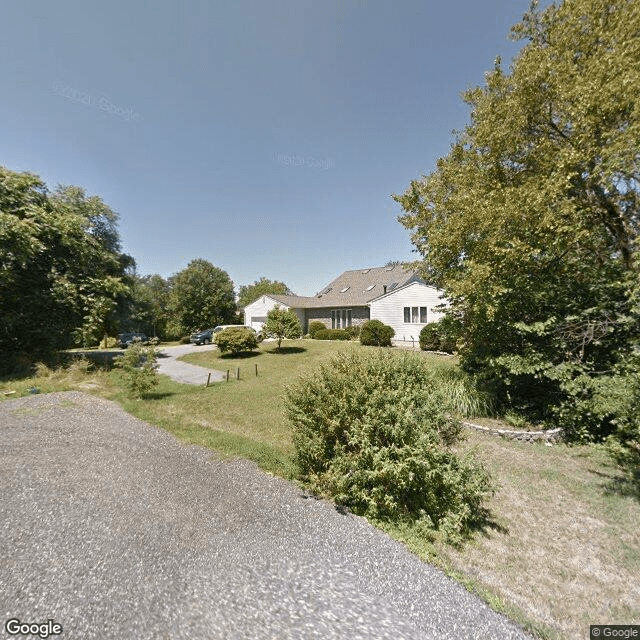
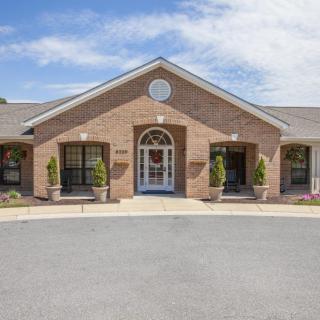
9359 Guilford Road, Columbia, MD 21046
For more information about senior living options: (866) 208-4318
Pearls of Wisdom Costs & Pricing
Pearls of Wisdom offers competitive pricing for its services, particularly when compared to the averages in Howard County and across the state of Maryland. For a semi-private room, the cost at Pearls of Wisdom stands at $2,000 per month, significantly lower than the county average of $3,865 and the state average of $3,545. Similarly, for a private room, Pearls of Wisdom charges $3,500, which is more affordable than both Howard County's average of $4,003 and Maryland's statewide rate of $4,112. These pricing advantages reflect Pearls of Wisdom's commitment to providing accessible care while maintaining high standards in a supportive environment.
| Floor plans | Pearls of Wisdom | Howard County | Maryland |
|---|---|---|---|
| Semi-Private | $2,000 | $3,865 | $3,545 |
| Private | $3,500 | $4,003 | $4,112 |
Assisted Living communities with a similar price nearby
-
About the same
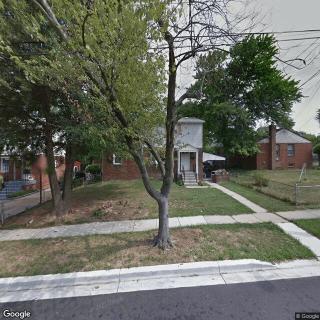
Senior's Place
$2,000 to $2,500 / month11.4 miles away -
from -$300 / mo
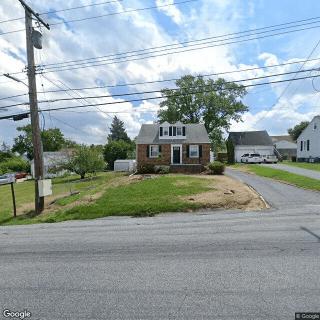
Moms & Pops Place
$1,700 to $2,000 / month22.0 miles away -
from +$380 / mo
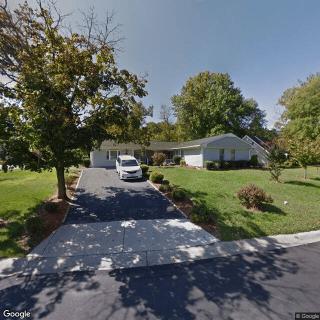
Bowie Spring
$2,380 to $3,800 / month16.0 miles away -
from +$280 / mo
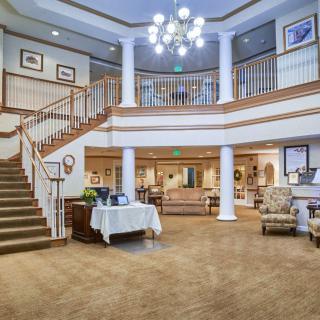
Sunrise of Pikesville
$2,280 to $4,225 / month15.7 miles away -
from -$200 / mo

Pleasant Garden II
$1,800 to $2,500 / month10.7 miles away
Overall Review of Pearls of Wisdom
Pros
 The staff are very professional and accessible during registration and intake.
- Winter Growth’s assisted living community stands out for its exceptional staff and welcoming atmosphere.
- The sense of community Winter Growth fosters is remarkable, and the care they provide is evident in everything they do.
- The staff are competent and caring, with excellent support programs.
- Winter Growth has a long history of providing excellent services to seniors.
- Caregivers and participants benefit tremendously from the care, support, education, and love at Winter Growth.
- The Day Program keeps residents busy and interacting with others, and staff tailor activities to each person’s abilities.
- The medical care at Winter Growth is outstanding in every way.
- Winter Growth in Olney, MD is a caring provider for residents with dementia, offering stimulating activities, companionship, nutritious meals, and even a pet.
Cons
 The reviewer notes that some concerns were never fully addressed, with voicemails not returned and requested documentation not provided.
- They caution that if a loved one is cognitively aware, they should not stay in the memory care unit.
Review
Pearls of Wisdom in Columbia, MD is best suited for families seeking an actively engaged, community-centered setting that provides meaningful daytime programming and reliable caregiving support. The strongest case rests with a staff culture that feels professional, accessible, and genuinely caring, creating a welcoming atmosphere where residents are visibly valued. The day program emerges as a core strength, delivering structured activities that promote social interaction, cognitive stimulation, and a sense of belonging. For families needing respite while a loved one remains connected to peers, the environment here can feel like a lifeline: friendly faces, consistent routines, and staff who are willing to tailor activities to individual abilities. Importantly, the reviews highlight a sunny, colorful campus with interactive opportunities that keep participants engaged, which can translate into calmer, more settled days for both residents and their families.
That said, there are clear reasons to consider alternatives depending on the trajectory of care required. A notable caveat concerns the facility’s memory care offerings: while the community can support dementia-related needs, families with a cognitively aware loved one should be cautious about placing them in the memory care wing. The reviews suggest that the memory care environment may not be the right fit for someone who still maintains a high level of independence and alertness, as this wing is designed around specific dementia-care dynamics. Additionally, prospective families should be aware of operational friction noted in the intake and ongoing communications process, voicemails sometimes go unreturned and requested documentation has, at times, been delayed. For households where prompt, predictable administrative communication is a non-negotiable, these gaps matter.
The key strengths, exceptional staff, consistent warmth, and a culture of care, tend to offset the less reliable administrative touchpoints when the priority is lived experience. Caregivers consistently describe competent, compassionate support that translates into real relief: staff who stay engaged with residents, offerings that go beyond basic supervision, and an environment where safety and fun coexist. The long-standing commitment to care in the community is evident in the sentiment of families who have seen caregivers and participants alike benefit from education, ongoing support, and hopeful, aspirational engagement. In this light, the community’s deepest value lies not in slick processes but in the daily human connection that keeps residents engaged and feeling valued.
Another standout asset is the structured day-programming model, which serves as both a stimulant for residents and a practical respite mechanism for families. Programs emphasize social activities, cognitive exercises, and physical engagement, with offerings like occupational and physical therapy, music, and interactive games. The presence of gentle, inclusive activities, attended by attentive staff and even a pet on site, helps residents remain present and mentally active. Families repeatedly note the transformation they observe: residents who participate feel brighter, more connected, and less isolated. This accelerates peace of mind for caregivers, who gain predictable, manageable routines that reduce the burden of ongoing supervision and worry.
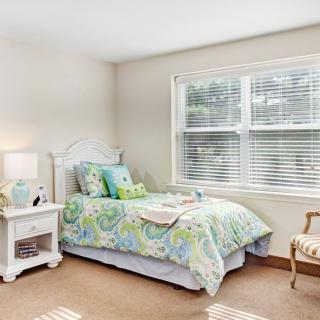
However, the memory care component deserves careful alignment with a loved one’s current cognitive status and future trajectory. The reviews describe a facility that can accommodate dementia-related needs through structured programming and supportive staff, yet also hint at the danger of placing a cognitively intact person in a setting that may feel confining or mismatched to their independence. The aesthetic of the space, sunny rooms, color-coded activity zones, and a calm, supportive staff, supports mood and engagement, but a resident who still thinks clearly and wants greater autonomy may feel restricted if assigned to the memory-focused wing without a clear plan for re-evaluation and transition as needs evolve. This nuance is crucial: the strength of dementia programming should not be mistaken for a universal fit for all seniors at all stages of cognitive health.
For families weighing decisions in the Columbia area, this community offers compelling reasons to consider it: a warm, competent staff; a robust day program that creates real engagement; and a culture of care that eases the burden on caregivers. At the same time, it is prudent to have a candid talk about administrative responsiveness and the fit of the memory care option with the individual’s current and anticipated needs. Prospective residents will benefit from a direct visit, conversations with program directors, and a clear understanding of how memory care is structured, how transitions between programs are managed, and how communication will be handled going forward. In the end, Pearls of Wisdom stands as a strong choice for those prioritizing daily activity, staff reliability, and a home-like atmosphere, provided the care plan aligns with cognitive status and expectations for administrative follow-through.
 9 resident community capacity
 Assisted Living
 Board and Care Home
 Bath tubs
 Cable or satellite TV
 Dining room
 Fully furnished
 Garden
 Housekeeping services
 Indoor common areas
 Move-in coordination
 Outdoor space
 Private
 Telephone
 Wi-Fi/high-speed internet available
 Baltimore-Washington International (9 miles away)
 24-hour supervision
 Activities of daily living assistance
 Ambulatory care
 Assistance with bathing
 Assistance with dressing
 Assistance with transfers
 Diabetes diet
 Diabetic care
 High acuity care
 Incontinence care
 Meal preparation and service
 Medication management
 Special dietary restrictions
 Transportation arrangement (medical)
 Transportation to doctors appointments
 Understanding the True Cost of Assisted Living in 2025: A Comprehensive Guide
 Understanding Medicaid Coverage for Assisted Living: A Comprehensive Guide
 How and When Medicaid May Cover Assisted Living Costs