Residents describe smooth movement across care levels, including memory care and rehab.
Multiple reviews mention that residents went through different levels of care on site, such as independent living plus, assisted living, memory care, and rehab. Families also describe a secure Alzheimer’s unit and feeling more at ease as needs increased, including late-stage dementia. A review also points to higher-acuity clinical support, describing staff knowledge for brain injury care, while another notes that nursing staff response and therapy scheduling can vary during rehab stays.
common20 reviews mention this
Staff support stands out
Staff are repeatedly described as caring, responsive, and supportive with families.
Across the reviews, residents and families describe staff who are friendly and attentive, with many comments about kindness and steady support during difficult transitions. Several people specifically credit named staff members for communication and responsiveness, and others mention that call lights are handled in a timely way. A recurring positive detail is that staff get to know residents well, including addressing residents by name and treating them like family.
common10 reviews mention this
Dining earns consistent praise
Food and dining experience are commonly praised, even when expectations vary.
Residents and visitors frequently talk about the dining room and the quality of meals, with multiple reviews describing restaurant-style service and a chef who caters to preferences. Some families say the food is very good with good variety, while one reviewer describes it as average or “not fabulous but okay.” Others mention enjoying dining as part of daily life, including options for eating in rooms when needed.
common10 reviews mention this
Activities keep days busy
Residents describe frequent activities and a steady social calendar.
Many reviews describe a busy schedule with entertainment, social hours, and regular activities happening throughout the week. Several people mention programs and events that bring residents together or include community visitors, including themed gatherings and volunteer-led activities. Reviews also highlight opportunities for engagement even when a resident may not join everything, with daily activity listings described as part of the routine.
common5 reviews mention this
Facility cleanliness and upkeep
Residents often describe the building as clean and well maintained.
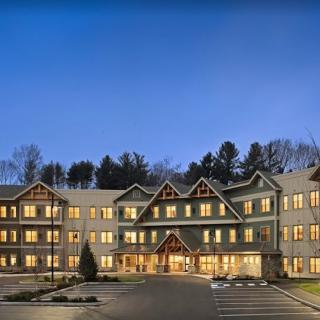
More than a few reviews mention cleanliness and upkeep, including well-maintained dining and living spaces and a facility that looks cared for both inside and out. Some commenters also describe bright rooms and an atmosphere that feels comfortable. One review does criticize cleanliness and upkeep needs, but it stands out against the broader set of positive cleanliness remarks.
How we summarize
Counts show how many written reviews mention each theme; a review can touch several themes, and only frequently mentioned themes are displayed.
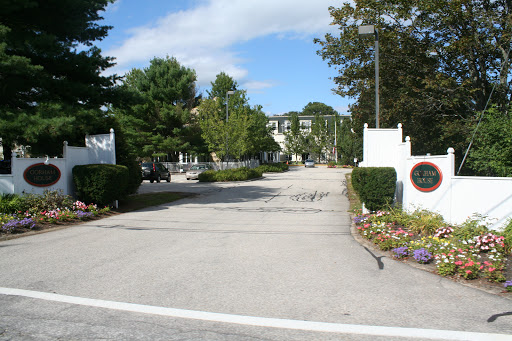
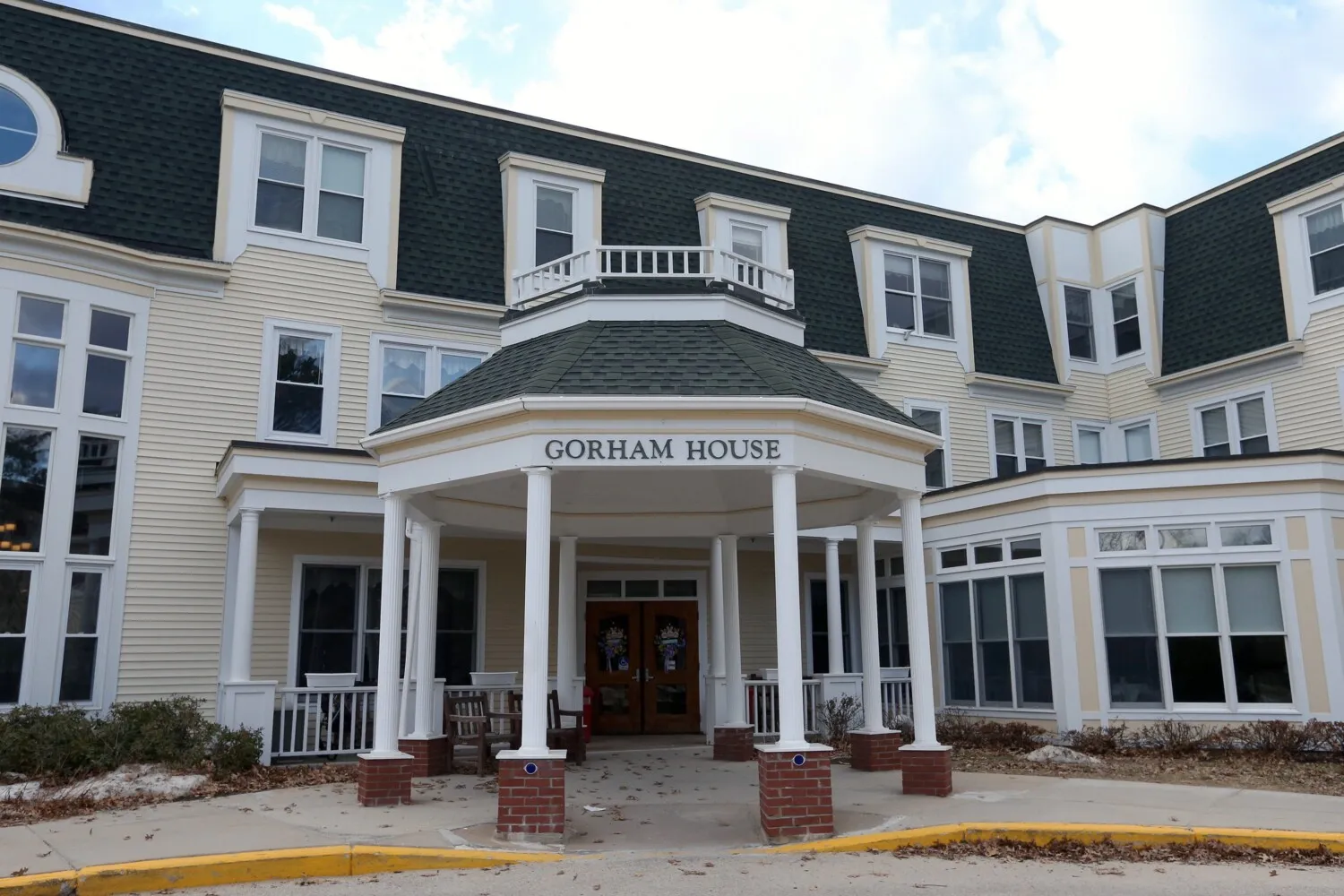
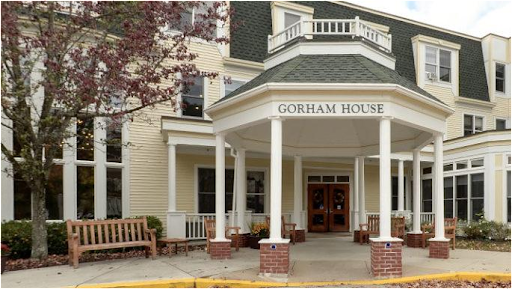
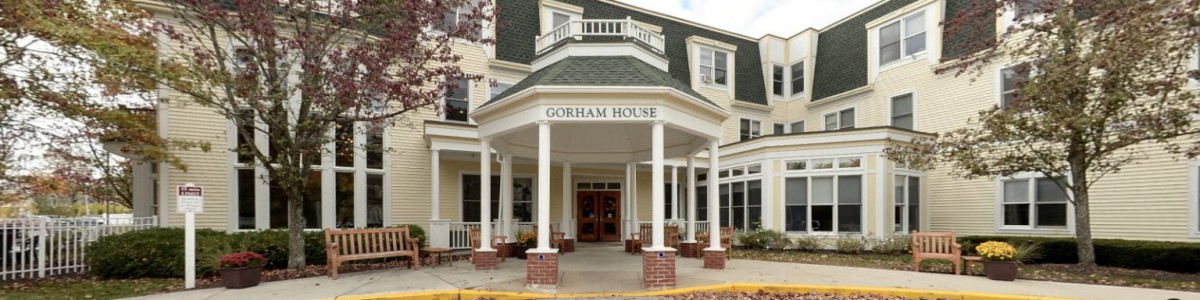
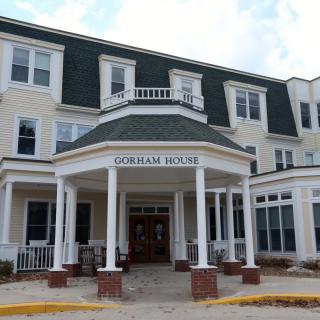
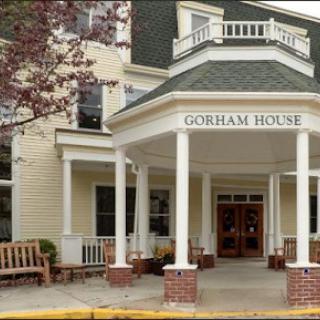
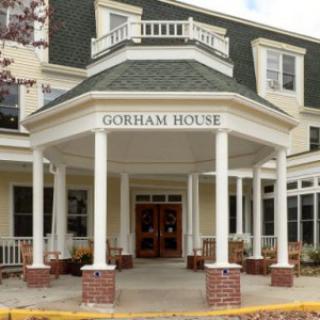
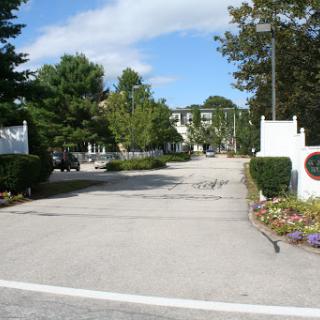
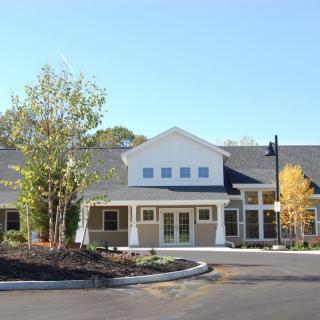
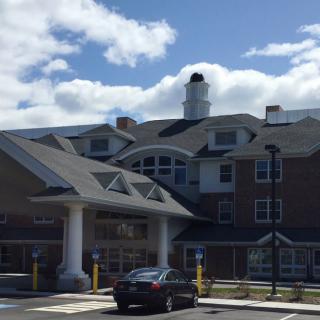
Gorham House on seniors.fyi includes 9 photos including images showing entrance, building, architecture, outdoor, gardening, nature, porch, outdoor seating, and more.
Nearby Communities
Inn At Village Square
Gorham, ME
4.8 from 17 reviews
$5,953 / month
Warm, home-like community with staff who build trusting resident relationships.
249 Libby Avenue
Gorham, ME
All-inclusive assisted living with 24/7 supervision, meals, transportation, and on-site amenities.
Spiller Park Apartments
Gorham, ME
5 from 3 reviews
Fully furnished apartments with on-site dining and comprehensive assisted-living services.
Helms Way
Gorham, ME
Small, personalized assisted living with comprehensive care and furnished living spaces.
Home Instead - Gorham, ME
Gorham, ME
4.8 from 20 reviews
Reliable, consistent care with clear invoicing and proactive feedback.
CRG
Gorham, ME
4.5 from 4 reviews
Fully furnished with move-in coordination; comprehensive care (ADL, medication management, 24-hour supervision); diabetes-friendly dining; transportation to medical appointments; Wi-Fi and outdoor space.
Stroudwater Lodge
Westbrook, ME
5 from 100 reviews
$4,300 to $6,560 / month
Friendly, attentive staff with on-site therapy and a warm, community-focused atmosphere.
Avita of Stroudwater
Westbrook, ME
4.6 from 91 reviews
$7,040 to $7,550 / month
Caring, patient staff with frequent family communication.
Sable Lodge Retirement Community
South Portland, ME
4.4 from 52 reviews
$3,540 to $5,224 / month
High-quality meals with flexible dining, extensive on-site amenities, and a welcoming, active community.
Reminiscence therapy helps individuals with dementia recall past memories through structured discussions and meaningful objects, enhancing mood, relationships, and sense of identity while celebrating their lives. It can be practiced in formal settings or at home, requiring sensitivity to personal histories and cultural backgrounds.
Reminiscence therapy is a structured method for older adults, especially those with dementia, to share life stories using prompts and sensory cues, fostering emotional well-being, social engagement, and self-identity. It aims to improve quality of life by enhancing interpersonal connections and cognitive stimulation while requiring careful facilitation to avoid distressing memories.
Dementia, particularly Lewy body dementia, often involves hallucinations that can significantly distress both patients and caregivers due to disruptions in sensory processing and neurotransmitter imbalances. Effective management includes compassionate communication, environmental adjustments, and a multidisciplinary approach to care while addressing the emotional needs of caregivers.
Get PricingAsk A QuestionSchedule A TourContact Senior Advisor
By clicking submit, you agree to our Partner's Terms of Use. You
also consent to receive calls and texts, which may be autodialed, from our Partner. Your consent is not a condition to
using our Partner's service. Please visit our Partner's Privacy Policy for information about their privacy practices.








 1-bedroom apartments
 Independent Living
 Memory Care
 Skilled Nursing Facility
 Activities on-site
 Devotional services off-site
 Indoor common areas
 Portland International Jetport (7 miles away)
 Ambulatory care
 Diabetic care
 High acuity care
 Meals provided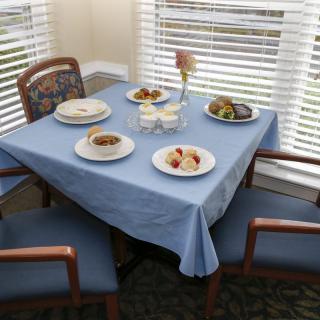
 Warm, home-like community with staff who build trusting resident relationships.

 Exploring the Power of Reminiscence Therapy for Individuals With Dementia
 An In-Depth Look at Reminiscence Therapy in Dementia Care
 Dementia-Related Hallucinations: Causes, Experiences, and Practical Approaches