
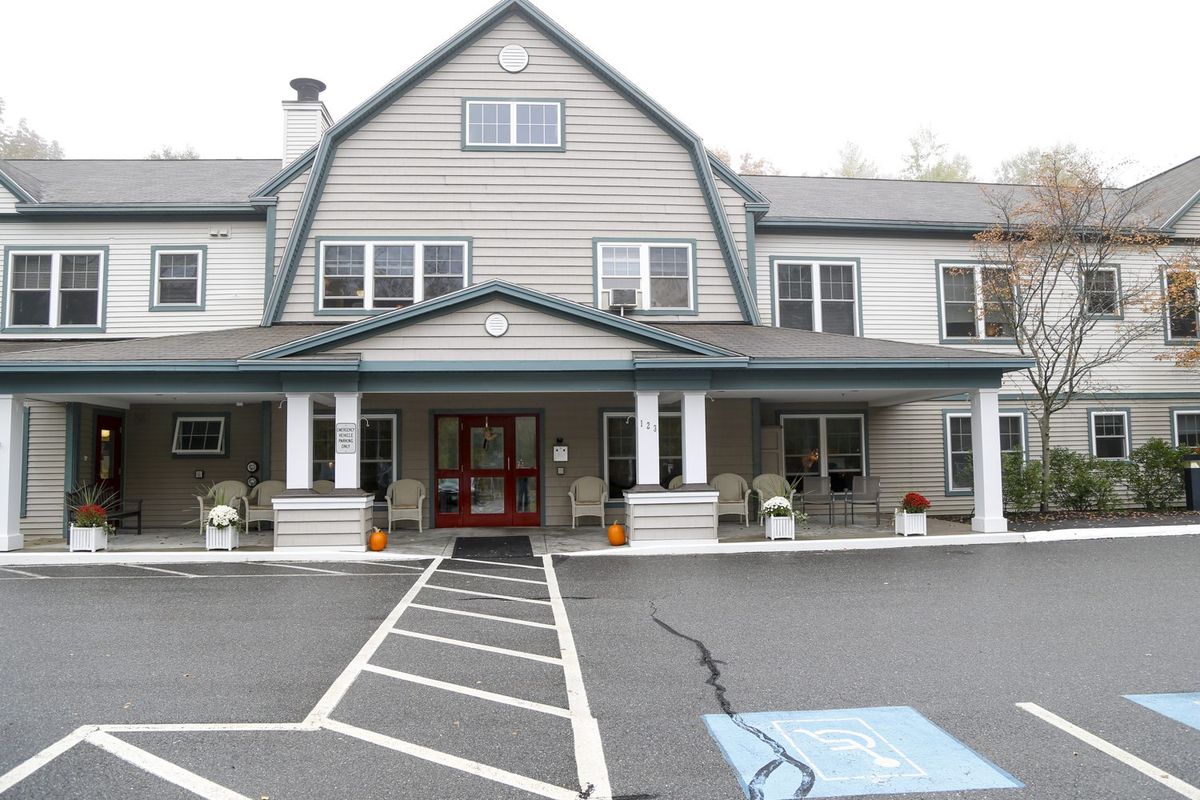
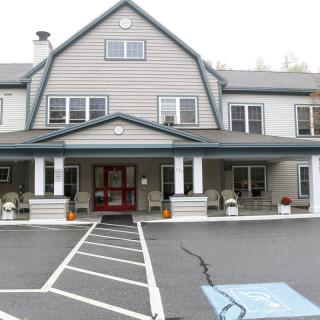

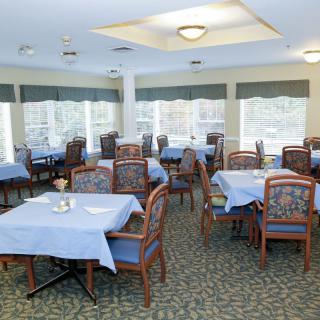

123 School Street, Gorham, ME 04038
For more information about senior living options: (866) 208-4318
Inn At Village Square Costs & Pricing
The Inn At Village Square offers a studio accommodation at a monthly cost of $5,953, positioning it above both the county and state averages. In York County, the average cost for a similar studio is approximately $4,996, while Maine's overall average stands slightly lower at $4,889. This pricing reflects not only the amenities and services provided by the Inn At Village Square but also its prime location and community offerings. While it is more expensive than its immediate surroundings, prospective residents may find that the unique features and quality of care justify the higher expense.
| Floor plans | Inn At Village Square | York County | Maine |
|---|---|---|---|
| Studio | $5,953 | $4,996 | $4,889 |
Assisted Living communities with a similar price nearby
-
from -$453 / mo
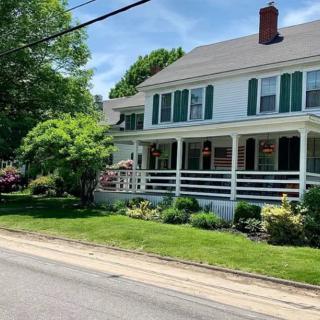
Country Village Assisted Living
$5,500 / month20.8 miles away -
from -$1058 / mo

Atria Kennebunk
$4,895 to $6,795 / month20.8 miles away -
from -$958 / mo
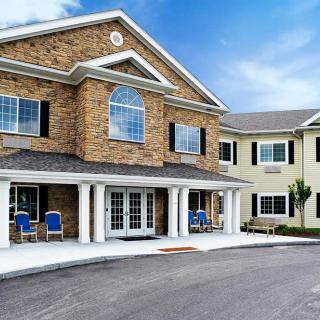
The Enclave Of Scarborough
$4,995 to $5,900 / month8.5 miles away -
About the same

The Vicarage By The Sea
$6,000 / month21.9 miles away -
from +$1047 / mo
Ledgeview Assisted Living
$7,000 / month12.5 miles away
Overall Review of Inn At Village Square
Pros
 The Inn at Village Square consistently operates with strength and stability.
- Its intimate size fosters a personal atmosphere supported by well-rounded social programming and longstanding staff.
- The staff’s commitment to the mission is evident in daily care, making it a steady and connected place to live.
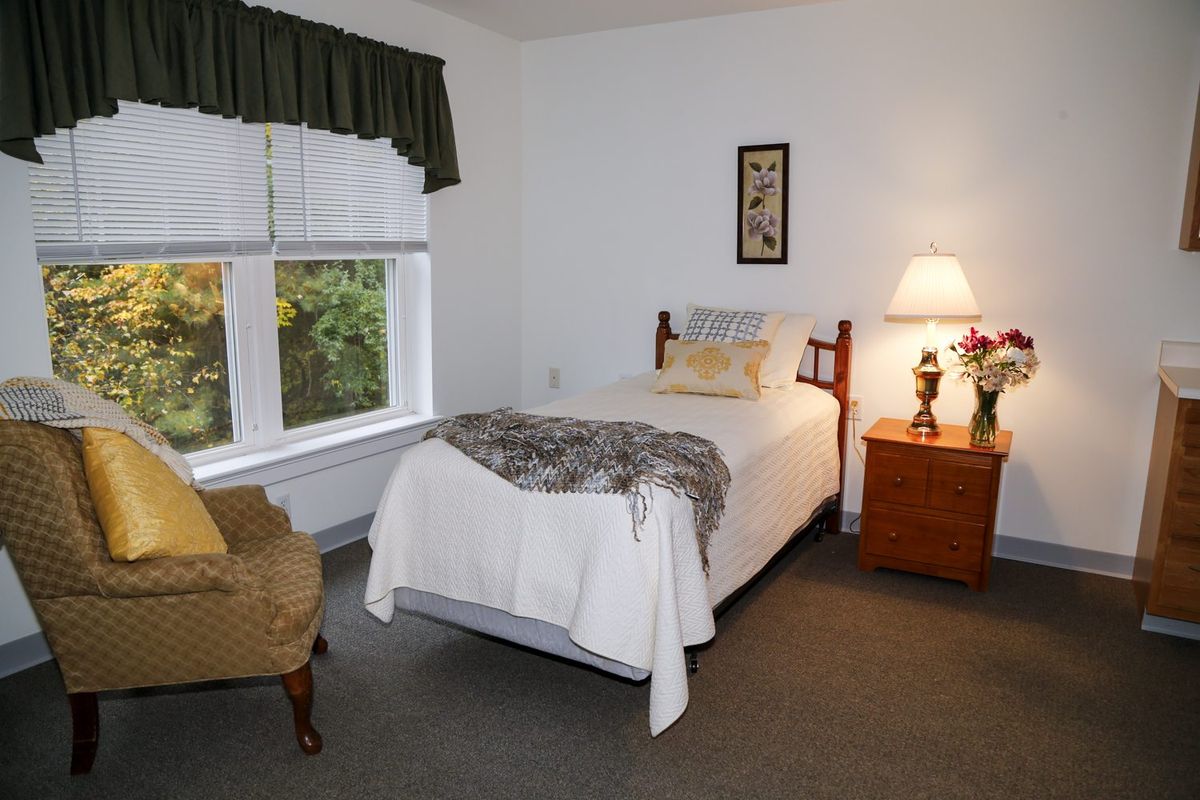
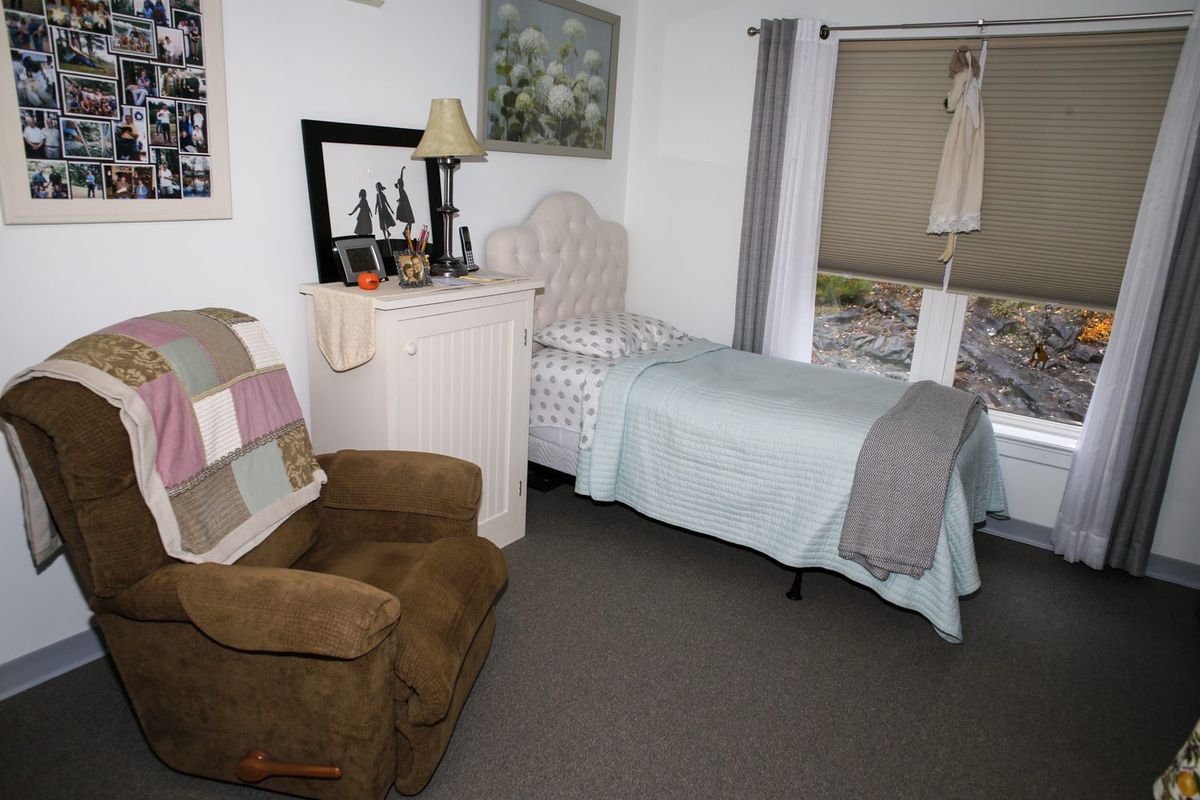
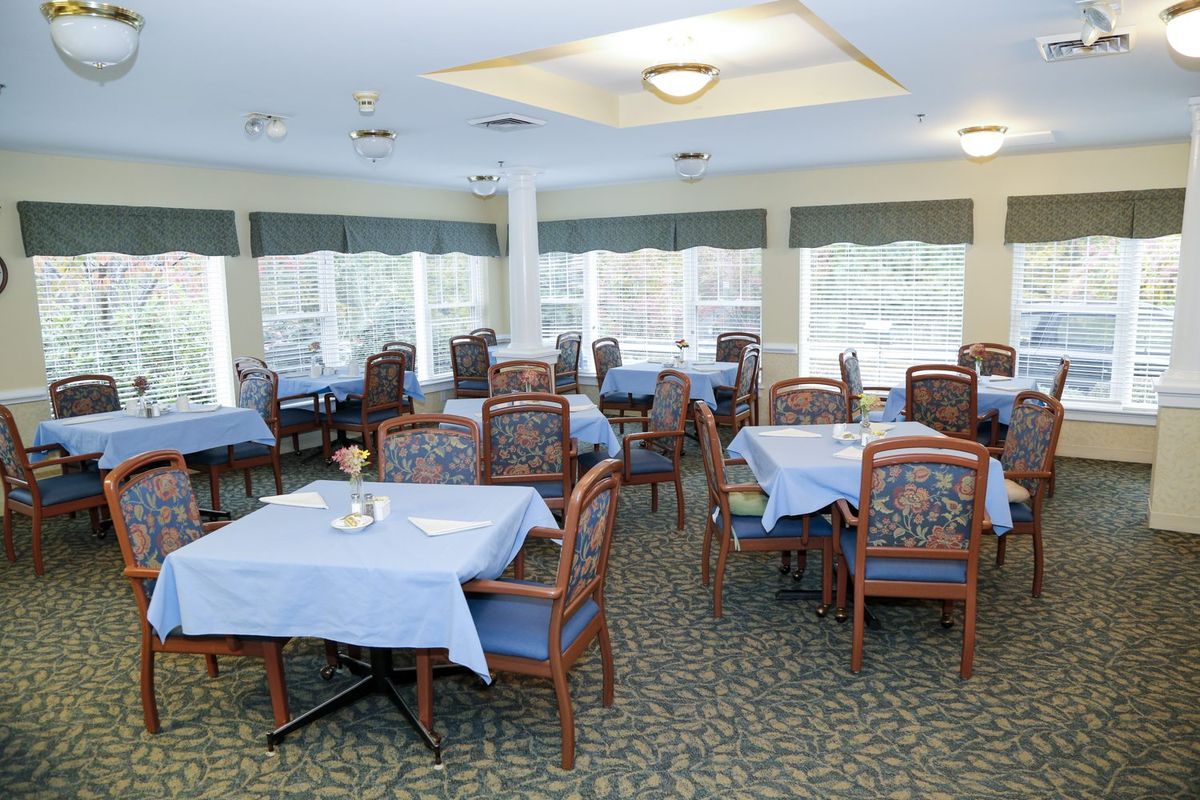
- The facility is clean, bright, and cozy, and residents seem happy and at home.
- The Inn offers abundant activities and is fully staffed, with family cookouts and outings that help prevent isolation.
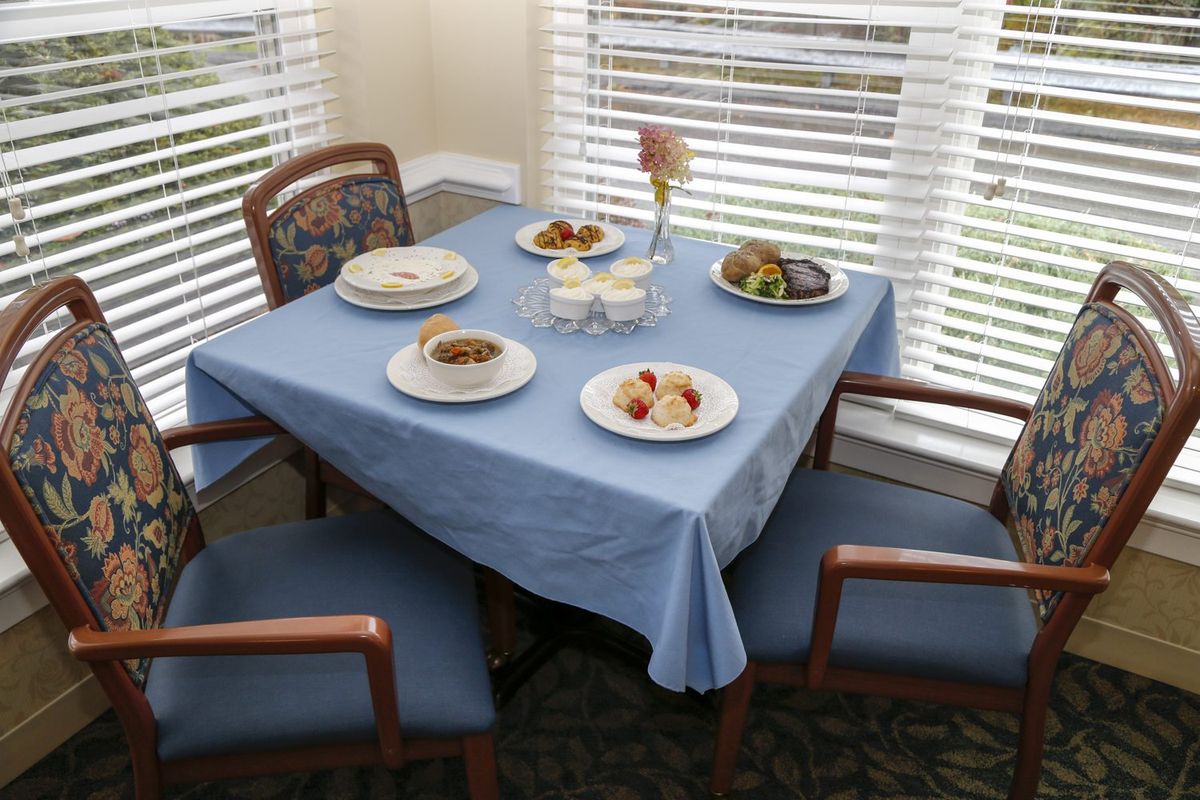
- Families are included in celebrations throughout the year, and the food is fabulous.
- The staff are compassionate and caring, providing excellent care and forming a caring, extended-family community.
Cons
 Alot of old fools live here.
- Rumors fly way out of control.
- The management is wicked horiffic.
Review
Inn at Village Square in Gorham is best suited for seniors who want a warm, intimate assisted-living experience where relationships with staff feel personal and lasting. The community’s smaller size creates a home-like atmosphere, with a consistently engaged team and long-tenured employees who know residents by name. Family members will find frequent, meaningful opportunities to participate in celebrations and outings, rather than distant care on a large campus. Clean, bright, and cozy surroundings reinforce a sense of belonging, while robust social programming keeps daily life active and connected. For families prioritizing steady attention, real conversation with caregivers, and a true sense of community, this is among the strongest options in the area.
Pros flow from the core design. The intimate scale supports deeper, trusting relationships between residents and staff, which translates into a steadier daily rhythm and fewer anonymous interactions. A large share of the staff has remained with the facility over the years, underscoring reliability and continuity of care. Residents are kept busy with activities that feel purposeful, bus outings to local attractions, cooking classes, seasonal celebrations, and even visits from local youth. Family involvement is welcomed and regular, not a one-off visitation. The setting is described as clean, bright, and homey, with a food program that residents praise; the social calendar effectively reduces isolation, a common concern for seniors living independently.
That sense of community and care does offset several meaningful downsides. For families concerned with staffing levels, the Inn notes themselves as fully staffed, which translates into prompt attention and less stress for caregivers. The emphasis on celebrating milestones together, Thanksgiving, Christmas, Mother’s Day, summer cookouts, helps maintain purpose and connection for residents who might otherwise drift toward loneliness. The combination of a smaller footprint and active programming also means residents can participate meaningfully without feeling overwhelmed by a sprawling campus. In practice, the model acts as a practical antidote to isolation, fall risk, and the social erosion that can accompany aging in place.
However, consideration of alternatives remains prudent for those with higher medical or cognitive needs. Several reviews acknowledge that Inn at Village Square excels at assisted living but may not meet every resident’s escalation in care requirements. One reviewer notes a wish that a family member could be placed there but recognizes that greater care beyond assisted living is necessary. That reality places this community in the upper tier for social engagement and general daily support, while signaling to families to plan for future transitions if memory care or more intensive nursing oversight will eventually be required. The small, personal feel is a strength until acuity outgrows what the campus can safely provide.
A minority voice cautions that management dynamics can color the experience, underscoring the importance of observing leadership in action during tours and intake planning. Even among a sea of highly positive testimonials, one review suggests concerns about rumors and governance. While this is not the prevailing sentiment, it is a reminder to prospective families to meet with the director, ask pointed questions about care coordination, and request transparent references. In practical terms, this means requesting a sample care plan, Circulating a “what to expect in a typical week” schedule, and a concrete outline for handling concerns should they arise.
Ultimately, Inn at Village Square offers a compelling choice for families who prize a tight-knit, resident-centered environment. It stands out for personalized attention, consistent staffing, meaningful activities, and inclusive family engagement. The trade-off is a campus size that may not suit those needing high-acuity medical support or dedicated memory-care services. For those ready to embrace a warm, community-focused setting, with proactive social opportunities and a culture of care, this is a strong, confident recommendation. For higher levels of care or specialized memory supports, explore alternatives with explicit memory-care wings or larger, more resource-rich campuses.
 37 resident community capacity
 Assisted Living
 Activities off-site
 Beautician on-site
 Cable or satellite TV
 Devotional services off-site
 Dining room
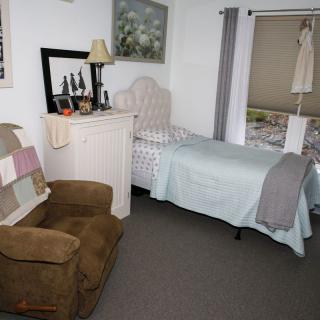
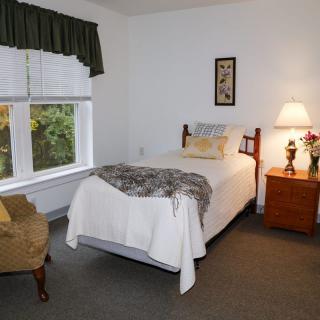
 Fully furnished
 Garden
 Housekeeping services
 Indoor common areas
 Kitchenette
 Move-in coordination
 Outdoor common areas
 Respite or short term stays offered
 Restaurant-style dining
 Small library
 Telephone
 Wheelchair accessible showers
 Wi-Fi/high-speed internet available
 Portland International Jetport (7 miles away)
 24-hour call system
 Ambulatory care
 Assistance with bathing
 Assistance with dressing
 Assistance with transfers
 Diabetes diet
 Diabetic care
 Incontinence care
 Medication management
 Mental wellness program
 Special dietary restrictions



 Assisted Living Support for Veterans: A Complete and Detailed Overview
 Exploring the Contrasts Between Assisted Living and Skilled Nursing
 8 Key Indicators That Suggest It May Be Time to Transition from Assisted Living to Skilled Nursing Care