Cedar Crest Personal Memory Living Costs & Pricing
Cedar Crest Personal Memory Living offers a supportive environment tailored for individuals with memory care needs, with monthly costs that reflect the specialized services provided. For a semi-private room, residents can expect to pay $4,500, which is notably higher than the average monthly cost in Lafayette Parish at $3,325 and the state average of $3,598. Similarly, the studio option comes at $5,500 per month, compared to Lafayette's average of $3,723 and Louisiana's overall average of $3,235. While Cedar Crest's pricing is above local and state averages, it is important to consider that these costs often encompass comprehensive care programs and amenities designed specifically for dementia and memory impairment support.
Floor plans
Cedar Crest Personal Memory Living
Lafayette Parish
Louisiana
Semi-Private
$4,500
$3,325
$3,598
Studio
$5,500
$3,723
$3,235
Memory care communities with a similar price nearby
Overall Review of Cedar Crest Personal Memory Living
differentiator9 reviews mention this
Memory-care expertise is central
Residents and families say the staff understands dementia care.
Several reviews describe a dementia-focused environment and staff who know how to work with Alzheimer’s and related behaviors. People mention the team tailoring approaches and distractions to support residents day to day, along with respectful care. A few reviewers also frame the building itself as geared specifically toward memory care.
common14 reviews mention this
Staff feel caring and available
Families often describe staff as helpful, caring, and responsive.
A strong thread across reviews is that residents are treated with dignity and kindness, and families feel welcomed. Multiple reviewers highlight day-to-day support, including staff being available for help, willing to answer questions, and keeping families informed. One review does raise concerns about staffing levels and stress, but even there the writer points to specific caregivers they believe show strong commitment.
common4 reviews mention this
Clean, home-like living spaces
Reviewers repeatedly mention cleanliness and a home-like feel.
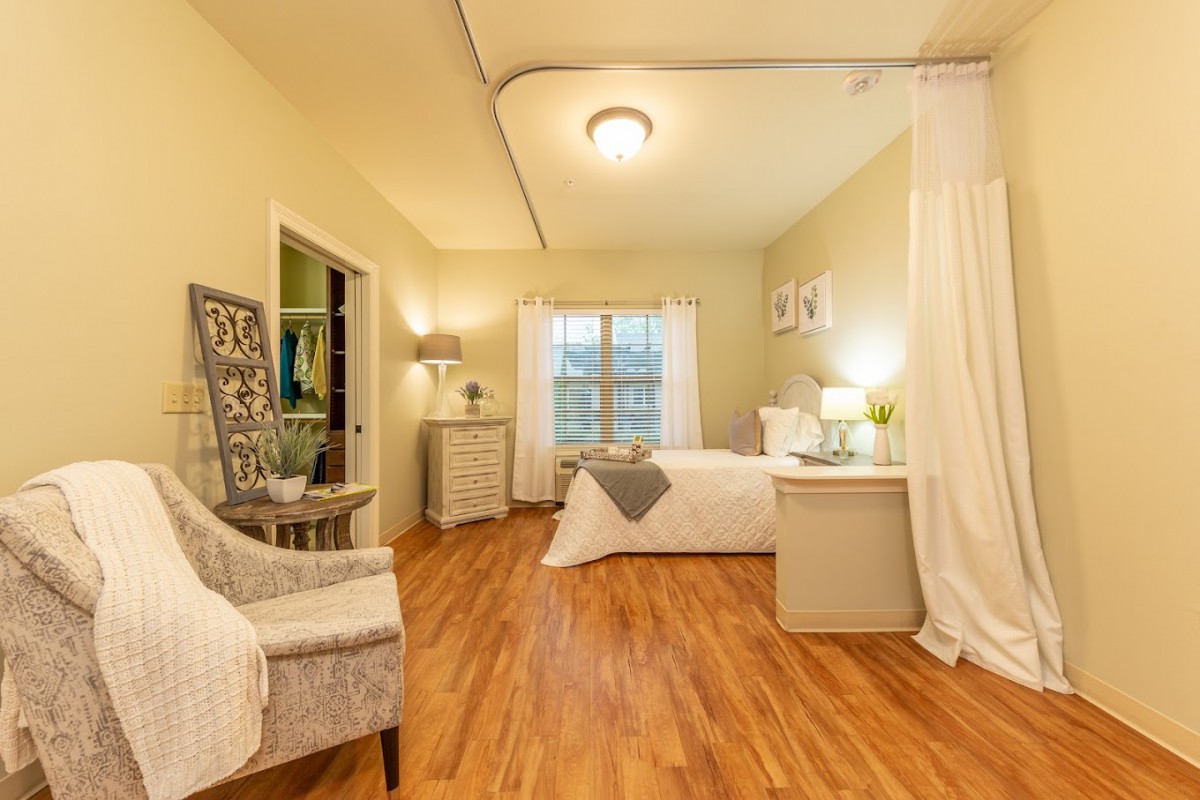
Several reviews describe the facility as clean and well kept, with residents’ rooms maintained neatly. Families also comment on the setting feeling comfortable rather than institutional, including apartment-style rooms. One reviewer specifically compares the care and environment to being in their own home.
common5 reviews mention this
Food stands out, including pizza
Residents are served food that multiple reviewers describe as tasty.
Dining comes up as a positive experience, with reviewers calling the food tasty and mentioning special events like a pizza party. One reviewer also highlights the work of the head chef, suggesting kitchen staff play an active role in residents’ dining experience. This aligns with the community offering restaurant-style dining and meals with multiple dietary options.
caveat2 reviews mention this
Staffing and cost concerns
Some reviews question staffing levels and value for the cost.
A couple of reviews express dissatisfaction with staffing, describing understaffing and stressed conditions during their family member’s time there. Those same reviewers connect concerns about staffing to pay and the overall cost of care. At the same time, other reviews continue to describe strong day-to-day caregiver support from at least some staff members.
How we summarize
Counts show how many written reviews mention each theme; a review can touch several themes, and only frequently mentioned themes are displayed.
Features
Housing
Studio apartments
Types of Care
Memory Care
Pets
Cats allowed
Dogs allowed
Amenities
Activities off-site
Activities on-site
Air-conditioning
Beautician on-site
Devotional services off-site
Devotional services on-site
Ground floor units
Handicap accessible
Indoor common areas
Kitchenette
Outdoor common areas
Respite or short term stays offered
Wheelchair accessible showers
Wi-Fi/high-speed internet available
Transportation
Lafayette Regional (3 miles away)
Care Services
Ambulatory care
Incontinence care
Medication management
Dining
Anytime dining
Gluten-free
Guest meals
Low / no sodium
Meals provided
No Sugar
Organic
Professional chef
Restaurant style dining
Room service
Special dining programs
Vegan
Vegetarian
Activities
Art classes
Catholic services
Day trips and outings
Devotional activities offsite
Devotional activities on-site
Educational speakers / life long learning
Live dance or theater performances
Live musical performances
Live well programs
Protestant services
Visiting chaplain or priest
Nearby Places of Interest
Located in Lafayette, Louisiana, this area boasts a variety of amenities that cater to the needs and interests of seniors. With several places of worship nearby, such as St Pius X and Our Lady of Fatima Catholic Church, residents can easily access spiritual services and community gatherings. The proximity to hospitals and physicians like Lafayette Physical Rehabilitation Hospital and Neurological Associates of Louisiana ensures easy access to healthcare services. A wide range of dining options, from fast-food chains like KFC to local favorites like Chris' Po-Boys, provides plenty of choices for dining out. Additionally, cafes like Starbucks and pharmacies such as CVS Pharmacy are conveniently located within a short distance. For leisure activities, seniors can enjoy parks like Girard Park or catch a movie at The Grand 14 - Ambassador Theatre. Overall, this area offers a blend of convenience and recreational opportunities for seniors considering senior living in Lafayette.
Places of Worship
St Pius X (0.4 miles)
The Bayou Church (1.8 miles)
Our Lady of Fatima Catholic Church (2.4 miles)
Our Savior's Church Midtown Campus (2.7 miles)
Physicians
Office of Charles Boustany (0.4 miles)
Neurological Associates of Louisiana (0.5 miles)
Oral & Facial Surgery Center (0.5 miles)
Southern Urology (0.5 miles)
J. Kevin Duplechain, MD, FACS (0.5 miles)
Juneau Patrick Md (0.5 miles)
Lafayette Dermatology and Cosmetic Center (0.6 miles)
Cedar Crest Personal Memory Living offers a supportive environment tailored for individuals with memory care needs, with monthly costs that reflect the specialized services provided. For a semi-private room, residents can expect to pay $4,500, which is notably higher than the average monthly cost in Lafayette Parish at $3,325 and the state average of $3,598. Similarly, the studio option comes at $5,500 per month, compared to Lafayette's average of $3,723 and Louisiana's overall average of $3,235. While Cedar Crest's pricing is above local and state averages, it is important to consider that these costs often encompass comprehensive care programs and amenities designed specifically for dementia and memory impairment support.
Cedar Crest Personal Memory Living incorporates medication management to ensure residents receive their prescribed medications on time and in the correct dosages, which is essential for maintaining their overall health and managing symptoms associated with dementia and Alzheimer's disease. This adherence to medication protocols reduces the risk of complications that can arise from missed doses or incorrect administration, thereby promoting stability in residents' cognitive functions and well-being. Incontinence care further supports individuals by providing personalized assistance with hygiene and comfort, which is crucial for dignity and emotional security. Addressing incontinence issues not only alleviates physical discomfort but also helps minimize anxiety and promotes a sense of normalcy, allowing residents to engage more fully in daily activities without the stress of potential accidents. Together, these features create a supportive environment that enhances quality of life for those facing memory-related challenges.
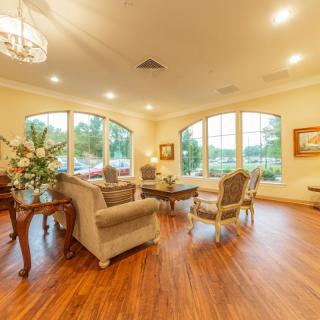
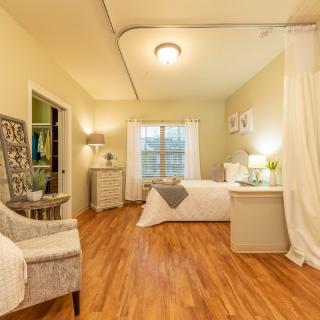
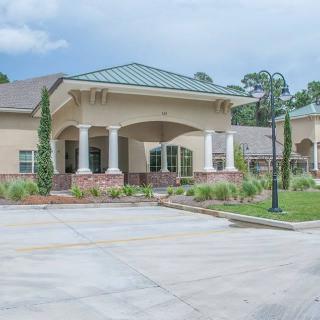
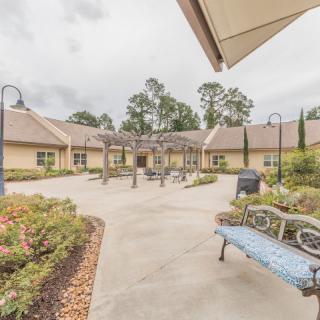
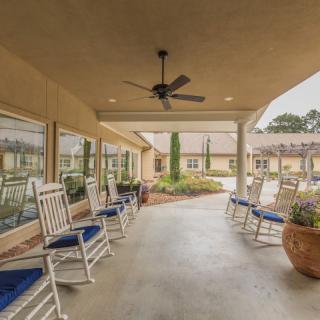
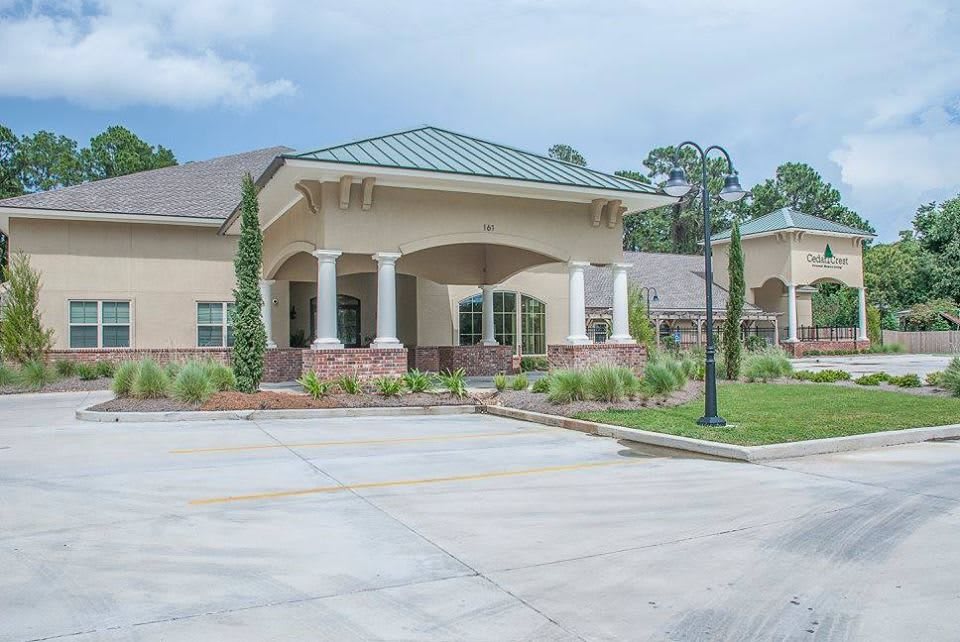
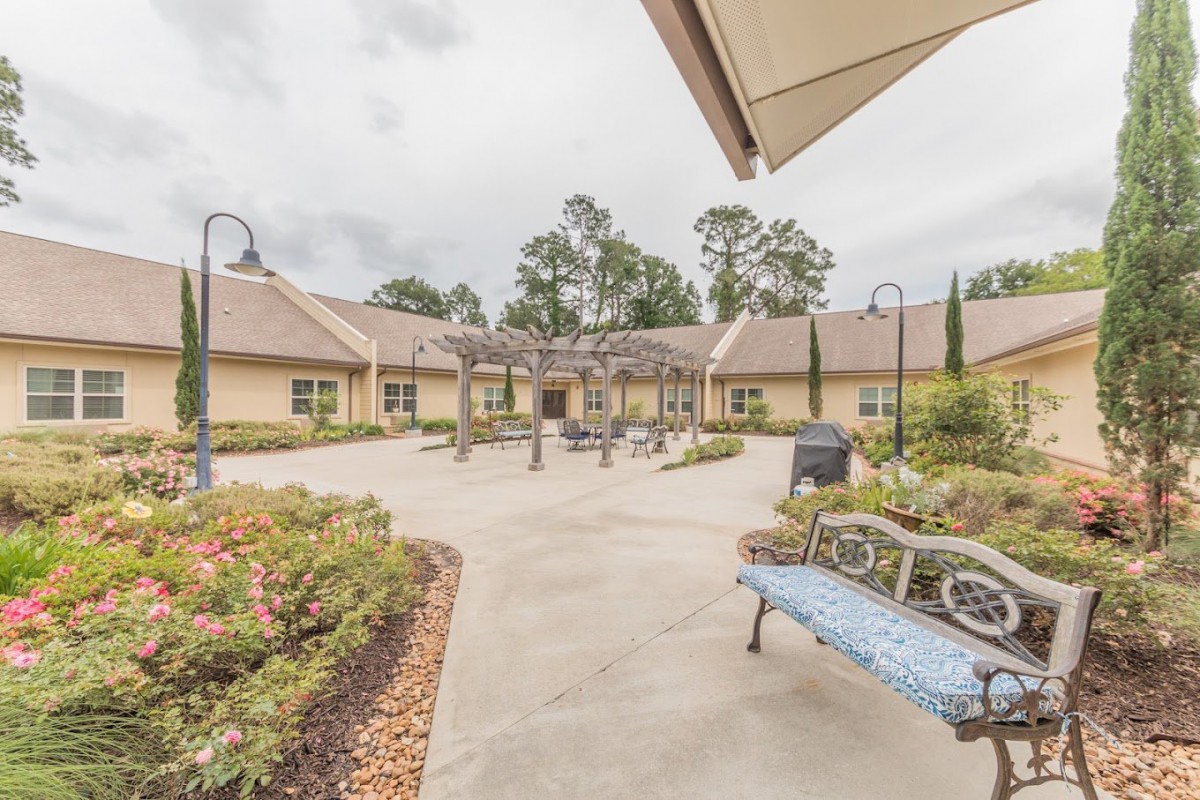
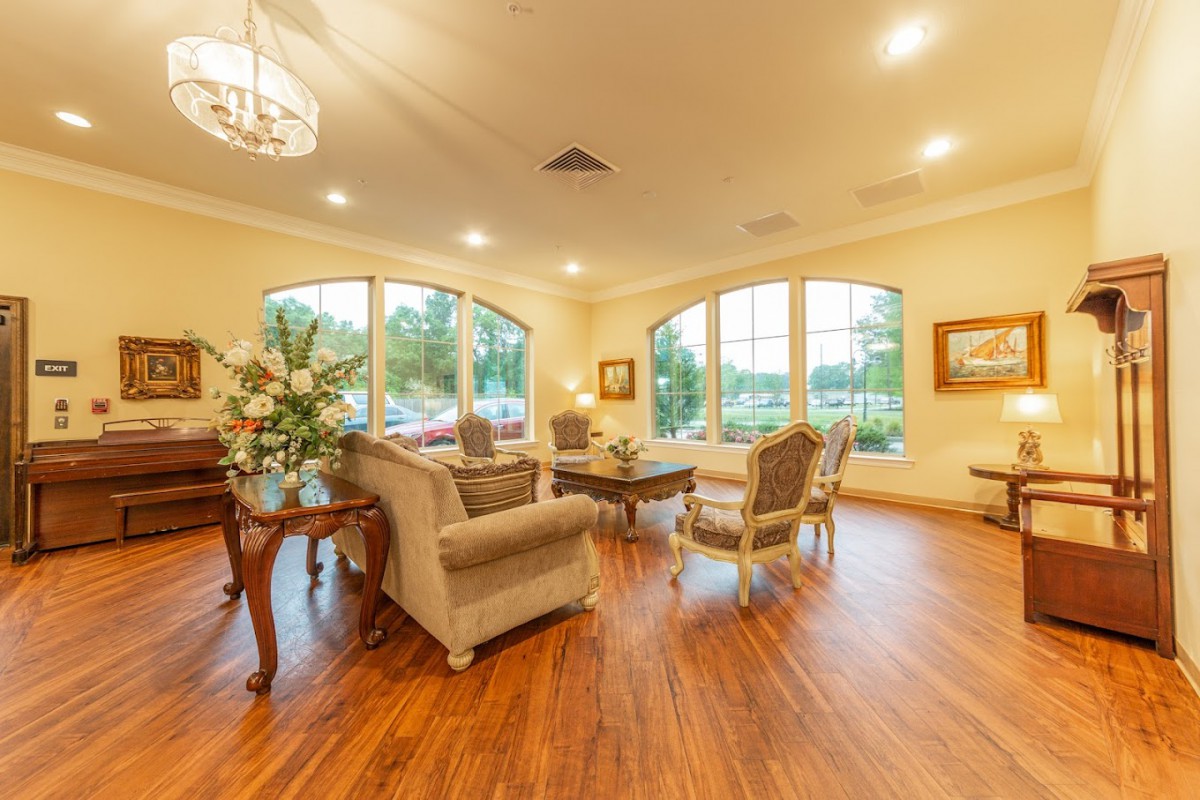
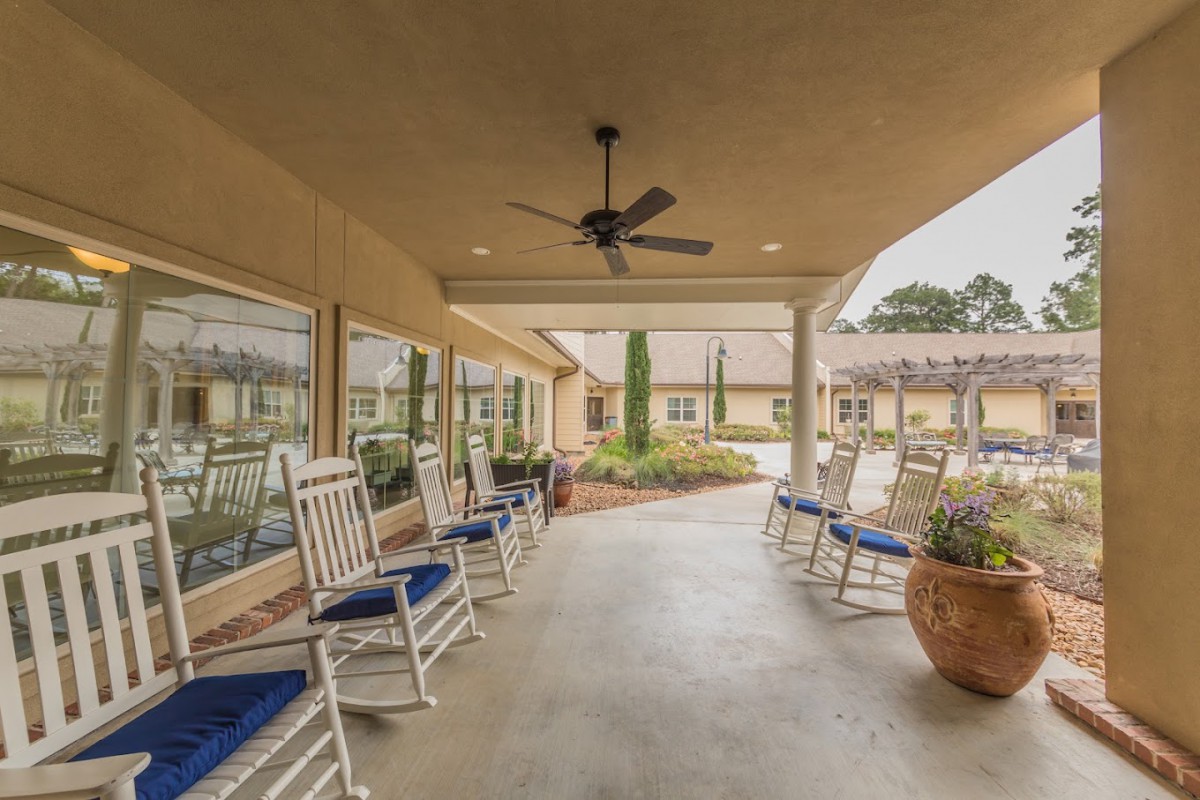
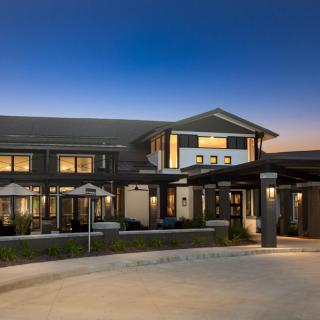
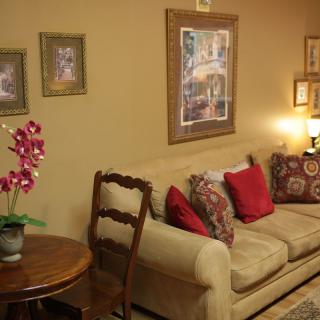
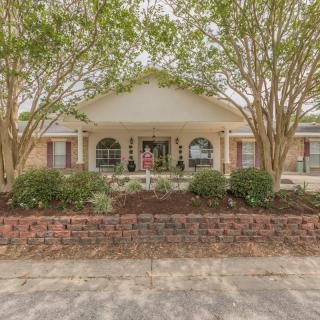
Cedar Crest Personal Memory Living on seniors.fyi includes 6 photos including images showing landscaping, outdoor seating, interior, bedroom, building, entrance, courtyard, pathway, and more.
Nearby Communities
Cedar Crest Personal Memory Living by Voralto
Lafayette, LA
4 from 12 reviews
Specialized memory care with 24/7 supervision and private, furnished apartments.
The Blake at Lafayette
Lafayette, LA
4.5 from 108 reviews
$3,975 to $7,250 / month
Caring staff, engaging activities, and a well-maintained environment with healthy meals.
Garden View Assisted Living of Lafayette
Lafayette, LA
4.3 from 22 reviews
$3,985 to $4,900 / month
Attentive staff and a well-maintained, pleasant facility.
Garden View Assisted Living II
Lafayette, LA
4.4 from 22 reviews
Clean, spacious, well-maintained environment with friendly staff and engaging activities, plus a well-designed memory care area.
Rosewood Retirement and Assisted Living by Voralto
Lafayette, LA
4.7 from 20 reviews
Well-maintained and recently renovated environment with friendly staff, good dining, and active social offerings.
Rosewood Retirement and Assisted Living
Lafayette, LA
4.6 from 36 reviews
$2,100 to $4,000 / month
Warm, welcoming staff with a family-like atmosphere and attentive care.
Avanti Senior Living at Lafayette
Youngsville, LA
4.3 from 40 reviews
$4,700 to $5,900 / month
Elegant, hotel-like community with spacious apartment-style rooms, attentive staff, and engaging activities.
The Vincent
Lafayette, LA
3.9 from 50 reviews
$2,525 to $3,445 / month
Caring staff with good meals in a clean, attractive setting.
Village Du Lac Apartments
Lafayette, LA
4.2 from 32 reviews
Convenient access to dining, parks, healthcare, worship, and transportation.
Memory care activities are essential for improving the quality of life of seniors with cognitive impairments, as they stimulate cognitive function, promote well-being, and encourage social interaction through tailored strategies. These activities combine structured exercises with spontaneous tasks, sensory engagement, physical workouts, creative pursuits, and intergenerational interactions to enhance emotional connection and a sense of purpose.
Transitioning from assisted living to memory care is driven by an individual's cognitive decline and specific needs, requiring careful evaluation of indicators like increased confusion and wandering. The process involves consulting medical professionals, researching suitable communities, considering financial and legal aspects, and ensuring effective communication for personalized care plans.
The article differentiates between assisted living and memory care, explaining that assisted living supports seniors with daily activities while promoting independence, whereas memory care provides specialized services for individuals with dementia, focusing on secure environments and cognitive support. It also addresses staff training, safety considerations, costs, family involvement, and transition strategies for families navigating these care options.
Get PricingAsk A QuestionSchedule A TourContact Senior Advisor
By clicking submit, you agree to our Partner's Terms of Use. You
also consent to receive calls and texts, which may be autodialed, from our Partner. Your consent is not a condition to
using our Partner's service. Please visit our Partner's Privacy Policy for information about their privacy practices.



 Studio apartments
 Memory Care
 Cats allowed
 Dogs allowed
 Activities off-site
 Air-conditioning
 Beautician on-site
 Devotional services off-site
 Ground floor units
 Handicap accessible
 Indoor common areas
 Kitchenette
 Outdoor common areas
 Respite or short term stays offered
 Wheelchair accessible showers
 Wi-Fi/high-speed internet available
 Lafayette Regional (3 miles away)
 Ambulatory care
 Incontinence care
 Medication management
 Anytime dining
 Art classes
 Catholic services
 Day trips and outings
 Educational speakers / life long learning
 Live dance or theater performances
 Live musical performances
 Live well programs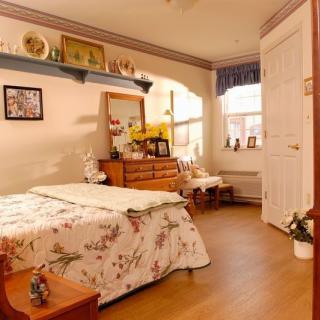
 Specialized memory care with 24/7 supervision and private, furnished apartments.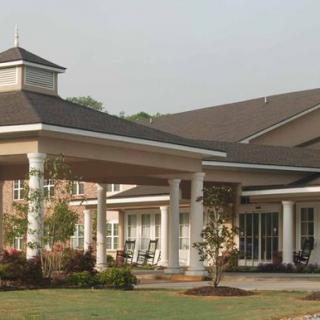
 Engaging Memory Care Activities That Enhance Quality of Life
 When to Transition from Assisted Living to Memory Care: Key Indicators, Steps, and Finding the Right Community
 Understanding the Distinctions: Assisted Living and Memory Care Explained