


Cedar Crest Personal Memory Living by Voralto

Save
Cedar Crest Personal Memory Living by Voralto Cedar Crest Personal Memory Living by Voralto Cedar Crest Personal Memory Living by Voralto Cedar Crest Personal Memory Living by Voralto

Cedar Crest Personal Memory Living by Voralto

161 South Beadle Road, Lafayette, LA 70508

For more information about senior living options: (844) 490-3973

4 from 12 reviews
5 stars
7
4 stars
1
3 stars
2
2 stars
1
1 stars
1

Assisted Living Memory Care

Overall Review of Cedar Crest Personal Memory Living by Voralto

Pros

  • pro The facility has a calm atmosphere and a homey feel.
  • pro The staff is friendly and always available to help.
  • pro Visitors are greeted warmly at the front desk, making them feel welcome.
  • pro The staff understands dementia and treats residents with respect and kindness.
  • pro The facility is very clean, with clothes washed and neatly hung, and rooms kept tidy.
  • pro The floor staff are amazing.
  • pro The head chef Athena is very hardworking.
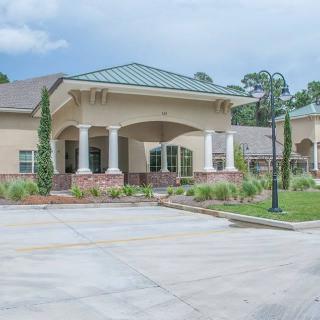
  • pro The facility is a beautiful place that feels inviting to families.
  • pro Cedar Crest is rated five stars as a memory-assisted living facility.
  • pro The staff keeps families informed during visits.
  • pro The facility makes strides to help residents feel less lonely and stay active.

Cons

  • pro The staff are underpaid and understaffed, with a top wage of $12/hour, raising questions about whether families receive adequate care.
  • pro The staff appear stressed and do not go the extra mile to promote a happy work environment.
  • pro There is gossip among staff, with concerns that much of what is said may be true.
  • pro Only two staff members are perceived as consistently caring, implying most staff do not.
  • pro Management is criticized for underpaying staff and not budgeting adequately to keep costs down.
  • pro An incident is described where a staff member allegedly rough-housed a resident with dementia.
  • pro The reviewer questions whether families receive the care they deserve given the cost and staffing issues.

Review

Cedar Crest Memory Care has left a strong, positive impression on one family, standing out as the best of several memory care options their 93-year-old father has lived in over the past four and a half years. The reviewer emphasizes a calm atmosphere and a homey feel that make the environment welcoming from the moment you walk in. They repeatedly note that the staff are consistently friendly and available for help, and that the front desk assistant greets you warmly, setting a tone of hospitality as you enter. Within the daily routine, the staff's understanding of dementia is highlighted as a meaningful factor in how their dad is treated - with respect and kindness that the reviewer believes makes a real difference in his experience.

Cleanliness is another standout feature for Cedar Crest in this account. The reviewer observes that their father's clothes are always washed and neatly hung, and the room is consistently tidy. This level of attention to cleanliness and organization contributes to the overall impression of a well-maintained and orderly facility, reinforcing the positive feelings about the care their loved one receives. Taken together, these observations form a strong endorsement: Cedar Crest is highly recommended for other families seeking memory care for a loved one.

However, the review does not shy away from acknowledging real-world challenges faced by the facility. The author points out that the staff are paid relatively low wages - "Top pay is 12 bucks an hour" - and suggests this contributes to understaffing and stress. They explicitly question whether families can expect the best possible care when workers are paid what they perceive as too little, hinting that pay affects the level of service and morale. The reviewer also mentions stress among staff and even gossip within the workplace, noting that some stories reach their ears after many years of involvement with the facility. In particular, they recount a troubling claim that a staff member described as "one colored lady" was rough-housing a resident with dementia, and they recount a belief that what they hear may reflect broader patterns when staffing is stretched thin.

Amid these concerns, the reviewer identifies a sliver of hope: a small number of staff members who they believe genuinely care. Specifically, they mention two individuals - describing one as a Black woman and the other as a younger White lady - who they see consistently and who appear to be committed to the residents. The author's observation is that these two look like the kind of staff who stand out when others may be stressed or disengaged, and they suggest that those two are probably the only ones they never heard complain. This personal testimony underscores the mixture of admiration and worry present in their overall view of Cedar Crest.

The reviewer also calls for improvements at the management level, particularly around paying the organization's frontline staff more and aligning budgets to keep costs manageable for families without sacrificing care quality. They argue that management still has work to do to ensure the facility's "most important assets" are compensated fairly and that the financial structure supports a more optimal staffing level. Yet, even with these cautions, they credit the floor staff with amazing, ongoing dedication and express confidence in Cedar Crest's potential to remain among the best memory care options.

Historically, the reviewer reflects back to earlier times when finding good memory care was especially challenging, noting that Cedar Crest has made notable strides. They describe Cedar Crest as refreshing to see "such strides taken to help these loved ones through what seemed to be such a lonely world" for their father. This historical contrast, paired with current observations, contributes to their overall sense that Cedar Crest holds significant promise and has made meaningful progress in supporting residents who are dealing with memory challenges.

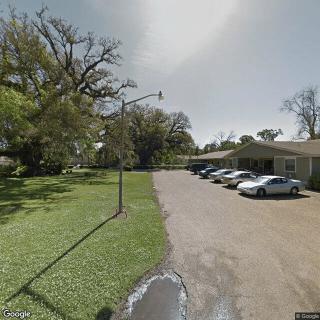
Among the personal tributes, the reviewer singles out the head chef, Athena, praising her as "the most hardest working woman I ever done met," while also noting she is "quite a looker." This adds a colorful, human touch to the overall portrait of the facility, highlighting a key staff member who appears to have made a strong impression on the family. Finally, the reviewer reports a positive visit with their mother, reiterating that everyone there is great and that they are kept informed, and they cap the reflection by affirming Cedar Crest's strong overall quality - "Starting with the location including the facility and grounds to all levels of management and professional support staff, I rate Cedar Crest = 5 Star."

Features

Housing

  • 55 resident community capacity 55 resident community capacity

Types of Care

  • Assisted Living Assisted LivingAssisted living facilities provide crucial support and care for seniors who may need help with daily tasks such as medication management, bathing, and meal preparation. These communities offer a safe and comfortable environment where seniors can maintain their independence while receiving the assistance they need to thrive in their golden years.
  • Memory Care Memory CareMemory care is crucial for seniors as it provides specialized support and services for individuals with dementia or Alzheimer's disease. These programs offer a safe and secure environment where residents receive personalized care, cognitive stimulation, and help with daily activities. Memory care helps seniors maintain their independence, quality of life, and dignity while also providing peace of mind for their families.

Amenities

  • Air-conditioning Air-conditioningAir conditioning is important for seniors as they are more vulnerable to heat-related illnesses and may have underlying health conditions that make it difficult for them to regulate their body temperature. It helps to keep them comfortable, safe, and healthy in hot weather.
  • Beauty salon Beauty salonBeauty salons are important for seniors because they provide a space for them to feel pampered, socialize, and maintain their personal grooming and hygiene. Regular visits to a beauty salon can help boost seniors' self-esteem and overall well-being.
  • Cable or satellite TV Cable or satellite TVCable or satellite TV is important for seniors because it provides entertainment, news, and companionship, helping to combat loneliness and boredom. It also offers a wide range of programming options tailored to different interests and preferences.
  • Computer center Computer centerA computer center is essential for seniors as it provides access to technology, communication tools, and resources that can enhance their daily lives. It allows them to stay connected with loved ones, engage in online activities, and learn new skills, ultimately promoting socialization and mental stimulation.
  • Dining room Dining roomDining rooms are important for seniors as they provide a space for socialization, connection, and nutritious meals. They offer opportunities for residents to bond over shared meals, foster a sense of community, and promote healthy eating habits. Dining rooms also ensure that seniors have access to well-balanced meals tailored to their dietary needs and preferences.
  • Fitness room Fitness roomHaving a fitness room in a senior living community is essential for seniors to stay active, maintain their physical health, and improve their overall well-being. Regular exercise can help prevent falls, reduce the risk of chronic diseases, and promote mental sharpness. It also provides social opportunities for residents to connect with others and enjoy a sense of community.
  • Fully furnished Fully furnishedFully furnished senior living communities are important for seniors because they provide convenience, comfort, and a hassle-free moving experience. Seniors can easily settle into their new living space without the stress of having to buy and move furniture. This allows them to focus on enjoying their new home and community.
  • Gaming room Gaming roomGaming rooms are important for seniors as they provide a fun and engaging environment for socializing, cognitive stimulation, and physical activity. Games can improve memory, problem-solving skills, and overall mental well-being while fostering friendships and reducing feelings of isolation.
  • Garden GardenGardens are important for seniors as they provide a peaceful and therapeutic environment for relaxation, physical activity, and socialization. Being in nature has been shown to reduce stress, improve mood, and promote overall well-being. Gardens also offer opportunities for seniors to engage in gardening activities, which can improve mobility, flexibility, and cognitive function. Additionally, gardens create a sense of community and connection with others who share a passion for plants and outdoor spaces.
  • Housekeeping services Housekeeping servicesHousekeeping services are important for seniors because they help maintain a clean and safe living environment, promote independence, and reduce the risk of accidents or illnesses. Additionally, having assistance with household chores can alleviate physical strain and allow seniors to focus on other aspects of their well-being.
  • Kitchenette KitchenetteKitchenettes are important for seniors living in senior living communities because they provide the convenience and independence of being able to prepare simple meals and snacks in the comfort of their own living space. This can help promote a sense of autonomy and well-being for seniors, allowing them to maintain some level of control over their dietary choices and daily routines.
  • Move-in coordination Move-in coordinationMove-in coordination is important for seniors because it helps ease the transition into their new living environment. It ensures that all logistics, such as packing, organizing movers, and setting up utilities are taken care of, allowing seniors to focus on settling in and adjusting to their new home. Having a smooth move-in process can alleviate stress and anxiety, making the transition smoother and more enjoyable for seniors.
  • Outdoor space Outdoor spaceOutdoor spaces are important for seniors as they provide opportunities for physical activity, social interaction, exposure to natural light and fresh air, and a sense of connection to nature. Having access to outdoor spaces can improve overall well-being and quality of life for older adults living in senior communities.
  • Private bathrooms Private bathroomsPrivate bathrooms are important for seniors in senior living communities because they provide independence, dignity, and comfort. Having a private bathroom allows seniors to maintain their personal hygiene routines without the need for assistance, promoting a sense of autonomy and privacy. Additionally, private bathrooms help prevent the spread of infections and provide a safe and clean environment for seniors to navigate safely.
  • Restaurant-style dining Restaurant-style diningRestaurant-style dining is important for seniors because it allows them to enjoy delicious, nutritious meals in a social and upscale setting. This enhances their dining experience, promotes healthy eating habits, and fosters socialization with fellow residents, ultimately contributing to their overall well-being and quality of life.
  • Small library Small librarySmall libraries are important for seniors as they provide access to a variety of reading materials, including books, newspapers, and magazines. This can help stimulate their minds, keep them engaged, and provide a sense of community through book clubs and other social activities. Additionally, reading has been shown to improve cognitive function and overall mental well-being in older adults.
  • Telephone TelephoneTelephones are important for seniors as they provide a lifeline for communication with loved ones, emergency services, and healthcare providers. They offer a sense of security and independence, enabling seniors to stay connected and access assistance when needed.
  • Wellness center Wellness centerWellness centers are important for seniors because they offer a variety of programs and services that promote physical, mental, and emotional well-being. These centers provide opportunities for exercise, socialization, education, and relaxation, helping seniors maintain their overall health and quality of life.
  • Wi-Fi/high-speed internet available Wi-Fi/high-speed internet availableWi-Fi/high-speed internet is important for seniors to stay connected with loved ones, access online resources, and participate in virtual activities to combat feelings of loneliness and isolation. It also allows them to easily manage healthcare needs, access entertainment, and engage in lifelong learning opportunities.

Transportation

  • Lafayette Regional (3 miles away) Lafayette Regional (3 miles away)
  • Community operated transportation Community operated transportationCommunity operated transportation is crucial for seniors as it provides them with the means to access essential services, social activities, and medical appointments. It allows seniors to maintain their independence and quality of life by ensuring they can participate in activities outside of their homes. Additionally, community-operated transportation services offer a safe and reliable way for seniors to travel without having to rely on family or friends for assistance.
  • Transportation arrangement Transportation arrangementTransportation arrangements are crucial for seniors as they may face challenges with driving, mobility, or access to public transportation. Having reliable transportation services ensures that seniors can easily attend appointments, social activities, and maintain their independence and quality of life.
  • Transportation arrangement (non-medical) Transportation arrangement (non-medical)Transportation arrangements are essential for seniors as they provide access to essential services, activities, and social interactions outside the home. This service helps maintain independence, mobility, and overall well-being for seniors who may have limited transportation options.
  • Transportation to doctors appointments Transportation to doctors appointmentsTransportation to doctors appointments is crucial for seniors as it ensures they have access to necessary medical care and support, promoting their health and well-being. It allows them to receive timely treatment, monitor existing conditions, and address any new health concerns efficiently. Additionally, transportation services can help seniors maintain their independence and quality of life by enabling them to stay connected with their healthcare providers.

Care Services

  • 12-16 hour nursing 12-16 hour nursing12-16 hour nursing care is crucial for seniors in order to ensure around-the-clock monitoring, timely medication administration, and prompt response to any health concerns or emergencies. This level of care helps to promote the overall well-being and safety of seniors living in senior living communities.
  • 24-hour call system 24-hour call system24-hour call systems are important for seniors because they provide peace of mind and immediate assistance in case of emergencies. This technology ensures that help is always available, promoting safety and security for elderly individuals living alone or in assisted living facilities.
  • 24-hour supervision 24-hour supervision24-hour supervision is important for seniors to ensure their safety, well-being, and access to immediate assistance in case of emergencies or health issues. This constant support provides peace of mind for both seniors and their loved ones, allowing them to age in place with dignity and security.
  • Activities of daily living assistance Activities of daily living assistanceActivities of daily living assistance are important for seniors because they provide essential support with tasks such as eating, bathing, dressing, and mobility. This assistance helps seniors maintain their independence, dignity, and overall quality of life as they age.
  • Assistance with bathing Assistance with bathingAssistance with bathing is crucial for seniors as it helps maintain personal hygiene, prevents infections, and ensures their overall well-being and comfort. It also provides a sense of dignity and independence for seniors who may struggle with this task on their own.
  • Assistance with dressing Assistance with dressingAssistance with dressing is important for seniors because it helps maintain their independence, promotes personal hygiene, prevents accidents and injuries, and improves overall quality of life. This service ensures that seniors can continue to dress comfortably and confidently, despite any physical limitations they may have.
  • Assistance with transfers Assistance with transfersAssistance with transfers is crucial for seniors as it helps prevent falls and injuries, maintains their independence, and ensures they can safely navigate their living environment. It also provides peace of mind for both seniors and their loved ones.
  • Diabetes diet Diabetes dietA diabetes diet is crucial for seniors as it helps manage blood sugar levels, reduce risks of complications, and improve overall health and well-being. By following a balanced and nutritious diet tailored to their specific needs, seniors can better control their diabetes and enhance their quality of life.
  • Meal preparation and service Meal preparation and serviceMeal preparation and service are crucial for seniors as they may have limited mobility or energy to cook nutritious meals. Having access to healthy and convenient food options can ensure they are getting the proper nutrition needed to maintain their overall health and well-being.
  • Medication management Medication managementMedication management is crucial for seniors to ensure they are taking the right medications at the correct dosages and times. This helps prevent adverse drug interactions, reduces the risk of medication errors, and promotes overall health and well-being. Proactive management also allows for adjustments as needed based on changing health conditions or new prescriptions.
  • Mental wellness program Mental wellness programMental wellness programs are essential for seniors as they promote cognitive stimulation, emotional support, and social engagement. These programs help prevent isolation, depression, and cognitive decline, ultimately enhancing the overall quality of life for older adults.
  • Mild cognitive impairment Mild cognitive impairment"Mild cognitive impairment" is important for seniors because it is an early stage of cognitive decline that can potentially progress to more severe conditions such as dementia. Recognizing and addressing mild cognitive impairment can help seniors receive appropriate care and support to maintain their quality of life and independence for as long as possible.
  • Special dietary restrictions Special dietary restrictionsSpecial dietary restrictions are important for seniors because age-related changes in metabolism and health conditions can make it difficult for their bodies to process certain foods. By following a diet tailored to their specific needs, seniors can maintain their overall health and well-being, manage chronic conditions, and reduce the risk of complications such as malnutrition or food interactions with medications.
  • Specialized memory care programming Specialized memory care programmingSpecialized memory care programming is crucial for seniors with cognitive impairments such as dementia or Alzheimer's disease. These programs provide a safe and supportive environment tailored to the unique needs of individuals with memory loss, helping them maintain their independence, dignity, and quality of life.

Dining

  • Diabetes diet Diabetes dietA diabetes diet is crucial for seniors as it helps manage blood sugar levels, reduce risks of complications, and improve overall health and well-being. By following a balanced and nutritious diet tailored to their specific needs, seniors can better control their diabetes and enhance their quality of life.
  • Special dietary restrictions Special dietary restrictionsSpecial dietary restrictions are important for seniors because age-related changes in metabolism and health conditions can make it difficult for their bodies to process certain foods. By following a diet tailored to their specific needs, seniors can maintain their overall health and well-being, manage chronic conditions, and reduce the risk of complications such as malnutrition or food interactions with medications.

Activities

  • Community-sponsored activities Community-sponsored activitiesCommunity-sponsored activities are important for seniors as they provide opportunities for social interaction, mental stimulation, and physical activity. These activities can help improve overall well-being, combat loneliness and isolation, and promote a sense of belonging and purpose among older adults.
  • Concierge services Concierge servicesConcierge services are essential for seniors as they provide assistance with daily tasks and errands, enhance their quality of life by offering convenience and personalized care, and promote a sense of safety and security.
  • Fitness programs Fitness programsFitness programs are crucial for seniors as they help improve strength, flexibility, balance, and overall well-being. Staying active can reduce the risk of chronic diseases, improve mental health, and enhance quality of life in older adults.
  • Planned day trips Planned day tripsPlanned day trips are important for seniors because they offer opportunities for socialization, mental stimulation, and physical activity. They provide a change of scenery and help seniors stay engaged and connected to their community, promoting overall well-being and quality of life.
  • Resident-run activities Resident-run activitiesResident-run activities are important for seniors as they encourage social interaction, creativity, and a sense of autonomy. These activities empower seniors to stay engaged and active in their community while fostering meaningful connections with their peers.
  • Scheduled daily activities Scheduled daily activitiesScheduled daily activities are important for seniors because they provide structure, socialization, mental stimulation, and physical activity. Engaging in regular activities can improve overall well-being and quality of life for seniors living in a community setting.

Description

Cedar Crest Personal Memory Living, located in Lafayette, LA, is a premier assisted living community that specializes in memory care. Our dedicated staff provides 24-hour supervision and assistance with activities of daily living, such as bathing, dressing, and transfers. We also offer medication management and follow specialized memory care programming to ensure the well-being of our residents.

At Cedar Crest, we understand the importance of creating a comfortable and homelike environment for our residents. Our fully furnished apartments feature private bathrooms and kitchenettes, offering convenience and privacy. Our community boasts a range of amenities designed to enhance the quality of life for our residents. These include a beauty salon for personal grooming needs, a fitness room for physical exercise, and a gaming room for entertainment. Residents can also enjoy spending time outdoors in our garden or taking part in activities in our outdoor space.

We strive to provide a variety of engaging activities to keep our residents active and social. Our concierge services are available to assist with scheduling day trips and resident-run activities are organized regularly. There are also scheduled daily activities for residents to participate in at their leisure.

To ensure that our residents have access to necessary services and amenities outside of our community, we are conveniently located near numerous cafes, parks, pharmacies, physicians' offices, restaurants, places of worship, theaters, hospitals. Additionally, we provide transportation arrangements for non-medical purposes as well as transportation to doctors' appointments.

Cedar Crest Personal Memory Living is committed to providing compassionate care in a warm and welcoming environment.

Nearby Places of Interest

Places of Worship

  • St Pius X (0.4 miles)
  • The Bayou Church (1.8 miles)
  • Our Lady of Fatima Catholic Church (2.4 miles)
  • Our Savior's Church Midtown Campus (2.7 miles)

Physicians

  • Office of Charles Boustany (0.4 miles)
  • Neurological Associates of Louisiana (0.5 miles)
  • Oral & Facial Surgery Center (0.5 miles)
  • Southern Urology (0.5 miles)
  • J. Kevin Duplechain, MD, FACS (0.5 miles)
  • Juneau Patrick Md (0.5 miles)
  • Lafayette Dermatology and Cosmetic Center (0.6 miles)

Hospitals

  • Lafayette Physical Rehabilitation Hospital (0.5 miles)
  • LCMC Health Children’s Hospital New Orleans Specialty Care - Lafayette (0.5 miles)
  • Acadiana Management Group (1.2 miles)
  • Children's Hospital Burdin Riehl Clinic (1.7 miles)
  • Red River Health Care (2.1 miles)
  • Our Lady of Lourdes Regional Medical Center (2.2 miles)
  • AMG Specialty Hospital (2.3 miles)

Restaurants

  • KFC (0.7 miles)
  • Chris' Po-Boys (0.7 miles)
  • T-Coon's Restaurant (0.8 miles)
  • Raising Cane's Chicken Fingers (0.8 miles)
  • Whataburger (0.9 miles)
  • Burgersmith (1.4 miles)
  • Pizza Village (1.5 miles)

Cafes

  • Starbucks (0.8 miles)
  • Kung Fu Tea (2.3 miles)
  • Starbucks (2.4 miles)
  • Panera Bread (2.4 miles)
  • Benny's Sportshack (2.4 miles)
  • Johnston Street Java (2.4 miles)
  • CC's Coffee House (2.5 miles)

Pharmacies

  • CVS Pharmacy (1.3 miles)
  • Carmichael's Home Iv Pharmacy (1.7 miles)
  • CVS Pharmacy (2 miles)
  • CVS Pharmacy (2.2 miles)
  • Walgreens (2.3 miles)
  • CVS Pharmacy (2.4 miles)
  • Walgreens (2.4 miles)

Theaters

  • The Grand 14 - Ambassador Theatre (2 miles)

Parks

  • Girard Park (2 miles)
  • Moncus Park (2.2 miles)

Transportation

  • Lafayette Regional Airport (LFT) (2.6 miles)

Frequently Asked Questions

Where is Cedar Crest Personal Memory Living by Voralto?
Does Cedar Crest Personal Memory Living by Voralto provide care for residents with dementia or Alzheimer's disease?
What photos are available for Cedar Crest Personal Memory Living by Voralto in Lafayette, Louisiana?

Nearby Communities

Assisted Living in Nearby Cities

Related Resources

  • delirium vs dementiaDelirium and Dementia: Unraveling the Key Differences

    Delirium is a rapidly onset, reversible cognitive disturbance often caused by acute medical issues, while dementia is a gradual and irreversible decline due to chronic neurodegenerative diseases. Accurate differentiation between the two is essential for appropriate treatment and management in older adults.

  • can you die from dementiaAre Dementia and Alzheimer's Disease Lethal? A Comprehensive Exploration

    Dementia, including Alzheimer’s disease, is often mischaracterized in terms of lethality as it leads to complications that can be fatal rather than being a direct cause of death; it causes a progressive decline in cognitive and physical health, making patients vulnerable to infections and other health crises. Effective management of nutrition, hydration, and communication is crucial in patient care, with palliative care becoming vital in advanced stages to enhance comfort and quality of life while caregivers play a key role amidst the challenges posed by the disease.

  • reminiscence therapyExploring the Power of Reminiscence Therapy for Individuals With Dementia


    Reminiscence therapy helps individuals with dementia recall past memories through structured discussions and meaningful objects, enhancing mood, relationships, and sense of identity while celebrating their lives. It can be practiced in formal settings or at home, requiring sensitivity to personal histories and cultural backgrounds.