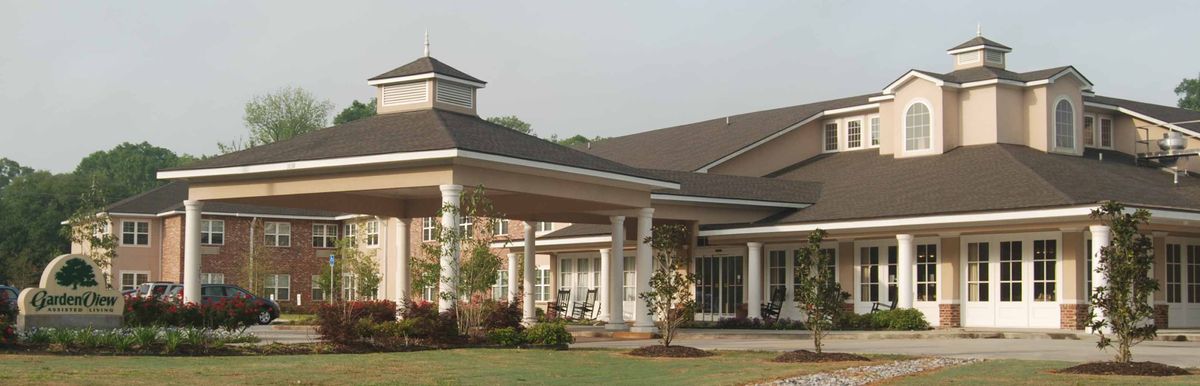

601 Verot School Road, Lafayette, LA 70508
For more information about senior living options: (866) 208-4318
Overall Review of Garden View Assisted Living II
Pros
 Garden View is a top-notch facility with amazing staff and residents.
- The facility is well maintained and always clean.
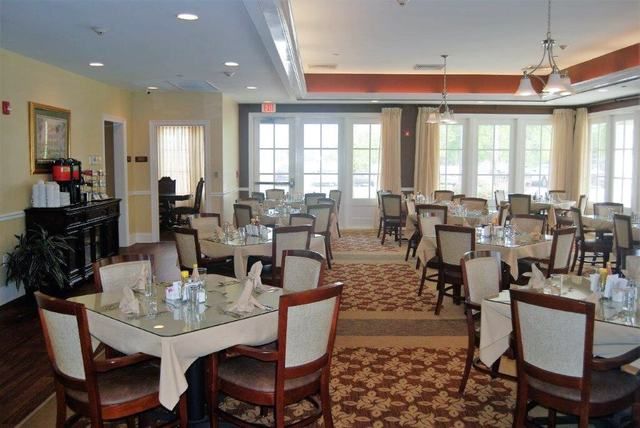
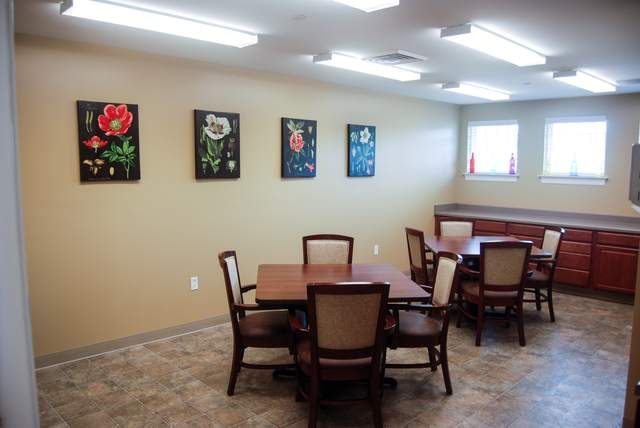
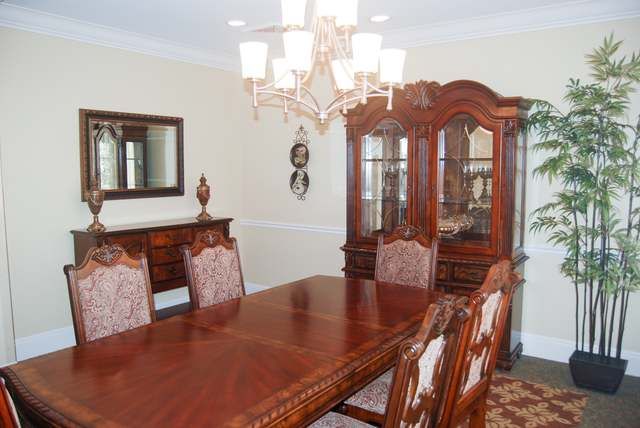
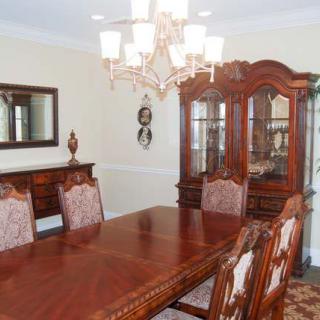
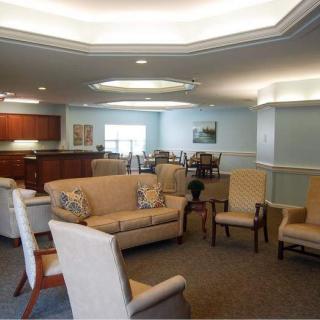
- The dining room is beautiful with a diverse menu for residents.
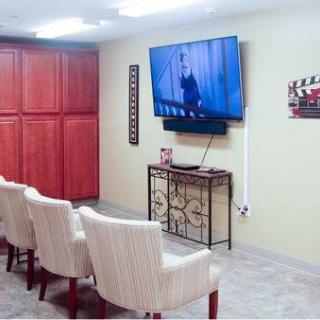
- The monthly calendar is filled with many activities.
- The food is extraordinary.
- The memory care section is secure, comfortable, and well designed.
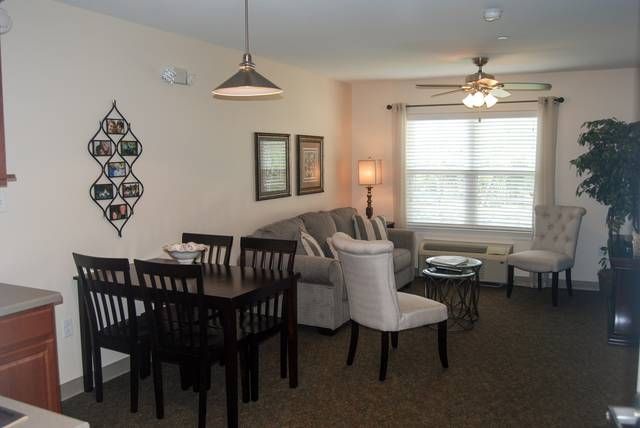
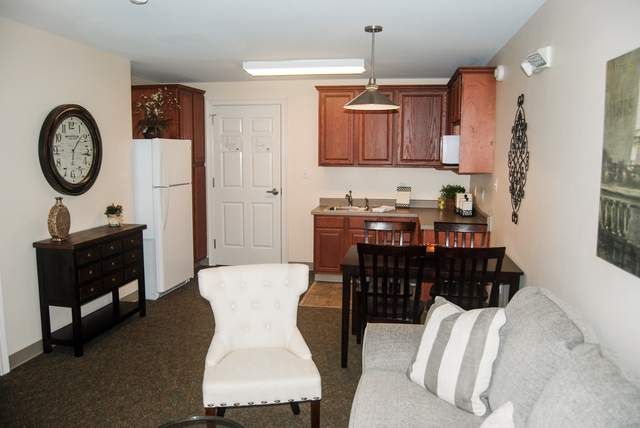
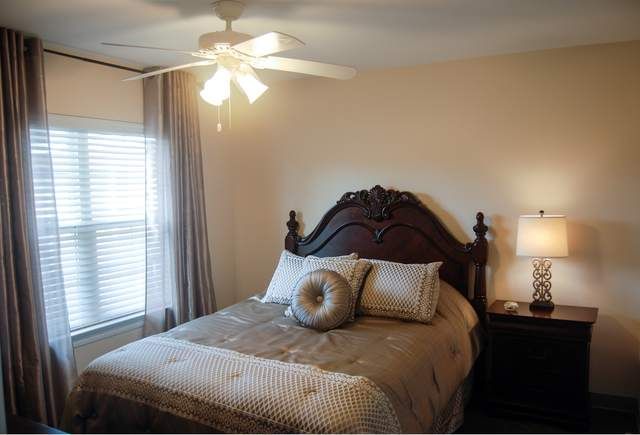
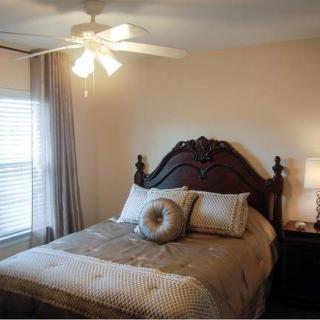
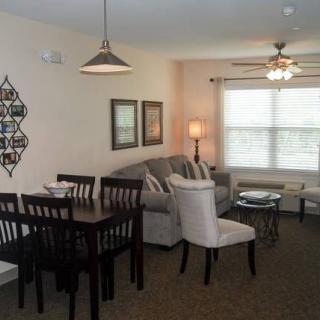
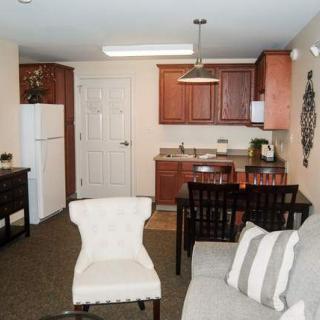
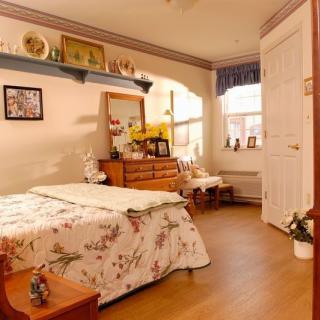
- The two-bedroom apartments offer generous storage and comfortable living spaces.
- The staff are consistently available and dedicated, with long-tenured team members.
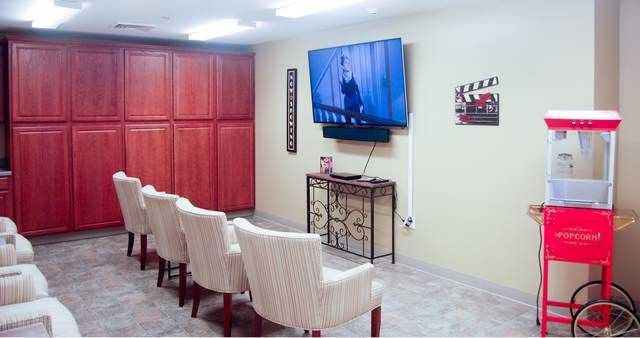
- Garden View Assisted Living provides varied activities, including live music, dancing, and themed events.
- It feels like home and offers peace of mind, love, and compassionate care.
- The community of residents and staff makes Garden View a great place to live in retirement.
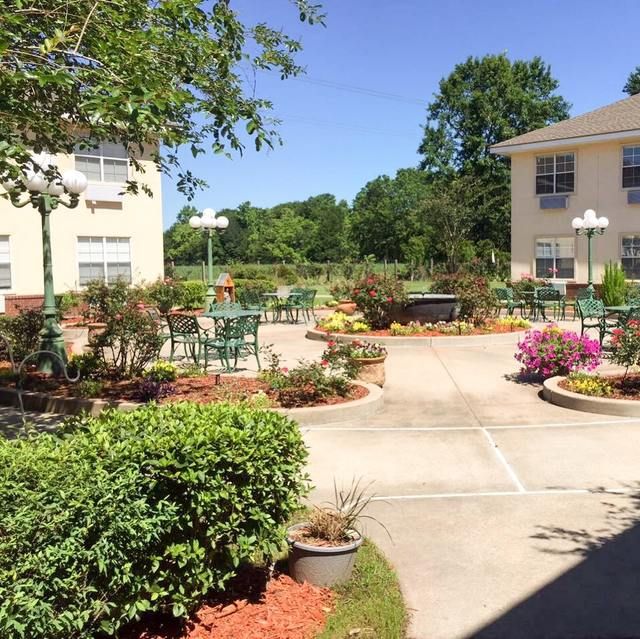
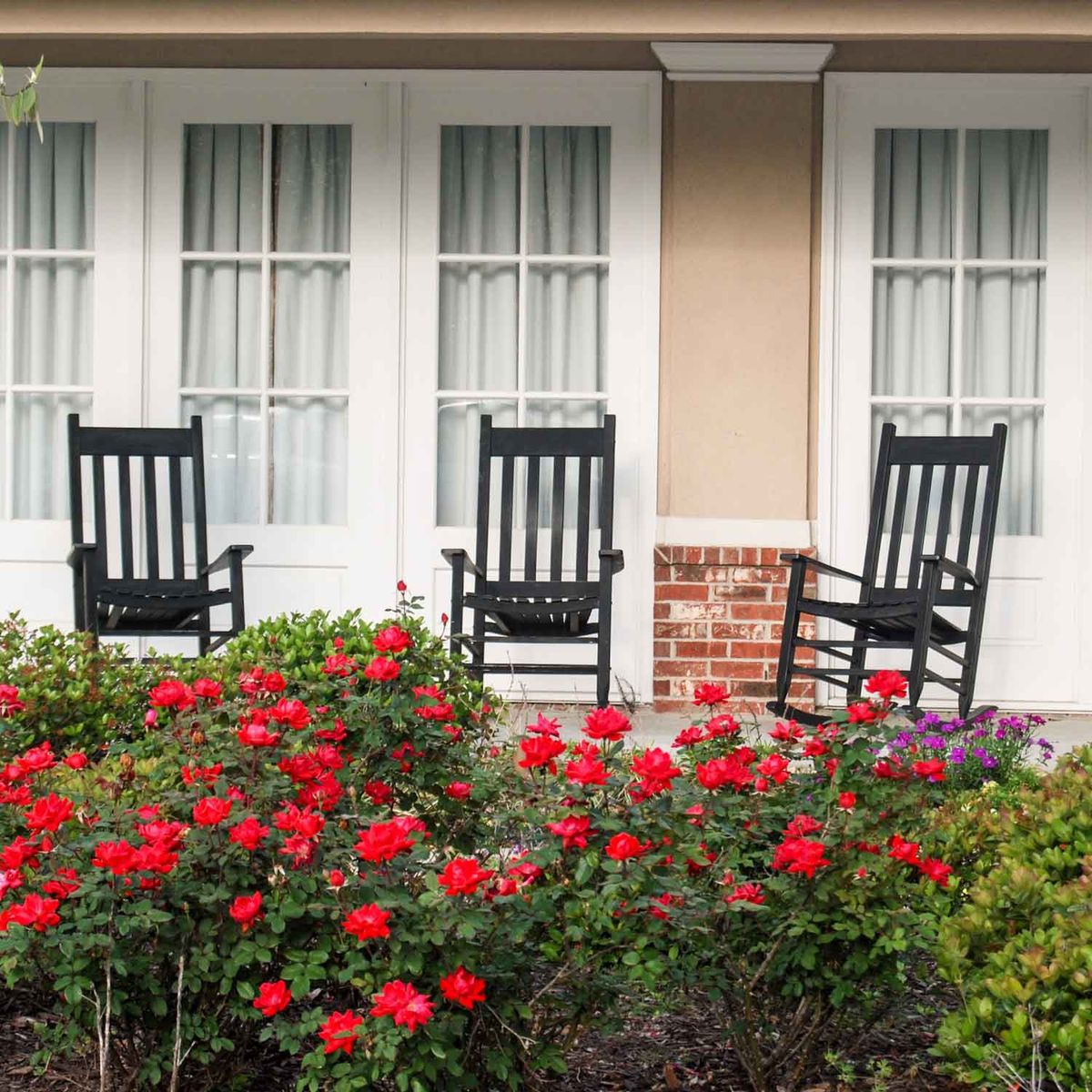
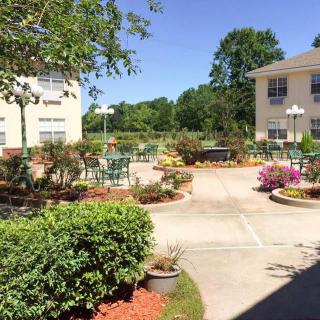
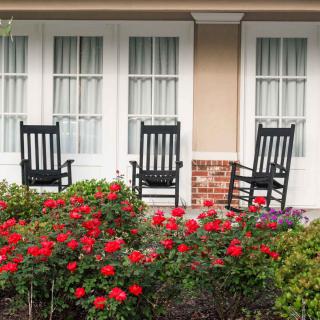
- There are gazebos and patio furniture outside for relaxation.
Cons
 The administration is deplorable, cold, and inattentive to residents' problems.
- Bingo uses cards that don’t work and are falling apart, with insufficient accommodations when all residents join.
- Garden View staff rush through bingo and become ugly if asked to slow down.
- Workers have been observed making ugly remarks about residents and rolling their eyes with disgust.
- Many residents stay in their rooms and are depressed because there is nothing for them to do.
- The doors are a little heavy and difficult for elderly residents to open.
- Activities are not engaging or enjoyable for residents, with bingo as the primary offering.
Review
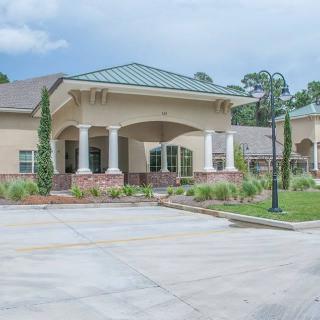
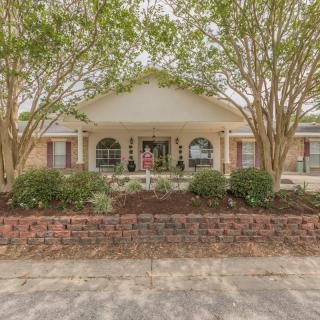
Garden View Assisted Living II in Lafayette is best suited for families prioritizing memory-care capability, consistent staffing, and a warm, community-oriented atmosphere. The reviews repeatedly praise dementia-care expertise and a staff culture that feels like family, with long-tenured caregivers bringing stability and an intuitive understanding of behaviors and routines. The facility earns trust through clean, well-maintained spaces, appealing dining, and an active calendar of daily and evening programs that foster connection among residents. For seniors who want a sense of belonging, predictable routines, and ready help when challenges arise, this community offers a practical, reassuring environment. Memory care is integrated, the layout supports safety and socialization, and families can ship items in advance and coordinate move-ins with staff.
Still, potential buyers should consider alternatives if certain priorities dominate. Families that demand consistently proactive administration, brisk issue resolution, and highly dynamic daily programming may find the experience uneven here. A number of reviews describe administrative approaches as cold or less responsive, which can undermine confidence at critical moments. For those who want highly varied, resident-driven activities, exceptional outings, or a settings where engagement feels tailor-made for each person, other communities may deliver more robust programming. Budget sensitivity also matters; some readers will want a clearer sense of value versus cost before committing.
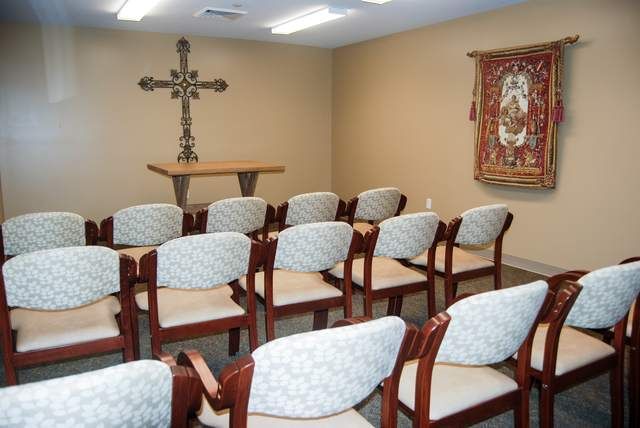
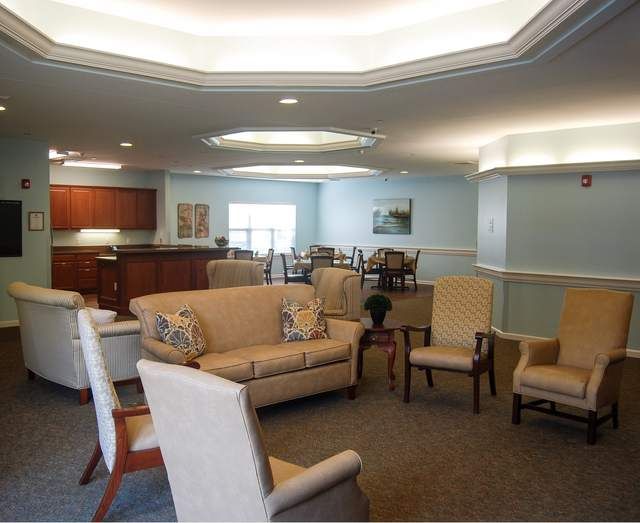
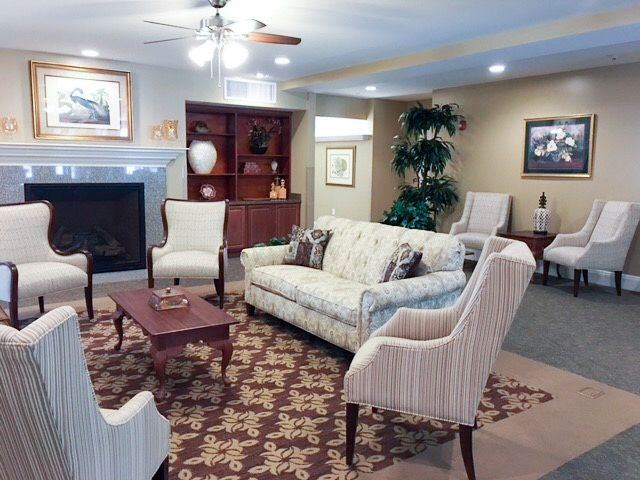
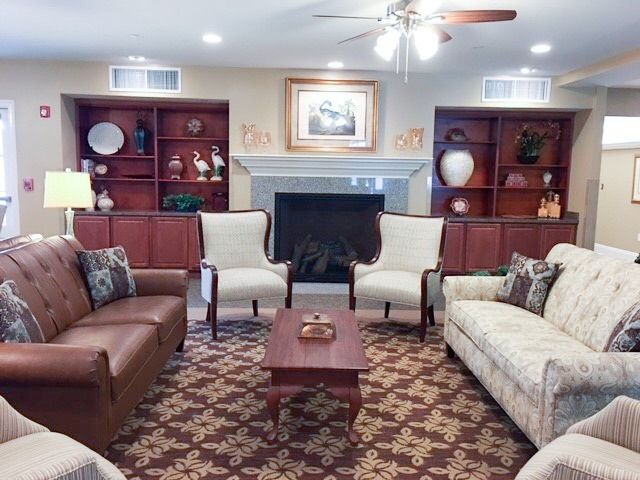
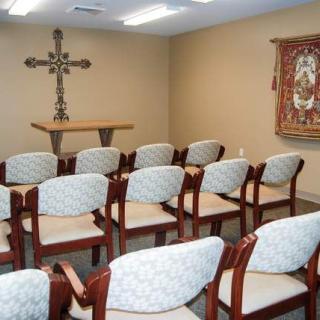
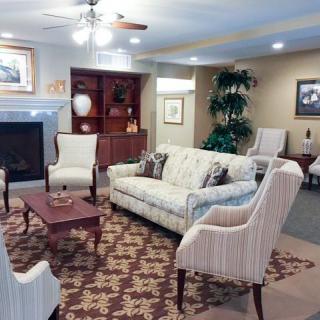
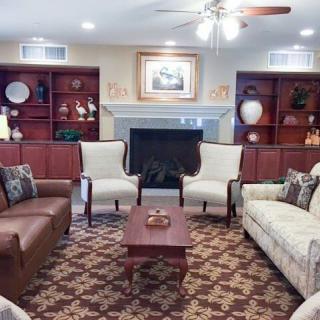
The strongest advantages cluster around care quality and reliability. Dementia-care expertise runs through leadership and front-line staff, with caregivers who appear tuned to routines, triggers, and the pace of memory-impaired residents. The dining program is consistently highlighted as attractive, featuring a diverse menu and a welcoming dining room that supports social meals. The calendar is described as filled with activities and outings that create meaningful social opportunities, a crucial factor for mood and engagement. The facility’s cleanliness and safety are repeatedly praised, and shared spaces, including a chapel, comfortable lounges, and outdoor courtyards, support family visits and casual, everyday interaction. Long-tenured staff contribute to a sense of continuity families rely on.
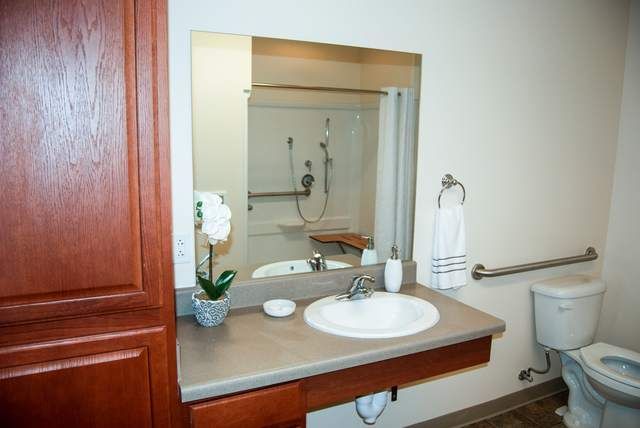
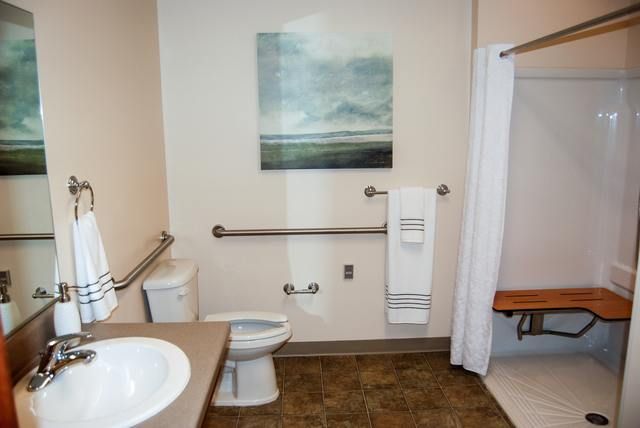
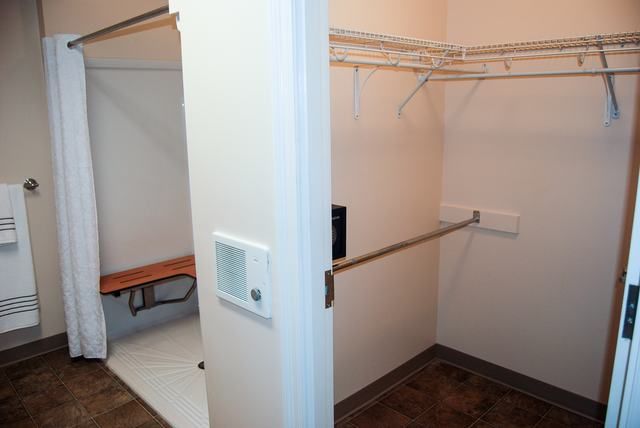
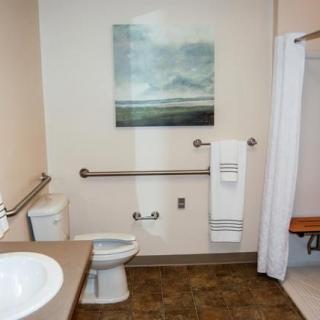
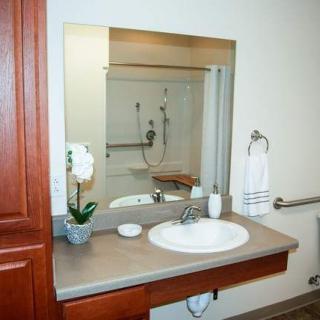
On the downside, administration and activity quality can be inconsistent. The strongest cautions center on perceived governance and the pace of responsiveness, along with reports of activities that fail to engage all residents or accommodate crowds. Yet these concerns are often countered by tangible positives: a secure memory-care footprint with clearly defined boundaries, easy access to dining and common areas, and a layout that supports family involvement without disruption. The building’s features, an elevator, generously proportioned memory-care rooms with accessible bathrooms, and a design that keeps memory-care near assisted living, provide practical convenience and reassurance. With attentive management and clear expectations, the drawbacks can be mitigated.
Where Garden View earns credibility is in the lived experiences described by families: stability of staff, affectionate care, and a strong sense of community that reduces anxiety and promotes belonging. The proximity of memory care to the rest of the facility allows natural family involvement, while secure access and well-planned common areas ease daily transitions. The ability for families to ship belongings in advance and for staff to assist with move-ins reduces friction during a stressful period. In short, the core strengths, care expertise, cleanliness, consistent staff, robust dining, and vibrant community life, tend to outweigh the drawbacks when expectations align with what Garden View delivers.
To decide, prospective residents should verify several points on a tour: how management responds to concerns and how issues are resolved; the breadth and depth of activity programming across the week; the specifics of memory-care supervision and outdoor access; and the value proposition behind the monthly fee, including what amenities are truly included. Given the strong reputation for dementia care and a family-friendly culture, Garden View Assisted Living II offers a compelling option for those who want stability, quality dining, and an engaged social scene within a memory-care-aware setting. However, those who require constant, highly varied programming, brisk administrative responsiveness, or more budget flexibility may want to compare alternatives before signing a long-term agreement.
 116 resident community capacity
 1-bedroom apartments
 Assisted Living
 Memory Care
 Air-conditioning
 Beautician on-site
 Cable or satellite TV
 Computer center
 Dining room
 Fitness room
 Full kitchen
 Fully furnished
 Gaming room
 Garden
 Housekeeping services
 Laundry
 Move-in coordination
 Outdoor space
 Overnight guests
 Private bathrooms
 Respite or short term stays offered
 Restaurant-style dining
 Small library
 Telephone
 Wellness center
 Wi-Fi/high-speed internet available
 Lafayette Regional (3 miles away)
 Community operated transportation
 24-hour call system
 Activities of daily living assistance
 Assistance with bathing
 Assistance with dressing
 Assistance with transfers
 Diabetes diet
 Medication management
 Mental wellness program
 Special dietary restrictions
 Concierge services
 Planned day trips
 Religious services
 English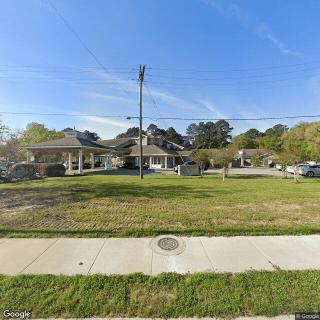




 Comprehending Evening Confusion in Dementia: Causes, Manifestations, and Support
 Delirium and Dementia: Unraveling the Key Differences
 Are Dementia and Alzheimer's Disease Lethal? A Comprehensive Exploration