Morningside Place offers a range of accommodations with pricing reflective of its location and amenities. For a semi-private room, residents can expect to pay $5,820 per month, which is notably higher than the county average of $5,004 and significantly above the state average of $4,562. The cost for a studio apartment at Morningside Place stands at $7,010 monthly, again surpassing both Johnson County's average of $4,549 and Kansas' state average of $4,094. While the rates at Morningside Place are on the higher end compared to surrounding areas, they may reflect the quality of care and services provided within this community.
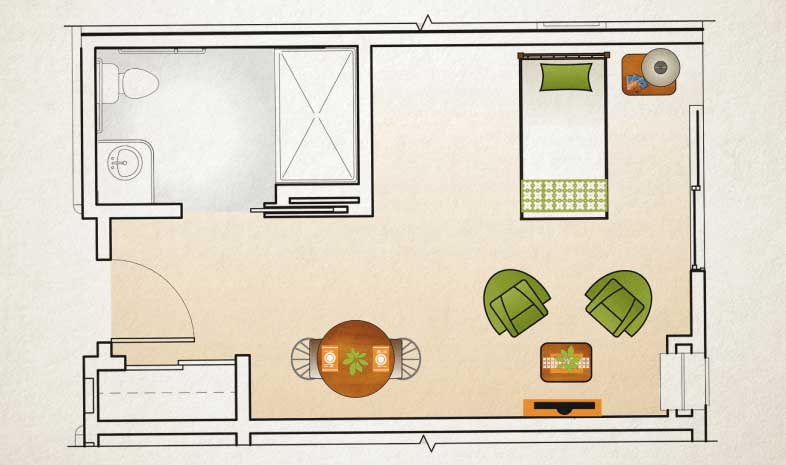
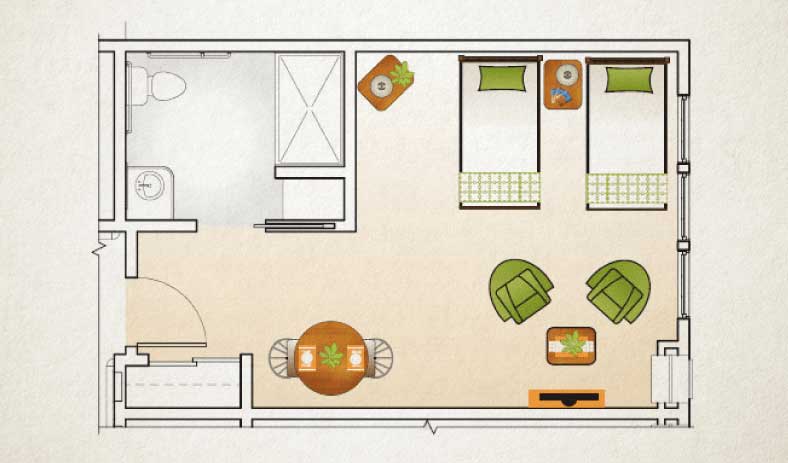
Floor plans
Morningside Place
Johnson County
Kansas
Semi-Private
$5,820
$5,004
$4,562
Studio
$7,010
$4,549
$4,094
Overall Review of Morningside Place
common9 reviews mention this
Activities keep residents engaged
Residents and families describe a steady flow of activities in daily life.
Multiple reviews say residents are kept active, with lots of planned events, group activities, and outings. Several families also mention that staff try to get residents involved and that there are opportunities beyond just sitting at home. One reviewer did note that activities information or guidance wasn’t always clear for a resident at the time of visiting, though the broader theme is that activities are a meaningful part of the experience.
common20 reviews mention this
Caregivers feel attentive and caring
Families frequently describe staff members as kind, patient, and attentive to residents.
Across many reviews, families praise the day-to-day care as respectful, patient, and supportive. Several mention that leadership and individual caregivers helped them feel confident in the level of attention their loved one was receiving, including safe care when memory needs increased. A few reviewers also mention responsiveness when issues came up, with management taking concerns seriously and improving things after the fact.
caveat3 reviews mention this
Pricing feels out of reach
Some families say the pricing is not affordable for them.
A few reviews directly call out cost as a challenge, including one that says the price structure wasn’t affordable. Others echo that the community can feel expensive. The pricing also appears higher than both county and state benchmarks across unit types, which helps explain why affordability came up more than once.
caveat3 reviews mention this
Communication can be slow
Some reviewers describe delayed or missing follow-up with the office.
Several reviews complain about not getting timely callbacks or responses when trying to reach the coordination office or a specific administrator. Others say it’s hard to communicate with staff, especially around updates and staying connected. While many families praise responsiveness overall, these comments point to uneven communication during certain times or situations.
How we summarize
Counts show how many written reviews mention each theme; a review can touch several themes, and only frequently mentioned themes are displayed.
Morningside Place offers a range of accommodations with pricing reflective of its location and amenities. For a semi-private room, residents can expect to pay $5,820 per month, which is notably higher than the county average of $5,004 and significantly above the state average of $4,562. The cost for a studio apartment at Morningside Place stands at $7,010 monthly, again surpassing both Johnson County's average of $4,549 and Kansas' state average of $4,094. While the rates at Morningside Place are on the higher end compared to surrounding areas, they may reflect the quality of care and services provided within this community.
Morningside Place's comprehensive suite of features is designed to address the unique needs of residents with dementia or Alzheimer's disease, ensuring their safety and enhancing their quality of life. The 24-hour supervision provides constant monitoring, reducing the risk of wandering or accidents, while assistance with activities of daily living--including bathing, dressing, and transfers--promotes independence and dignity. Coordination with health care providers ensures that medical needs are met promptly, complemented by medication management that helps prevent errors. The availability of incontinence care further supports residents' comfort and hygiene. Meal preparation and service cater to dietary requirements, fostering both nutrition and social interaction during mealtimes. Specialized memory care programming and a mental wellness program are integral in stimulating cognitive function and emotional health, aiding those with mild cognitive impairment. Additionally, transportation arrangements for medical appointments ensure residents maintain crucial access to healthcare resources without added stress. Together, these features create a holistic environment conducive to the well-being and dignity of individuals facing memory challenges.
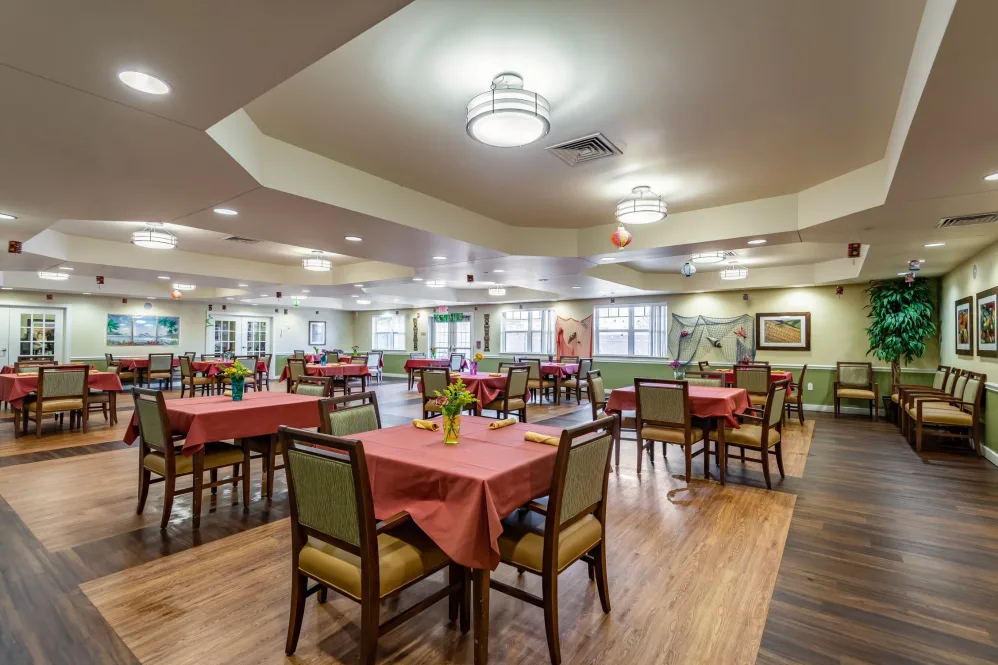
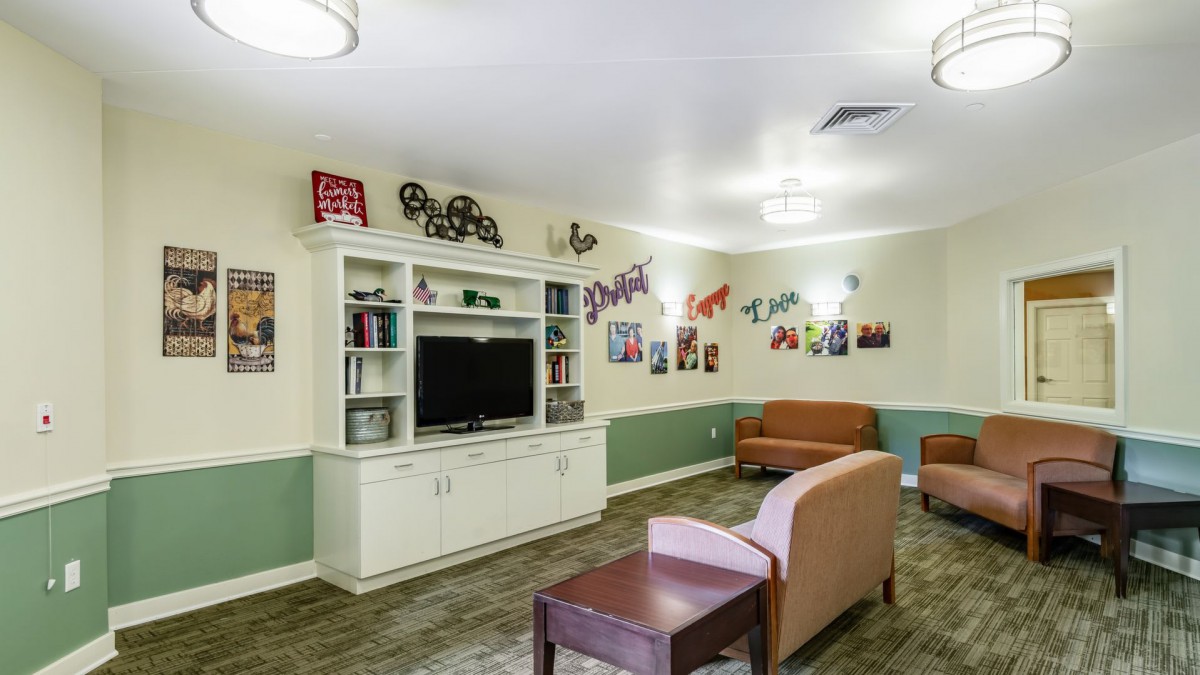
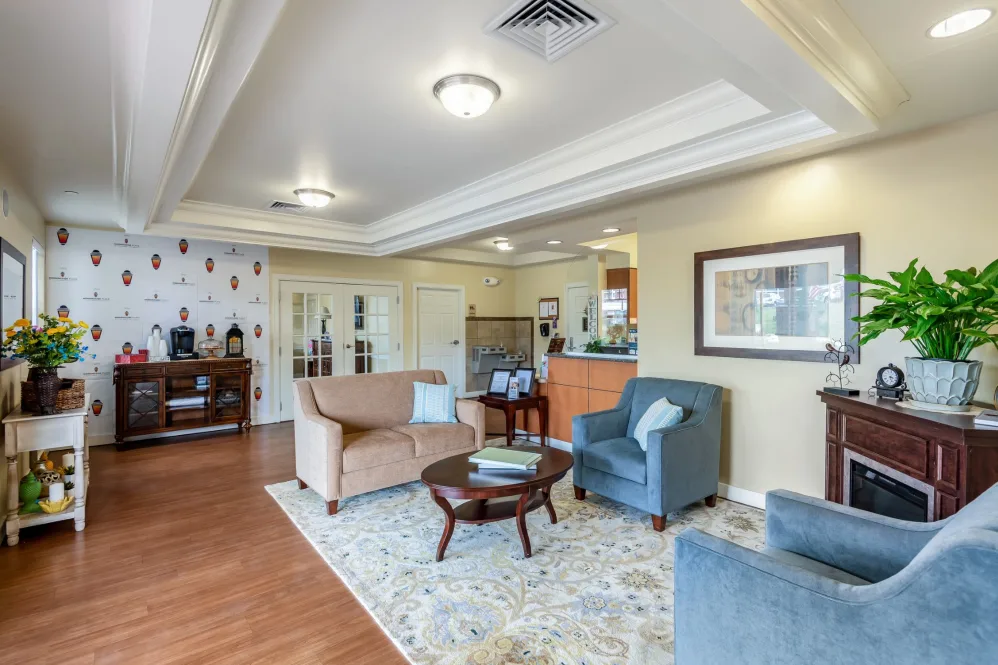
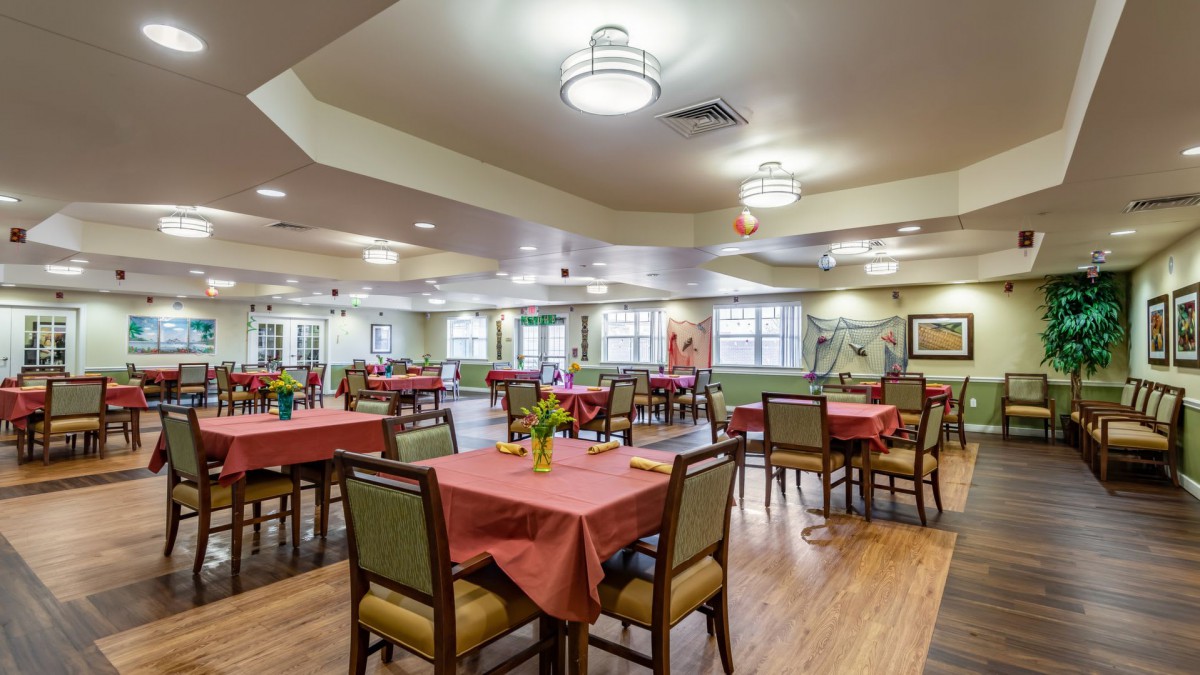
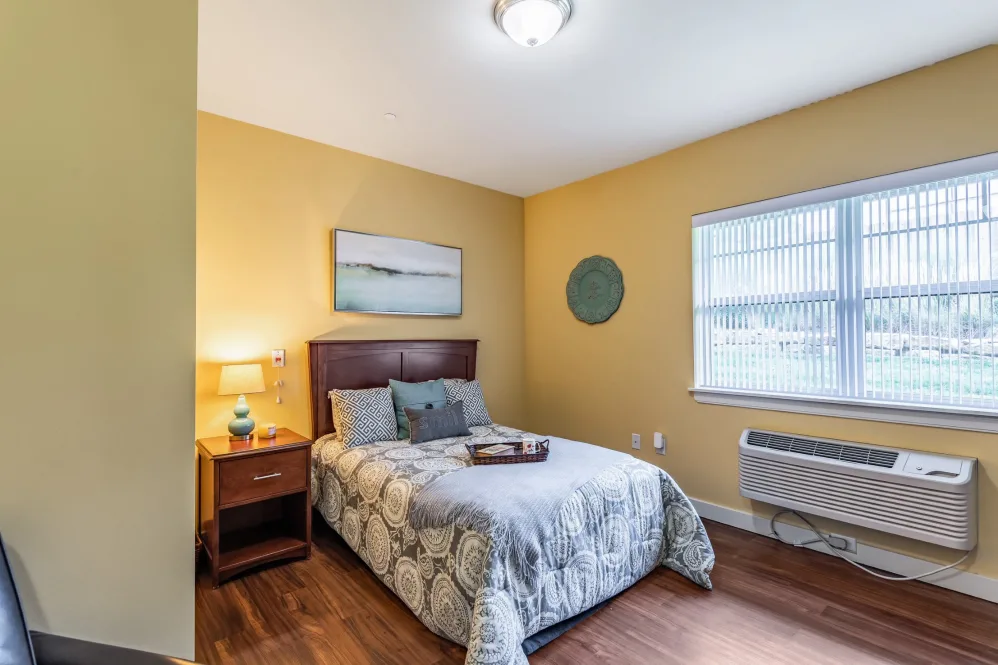
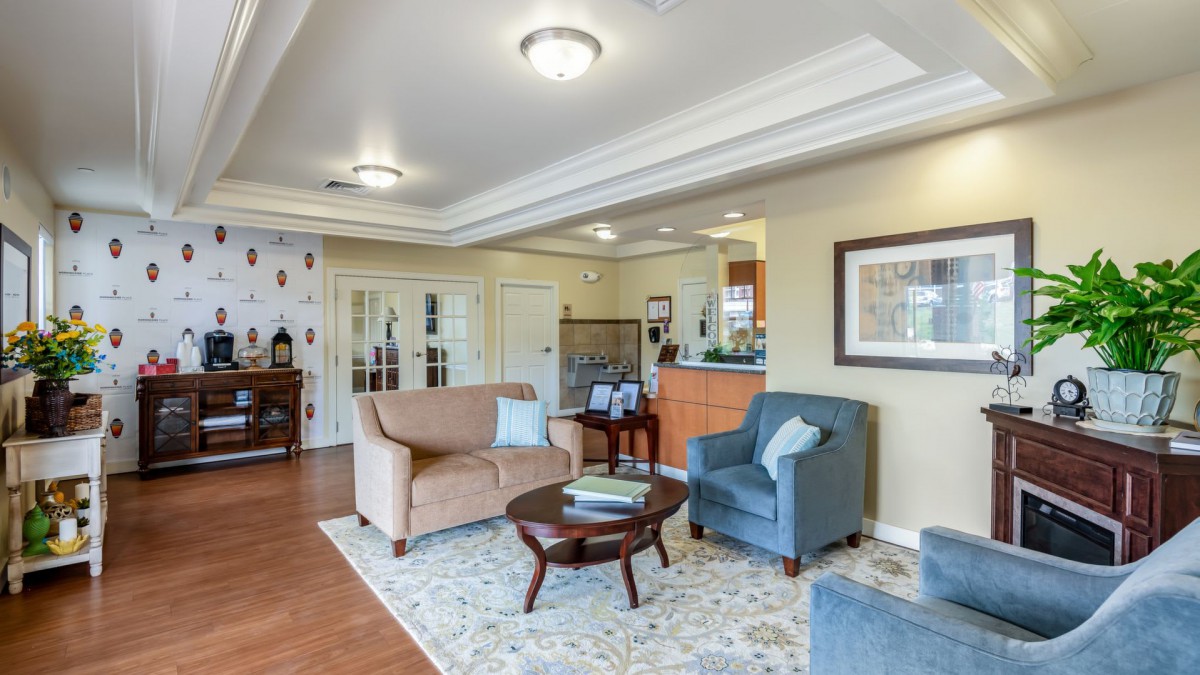
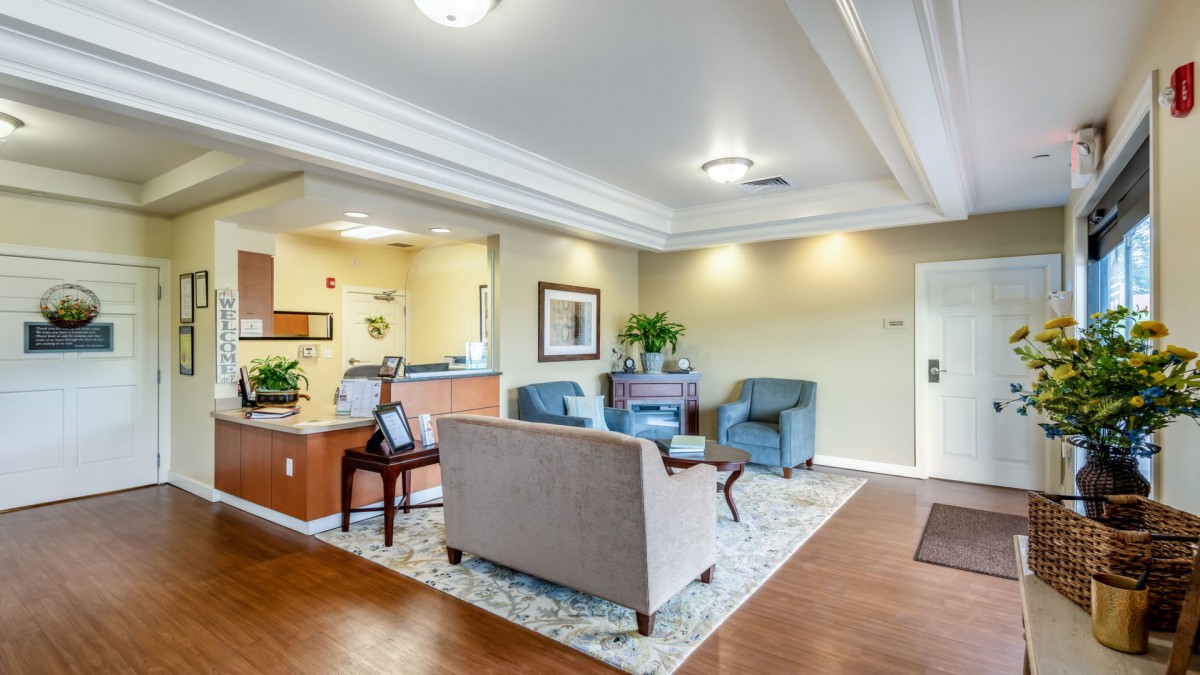
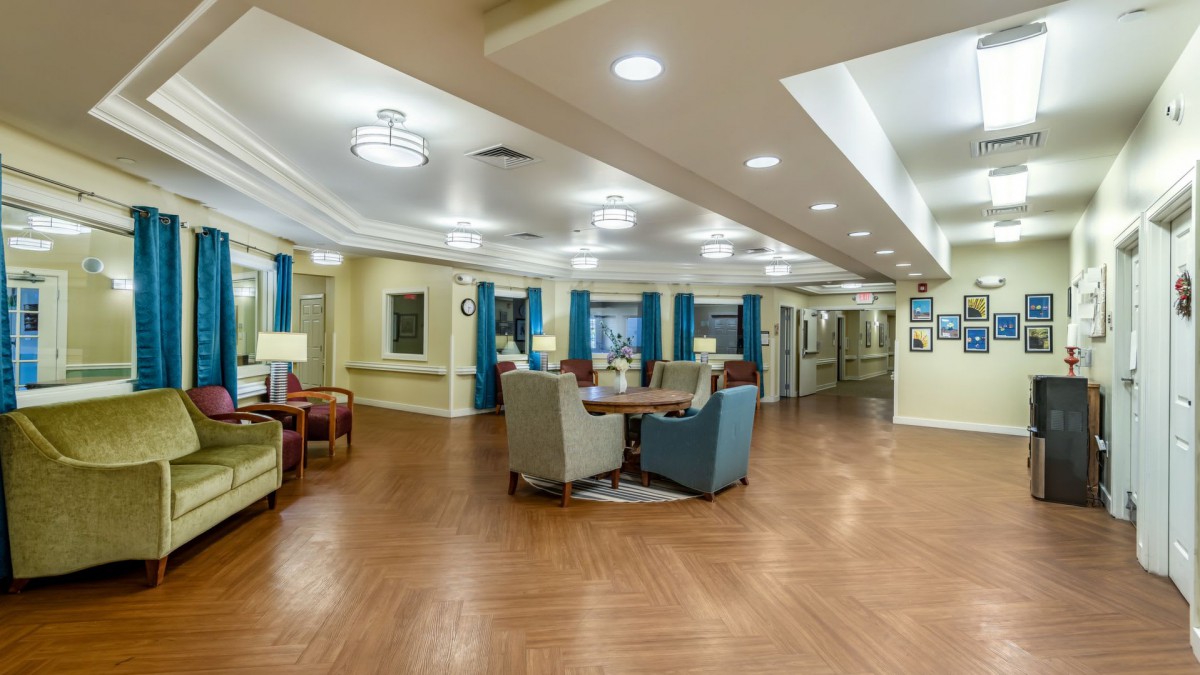
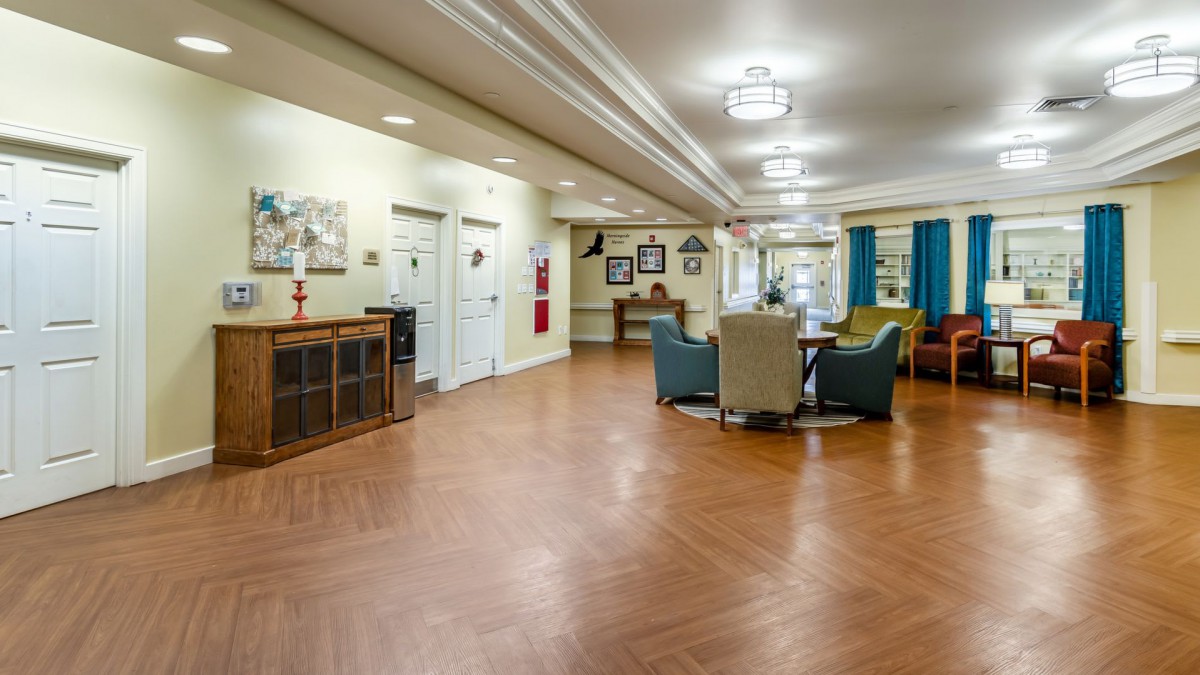
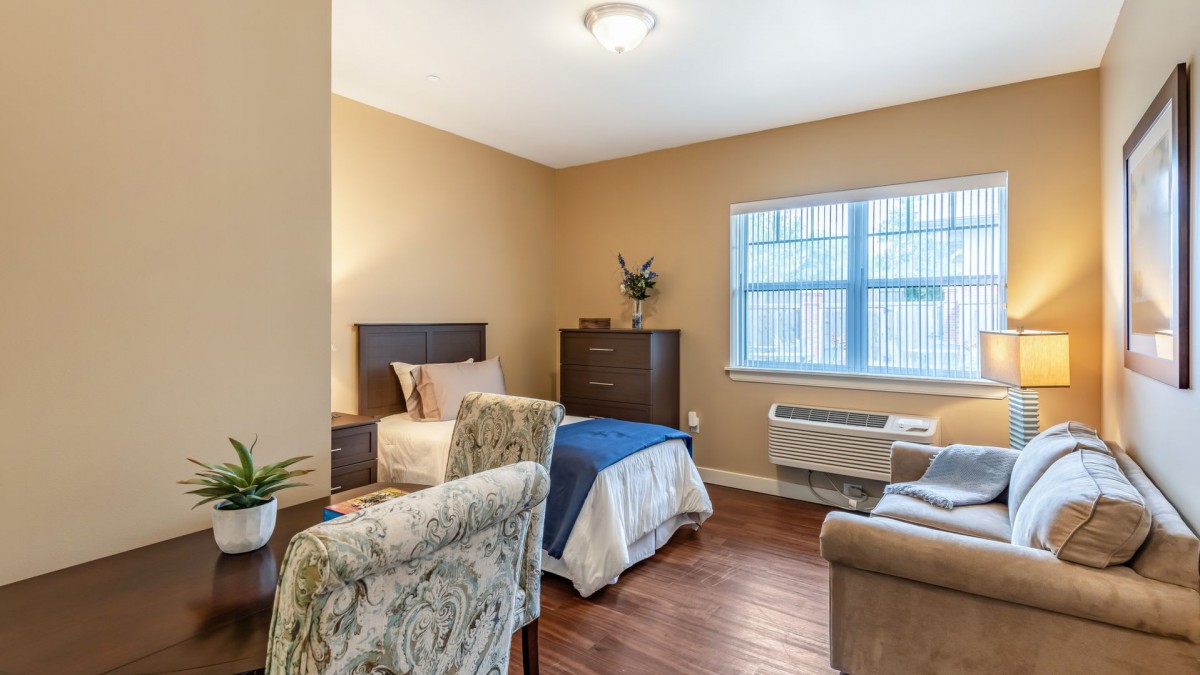
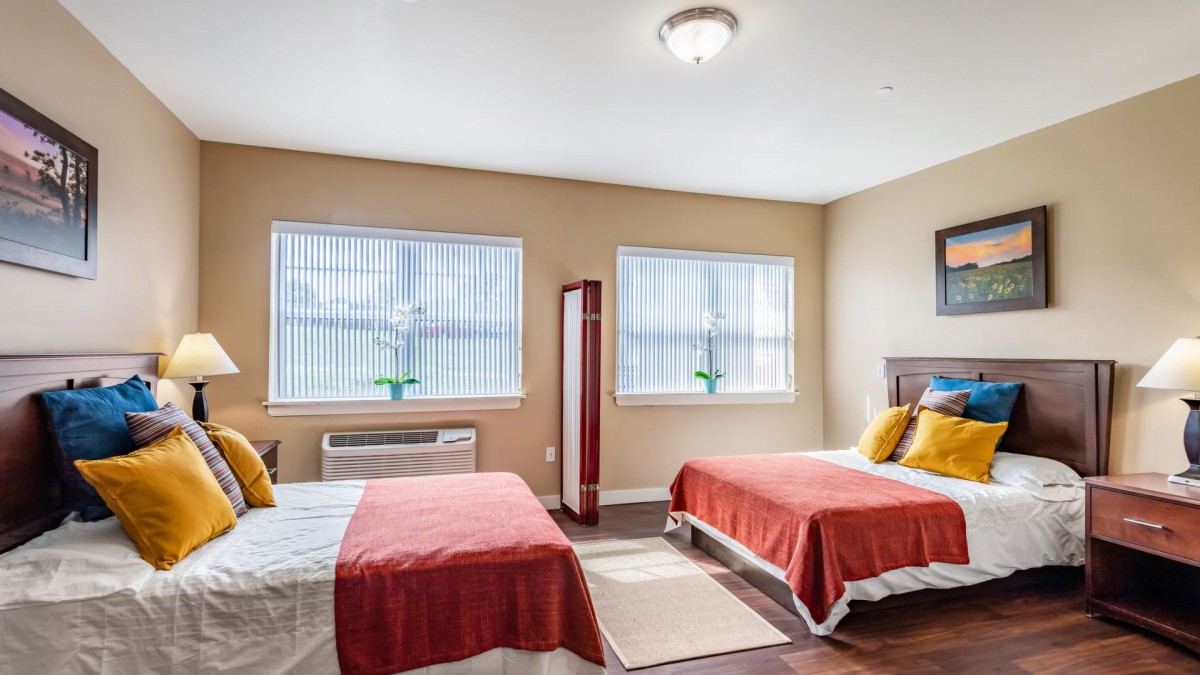
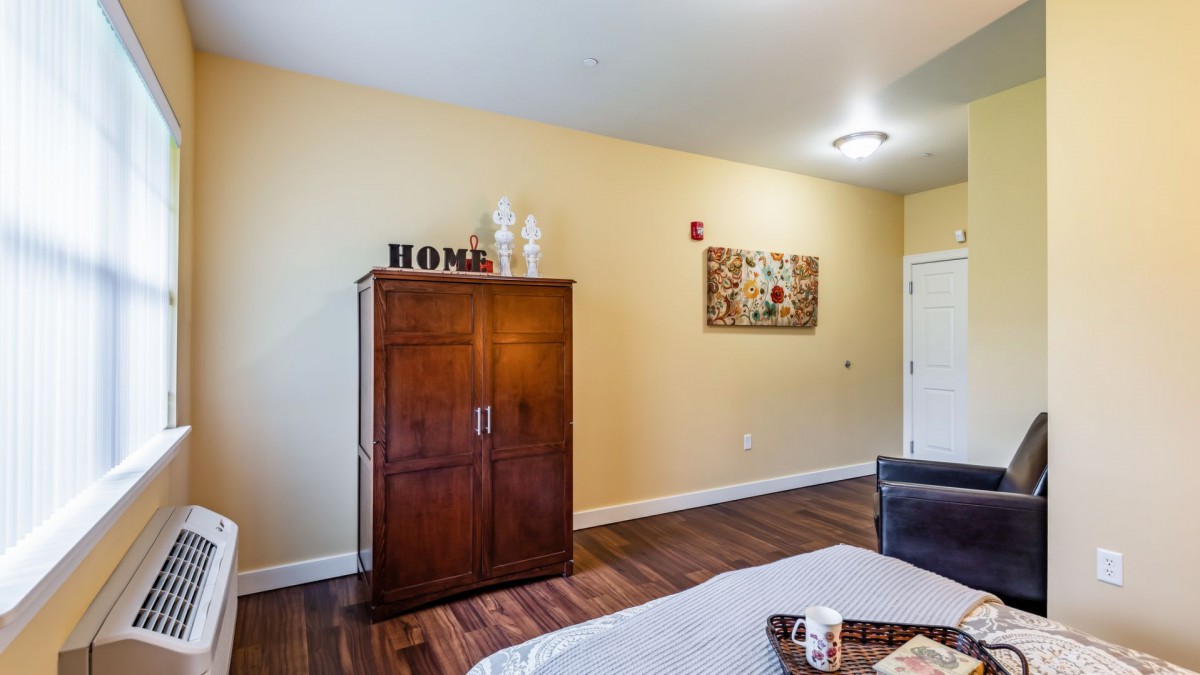
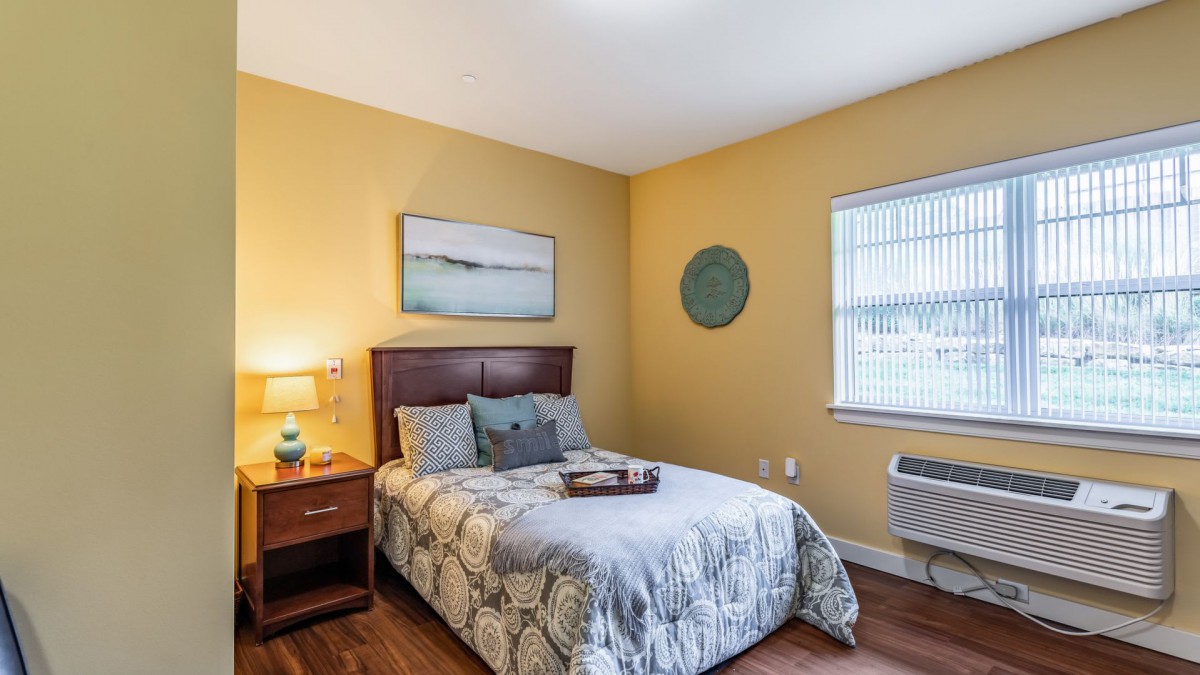
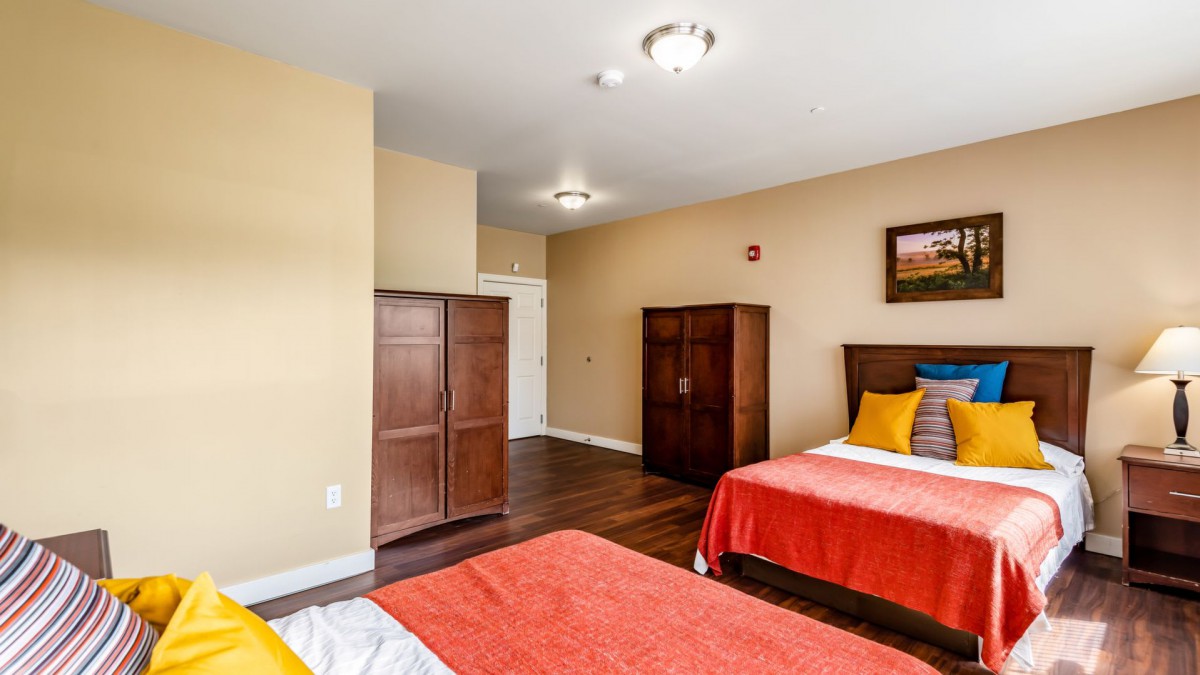
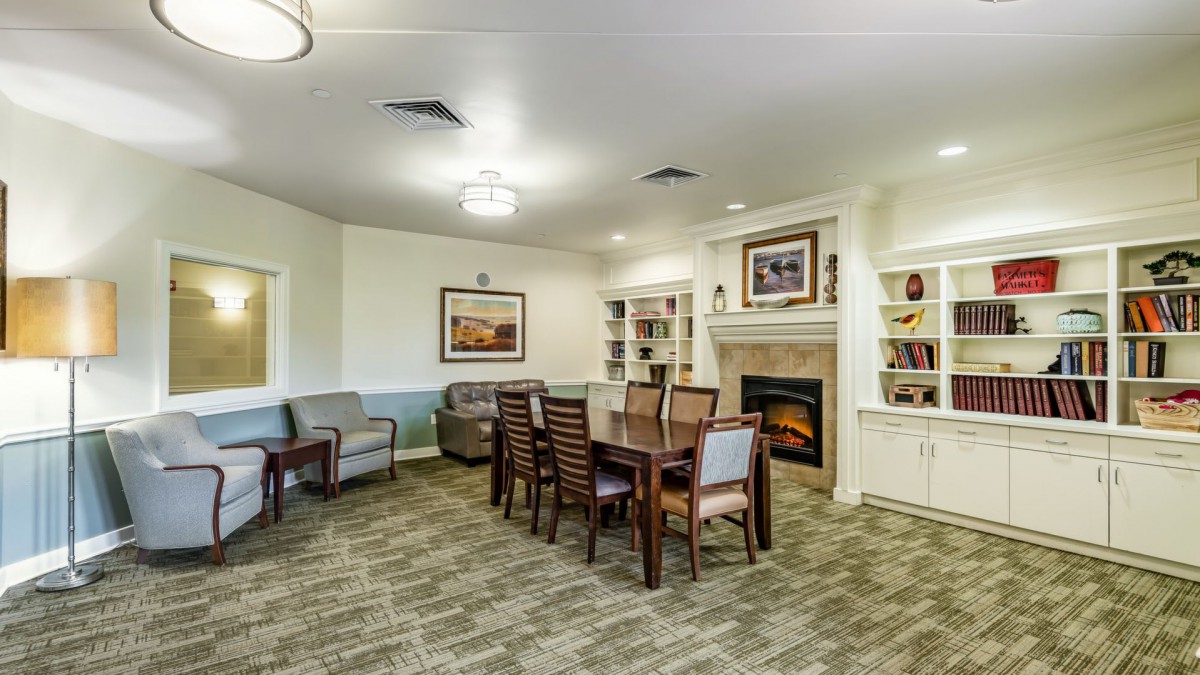
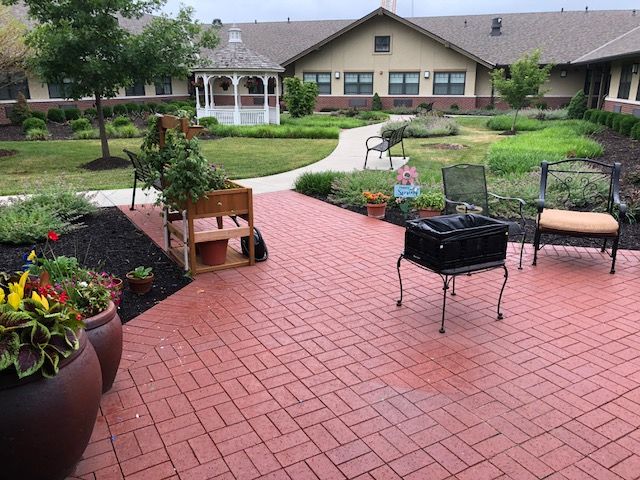
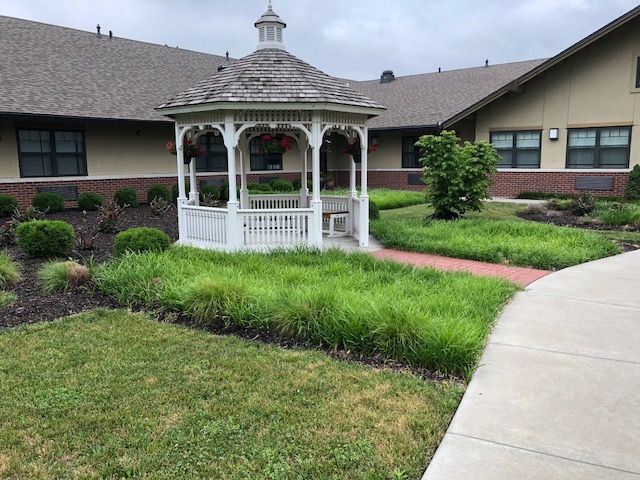
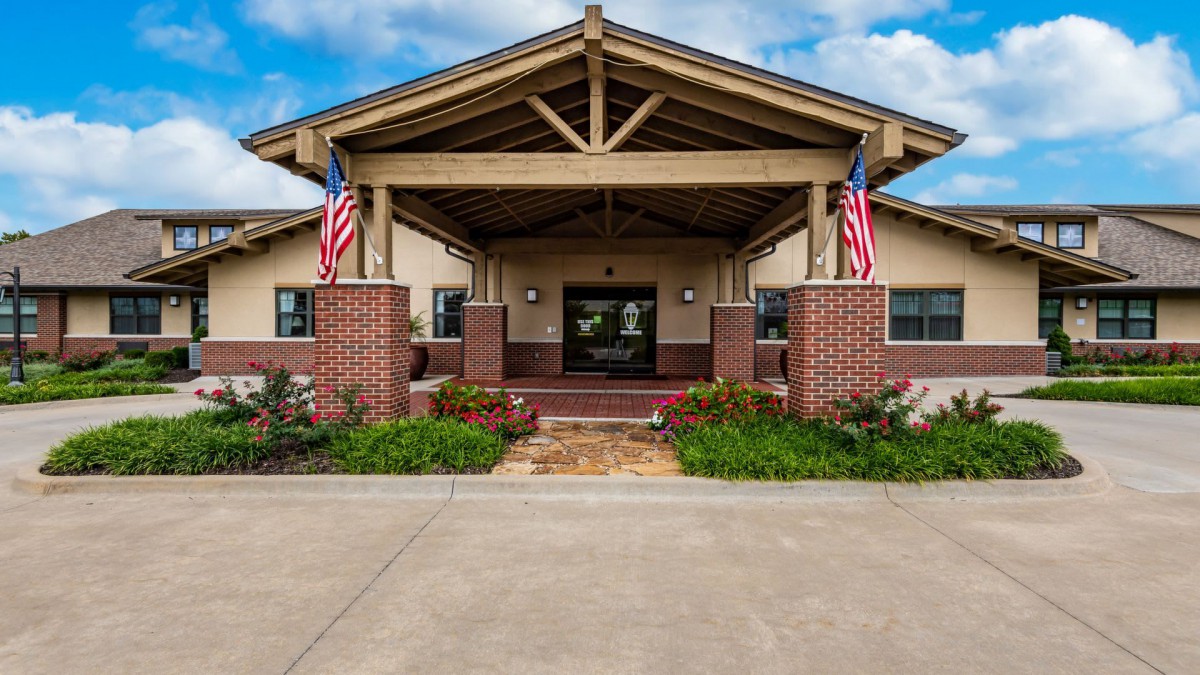
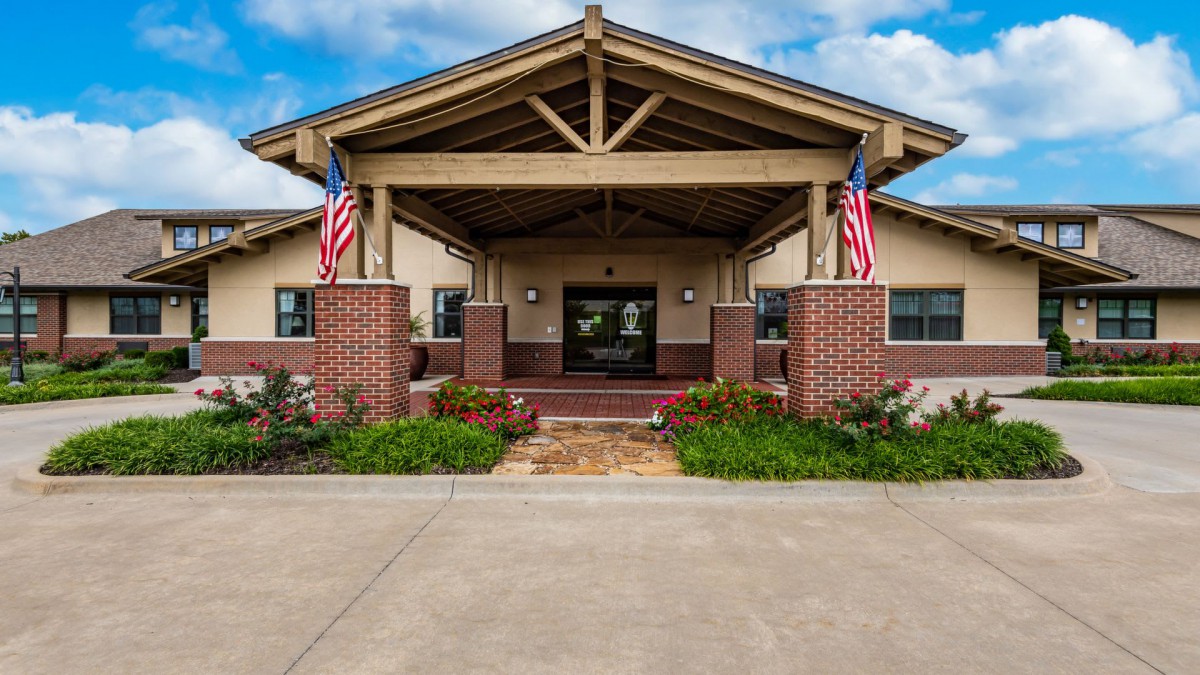
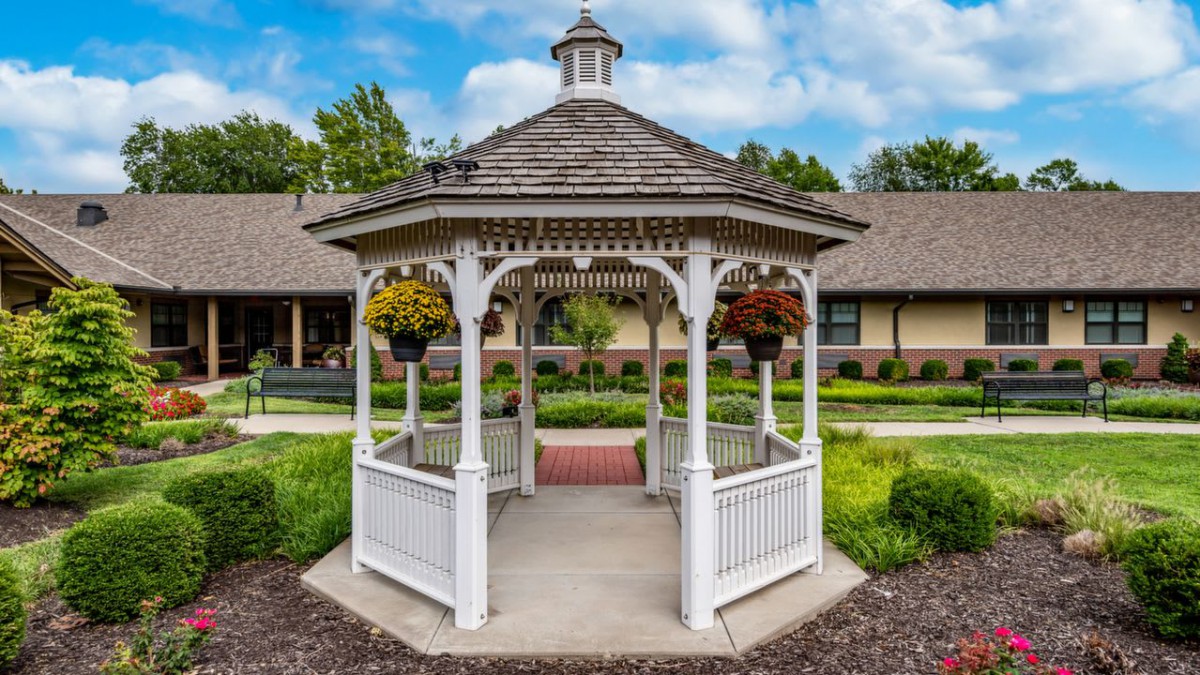
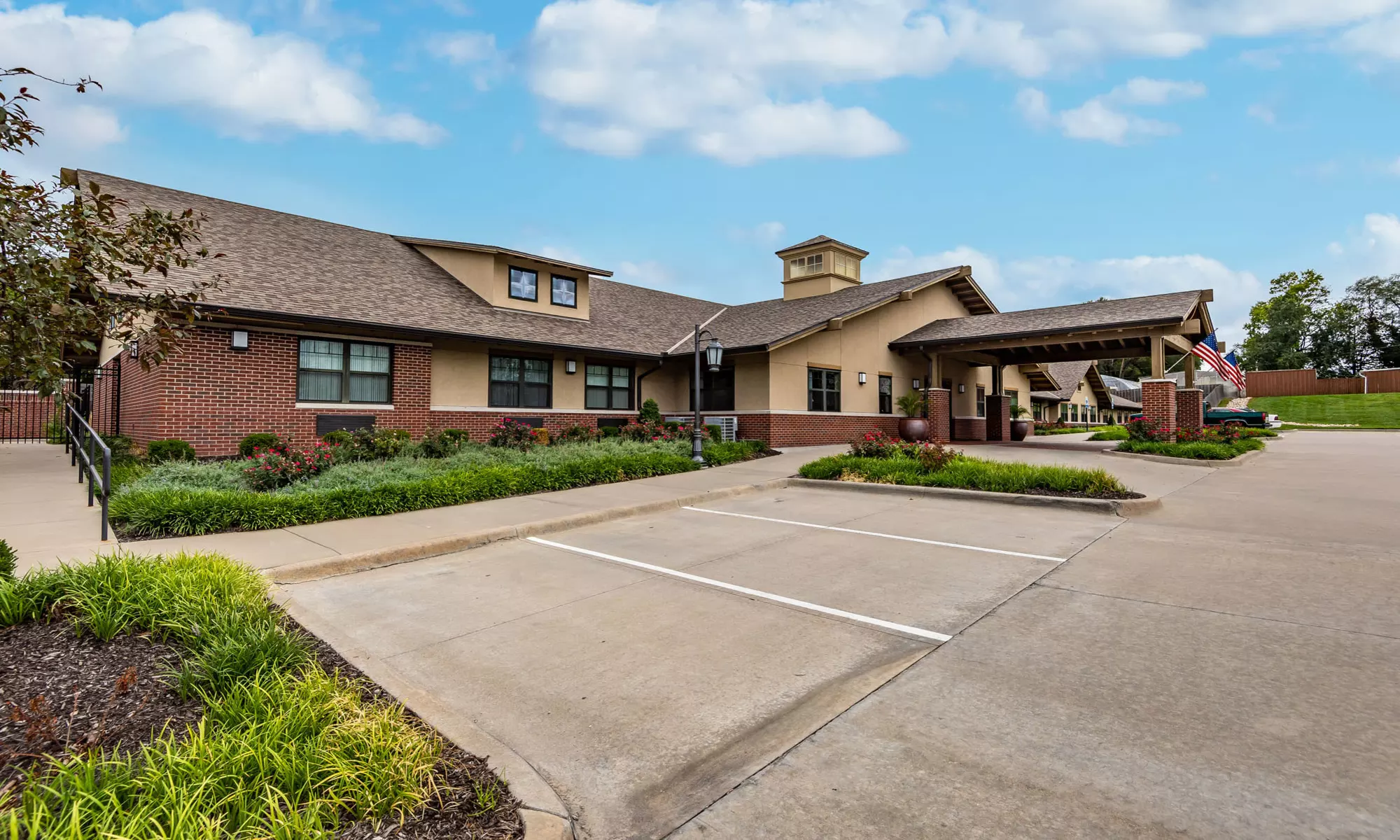
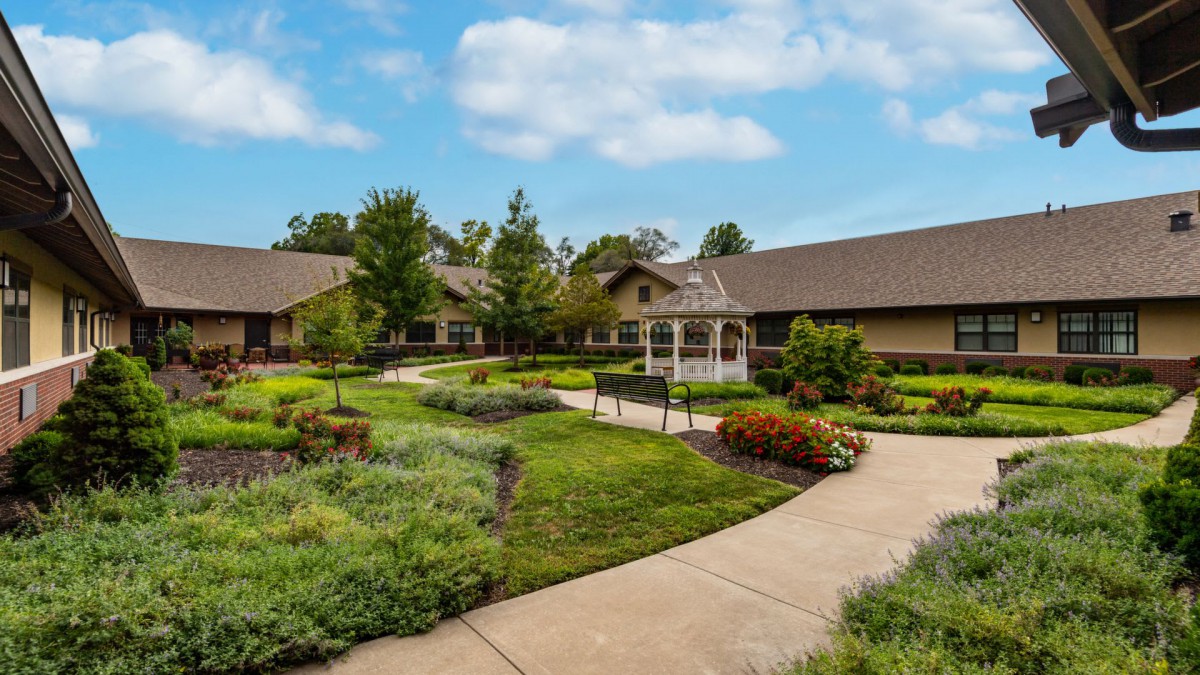
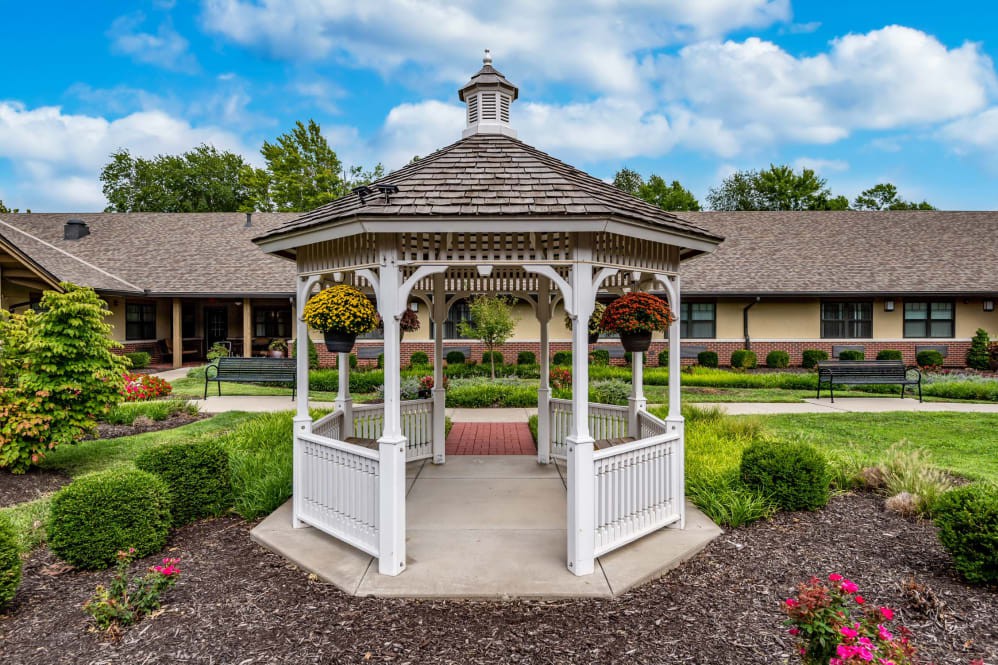
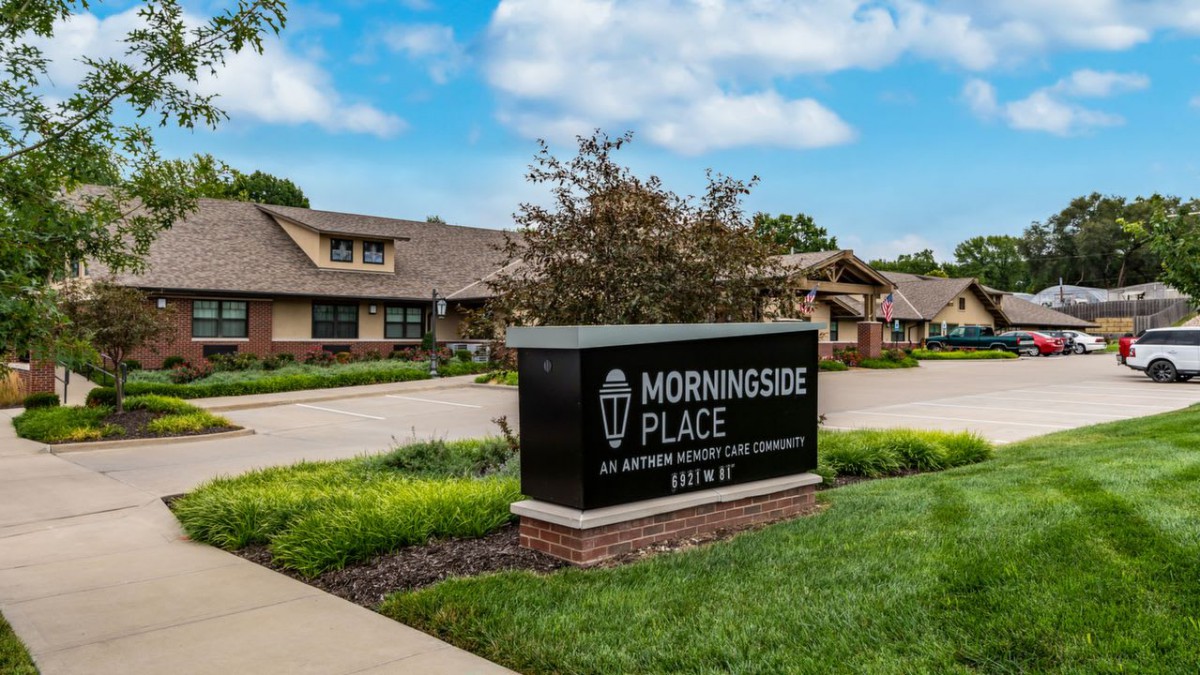
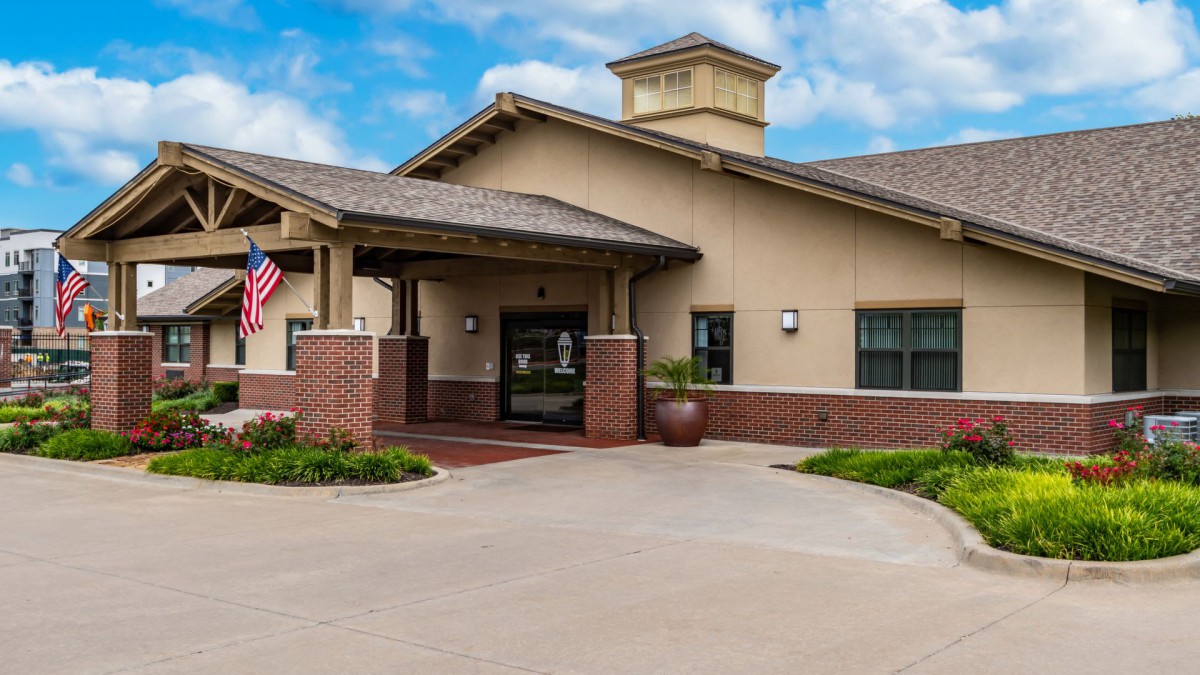
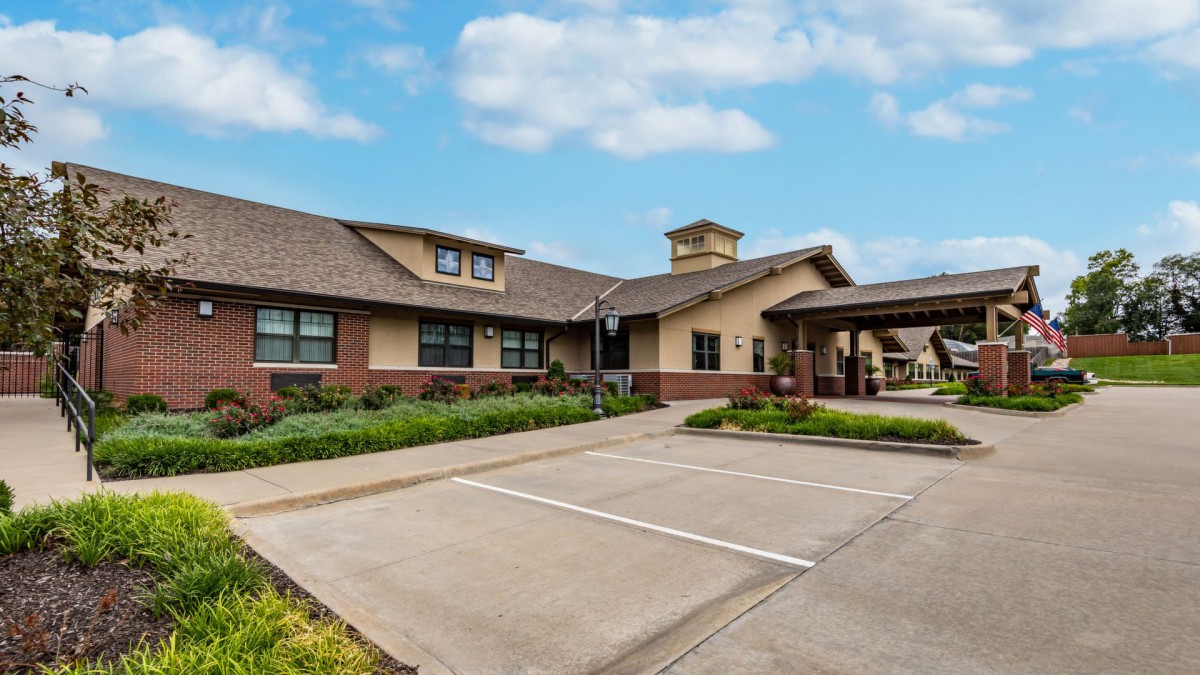
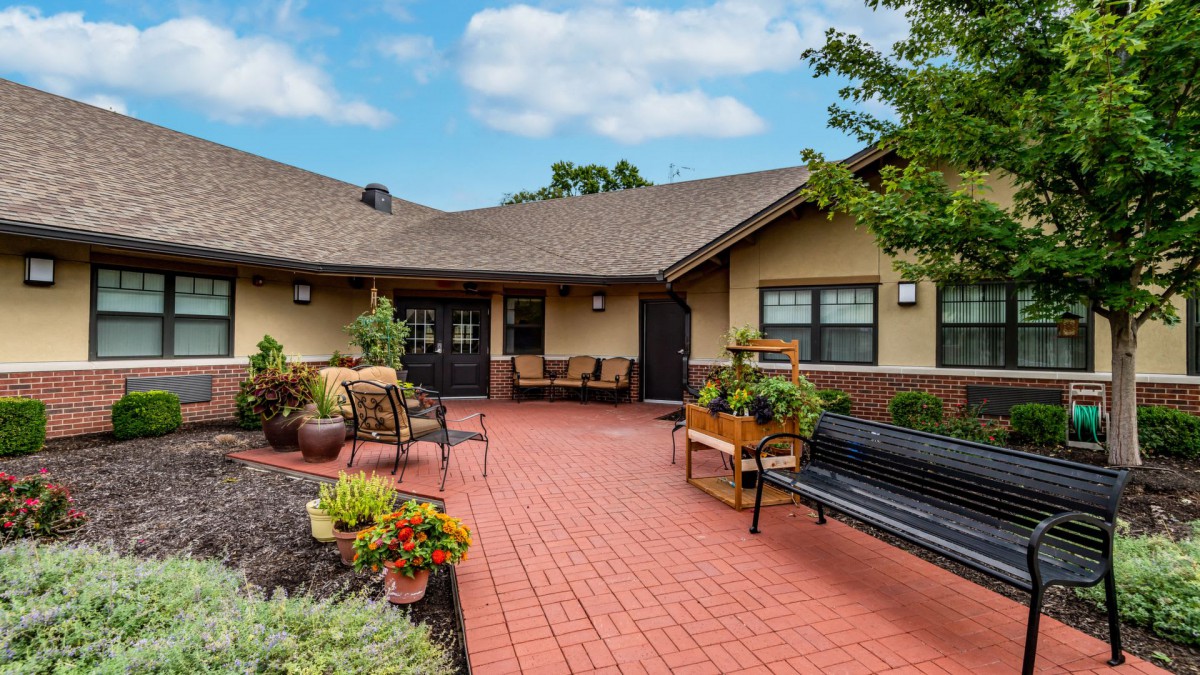
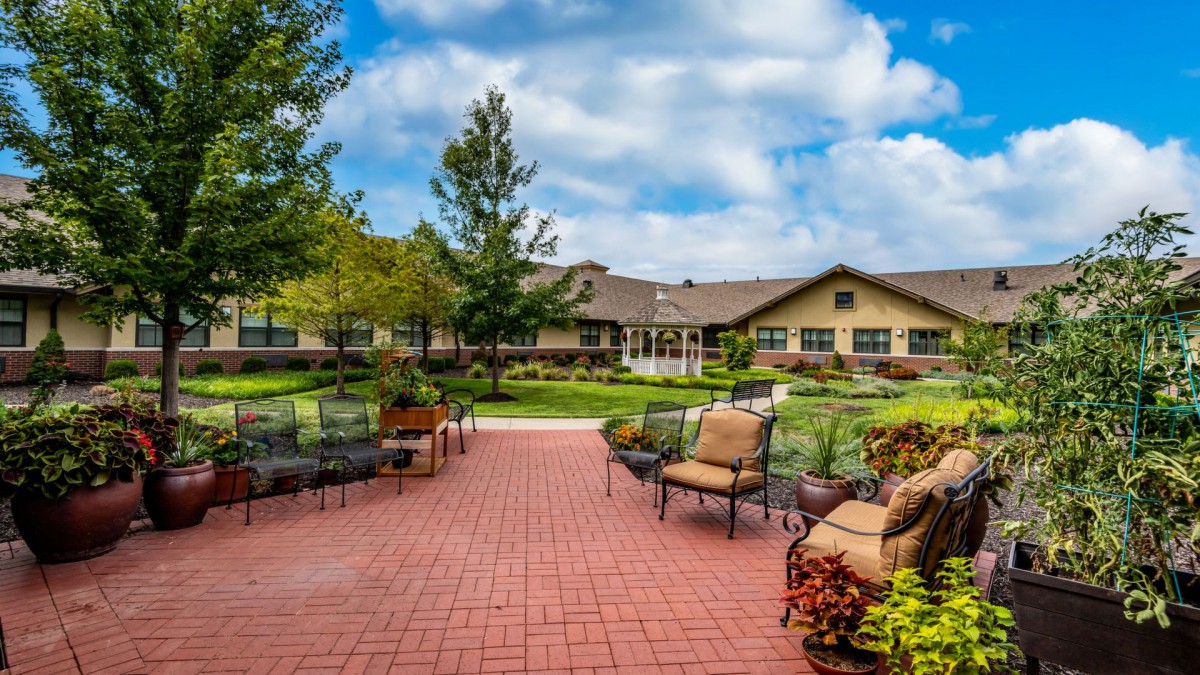
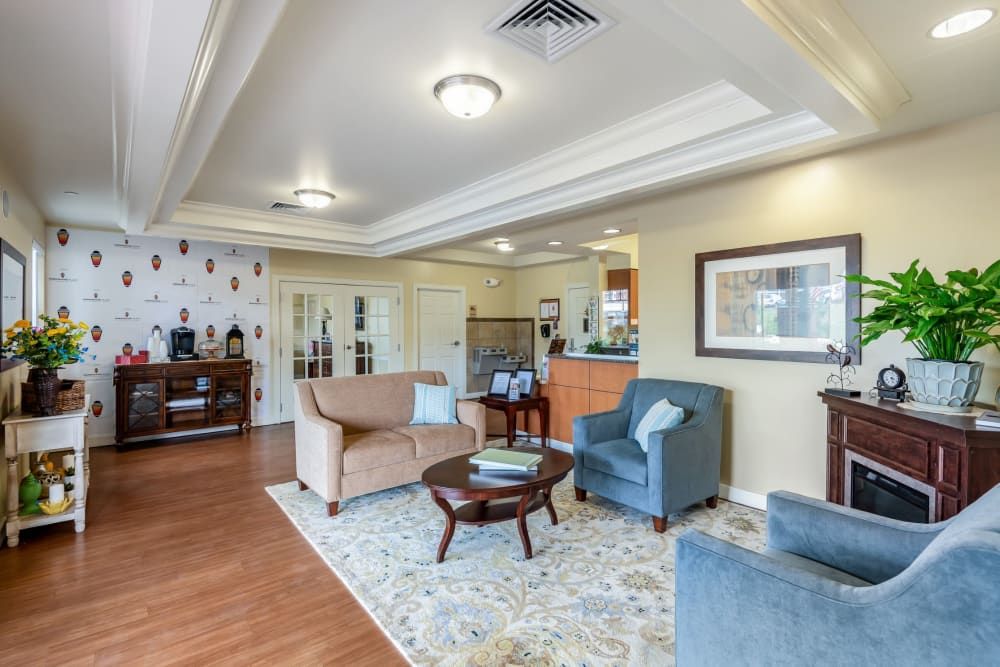
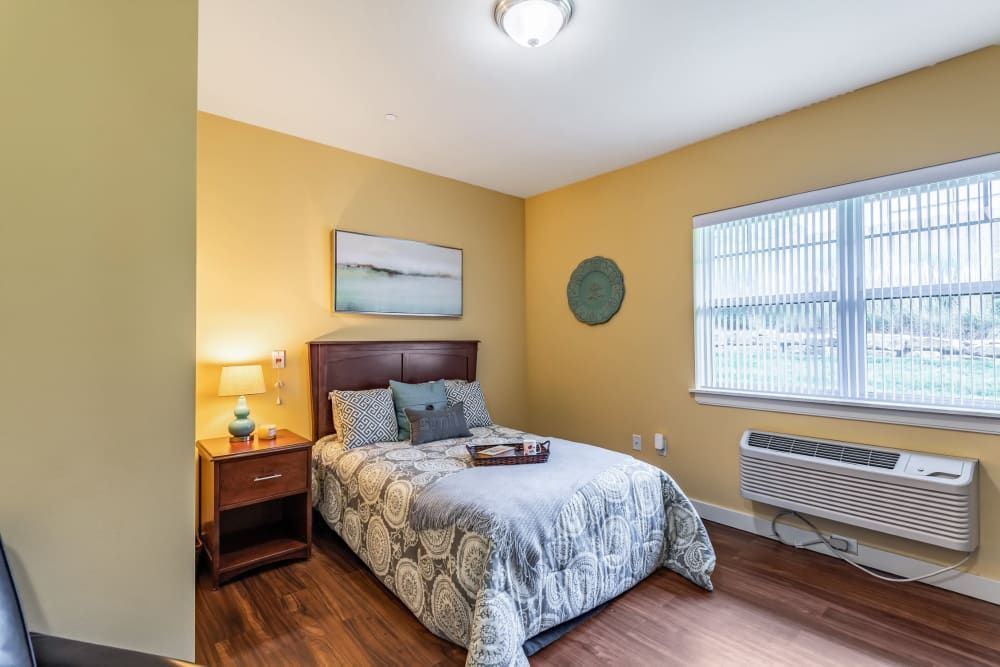
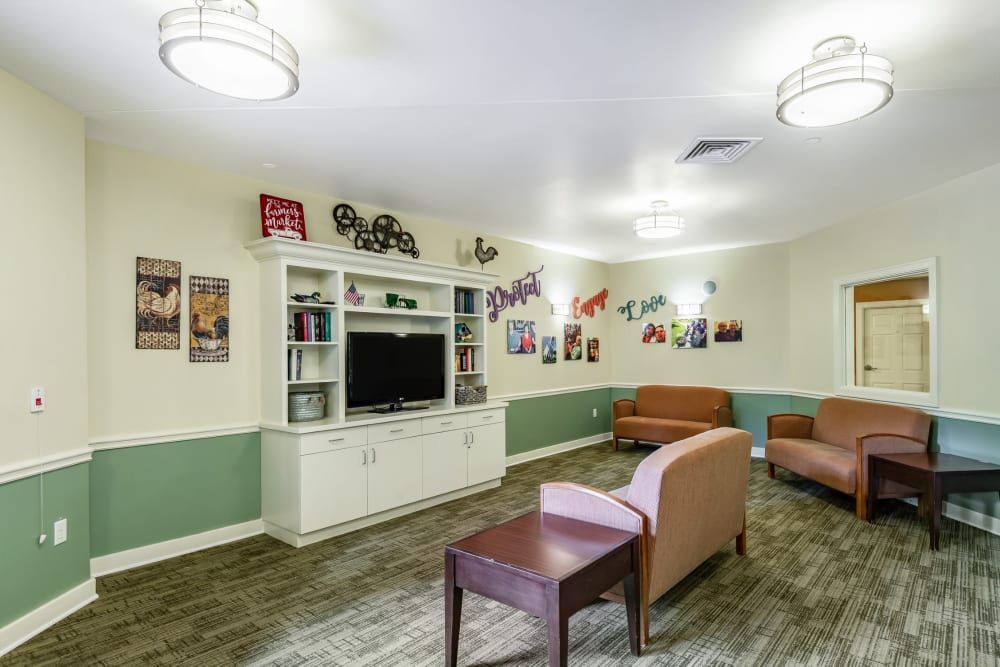
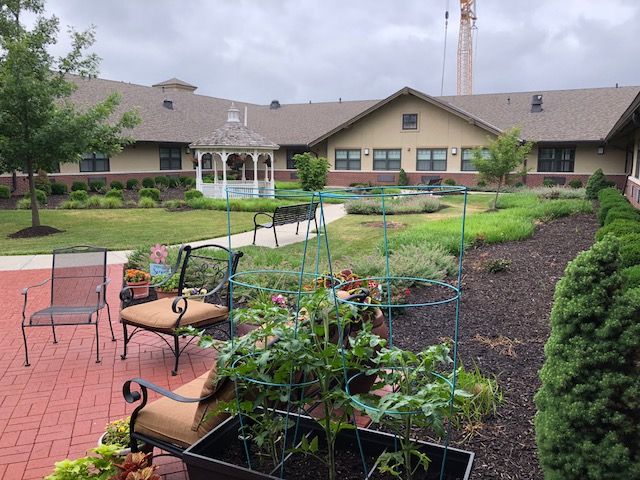
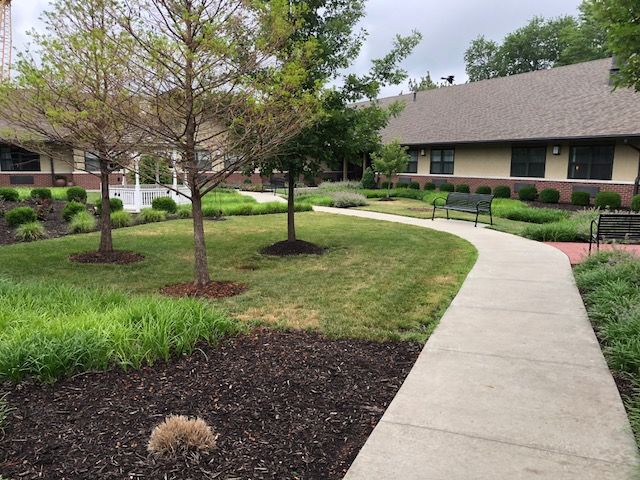
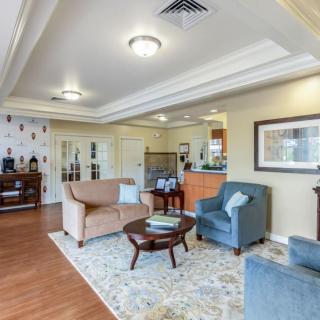
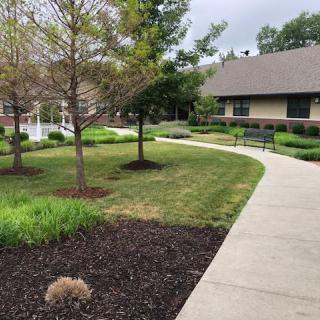
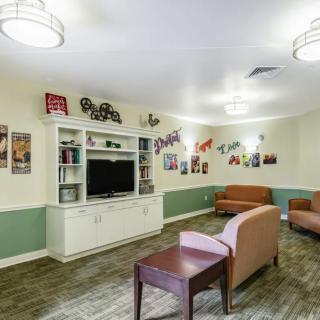
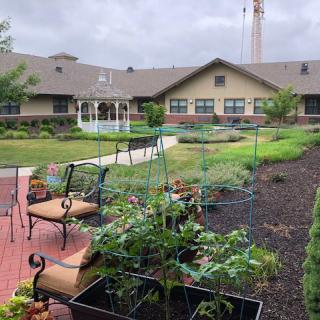
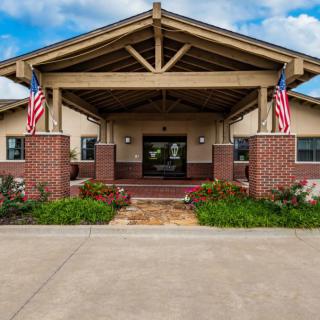
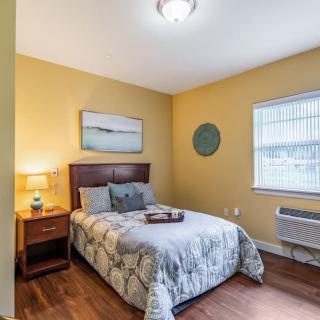
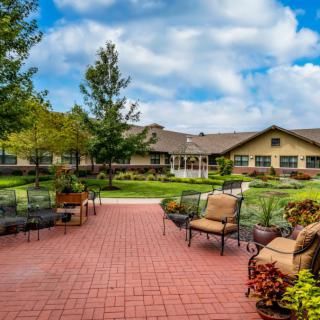
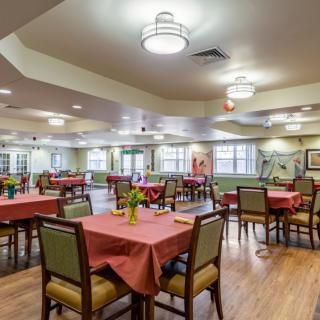
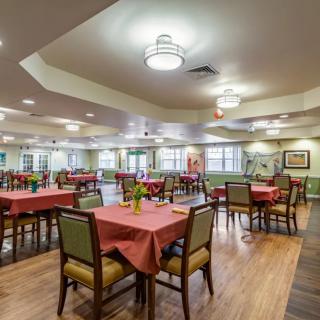
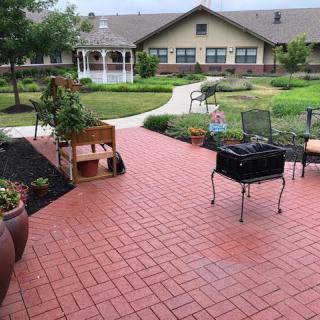
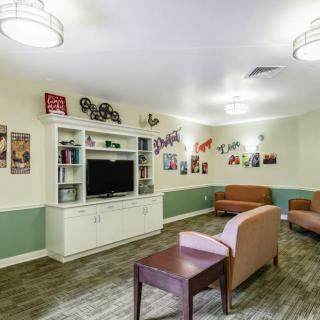
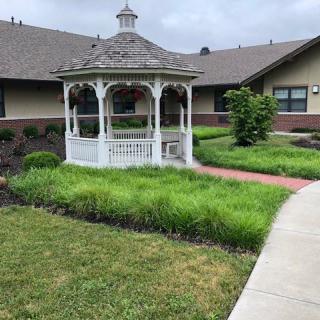
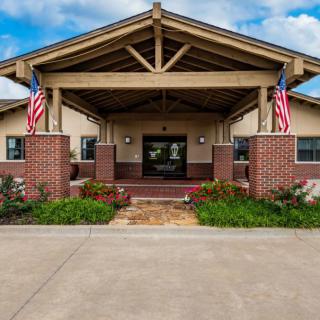
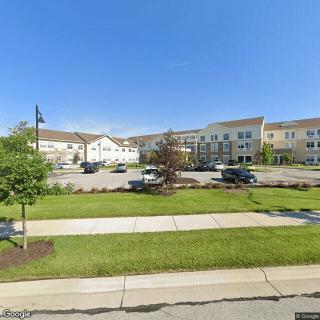
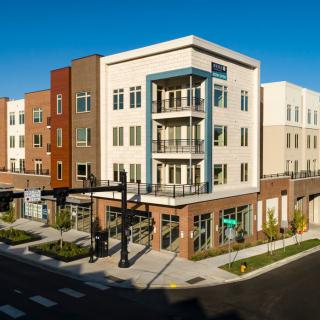
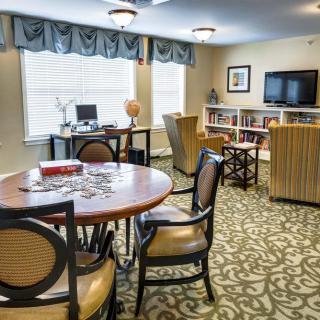
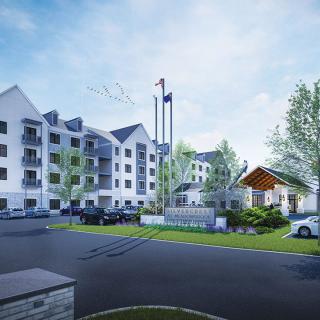
Morningside Place on seniors.fyi includes 36 photos including images showing interior, landscaping, bedroom, decor, building, garden, living room, architecture, and more.
Nearby Communities
Avenue 81 Senior Living
Overland Park, KS
4.5 from 23 reviews
Comprehensive care options with 24-hour supervision and a mental wellness program.
Evercare Home Health
Shawnee Mission, KS
5 from 1 review
Professional, prompt service with quick caregiver placement and flexible scheduling.
Overland Park Nursing And Rehab Center
Overland Park, KS
4.3 from 38 reviews
Extensive amenities and broad care services with engaging activities.
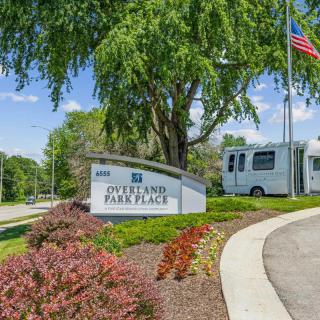
Overland Park Place
Overland Park, KS
4.6 from 115 reviews
$1,925 to $2,760 / month
Friendly, accommodating staff and a welcoming community with good dining.
American Companion Care
Overland Park, KS
Vibrant assisted living with easy access to nearby amenities (cafes, parks, pharmacies, doctors, restaurants, worship centers, hospitals).
Avenue 81
Overland Park, KS
4.2 from 41 reviews
$3,010 to $5,210 / month
Friendly staff, clean environment, and a variety of on-site activities with good dining.
Glenwood Village of Overland Park
Overland Park, KS
4.3 from 116 reviews
$3,399 to $6,399 / month
Friendly, caring staff in a warm, home-like community with engaging activities.
Care Haven Homes Southmoor
Overland Park, KS
4.7 from 23 reviews
$6,100 / month
Remodeled homes with spacious bedrooms, a 5:1 staff ratio, and on-site lab services.
Caregiver support groups are crucial for providing emotional and practical assistance to those caring for loved ones, offering resources, coping strategies, and a sense of community through various organizations and platforms. These groups help alleviate isolation and burnout while addressing the unique challenges faced by caregivers of individuals with specific conditions.
The guide outlines the complexities of Medicaid coverage for assisted living, highlighting significant state-to-state variations, limited coverage often restricted to personal care services, and the existence of specialized waivers for certain needs like memory care. It advises families to consult local Medicaid offices for options while emphasizing the importance of understanding state-specific regulations and facility policies.
Medicaid coverage for assisted living varies by state and is primarily available to low-income individuals, with eligibility dependent on strict income and asset limits. Some states offer HCBS waivers for specific services in assisted living, but families must generally cover room and board costs, and should verify facility acceptance of Medicaid while considering potential waiting lists.
Outdoor Seating, Building Exterior, and Potted Plants
Seating and Lounge Area
Wall Art
Nature
Painting
Parking
Porch
Grass
Courtyard
Clouds
Rug
Brick
Gazebo
Outdoor Furniture
Living Area
Lighting Fixtures
Reception Desk
Wooden Flooring
Vegetables
Get PricingAsk A QuestionSchedule A TourContact Senior Advisor
By clicking submit, you agree to our Partner's Terms of Use. You
also consent to receive calls and texts, which may be autodialed, from our Partner. Your consent is not a condition to
using our Partner's service. Please visit our Partner's Privacy Policy for information about their privacy practices.

 66 resident community capacity
 1-bedroom apartments
 Memory Care
 Respite Care
 Activities off-site
 Air-conditioning
 Bath tubs
 Beautician on-site
 Cable or satellite TV
 Computer center
 Devotional services on-site
 Dining room
 Family education and support services
 Financial aid
 Fitness room
 Fully furnished
 Gaming room
 Garden
 Ground floor units
 Handicap accessible
 Housekeeping services
 Indoor common areas
 Kitchenette
 Move-in coordination
 Outdoor common areas
 Private bathrooms
 Restaurant-style dining
 Small library
 Telephone
 Wellness center
 Wheelchair accessible showers
 Wi-Fi/high-speed internet available
 Kansas City International (22 miles away)
 Community operated transportation
 12-16 hour nursing
 24-hour call system
 Ambulatory care
 Assistance with bathing
 Assistance with dressing
 Assistance with transfers
 Diabetes diet
 Diabetic care
 Hospice waiver
 Incontinence care
 Medication management
 Mental wellness program
 Special dietary restrictions
 Transportation arrangement (medical)
 Art classes
 Catholic services
 Concierge services
 Cooking classes
 Day trips and outings
 Karaoke
 Live dance or theater performances
 Live musical performances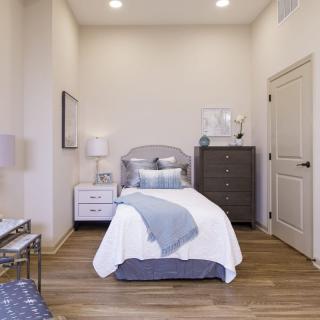
 Comprehensive care options with 24-hour supervision and a mental wellness program.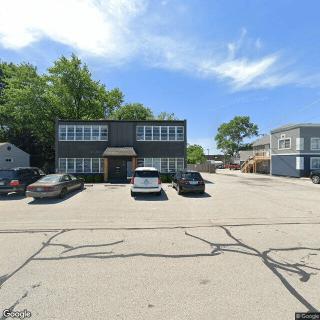
 22 Remarkable Caregiver Support Groups Available Online and In-Person
 Understanding Medicaid Coverage for Assisted Living: A Comprehensive Guide
 How and When Medicaid May Cover Assisted Living Costs