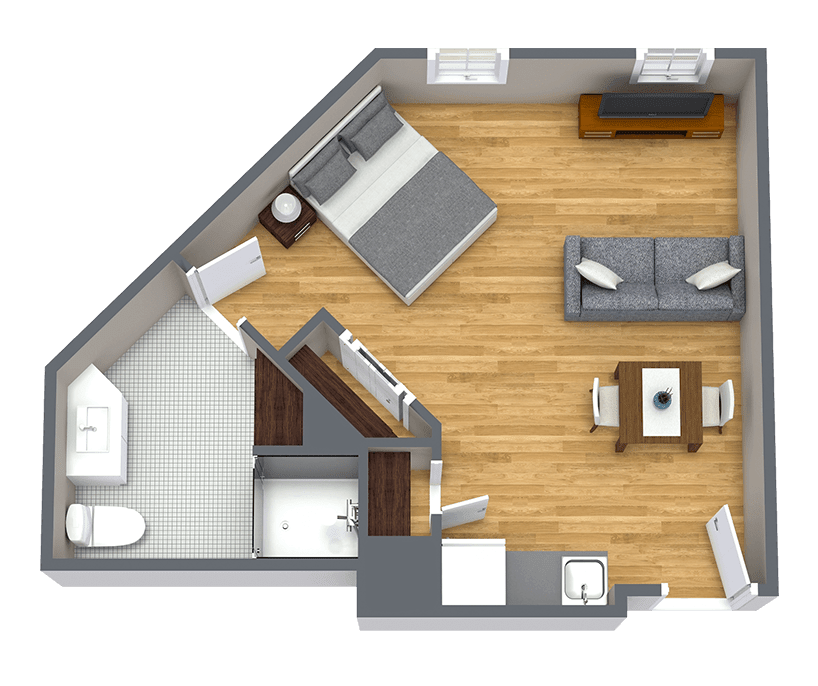
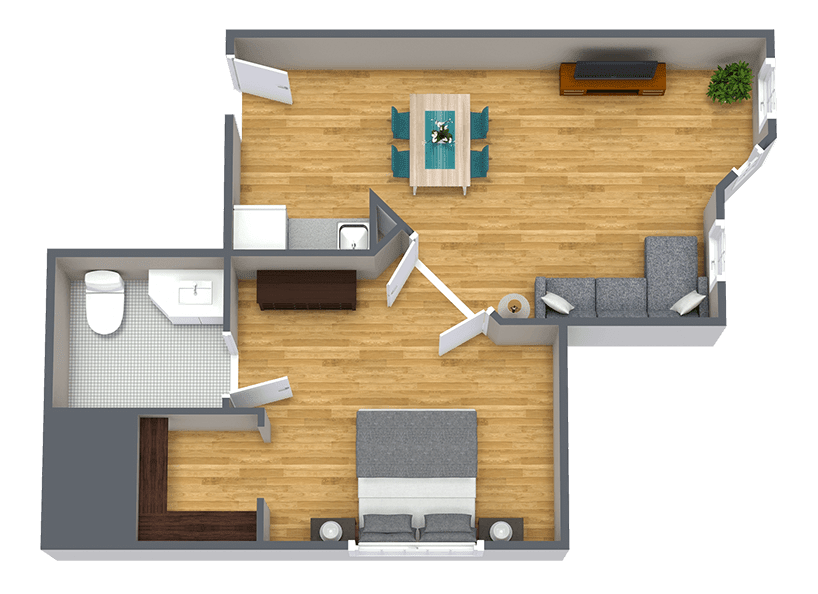
Glenwood Village of Overland Park offers competitive pricing for its housing options compared to both Johnson County and the broader state of Kansas. For a studio apartment, residents can expect to pay $3,399 per month, which is significantly lower than the county average of $4,549 and the state average of $4,094. However, costs shift with larger units; a one-bedroom apartment at Glenwood is priced at $5,595 - higher than both the county ($4,262) and state averages ($3,859). The two-bedroom option further reflects this trend with a monthly rate of $6,399, again surpassing both Johnson County's average ($4,411) and Kansas's average ($3,562). Overall, while Glenwood Village offers appealing options for studio living at a better value than its neighbors, it does present higher prices for larger accommodations.
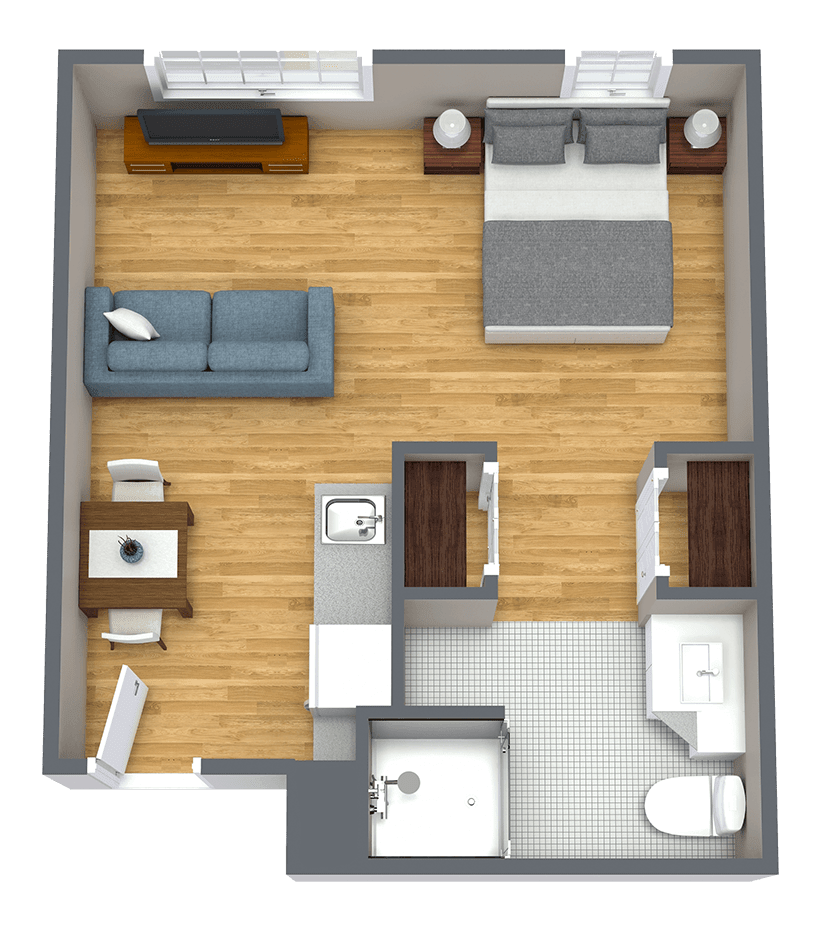
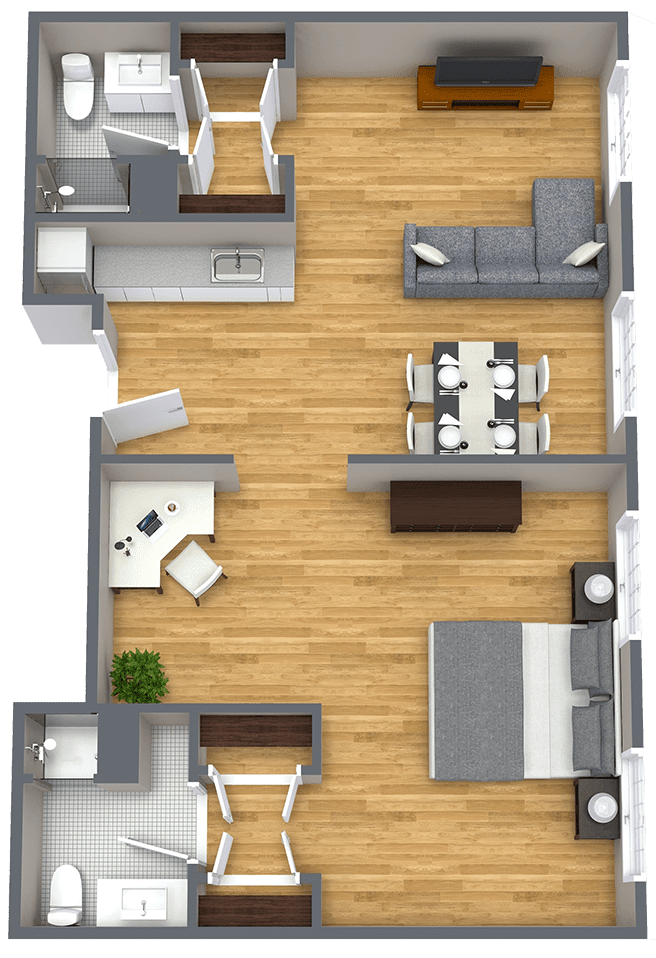
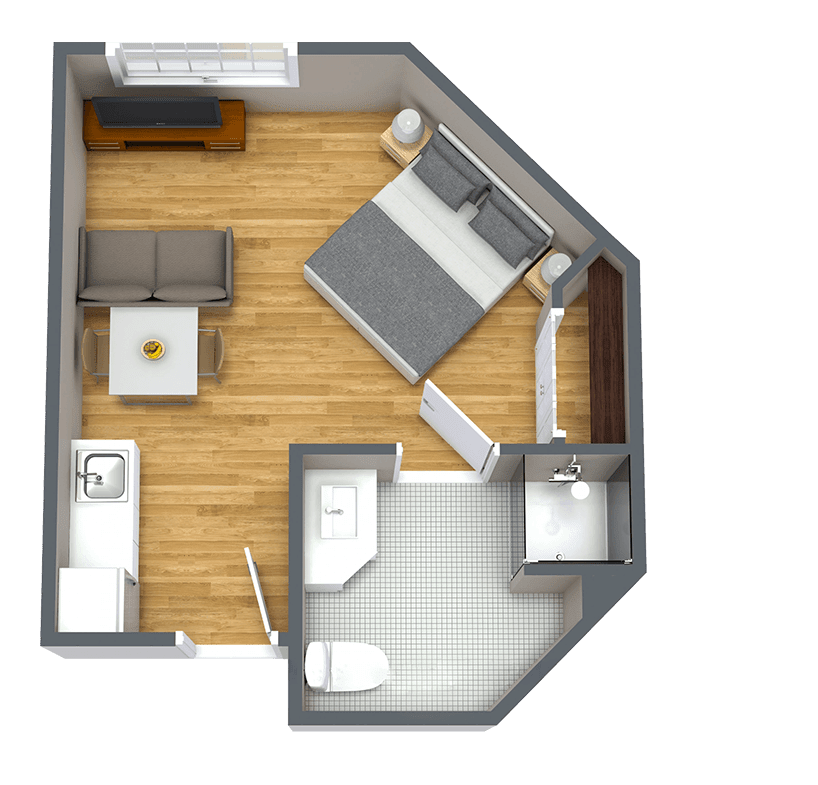
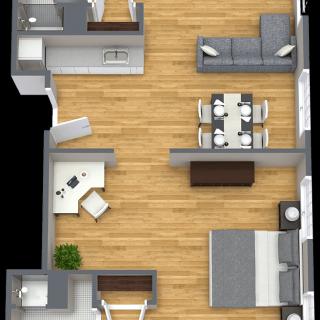
Floor plans
Glenwood Village of Overland Park
Johnson County
Kansas
Studio
$3,399
$4,549
$4,094
1 Bedroom
$5,595
$4,262
$3,859
2 Bedrooms
$6,399
$4,411
$3,562
Memory care communities with a similar price nearby
Overall Review of Glenwood Village of Overland Park
common28 reviews mention this
Staff care and responsiveness stand out
Residents and families repeatedly describe staff as friendly, caring, and responsive to needs.
A consistent theme across reviews is how approachable and helpful the staff feels day to day. Many people describe caregivers taking time, learning names, and following up with updates, especially during stressful transitions. Residents are also described as feeling safe and supported, with families saying communication and assistance were generally dependable.
caveat14 reviews mention this
Dining quality is a mix
Dining gets mixed feedback, with praise for quality but recurring complaints about limited or inconsistent options.
Several reviewers say the meals are enjoyable, with positive comments about food quality and staff delivering meals when needed. At the same time, other reviews mention problems such as not enough meal options, food feeling middling, or needing improvements after complaints. One reviewer also described a desire for more variety, even while noting that backup or “always available” options existed.
common15 reviews mention this
Activities help residents stay engaged
Residents describe a busy schedule of activities that helps them stay social and active.
Reviews frequently mention outings, entertainment, and group activities that give residents reasons to get out of their rooms. Some residents highlight specific programming like movie nights and music entertainment, and families say their loved ones were encouraged to participate. This matches the community’s broad activity offering, including regular scheduled programming and fitness-oriented options.
differentiator6 reviews mention this
Memory care and clinical support
Memory care reviews describe dedicated support for dementia and medication coordination during moves.
When people mention memory care, they often focus on how the community handled the transition and ongoing support. One reviewer describes staff walking them through medication delivery and introducing the primary care provider and APRN, while others emphasize memory-focused activities. Others also note that choosing the right care level matters, especially when needs change quickly after moving in.
common4 reviews mention this
Pricing is positioned as affordable
Multiple families say the pricing felt aligned with their budget and needs.
In the reviews, cost is mentioned in terms of affordability and matching what families were looking for. Several people describe studio choices as workable for the value, and others say the overall price point was comfortable. The listing pricing range also supports this “value” theme by showing unit rates that land below both county and state benchmarks across listed floor plans.
caveat5 reviews mention this
Care and communication can vary
Some reviews raise concerns about care consistency and communication after move-in.
While many reviews are positive, a smaller set describes problems with responsiveness and follow-through. One reviewer mentions delays getting assistance, and another describes staffing or supervision concerns that affected daily care. There are also complaints about communication and leadership stability, with reviewers saying the experience felt different after signing the contract.
How we summarize
Counts show how many written reviews mention each theme; a review can touch several themes, and only frequently mentioned themes are displayed.
Features
Housing
124 resident community capacity
1-bedroom apartments
2-bedroom apartments
3-bedroom apartments
Studio apartments
Types of Care
Assisted Living
Memory Care
Pets
Cats allowed
Dogs allowed
Amenities
Activities off-site
Activities on-site
Air-conditioning
Beautician on-site
Beauty salon
Cable or satellite TV
Computer center
Devotional services off-site
Devotional services on-site
Dining room
Financial aid
Financing advice
Fitness room
Fully furnished
Gaming room
Garden
Ground floor units
Guasts at mealtime
Guest parking
Home sale assistance
Housekeeping services
Indoor common areas
Kitchenette
Laundry
Move-in coordination
Outdoor common areas
Outdoor space
Private bathrooms
Respite or short term stays offered
Restaurant-style dining
Small library
Spa
TV room
Telephone
VA Benefits Consultation
Wellness center
Wheelchair accessible showers
Wi-Fi/high-speed internet available
Transportation
Kansas City International (23 miles away)
Community operated transportation
Transportation & parking
Transportation arrangement
Care Services
24-hour call system
24-hour supervision
Activities of daily living assistance
Ambulatory care
Assistance with bathing
Assistance with dressing
Assistance with transfers
Diabetes diet
Diabetic care
High acuity care
Incontinence care
Meal preparation and service
Medication management
Mental wellness program
Mild cognitive impairment
Special dietary restrictions
Specialized memory care programming
Walking wheelchair assistance
Dining
Diabetes diet
Guest meals
International cuisine
Low / no sodium
Meals provided
No Sugar
Professional chef
Renal
Restaurant style dining
Room service
Special dietary restrictions
Special dining programs
Vegan
Activities
Activities off-site
Art classes
Arts and crafts
Book club
Catholic services
Community-sponsored activities
Concierge services
Cooking classes
Cooking club
Day trips and outings
Devotional activities offsite
Devotional activities on-site
Educational speakers / life long learning
Fitness programs
Games
Gardening club
Happy hour
Karaoke
Live musical performances
Planned day trips
Protestant services
Resident-run activities
Scheduled daily activities
Stories
Tai Chi
Visiting chaplain or priest
Wii bowling
Yoga / chair yoga
Languages Spoken
English
Videos
Nearby Places of Interest
This part of Overland Park, Kansas offers a variety of amenities within close proximity, making it a convenient and enjoyable place for seniors to live. With a range of restaurants, cafes, and pharmacies nearby, residents have easy access to dining options and healthcare services. The presence of parks provides opportunities for outdoor recreation and exercise. Additionally, there are several places of worship in the area for spiritual support. For medical needs, there are hospitals and physicians' offices within a short distance. Overall, this neighborhood offers a well-rounded community atmosphere with essential services readily available for senior living.
Restaurants
Cinzetti's (0.2 miles)
Jack Stack Barbecue - Overland Park (0.5 miles)
Sonic Drive-In (1.1 miles)
McDonald's (1.8 miles)
Q39 South (2.5 miles)
Houlihan's (2.5 miles)
BD's Mongolian Grill (2.7 miles)
Parks
Cherokee Park (0.4 miles)
Nall Hills Park (1.9 miles)
Harmon Park (2.7 miles)
Antioch Park (3.3 miles)
Quivira Park (4.5 miles)
Thomas S. Stoll Dog Park (4.6 miles)
Pharmacies
Hy-Vee Pharmacy (0.8 miles)
CVS Pharmacy (0.9 miles)
Walgreens (0.9 miles)
CVS Pharmacy (1.4 miles)
Walgreens (2.1 miles)
CVS Pharmacy (2.1 miles)
Walgreens (2.2 miles)
Places of Worship
Overland Park Christian Church (2.1 miles)
Good Shepherd Catholic Church (4 miles)
Lenexa Baptist Church (5 miles)
Overland Park Church of Christ (5 miles)
Cafes
Panera Bread (2.2 miles)
Brew Haha Coffeehouse (2.3 miles)
McLain's Market (2.6 miles)
Black Dog Coffeehouse (3.4 miles)
Starbucks (3.6 miles)
Starbucks (3.8 miles)
Panera Bread (4.1 miles)
Hospitals
Rehabilitation Hospital of Overland Park (2.4 miles)
Saint Luke's South Hospital (4.1 miles)
Physicians
Village Pediatrics (2.4 miles)
College Park Specialty Center (2.4 miles)
Allergy & Asthma Care, PA (2.5 miles)
Shawnee Mission Special Addition Birth Center (2.5 miles)
Kansas City Allergy & Asthma Associates, P.A. (2.6 miles)
AdventHealth Medical Group Primary Care at Shawnee Mission (2.6 miles)
Glenwood Village of Overland Park offers competitive pricing for its housing options compared to both Johnson County and the broader state of Kansas. For a studio apartment, residents can expect to pay $3,399 per month, which is significantly lower than the county average of $4,549 and the state average of $4,094. However, costs shift with larger units; a one-bedroom apartment at Glenwood is priced at $5,595 - higher than both the county ($4,262) and state averages ($3,859). The two-bedroom option further reflects this trend with a monthly rate of $6,399, again surpassing both Johnson County's average ($4,411) and Kansas's average ($3,562). Overall, while Glenwood Village offers appealing options for studio living at a better value than its neighbors, it does present higher prices for larger accommodations.
The 24-hour supervision at Glenwood Village ensures that residents receive continuous support and safety, which is essential for individuals with dementia or Alzheimer's disease who may be prone to wandering or disorientation. Assistance with activities of daily living, including bathing, dressing, and transfers, promotes dignity and comfort while fostering independence within a secure environment. Incontinence care is handled discreetly, addressing the personal needs of residents with compassion. Meal preparation and service are tailored to meet dietary requirements while encouraging social interaction during mealtimes. Medication management helps maintain health stability by ensuring residents adhere to their prescribed regimens, reducing the potential for confusion or missed doses. The mental wellness program targets cognitive engagement through tailored activities that stimulate memory and promote emotional well-being. Specialized memory care programming addresses the varying stages of cognitive decline, including mild cognitive impairment, providing individualized support that enhances quality of life and encourages meaningful connections among residents.
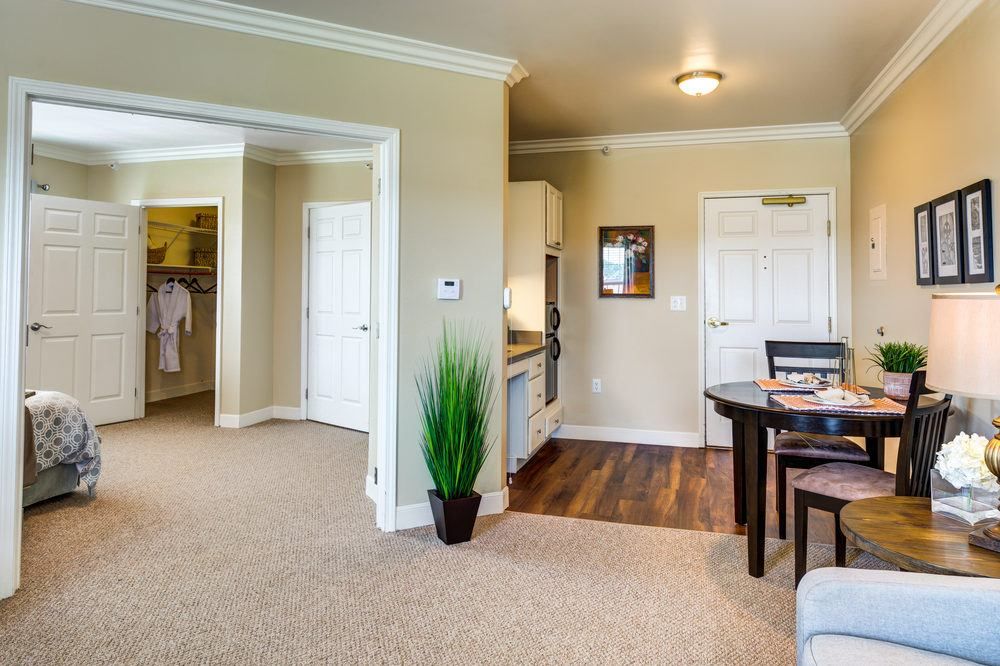
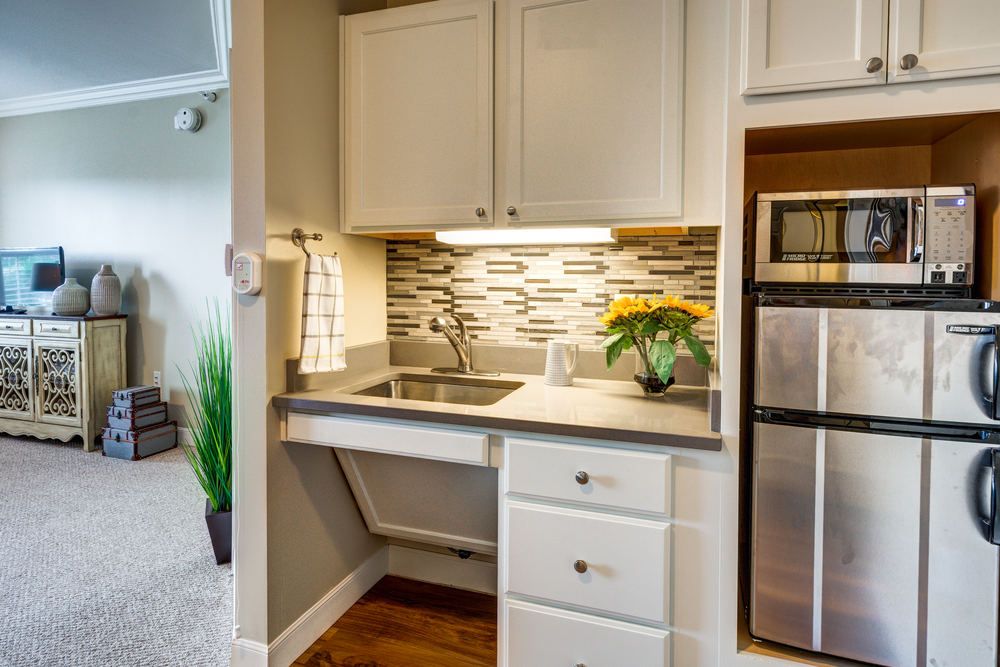
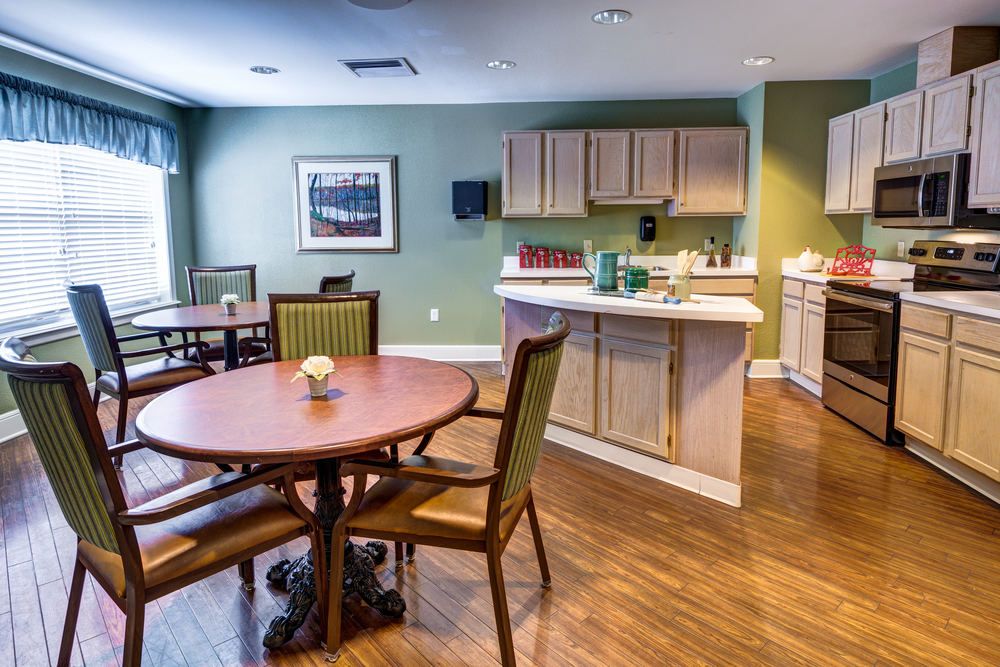
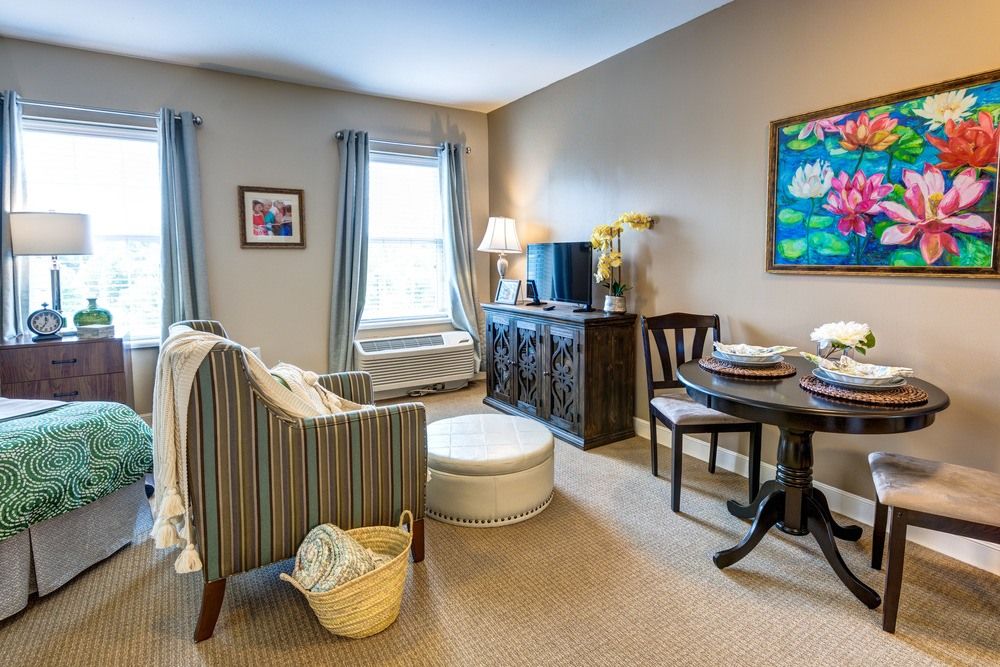
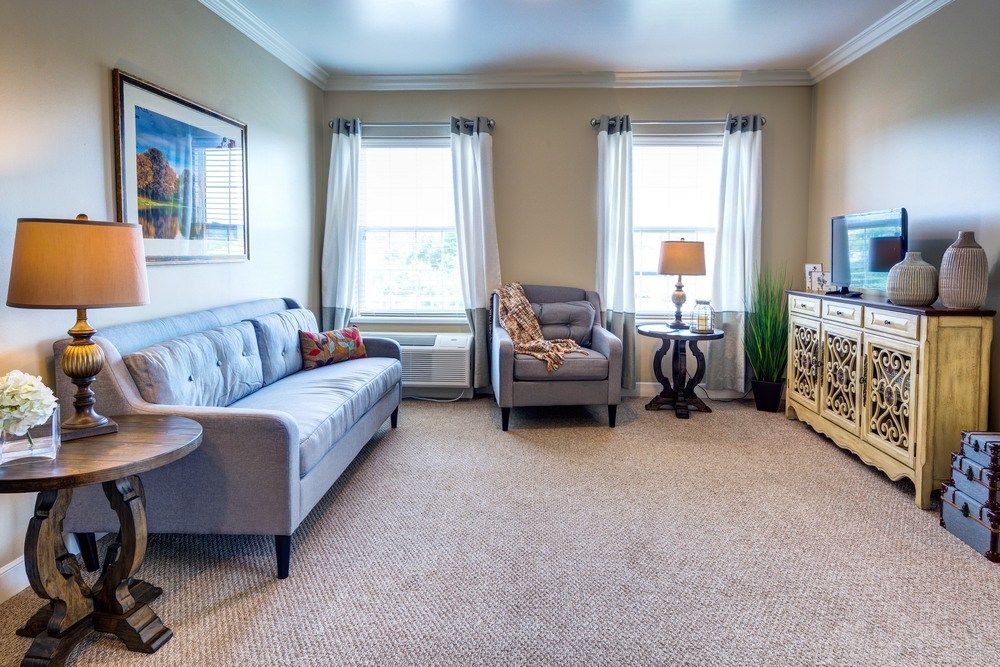
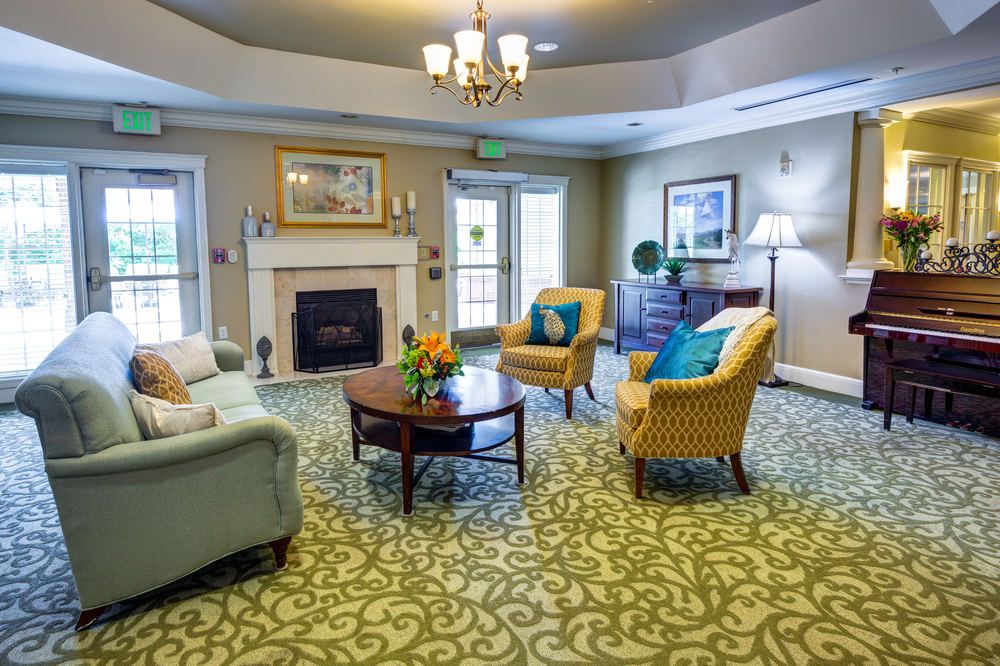
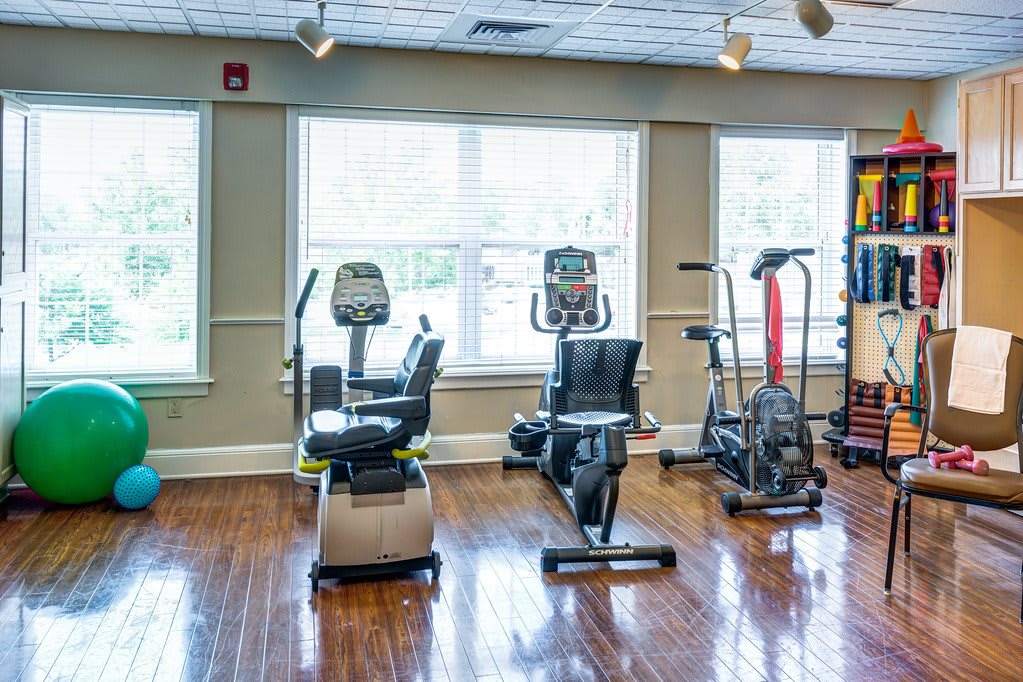
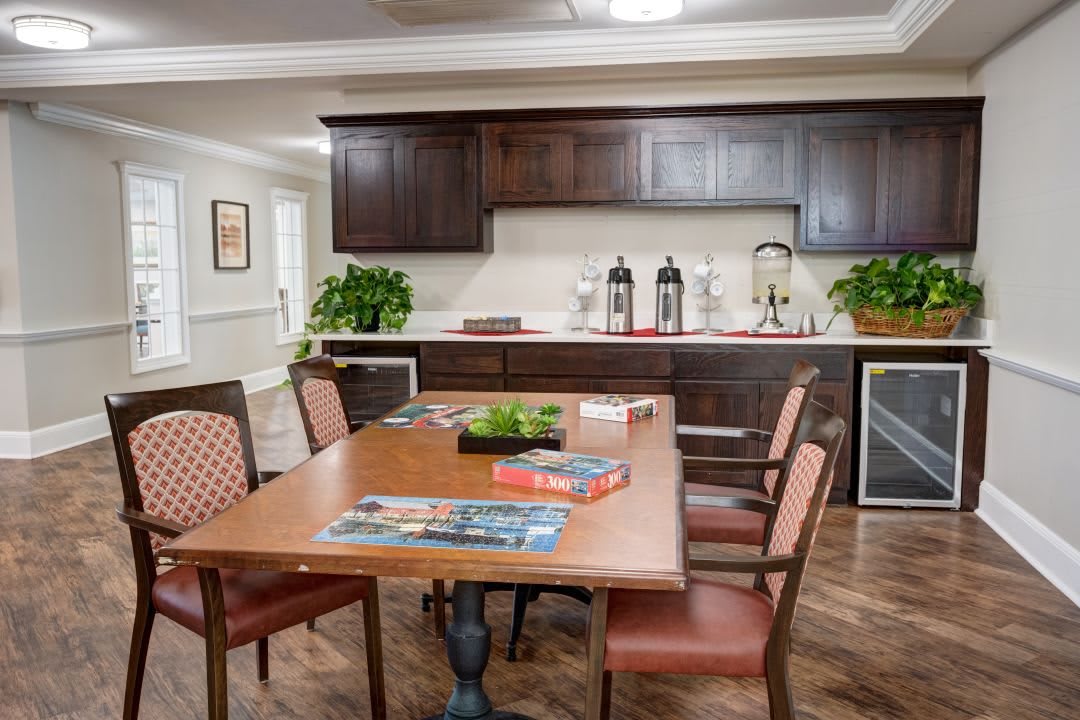
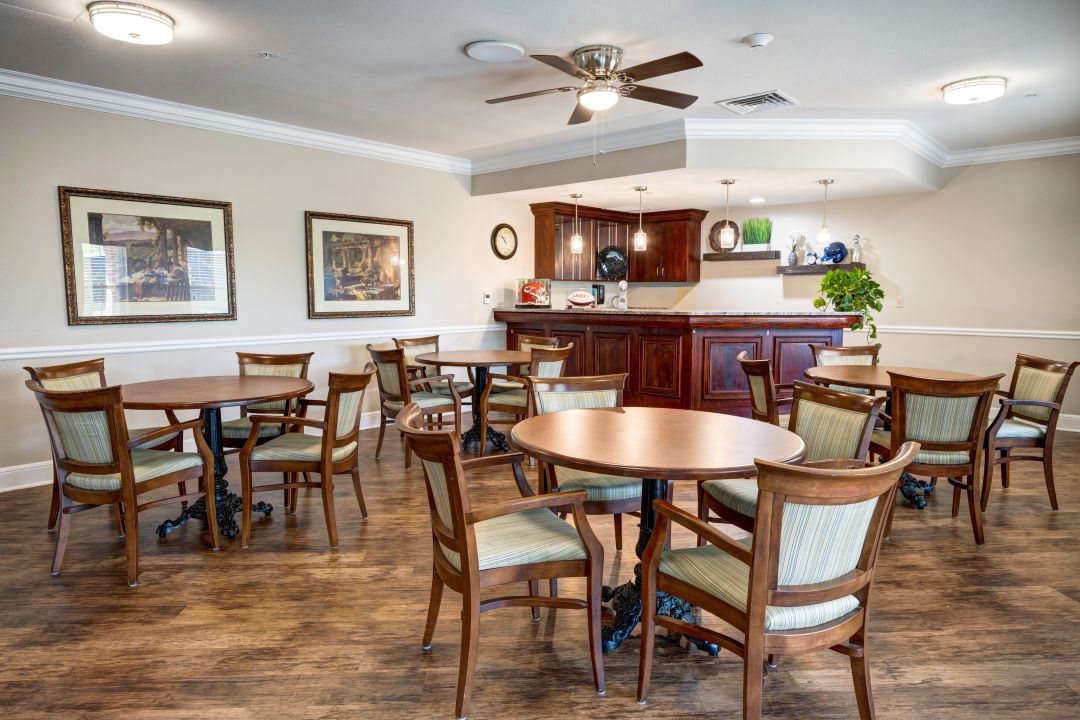
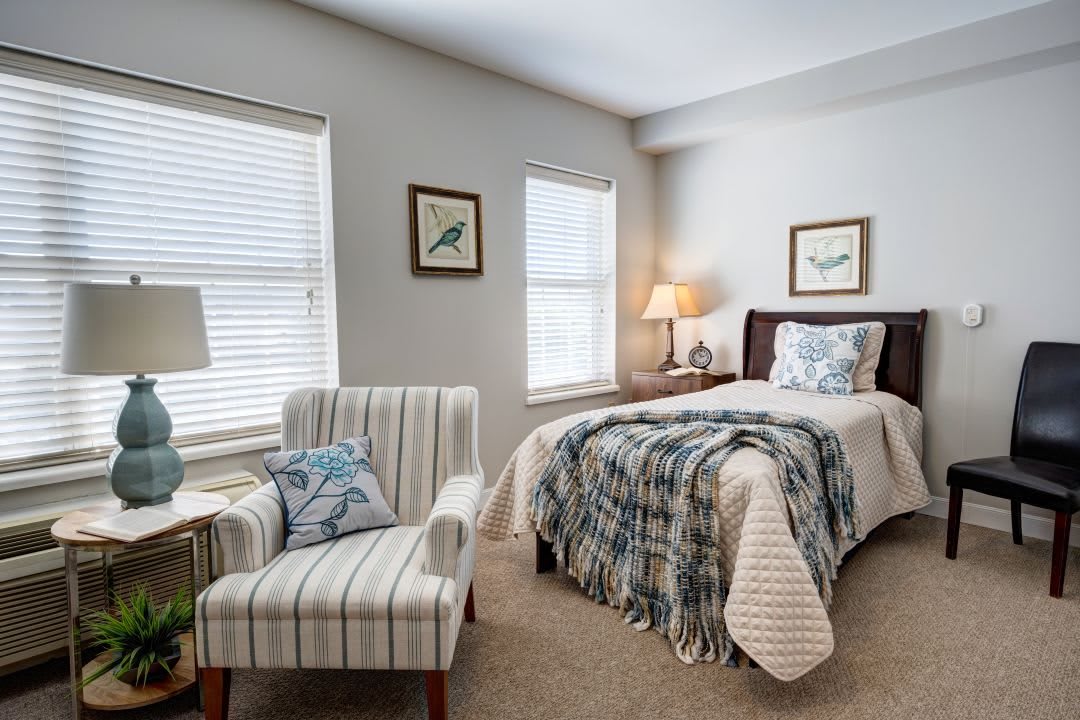
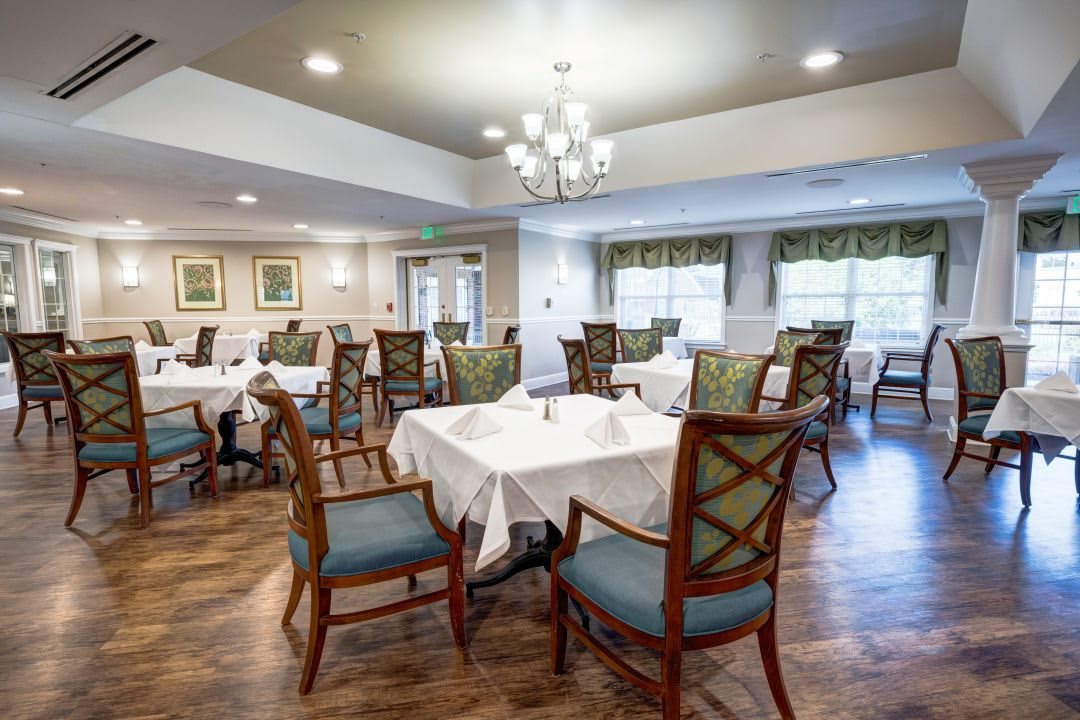
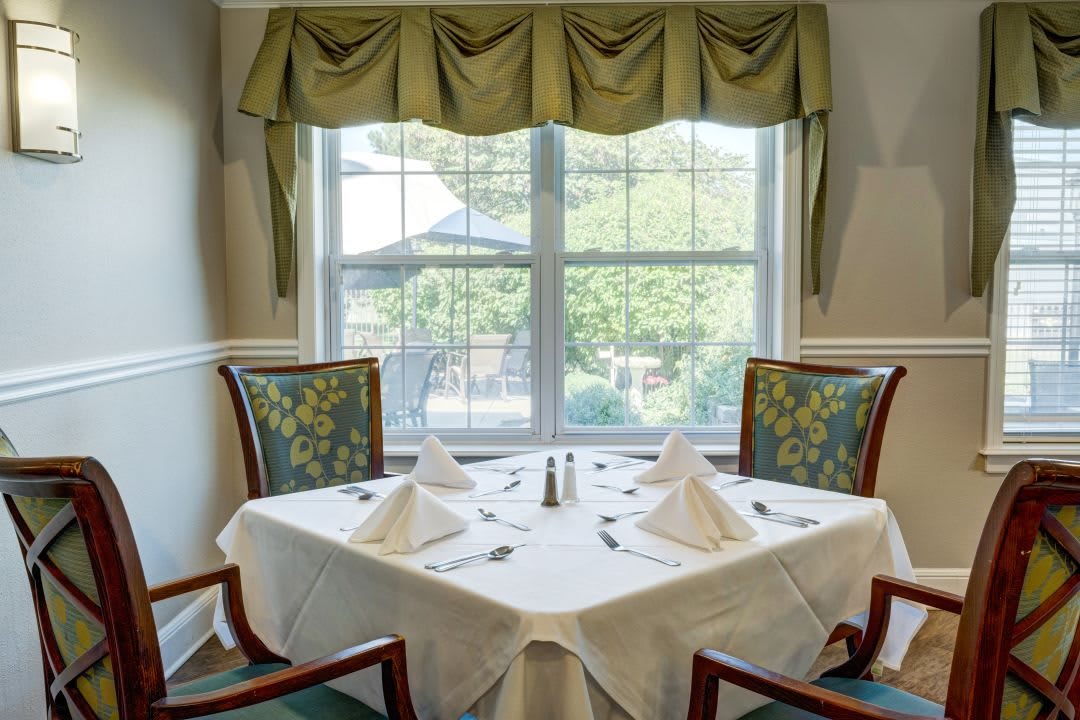
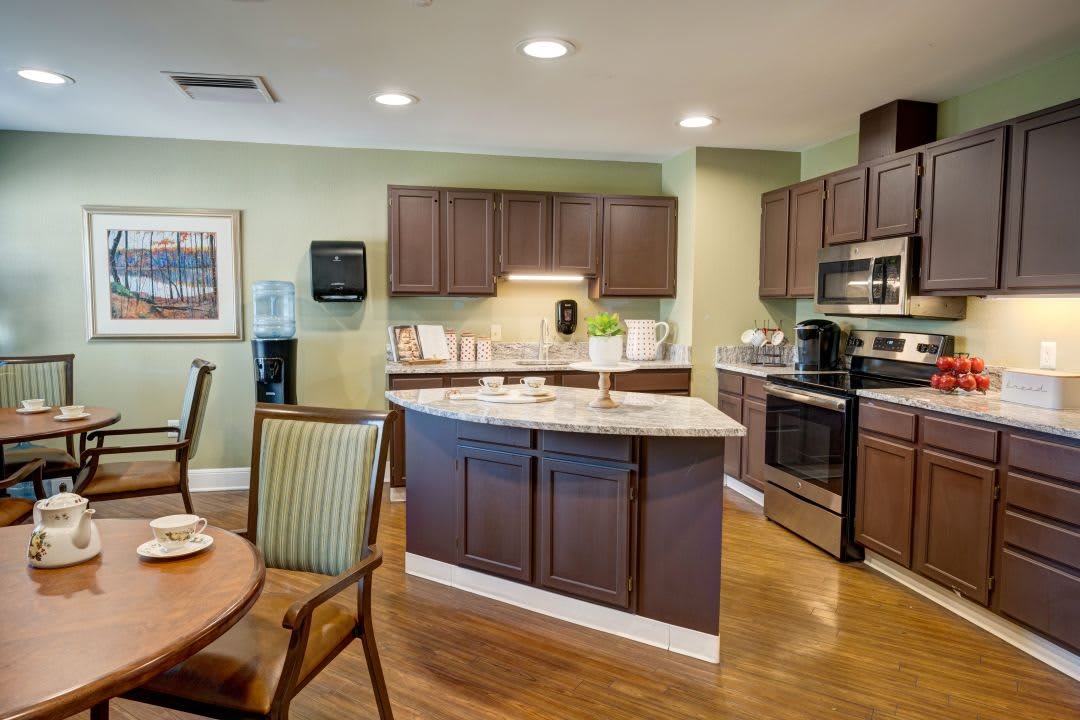
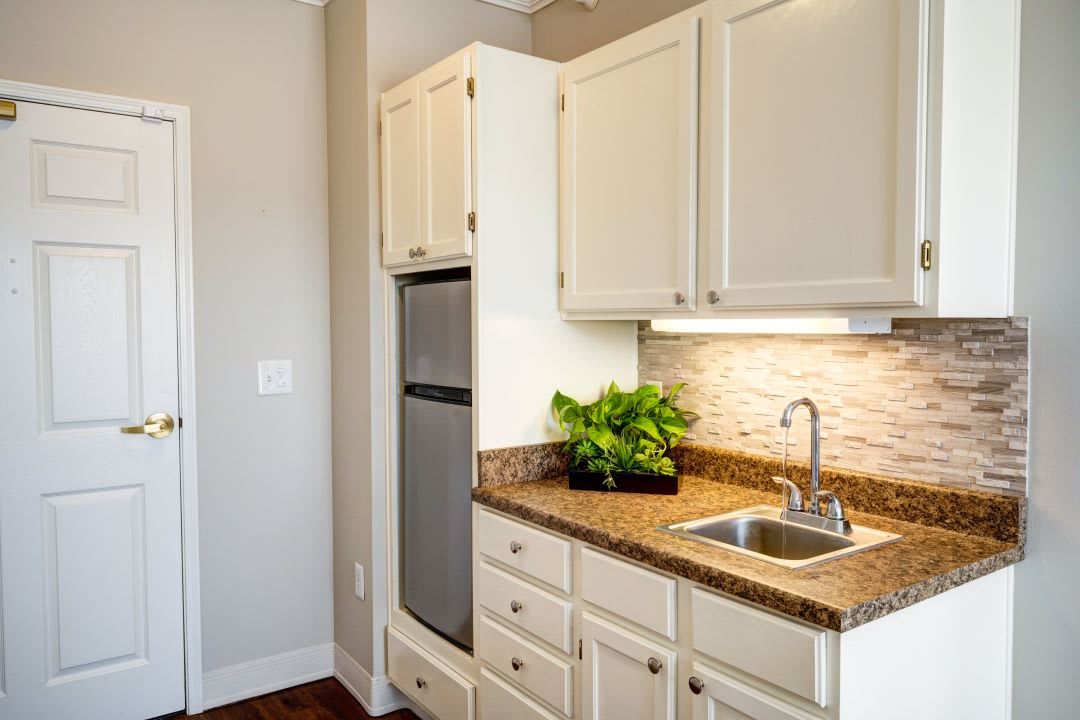
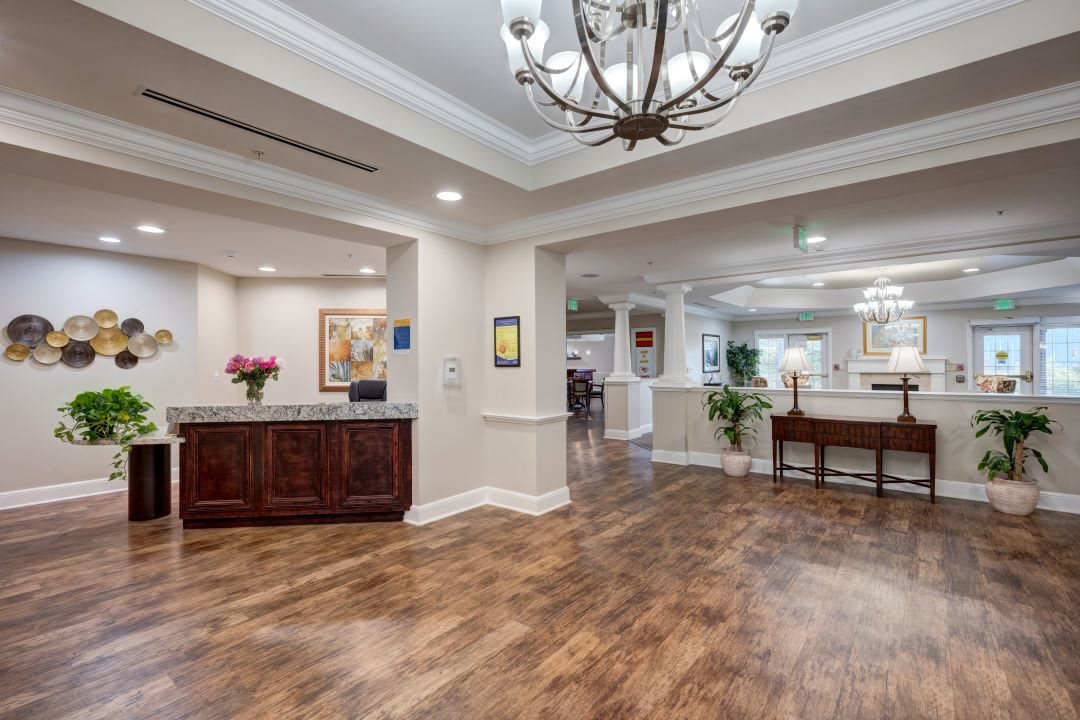
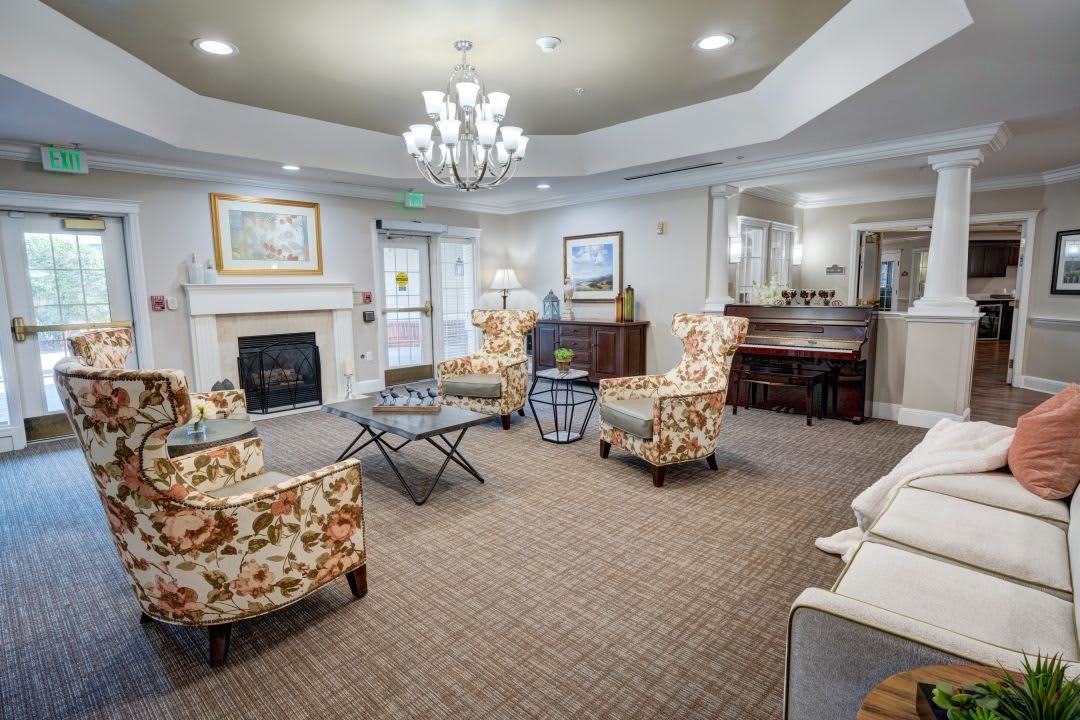
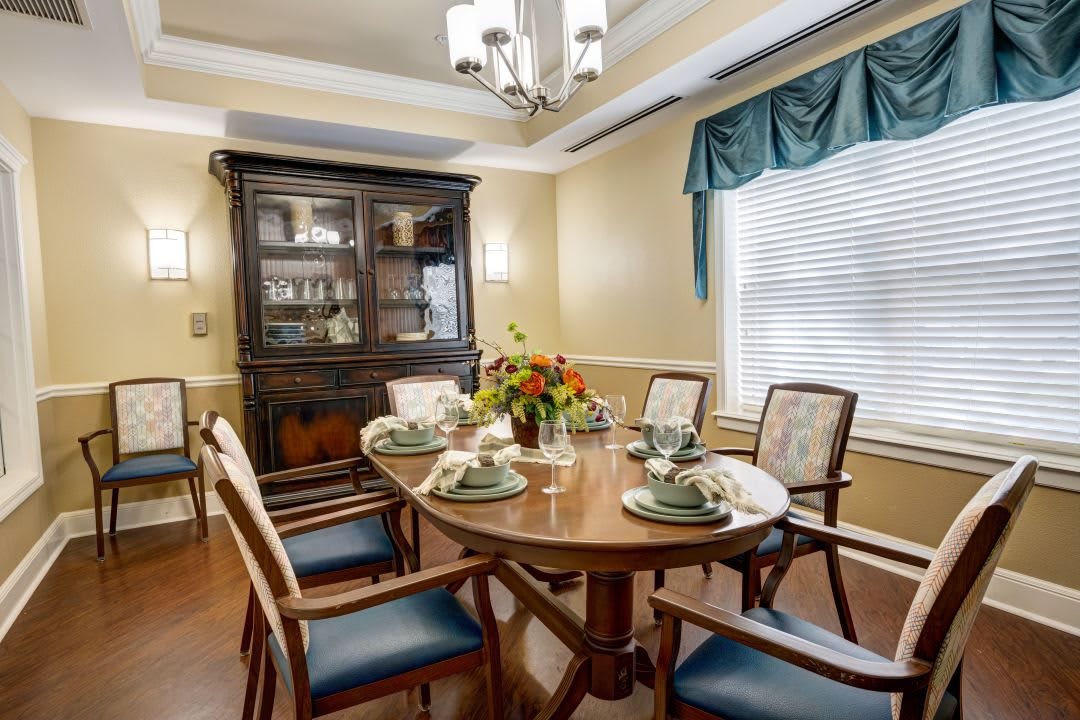
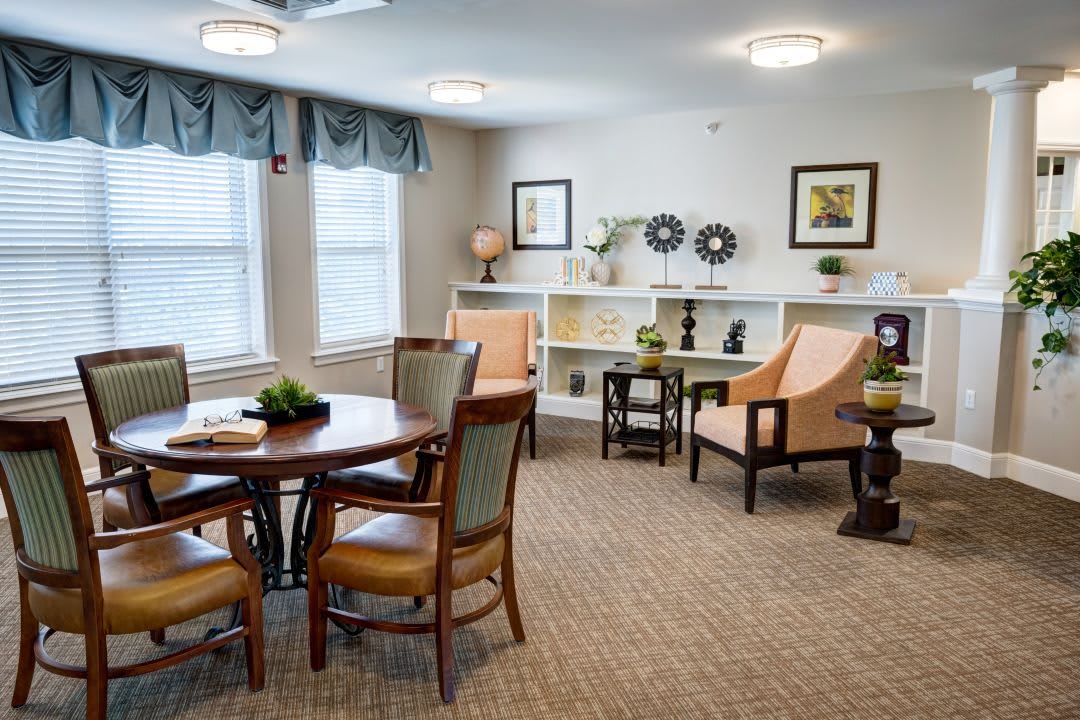
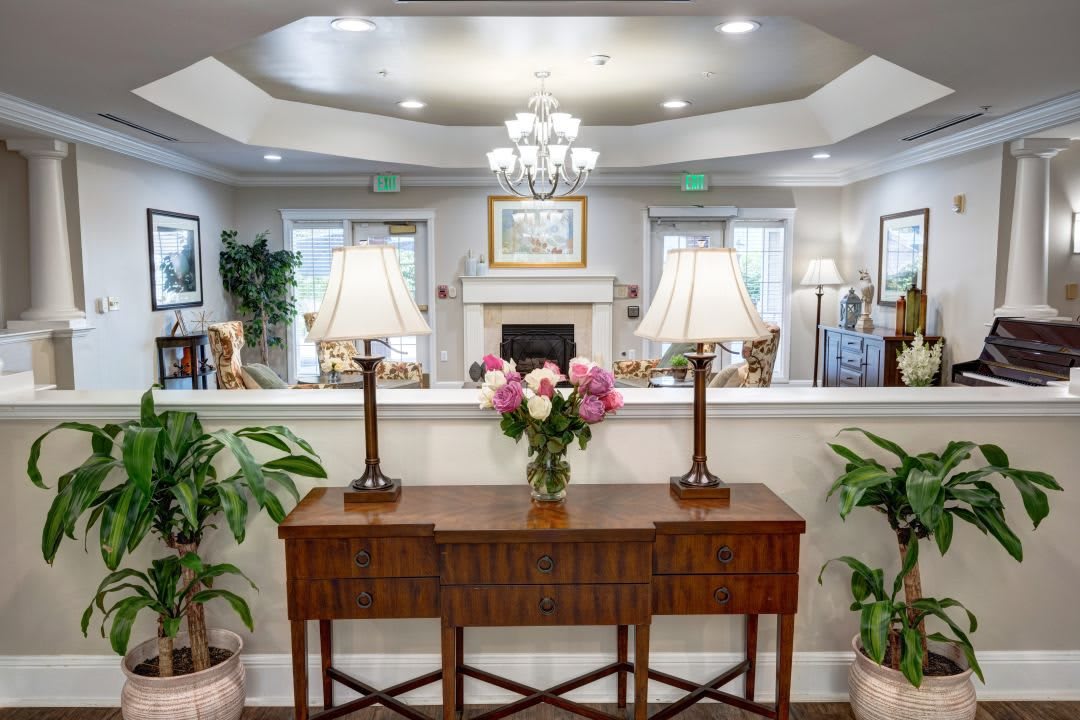
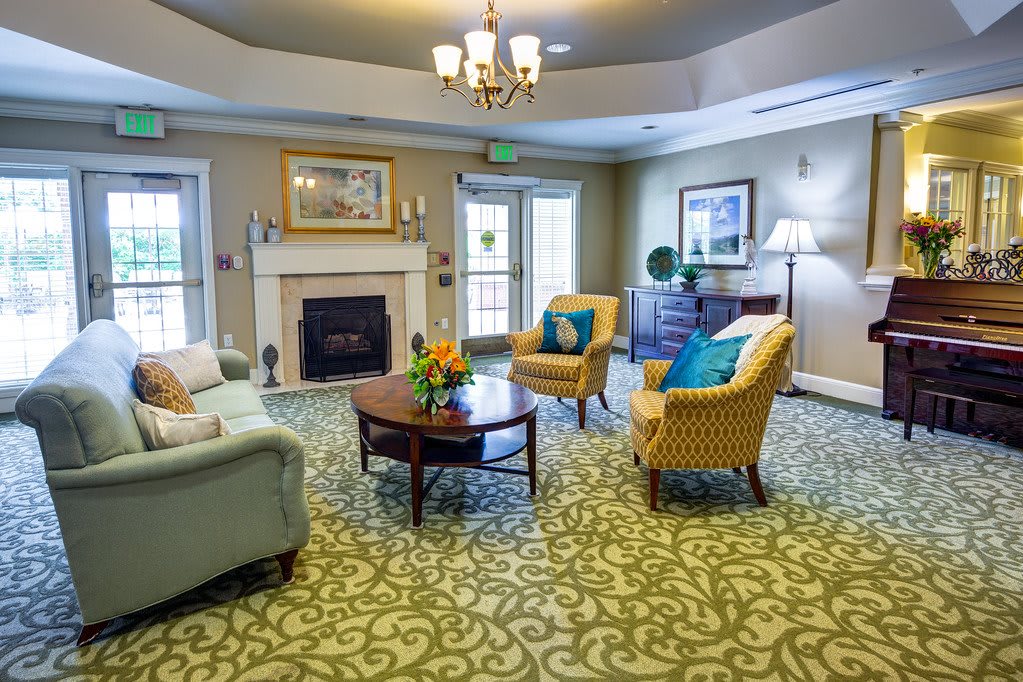
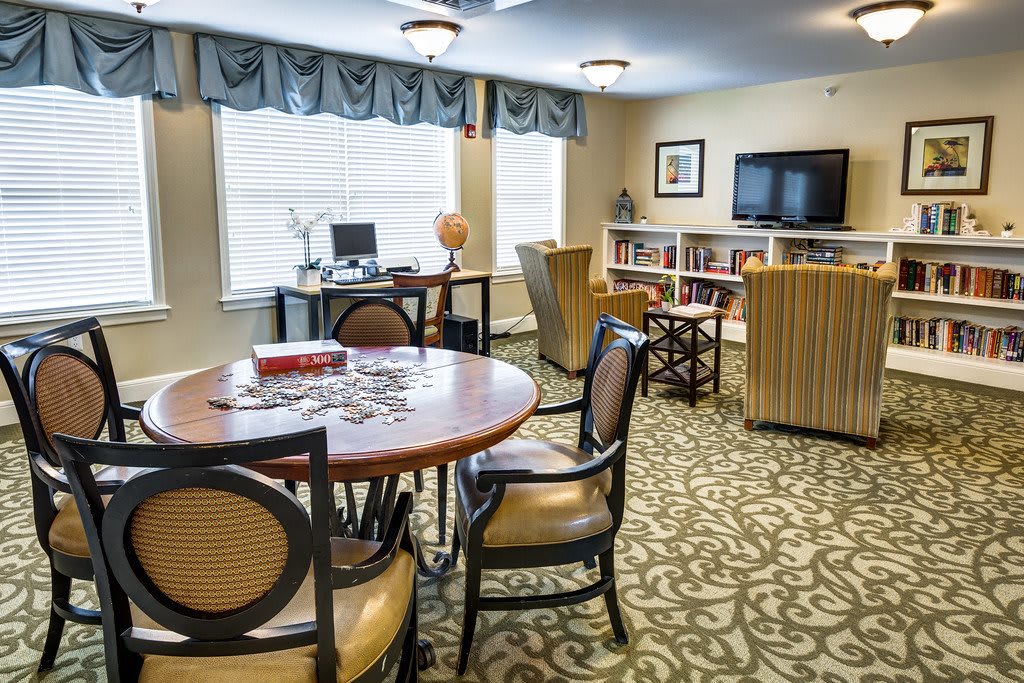
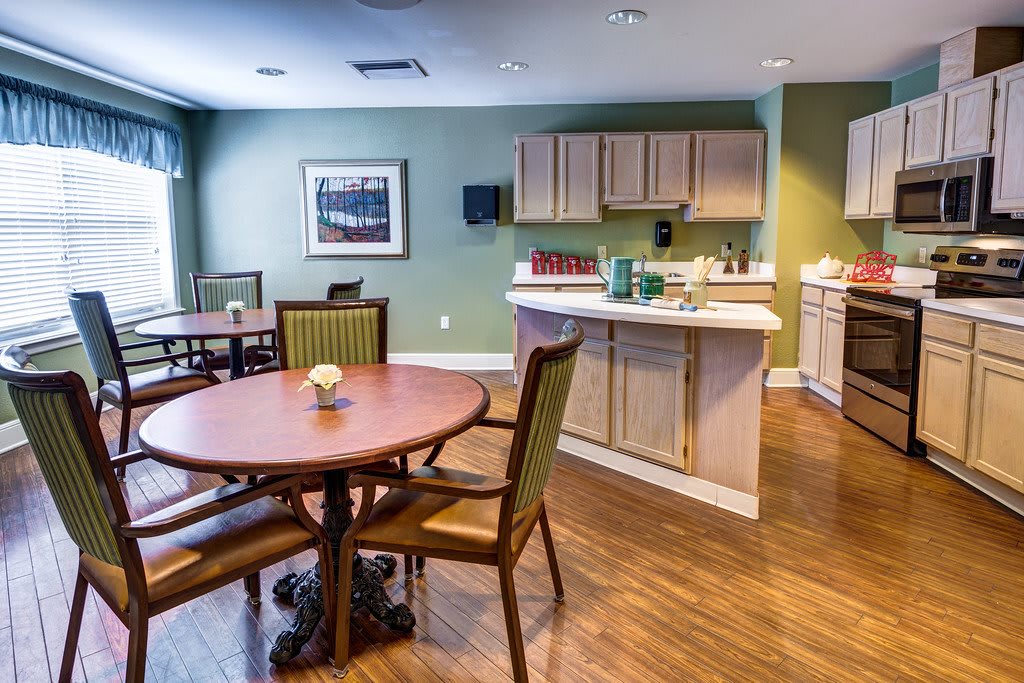
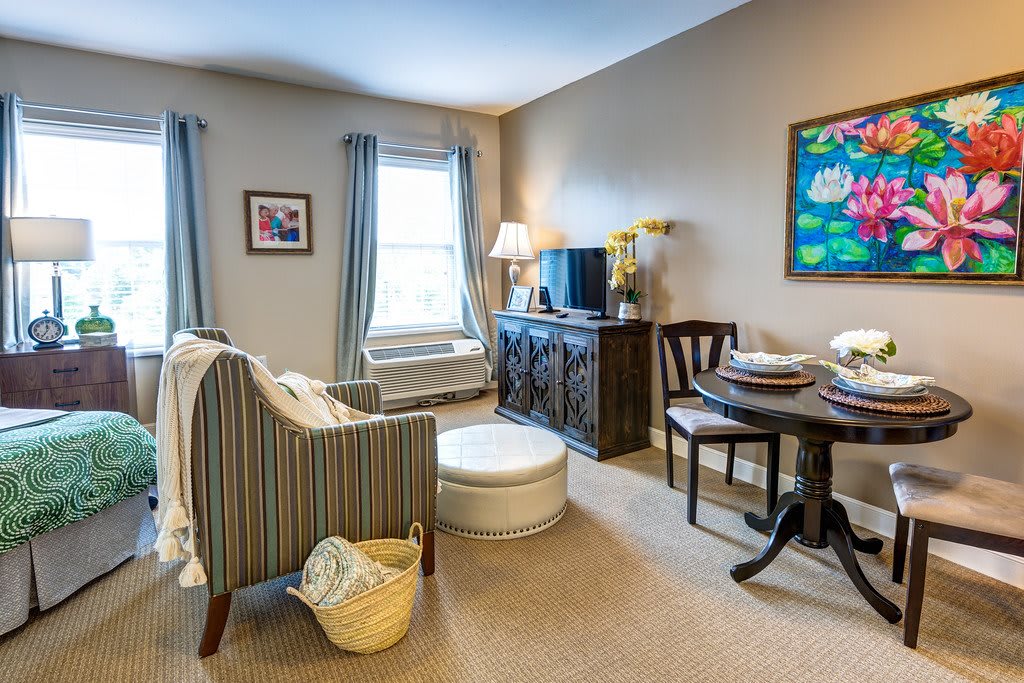
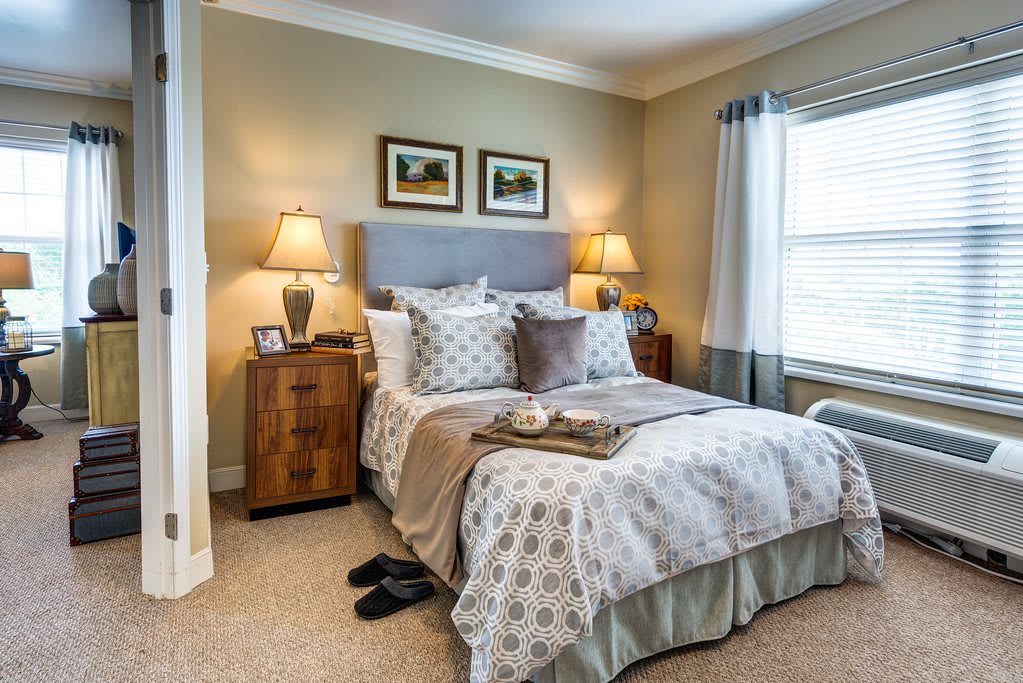
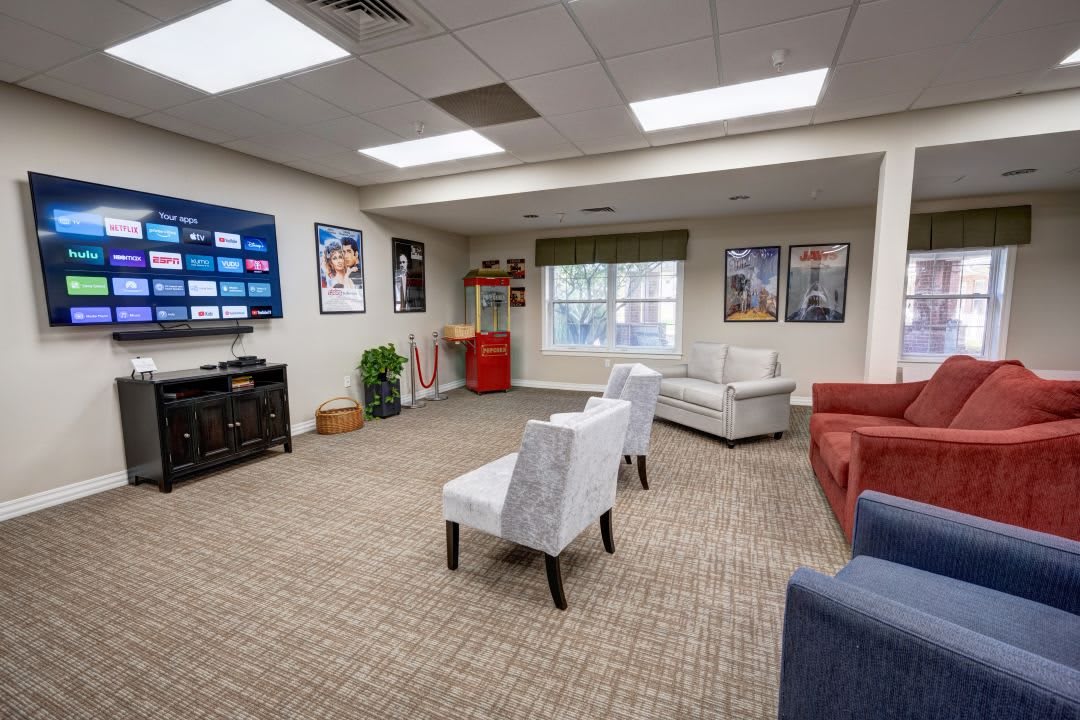
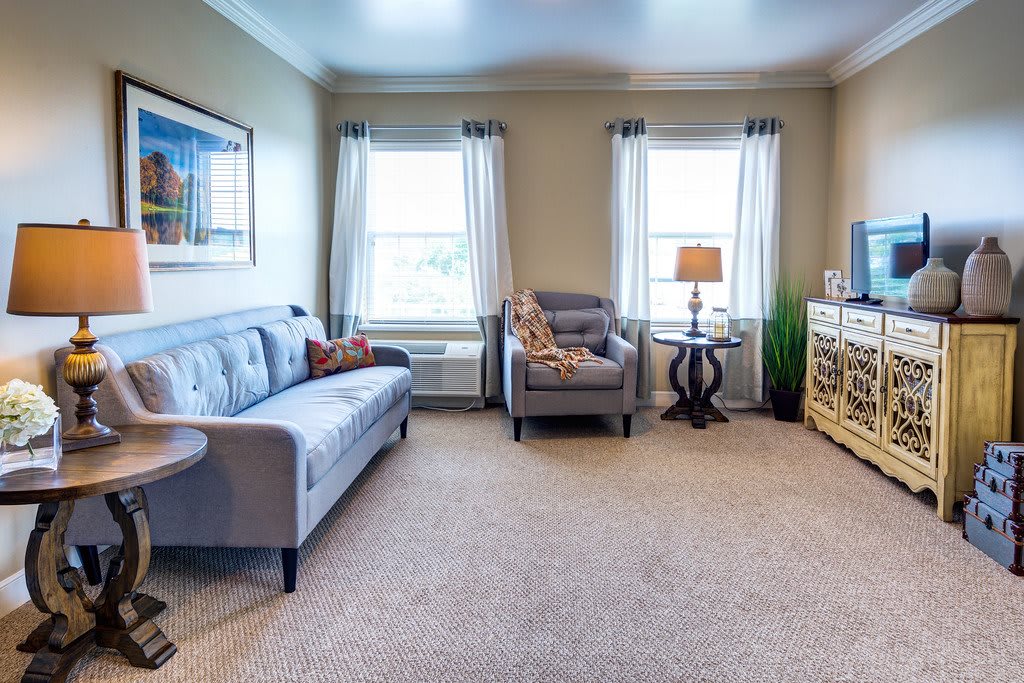
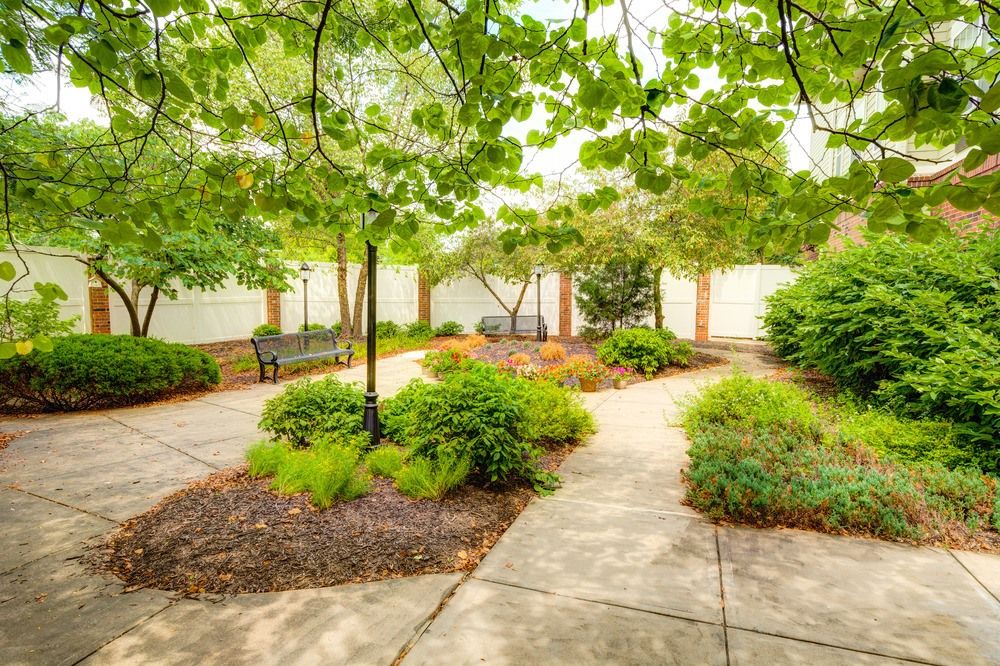
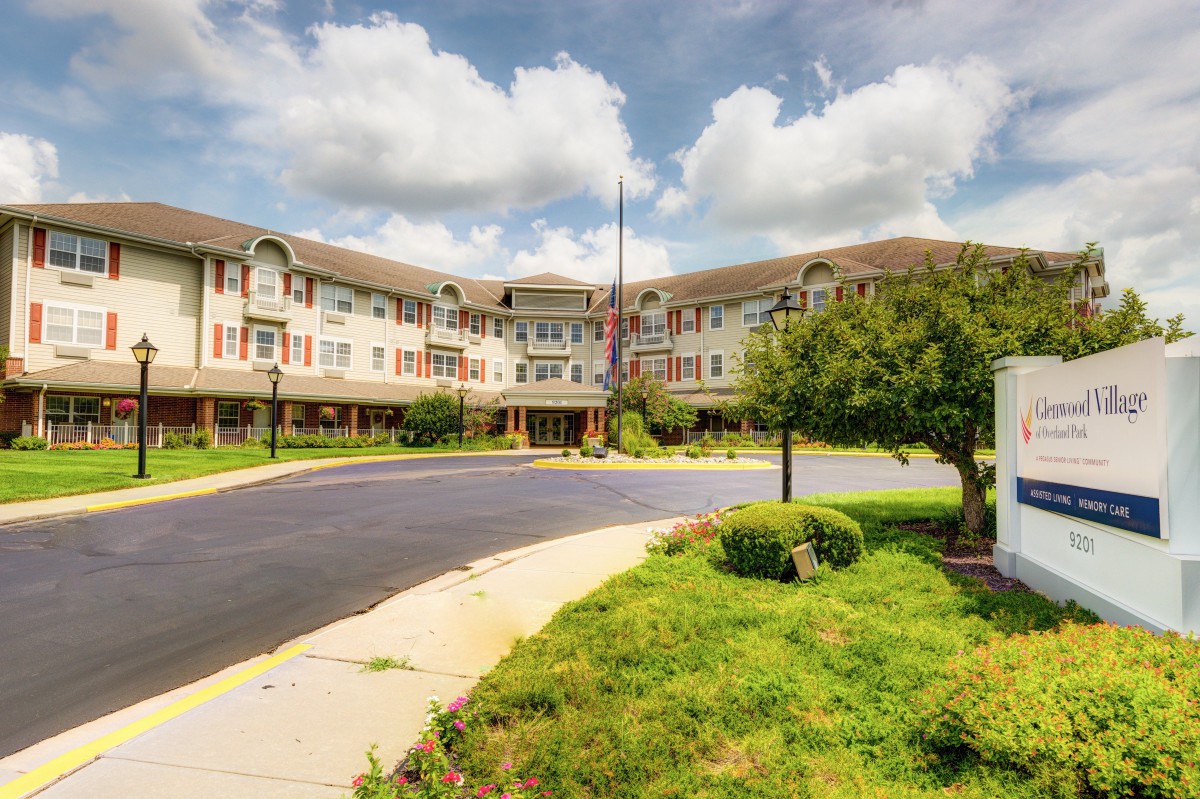
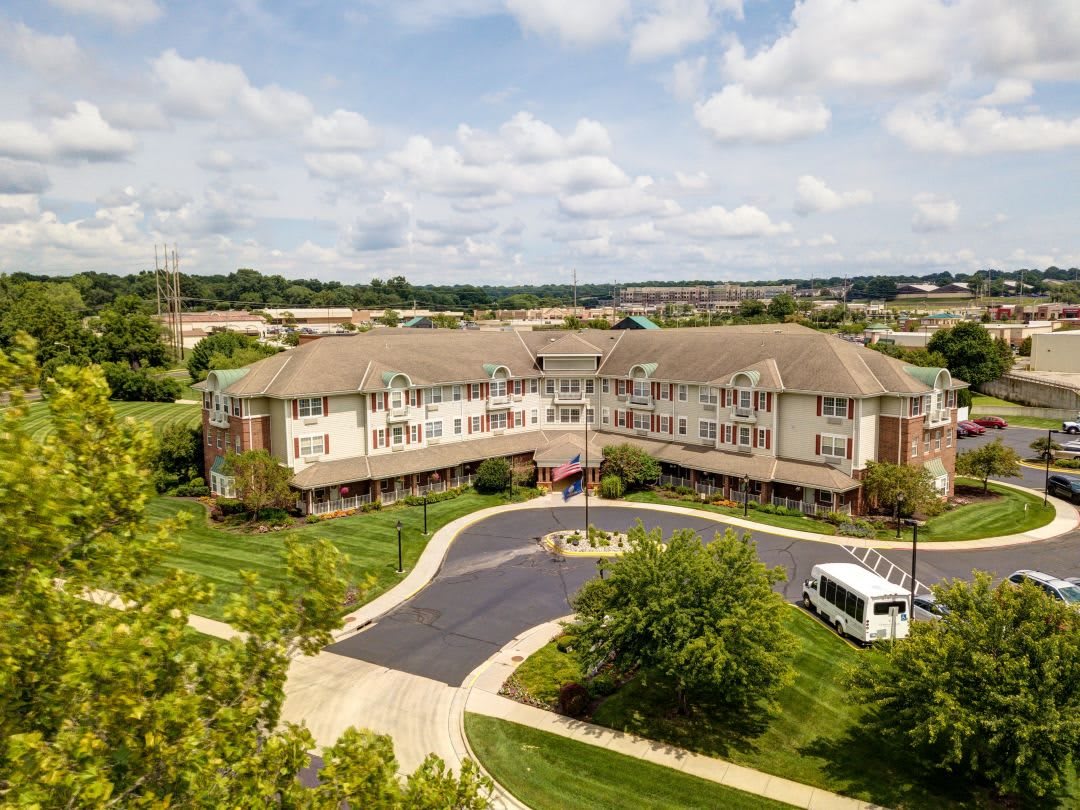
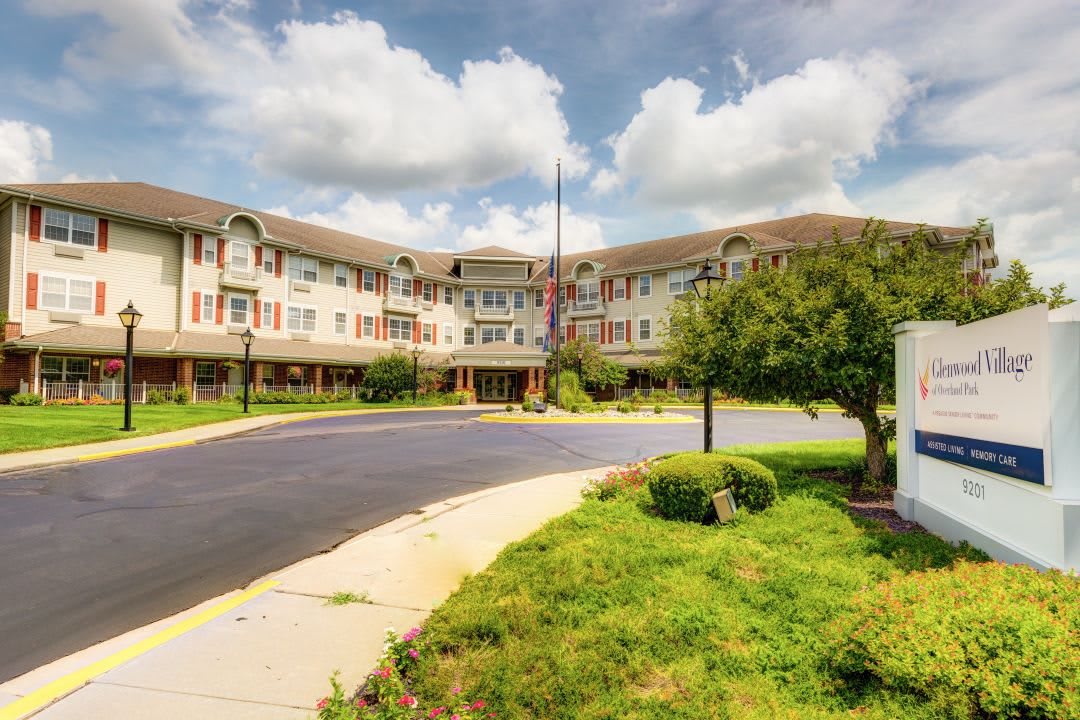
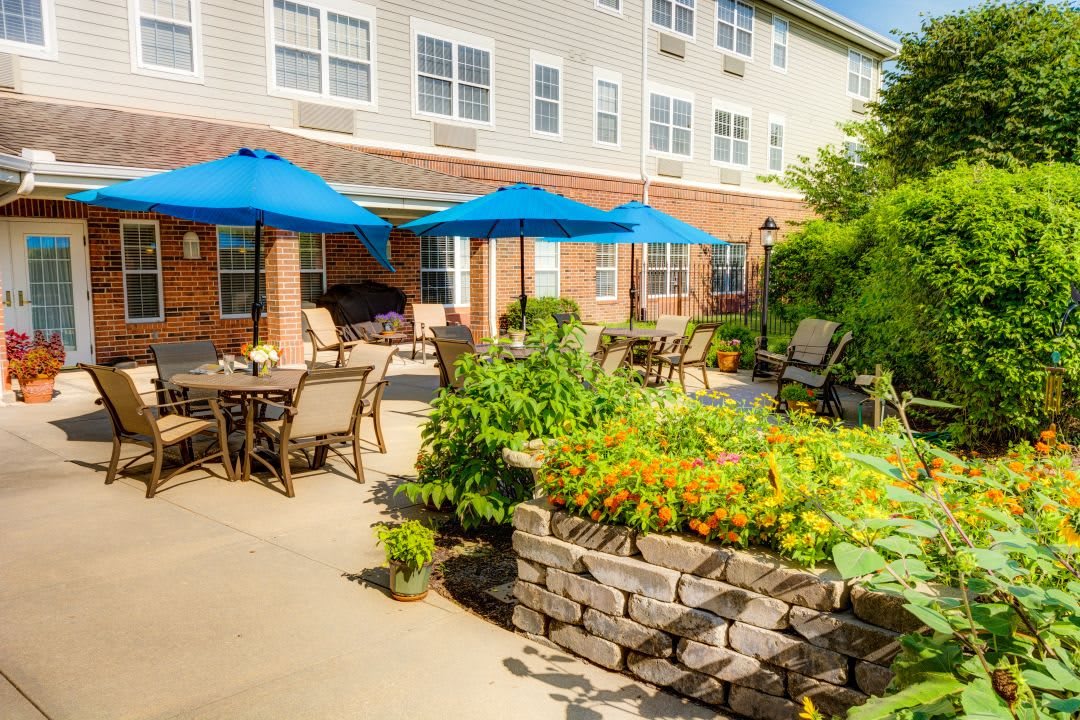
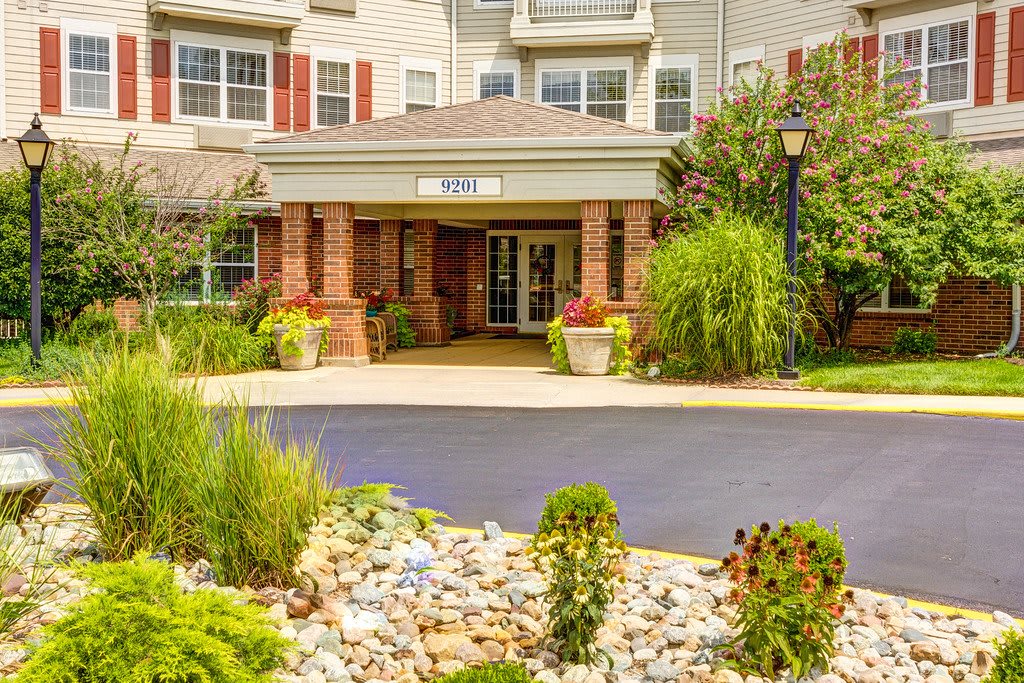
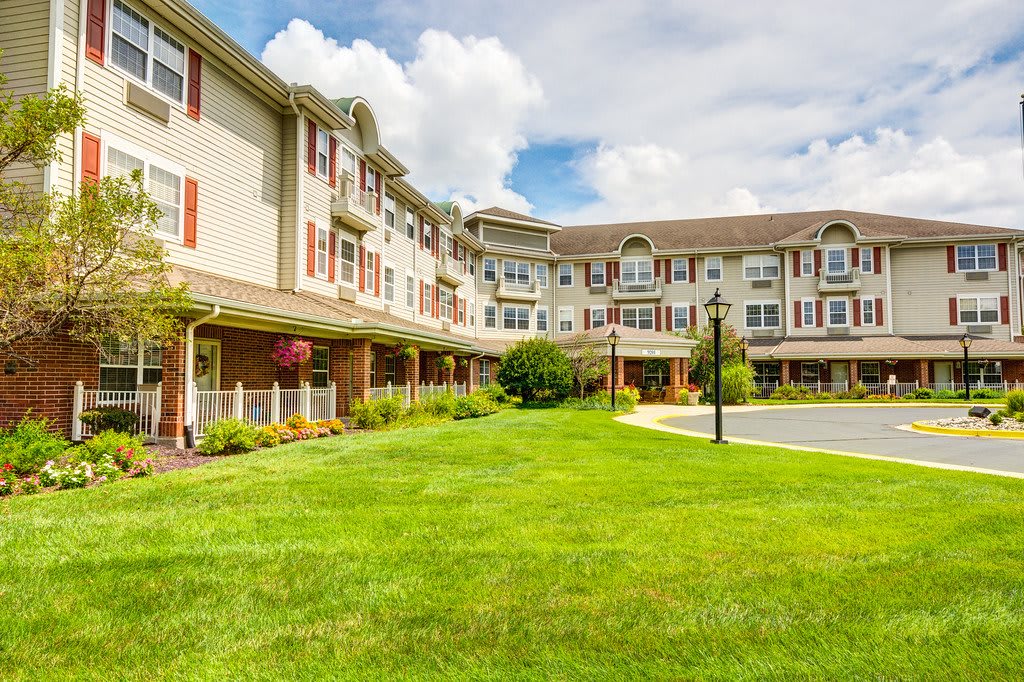
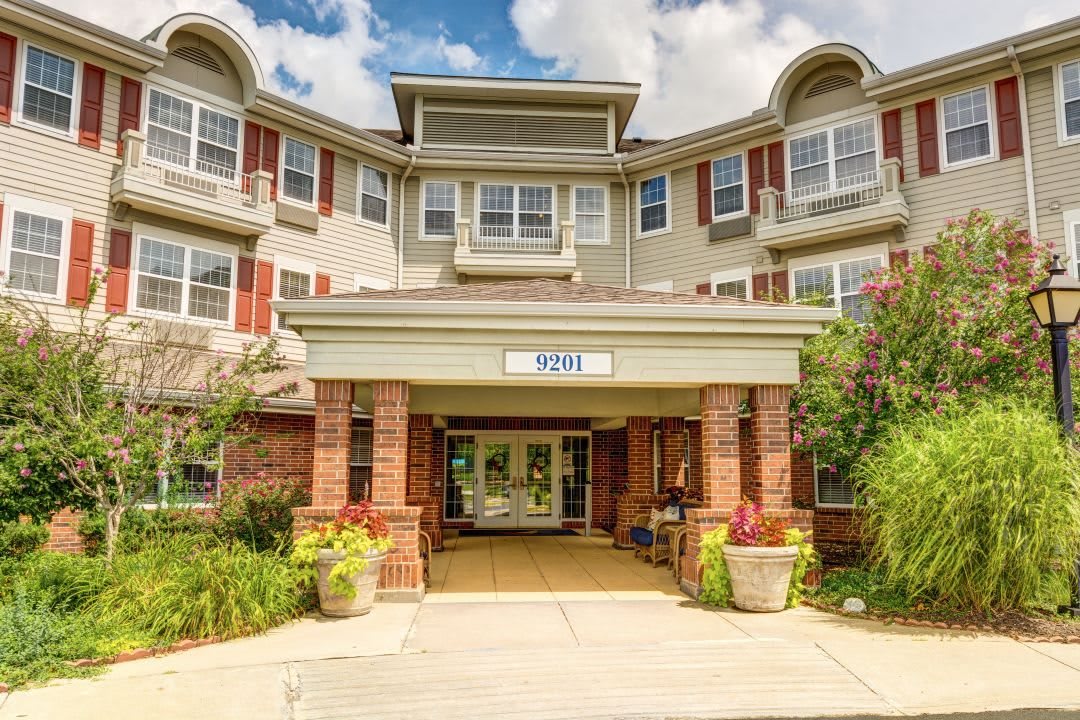
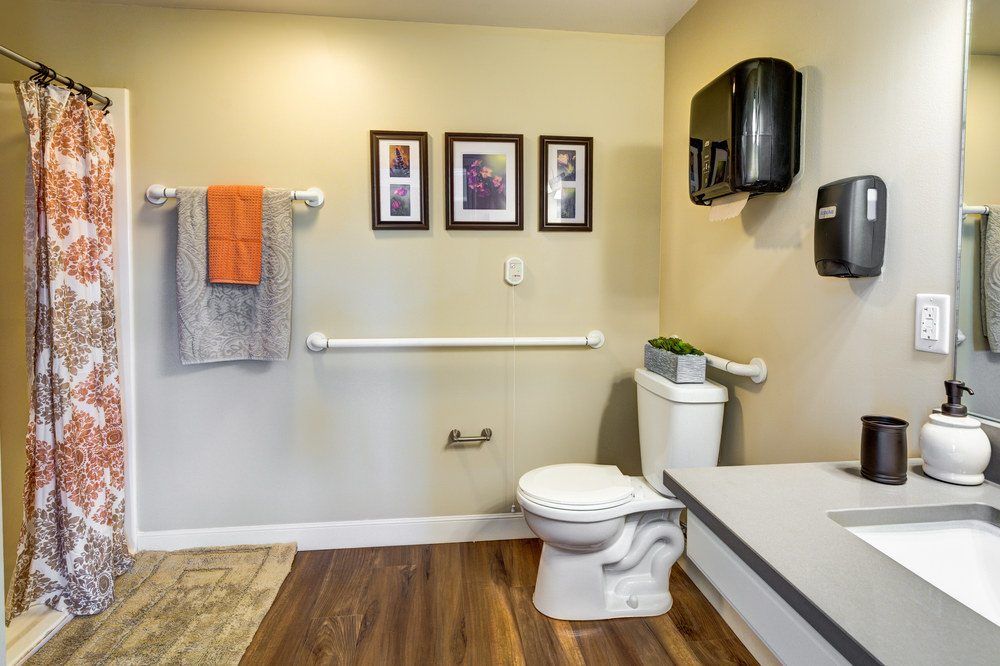
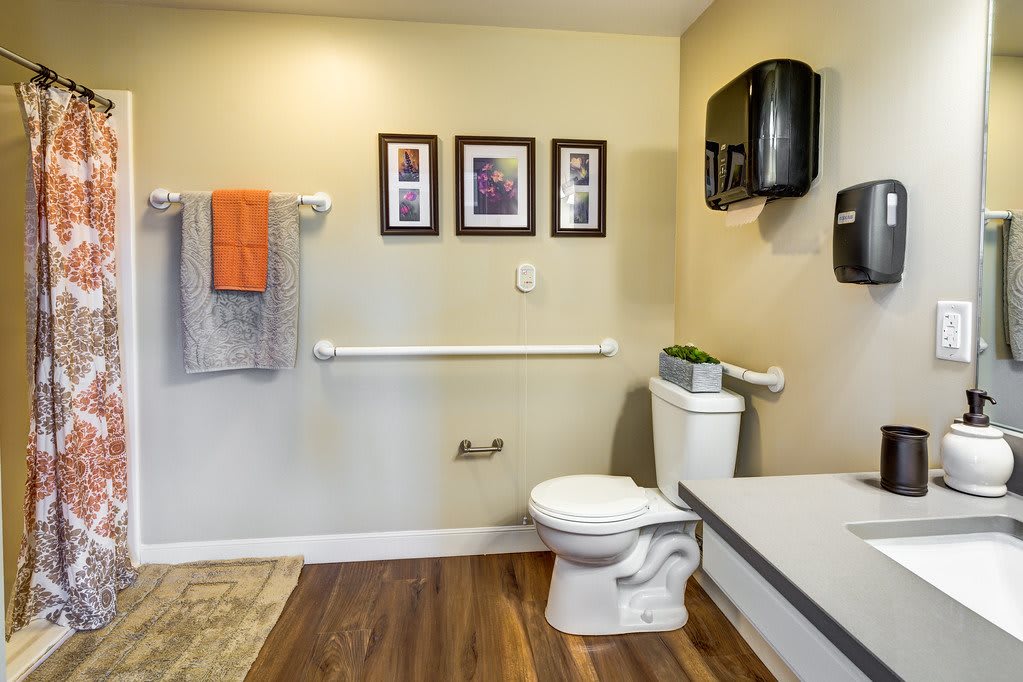
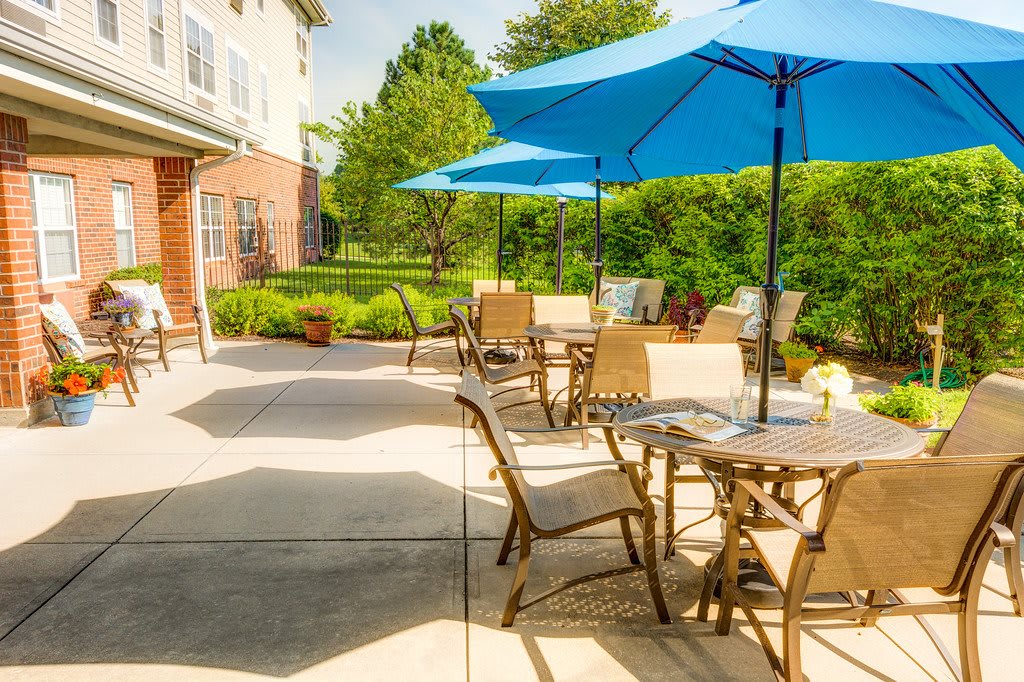
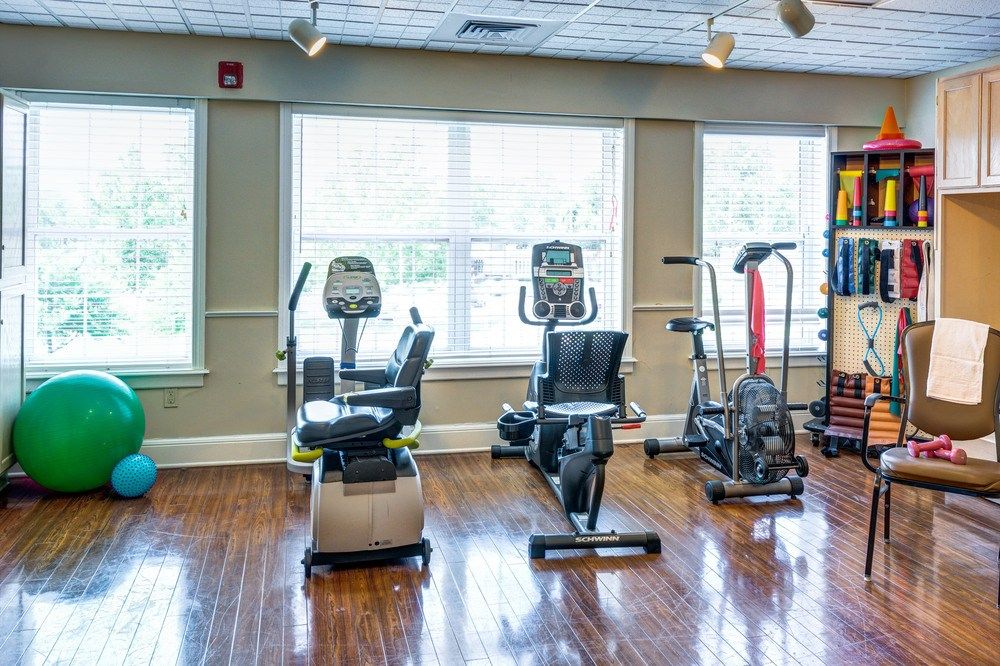
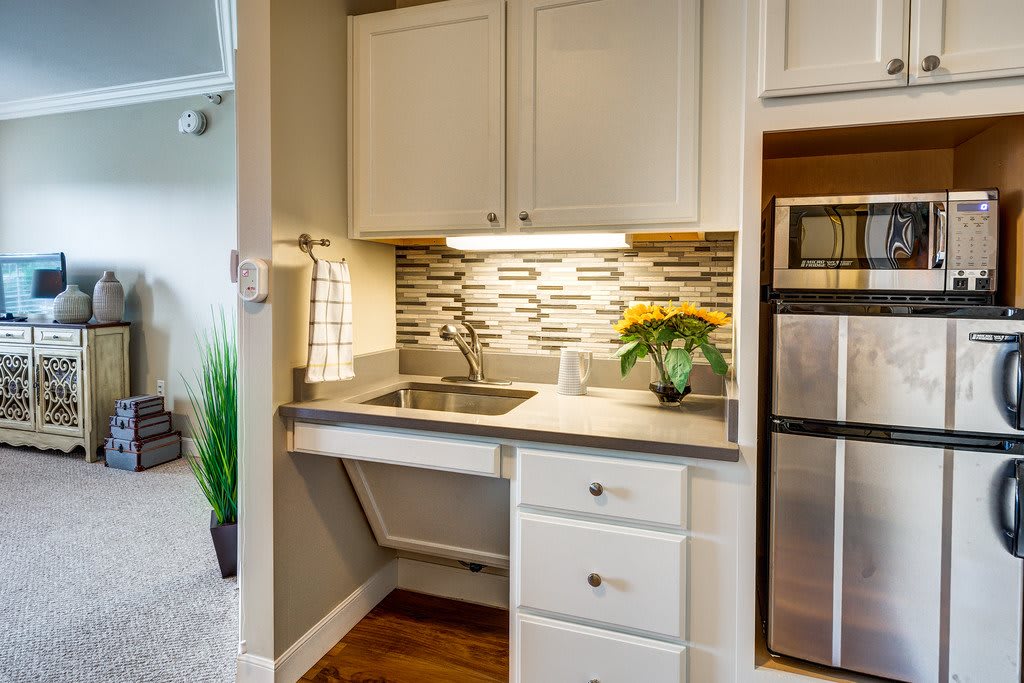
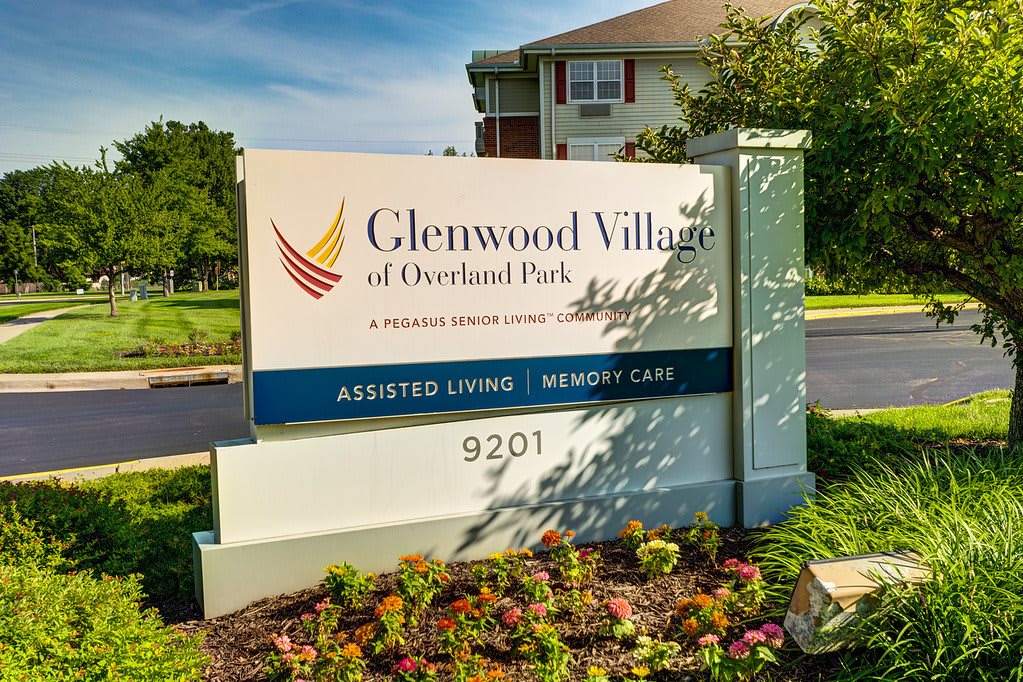
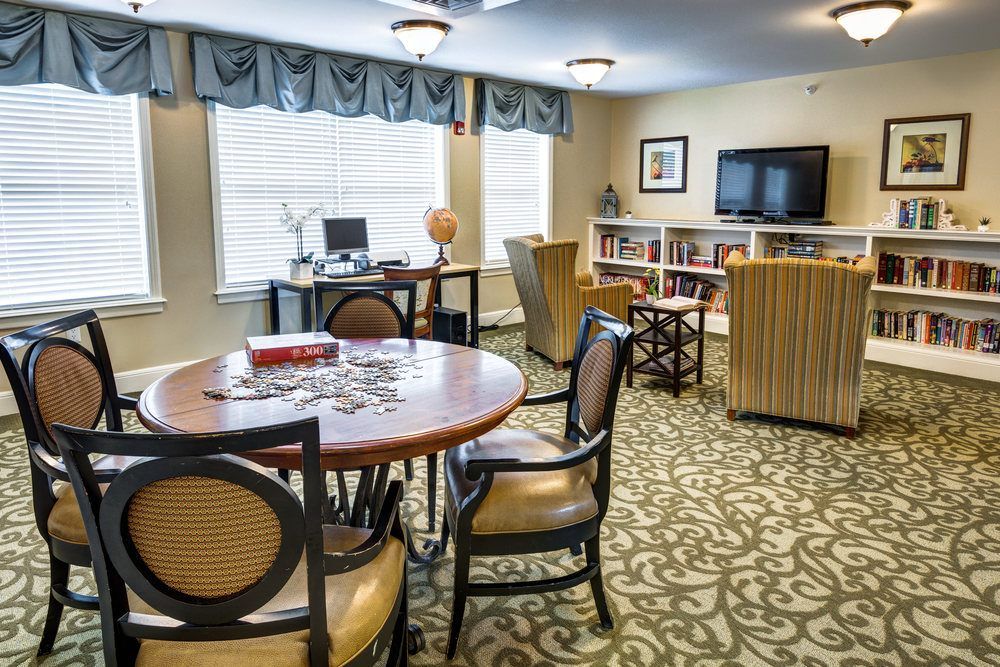
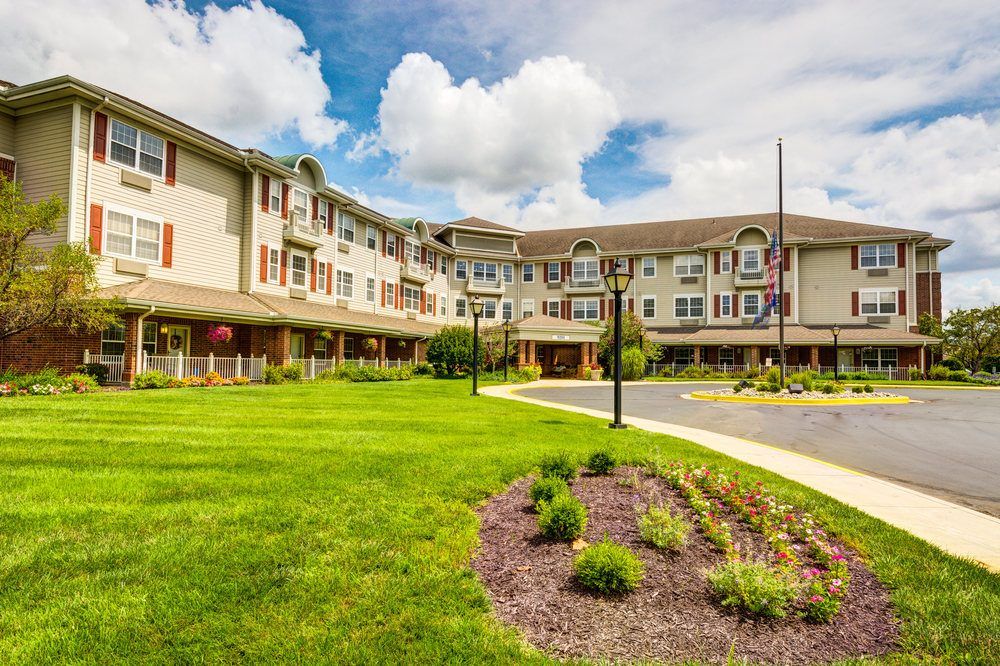
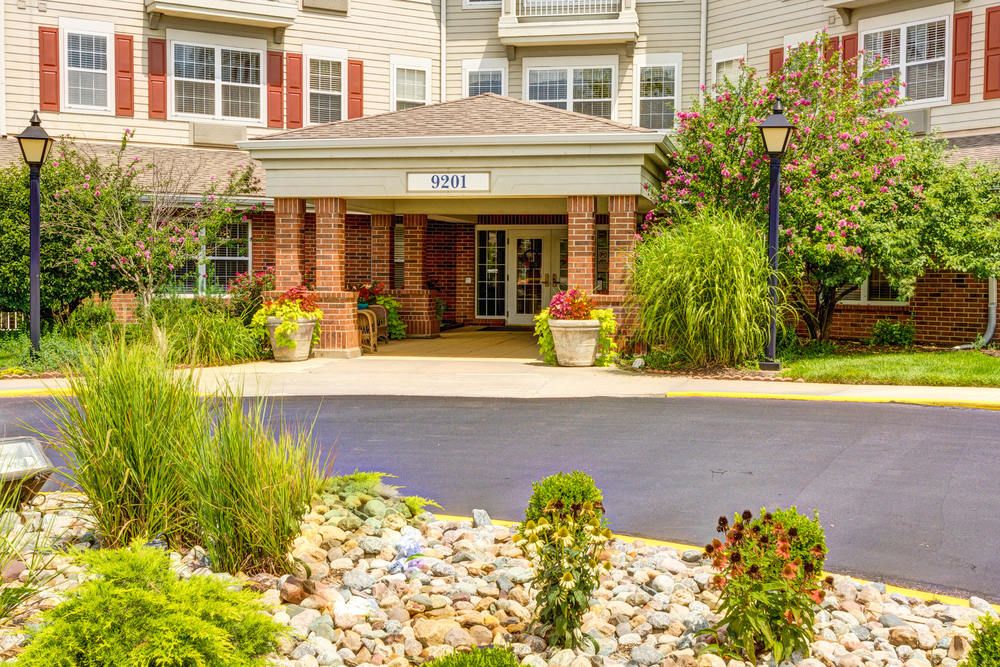
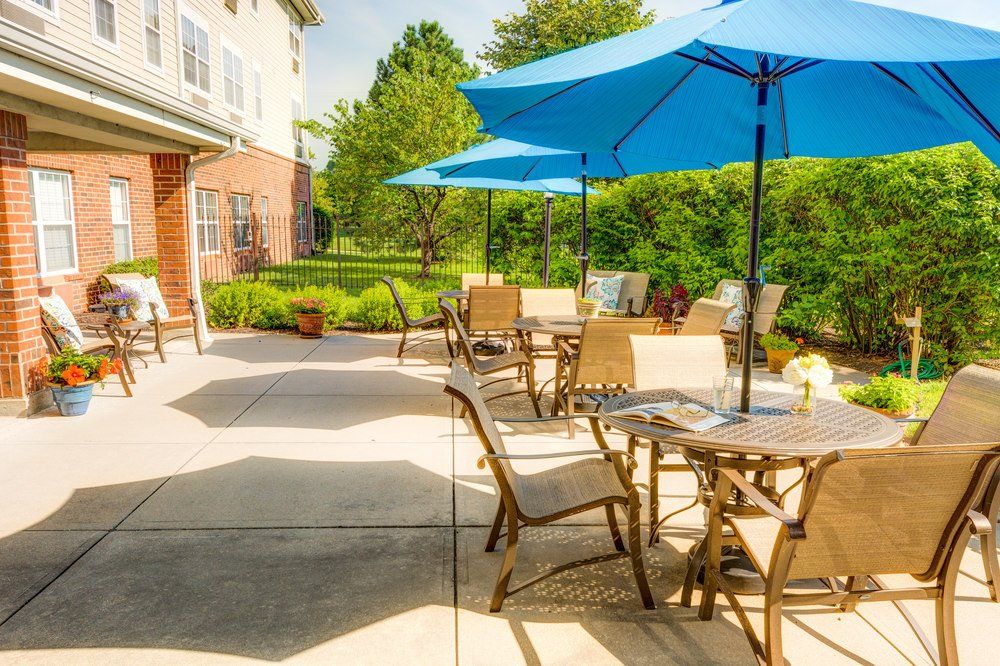
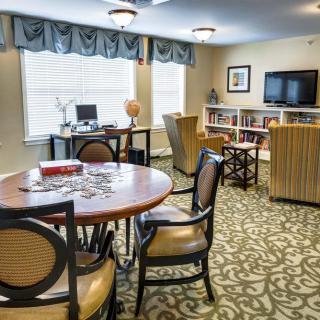
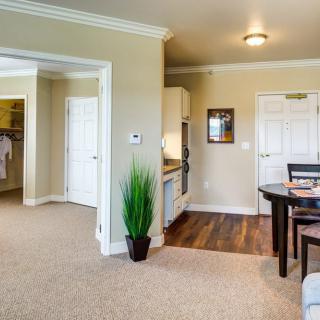
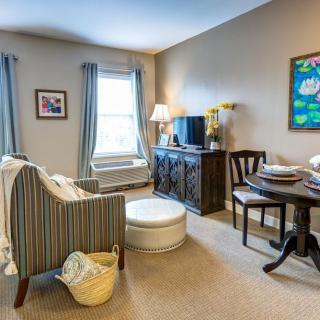
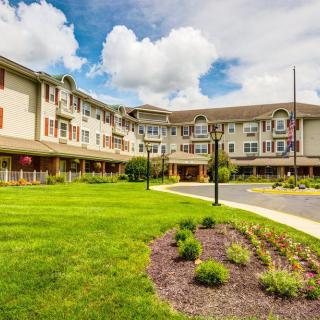
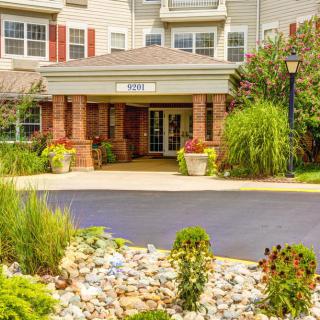
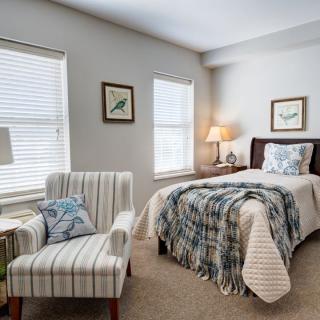
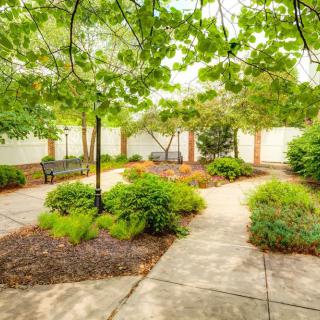
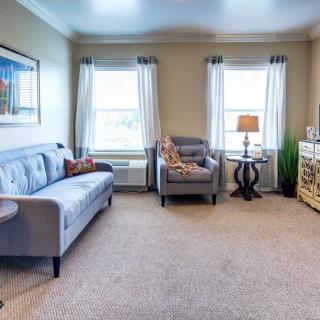
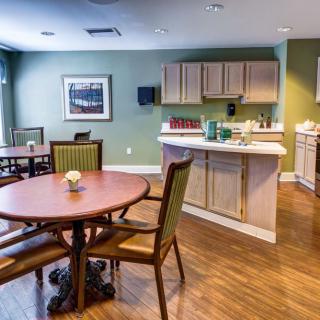
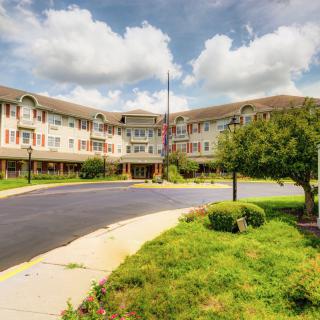
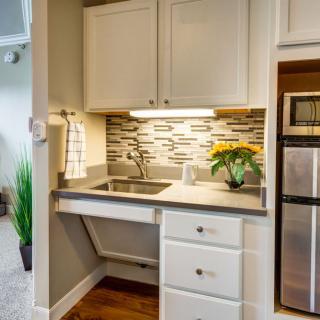
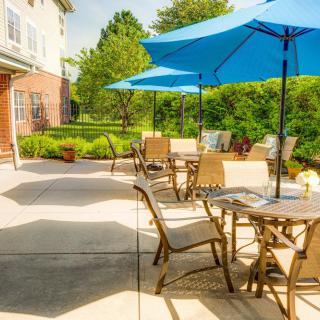
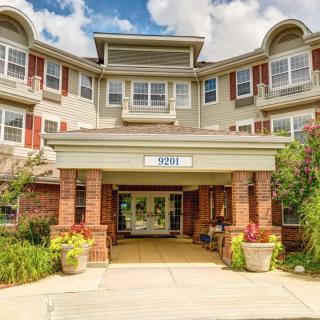
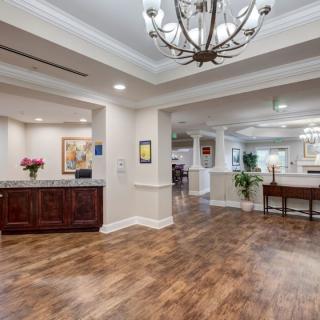
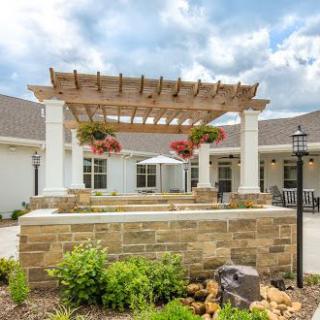
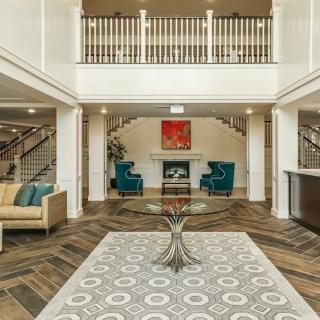
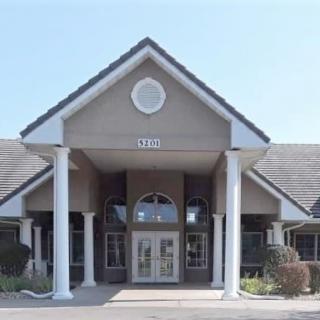
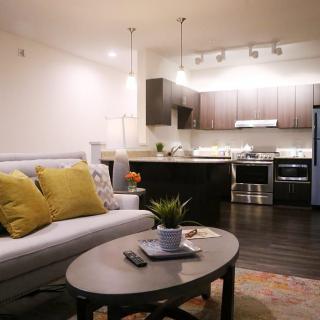
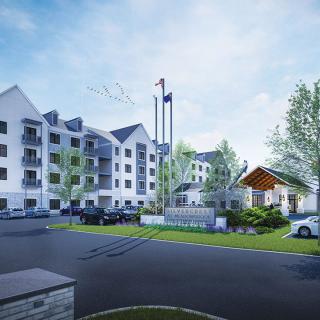
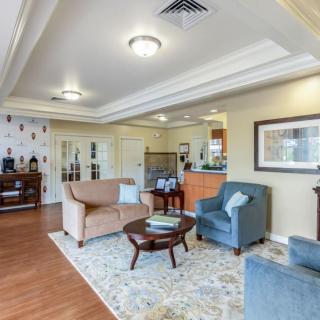
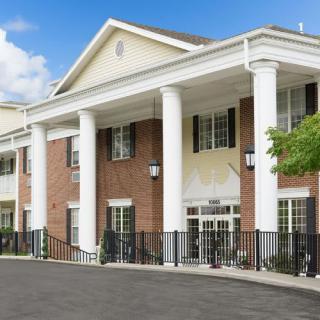
Glenwood Village of Overland Park on seniors.fyi includes 53 photos including images showing interior, dining, living room, decor, kitchen, floor plan, landscaping, building, and more.
Nearby Communities
EPOCH Assisted Living of Overland Park
Overland Park, KS
4 from 23 reviews
$1,995 to $7,395 / month
Comprehensive memory-care focus with diverse housing options and robust on-site amenities.
Home Sweet Home Care Services Agency
Overland Park, KS
Excellent access to nearby amenities and healthcare (cafes, restaurants, parks, pharmacies, physicians, places of worship, hospitals).
Novel Place Overland Park
Overland Park, KS
4.9 from 110 reviews
$2,200 to $3,600 / month
Friendly, attentive staff in a welcoming, well-maintained community with diverse activities.
Homewatch Caregivers of Overland Park
Overland Park, KS
4.4 from 21 reviews
Personalized care with safety and wellness focus; close to healthcare and amenities.
Seniorcare Homes Vineyard House
Overland Park, KS
Intimate 8-bed community with comprehensive care, furnished accommodations, meals, housekeeping, outdoor space, and medical transportation.
Homewatch Caregivers -Kansas City
Overland Park, KS
5 from 12 reviews
Excellent access to numerous nearby amenities (cafes, parks, pharmacies, physicians, restaurants, places of worship, theater, and hospitals) for an active lifestyle.
Meadowbrook
Prairie Village, KS
4.9 from 120 reviews
$6,801 to $8,841 / month
Clean, modern apartments with attentive staff
Morningside Place
Overland Park, KS
4.2 from 100 reviews
Caring staff with engaging activities in a clean, supportive environment.
Trustwell Living of Overland Park
Overland Park, KS
4.4 from 101 reviews
$4,250 to $5,250 / month
Friendly staff with engaging daily activities in a clean, home-like setting.
The article emphasizes the significance of establishing a power of attorney for elderly parents to enable an agent to make decisions on their behalf regarding health and finances, especially during cognitive or physical decline. It outlines various types of power of attorney, the importance of consulting legal professionals, and the responsibilities and challenges faced by agents, while also discussing alternatives and common misconceptions.
Caregiver support groups are crucial for providing emotional and practical assistance to those caring for loved ones, offering resources, coping strategies, and a sense of community through various organizations and platforms. These groups help alleviate isolation and burnout while addressing the unique challenges faced by caregivers of individuals with specific conditions.
The guide outlines the complexities of Medicaid coverage for assisted living, highlighting significant state-to-state variations, limited coverage often restricted to personal care services, and the existence of specialized waivers for certain needs like memory care. It advises families to consult local Medicaid offices for options while emphasizing the importance of understanding state-specific regulations and facility policies.
Get PricingAsk A QuestionSchedule A TourContact Senior Advisor
By clicking submit, you agree to our Partner's Terms of Use. You
also consent to receive calls and texts, which may be autodialed, from our Partner. Your consent is not a condition to
using our Partner's service. Please visit our Partner's Privacy Policy for information about their privacy practices.




 124 resident community capacity
 1-bedroom apartments
 Assisted Living
 Memory Care
 Cats allowed
 Dogs allowed
 Activities off-site
 Air-conditioning
 Beautician on-site
 Cable or satellite TV
 Computer center
 Devotional services off-site
 Dining room
 Financial aid
 Fitness room
 Fully furnished
 Gaming room
 Garden
 Ground floor units
 Guest parking
 Housekeeping services
 Indoor common areas
 Kitchenette
 Laundry
 Move-in coordination
 Outdoor common areas
 Private bathrooms
 Respite or short term stays offered
 Restaurant-style dining
 Small library
 Spa
Spa Telephone
 Wheelchair accessible showers
 Wi-Fi/high-speed internet available
 Kansas City International (23 miles away)
 Community operated transportation
 24-hour call system
 Ambulatory care
 Assistance with bathing
 Assistance with dressing
 Assistance with transfers
 Diabetes diet
 Diabetic care
 High acuity care
 Incontinence care
 Medication management
 Mental wellness program
 Special dietary restrictions
 Walking wheelchair assistance
 Art classes
 Book club
 Catholic services
 Concierge services
 Cooking classes
 Day trips and outings
 Educational speakers / life long learning
 Games
Games Happy hour
 Karaoke
 Live musical performances
 Wii bowling
 English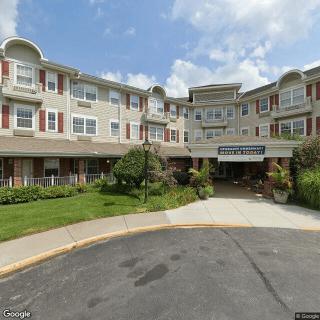
 Comprehensive memory-care focus with diverse housing options and robust on-site amenities.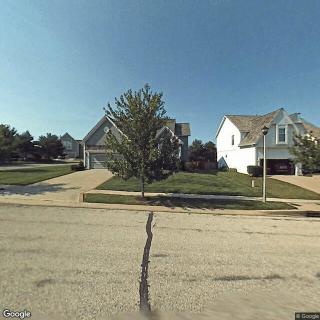

 Guiding Your Journey: Understanding Power of Attorney for Elderly Parents
 22 Remarkable Caregiver Support Groups Available Online and In-Person
 Understanding Medicaid Coverage for Assisted Living: A Comprehensive Guide