
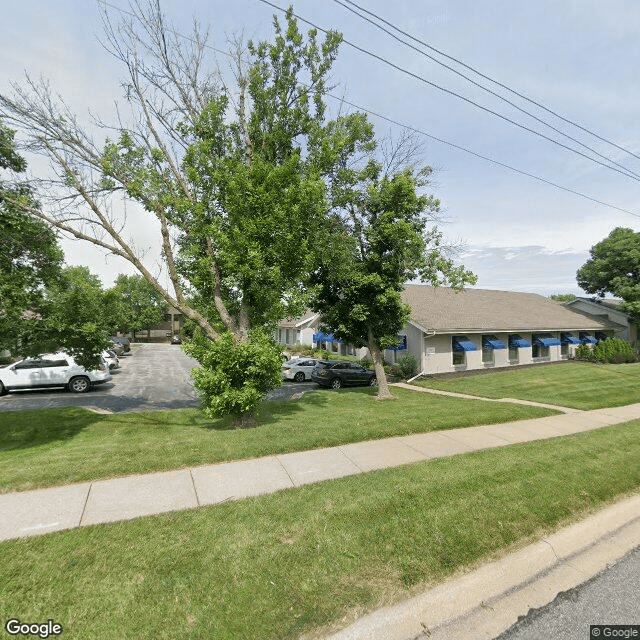
9270 Glenwood St. Suite A, Overland Park, KS 66212
To contact a resident: (913) 586-2712
For more information about senior living options: (866) 208-4318
Overall Review of Homewatch Caregivers of Overland Park
Pros
 The caregivers were well trained and highly competent.
- One caregiver was exceptional, and the others were also good.
- The service was reliable and responsive to questions and concerns.
- The administrators are knowledgeable and quick to answer questions and provide resources.
- The caregivers Tina and Z are kind and capable.
- They provide peace of mind and a sense of freedom and independence.
- Synergy is a wonderful home care agency that genuinely cares about clients and caregivers.
- The staff are friendly and consistently helpful in ensuring the needed care.
- Families would highly recommend Synergy's services.
- Caregivers are caring and dependable.
- Clients can stay in their homes longer with Synergy's assistance.
Cons
 They were unresponsive to calls or texts and appeared unprofessional.
- They left the caregiver without warning and without ongoing work.
- The aides were inadequately trained.
- The aides did more sleeping than working.
- Night-time help required others to wake up to get attention.
- They charged too much for the service.
- The booking staff did not follow through after promising service.
- They would not be recommended to others.
Review
Homewatch Caregivers of Overland Park is best suited for families who want to keep a loved one living at home with hands-on, professionally managed support. The model works well when dementia or chronic needs require steady companionship as well as personal care, and when families value a thorough caregiver-matching process, clear scheduling, and a responsive administrative line. For seniors who prize independence but need regular supervision, this agency can deliver a reliable baseline of safety and assistance with daily tasks, along with the emotional benefit of familiar surroundings and a trusted care team overseeing the plan.
Alternatives merit consideration when the priority is rigid, round-the-clock medical oversight or when the loved one would benefit from a more structured, community-based setting. If experiences involve fluctuating caregiver availability or inconsistent follow-through, or if budget constraints require tight control over every line item, a traditional assisted living facility or memory care program with on-site clinical staff may offer greater accountability and predictability. In cases where ongoing mobility limitations and medical complexity demand constant supervision, a facility-based solution can reduce the risk of gaps in care.
The strongest positives from these experiences center on staff competence and responsiveness. Families report caregivers who are well trained, capable, and genuinely compassionate, with an ability to sustain independence at home for longer than anticipated. Administrators and schedulers are repeatedly praised for reliability and prompt answers to questions, while intake and matching processes are seen as pivotal in aligning personalities with care needs. The result is a pronounced sense of peace of mind, driven by a dependable caregiving presence and a team that can adapt as conditions evolve, including dementia-specific support and coordination with other services as plans change.
Not every experience is flawless, however. Some reviews underscore variability in caregiver performance, with instances of perceived gaps in training or misalignment with scheduling expectations. Occasional communication lapses or delayed responses have been noted, which can erode confidence, especially when quick adjustments are necessary. In-home care pricing, while often justified by service breadth, remains a consideration; several families emphasize the need for tight oversight to ensure value aligns with the level of care provided. These cautions point to the reality that success hinges on disciplined leadership, ongoing caregiver supervision, and clear escalation channels.
When the agency hits the mark on best-fit matching, reliability, and transparent communication, the benefits far outweigh the drawbacks. A stable core team reduces turnover and builds trust, delivering consistent support for complex needs, including memory challenges and mobility limitations. The ability to tailor the care plan, scale services up or down, and coordinate with outside providers makes in-home care a compelling alternative to early placement in a facility, particularly for those who value preserving routines, familiar environments, and meaningful daily engagement. Even imperfect periods can be corrected swiftly by attentive management that revises plans and activates backup caregivers.
For families weighing this option, practical steps can maximize success. Begin with an in-home assessment followed by a formal, written care plan that spells out goals, tasks, and how progress will be measured. Demand explicit caregiver matching criteria, prioritize dementia experience, compatibility with the loved one’s personality, and any language or cultural needs. Confirm 24/7 availability if around-the-clock support is essential, and probe for backup coverage and the process for substituting caregivers when needed. Lastly, request references from peers with similar care needs, agree on a trial period with clear milestones, and establish a direct point of contact for ongoing issues to ensure the home environment remains safe, comfortable, and responsive to evolving goals.
 Kansas City International (24 miles away)





 Comprehensive Guide to Blood Pressure Charts for Older Adults: Understanding Normal and High Readings by Age
 Financing Long-Term Nursing Home Care Through Social Security: A Thorough Exploration
 Essential Knowledge on Pneumonia in Older Adults