For more information about senior living options: (866) 208-4318
4.3 from 38 reviews
5 stars
30
4 stars
2
3 stars
0
2 stars
0
1 stars
6
Overall Review of Overland Park Nursing And Rehab Center
common26 reviews mention this
Staff care and responsiveness stand out
Residents and families consistently describe kind, attentive staff and responsive care.
Many reviews emphasize that staff members are kind, welcoming, and dedicated, with frequent mentions of compassion and attentiveness to residents. Several also describe staff as helpful with settling in and follow-through on day-to-day needs, including responsiveness when concerns come up. A small number of negative reviews describe serious breakdowns, including nursing not addressing a patient need and administrators not returning calls or being helpful.
common4 reviews mention this
Activities help residents stay engaged
Residents can stay busy, with regular activities and outings mentioned in multiple reviews.
Reviews repeatedly mention that the community offers enough to keep residents engaged, including scheduled activities and events. One reviewer specifically points to an active environment and opportunities like bingo. Others describe varied programming and an activity director who helps residents participate at their level.
common4 reviews mention this
Dining quality comes up often
Meals and food quality are discussed both positively and negatively across reviews.
Several reviews say the meals were very good or that residents did not complain about food, including someone who praised the cooks aiming to please. Another reviewer describes eating in the main dining room as part of a positive rehab experience. On the downside, one review criticizes the food as bad and ties that to a lack of help when a resident would not eat.
common3 reviews mention this
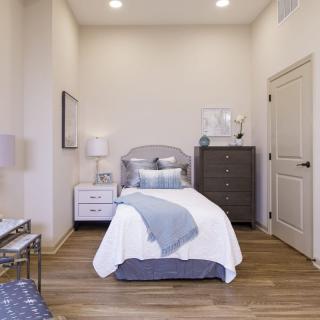
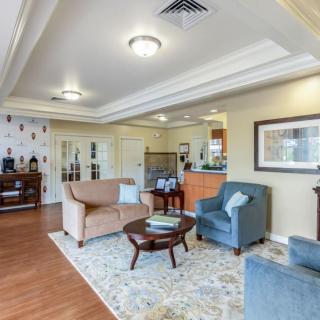
Clean rooms and overall condition
Multiple reviews mention the facility looks clean and well-kept.
Some reviewers highlight that the facility is clean, with rooms described as clean and a pleasant overall presentation. One review also mentions the building being nice and clean, along with staff being engaged. A separate negative review raises hygiene concerns and mentions issues like bedsores.
common3 reviews mention this
Rehab feels individualized and goal-focused
Rehab reviews describe therapy delivered with personal goals in mind.
For residents receiving rehab, multiple reviews describe therapy and care as goal-oriented and directed toward restoring strength. One reviewer describes receiving physical and occupational therapy and reports improvement in endurance and strength. Another says the community works hard to individualize care to help residents achieve their goals.
caveat3 reviews mention this
Communication and care follow-through are mixed
A few reviews raise concerns about communication and nursing follow-through.
While most feedback is positive, a few reviews describe problems with care delivery and responsiveness. One review recounts a nursing situation where a patient need was not addressed and communication felt unacceptable, and another describes administrators not returning messages and being unhelpful. A separate review says their loved one faced unresolved issues, limited doctor access, and insufficient help with eating.
How we summarize
Counts show how many written reviews mention each theme; a review can touch several themes, and only frequently mentioned themes are displayed.
Features
Housing
102 resident community capacity
Types of Care
Skilled Nursing Facility
Amenities
Air-conditioning
Beauty salon
Cable or satellite TV
Computer center
Dining room
Fitness room
Fully furnished
Gaming room
Garden
Housekeeping services
Kitchenette
Move-in coordination
Outdoor space
Private bathrooms
Restaurant-style dining
Small library
Telephone
Wellness center
Wi-Fi/high-speed internet available
Transportation
Kansas City International (21 miles away)
Community operated transportation
Transportation arrangement
Transportation arrangement (non-medical)
Transportation to doctors appointments
Care Services
12-16 hour nursing
24-hour call system
24-hour supervision
Activities of daily living assistance
Assistance with bathing
Assistance with dressing
Assistance with transfers
Diabetes diet
High acuity care
Meal preparation and service
Medication management
Mental wellness program
Special dietary restrictions
Dining
Diabetes diet
Special dietary restrictions
Activities
Community-sponsored activities
Concierge services
Fitness programs
Planned day trips
Resident-run activities
Scheduled daily activities
Nearby Places of Interest
This neighborhood in Overland Park, Kansas, offers a convenient and diverse range of amenities for seniors. With several pharmacies within close proximity, accessing medication and healthcare services is easily manageable. Additionally, there are numerous dining options nearby, including fast food chains and sit-down restaurants, catering to various tastes. The presence of places of worship ensures spiritual support and community engagement opportunities. For leisurely activities, several parks provide green spaces for relaxation and outdoor enjoyment. Access to reputable physicians and hospitals within a reasonable distance ensures quality healthcare services are readily available in case of medical needs. Overall, this part of Overland Park provides a well-rounded environment with essential services and recreational options for seniors looking to settle down in a welcoming community.
The article highlights nine memory-boosting activities for seniors that enhance cognitive health and social interaction, including puzzles, trivia quizzes, and storytelling, while emphasizing the importance of adapting these activities to individual preferences to maximize enjoyment and engagement. Consistent mental engagement is linked to improved cognitive function and emotional well-being in older adults.
Medicare provides limited coverage for skilled nursing home care, covering full benefits for the first 20 days and partial benefits up to 100 days under certain conditions, after which families must explore alternative funding options like Medicaid or long-term care insurance to manage potentially high costs. Proactive planning is essential to navigate the complexities of financing ongoing care once Medicare coverage ends.
Geriatric care managers create personalized care plans for older adults, addressing their medical, social, financial, and psychological needs while coordinating services and advocating for their well-being. They help families navigate caregiving challenges but may be hindered by high costs and a shortage of qualified professionals.
Get PricingAsk A QuestionSchedule A TourContact Senior Advisor
By clicking submit, you agree to our Partner's Terms of Use. You
also consent to receive calls and texts, which may be autodialed, from our Partner. Your consent is not a condition to
using our Partner's service. Please visit our Partner's Privacy Policy for information about their privacy practices.

 102 resident community capacity
 Skilled Nursing Facility
 Air-conditioning
 Beauty salon
 Cable or satellite TV
 Computer center
 Dining room
 Fitness room
 Fully furnished
 Gaming room
 Garden
 Housekeeping services
 Kitchenette
 Move-in coordination
 Outdoor space
 Private bathrooms
 Restaurant-style dining
 Small library
 Telephone
 Wellness center
 Wi-Fi/high-speed internet available
 Kansas City International (21 miles away)
 Community operated transportation
 12-16 hour nursing
 24-hour call system
 Activities of daily living assistance
 Assistance with bathing
 Assistance with dressing
 Assistance with transfers
 Diabetes diet
 High acuity care
 Medication management
 Mental wellness program
 Special dietary restrictions
 Concierge services
 Planned day trips
 Friendly, accommodating staff and a welcoming community with good dining.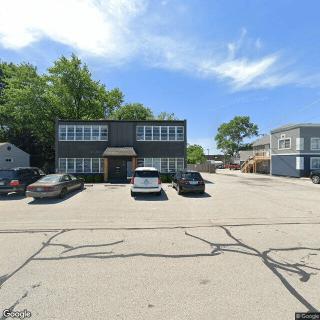

 9 Stimulating Memory Activities for Seniors: Puzzles, Cards, and Much More
 Managing Nursing Home Expenses After Medicare Coverage Ends
 Is a Geriatric Care Manager the Right Choice for Your Family?