
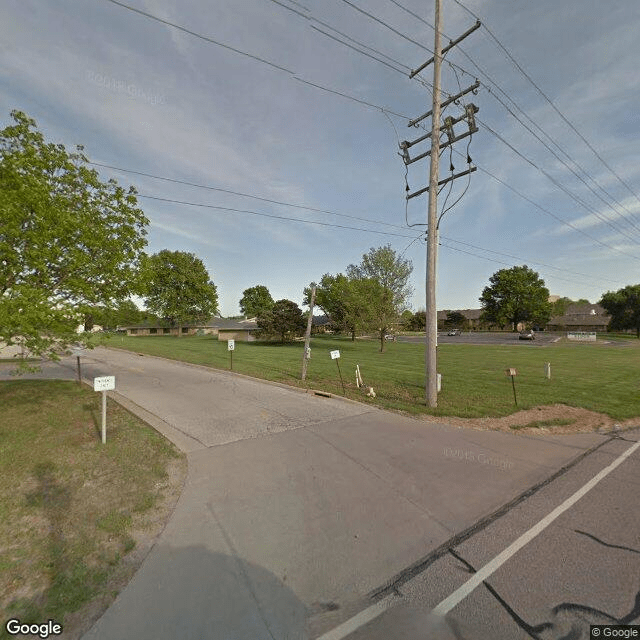
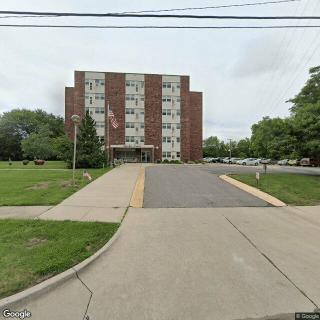
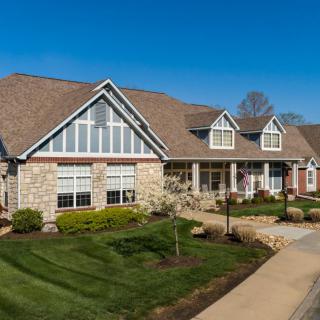
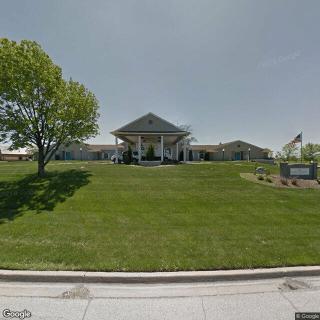
400 S Rogers Road, Olathe, KS 66062
To contact a resident: (913) 782-3350
For more information about senior living options: (866) 208-4318
Overall Review of Pinnacle Ridge Nursing & Rehab
Pros
 The administration is working hard to provide a positive living experience to residents.
- The facility has been nice and the staff at least try to improve.
- The mother enjoys her time there.
- The memory care unit is amazing; the staff loved her and she loved them, making her final days happy.
- The activity director is the heart and soul of the facility.
- The boss is kind and caring toward his staff and the residents, creating a welcoming, team-focused environment.
- The care and cleanliness are very good.
Cons
 The reviewers described Pinnacle Ridge as the worst facility they had ever encountered.
- Staff were seen as incompetent, rude, and sometimes just plain weird.
- The facility was said to smell, with rooms so tiny that residents’ belongings were stacked on top of each other.
- Call lights went unanswered as nurses sat at the station chatting about their dates.
- The staff were described as inept and uncaring, and there were allegations that the facility posted a fake five-star review to look better online.
- It was claimed that call lights were not answered, there were no TVs, no chairs for visitors, and medications were not provided to residents when needed.
- One reviewer warned Pinnacle Ridge could be the most incompetent nursing facility in Kansas and urged people not to choose it, alleging misleading admissions practices.
- Another reviewer described the facility as a horror—call lights left on for hours, nurses distracted by cell phones, residents in soiled clothing, and verbal abuse by staff.
- The facility was labeled a “death trap” and not recommended, with advice to seek another facility.
Review
Pinnacle Ridge Nursing & Rehab is best suited for families seeking a memory-care focused environment where the care team on that unit is described as loving and engaged, and where active family involvement is welcomed. The positive narrative around the memory care experience, with residents who seem to receive attentive, affectionate treatment, makes it attractive for families who want a place that prioritizes personal connections and a humane visitation culture. For post-acute rehab or general skilled-nursing care, however, this community tends to be a mixed bag, so the match hinges on whether memory care is the priority and whether the rest of the care picture can be closely supervised by relatives or guardians.
Those who should strongly consider alternatives are families needing consistently reliable, high-caliber skilled nursing and rapid response to call lights. The reviews describe persistent issues with responsiveness, frequent call-light neglect, and staff distractions that undermine safety. Reports of medication errors, staff turnover, and administrative gaps further tilt the balance toward caution. If medical stability, timely pain management, and unambiguous accountability are nonnegotiable, other facilities with steadier staffing and clearer escalation protocols are likely to deliver more peace of mind.
On the upside, the most credible positives cluster around the memory-care unit and the atmosphere of social engagement. The memory unit is repeatedly praised as exceptional, with caregivers who genuinely connect with residents and foster a sense of dignity in a difficult phase of life. A few reviewers note a welcoming environment that encourages family visits and even intergenerational interactions, along with staff who express warmth and a genuine commitment to residents. When these elements align, they can substantially improve quality of life for residents who require higher levels of supervision and specialized dementia care.
Yet the negative threads dominate the overall impression. The most troubling patterns include persistent odors, alarm bells ignored or mismanaged, and caregivers who appear inefficient or disengaged. Several accounts describe verbal abuse, neglect concerns, and at least one high-profile incident where a patient was not treated with appropriate care, culminating in emergency medical involvement. Administrative responsiveness is another recurring hurdle, with families feeling unheard even after reporting serious problems. Taken together, these factors erode trust and raise serious questions about day-to-day safety and dignity.
Prospective residents should insist on a rigorous, transparent tour focused on staffing and process. Ask for current nurse-to-resident ratios on both the general floor and the memory-care unit, and request specific examples of how call lights are tracked and prioritized during shifts. Inquire about medication administration protocols, recent audit results, and how the facility handles allergy alerts and cross-patient medication safety. Observe the environment for cleanliness and odor, verify that personal belongings can be reliably protected, and talk to a few current residents and family members about what a typical day looks like.
The bottom line is clear: Pinnacle Ridge presents a conflicted choice. For families prioritizing memory care with a compassionate, person-centered feel, there is a compelling case to engage deeply, visit often, and monitor closely, because the unit’s care ethos can deliver meaningful, comforting days for loved ones in that setting. For those who require consistently dependable nursing, rapid response to calls, and error-free medication handling across the entire facility, the risks highlighted by multiple reviews outweigh the potential gains. Preparation, diligence, and clear expectations are nonnegotiable if this community is pursued.
 94 resident community capacity
 Memory Care
 Skilled Nursing Facility
 Air-conditioning
 Beauty salon
 Cable or satellite TV
 Computer center
 Dining room
 Fitness room
 Fully furnished
 Gaming room
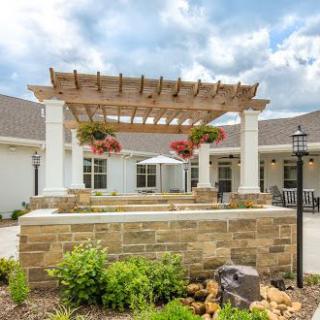
 Garden
 Housekeeping services
 Kitchenette
 Move-in coordination
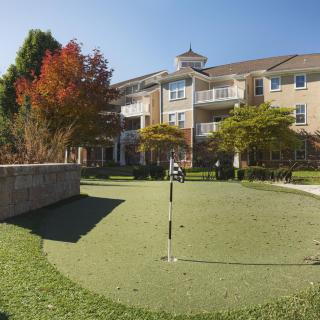
 Outdoor space
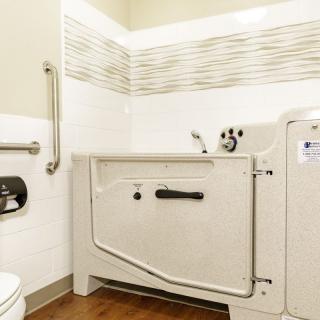
 Private bathrooms
 Restaurant-style dining
 Small library
 Telephone
 Wellness center
 Wi-Fi/high-speed internet available
 Community operated transportation
 12-16 hour nursing
 24-hour call system
 Activities of daily living assistance
 Assistance with bathing
 Assistance with dressing
 Assistance with transfers
 Diabetes diet
 High acuity care
 Medication management
 Mental wellness program
 Special dietary restrictions
 Concierge services
 Planned day trips
 Are Dementia and Alzheimer's Disease Lethal? A Comprehensive Exploration
 Exploring the Power of Reminiscence Therapy for Individuals With Dementia
 An In-Depth Look at Reminiscence Therapy in Dementia Care