
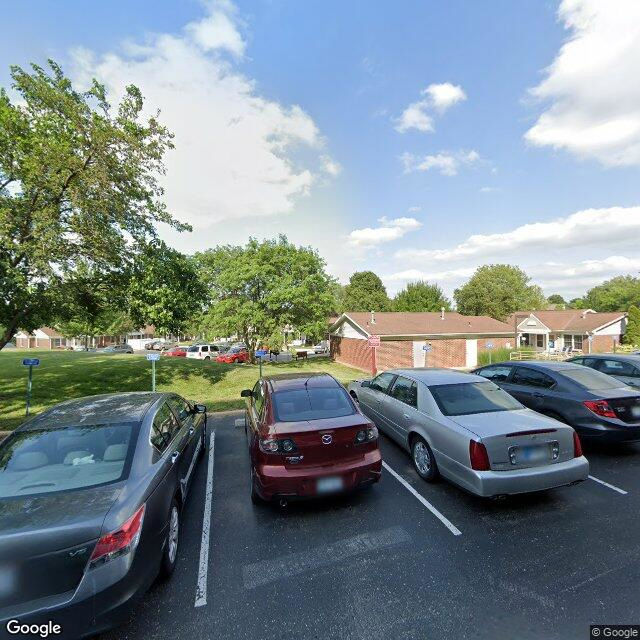
1429 E College Way, Olathe, KS 66062
To contact a resident: (913) 782-7047
For more information about senior living options: (866) 208-4318
Overall Review of Good Samaritan Village
Pros
 People are so nice it's a good community.
- It is a great place for senior citizens to live, with games and social interaction.
- They have lived in this independent living apartment home for five years and like it very much.
- There are many good people here, and they take such good care of them.
- My mom has a roof over her head.
- The place is perfect for her.
Cons
 The management is rude and horrible.
- Her apartment was filthy, with dirty kitchenware, rotten food, and punch stains everywhere.
- Cleaning services had not shown up for weeks despite enrollment.
- Black mold covered a significant portion of items, which had to be discarded.
- Rent and security deposits were not refunded properly, with funds issued in the deceased mother’s name.
- The facility faced pest problems, including cockroaches and multiple bed bug infestations.
- Not a good location for living.
- A male resident wandered the hallways naked, and complaints were ignored, compromising safety.
Review
Good Samaritan Village in Olathe is best suited for financially minded seniors who want an active, people-centric retirement environment and can tolerate variable management responsiveness and potential maintenance challenges. The facility operates as a HUD-supported independent living option, offering a long-standing residency path with a roof over residents’ heads and ongoing social opportunities. For couples or individuals who value stability, affordability, and the chance to stay connected through games and communal events, this community delivers a practical, low-cost home base that can anchor a retirement plan.
Those weighing alternatives should note that this is not a one-size-fits-all solution. Families seeking consistently proactive on-site care, rigorous cleaning standards, or stringent safety oversight may want to explore non-HUD options or communities with higher oversight and stronger maintenance teams. Health needs that may require regular nursing supervision or rapid escalation of concerns are likely better served elsewhere. Potential residents who prize seamless management interactions and predictable service levels should proceed with caution or consider other independent living or assisted-living settings.
The strongest positives center on social vitality and long-term affordability. Residents report a warm, neighborly atmosphere and ample opportunities for interaction, which can counter loneliness and support ongoing engagement in later years. The sheer continuity, some residents and families describe years of attachment to the place, adds a layer of reliability for those seeking a familiar, stable environment. For households prioritizing budget-conscious living with the possibility of staying connected to a familiar community, these social benefits frequently outweigh simpler amenities found in pricier facilities.
However, significant concerns about upkeep and safety elevate the risk calculus. Alarming accounts of neglect in apartment cleanliness, pest infestations, and mold raise legitimate health questions, particularly for residents with limited mobility or chronic conditions. The reports describe months-long gaps in cleaning services, with deplorable conditions that required outside agencies to become involved. Combined with recurring bed bug and roach activity, these issues directly challenge residents’ well-being and can undermine the very stability the community promises. When maintenance and sanitation falter, the social advantages no longer fully compensate.
Safety worries compound the maintenance failures. Anecdotes about residents wandering unsupervised, including a case of inappropriate behavior on a floor, suggest that some individuals on site may require closer supervision or more structured programming. The combination of cleaning lapses, pest problems, and inconsistent responsiveness by management translates into a domain where health, dignity, and security can be compromised. Add to this the friction over refunds and deposits, tangled administrative processes that delayed or misdirect funds after a resident’s passing, and the picture sharpens: the risk of administrative or operational missteps weighs heavily against the apparent warmth of the resident community.
In advising families, the prudent move is to verify a current, concrete plan for addressing these red flags before any placement. Demand a detailed service agreement that clarifies cleaning frequency, pest control measures, emergency response protocols, and a transparent process for handling deposits and refunds. Request a recent health-and-safety audit, and insist on visible, responsive management contact points with escalation steps. If choosing to move forward, arrange an in-person unit tour with a checklist focused on cleanliness levels, pest control status, and evidence of timely maintenance responsiveness. For those who cannot tolerate the risk, alternatives with stronger oversight or higher care levels are advisable. For others who prize community, affordability, and a stable residence, Good Samaritan Village offers a workable option, provided these core concerns are actively addressed and monitored over time.
 Active Adult Communities (55+)



 Caregiver Exhaustion: Recognizing the Signs and Restoring Your Well-Being
 Understanding Hospice Care at Home: Comprehensive Services, Key Benefits, and Eligibility
 Understanding the Full Cost of 24/7 In-Home Care: A Detailed Overview