
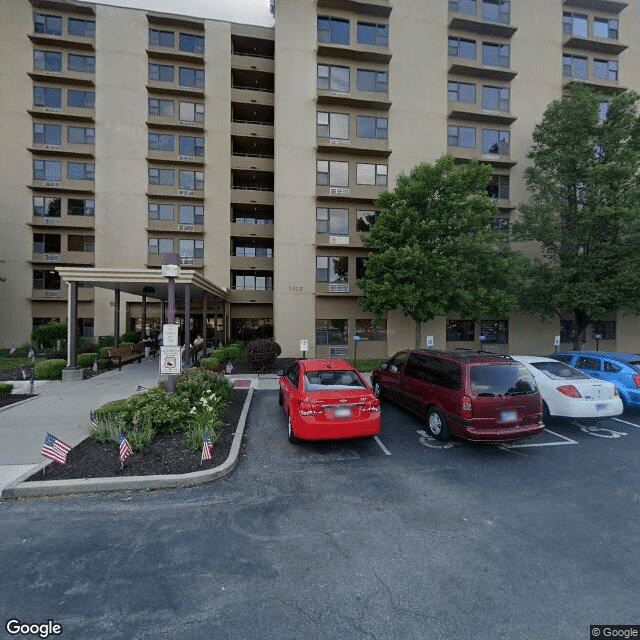
1425 E College Way, Olathe, KS 66062
To contact a resident: (913) 782-6131
For more information about senior living options: (866) 208-4318
Overall Review of Good Samaritan Towers
Pros
 People are so nice; it's a good community.
- It's a great place for senior citizens to live, with games and social interaction.
- Residents have lived in the independent living apartment home for five years and like it very much.
- There are so many good people here, and they take such good care of the residents.
- Her mom has lived there for nearly twenty years.
Cons
 The report describes the experience at the facility as terrible.
 - It notes wait times were extremely long and that staff sometimes did not show up.
- The staff appeared unhappy and did not seem to like their jobs.
- Management is described as rude and horrible.
- The apartment was filthy, with rotten food, dirty kitchenware, and urine-smelling clothing.
- Trash had not been taken out for weeks, and the apartment had not been vacuumed.
- There were serious cleaning failures, including congealed fruit punch, spilled food, worms, hidden dirty items, and widespread mold.
- The property faced a major bed bug problem with multiple infestations.
Review
Good Samaritan Towers in Olathe is best suited for seniors who want affordable, independent living with a ready-made social environment and are comfortable navigating a HUD-backed property where oversight exists but day-to-day care quality can vary. The building carries a long-standing presence in the community, and residents often stay for years, drawn by stability and the opportunity to participate in resident events and social routines. This is the kind of place where neighbors become a network, where you can rely on a familiar building rhythm, and where the appeal centers on belonging and lower housing costs rather than on bundled caregiving. It works best when independence is the primary goal and a resident can advocate for their own needs within a fluctuating management framework.
Those who may want to consider alternatives are seniors whose daily life depends on consistent, high-quality housekeeping, rapid response to assistance requests, or reliable in-unit care. Several reviews flag serious problems that would be intolerable for anyone with significant health needs or mobility limitations. Families prioritizing hygiene, pest control, and prompt service should look elsewhere, as persistent cleanliness issues, infestations, and inconsistent maintenance have been documented. For residents who require regular, proactive safety monitoring or a clean, well-kept living space as a non-negotiable standard, another option will likely deliver more peace of mind.
On the upside, the community aspect and affordability carry real value. The property is described as a place where people are “very nice” and where social interaction, games and activities, enhances daily life. For many residents, the chance to stay in a familiar neighborhood with reasonably priced housing is a meaningful advantage, especially when care needs are not urgent or daily. The HUD framework adds a layer of accountability through inspections and oversight, which can offer some reassurance for families monitoring long-term housing stability and compliance. When social engagement and cost are the top priorities, this setting delivers meaningful positives that can outweigh ongoing frictions.
The core drawbacks, however, are hard to ignore. Reviews recount long or missing responses to assistance calls, a pattern that erodes daily safety and comfort. Maintenance and housekeeping appear inconsistent, with accounts of filthy apartments, unaddressed cleaning needs, and pest infestations, including bed bugs and cockroaches, that have persisted over time. Financial friction compounds the volatility: delays or mistakes in refunds and deposits have created a high-stress dynamic for families, undermining trust in management. These issues aren’t minor annoyances; they touch on health, dignity, and the ability to remain in place without escalating stress or risk.
Balancing these forces requires a clear-eyed assessment of risk versus reward. If the priority is social connection, predictable ambience, and subsidized housing that keeps living costs manageable, the pros may still justify a move, provided the resident is prepared to stay actively engaged with management and to verify that service commitments are honored. Prospective residents should demand transparent, written service plans, a documented housekeeping schedule, and a concrete pest-control and cleaning protocol before signing. A frank discussion with current residents about response times, safety concerns, and whether there is a trusted on-site contact who can escalate issues quickly is essential.
Ultimately, Good Samaritan Towers serves a very particular profile: a senior who wants independent living with a built-in community and affordable rent, and who can tolerate or influence imperfect management and variable maintenance. For anyone whose health or safety depends on reliable in-unit care, prompt housekeeping, or sterile living conditions, alternatives that emphasize consistent staffing, higher standard of cleanliness, and proactive risk management should be pursued. Families should weigh social value and cost against the risk of neglect, expedient responses, and ongoing infestations, and consider securing a trial period during which service responsiveness and cleanliness can be evaluated firsthand.
 Active Adult Communities (55+)
 Skilled Nursing Facilities vs. Nursing Homes: Making Sense of the Differences
 A Detailed Examination of Nursing Home Costs Across the U.S.
 Exploring Nonmedical Home Care: Understanding Services, Costs, and Financial Approaches