For more information about senior living options: (866) 208-4318
4 from 20 reviews
5 stars
9
4 stars
3
3 stars
7
2 stars
1
1 stars
0
Homestead of Olathe Costs & Pricing
The Homestead of Olathe offers competitive pricing for various room types when compared to both Johnson County and the broader state of Kansas. For semi-private rooms, residents benefit from a significantly lower rate of $2,605, which is notably less than the county average of $5,004 and the state average of $4,562. In the studio category, however, costs are slightly higher at $4,280 compared to Johnson County's $4,549; yet they remain just above the state average of $4,094. The one-bedroom option at Homestead also reflects this trend with a price point of $4,715 - surpassing both Johnson County's average of $4,262 and Kansas's statewide average of $3,859. Overall, while some room types at Homestead may exceed local averages slightly, its semi-private offering stands out as an exceptional value in the region.
Floor plans
Homestead of Olathe
Johnson County
Kansas
Semi-Private
$2,605
$5,004
$4,562
Studio
$4,280
$4,549
$4,094
1 Bedroom
$4,715
$4,262
$3,859
Assisted Living communities with a similar price nearby
Food quality stands out, with residents describing flavorful meals.
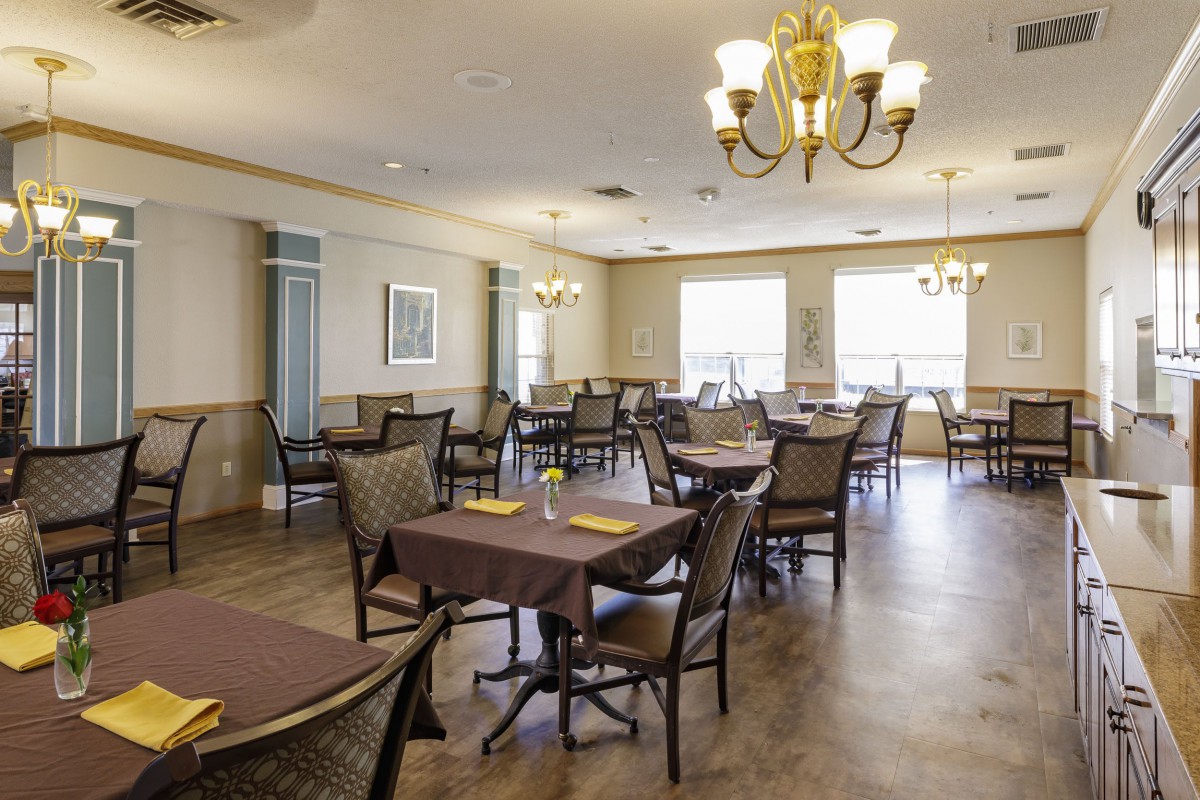
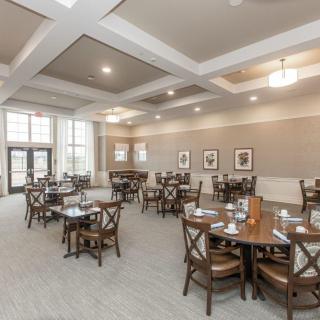
Several residents mention that meals are good, including comments about flavor and overall satisfaction with the food. Families also describe the dining as a strength, with multiple positive notes about the kitchen’s output. This lines up with the community offering restaurant-style dining and room service, along with diet options like gluten-free and no-sugar meals.
common13 reviews mention this
Staff feel caring and responsive
Residents and families frequently describe attentive, caring staff.
Across many reviews, people describe the staff as friendly, caring, attentive, and responsive. A few reviews also mention helping with care transitions and support when additional needs arise. There are also some concerns about slower response and communication with administration, but even that reviewer still says the staff remains friendly and the community is clean.
common7 reviews mention this
Cleanliness and upkeep matter
Residents frequently comment on a clean environment.
Several reviews specifically call out cleanliness as a positive, including comments about a safe, clean environment and good upkeep. Some families also mention cleanliness as part of why they felt confident after touring. On the downside, there are a couple of negative impressions, including an unpleasant odor noted during a tour and comments that some areas felt older or not in great condition.
common4 reviews mention this
Activities keep people engaged
Residents describe enough activities to stay involved.
Multiple reviews mention that there are activities available, including specifics like happy hour and bingo-style events. One review says they didn’t see much activity during the visit, but it also notes they were provided an activity calendar and courtyards that added to the overall comfort. Another reviewer ties activities to ensuring residents aren’t just staying in their rooms.
common2 reviews mention this
Pricing felt more attainable
Pricing is described as affordable compared to other options.
Some families describe the community as a less expensive choice during their search, while another review says pricing was comparable to other communities. The community offers assisted living, and pricing varies by unit type. Overall, residents’ comments suggest cost is not the main blocker for families deciding here.
caveat4 reviews mention this
Rooms and condition draw criticism
Some tours raised concerns about dated rooms and space.
Several reviews point to room-size and layout issues, including concerns about small room sizes, bathrooms being cramped, and hallways that could be hard to navigate with an electric wheelchair. Others describe areas as older or not in great condition, and at least one tour includes an odor concern. While other families found the facility pleasant and up to date, these negative impressions show up clearly in multiple tours.
caveat2 reviews mention this
Nursing staffing is a mixed point
Some residents question how nursing coverage works day to day.
One review says licensed nursing staff were only on call and not on site 24/7, which affected confidence in the facility manager. In contrast, another review highlights a solid head of nursing, describing care as being in place when needs arose. Together, the reviews suggest nursing leadership is viewed positively, but staffing coverage can be a concern for some families.
How we summarize
Counts show how many written reviews mention each theme; a review can touch several themes, and only frequently mentioned themes are displayed.
Features
Types of Care
Assisted Living
Pets
Cats allowed
Dogs allowed
Amenities
Activities off-site
Activities on-site
Air-conditioning
Bath tubs
Beautician on-site
Cable or satellite TV
Devotional services on-site
Ground floor units
Handicap accessible
Indoor common areas
Kitchenette
Outdoor common areas
Respite or short term stays offered
Wheelchair accessible showers
Wi-Fi/high-speed internet available
Care Services
Ambulatory care
Diabetic care
Incontinence care
Medication management
Dining
Gluten-free
Guest meals
Low / no sodium
Meals provided
No Sugar
Professional chef
Restaurant style dining
Room service
Activities
Art classes
Brain fitness
Catholic services
Day trips and outings
Devotional activities on-site
Educational speakers / life long learning
Happy hour
Karaoke
Live dance or theater performances
Live musical performances
Live well programs
Other religious services
Nearby Places of Interest
This part of Olathe, Kansas offers a variety of amenities and services that may be appealing for senior living. With several physicians' offices, pharmacies, and hospitals in close proximity, residents have easy access to healthcare facilities. Additionally, there are plenty of dining options nearby including fast food restaurants like McDonald's and Popeyes Louisiana Kitchen, as well as sit-down eateries such as K Macho's and Old Chicago. For recreational activities, there are parks like Haven Park and Thomas S. Stoll Dog Park within a short driving distance. Places of worship like the Overland Park Church of Christ provide spiritual support for those seeking it. Overall, this area provides a convenient and comfortable environment for seniors looking to settle down in Olathe.
Physicians
College Park Family Care - Murlen (0.1 miles)
Diagnostic Imaging Centers (1 miles)
Lenexa Va Clinic (2.3 miles)
Nephrology Associates (2.7 miles)
Docs Who Care (2.9 miles)
Pediatric Associates of Olathe (3.5 miles)
Sleep Disorders Center Olathe Medical Center (3.5 miles)
The Homestead of Olathe offers competitive pricing for various room types when compared to both Johnson County and the broader state of Kansas. For semi-private rooms, residents benefit from a significantly lower rate of $2,605, which is notably less than the county average of $5,004 and the state average of $4,562. In the studio category, however, costs are slightly higher at $4,280 compared to Johnson County's $4,549; yet they remain just above the state average of $4,094. The one-bedroom option at Homestead also reflects this trend with a price point of $4,715 - surpassing both Johnson County's average of $4,262 and Kansas's statewide average of $3,859. Overall, while some room types at Homestead may exceed local averages slightly, its semi-private offering stands out as an exceptional value in the region.
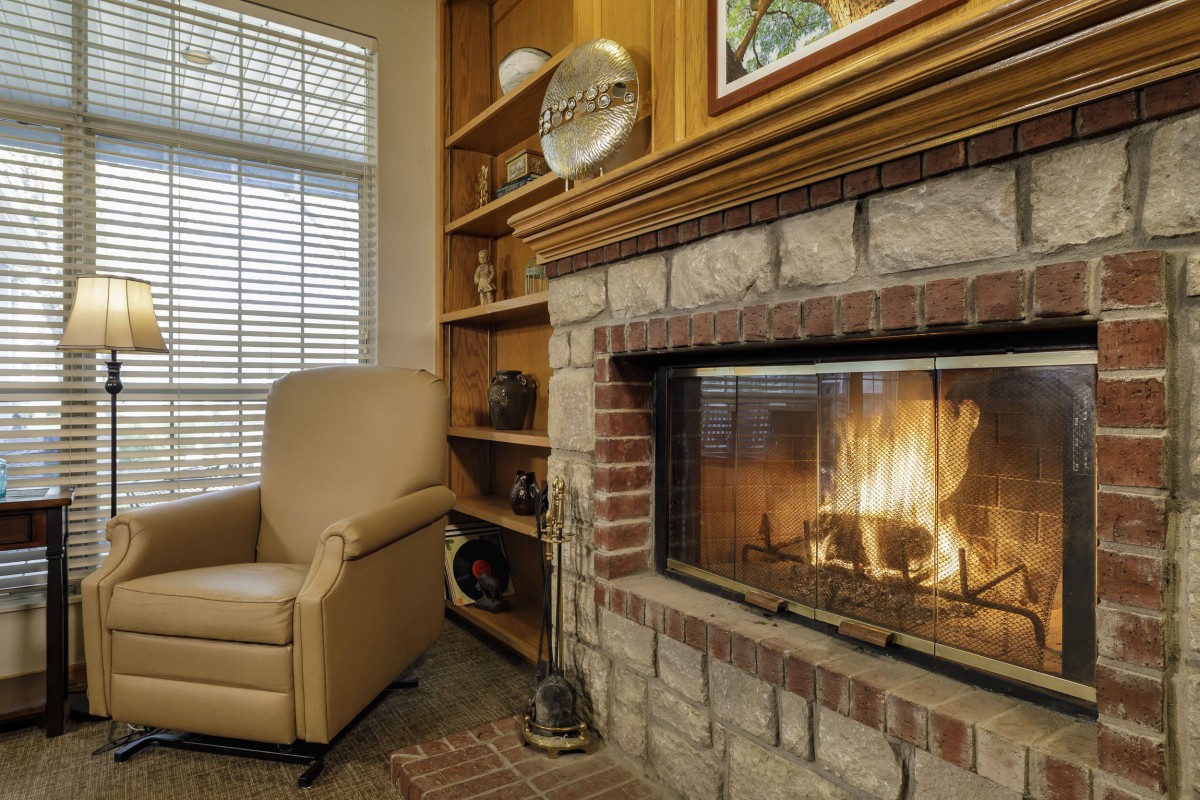
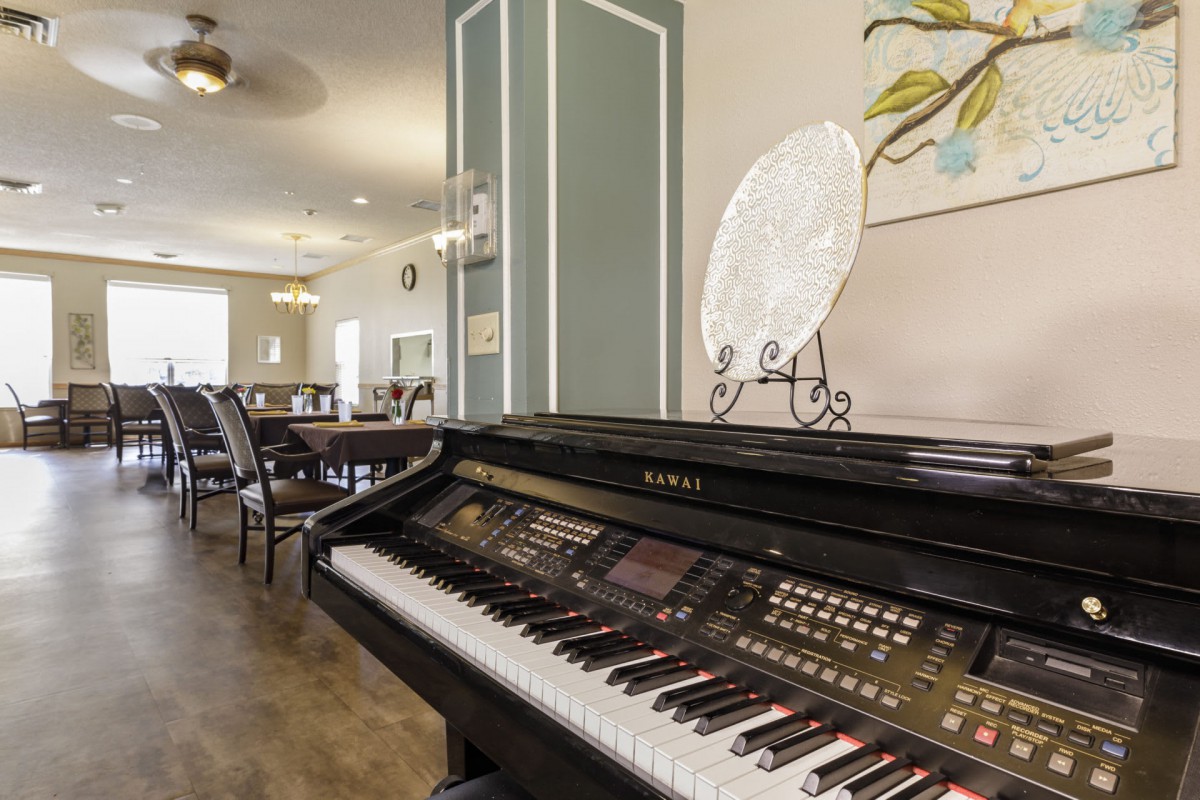
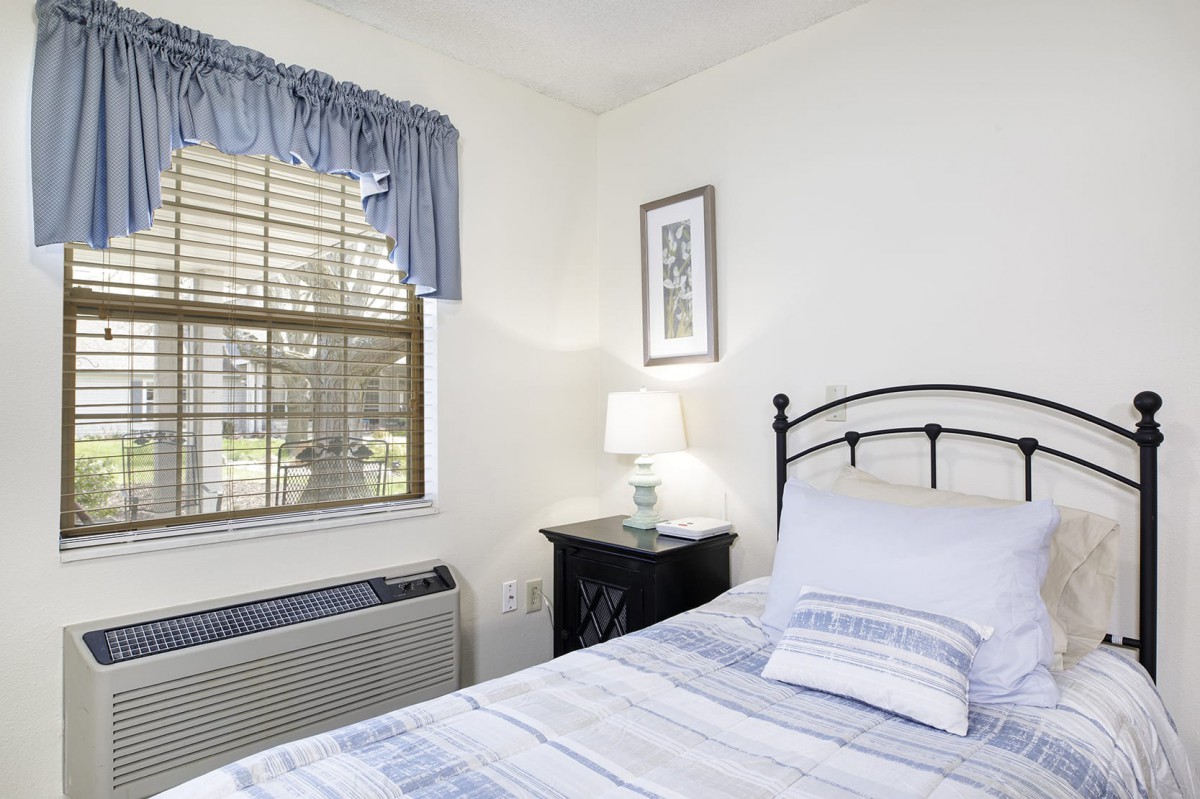
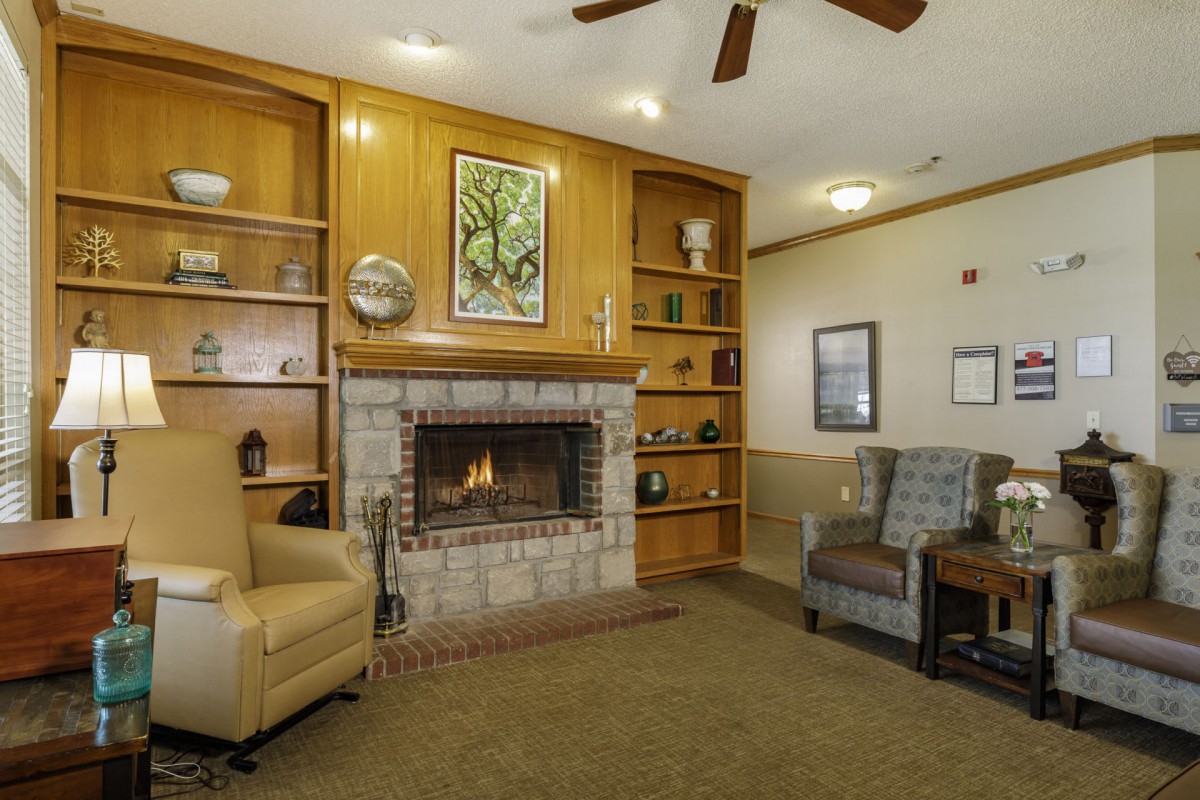
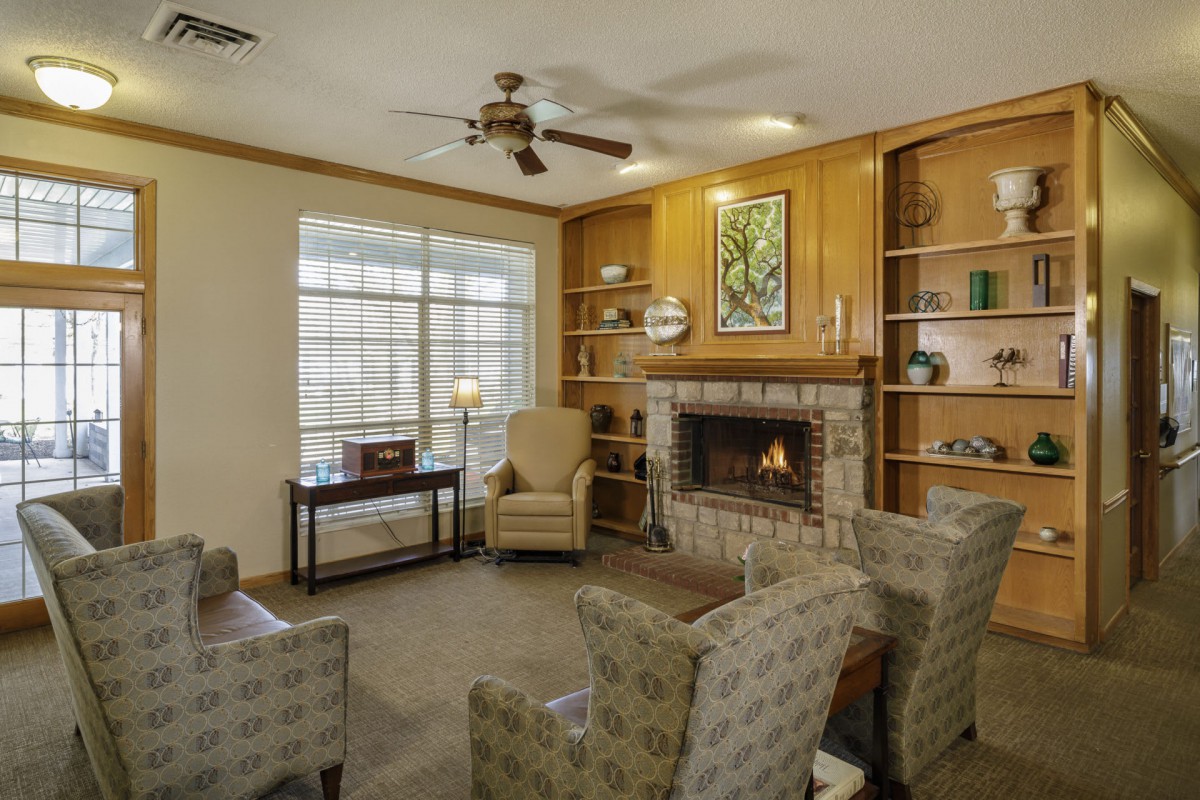
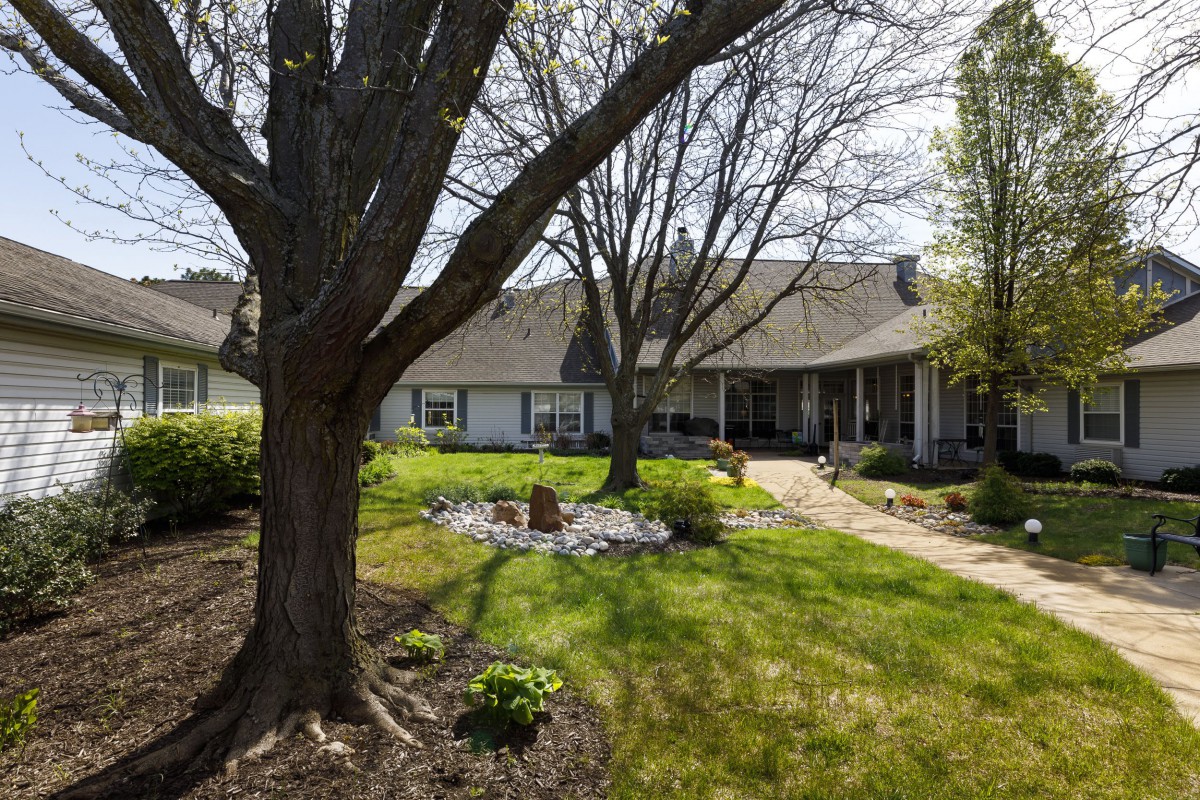
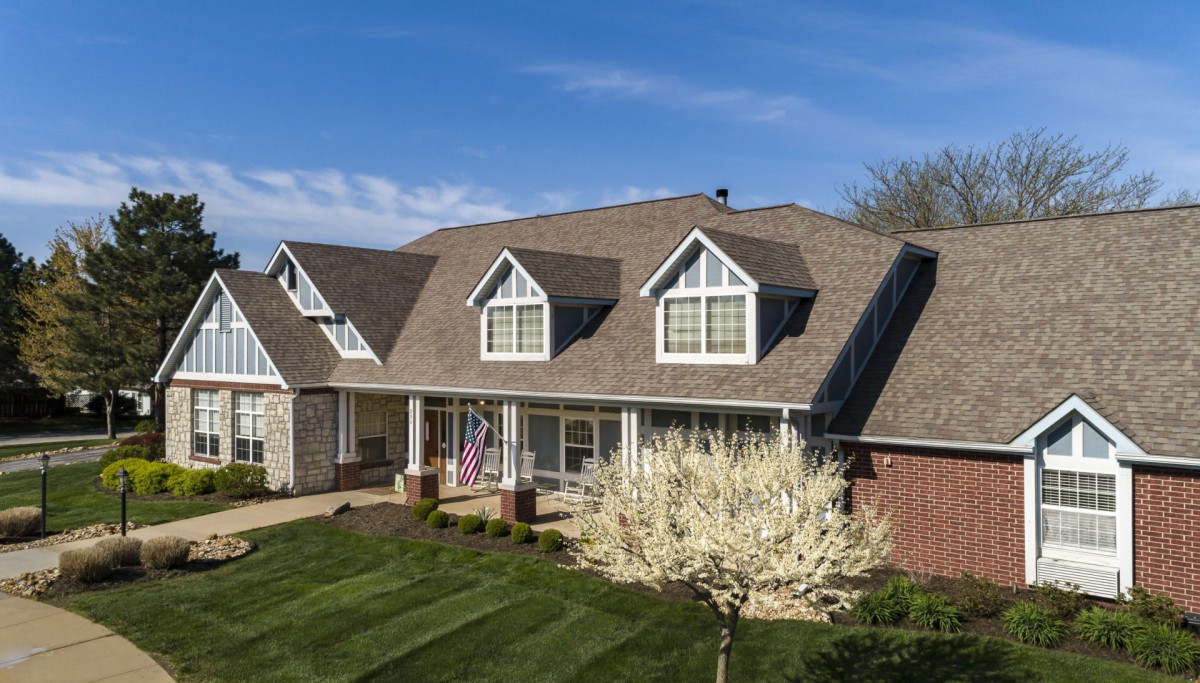
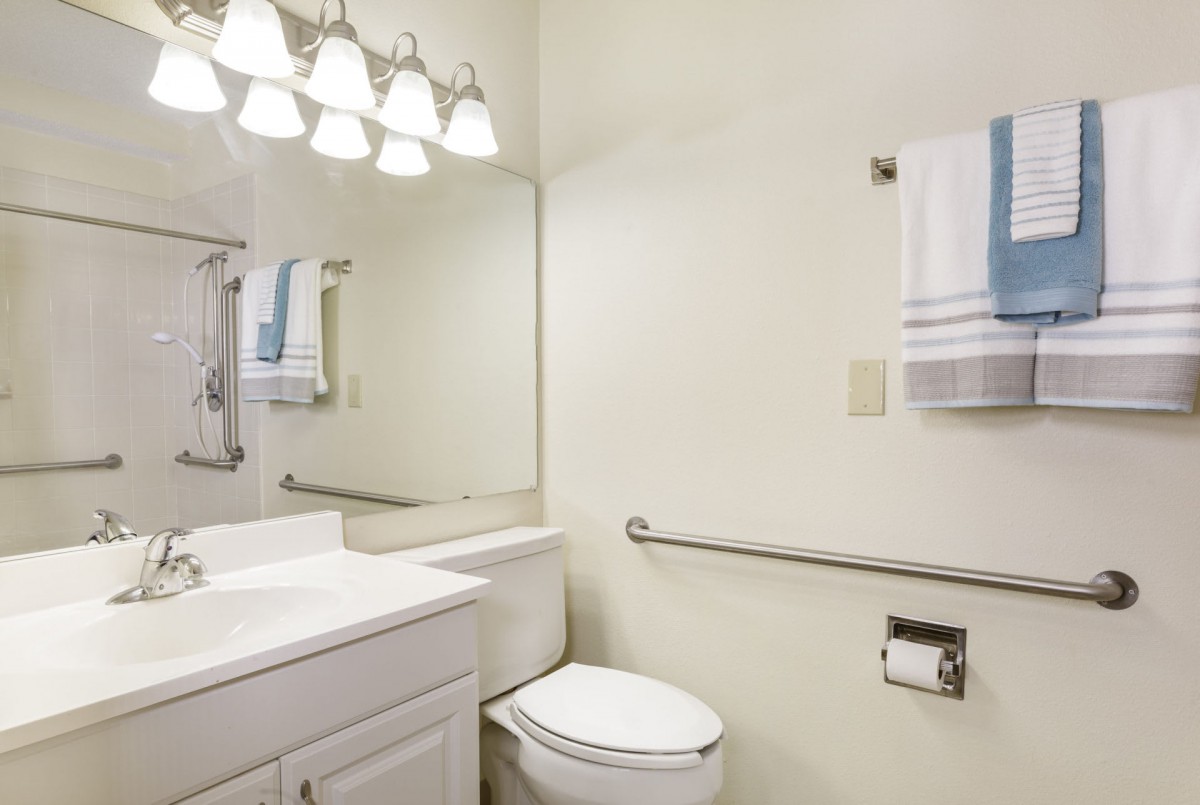
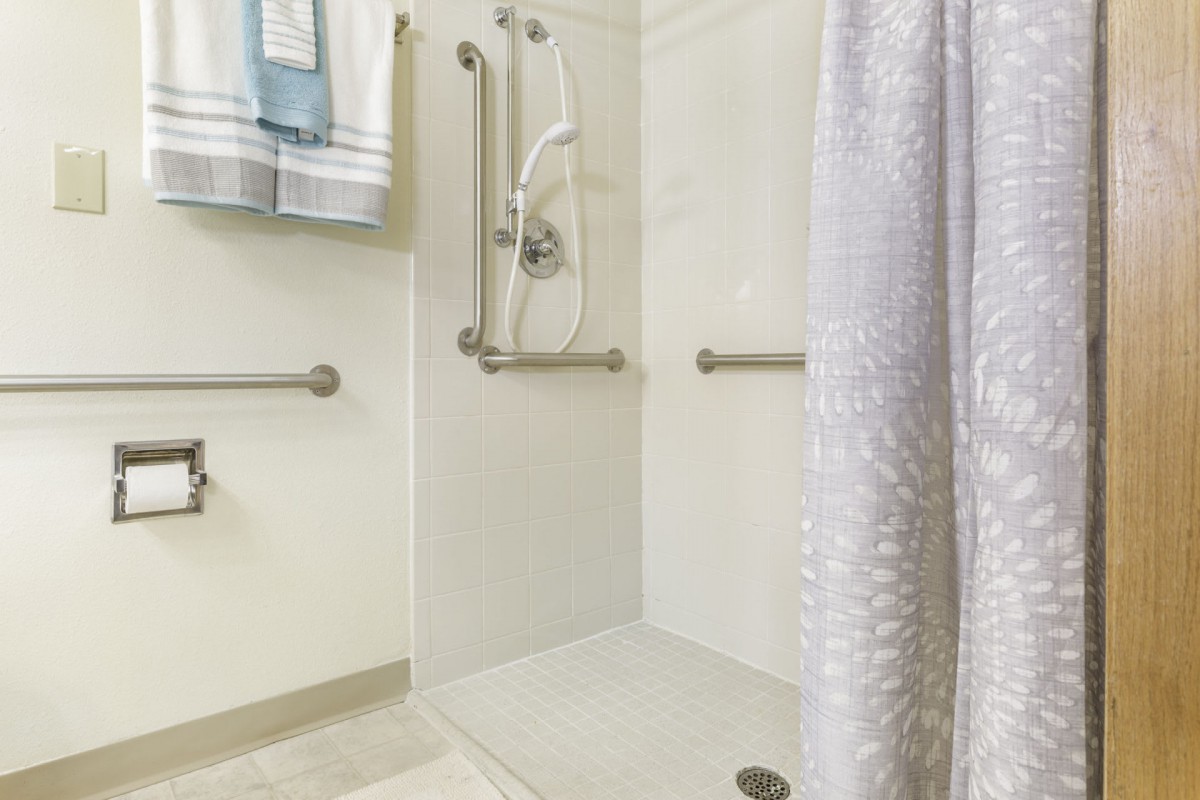
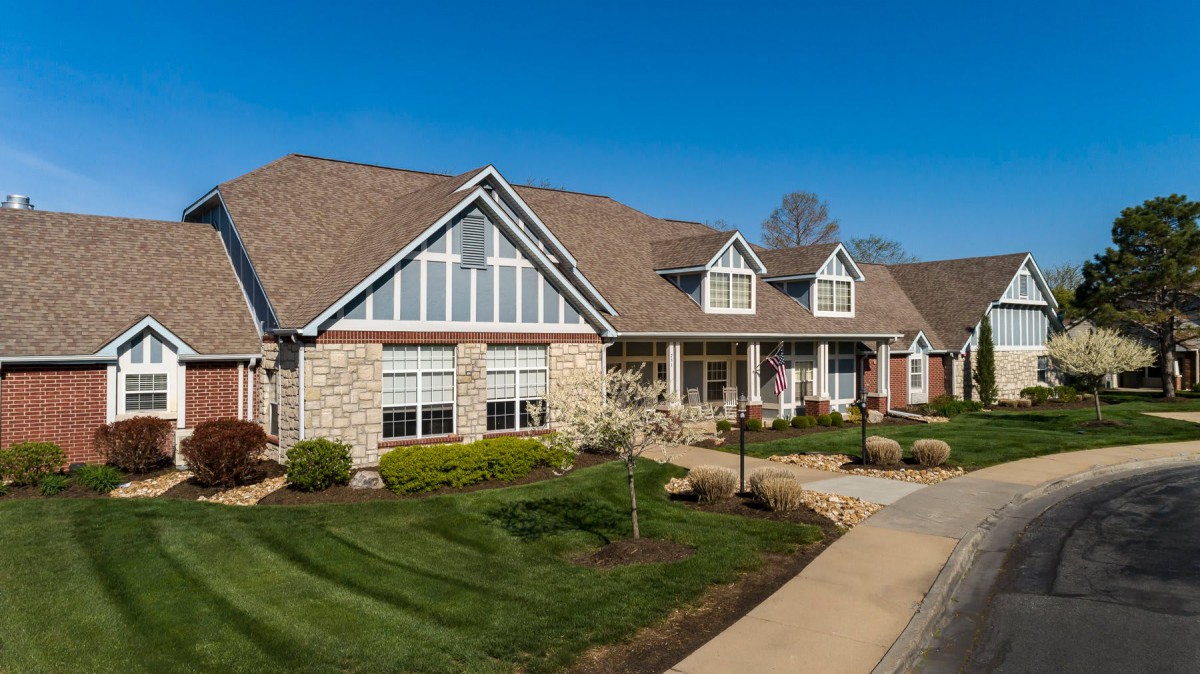
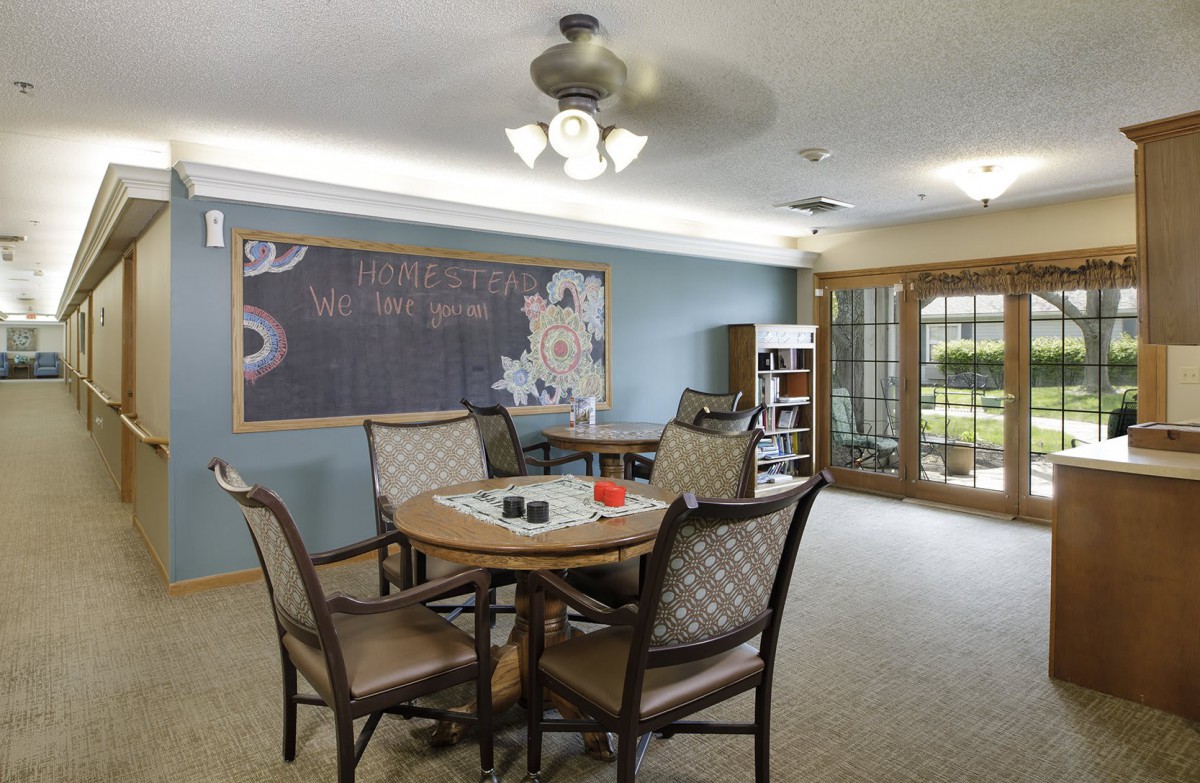
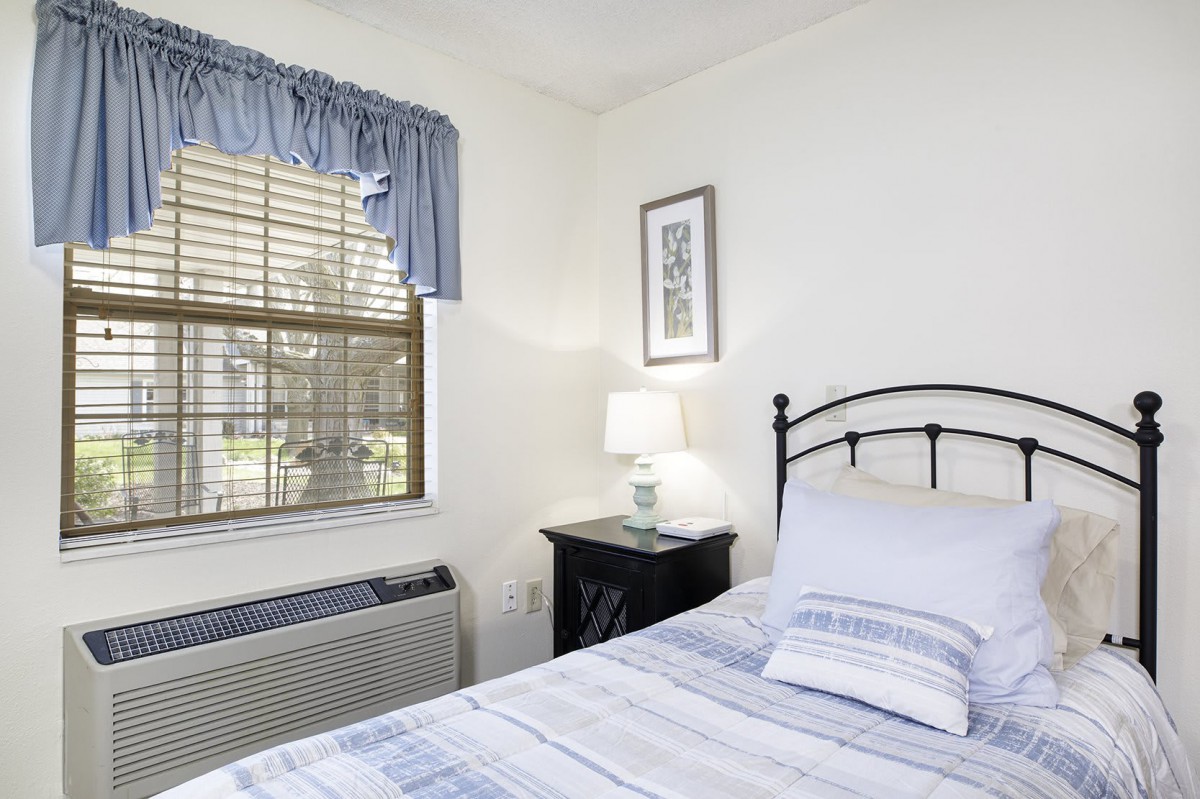
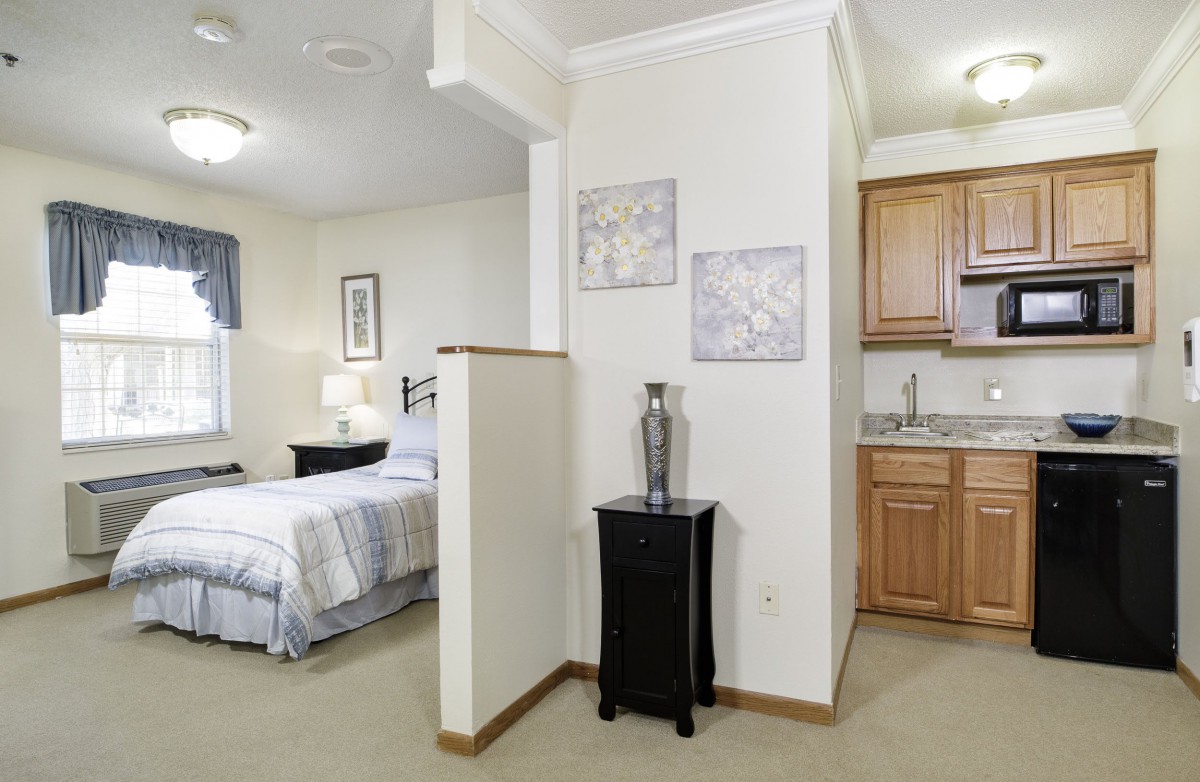
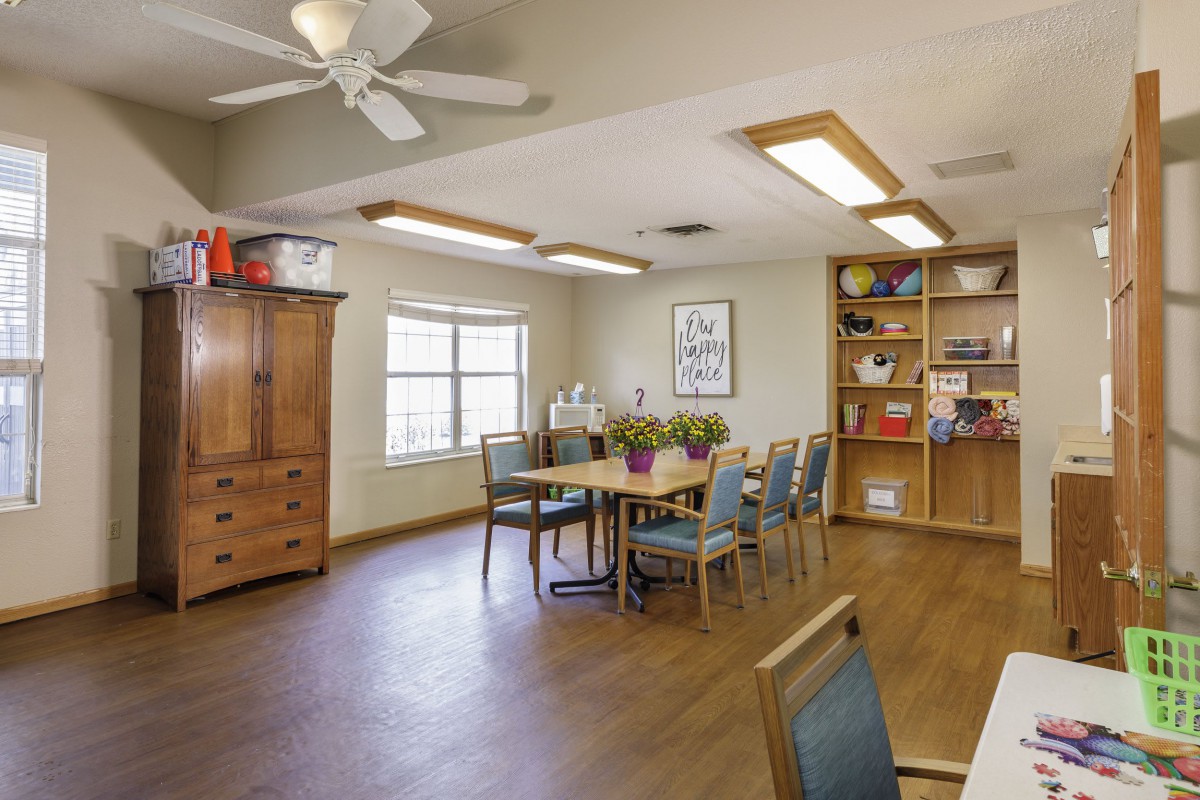
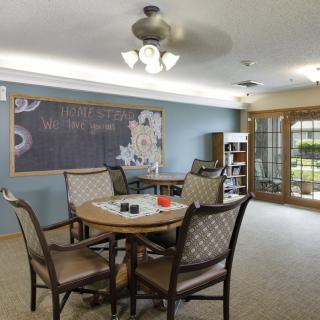
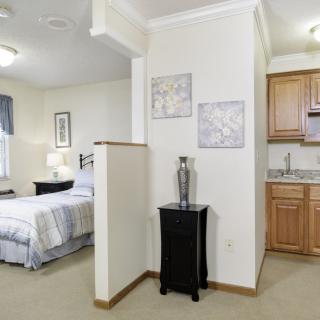
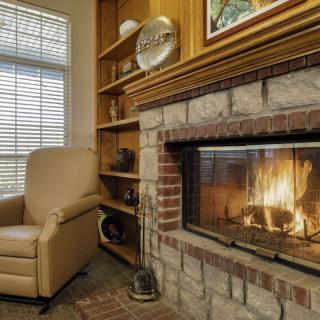
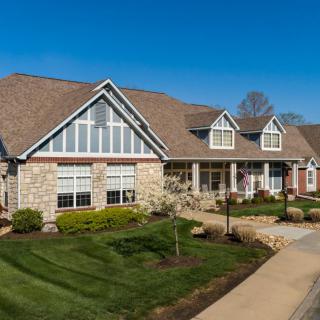
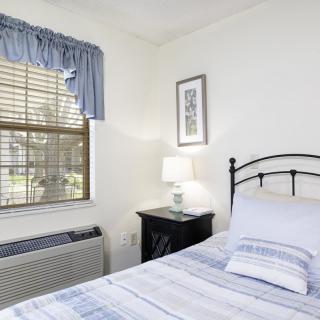
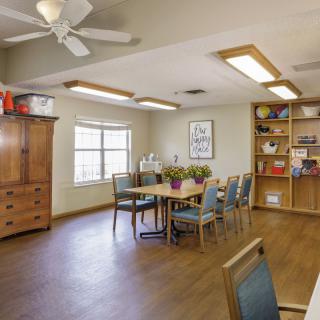
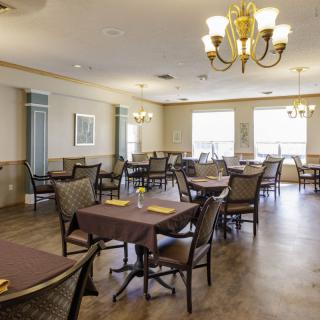
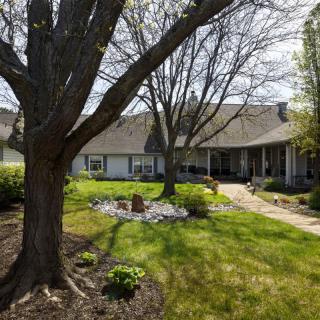
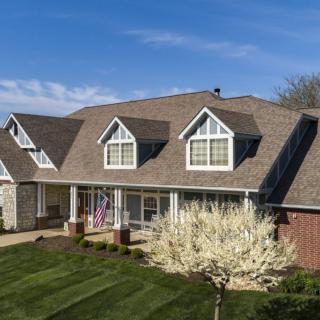
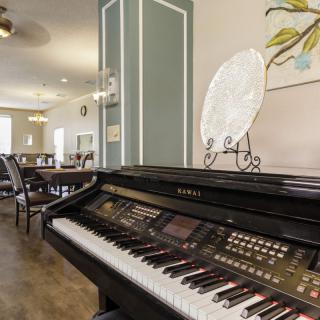
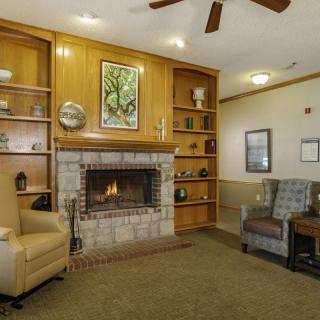
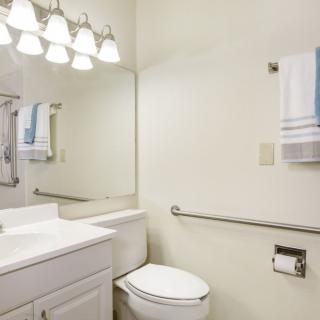
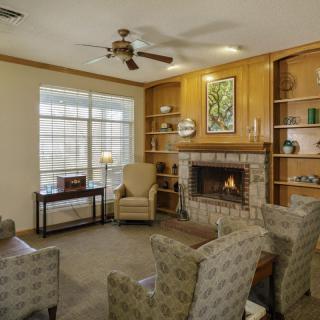
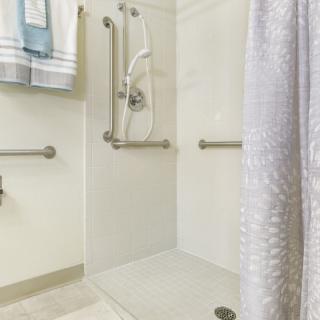
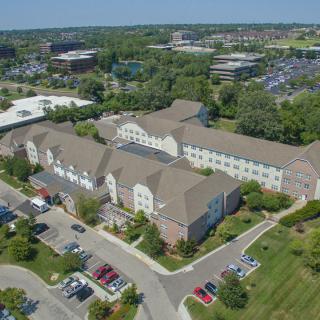
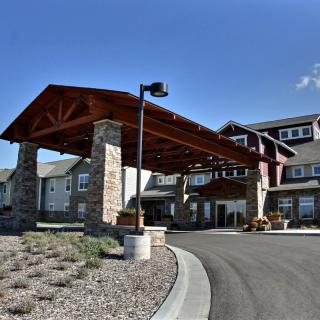
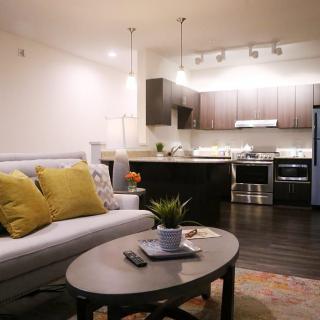
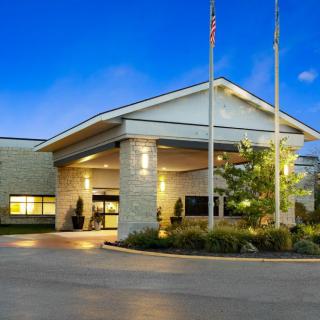
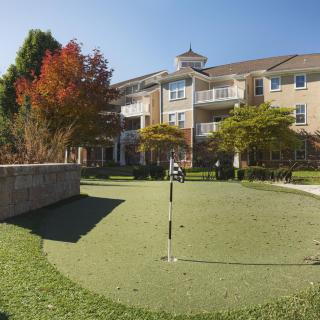
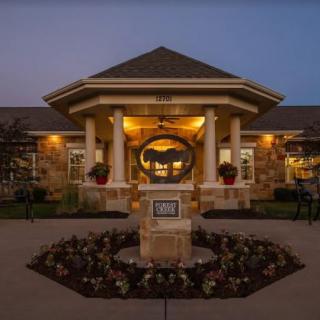
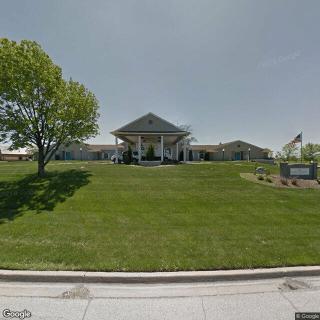
Homestead of Olathe on seniors.fyi includes 16 photos including images showing interior, windows, bedroom, decor, landscaping, bathroom, fireplace, living room, and more.
Nearby Communities
The Homestead Of Olathe South
Olathe, KS
Specialized memory care with 24/7 supervision and structured programming.
Homestead of Olathe Memory Care
Olathe, KS
4.3 from 28 reviews
$6,765 to $8,520 / month
Caring staff with engaging activities and good dining in a warm, well-maintained setting.
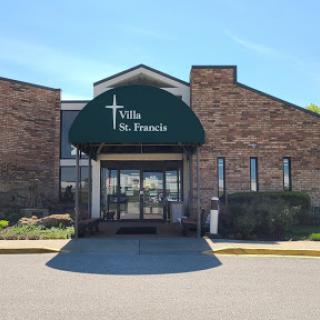
Villa St Francis Catholic Care Center
Olathe, KS
3.9 from 56 reviews
Broad range of amenities and 24/7 care/services (wellness, dining, transportation, activities).
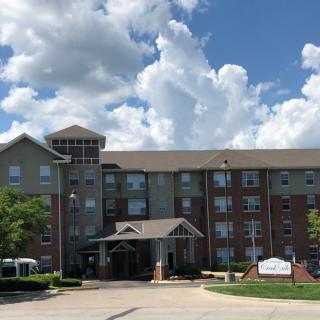
The Gardens at Creekside
Olathe, KS
4.4 from 58 reviews
$1,473 to $4,025 / month
Friendly staff, clean grounds, active social program, spacious accessible apartments with in-unit amenities, on-site dining.
Westerfield Townhouses I, III and IV
Olathe, KS
4.3 from 53 reviews
Convenient location with many nearby amenities (healthcare, dining, parks, worship, entertainment).
Pinnacle Ridge Nursing & Rehab
Olathe, KS
2.8 from 27 reviews
Clean facility with a very supportive social worker.
Aberdeen Village
Olathe, KS
4.4 from 45 reviews
$2,845 to $4,060 / month
Clean, well-organized environment with attentive staff and good dining.
Silverado Overland Park Memory Care Community
Overland Park, KS
4.2 from 56 reviews
$6,750 to $7,950 / month
Caring staff, good meals, clean facilities, and a positive on-site culture.
Activities of Daily Living (ADLs) are fundamental tasks vital for an individual's independence, particularly in older adults over 85, and include functions like bathing and dressing; assessing ADLs alongside Instrumental Activities of Daily Living (IADLs) helps determine the level of required assistance due to age-related health challenges. Tailored support plans, involving family and community resources, are essential for maintaining dignity and autonomy in assisted living environments.
Medicare does not cover assisted living costs, as it focuses on acute medical needs and short-term care, with exceptions for certain medically necessary services like physical therapy. Individuals must explore other options such as Medicaid, veterans' benefits, or long-term care insurance to manage these expenses effectively.
Choosing between assisted living and nursing homes involves evaluating emotional and financial factors, with assisted living offering independence and support for daily activities at a lower cost, while nursing homes provide intensive medical care for individuals with significant health needs. The decision is influenced by personal preferences, health status, cognitive function, and varying Medicaid coverage across states.
Get PricingAsk A QuestionSchedule A TourContact Senior Advisor
By clicking submit, you agree to our Partner's Terms of Use. You
also consent to receive calls and texts, which may be autodialed, from our Partner. Your consent is not a condition to
using our Partner's service. Please visit our Partner's Privacy Policy for information about their privacy practices.

 Assisted Living
 Cats allowed
 Dogs allowed
 Activities off-site
 Air-conditioning
 Bath tubs
 Beautician on-site
 Cable or satellite TV
 Devotional services on-site
 Ground floor units
 Handicap accessible
 Indoor common areas
 Kitchenette
 Outdoor common areas
 Respite or short term stays offered
 Wheelchair accessible showers
 Wi-Fi/high-speed internet available
 Ambulatory care
 Diabetic care
 Incontinence care
 Medication management
 Gluten-free
 Art classes
 Brain fitness
 Catholic services
 Day trips and outings
 Educational speakers / life long learning
 Happy hour
 Karaoke
 Live dance or theater performances
 Live musical performances
 Live well programs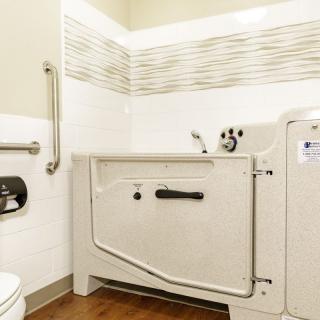
 Specialized memory care with 24/7 supervision and structured programming.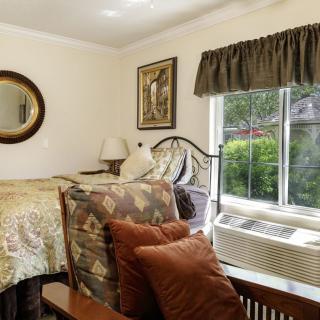
 Comprehensive Insights into Activities of Daily Living (ADLs) and Their Assessment
 Medicare Coverage for Assisted Living: An In-Depth Exploration
 Choosing the Right Senior Care: A Detailed Exploration of Assisted Living and Nursing Homes