For more information about senior living options: (866) 208-4318
4.1 from 31 reviews
5 stars
21
4 stars
3
3 stars
1
2 stars
1
1 stars
5
Overall Review of Mulberry Health & Rehabilitation Center
common4 reviews mention this
Cleanliness without unpleasant odors
Residents consistently describe a very clean building with no lingering urine smell.
Several reviewers mention noticing no urine odor when they walk in, and they contrast that with experiences at other facilities. Others also describe the building as clean and updated, including how the hallways smell when kitchen staff are preparing meals. A reviewer also links the absence of unpleasant odors to feeling confident their loved one is being cared for.
common13 reviews mention this
Staff described as attentive and kind
Many residentsā€™ families describe staff who are kind, attentive, and responsive to needs.
Across multiple accounts, reviewers describe nurses and care staff as caring, patient, and understanding, including during memory care and rehabilitation. Night-shift nursing is singled out for being helpful and getting what residents need, and other reviewers highlight staff members who greet residents positively. Several families also credit communication and follow-through for making visits easier and for keeping them informed.
common4 reviews mention this
Large rooms and solid accommodations
Reviews frequently note rooms that feel better than typical nursing home setups.
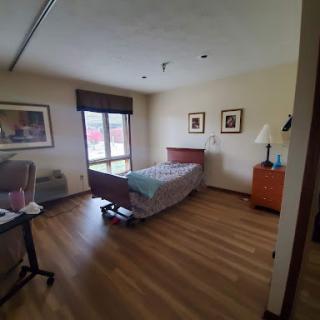
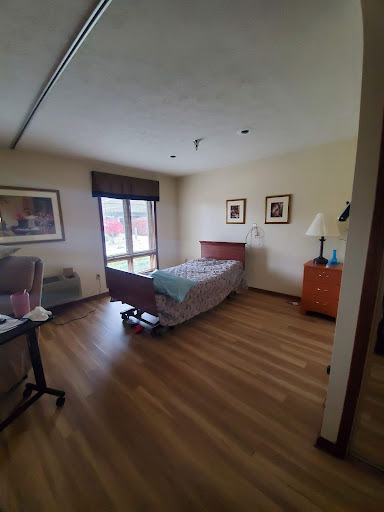
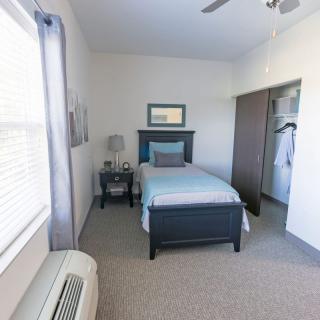
Some reviewers compare the rooms favorably to other nursing homes, calling them better or more comfortable. Others describe the facility as clean and updated, and one reviewer specifically praises very large rooms with many amenities. A family also describes accommodations as exceptional in addition to the care they received.
common5 reviews mention this
Rehab and memory care transitions
Families describe both memory care and rehab care as supportive when needs change.
One reviewer describes a loved one transitioning from an assisted living area into memory care as dementia progressed, with staff remaining patient and supportive. Other reviews mention rehabilitation after falls and highlight physical therapy as a strength. There are also accounts of excellent care delivered for both long-term needs and memory care, including when a family member needed rehab more than once.
caveat3 reviews mention this
Care consistency concerns come up
A few reviews raise concerns about consistent care and communication.
While many accounts are positive, some reviewers report incidents that could have been prevented with better communication and proper documentation. Others describe problems such as missing clothes and a lack of bathing or tooth cleaning. There is also a negative account alleging bullying among employees and questioning overall care quality.
How we summarize
Counts show how many written reviews mention each theme; a review can touch several themes, and only frequently mentioned themes are displayed.
Features
Housing
159 resident community capacity
Types of Care
Independent Living
Memory Care
Amenities
Air-conditioning
Beauty salon
Cable or satellite TV
Computer center
Dining room
Fitness room
Fully furnished
Gaming room
Garden
Housekeeping services
Kitchenette
Move-in coordination
Outdoor space
Private bathrooms
Restaurant-style dining
Small library
Telephone
Wellness center
Wi-Fi/high-speed internet available
Transportation
Community operated transportation
Transportation arrangement
Care Services
24-hour call system
24-hour supervision
Activities of daily living assistance
Assistance with bathing
Assistance with dressing
Assistance with transfers
Diabetes diet
Meal preparation and service
Medication management
Mental wellness program
Mild cognitive impairment
Special dietary restrictions
Specialized memory care programming
Dining
Diabetes diet
Special dietary restrictions
Activities
Community-sponsored activities
Concierge services
Fitness programs
Planned day trips
Resident-run activities
Scheduled daily activities
Nearby Places of Interest
Places of Worship
Faithful Word Baptist Church Indiana (0.4 miles)
Mulberry UMC (0.4 miles)
Mulberry United Methodist Church (0.5 miles)
Ferguson Jim Reverend (5.3 miles)
Miracle Bethel Parsonage (5.3 miles)
Rossville Church of the Brethren Youth Center (6.3 miles)
Rossville Church of the Brethren (6.3 miles)
Restaurants
Subway (6.1 miles)
Subway (6.2 miles)
Treece's Bar (6.2 miles)
Igloo Frozen Custard (8.6 miles)
Fox's Pizza Den (8.7 miles)
White Castle (9 miles)
Los Amigos (9 miles)
Transportation
Frankfort Municipal Airport (FKR) (7.3 miles)
Norfolk Southern (8.8 miles)
U-Haul Neighborhood Dealer (9.2 miles)
Acalpulco Taxicab Co. (9.5 miles)
U-Haul Moving & Storage (9.8 miles)
Hospitals
IU Health Arnett Hospital (8 miles)
St Vincent Frankfort Hospital (10.1 miles)
Physicians
IU Health Arnett Hospital COVID-19 Vaccine Clinic (8 miles)
Dr Joel B McCuaig, MD (8 miles)
IU Health Arnett Outpatient Surgery Center - Lafayette (8.1 miles)
Family & Geriatric Medicine - Lafayette East (9 miles)
Premier Healthcare For Women (9 miles)
Woman's Clinic (9 miles)
Lafayette Obstetrics & Gynecology (9 miles)
Pharmacies
IU Health Arnett Retail Pharmacy - IU Health Arnett Hospital (8 miles)
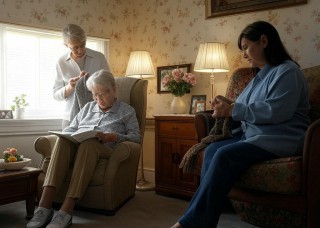
Mulberry Health & Rehabilitation Center implements a comprehensive array of services tailored to support residents with dementia or Alzheimer's disease, enhancing their quality of life while ensuring safety and comfort. Assistance with dressing and bathing not only promotes personal hygiene but also fosters dignity and independence in daily routines. Medication management is crucial in preventing confusion and ensuring adherence to prescribed treatments. Thoughtfully prepared meals cater to dietary needs while encouraging social interaction during mealtimes. Activities of daily living assistance further empowers residents by helping them maintain essential skills, while transfers are facilitated safely to reduce the risk of falls. The 24-hour supervision provides peace of mind for families, knowing that trained professionals are always available. A mental wellness program addresses cognitive health, supporting emotional stability, and specialized memory care programming engages residents in meaningful activities designed specifically for those experiencing memory loss. Together, these features create a nurturing environment that acknowledges the unique challenges faced by individuals with cognitive impairments.
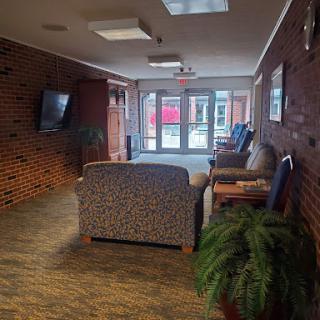
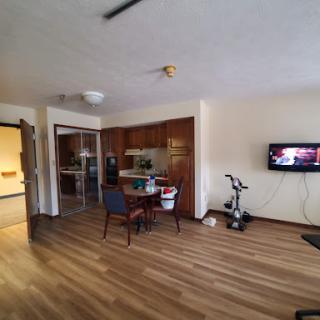
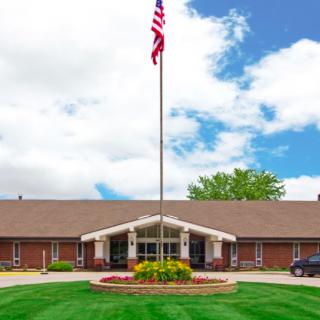
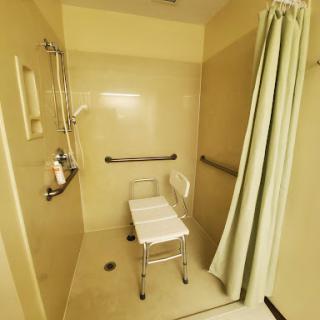
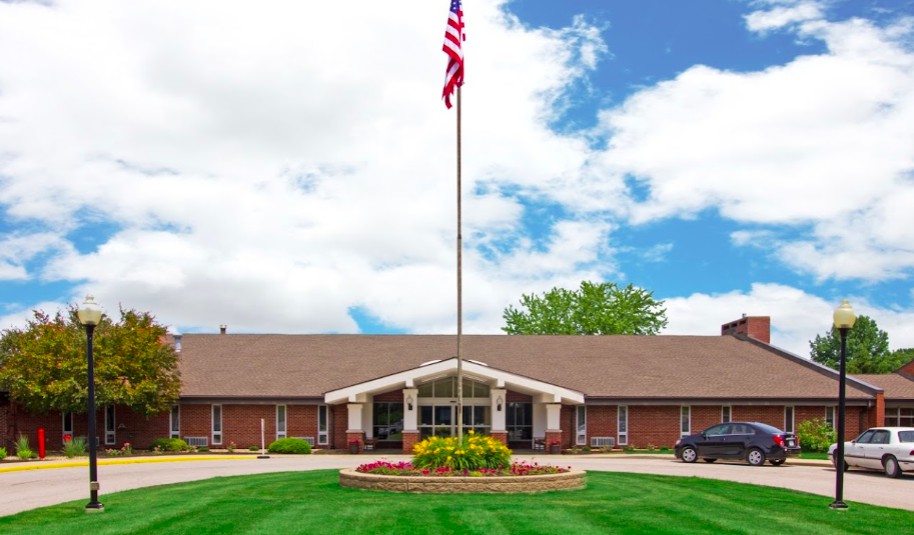
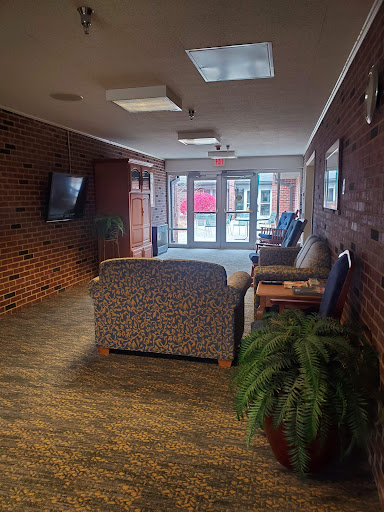
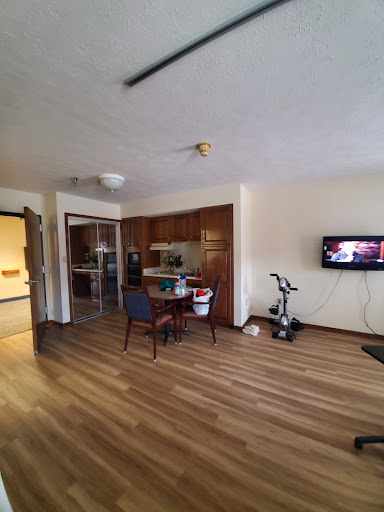
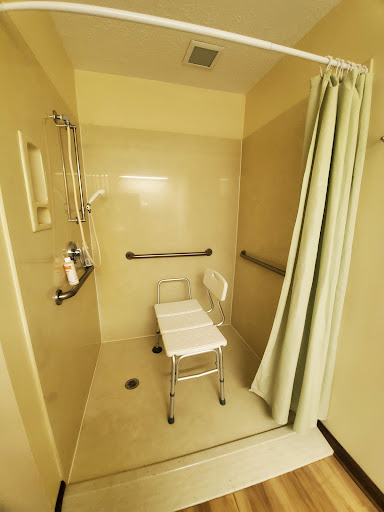
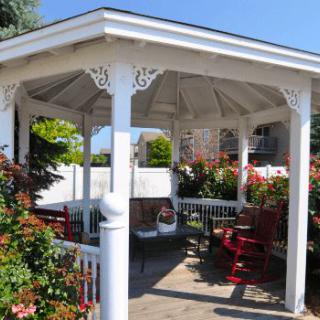
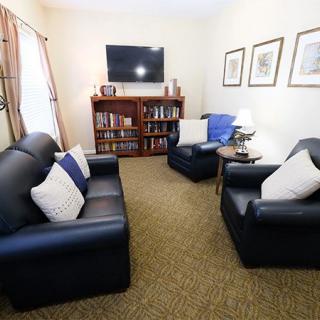
Mulberry Health & Rehabilitation Center on seniors.fyi includes 5 photos including images showing television, interior, seating area, brick wall, plant, natural light, living room, building, and more.
Nearby Communities
Milner Community Health Care
Rossville, IN
3.3 from 15 reviews
Extensive amenities and comprehensive care support independent living.
Wesley Manor
Frankfort, IN
4.8 from 6 reviews
Spacious, well-maintained apartments with strong staff support and diverse amenities (including an indoor pool and bowling alley).
Aster Place
Lafayette, IN
4.4 from 114 reviews
$2,370 to $2,780 / month
Caring staff and a welcoming community, with a convenient shuttle service and on-site dining/activities.
Homecare By Design
Lafayette, IN
3.9 from 53 reviews
Punctual, friendly caregivers delivering reliable in-home care with good documentation and easy setup.
Creasy Springs Health Campus
Lafayette, IN
3.4 from 94 reviews
$2,820 to $4,770 / month
Caring staff, clean facilities, and engaging activities.
Aperion Care Frankfort
Frankfort, IN
3.7 from 37 reviews
24-hour supervision with comprehensive care and restaurant-style dining.
Five Star Residences of Lafayette
Lafayette, IN
4.5 from 109 reviews
$2,235 to $2,880 / month
Caring staff and an active, friendly community.
Glasswater Creek of Lafayette
Lafayette, IN
4.5 from 32 reviews
$3,800 to $4,425 / month
Strong amenities and friendly staff; spacious, hotel-like rooms and a vibrant social environment
Digby Place
Lafayette, IN
4.4 from 85 reviews
$2,220 to $3,465 / month
Kind, attentive staff in a small, well-maintained, close-knit community.
At-home dementia care expenses vary widely based on care levels, location, and caregiver expertise, with monthly costs for home health aides exceeding $4,500 and specialized care potentially surpassing $100,000 annually. While families favor in-home care for its comfort and personalized attention, they must consider financial planning and the challenges of caregiver fatigue.
The article discusses the late stages of dementia, detailing the progression from mild to severe impairment and highlighting key characteristics such as profound cognitive decline and dependency in daily activities. It emphasizes care strategies focused on comfort and dignity, the importance of advance directives, and the emotional support needed for family caregivers facing this challenging journey.
The article examines the link between certain medications and increased dementia risk, particularly in older adults, emphasizing that long-term or high-dose use of anticholinergics, benzodiazepines, and other drug classes can exacerbate cognitive impairment. It calls for careful medication evaluation and shared decision-making to mitigate these risks while managing treatment efficacy.
Landscaping, Building, Entrance, Pathway, Flag, and Clouds
Bathroom, Shower, Grab Bars, Shower Chair, and Accessible Shower
Seating Area, Lobby, Natural Light, Plant, and Brick Wall
Get PricingAsk A QuestionSchedule A TourContact Senior Advisor
By clicking submit, you agree to our Partner's Terms of Use. You
also consent to receive calls and texts, which may be autodialed, from our Partner. Your consent is not a condition to
using our Partner's service. Please visit our Partner's Privacy Policy for information about their privacy practices.

 159 resident community capacity
 Independent Living
 Memory Care
 Air-conditioning
 Beauty salon
 Cable or satellite TV
 Computer center
 Dining room
 Fitness room
 Fully furnished
 Gaming room
 Garden
 Housekeeping services
 Kitchenette
 Move-in coordination
 Outdoor space
 Private bathrooms
 Restaurant-style dining
 Small library
 Telephone
 Wellness center
 Wi-Fi/high-speed internet available
 Community operated transportation
 24-hour call system
 Activities of daily living assistance
 Assistance with bathing
 Assistance with dressing
 Assistance with transfers
 Diabetes diet
 Medication management
 Mental wellness program
 Special dietary restrictions
 Concierge services
 Planned day trips
 Extensive amenities and comprehensive care support independent living.



 Estimating the Expenses of At-Home Dementia Care: A Detailed Exploration
 Comprehensive Insights on the Late Stages of Dementia: What to Expect and How to Provide Care
 Medications Associated with Dementia Risk: A Comprehensive Overview