Milner Community Health Care

Save
Milner Community Health Care

Milner Community Health Care

370 East Main Street, Rossville, IN 46065

For more information about senior living options: (844) 490-3973

3.6 from 12 reviews
5 stars
7
4 stars
1
3 stars
0
2 stars
0
1 stars
4

Assisted Living Independent Living

Overall Review of Milner Community Health Care

Pros

  • pro Milner Community Health-Care delivers excellent top-notch care.
  • pro The professional staff across all departments is attentive and compassionate.
  • pro Nurses and CNAs genuinely care about patients and their families.
  • pro The facility keeps families informed and involved, with staff promptly checking on residents and sharing updates.
  • pro The dining room and sunroom, with activities in the same space, create a warm, welcoming environment.
  • pro The facility is consistently clean and well-maintained, with a pleasant atmosphere.
  • pro The administration and support teams are outstanding and supportive to families.
  • pro Jill is highlighted as an amazing and hard-working nurse.

Cons

  • pro They claim Milner's has an enormous power struggle with Hospice agencies and that Milner's disregards Hospice rules, even underdosing terminally ill patients.
  • pro They allege a patient was placed in a dirty bed and denied basic comforts like a TV, books, or a phone to contact family.
  • pro They state Milner's allowed an AMA (against medical advice) discharge without notifying next of kin or the transferring hospital.
  • pro They report there was no seated walker available and staff didn't know how to move the patient.
  • pro They say a nurse told them it was illegal to request over-the-counter medications like allergy meds or Tylenol.
  • pro They describe senior administration as the worst to communicate with.
  • pro They note that nearly all the 5-star reviews were written by the same two people, inflating the facility's rating.

Review

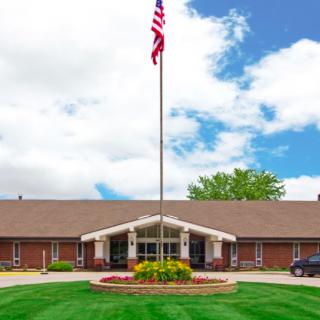
The collection of thoughts about Milner Community Healthcare paints a picture of a facility that can be a godsend for families and a source of serious concern, all depending on the moment and the people involved. A number of reviewers describe the campus as bright, clean, and welcoming, with a warm, homey feel that makes it easier for loved ones to settle in. In particular, the rehab and physical therapy experiences are highlighted as a strong point, with many noting top-notch care and a level of professionalism that spans every department. For those recovering from accidents or injuries, the consistent thread is a sense that the staff are truly dedicated to helping patients regain strength and function, and that attention to individual needs feels genuine and ongoing.

A caregiver who moved a loved one into Milner's for hospice-related care emphasizes the human side of the operation. She recounts a trajectory of care that feels deeply compassionate, stressing that Milner's staff not only care for the patient but also keep families informed and involved. The reviewer highlights the value of the environment - an inviting dining room that opens into a sunroom and activities area, a fireplace, and accessible common spaces - as well as practical comforts like a coffee and juice station and small tables for those who prefer not to eat in the dining room. More than once, the reviewer notes that when calls come in about a family member's condition, Milner's staff respond with updates, checks, and reassurance, which she interprets as genuine concern for both patient and family. In this vein, she defends Milner's against negative posts and stresses that her own experience has been defined by attentive staff and meaningful engagement with hospice teams to maintain continuity of care.

Amid the praise, there is also a forum for heated defense and skepticism. One long, pointed post pushes back against negative online comments, asserting that most of the five-star accolades originated from the same two family members more than six years ago and urging readers to consider the source. The reviewer goes on to detail specific operational notes - such as the idea that rooms do not come with televisions and that a family member would need to supply one, or that walkers are issued only after a physical therapy check. This voice insists that, despite some frustrations, the staff are consistently caring toward patients and families, and that any perceived shortcomings have not reflected the overall dedication seen in the care provided.

A contrasting and troubling thread comes from another family story that reads like a cautionary tale. This account centers on a patient admitted from a hospital with a serious leg injury requiring surgery and extended rehabilitation. The reviewer paints a bleak picture: a dirty bed, no TV or books, no way to contact family, and no walker available for mobility. The patient allegedly discharged AMA without notifying the family or the referring surgeon, which the reviewer ties to broader concerns about insurance approval for inpatient rehab and continuity of care. The tone is stark: distrust of the facility, fear for the patient's safety, and concern about the hospital's ability to coordinate with outside providers. Taken at face value, the narrative raises serious questions about bedside conditions and communication during a crucial transition of care.

Despite the dramatic negative account, other family members recount a consistently positive experience. They emphasize that Milner's nursing staff are compassionate, professional, and attentive, with multiple testimonials praising the quality of care, the rapid response to illnesses, and the overall adherence to careful protocols designed to protect and support elderly residents. The administration is described as outstanding and communicative, with families feeling informed and supported through visits, updates, and collaborative care planning. These voices speak to a deep sense of reassurance when visiting a loved one and a belief that Milner's creates a nurturing atmosphere where residents can thrive under careful supervision.

Even stronger praise centers on individual staff members and the daily reality of care. One reviewer highlights Jill as an exceptional nurse - describing her as hard-working and dedicated - and another recounts how the team fosters a welcoming and collaborative environment. The sentiment here is that the people are the facility's greatest asset: attentive, kind, and capable, willing to go the extra mile to ensure that loved ones receive the care they need and that families feel heard and respected. In this line of testimony, Milner's shines through when it comes to day-to-day interactions, timely care, and the sense that a resident's comfort and dignity are always prioritized.

A recurring caveat in the conversation is a strong hospice-specific critique. One reviewer urges prospective families to consider other options for hospice-inclusive long-term care, arguing that there can be friction between Milner's and hospice agencies, particularly around prescriptions, dosing, and the handling of over-the-counter medications. The note suggests that hospice rules can differ from other facilities and implies that Milner's might not always align with hospice expectations, flagging a pattern of underdosing and communication gaps in these situations. That cautionary voice identifies administration as the principal barrier to seamless hospice integration, while still acknowledging the conscientious care provided by nurses and aides. The message is clear: if your plan hinges on hospice partnership, do your due diligence and be prepared for a potential power dynamic to navigate.

Finally, a provocative post raises concerns about the integrity of online ratings, alleging that the bulk of five-star reviews come from a small number of individuals long past their peak years of posting. This claim injects doubt about the overall rating profile, urging readers to scrutinize the review history and seek a well-rounded view from multiple sources. In the end, the collection presents Milner Community Healthcare as a place capable of remarkable care and strong family satisfaction, but with a spectrum of experiences that ranges from outstanding, compassionate, and well-coordinated to troubling, friction-filled, and reliant on difficult, high-stakes decisions about discharge and coordination with hospice and insurance systems. Each review contributes a piece to a larger mosaic that prospective families will want to examine carefully as they consider placement and care for their loved ones.

Features

Housing

  • 104 resident community capacity 104 resident community capacity

Types of Care

  • Assisted Living Assisted LivingAssisted living facilities provide crucial support and care for seniors who may need help with daily tasks such as medication management, bathing, and meal preparation. These communities offer a safe and comfortable environment where seniors can maintain their independence while receiving the assistance they need to thrive in their golden years.
  • Independent Living Independent LivingIndependent living communities are important for seniors because they offer a safe and supportive environment where older adults can live independently while still having access to amenities and services that enhance their quality of life. These communities provide social opportunities, recreational activities, and assistance with daily tasks, promoting overall well-being and allowing seniors to maintain their independence for as long as possible.

Amenities

  • Air-conditioning Air-conditioningAir conditioning is important for seniors as they are more vulnerable to heat-related illnesses and may have underlying health conditions that make it difficult for them to regulate their body temperature. It helps to keep them comfortable, safe, and healthy in hot weather.
  • Beauty salon Beauty salonBeauty salons are important for seniors because they provide a space for them to feel pampered, socialize, and maintain their personal grooming and hygiene. Regular visits to a beauty salon can help boost seniors' self-esteem and overall well-being.
  • Cable or satellite TV Cable or satellite TVCable or satellite TV is important for seniors because it provides entertainment, news, and companionship, helping to combat loneliness and boredom. It also offers a wide range of programming options tailored to different interests and preferences.
  • Computer center Computer centerA computer center is essential for seniors as it provides access to technology, communication tools, and resources that can enhance their daily lives. It allows them to stay connected with loved ones, engage in online activities, and learn new skills, ultimately promoting socialization and mental stimulation.
  • Dining room Dining roomDining rooms are important for seniors as they provide a space for socialization, connection, and nutritious meals. They offer opportunities for residents to bond over shared meals, foster a sense of community, and promote healthy eating habits. Dining rooms also ensure that seniors have access to well-balanced meals tailored to their dietary needs and preferences.
  • Fitness room Fitness roomHaving a fitness room in a senior living community is essential for seniors to stay active, maintain their physical health, and improve their overall well-being. Regular exercise can help prevent falls, reduce the risk of chronic diseases, and promote mental sharpness. It also provides social opportunities for residents to connect with others and enjoy a sense of community.
  • Fully furnished Fully furnishedFully furnished senior living communities are important for seniors because they provide convenience, comfort, and a hassle-free moving experience. Seniors can easily settle into their new living space without the stress of having to buy and move furniture. This allows them to focus on enjoying their new home and community.
  • Gaming room Gaming roomGaming rooms are important for seniors as they provide a fun and engaging environment for socializing, cognitive stimulation, and physical activity. Games can improve memory, problem-solving skills, and overall mental well-being while fostering friendships and reducing feelings of isolation.
  • Garden GardenGardens are important for seniors as they provide a peaceful and therapeutic environment for relaxation, physical activity, and socialization. Being in nature has been shown to reduce stress, improve mood, and promote overall well-being. Gardens also offer opportunities for seniors to engage in gardening activities, which can improve mobility, flexibility, and cognitive function. Additionally, gardens create a sense of community and connection with others who share a passion for plants and outdoor spaces.
  • Housekeeping services Housekeeping servicesHousekeeping services are important for seniors because they help maintain a clean and safe living environment, promote independence, and reduce the risk of accidents or illnesses. Additionally, having assistance with household chores can alleviate physical strain and allow seniors to focus on other aspects of their well-being.
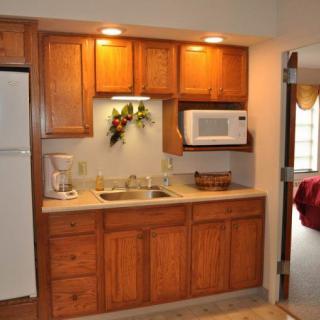
  • Kitchenette KitchenetteKitchenettes are important for seniors living in senior living communities because they provide the convenience and independence of being able to prepare simple meals and snacks in the comfort of their own living space. This can help promote a sense of autonomy and well-being for seniors, allowing them to maintain some level of control over their dietary choices and daily routines.
  • Move-in coordination Move-in coordinationMove-in coordination is important for seniors because it helps ease the transition into their new living environment. It ensures that all logistics, such as packing, organizing movers, and setting up utilities are taken care of, allowing seniors to focus on settling in and adjusting to their new home. Having a smooth move-in process can alleviate stress and anxiety, making the transition smoother and more enjoyable for seniors.
  • Outdoor space Outdoor spaceOutdoor spaces are important for seniors as they provide opportunities for physical activity, social interaction, exposure to natural light and fresh air, and a sense of connection to nature. Having access to outdoor spaces can improve overall well-being and quality of life for older adults living in senior communities.
  • Private bathrooms Private bathroomsPrivate bathrooms are important for seniors in senior living communities because they provide independence, dignity, and comfort. Having a private bathroom allows seniors to maintain their personal hygiene routines without the need for assistance, promoting a sense of autonomy and privacy. Additionally, private bathrooms help prevent the spread of infections and provide a safe and clean environment for seniors to navigate safely.
  • Restaurant-style dining Restaurant-style diningRestaurant-style dining is important for seniors because it allows them to enjoy delicious, nutritious meals in a social and upscale setting. This enhances their dining experience, promotes healthy eating habits, and fosters socialization with fellow residents, ultimately contributing to their overall well-being and quality of life.
  • Small library Small librarySmall libraries are important for seniors as they provide access to a variety of reading materials, including books, newspapers, and magazines. This can help stimulate their minds, keep them engaged, and provide a sense of community through book clubs and other social activities. Additionally, reading has been shown to improve cognitive function and overall mental well-being in older adults.
  • Telephone TelephoneTelephones are important for seniors as they provide a lifeline for communication with loved ones, emergency services, and healthcare providers. They offer a sense of security and independence, enabling seniors to stay connected and access assistance when needed.
  • Wellness center Wellness centerWellness centers are important for seniors because they offer a variety of programs and services that promote physical, mental, and emotional well-being. These centers provide opportunities for exercise, socialization, education, and relaxation, helping seniors maintain their overall health and quality of life.
  • Wi-Fi/high-speed internet available Wi-Fi/high-speed internet availableWi-Fi/high-speed internet is important for seniors to stay connected with loved ones, access online resources, and participate in virtual activities to combat feelings of loneliness and isolation. It also allows them to easily manage healthcare needs, access entertainment, and engage in lifelong learning opportunities.

Transportation

  • Community operated transportation Community operated transportationCommunity operated transportation is crucial for seniors as it provides them with the means to access essential services, social activities, and medical appointments. It allows seniors to maintain their independence and quality of life by ensuring they can participate in activities outside of their homes. Additionally, community-operated transportation services offer a safe and reliable way for seniors to travel without having to rely on family or friends for assistance.
  • Transportation arrangement Transportation arrangementTransportation arrangements are crucial for seniors as they may face challenges with driving, mobility, or access to public transportation. Having reliable transportation services ensures that seniors can easily attend appointments, social activities, and maintain their independence and quality of life.

Care Services

  • 24-hour call system 24-hour call system24-hour call systems are important for seniors because they provide peace of mind and immediate assistance in case of emergencies. This technology ensures that help is always available, promoting safety and security for elderly individuals living alone or in assisted living facilities.
  • 24-hour supervision 24-hour supervision24-hour supervision is important for seniors to ensure their safety, well-being, and access to immediate assistance in case of emergencies or health issues. This constant support provides peace of mind for both seniors and their loved ones, allowing them to age in place with dignity and security.
  • Activities of daily living assistance Activities of daily living assistanceActivities of daily living assistance are important for seniors because they provide essential support with tasks such as eating, bathing, dressing, and mobility. This assistance helps seniors maintain their independence, dignity, and overall quality of life as they age.
  • Assistance with bathing Assistance with bathingAssistance with bathing is crucial for seniors as it helps maintain personal hygiene, prevents infections, and ensures their overall well-being and comfort. It also provides a sense of dignity and independence for seniors who may struggle with this task on their own.
  • Assistance with dressing Assistance with dressingAssistance with dressing is important for seniors because it helps maintain their independence, promotes personal hygiene, prevents accidents and injuries, and improves overall quality of life. This service ensures that seniors can continue to dress comfortably and confidently, despite any physical limitations they may have.
  • Assistance with transfers Assistance with transfersAssistance with transfers is crucial for seniors as it helps prevent falls and injuries, maintains their independence, and ensures they can safely navigate their living environment. It also provides peace of mind for both seniors and their loved ones.
  • Diabetes diet Diabetes dietA diabetes diet is crucial for seniors as it helps manage blood sugar levels, reduce risks of complications, and improve overall health and well-being. By following a balanced and nutritious diet tailored to their specific needs, seniors can better control their diabetes and enhance their quality of life.
  • Meal preparation and service Meal preparation and serviceMeal preparation and service are crucial for seniors as they may have limited mobility or energy to cook nutritious meals. Having access to healthy and convenient food options can ensure they are getting the proper nutrition needed to maintain their overall health and well-being.
  • Medication management Medication managementMedication management is crucial for seniors to ensure they are taking the right medications at the correct dosages and times. This helps prevent adverse drug interactions, reduces the risk of medication errors, and promotes overall health and well-being. Proactive management also allows for adjustments as needed based on changing health conditions or new prescriptions.
  • Special dietary restrictions Special dietary restrictionsSpecial dietary restrictions are important for seniors because age-related changes in metabolism and health conditions can make it difficult for their bodies to process certain foods. By following a diet tailored to their specific needs, seniors can maintain their overall health and well-being, manage chronic conditions, and reduce the risk of complications such as malnutrition or food interactions with medications.

Dining

  • Diabetes diet Diabetes dietA diabetes diet is crucial for seniors as it helps manage blood sugar levels, reduce risks of complications, and improve overall health and well-being. By following a balanced and nutritious diet tailored to their specific needs, seniors can better control their diabetes and enhance their quality of life.
  • Special dietary restrictions Special dietary restrictionsSpecial dietary restrictions are important for seniors because age-related changes in metabolism and health conditions can make it difficult for their bodies to process certain foods. By following a diet tailored to their specific needs, seniors can maintain their overall health and well-being, manage chronic conditions, and reduce the risk of complications such as malnutrition or food interactions with medications.

Activities

  • Community-sponsored activities Community-sponsored activitiesCommunity-sponsored activities are important for seniors as they provide opportunities for social interaction, mental stimulation, and physical activity. These activities can help improve overall well-being, combat loneliness and isolation, and promote a sense of belonging and purpose among older adults.
  • Concierge services Concierge servicesConcierge services are essential for seniors as they provide assistance with daily tasks and errands, enhance their quality of life by offering convenience and personalized care, and promote a sense of safety and security.
  • Fitness programs Fitness programsFitness programs are crucial for seniors as they help improve strength, flexibility, balance, and overall well-being. Staying active can reduce the risk of chronic diseases, improve mental health, and enhance quality of life in older adults.
  • Planned day trips Planned day tripsPlanned day trips are important for seniors because they offer opportunities for socialization, mental stimulation, and physical activity. They provide a change of scenery and help seniors stay engaged and connected to their community, promoting overall well-being and quality of life.
  • Resident-run activities Resident-run activitiesResident-run activities are important for seniors as they encourage social interaction, creativity, and a sense of autonomy. These activities empower seniors to stay engaged and active in their community while fostering meaningful connections with their peers.
  • Scheduled daily activities Scheduled daily activitiesScheduled daily activities are important for seniors because they provide structure, socialization, mental stimulation, and physical activity. Engaging in regular activities can improve overall well-being and quality of life for seniors living in a community setting.

Description

Milner Community Health Care in Rossville, IN is an assisted living community that offers a comfortable and supportive environment for seniors in need of additional care and assistance. With a focus on independent living, residents can maintain their independence while receiving help with daily activities as needed.

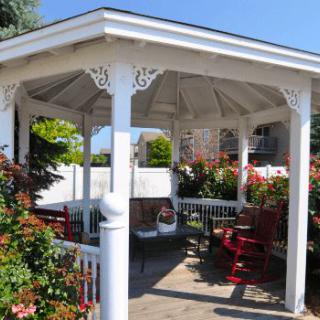
The community boasts numerous amenities to enhance the quality of life for its residents. A beauty salon is available for hair appointments and grooming needs, while cable or satellite TV ensures entertainment options are easily accessible. Community-operated transportation provides convenient access to nearby destinations, and a computer center enables residents to stay connected with loved ones online. The dining room offers restaurant-style dining experiences, serving delicious meals prepared by attentive staff. The fitness room allows residents to stay active and fit, while the gaming room provides entertainment and social opportunities. Outdoor spaces including a garden allow for relaxation and enjoyment of nature. Housekeeping services are provided for convenience, and move-in coordination ensures a smooth transition to the community.

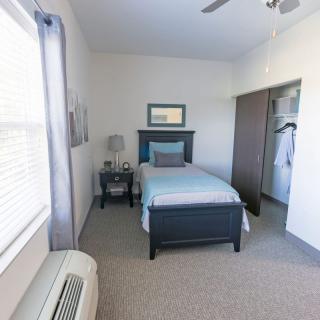
Each spacious apartment is fully furnished and includes private bathrooms, giving residents the comfort they desire. Additional amenities include small libraries for quiet reading time, telephones for communication purposes, wellness centers promoting healthy lifestyles, and Wi-Fi/high-speed internet access.

The care services at Milner Community Health Care are comprehensive and tailored to meet the individual needs of each resident. 24-hour supervision ensures safety and security at all times, while assistance with activities of daily living such as bathing, dressing, and transfers is readily available. Medication management ensures that prescriptions are taken as prescribed, while special dietary restrictions including diabetes diets are catered to by the kitchen staff. Meal preparation and service ensure that each resident receives well-balanced and nutritious meals.

Residents can enjoy an array of activities offered by the community such as concierge services that provide personalized assistance with various needs. Fitness programs promote physical health and well-being, while planned day trips offer opportunities for exploration beyond the community's grounds. Resident-run activities encourage socialization and engagement, while scheduled daily activities ensure a vibrant and stimulating lifestyle.

Additionally, Milner Community Health Care is conveniently located near two restaurants, providing residents with the option of dining out. Three places of worship nearby offer spiritual support and opportunities for religious practice.

In summary, Milner Community Health Care in Rossville, IN provides a caring and nurturing environment where seniors can maintain their independence while receiving the care and assistance they require. With a wide range of amenities, personalized care services, engaging activities, and convenient location, this assisted living community offers everything needed for a comfortable and fulfilling lifestyle.

Nearby Places of Interest

This part of Rossville, Indiana offers a variety of amenities that may appeal to seniors looking for a peaceful and convenient place to live. With several restaurants nearby, such as Subway and Treece's Bar, there are plenty of dining options to choose from. Additionally, there are places of worship within close proximity for those seeking spiritual fulfillment. The availability of pharmacies like Payne's Pharmacy and Holden Pharmacy ensures easy access to medication and healthcare services. For medical needs, there are reputable physicians in the area like St Vincent Physician Network and Randall Dermatology. Transportation options include the Frankfort Municipal Airport and U-Haul services for added convenience. Nearby parks like TPA Park provide opportunities for outdoor recreation and relaxation. Hospitals like St Vincent Frankfort Hospital and IU Health Arnett Hospital offer peace of mind in case of emergencies. Lastly, cafes such as Starbucks and Panera Bread provide cozy spots for socializing or enjoying a cup of coffee. Overall, this area offers a comfortable and well-rounded environment for seniors looking to settle down in Rossville.

Restaurants

  • Subway (0.6 miles)
  • Treece's Bar (0.7 miles)
  • Los Amigos (10 miles)
  • Downtown Diner (10.1 miles)
  • Arni's Frankfort (10.2 miles)
  • Milky Way (10.2 miles)
  • Domino's Pizza (10.2 miles)

Places of Worship

  • Rossville Church of the Brethren Youth Center (0.6 miles)
  • Rossville Church of the Brethren (0.6 miles)
  • TeenServe (1.5 miles)
  • Faithful Word Baptist Church Indiana (6.7 miles)
  • Mulberry United Methodist Church (6.8 miles)
  • Mulberry UMC (6.8 miles)
  • Southern Baptist Convention (8.1 miles)

Pharmacies

  • Payne's Pharmacy (9.4 miles)
  • Holden Pharmacy (10.2 miles)
  • CVS Pharmacy (10.4 miles)
  • IU Health Arnett Retail Pharmacy - IU Health Arnett Hospital (11.8 miles)
  • Meijer Pharmacy (12.1 miles)
  • CVS Pharmacy (12.6 miles)
  • Walmart Pharmacy (12.9 miles)

Physicians

  • Clarian Arnett Medical Group: Dutter Jordan MD (9.6 miles)
  • Frankfort Orthopedics (10.9 miles)
  • St Vincent Stress Center (10.9 miles)
  • St Vincent Physician Network (10.9 miles)
  • Brett Eaton (10.9 miles)
  • Randall Dermatology (11 miles)
  • Shaw Matthew Ascension Medical Group Frankfort (11 miles)

Transportation

  • Frankfort Municipal Airport (FKR) (9.7 miles)
  • Norfolk Southern (9.9 miles)
  • U-Haul Neighborhood Dealer (10.1 miles)
  • Acalpulco Taxicab Co. (10.4 miles)
  • U-Haul Moving & Storage (13.3 miles)

Parks

  • TPA Park (10.3 miles)

Hospitals

  • St Vincent Frankfort Hospital (11 miles)
  • IU Health Arnett Hospital (11.8 miles)

Cafes

  • Starbucks (12.3 miles)
  • Panera Bread (12.7 miles)
  • Starbucks (13.5 miles)

Frequently Asked Questions

Where is Milner Community Health Care?

Nearby Communities

Assisted Living in Nearby Cities

Related Resources

  • does medicare pay for assisted livingMedicare Coverage for Assisted Living: An In-Depth Exploration

    Medicare does not cover assisted living costs, as it focuses on acute medical needs and short-term care, with exceptions for certain medically necessary services like physical therapy. Individuals must explore other options such as Medicaid, veterans' benefits, or long-term care insurance to manage these expenses effectively.

  • assisted living vs nursing homeChoosing the Right Senior Care: A Detailed Exploration of Assisted Living and Nursing Homes

    Choosing between assisted living and nursing homes involves evaluating emotional and financial factors, with assisted living offering independence and support for daily activities at a lower cost, while nursing homes provide intensive medical care for individuals with significant health needs. The decision is influenced by personal preferences, health status, cognitive function, and varying Medicaid coverage across states.

  • assisted living costUnderstanding the True Cost of Assisted Living in 2025: A Comprehensive Guide

    Assisted living in 2025 offers a crucial balance of independence and support for seniors, with costs varying from $2,500 to over $7,000 per month based on factors such as location and care level. Understanding pricing complexities, including regional differences and potential hidden fees, is essential for families to plan financially while ensuring quality care for their loved ones.