601 N West St, Sullivan, IL 61951
To contact a resident: (217) 728-9018
For more information about senior living options: (866) 208-4318
Green Gardens Costs & Pricing
Green Gardens offers competitive pricing for its accommodations compared to both Moultrie County and the wider state of Illinois. For a semi-private room, Green Gardens charges $3,750 per month, which is notably lower than the county average of $4,375 and significantly less than the state average of $5,146. This presents an appealing option for individuals seeking affordable yet quality care. Conversely, when it comes to studio apartments, Green Gardens' rate of $5,500 is higher than both Moultrie County's average of $3,317 and the state's average of $4,028. This discrepancy highlights a potential distinction in amenities or services that Green Gardens may offer within their studio accommodations. Overall, while Green Gardens provides an attractive option for semi-private living arrangements, prospective residents should carefully consider the value proposition of their studio offerings in relation to local market standards.
| Floor plans | Green Gardens | Moultrie County | Illinois |
|---|---|---|---|
| Semi-Private | $3,750 | $4,375 | $5,146 |
| Studio | $5,500 | $3,317 | $4,028 |
Memory care communities with a similar price nearby
-
from +$150 / mo

Carriage Crossing Senior Living
$3,900 to $5,410 / month18.1 miles away -
from -$620 / mo

Evergreen Senior Living
$3,130 to $3,615 / month20.9 miles away -
from +$590 / mo
Brookstone Estates Of Mattoon North
$4,340 to $4,700 / month16.2 miles away
Overall Review of Green Gardens
Pros
 The memory care home engages residents in activities that bring smiles to everyone.
- The staff deserve a huge thank you for their care.
- The facility took amazing care of the grandmother and gave her great quality of life.
- The team made the grandmother feel loved during Covid when family couldn't visit.
- The community was nice, and the tour was informative with a lot of information provided.
Cons
 It was beyond the family's budget.
Review
Green Gardens in Sullivan, IL is best suited for families seeking a memory-care focused living arrangement where daily engagement, social interaction, and consistent, person-centered care define the resident experience. The community excels for residents who respond to structured activities, predictable routines, and caregivers who cultivate meaningful connections. It is especially well-suited for seniors with memory impairment who benefit from visible warmth and steady attention from a devoted staff. Families prioritizing a small-community feel, ongoing activity, and a care team that treats each resident as a person will find this setting aligns with their goals for quality of life. It is not the fit for those seeking broad, low-touch options or a setting that deprioritizes memory-care specifics.
At the same time, the choice demands a clear acknowledgment of affordability in relation to proven strengths. The positive, high-engagement approach comes with a price tag that can be meaningful for many families. For those on tighter budgets or who need less intensive memory-care environments, alternatives with lower monthly costs or different care emphases may offer more sustainable options. The strongest appeal here, constant activity, personalized attention, and a culture of care, may not square with every financial plan, so budgeting becomes a decisive factor in the decision.
The standout pros revolve around activity-rich days and genuine caregiver rapport. Staff consistently drives engagement, arranging activities that elicit smiles and foster ongoing interaction among residents. This is not a passive setting; the team creates opportunities for social connection and purposeful involvement, which many families value as a core component of well-being for memory-care residents. Family members repeatedly note the staff’s dedication, with testimonies describing how their loved ones respond to the care and how caregivers cultivate trust. The environment feels intimate and responsive, qualities that families often equate with safety, continuity, and a sense of home.
The primary drawback centers on cost. While Green Gardens delivers a high-touch memory-care experience, the price point can outpace what some families are willing or able to allocate. A review explicitly flagged the community as beautiful and informative but beyond the loved one’s budget, signaling a practical boundary for many households. In short, the strengths, engagement, warmth, and personalized care, are compelling and tangible, but they come with a financial consideration that narrows the field of viable candidates. This is a nuanced trade-off: exceptional care in a specialized setting comes with a premium that must be weighed against alternatives.
When the pros are weighed against the cons, the decision for Green Gardens becomes clearer for a particular profile. For families prioritizing cognitive-stimulation, emotional warmth, and a close-knit care team, the benefits substantially offset the cost, because the care experience is likely to translate into less resident distress, stronger family conversations, and a reassuring sense of daily purpose for the loved one. The intimate atmosphere and proactive staff engagement help preserve dignity and identity, aspects that many seek but few facilities consistently deliver at this level. The question is whether the budget can accommodate the premium without compromising other financial needs.
In the end, Green Gardens is a principled choice for memory-care households that value active living, sustained staff-resident trust, and a demonstrable commitment to quality of life. It earns strongest recommendation for families who can align expense with the desire for daily engagement and personal attention. Alternatives deserve consideration for those who must balance cost with similar, though perhaps less intensive, activity offerings or a broader budget envelope. Prospective families should scrutinize monthly pricing, inquire about any available options for cost-sharing or tiered services, and compare a few competing options to confirm whether the pace, tone, and size of this community match the loved one’s needs and the family’s financial reality.
 Memory Care
 Activities off-site
 Air-conditioning
 Beautician on-site
 Cable or satellite TV
 Devotional services on-site
 Ground floor units
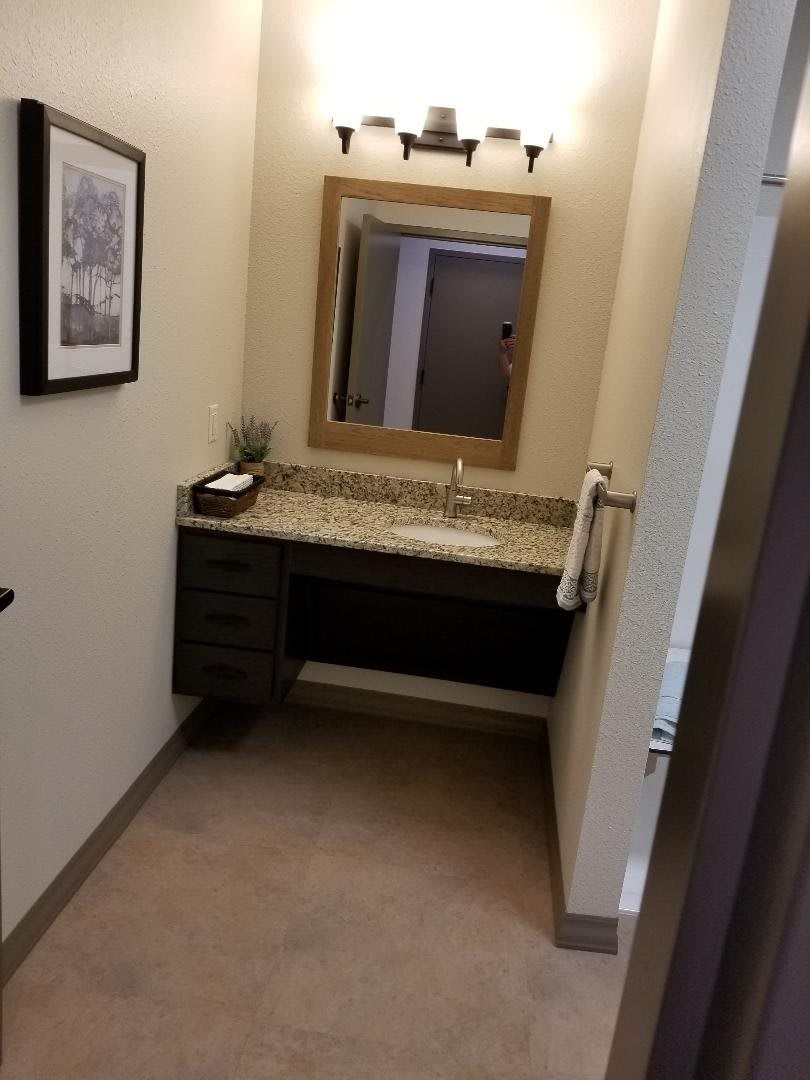
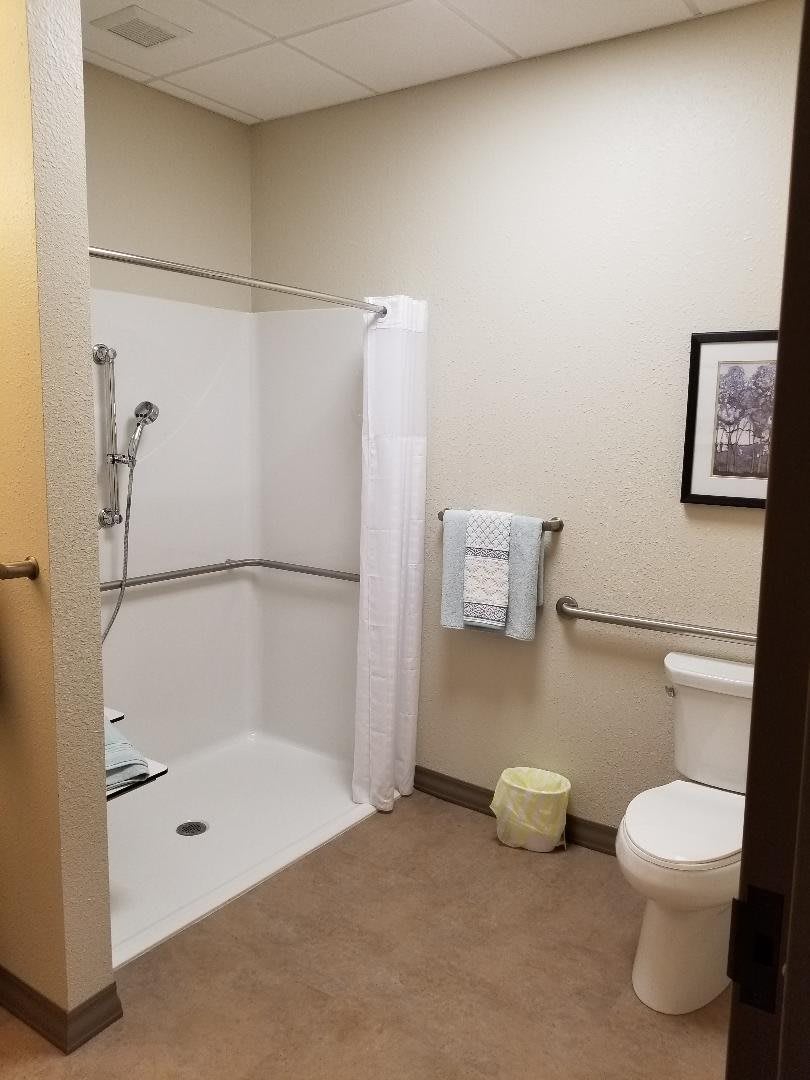
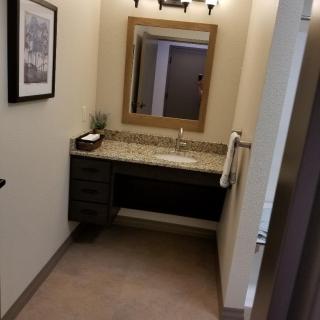
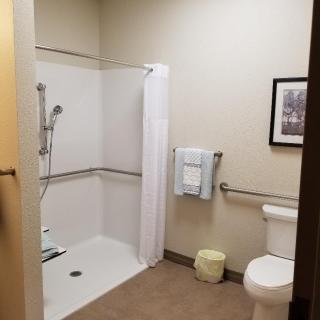
 Handicap accessible
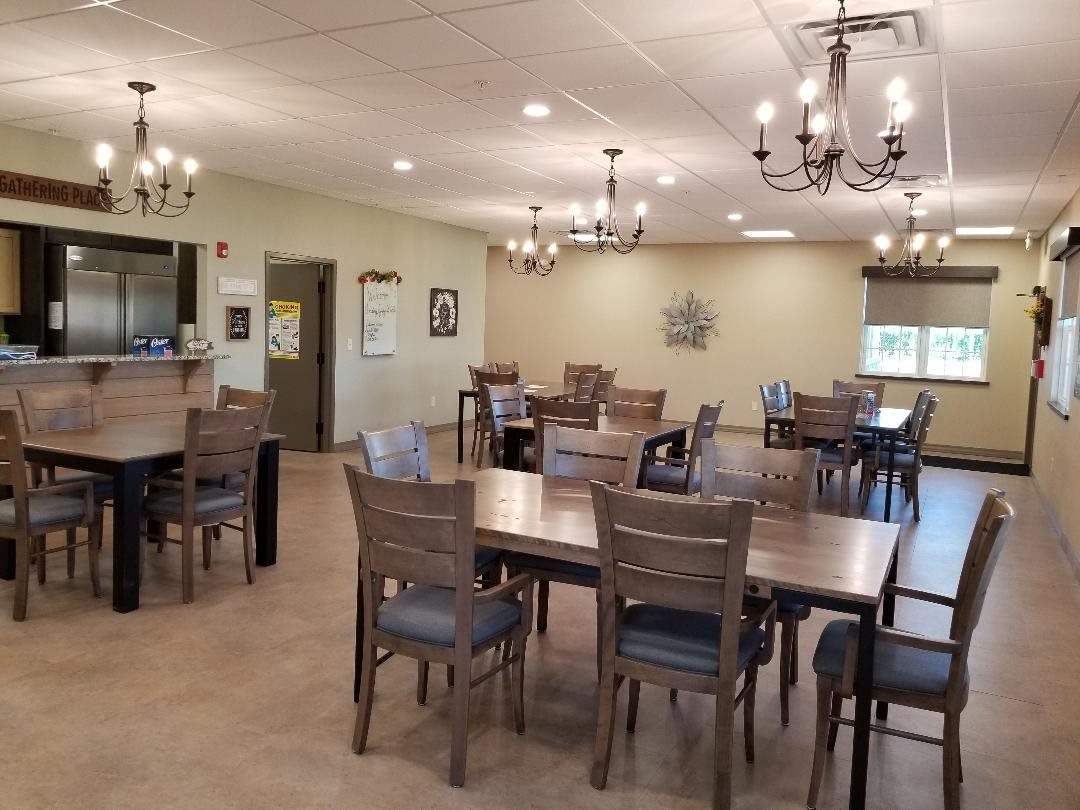
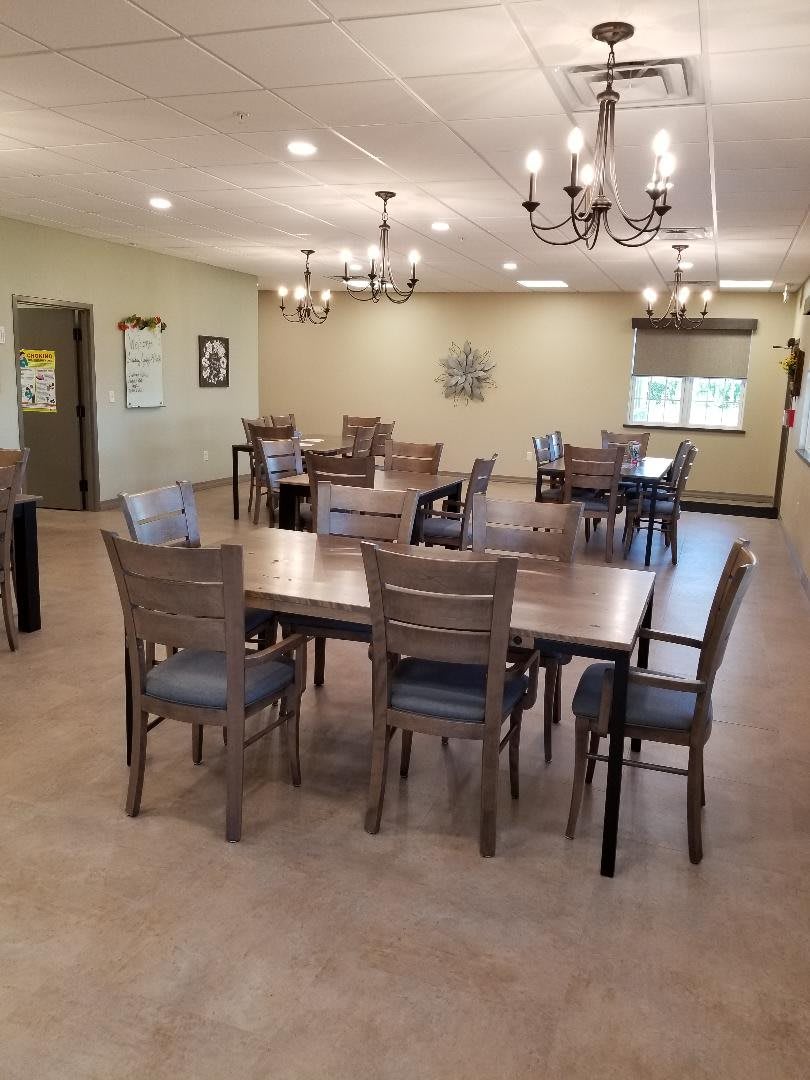
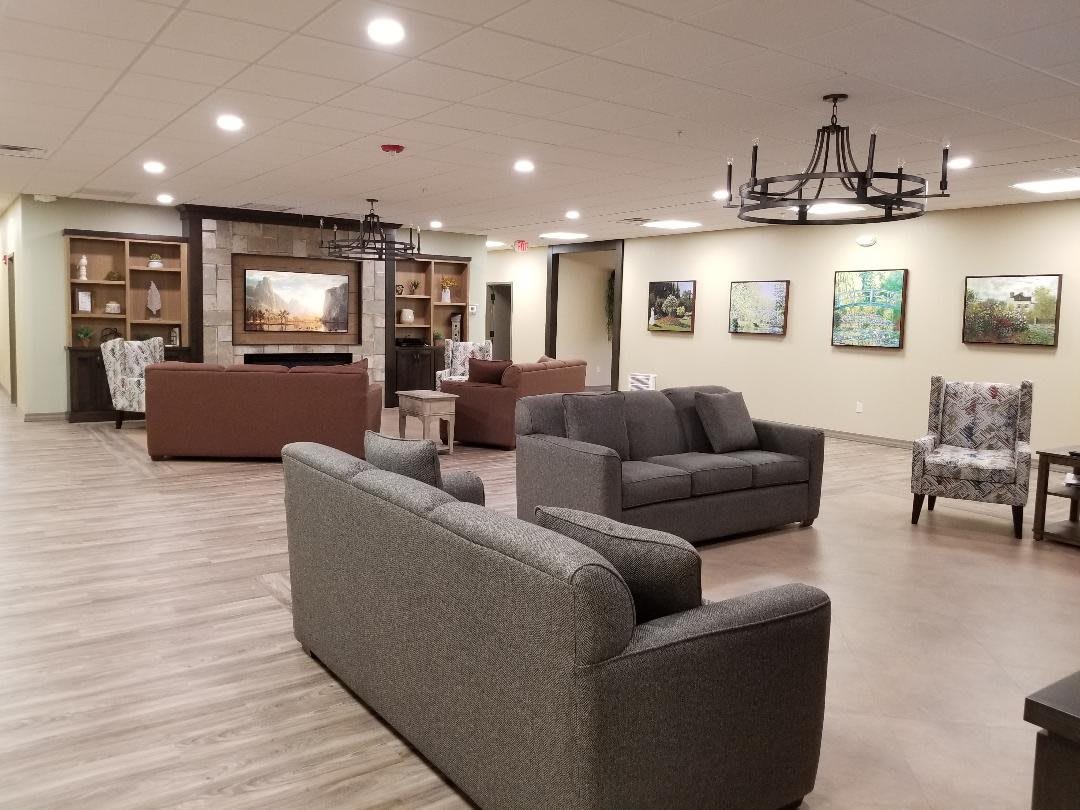
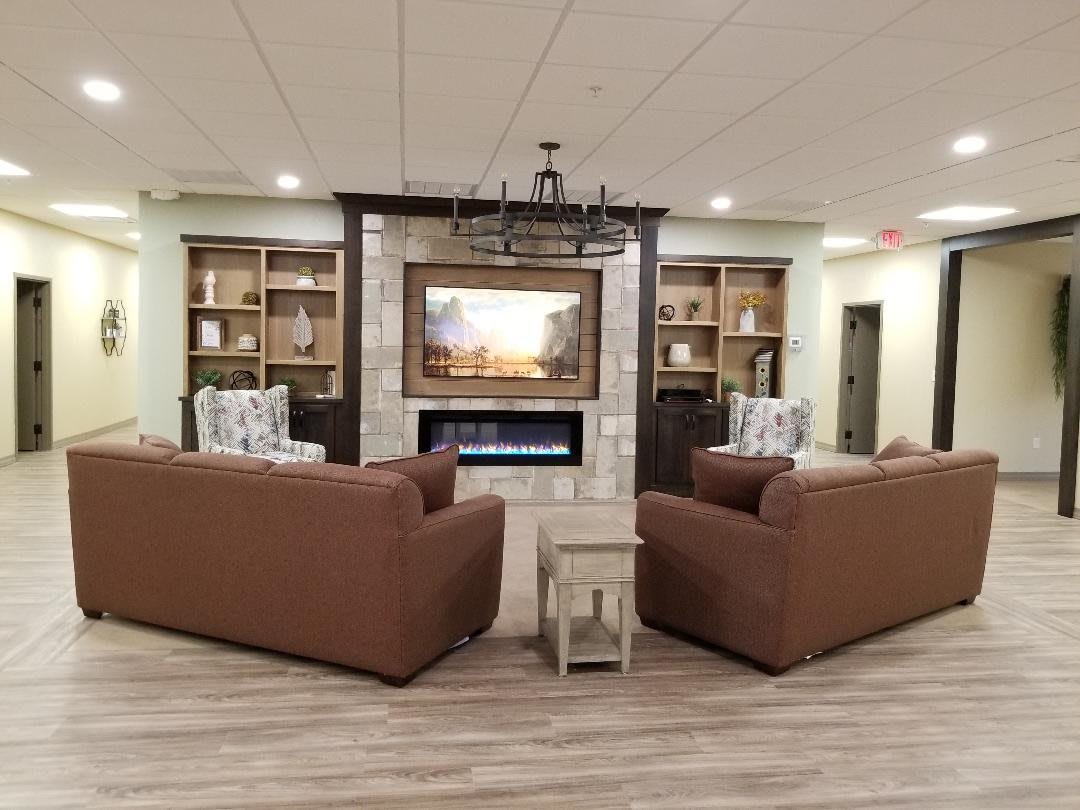
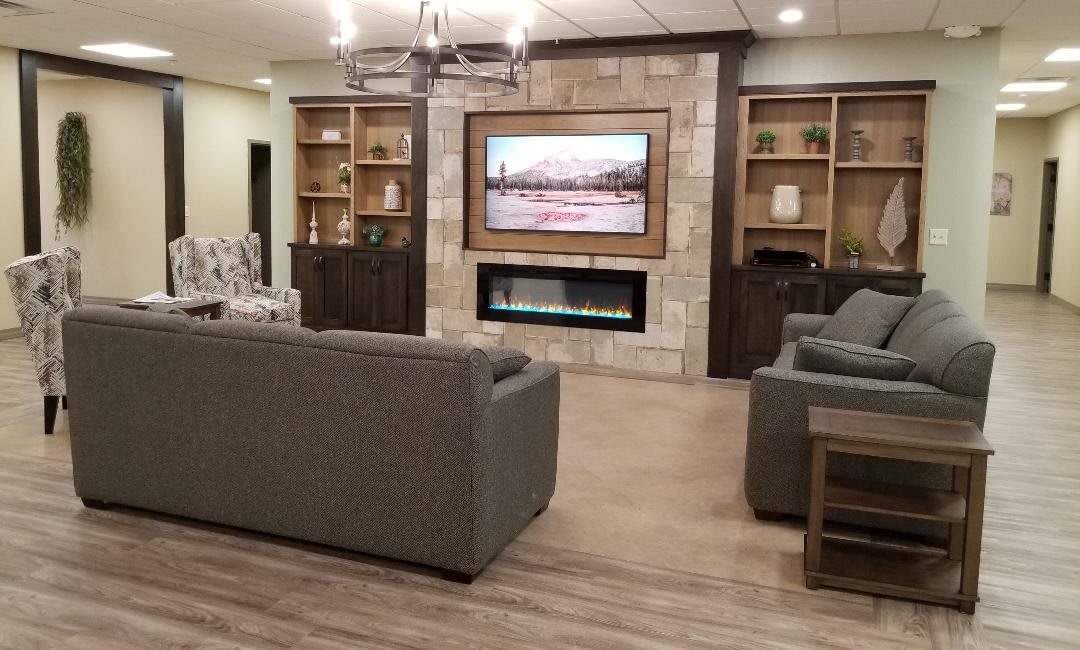
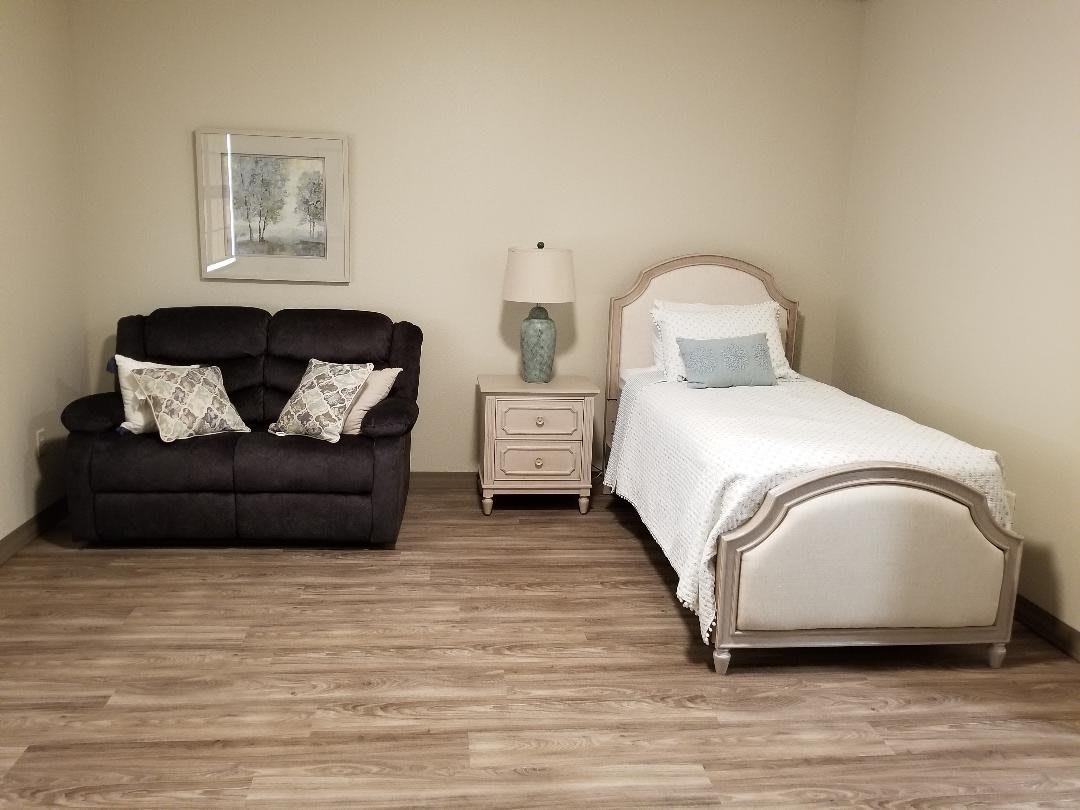
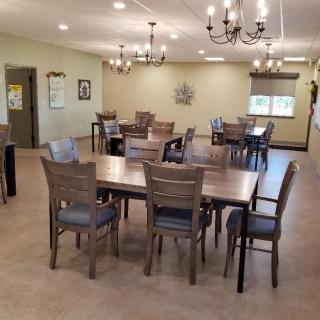
 Indoor common areas
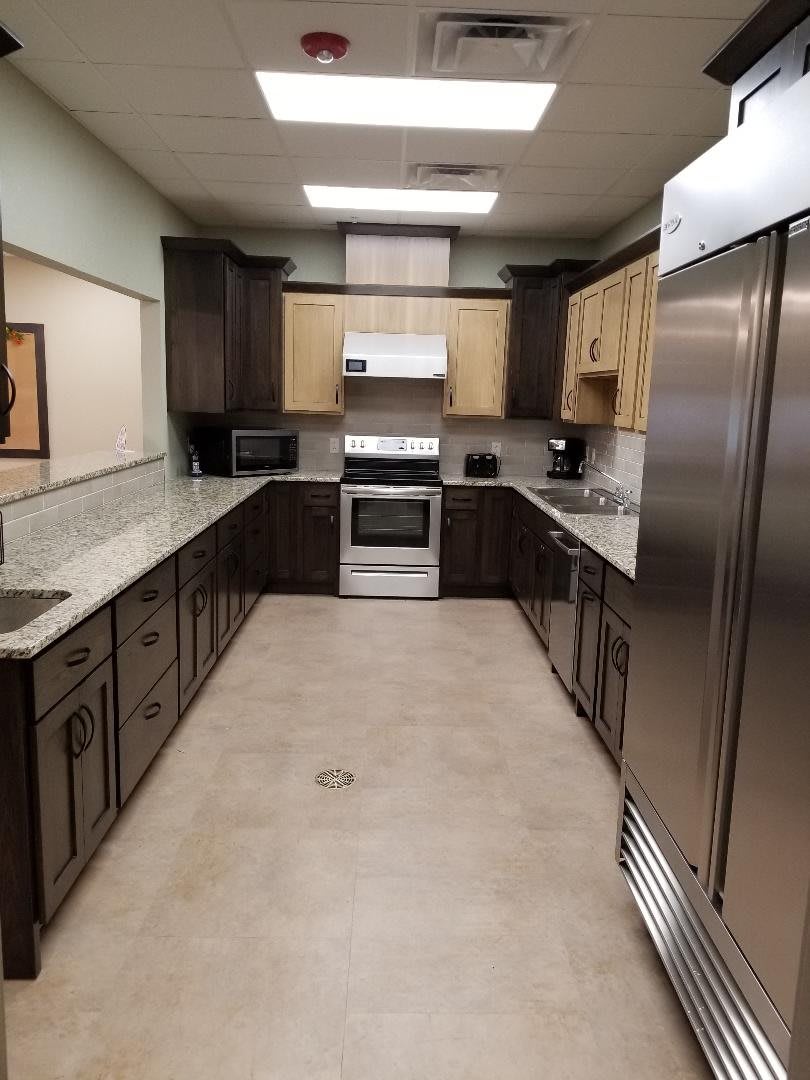
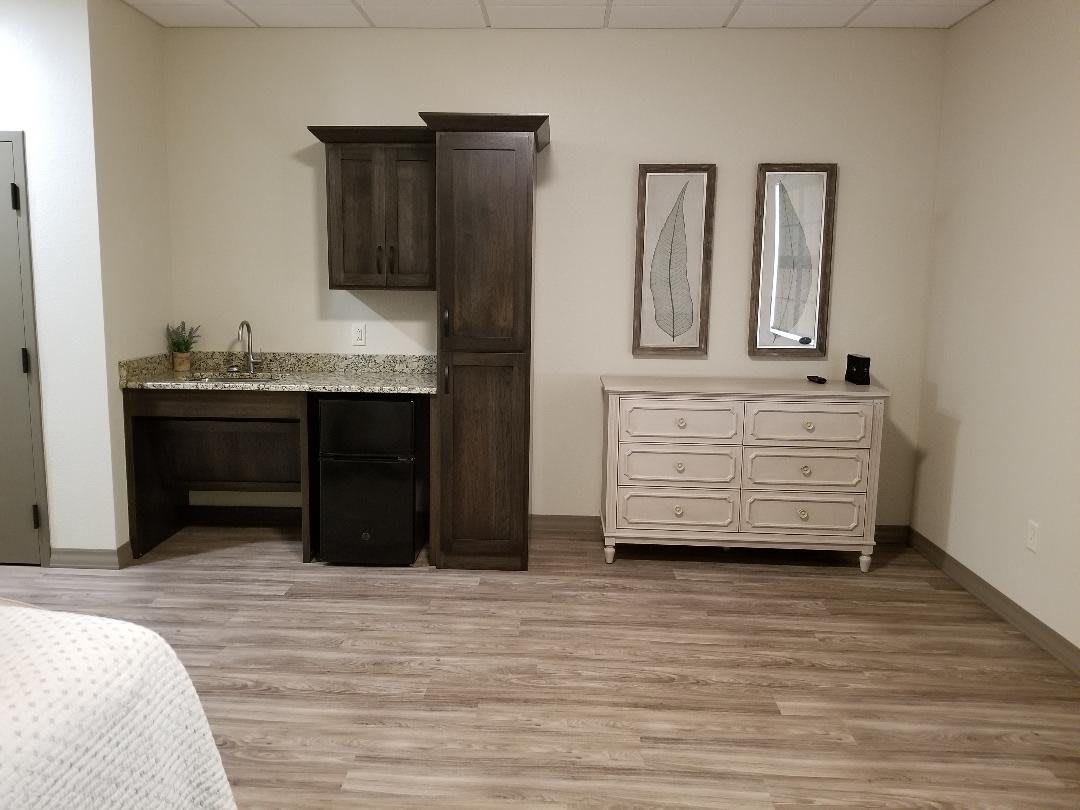
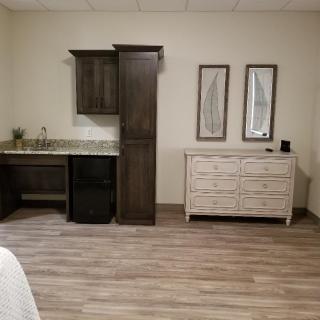
 Kitchenette
 Outdoor common areas
 Private bathrooms
 Respite or short term stays offered
 Wheelchair accessible showers
 Wi-Fi/high-speed internet available
 Ambulatory care
 Diabetic care
 High acuity care
 Incontinence care
 Medication management
 Guest meals
 Art classes
 Brain fitness
 Cooking classes
 Day trips and outings
 Gardening club
 Karaoke
 Live musical performances
 Stretching classes
 Trivia games





 Nourishing the Mind: Essential Dietary Approaches for Dementia
 Understanding Dementia Behaviors: Practical Insights and Strategies for Caregivers
 When Dementia Sparks Anger and Aggression: Understanding the Connection and Ways to Cope