601 North West Street, Sullivan, IL 61951
For more information about senior living options: (866) 208-4318
Overall Review of Green Gardens Estates
Pros
 The memory care home consistently engages residents in activities that bring smiles to everyone.
- The staff deserve a huge thank you for their dedication and care.
- The facility is everything families hope to find for their loved ones.
- The grandmother loved the facility during her stay and received compassionate care.
- The facility provided amazing care and a high quality of life for the grandmother.
- The team made the grandmother feel loved during Covid when family could not visit.
Review
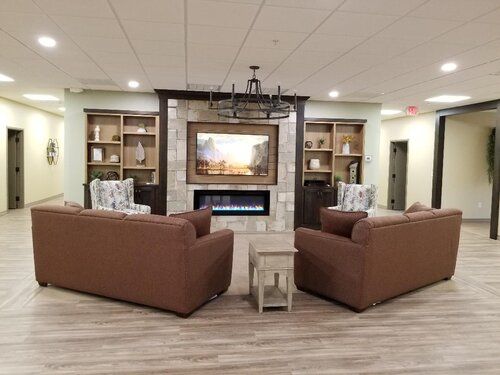
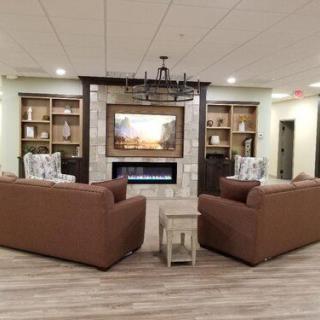
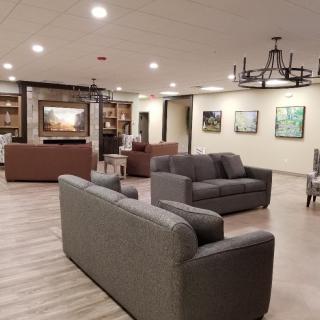
Green Gardens Estates in Sullivan, IL is best suited for families seeking a small, memory-care focused home where staff engagement, routine meaningful activities, and a warm, home-like atmosphere drive daily life. The community appears to resonate with families who want their loved ones to experience consistent, affectionate interaction and to feel a sense of belonging through regular programs designed around cognitive support and emotional connection. For memory-care residents who respond well to predictable routines, gentle reorientation, and steady, familiar faces, Green Gardens Estates offers a noticeably resonant fit.
Those evaluating alternatives should weigh factors such as medical acuity, care continuum, and facility size. If a resident’s needs extend beyond memory care, requiring complex nursing interventions, chronic disease management, or a broader menu of therapies, larger communities with a wider range of services may be preferable. Budget considerations and the desire for more clinical oversight can push families toward providers with different financial models or more expansive medical support. Additionally, if variety, scale, or a broader therapy portfolio matters, other communities may better match those expectations.
Key pros offset potential drawbacks through an authentic, resident-centered approach. The reviews emphasize staff engagement and activities that bring smiles, create meaning, and foster a sense of purpose, dynamic contributions that counterbalance the limits a small memory-care setting might impose. The accounts of a grandmother who felt loved and maintained quality of life during difficult times illustrate how relational care translates into emotional well-being. In practical terms, the strongest advantage is the combination of genuine care and structured opportunities for connection that sustains cognitive and emotional vitality for residents.
Still, the concentrated focus on memory care and the facility’s smaller footprint may present practical constraints. With only two published reviews, there is limited external validation and fewer data points on turnover, consistency, or long-term outcomes. Families should probe for caregiver-to-resident ratios, staff training in dementia care, and how care plans adapt as needs evolve. Inquire about daily schedules, enrichment options, and how family involvement is facilitated. It remains important to confirm that the setting’s warmth and relational quality do not come at the expense of access to higher levels of medical oversight, should health needs escalate.
To make a confident decision, visit with questions designed to reveal reliability and continuity. Ask how often residents participate in structured activities, how memory care is integrated into one-to-one moments, and what happens when needs intensify. Seek transparency on staffing stability, including night supervision and on-call medical support. Request sample care plans, communication cadences with families, and opportunities to tailor routines to individual past interests. Assess the environment for safety, accessibility, and whether the home-like atmosphere feels genuinely supportive rather than merely pleasant.
For families prioritizing compassionate memory care delivered through steady, personal engagement, Green Gardens Estates represents a compelling choice. The documented strengths, engaged staff, purposeful activities, and a focus on quality of life, align with a caregiving philosophy built on presence and connection. If those priorities are non-negotiable, this community deserves serious consideration and a direct tour. If medical complexity, a broader continuum of therapies, or larger-scale resources are essential, alternatives that offer a wider range of services may serve better in the long run. The ultimate decision should hinge on a precise match between resident needs, budget realities, and the facility’s ability to sustain daily, meaningful connection over time.
 12 resident community capacity
 Assisted Living
 Cable or satellite TV
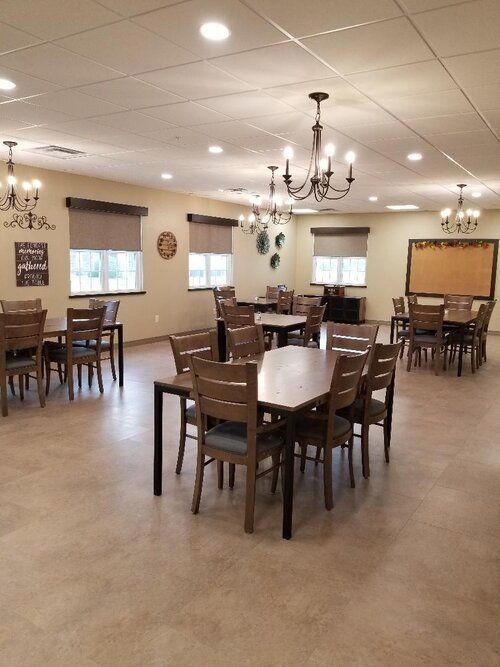
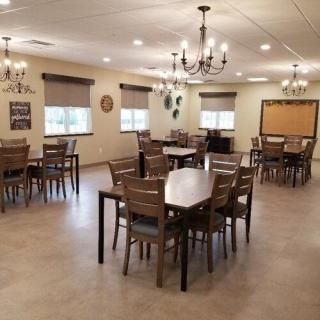
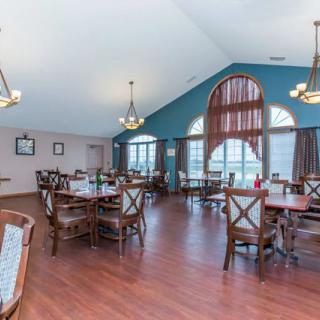
 Dining room
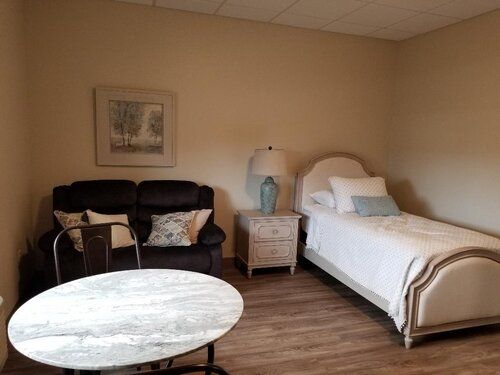
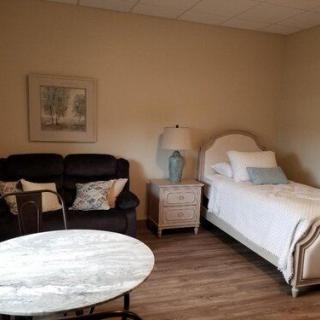
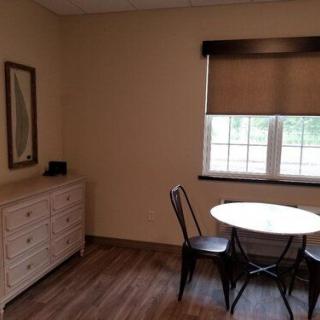
 Fully furnished
 Garden
 Housekeeping services
 Move-in coordination
 Outdoor space
 Telephone
 Wi-Fi/high-speed internet available
 24-hour supervision
 Activities of daily living assistance
 Assistance with bathing
 Assistance with dressing
 Assistance with transfers
 Diabetes diet
 Meal preparation and service
 Medication management
 Special dietary restrictions
 Transportation arrangement (medical)
 Transportation to doctors appointments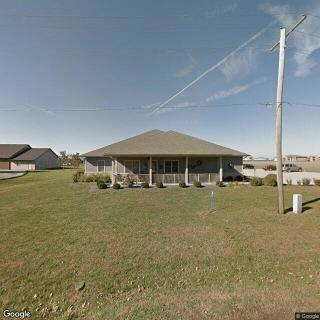





 Funding and Affording Assisted Living: A Thorough Overview
 Assisted Living Expenses and Long-Term Care Insurance: A Comprehensive Exploration
 Securing Financial Support for Assisted Living: A Comprehensive Overview