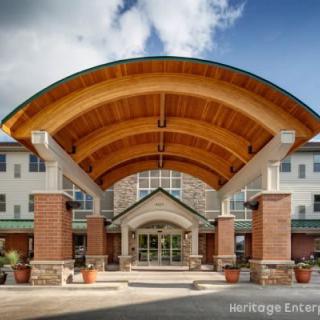
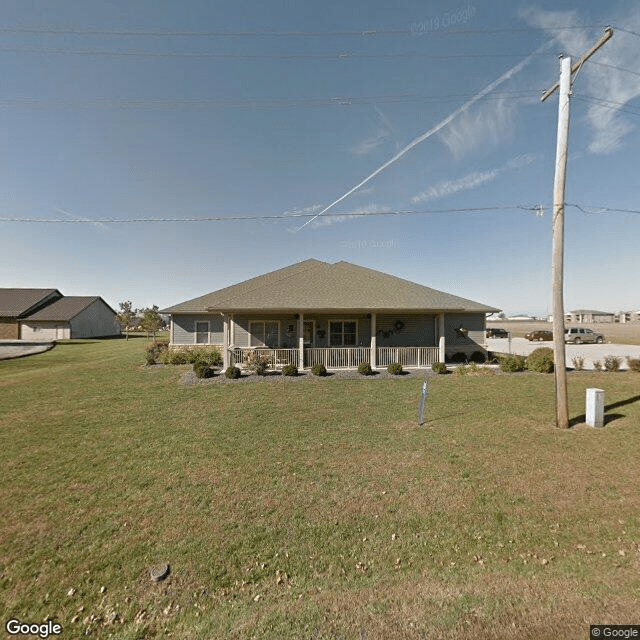
Aspen Creek of Sullivan
Save
Information last verified:
411 N. West Street, Sullivan, IL 61951
For more information about senior living options: (844) 490-3973
Aspen Creek of Sullivan offers a range of room types at competitive pricing when compared to both Moultrie County and the broader Illinois market. For private rooms, the monthly cost at Aspen Creek is $2,860, which is notably lower than the state average of $5,049 and slightly higher than Moultrie County's rate of $2,614. In terms of one-bedroom accommodations, Aspen Creek's fee stands at $4,500, surpassing the county average of $3,300 but remaining close to the statewide figure of $3,527. When it comes to semi-private rooms, residents can expect a monthly charge of $5,000 - more affordable than Illinois's average price yet higher than Moultrie County's cost of $4,375. Overall, Aspen Creek provides an appealing balance of quality and affordability within its regional context.
| Floor plans | Aspen Creek of Sullivan | Moultrie County | Illinois |
|---|---|---|---|
| Private | $2,860 | $2,614 | $5,049 |
| 1 Bedroom | $4,500 | $3,300 | $3,527 |
| Semi-Private | $5,000 | $4,375 | $5,146 |
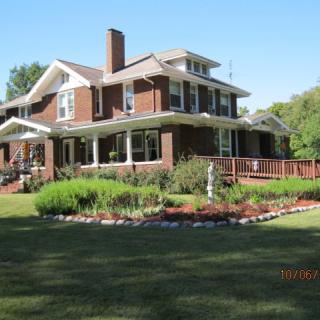
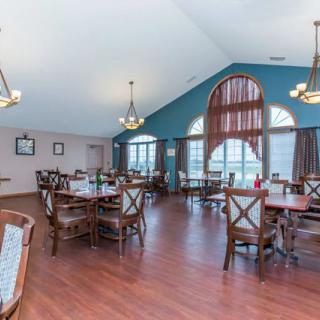
Aspen Creek of Sullivan is best suited for families seeking a tiny, memory-care focused community where dementia care is the centerpiece and every effort centers on a warm, home-like atmosphere. The facility operates as a 12-resident setting that feels more like a family home than a traditional institution. Families looking for highly individualized attention, consistent staff relationships, and meaningful daily engagement will find a strong match here. Residents benefit from a climate of compassionate caregivers who know their residents well, with emphasis on dignity, safety, and routines that honor personal history. The open, residential layout, complete with a shared kitchen, dining area, and living space, encourages residents to participate, socialize, and remain engaged rather than retreat to isolated rooms. The presence of familiar comforts, including homemade meals and even resident animals, reinforces a sense of belonging and purpose that many families prize in memory-care decisions.
Those most likely to want alternatives are families prioritizing large-scale capacity or aggressive medical oversight. If the need is for a campus with extensive on-demand hospital-grade nursing coverage, broad specialist networks, or more predictably structured financial policies, other communities may align more closely with those expectations. Likewise, families that require constant, on-floor management presence, or who are scrutinizing every procedural policy and financial term with a microscope, might find options elsewhere that feel more transactional or centrally governed. Aspen Creek’s model emphasizes intimate care and a familial culture, which may feel at odds with what some families expect from a larger operator. In short, this is not the right fit for those chasing a corporate, high-volume environment or for the most stringent financial assurances.
The strongest pros here revolve around staff who demonstrate genuine kindness, a dementia-focused care philosophy, and a setting that promotes social connection and daily purpose. Families repeatedly cite compassionate aides, responsive nurses, and a collaborative approach to care, especially when hospice or external care partners are involved. The small scale makes communication feel direct and personal, families report proactive outreach, clear updates, and a sense that staff treat each resident as an individual rather than a case. The home-like ambiance, pleasant dining, and opportunities for residents to contribute to daily life in the kitchen or shared spaces translate into a reassuring sense of safety and belonging. This care model often offsets the drawback of not having a large staff pool, because staff learn residents deeply and tailor activities and routines accordingly, which consistently reduces family anxiety and enhances quality of life.
It is essential to acknowledge a few cautions that show up in reviews, then weigh them against the unmistakable strengths. A recurring concern centers on management visibility and staffing levels on busy days, with some families sensing that leadership isn’t always on the floor and that ratios can strain response times. Another theme centers on financial policy perceptions, including a reported disagreement over pro-rated refunds and room-related credits after a loved one passes. While these issues are not universal, they warrant careful scrutiny for families that need crystal-clear terms and transparent accounting. Yet the counterbalance is powerful: the community’s deep reputation for personalized care, the sense that ownership and leadership care about outcomes, and the willingness of staff to bend over backward to meet urgent needs, especially during hospital stays or transitions, helps many families move forward with confidence.
For families evaluating Aspen Creek, a practical approach yields the best clarity. Visit with a clear checklist: observe how warm the staff are with residents, assess how the kitchen and living spaces promote interaction, and ask how often on-site leadership engages with residents and families. Dialogue about care planning for dementia, the frequency of family updates during medical events, and how hospice or external providers integrate with daily routines will reveal how well the community handles the realities of memory-care life. Inquire about staffing schedules, training specific to dementia behaviors, and how activities are adapted to individual cognitive levels. Because many families describe the atmosphere as a home, not a facility, it’s worth confirming how personalization works in practice for a resident with a unique history, preferences, and routines.
Overall, Aspen Creek stands out as a strong, practical choice for dementia care where the emphasis is on a homey, intimate environment, relentless kindness, and purposeful daily living. It serves best those families who value a near-family scale, where caregivers know residents by name, and where the community feels like a supported extension of home. The most compelling case is made for families who want peace of mind from consistent, compassionate care, transparent, ongoing family communication, and a setting that supports meaningful activity and dignity in everyday moments. For families needing a larger campus, more formalized financial policies, or constant executive presence, alternatives may be more appropriate. When the priority is caring for a loved one with dementia in a setting that feels like home, Aspen Creek delivers with remarkable clarity and conviction. Contact the community to tailor a plan that aligns with specific care needs, financial expectations, and the desired pace of life for a loved one.
Aspen Creek of Sullivan is a senior living community located in Sullivan, IL. We offer a variety of care services including day program and memory care for our residents. Our community is designed to provide a comfortable and nurturing environment for individuals with Alzheimer's disease or other forms of dementia.
At Aspen Creek of Sullivan, we strive to provide our residents with the highest quality of life possible. Our amenities include a beautician on-site, allowing residents to easily access salon services without leaving the community. We also offer devotional services on-site for those who wish to engage in spiritual activities.
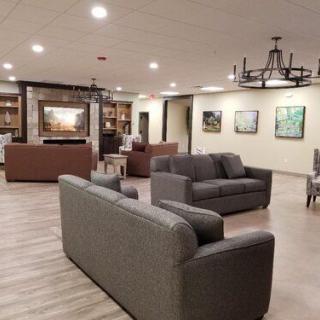
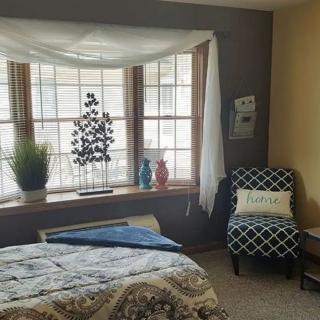
Our indoor and outdoor common areas provide spaces for socializing and enjoying leisure activities. Residents can relax and chat with fellow residents or take part in organized group activities. Each resident has a private room with a private bathroom, ensuring their comfort and privacy.
For those in need of short-term stays or respite care, we offer these options as well. Our staff is trained to provide diabetics with specialized care, managing their condition effectively. We also offer high acuity care for individuals requiring more intensive assistance. Incontinence care is available as needed, ensuring our residents' dignity and comfort at all times.
Medication management is provided at Aspen Creek of Sullivan to ensure the proper administration and monitoring of medications for each resident. Our dedicated team of caregivers works closely with physicians and pharmacists from nearby locations to coordinate comprehensive healthcare support.
In terms of nearby amenities, our community benefits from having two pharmacies within close proximity, making it convenient for residents to fill prescriptions or purchase medical supplies when needed. There are also three physicians nearby who are readily accessible for medical consultations and appointments.
For dining options, there are four restaurants located near our community, providing diverse choices for meals outside the facility if desired by our residents. Transportation options are readily available within the area, making it easy for residents to access off-site appointments or social outings.
Lastly, we understand the importance of spirituality to many individuals, which is why we have four places of worship located nearby. Our residents have the opportunity to attend religious services and engage in devotional activities without having to travel far.
At Aspen Creek of Sullivan, we are committed to providing personalized care and a supportive community environment for our residents. We strive to meet their individual needs while promoting their overall well-being and independence.
This part of Sullivan, Illinois offers a variety of amenities and services that cater to seniors looking for a comfortable and convenient living environment. With several medical centers and clinics in close proximity, including DMH Sullivan Medical Center and SBL Sullivan Clinic, residents have easy access to healthcare services. Pharmacies like CVS Pharmacy and Oakwood Apothecary are nearby for medication needs. There are also places of worship such as Vineyard Church and Tree of Life Christian Center for spiritual support. Additionally, the area boasts a selection of restaurants like The Landing and China King, as well as cafes such as Roselen's Coffees & Delights for dining options. For recreational activities, parks like Wilborn Creek Recreation Area and Crowder Park provide opportunities for outdoor enjoyment. Overall, this part of Sullivan offers a peaceful and welcoming community for seniors seeking a safe and vibrant place to call home.
Aspen Creek of Sullivan offers a range of room types at competitive pricing when compared to both Moultrie County and the broader Illinois market. For private rooms, the monthly cost at Aspen Creek is $2,860, which is notably lower than the state average of $5,049 and slightly higher than Moultrie County's rate of $2,614. In terms of one-bedroom accommodations, Aspen Creek's fee stands at $4,500, surpassing the county average of $3,300 but remaining close to the statewide figure of $3,527. When it comes to semi-private rooms, residents can expect a monthly charge of $5,000 - more affordable than Illinois's average price yet higher than Moultrie County's cost of $4,375. Overall, Aspen Creek provides an appealing balance of quality and affordability within its regional context.
Aspen Creek of Sullivan is located at 411 N. West Street, Sullivan, IL 61951 in Moultrie County, Illinois
Medication management at Aspen Creek of Sullivan ensures that residents receive their prescribed medications accurately and on time, which is crucial for maintaining health and stability in individuals with dementia or Alzheimer's disease. This systematic approach minimizes the risk of missed doses or incorrect administration, thereby supporting cognitive function and overall well-being. Incontinence care addresses a common challenge faced by those with memory impairments, providing dignity and comfort through tailored support that respects the individual's privacy and reduces anxiety. By focusing on these essential aspects, Aspen Creek fosters an environment conducive to promoting both mental and physical health, allowing residents to thrive in their daily lives.
A Holistic Dementia Care Guide: Effective Strategies for Memory Support

The guide on holistic dementia care outlines the complexity of dementia and stresses the need for individualized caregiver strategies that include medical treatment, psychological support, and environmental adaptations, while emphasizing early detection, various therapeutic options, and caregiver support to enhance quality of life and maintain dignity.
Memory Care Pathways: A Holistic Guide to Dementia Support

"Memory Care Pathways: A Holistic Guide to Dementia Support" outlines the complexities of dementia and its various types, emphasizing early detection, patient-centered care strategies, caregiver support, and long-term care options while addressing legal and financial considerations to enhance the quality of life for individuals with dementia and their families.
Comprehending Evening Confusion in Dementia: Causes, Manifestations, and Support
Sundown syndrome, or sundowning, is a phenomenon in dementia patients characterized by increased confusion and agitation during late afternoon and evening, influenced by factors like disrupted circadian rhythms and fatigue. Effective caregiver strategies include establishing routines and managing environmental light while addressing caregiver stress through support services.