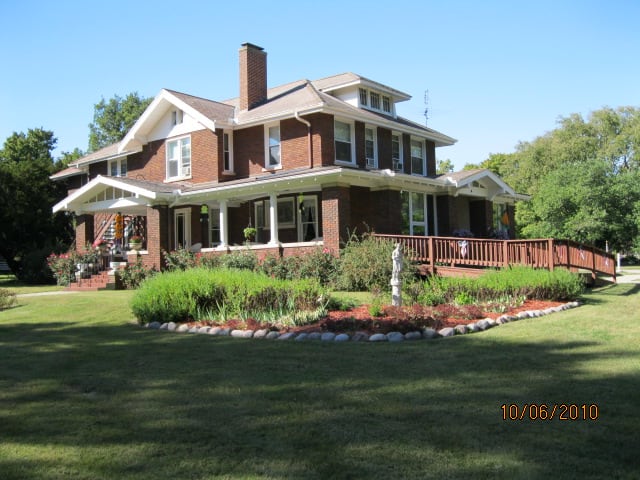
513 N Worth St, Sullivan, IL 61951
To contact a resident: (217) 728-4725
For more information about senior living options: (866) 208-4318
Titus Manor at Wyman Park Costs & Pricing
At Titus Manor at Wyman Park, the monthly cost for a private room is $2,600, which provides a competitive option compared to average prices in Moultrie County and across Illinois. In Moultrie County, the average cost for similar accommodations hovers around $2,614, making Titus Manor an appealing choice for those seeking affordability without compromising quality. When considering the broader state averages, where private rooms can reach as high as $5,049, Titus Manor positions itself as a cost-effective solution while still offering a comfortable and supportive living environment. This pricing strategy not only reflects the local economic conditions but also highlights the commitment to providing accessible care options for residents and their families.
| Floor plans | Titus Manor at Wyman Park | Moultrie County | Illinois |
|---|---|---|---|
| Private | $2,600 | $2,614 | $5,049 |
Senior living communities with a similar price nearby
-
from +$400 / mo

Aspen Creek Of Sullivan
$3,000 / month2.9 miles away -
from +$260 / mo
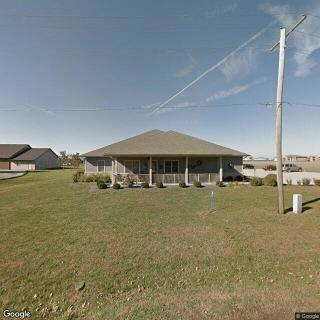
Aspen Creek of Sullivan
$2,860 to $5,000 / month0.9 miles away -
from +$350 / mo

Courtyard Estates Of Monmouth
$2,950 to $3,350 / month1.4 miles away -
from +$150 / mo

Villas of Holly Brook & Reflections - Charleston
$2,750 to $4,375 / month24.7 miles away -
from -$465 / mo

Arbor Rose of Arcola
$2,135 to $6,791 / month16.6 miles away
Overall Review of Titus Manor at Wyman Park
Pros
 The city park is great, clean and well maintained.
- It is always fun for kids and is a nice park with no shady people hanging around.
- It is a lovely park with pavilions, multiple playgrounds, ball diamonds, Lincoln history, and more.
- The ladies' retirement home is lovely.
- The facility is very nice and friendly, set in a historic home next to a large city park.
- The staff are great.
- It is a wonderful home with lots of history.
- It would be a top choice of where to live for someone who can no longer live in their own home.
- The aunt was very happy there, and the residents are treated like queens and pampered daily.
Cons
 The facility is now closed.
- It is a women-only facility, which would exclude male residents.
Review
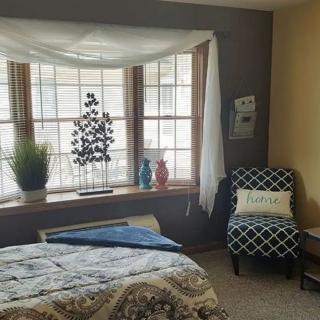
Titus Manor at Wyman Park is best suited for older women who want a warm, intimate, home-like environment with attentive staff and a sense of daily pampering, all set in a historic mansion adjacent to a sizeable city park. The community reads as a small, close-knit household where residents are treated with personal warmth and where “home cooking” and daily care feel naturally woven into everyday life. The building and grounds carry a quiet charm, and the proximity to the park adds a tangible outdoor rhythm to each day. Prospective families seeking a dignified, genteel atmosphere with a strong private-pay, nonclinical vibe will especially appreciate what the property purports to offer.
Those evaluating Titus Manor should also consider alternatives if the resident requires a gender-diverse setting, a male resident, or care services that extend beyond what a women-only house can deliver. Men who need admission, couples seeking a mixed-gender environment, or families prioritizing memory-care specialization or hospital-level medical oversight may find better fit elsewhere. A noted caution point in the community’s chatter is the explicit women-only policy, which can be a decisive constraint for some families. Add to this the uncertainty voiced by at least one reviewer about the facility’s current status, and the prudent path is to verify that Titus Manor is open and accepting new residents before proceeding.
On the positive side, the strongest determinants are the staff and the atmosphere. Reviewers repeatedly highlight a staff that feels like a dedicated extended family, friendly, responsive, and caring, paired with housekeeping and maintenance that keep the property clean, safe, and well maintained. The historic home setting isn’t just cosmetic; it informs a lifestyle where residents are often described as being pampered and well cared-for on a daily basis. The park-adjacent location offers opportunities for outdoor time and easy strolls, which can translate into meaningful routines for residents who value structure, social activity, and a sense of place. These qualitative benefits can offset less contemporary amenities for families prioritizing character, companionship, and daily purpose.
Yet the cons are nontrivial and must be weighed candidly. The most glaring is the gender constraint: the community’s identity as a women-only residence excludes a sizable segment of potential residents and can force families to seek other options if a male relative or a couple requires care together. The impression of high demand, implied by comments about openings, suggests availability may be inconsistent, meaning timing and onboarding could be sensitive factors. The occasional note about the facility closing or transitioning status adds another layer of risk; for families, this translates into a clear imperative to confirm current operations, governance, and long-term stability before making any commitment.
For families actively comparing options, a practical evaluation checklist is essential. Arrange tours to observe how staff interact with residents and how daily routines unfold, meal service, activities, mobility assistance, and safety protocols. Inquire specifically about the services included in the monthly rate, whether respite care is available, and how care levels are assessed and adjusted over time. Confirm room configurations, emergency response features, and whether there’s any flexibility in accepting residents with varying medical needs. Finally, document the policy on gender, eligibility, and admission timelines, as well as the facility’s current status, to avoid costly misalignment with expectations.
If Titus Manor does not fit, several solid alternatives merit consideration. Look for coed communities or facilities that welcome male residents and couples, especially those that offer comprehensive assisted living with clearly defined care plans. Seek environments with equally strong hospitality and staff engagement but with broader admission criteria and transparent, stable operation. In parallel, compare focus areas such as memory care specialization, activity programming, and the degree of home-like ambiance versus clinical ambiance. The best choice will align with the resident’s gender, care needs, desired social environment, and the family’s tolerance for risk around admission status and continuity of operation. A well-chosen option will blend personal affinity with reliable care to sustain dignity and independence over time.
 Board and Care Home
 Activities off-site
 Bath tubs
 Beautician on-site
 Devotional services off-site
 Indoor common areas
 Outdoor common areas
 Private
 Private bathrooms
 Respite or short term stays offered
 Ambulatory care
 Diabetic care
 High acuity care
 Incontinence care
 Medication management
 Meals provided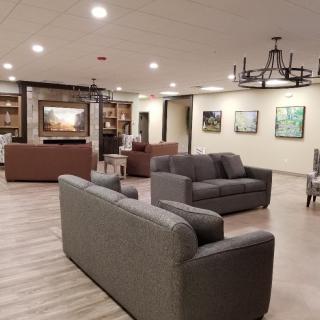




 Highly Beneficial Low-Impact Exercises for Senior Living Residents
 Is In-Home Healthcare Tax Deductible? Your Comprehensive Guide
 Nurturing Well-Being Through Gardening: A Detailed Guide for Senior Enthusiasts