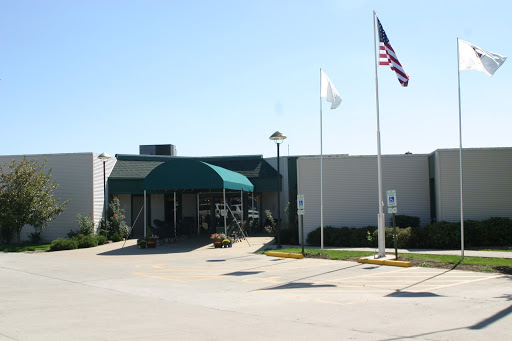






11 Hawthorne Lane, Sullivan, IL 61951
For more information about senior living options: (866) 208-4318
Overall Review of Sullivan Rehab & Health Care Center
Pros
 Petersen is described as a motivated group of people who help others navigate the sometimes turbulent waters of healthcare.
- Some staff are described as really trying to care for residents.
- A staff member expresses love for the residents and strives to cook the best meals for them.
- The care team is portrayed as valuing respectful treatment, not yelling at residents and never leaving them wet or dirty.
- Petersen is recommended to those who want help navigating healthcare from a motivated group of people.
Cons
 The facility doesn’t care about its residents and can’t keep good staff.
- The place isn’t recommended for loved ones.
- A wife was there for three days before an ambulance to the hospital; the care received was disappointing and the rehab facility isn’t recommended.
- Upon arrival, the facility smelled like urine, prompting immediate departure.
- Staff yelled at residents when they needed help and left them wet and dirty; most staff don’t care.
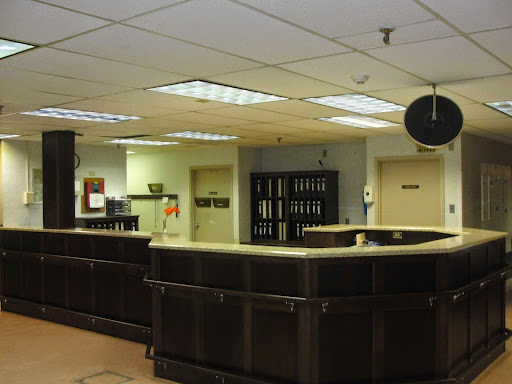
- The building has a nasty smell, is falling apart, with outdated beds and junk in hallways; it is severely understaffed and nurse call lights go unanswered for over an hour.
- There are reports of insufficient food, with meals late or scarce and residents often going without until after 6 pm.
- There are claims the facility should be shut down and that negative reviews are being deleted.
Review
This community is best suited for families who must supervise care closely and are prepared to intervene when concerns arise. It is not a fit for residents who rely on consistent, proactive bedside attention, rapid response to calls, or a clean, well-maintained environment. The best-case scenario here is a short-term rehab or transitional stay where family members can monitor daily care, advocate with staff, and be ready to move a loved one if conditions fail to improve. In short, this setting rewards vigilance and decisive action more than it rewards dependable, hands-off care.
The most persistent red flags center on staffing, responsiveness, and basic upkeep. Several reviews describe persistent under-staffing that leaves residents waiting for help and call bells unanswered for extended periods. The result is a pattern of rushed, inconsistent care at best, and neglect at worst, with multiple accounts of residents being left wet or dirty after needs were identified. Reports of yelling or rough treatment when assistance was requested cast a long shadow over the daily experience, eroding trust between families, residents, and the care team. Compounding the problem are tangible environment concerns: a building that feels worn, with odors and outdated beds, clutter in hallways, and what appears to be insufficient housekeeping to keep shared spaces orderly and safe.
Even where a few staff members demonstrate genuine care, these positive gestures are overwhelmed by systemic gaps. The occasional staffer who truly tries to help cannot compensate for chronic understaffing, inconsistent supervision, or lapses in basic resident dignity. One review notes a caregiver who loves residents and does their best, yet the overall picture remains tarnished by ongoing problems. The contrast between isolated acts of compassion and the broader pattern makes it clear that one or two dedicated workers cannot overcome structural deficiencies that affect every shift and every resident experience. Families must weigh these isolated positives against the daily realities that seriously compromise safety and well-being.
From a safety and medical-rehab perspective, the feedback is troubling. A resident’s stay lasting only a few days before a crisis required hospitalization signals a deeper risk profile under the current operation. While it cannot be assumed that every patient will encounter the same outcome, the anecdotes point to a facility where medical stability and timely escalation of concerns are not consistently reliable. For families seeking assurance about rehab progress, this inconsistency in clinical responsiveness becomes a determinative factor. The emotional and financial cost of a potential readmission, coupled with the stress of handling concerns locally, makes this a high-stakes consideration rather than a secondary worry.
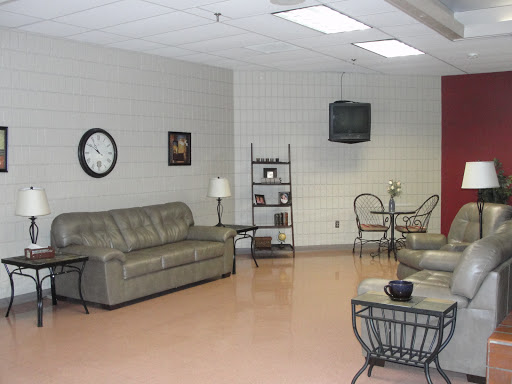
Environment and operations compounds the decision risk. Sensory and logistical concerns, odor on entry, an aging building, and equipment or supply issues, frame day-to-day life in ways that can undermine recovery or ongoing comfort. Reports of bed storage in hallways and delayed meals point to supply-chain and logistics problems that erode the resident experience and disrupt planning for families. The organizational tone comes through in suggestions that management lacks a clear, ongoing plan to address widespread complaints, and rumors about review-stacking or data manipulation undermine confidence. In a setting where every detail from meal timing to call-light response impacts recovery, these gaps are not cosmetic; they shape outcomes.
For families weighing next steps, a clear, disciplined decision path is essential. This community may still serve in a pinch for families who can commit to daily oversight, rigorous bedside advocacy, and rapid relocation if red flags reappear. Before deciding, visitors should conduct fresh, candid conversations with leadership and frontline staff about staffing levels across shifts, average call-light response times, and specific steps taken when a resident’s needs go unmet. Tour thoroughly with attention to cleanliness, odor, and maintenance. Speak with current residents or family members about their recent experiences, and request a concrete plan for addressing any deficiencies uncovered during the tour. If assurance on these dimensions cannot be produced, alternatives with stronger staffing culture, cleaner environments, and demonstrable response protocols should be pursued without hesitation. In practical terms, this community demands vigilance, contingency planning, and a willingness to move promptly if care standards do not rise to meet family and resident expectations.
 123 resident community capacity
 Skilled Nursing Facility
 Air-conditioning
 Beauty salon
 Cable or satellite TV
 Computer center
 Dining room
 Fitness room
 Fully furnished
 Gaming room
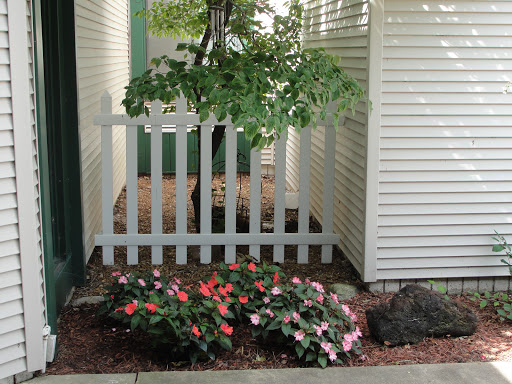
 Garden
 Housekeeping services
 Kitchenette
 Move-in coordination
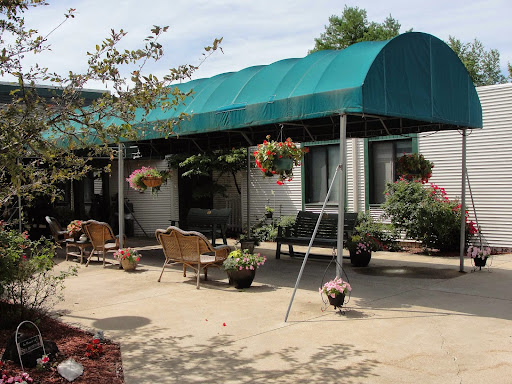
 Outdoor space
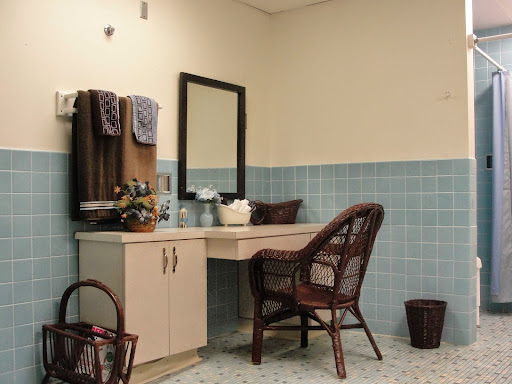
 Private bathrooms
 Restaurant-style dining
 Small library
 Telephone
 Wellness center
 Wi-Fi/high-speed internet available
 Community operated transportation
 12-16 hour nursing
 24-hour call system
 Activities of daily living assistance
 Assistance with bathing
 Assistance with dressing
 Assistance with transfers
 Diabetes diet
 Medication management
 Mental wellness program
 Special dietary restrictions
 Concierge services
 Planned day trips








 Navigating Medicare Coverage for In-Home Care Services
 In-Home Care Costs in 2025: A Detailed State-by-State Exploration
 Understanding Home Health Care: A Comprehensive Guide