Sugar Creek Alzheimer's Special Care Center Costs & Pricing
Sugar Creek Alzheimer's Special Care Center offers specialized care for residents with Alzheimer's and related dementia, and its monthly costs reflect the premium services provided. For a semi-private room, the cost is $7,010, which is significantly higher than both McLean County's average of $5,695 and the state average in Illinois at $5,146. Similarly, if one opts for a studio unit, the expense rises to $8,675, again surpassing local and state averages - McLean County averages $5,588 while Illinois statewide figures show an average of $4,028. These higher rates at Sugar Creek can be attributed to its dedicated programming designed specifically for memory care patients, ensuring they receive personalized attention in a secure environment tailored to their unique needs.
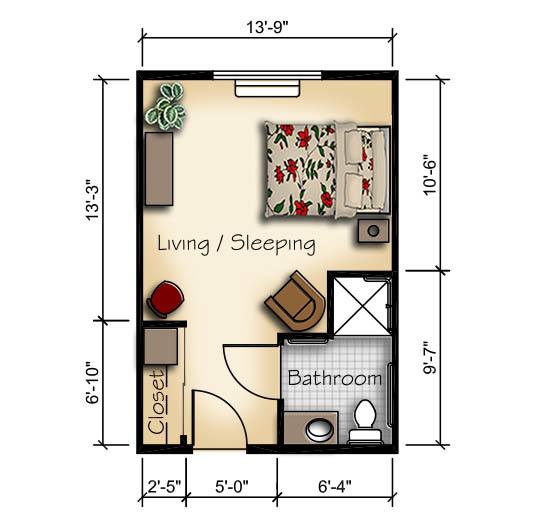
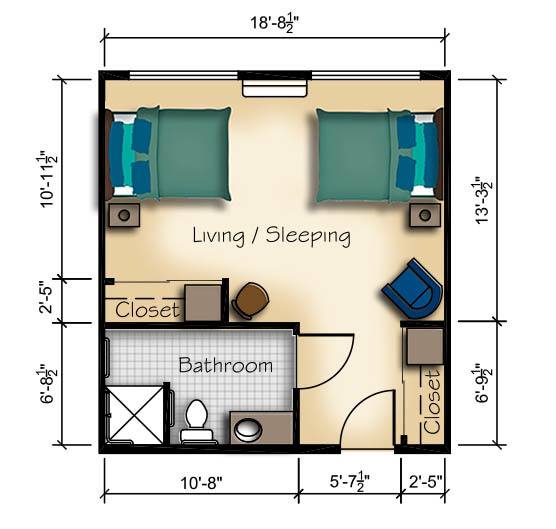
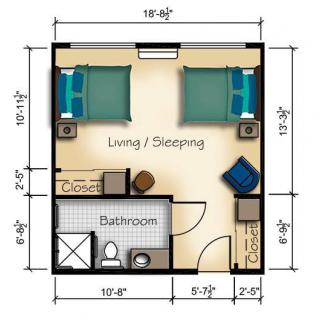
Floor plans
Sugar Creek Alzheimer's Special Care Center
McLean County
Illinois
Semi-Private
$7,010
$5,695
$5,146
Studio
$8,675
$5,588
$4,028
Overall Review of Sugar Creek Alzheimer's Special Care Center
common25 reviews mention this
Staff care and responsiveness stand out
Residents and families consistently describe staff as caring, attentive, and professional.
Across the reviews, families describe staff who treat residents with patience and kindness, and who engage residents in day-to-day life. Several reviewers also mention good communication and follow-through, including checking in with families and responding to needs. A few reviews raise serious concerns about staffing and employee turnover, but even the negative comments still reference interactions beyond one or two individuals.
differentiator9 reviews mention this
Memory care expertise is a focus
It is positioned and described as a specialist setting for Alzheimer’s and dementia care.
Multiple reviewers specifically call out that the team is trained for dementia and Alzheimer’s care, including handling behaviors and tailoring attention to residents’ needs. Families also describe assessments and care planning support, along with comfort and engagement for residents who may be having more difficult moments. The reviews generally frame this as a key reason the community feels like a better fit than other options, even when cost is mentioned as a drawback.
common12 reviews mention this
Daily activities help residents stay engaged
Residents are described as staying active with frequent activities and outings.
Reviews repeatedly mention a steady schedule of things to do, from group activities to more social moments with family involvement. Several reviewers describe residents participating instead of staying isolated, including time outdoors and in common areas. The community’s offerings also include a mix of arts, games, religious services, and fitness-style programming.
common10 reviews mention this
Clean, well-kept spaces are repeatedly noted
Many reviewers emphasize that the facility is clean and well maintained.
A number of reviewers say rooms and common areas look neat, clean, and cared for, and that the overall environment feels safe and well kept. Some families also describe comfort and a home-like feel, which they connect to cleanliness and how the facility is maintained. There is also one highly negative review that reports strong odors and cleanliness problems, which is the main counterpoint to the broader feedback.
caveat4 reviews mention this
Pricing is a frequent concern
Several families say the monthly cost is high and can strain finances.
A few reviews call out that the pricing is expensive compared to what they expected, with one reviewer describing additional fees beyond the advertised rate. Another mentions that the cost is “eating away” at their finances, even while still praising care overall. One review also notes the community is more expensive but felt worth it, suggesting value perceptions vary.
How we summarize
Counts show how many written reviews mention each theme; a review can touch several themes, and only frequently mentioned themes are displayed.
Features
Housing
Studio apartments
Types of Care
Memory Care
Amenities
Activities off-site
Activities on-site
Bath tubs
Beautician on-site
Cable or satellite TV
Devotional services off-site
Dining room
Financial aid
Garden
Guasts at mealtime
Guest parking
Housekeeping services
Indoor common areas
Laundry
Outdoor common areas
Party space
Respite or short term stays offered
Security gate
TV room
Wi-Fi/high-speed internet available
Transportation
Central Illinois Regional (4 miles away)
Care Services
Ambulatory care
Diabetic care
Hospice care
Incontinence care
Medication management
Dining
Meals provided
Activities
Activities off-site
Activities on-site
Art classes
Arts and crafts
Cooking classes
Cooking club
Day trips and outings
Devotional activities offsite
Fitness programs
Games
Gardening club
Intergenerational programs
Live dance or theater performances
Live musical performances
Religious services
Stories
Stretching classes
Trivia games
Wii bowling
Nearby Places of Interest
This part of Normal, Illinois offers a convenient and accessible location with a variety of amenities for senior living. With several physicians, hospitals, pharmacies, and a cancer center within close proximity, residents can easily access healthcare services. There are also plenty of dining options ranging from casual eateries like D.P. Dough and Taco Bell to more upscale establishments like Destihl Restaurant & Brew Works. For recreation, there are several parks nearby such as Savannah Green Park and Franklin Square Historic District, perfect for leisurely walks or picnics. Transportation is convenient with an Amtrak station nearby, making it easy to travel to other areas if needed. Additionally, there are places of worship in the area for spiritual fulfillment. Overall, this neighborhood provides a well-rounded and welcoming environment for seniors looking to settle down in Normal.
Sugar Creek Alzheimer's Special Care Center offers specialized care for residents with Alzheimer's and related dementia, and its monthly costs reflect the premium services provided. For a semi-private room, the cost is $7,010, which is significantly higher than both McLean County's average of $5,695 and the state average in Illinois at $5,146. Similarly, if one opts for a studio unit, the expense rises to $8,675, again surpassing local and state averages - McLean County averages $5,588 while Illinois statewide figures show an average of $4,028. These higher rates at Sugar Creek can be attributed to its dedicated programming designed specifically for memory care patients, ensuring they receive personalized attention in a secure environment tailored to their unique needs.
Incontinence care is crucial for residents at Sugar Creek Alzheimer's Special Care Center, as it addresses the dignity and comfort of individuals experiencing cognitive decline who may struggle with personal hygiene. This specialized support not only helps maintain cleanliness but also mitigates anxiety and frustration that can arise from such challenges, promoting a more relaxed environment conducive to memory care. Additionally, medication management ensures that residents receive their prescribed medications accurately and on time, which is vital for managing symptoms associated with dementia and Alzheimer's disease. This oversight reduces the risk of potential health complications due to missed doses or incorrect medications, thereby supporting overall well-being and enhancing the quality of life for those in their care. Together, these features contribute to a nurturing atmosphere tailored to meet the unique needs of residents facing cognitive impairments.
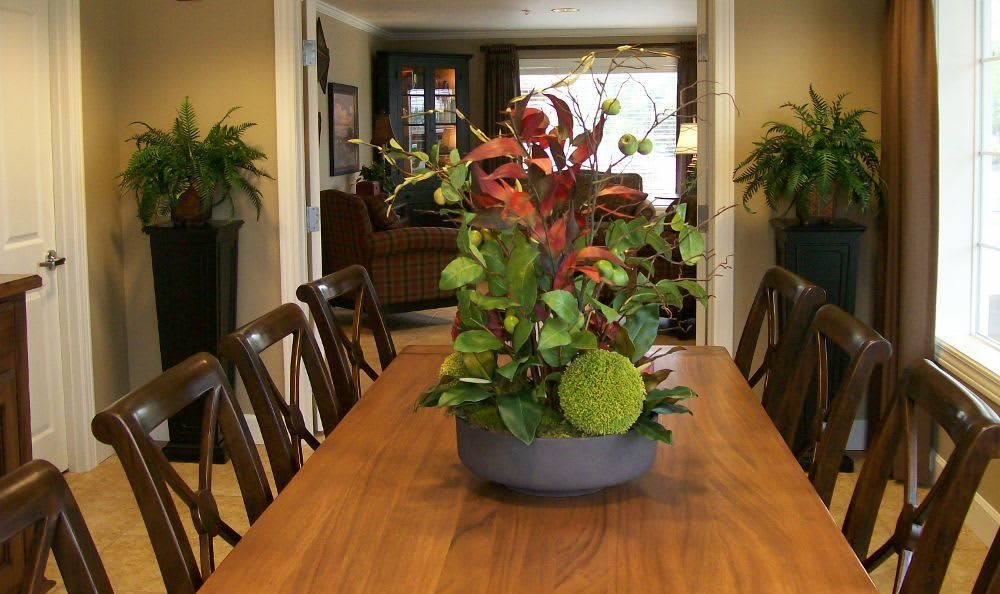
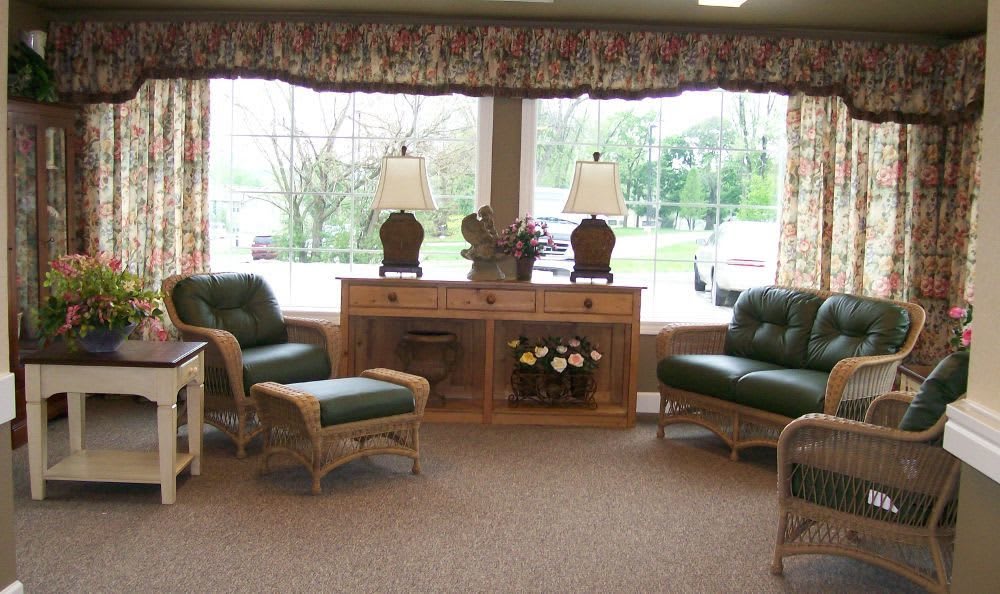
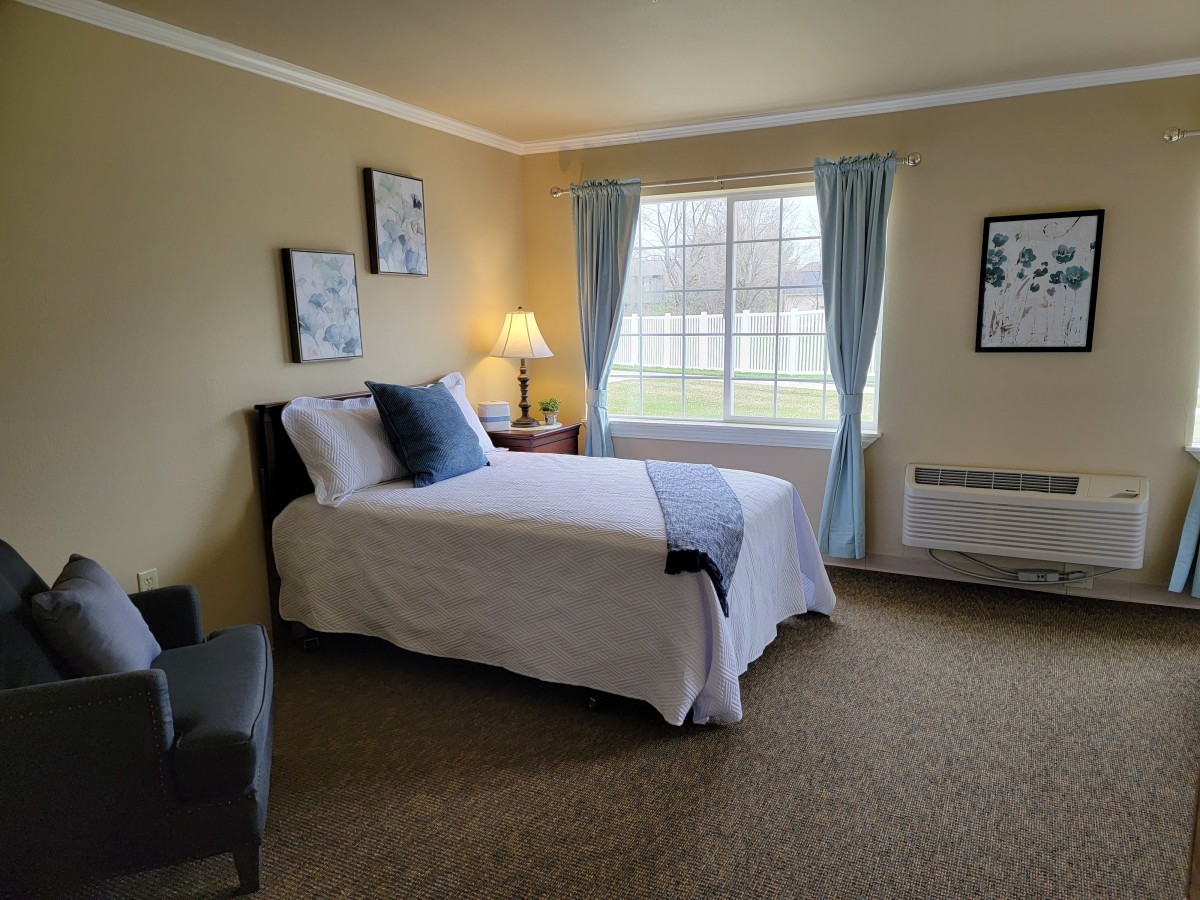
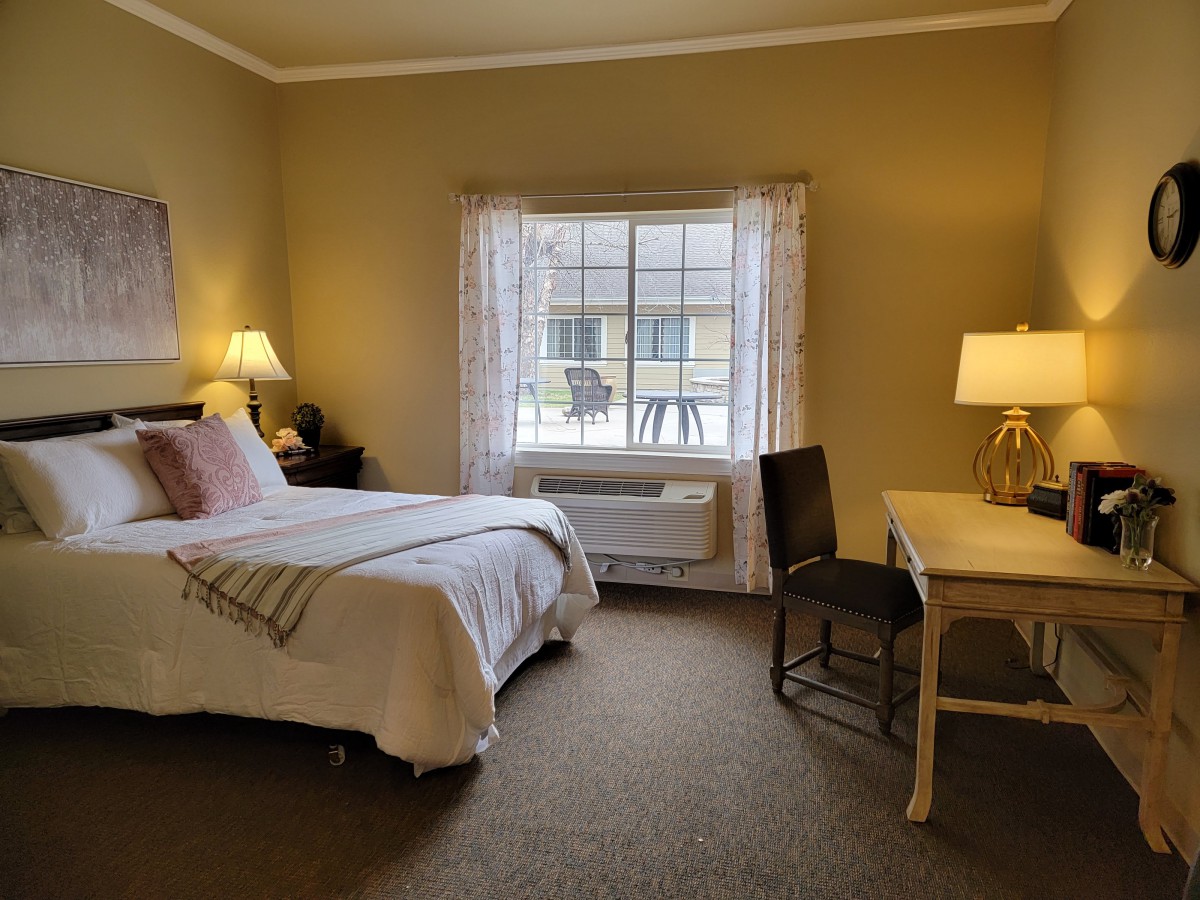
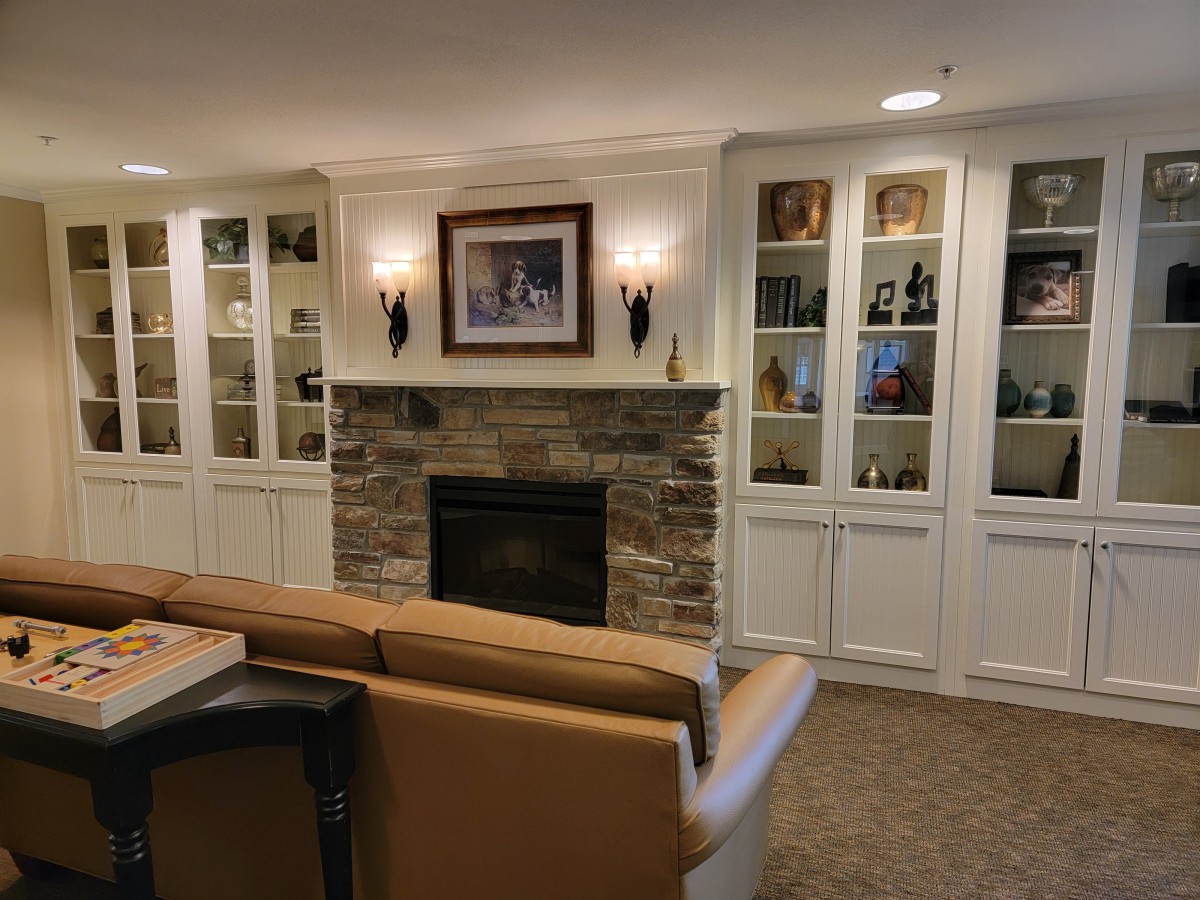
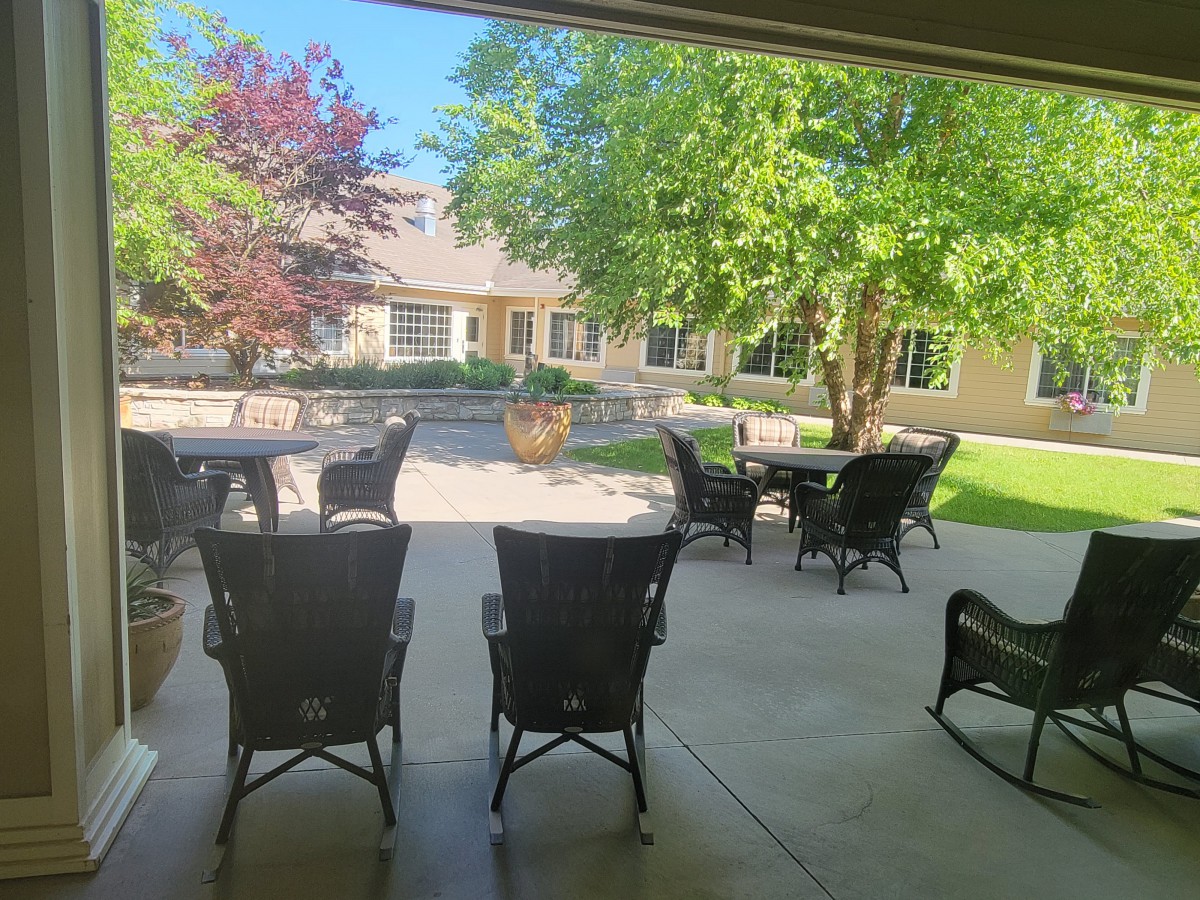
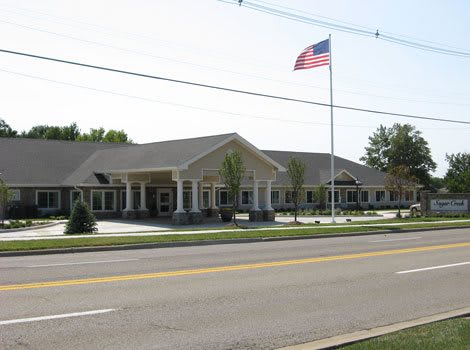
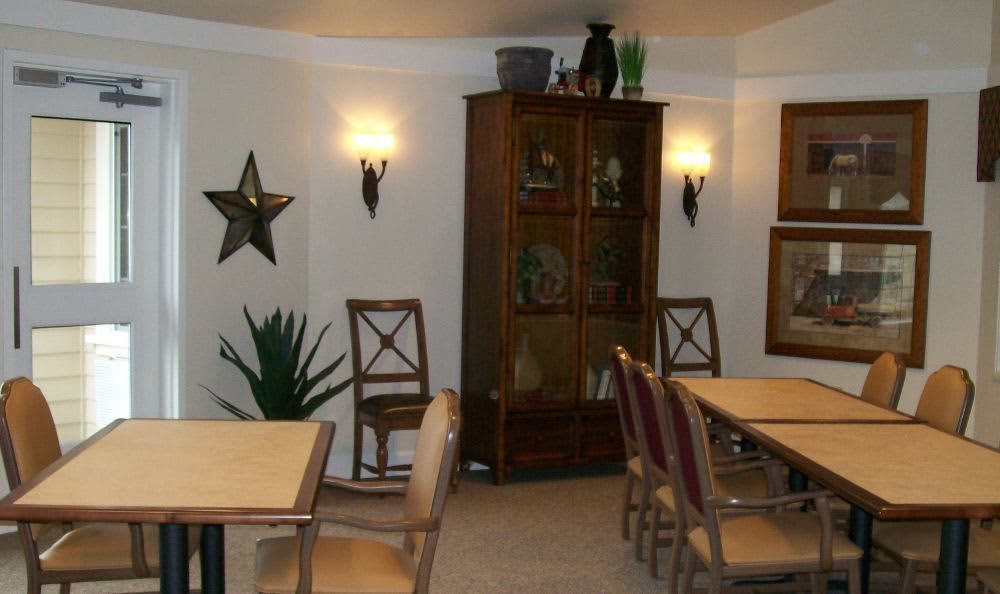
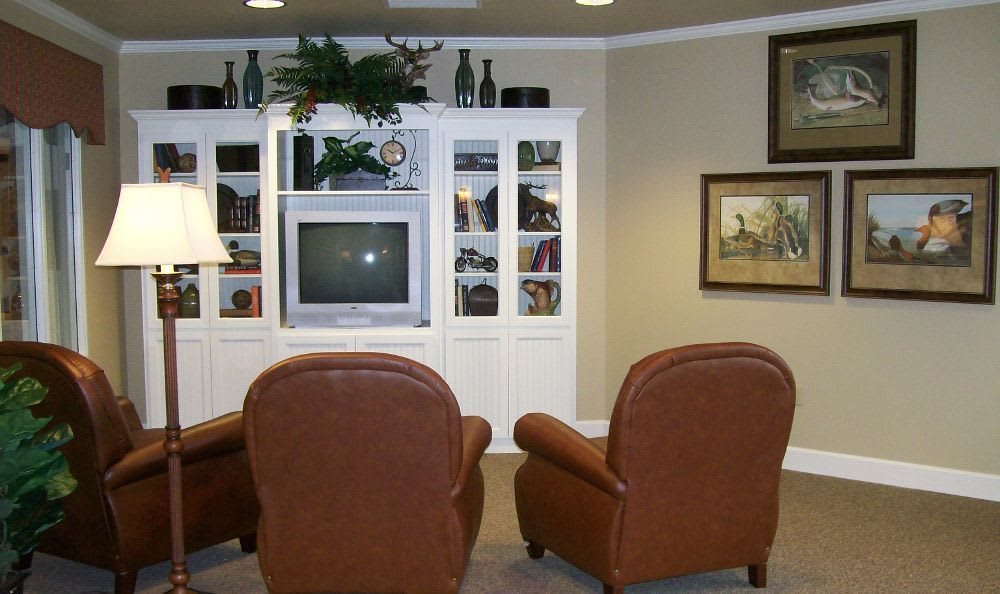
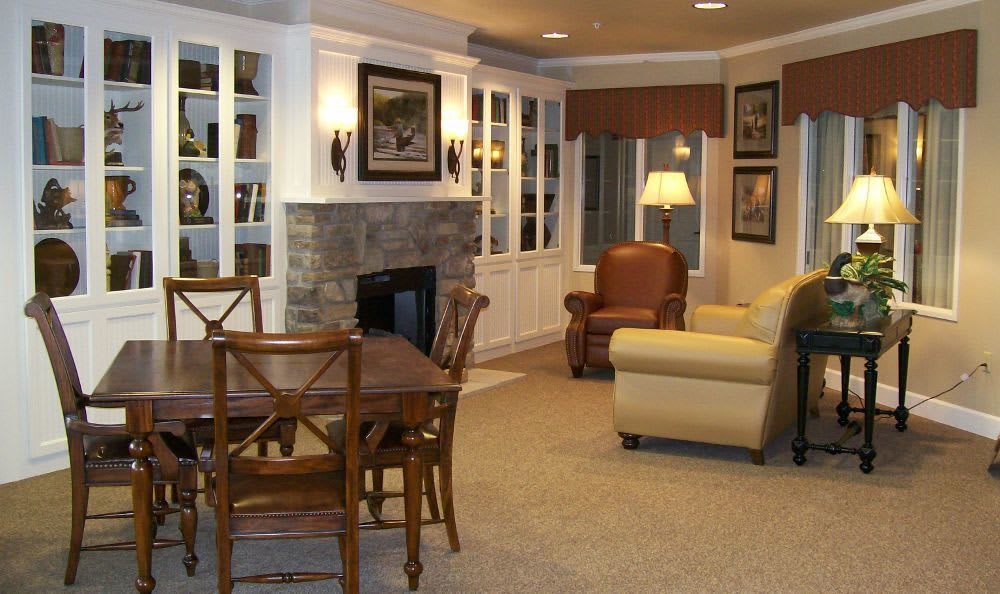
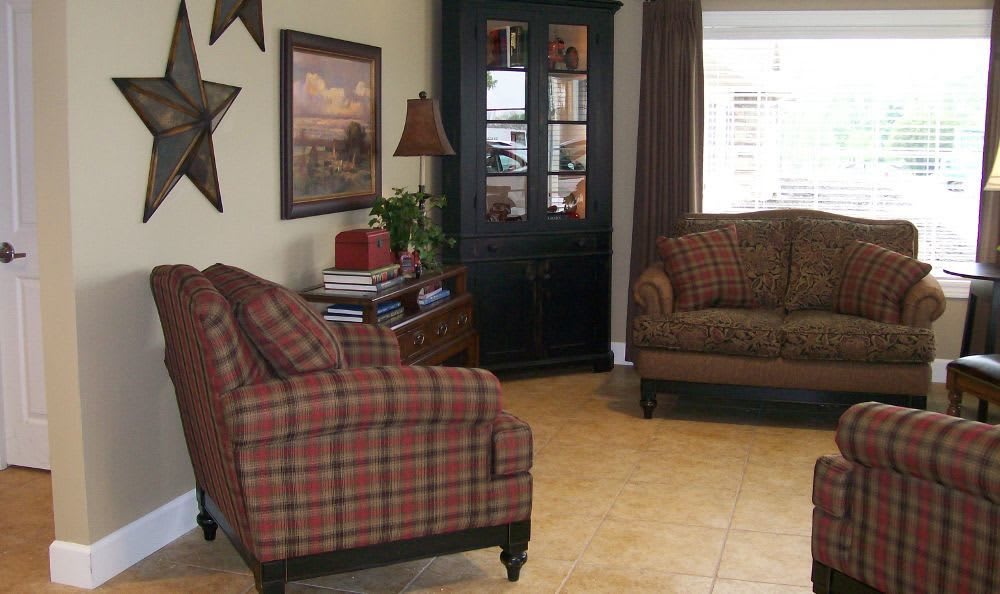
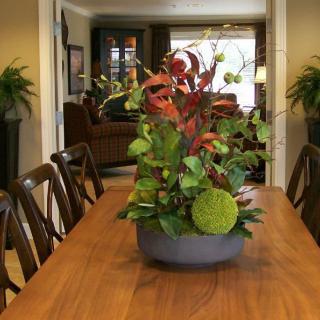
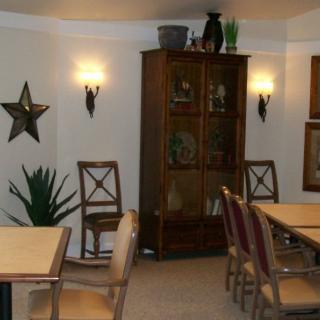
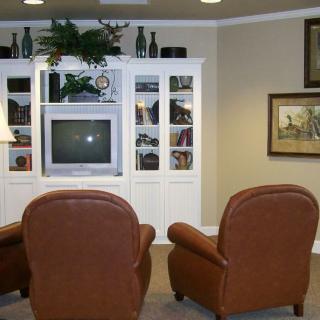
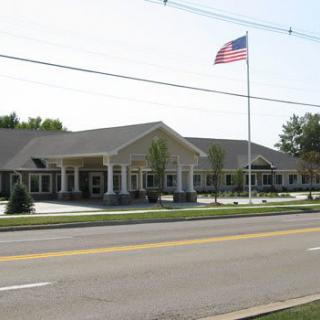
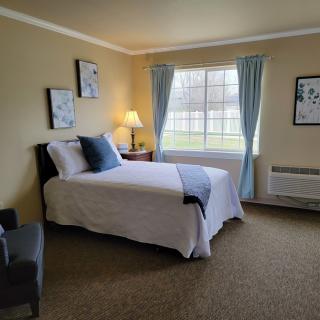
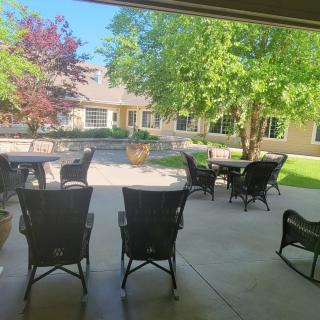
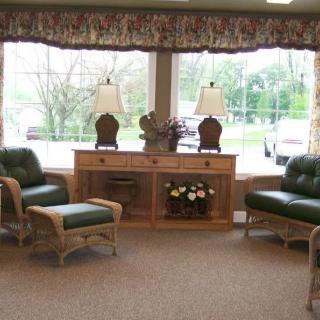
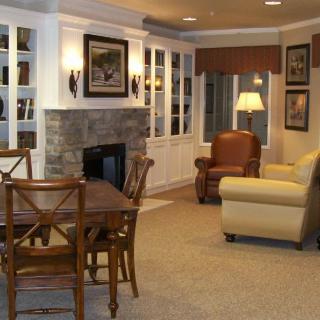
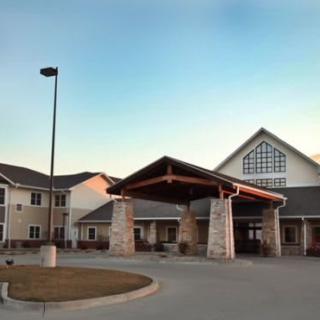
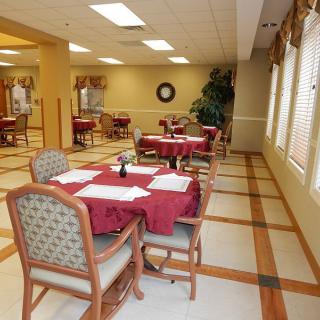
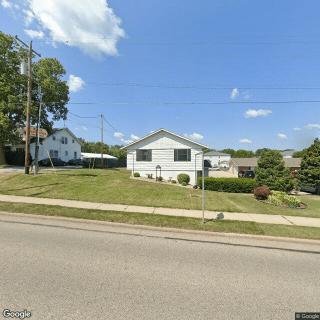
Sugar Creek Alzheimer's Special Care Center on seniors.fyi includes 14 photos including images showing interior, decor, floor plan, living room, windows, bedroom, fireplace, flag, and more.
Nearby Communities
Sugar Creek Alzheimer’s Special Care Center
Normal, IL
4.5 from 51 reviews
Loft Rehab & Nursing Of Normal
Normal, IL
3.9 from 77 reviews
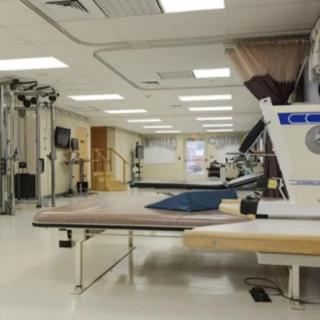
Extensive on-site amenities and 24/7 care (dining, wellness, transportation, beauty services, fitness, and private bathrooms).
Holiday Blair House
Normal, IL
4.3 from 131 reviews
$2,439 to $4,849 / month
Friendly staff, beautifully renovated apartments, excellent dining, and a vibrant activities program.
The Village at Mercy Creek
Normal, IL
4.8 from 46 reviews
$4,738 to $5,584 / month
Clean, welcoming environment with attentive staff, engaging activities, and high-quality dining.
Heritage Health Bloomington
Bloomington, IL
Extensive amenities and comprehensive care services.
Adelaide Retirement Apartments
Normal, IL
4.3 from 3 reviews
Excellent access to healthcare, dining, and cultural amenities.
Evergreen Place Assisted Living
Normal, IL
4.7 from 54 reviews
$3,980 to $5,335 / month
Attentive staff and a warm, family-like atmosphere with engaging activities.
Bloomington Rehabilitation and Health Care Center
Bloomington, IL
4.1 from 77 reviews
Dedicated staff and accessible corporate support.
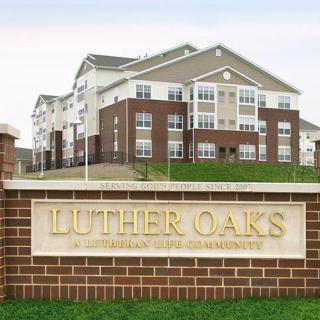
Luther Oaks
Bloomington, IL
4.5 from 56 reviews
$3,054 to $9,138 / month
Friendly staff, clean facilities, and engaging activities with good dining.
Assisted living provides moderate support for seniors seeking independence, while memory care offers specialized support for individuals with dementia or cognitive impairments through structured routines and trained staff. Key differences include care approaches, environment security measures, staff training levels, activity types, and cost considerations.
Choosing between assisted living and nursing homes involves evaluating emotional and financial factors, with assisted living offering independence and support for daily activities at a lower cost, while nursing homes provide intensive medical care for individuals with significant health needs. The decision is influenced by personal preferences, health status, cognitive function, and varying Medicaid coverage across states.
The article presents eight strategies for preserving cognitive health and memory in older adults, emphasizing a nutrient-rich diet, regular exercise, intellectually stimulating activities, adequate sleep, social connections, stress management techniques, limiting harmful substances, and regular medical checkups to mitigate age-related memory decline.
Sugar Creek Alzheimer's Special Care Center photos
×
Interior
Decor
Living Room
Building
Bedroom
Trees
Windows
Fireplace
Floor Plan
Interior
Decor
Bedroom
Dining
Living Room
Landscaping, Building, Flag, and Road
Windows
Floor Plan and Studio Apartment
Bathroom and Living Area
Trees, Garden, Patio, and Outdoor Seating
Artwork and Television
Fireplace
Bookshelves
Wall Art
Indoor Plants
Get PricingAsk A QuestionSchedule A TourContact Senior Advisor
By clicking submit, you agree to our Partner's Terms of Use. You
also consent to receive calls and texts, which may be autodialed, from our Partner. Your consent is not a condition to
using our Partner's service. Please visit our Partner's Privacy Policy for information about their privacy practices.


 Studio apartments
 Memory Care
 Activities off-site
 Bath tubs
 Beautician on-site
 Cable or satellite TV
 Devotional services off-site
 Dining room
 Financial aid
 Garden
 Guest parking
 Housekeeping services
 Indoor common areas
 Laundry
 Outdoor common areas
 Party space
 Respite or short term stays offered
 Security gate
 Wi-Fi/high-speed internet available
 Central Illinois Regional (4 miles away)
 Ambulatory care
 Diabetic care
 Hospice care
 Incontinence care
 Medication management
 Meals provided
 Art classes
 Cooking classes
 Day trips and outings
 Fitness programs
 Games
Games Intergenerational programs
 Live dance or theater performances
 Live musical performances
 Stories
 Stretching classes
 Trivia games
 Wii bowling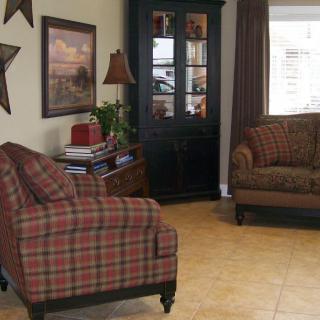
 Extensive on-site amenities and 24/7 care (dining, wellness, transportation, beauty services, fitness, and private bathrooms).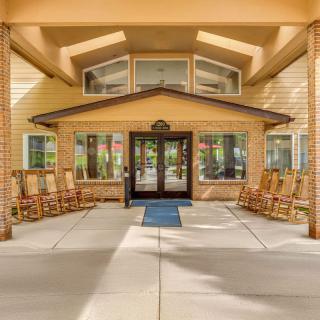


 Assisted Living and Memory Care: Understanding Their Core Differences
 Choosing the Right Senior Care: A Detailed Exploration of Assisted Living and Nursing Homes
 Safeguarding Your Memory Through the Golden Years: Eight Ways to Preserve Cognitive Health