Residents in memory care are described as getting day-to-day support.
Several reviews describe help tailored to Alzheimer’s and severe dementia, including education for families and an approach that emphasizes how the day feels for the person being cared for. People mention kindness and companionship as part of everyday interactions, not just basic supervision. One review also says their loved one is given a new sense of purpose in getting up each day.
common2 reviews mention this
Companionship and activities stand out
Activities and companionship are repeatedly mentioned by families.
More than one reviewer notes that the community provides structured companionship through activities. One family says their father enjoys activities and companionship, and another describes playing cards and games together. These comments focus on engagement during the day alongside the caregiving.
common2 reviews mention this
Safety and watchfulness ease worries
Families report feeling reassured about safety.
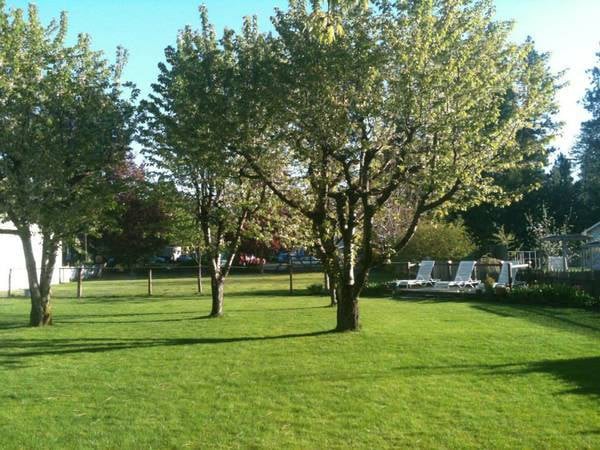
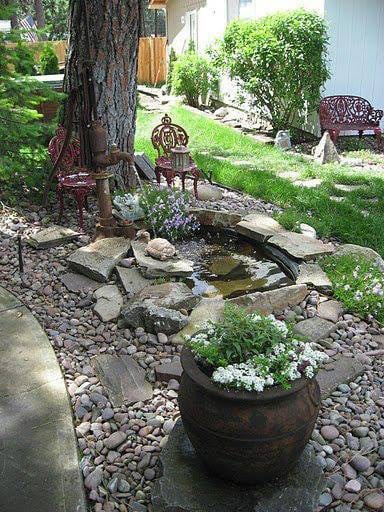
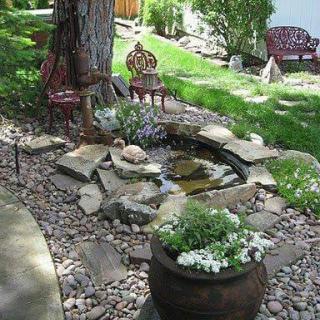
Some reviewers highlight safety as a key reason they feel comfortable leaving a loved one there. One person specifically describes their mom as a fall risk and says the caregiver is watchful on the days they cannot be there. Another review also mentions that the outside grounds are safe with features for residents to look at.
common2 reviews mention this
Clean, well-kept living spaces
The facility’s upkeep comes through in multiple reviews.
At least a couple of reviews call out cleanliness and maintenance. One reviewer says the facility is very clean and well-kept, while another describes the place as well maintained. Both comments reinforce that the community environment is kept in good condition.
common5 reviews mention this
Courteous, attentive staff
Staff are consistently described as kind and attentive.
Across memory-care-focused reviews, families use words like kindness, caring, and watchful attention. One reviewer says they never worry once their mom is there, and another describes staff as courteous while their loved one looks forward to going. Several reviews also tie staff approach to companionship and a welcoming, home-like feel.
How we summarize
Counts show how many written reviews mention each theme; a review can touch several themes, and only frequently mentioned themes are displayed.
Features
Types of Care
Memory Care
Nearby Places of Interest
This area of Coeur D'Alene, Idaho, offers a variety of amenities that cater to the needs and interests of senior residents. With several places of worship nearby, such as Coeur D'alene Bible Church, individuals can find spiritual fulfillment. The proximity to restaurants like Chili's Grill & Bar and pharmacies like Fred Meyer Pharmacy ensures convenient access to dining options and healthcare services. Additionally, the presence of medical facilities like Kootenai Health and physicians such as Northwest Family Medicine guarantees quality healthcare within a short distance. Parks like Cherry Hill provide opportunities for outdoor recreation and relaxation. Overall, this neighborhood offers a mix of convenience, healthcare resources, and recreational opportunities, making it an ideal location for seniors looking for a vibrant community to call home.
Places of Worship
Coeur D'alene Bible Church (0.5 miles)
Hunter Hayden (2.4 miles)
Thirst - College Age - Young Adults (2.5 miles)
Restaurants
Little Caesars Pizza (0.7 miles)
Mongolian Bbque (0.8 miles)
Las Chavelas (0.9 miles)
Chili's Grill & Bar (1 miles)
The Triple B Backhills BBQ On Best (1 miles)
Wendy's (1.1 miles)
Denny's (1.1 miles)
Pharmacies
Medicine Man North Pharmacy (0.9 miles)
Fred Meyer Pharmacy (1.1 miles)
Walgreens (1.2 miles)
Rite Aid (1.6 miles)
Interlake Pharmacy (1.7 miles)
Medicine Man Pharmacy (1.8 miles)
Safeway Food & Drug (2.2 miles)
Cafes
CK Coffee (1 miles)
Starbucks (1.6 miles)
Dutch Bros Coffee (2 miles)
Starbucks (2.3 miles)
Physicians
Northwest Family Medicine (1.1 miles)
Asthma & Allergy of Idaho (1.5 miles)
Mind Q PA (1.6 miles)
Direct Radiology (1.6 miles)
Providence Northwest Heart and Lung - Coeur d'Alene (1.6 miles)
Kootenai Heart Center (1.6 miles)
Rockwood Clinic PS (1.6 miles)
Hospitals
Emergency Room, Kootenai Medical Center (1.6 miles)
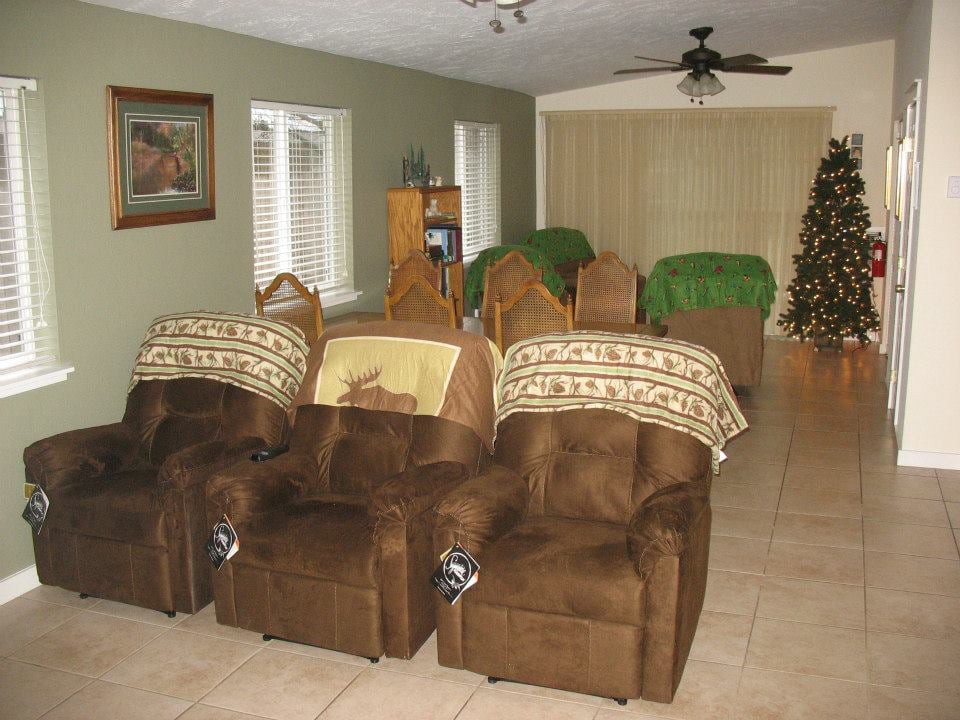
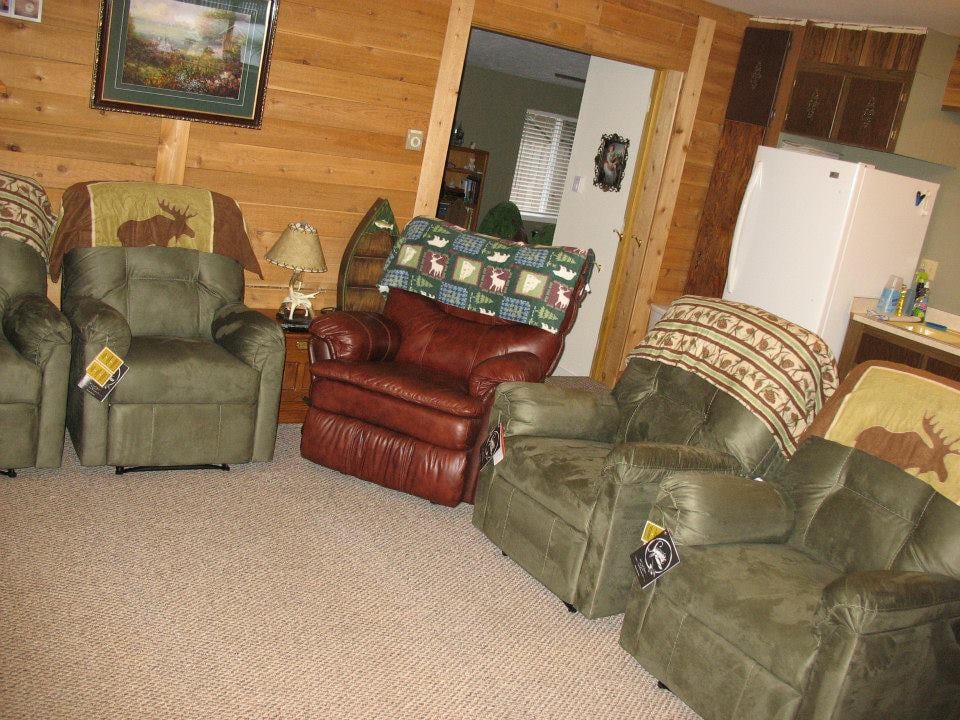
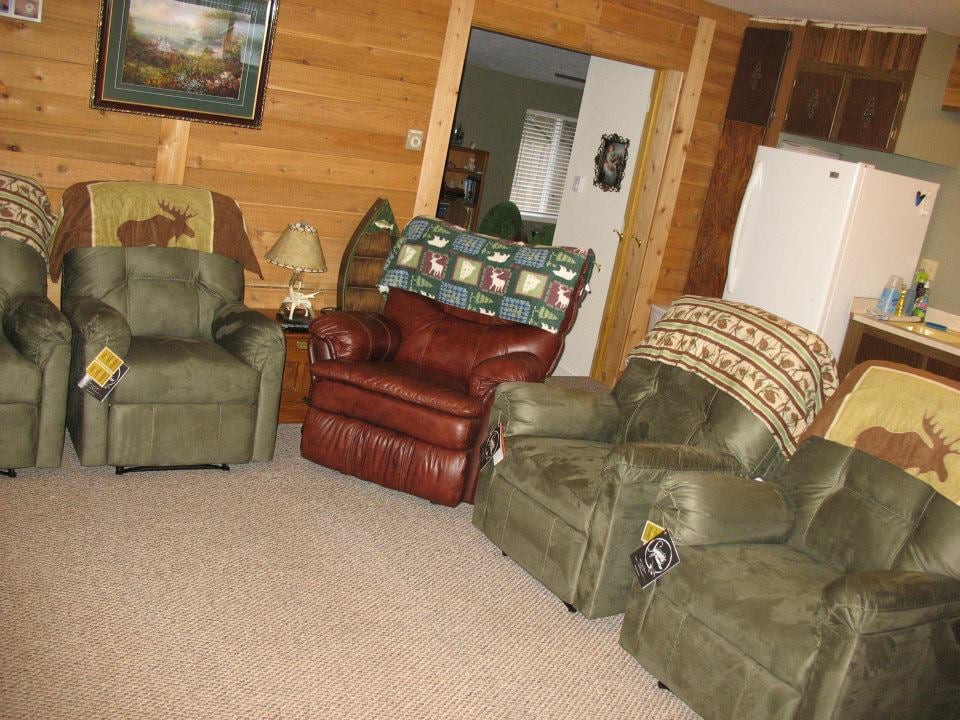
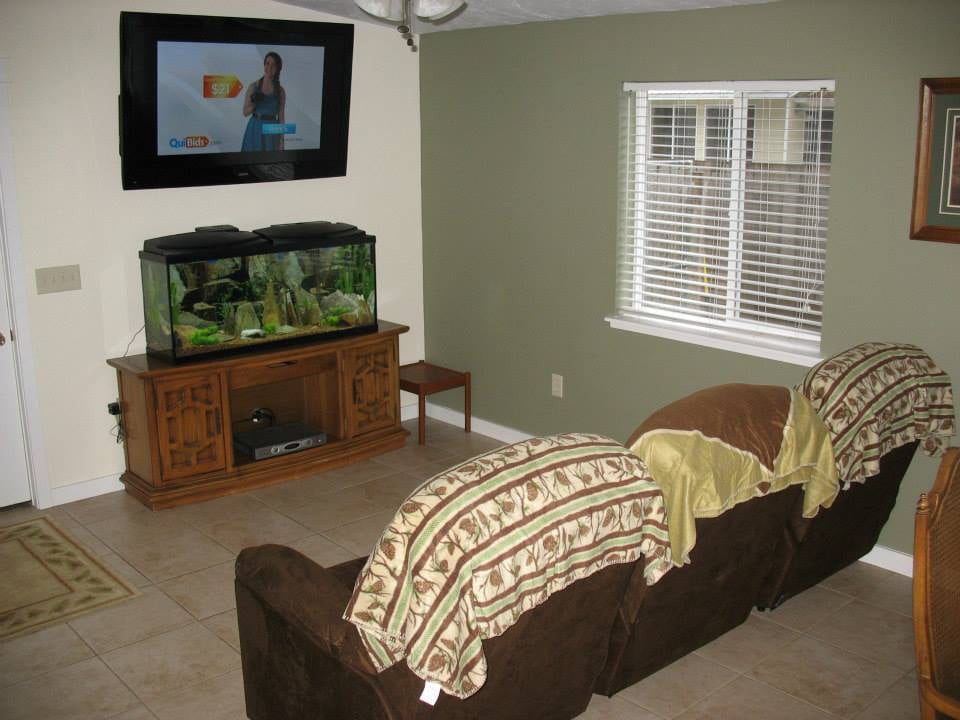
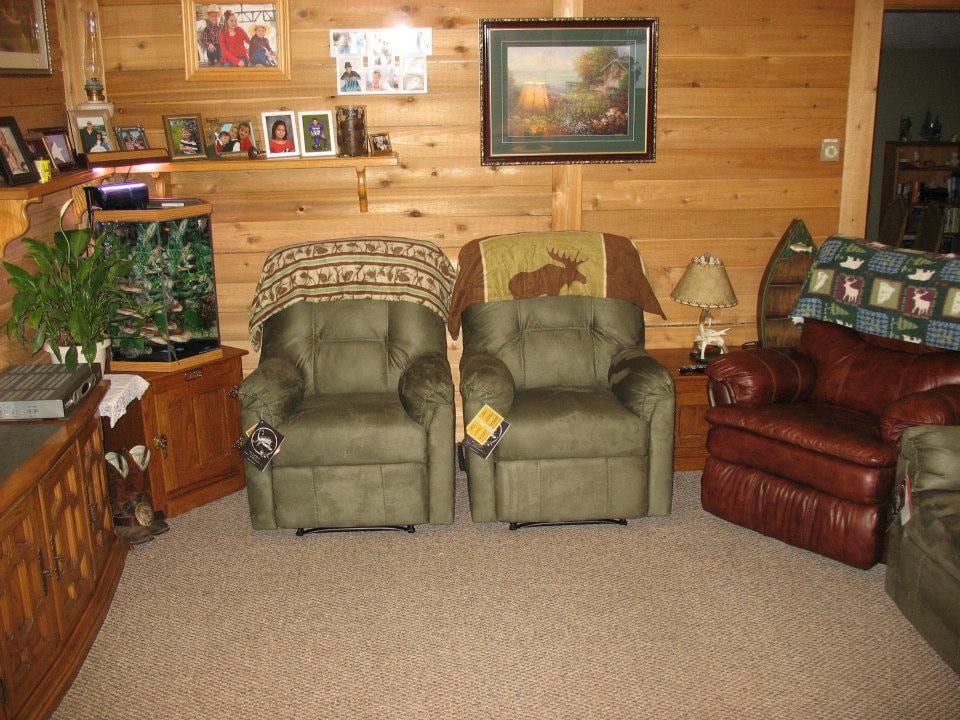
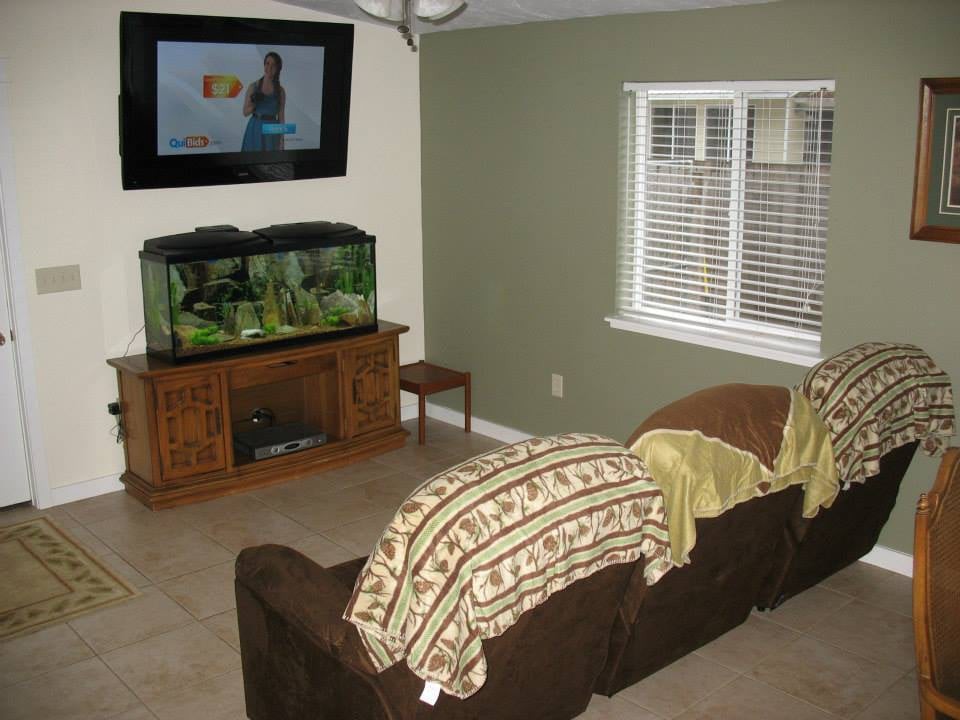
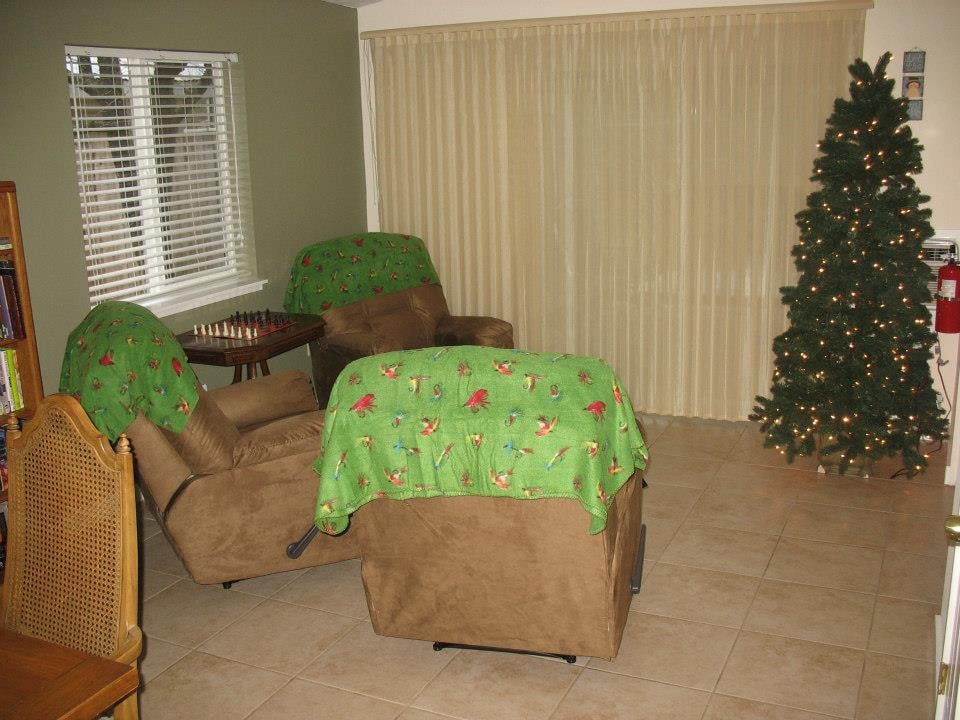
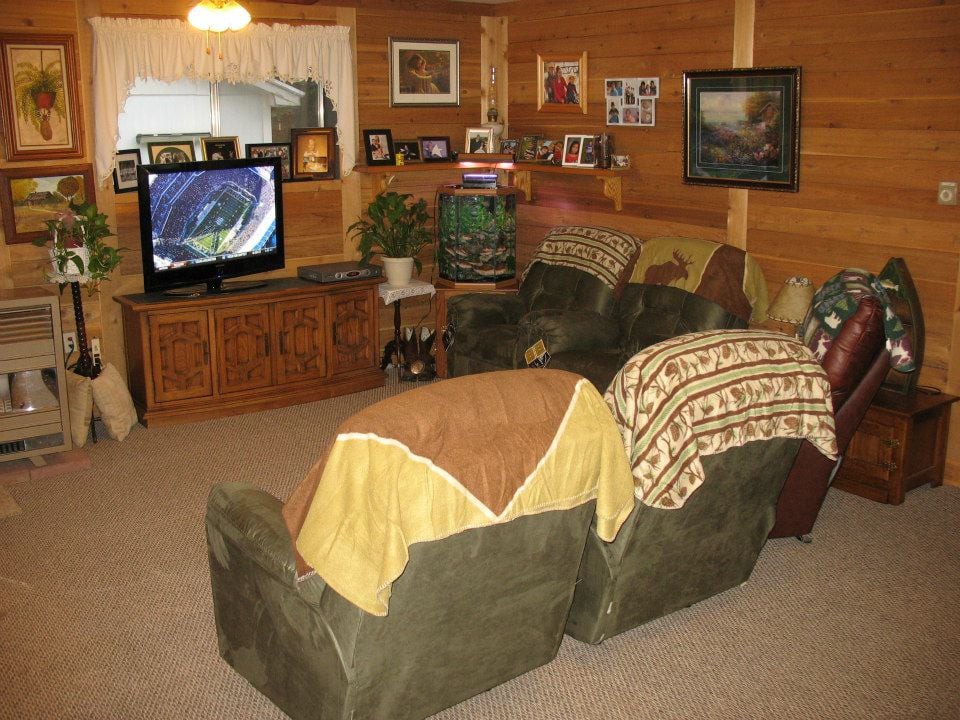
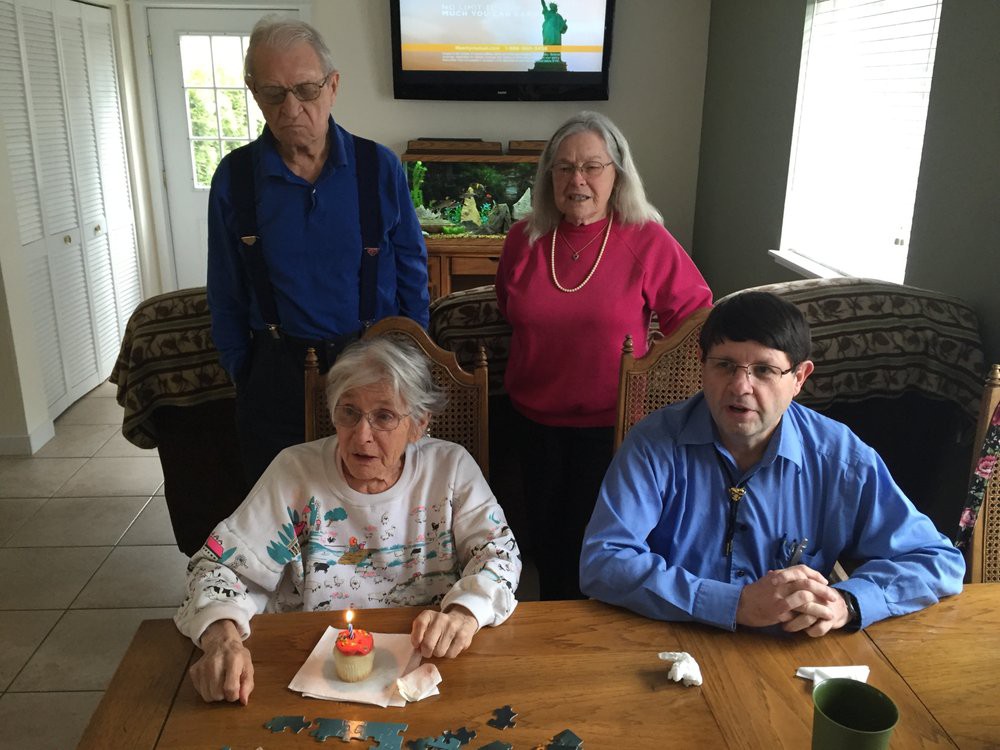
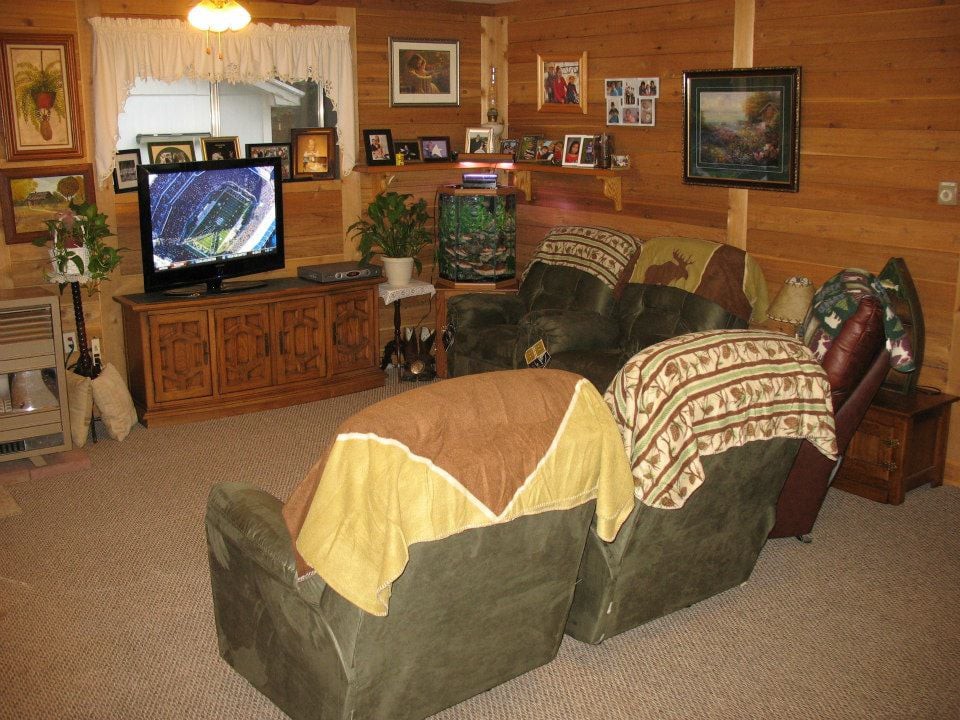
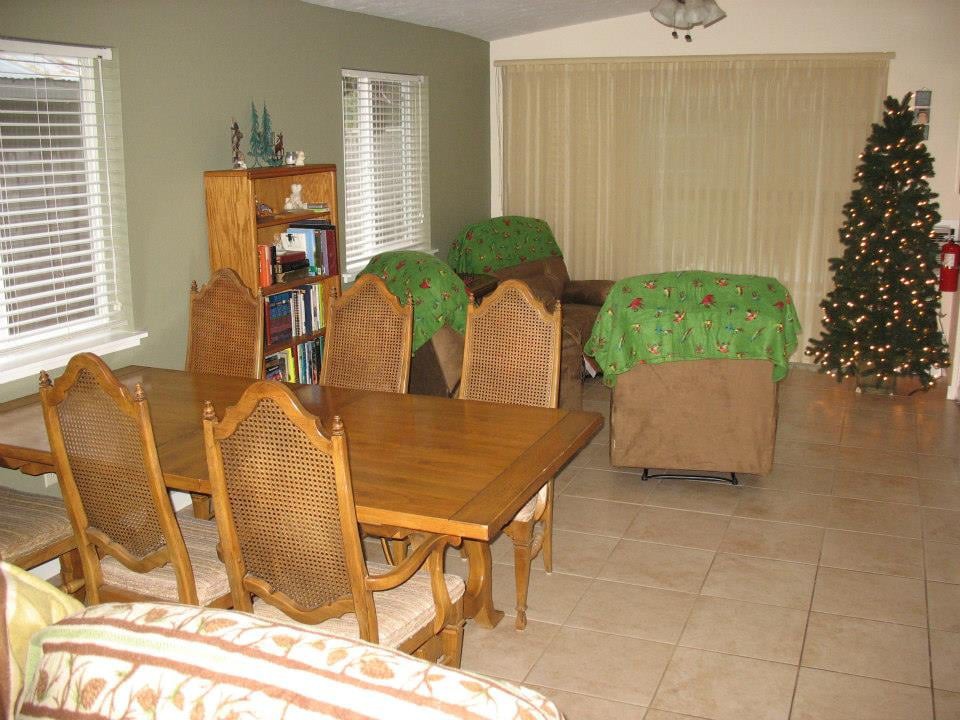
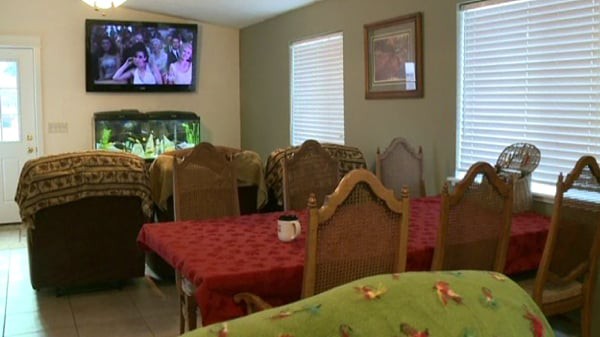
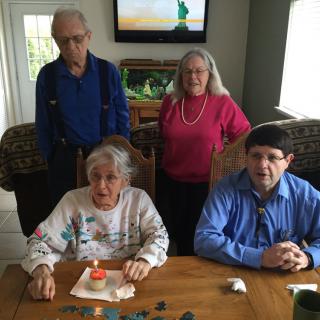
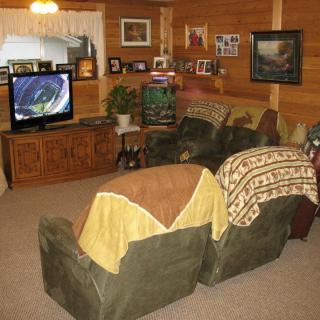
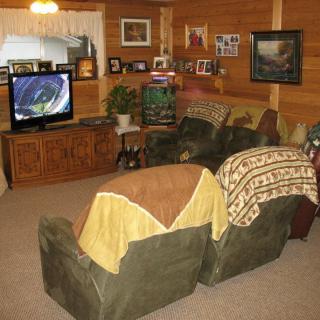
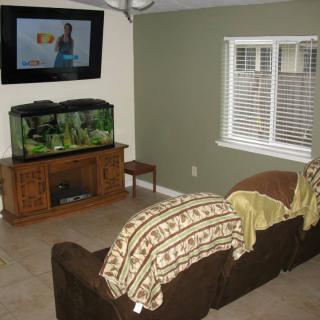
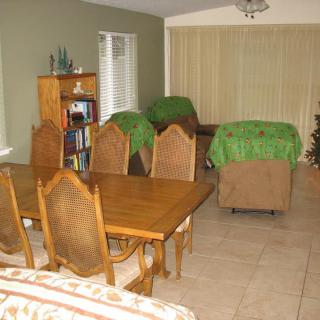
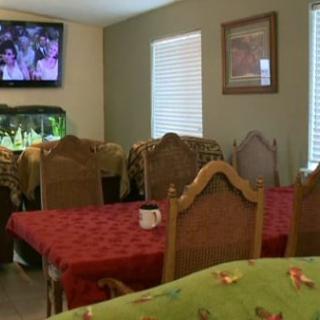
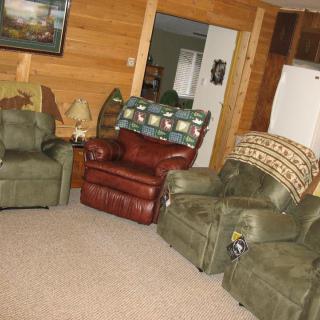
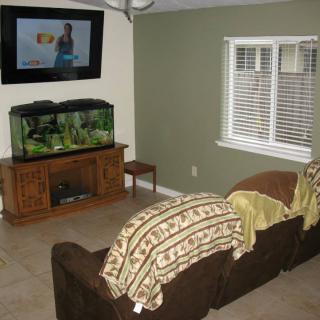
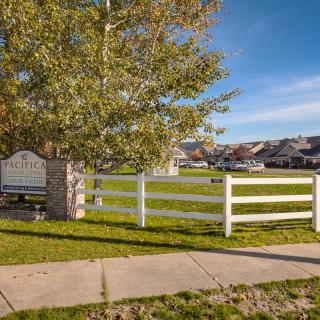
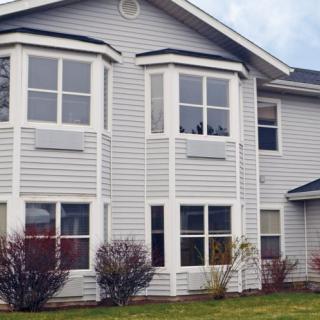
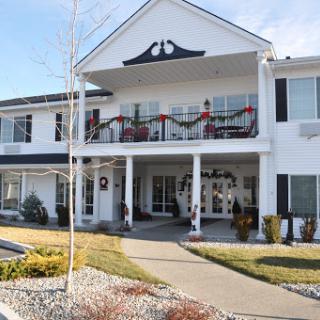
The Bennett House on seniors.fyi includes 18 photos including images showing landscaping, living room, decor, aquarium, television, interior, wood paneling, windows, and more.
Nearby Communities
Creekside Inn
Coeur D’ Alene, ID
4.4 from 28 reviews
Strong memory-care focus with extensive on-site amenities.
Creekside Inn Memory Care Community
Coeur d'Alene, ID
4.3 from 70 reviews
$6,200 to $7,800 / month
Compassionate, attentive staff in a clean, engaging, home-like setting.
Pacifica Senior Living Coeur D'Alene
Coeur d'Alene, ID
4.1 from 51 reviews
Caring staff with strong resident connections in a warm, home-like setting.
TLC Adult Family Home
Coeur D'Alene, ID
Nearby amenities and healthcare options; welcoming setting.
Affinity at Coeur d'Alene
Coeur d'Alene, ID
4.5 from 70 reviews
$1,495 to $1,800 / month
Strong value with competitive pricing, friendly staff, and well-kept grounds with ample on-site amenities.
Brookdale Coeur d'Alene
Coeur D Alene, ID
3.7 from 68 reviews
$1,865 to $3,580 / month
Friendly staff and a welcoming, active community with on-site activities and home-style dining.
Rose Terrace Cottages
Coeur D'alene, ID
3.8 from 16 reviews
$2,500 to $2,900 / month
Caring, supportive staff and a warm, positive atmosphere.
Leisure Park
Hayden Lake, ID
4 from 10 reviews
Excellent proximity to parks, dining, pharmacies, physicians, and transportation.
Guardian Angel Homes
Liberty Lake, WA
4.1 from 15 reviews
$1,050 to $2,400 / month
Friendly staff, pleasant decor, and a robust activities calendar.
The article highlights eight indicators that a loved one with dementia may require specialized memory care, emphasizing the emotional and logistical challenges families encounter in this decision. It discusses signs such as difficulties with daily tasks, safety concerns, and caregiver burnout, suggesting that memory care facilities can provide the necessary support and structured environments for those experiencing cognitive decline.
Dementia, primarily caused by Alzheimer's disease but also linked to other conditions, leads to cognitive decline impacting memory and daily functioning, with individuals experiencing varied awareness of their impairments. Despite memory loss, emotional connections persist, enabling responses to familiar stimuli, highlighting the need for caregivers to provide compassionate support that recognizes both limitations and retained emotional depth.
The article presents five subtle indicators of dementia, such as memory lapses and mood swings, to help families assess cognitive decline in loved ones. It emphasizes early detection, open communication, and seeking professional help while providing practical support steps.
Get PricingAsk A QuestionSchedule A TourContact Senior Advisor
By clicking submit, you agree to our Partner's Terms of Use. You
also consent to receive calls and texts, which may be autodialed, from our Partner. Your consent is not a condition to
using our Partner's service. Please visit our Partner's Privacy Policy for information about their privacy practices.





 Memory Care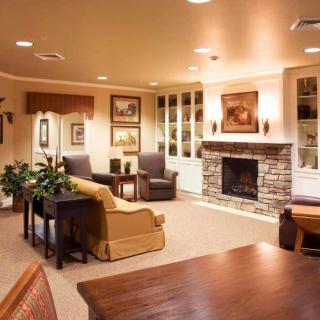
 Strong memory-care focus with extensive on-site amenities.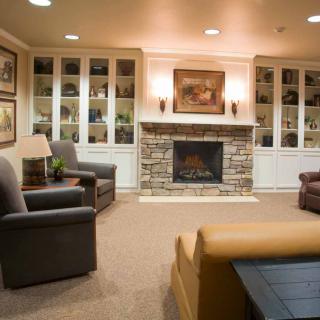

 8 Important Indicators That Memory Care May Be Necessary
 Delving into the Inner World of Dementia: Insights into Thoughts and Awareness
 Five Subtle Dementia Indicators to Observe: An In-Depth Guide to Understanding “Does My Mom Have Dementia?”