Pacifica Senior Living Coeur D'Alene

Save

  • Interior

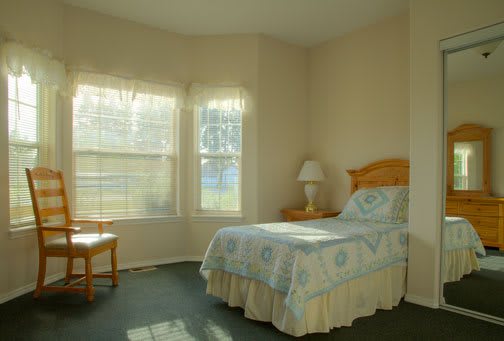
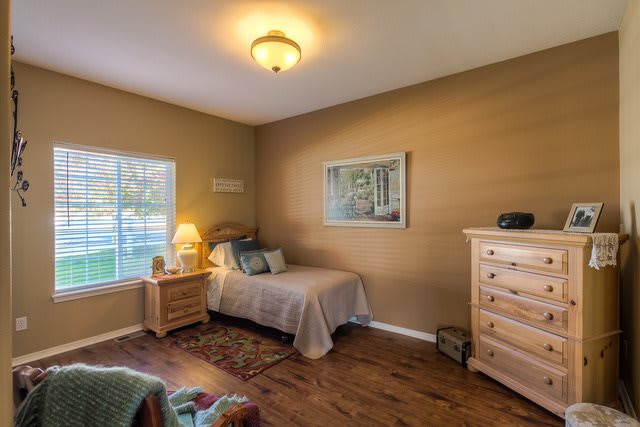
    A cozy bedroom featuring a single bed, a lamp, and large windows letting in natural light.
  • Living Room

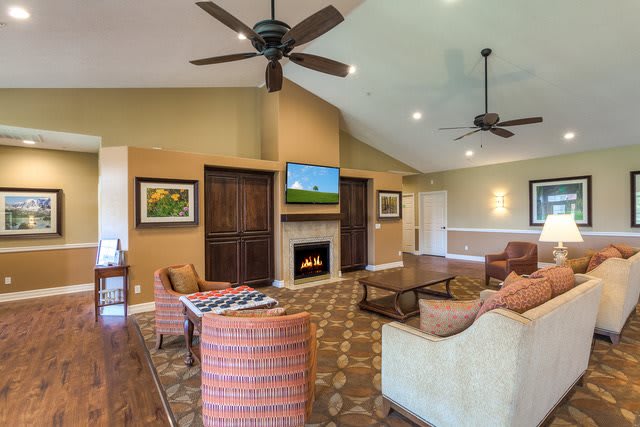
    A cozy living room featuring a fireplace, comfortable seating, and a ceiling fan.
  • Bedroom

    A cozy bedroom with a single bed, wooden furniture, and soft lighting.
  • Windows

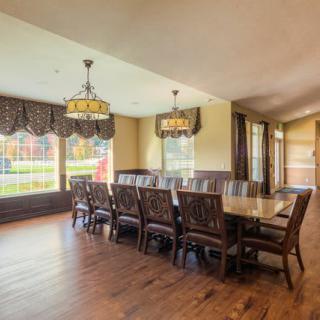
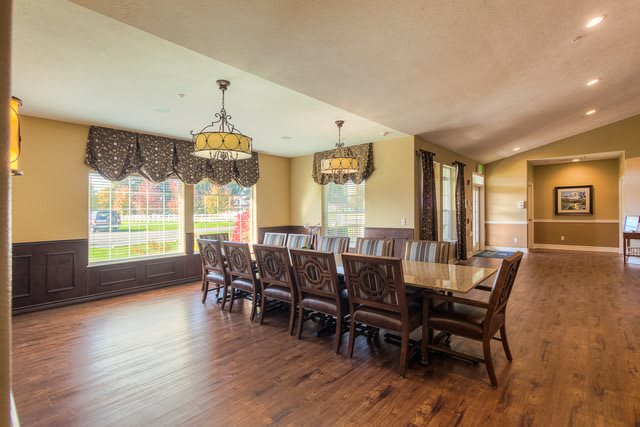
    A spacious dining room with a large wooden table and chairs, illuminated by chandeliers and natural light through large windows.
  • Kitchen

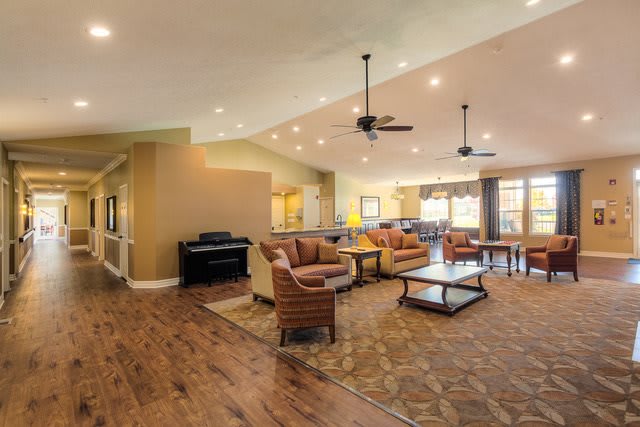
    A spacious living room with an open layout featuring a cozy seating area, hardwood floors, and ceiling fans, leading into a kitchen area.
  • Lighting

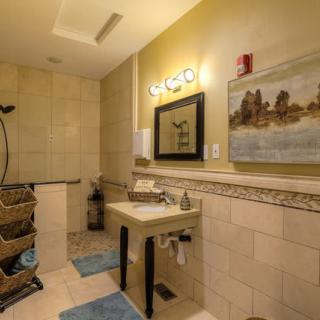
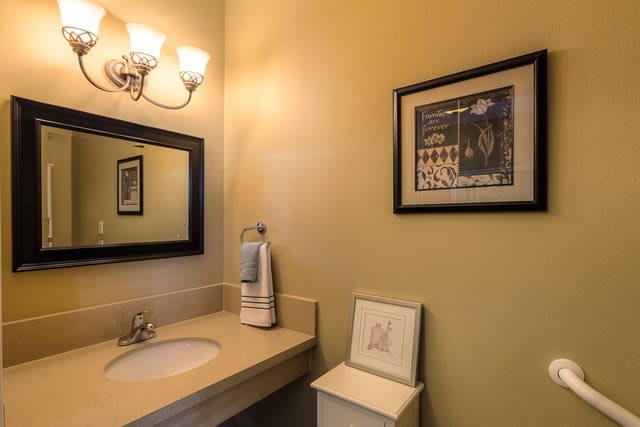
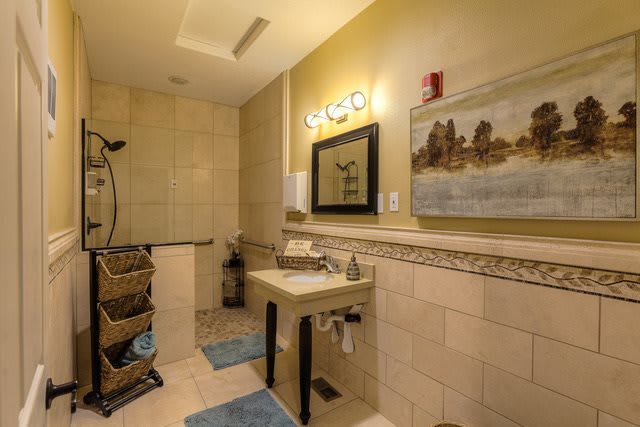
    A well-lit bathroom featuring a sink, a mirror, and framed artwork on the wall.
  • Artwork

    A well-designed bathroom featuring a modern sink, mirror, and tiled shower area.
  • Floor Plan

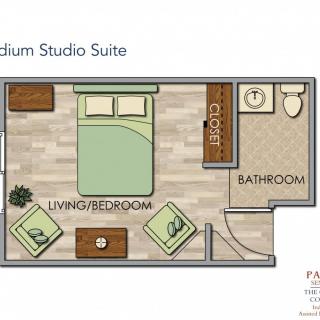
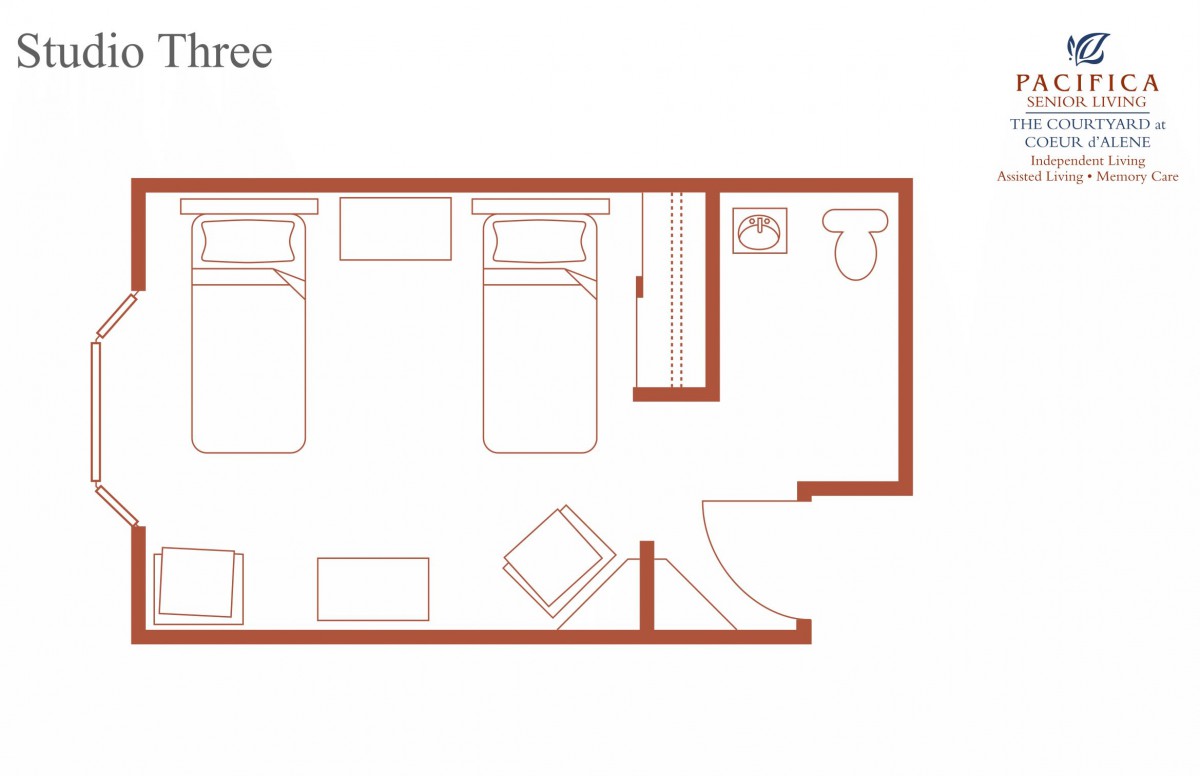
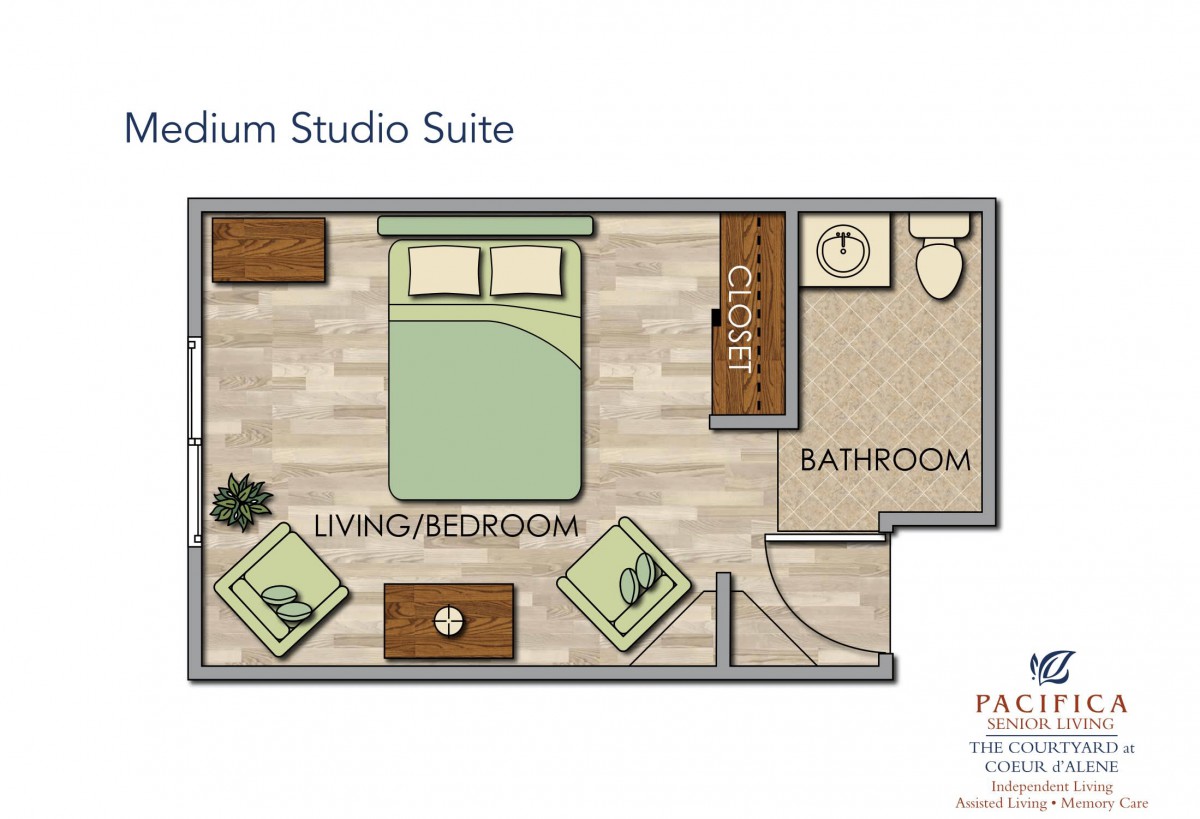
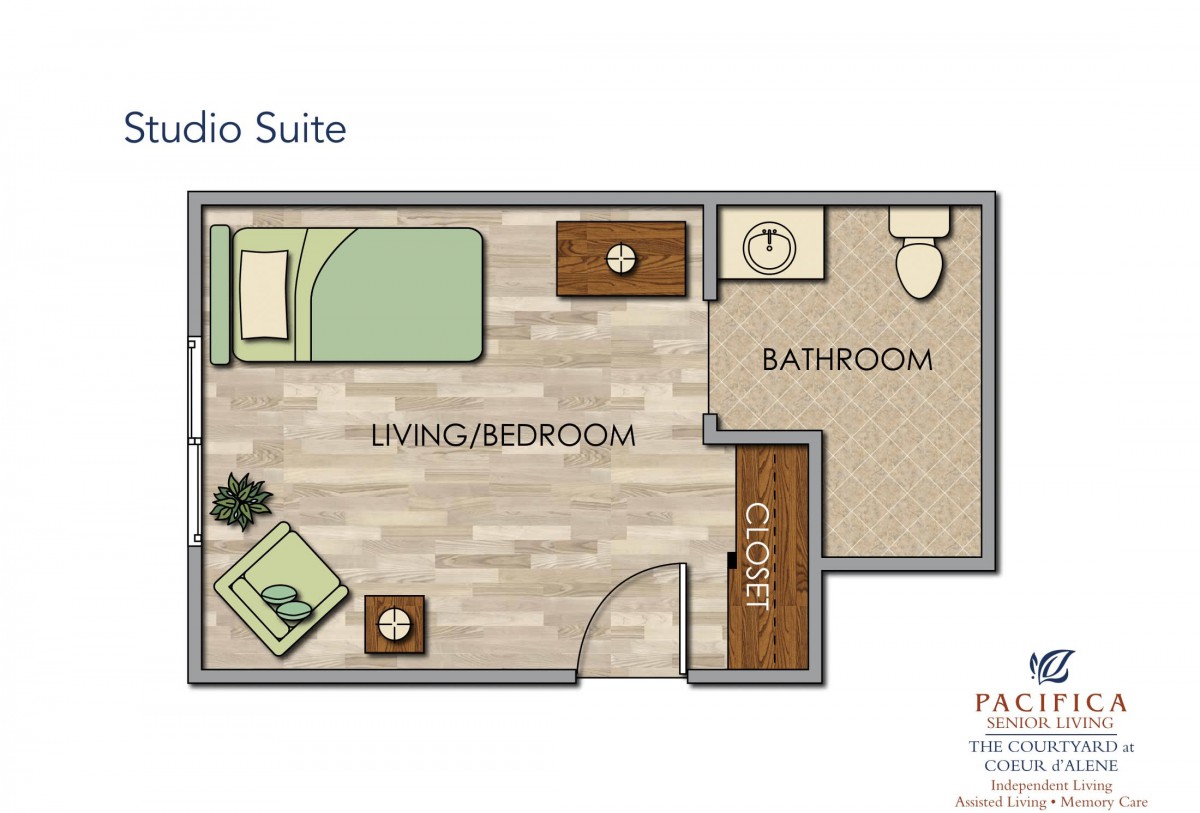
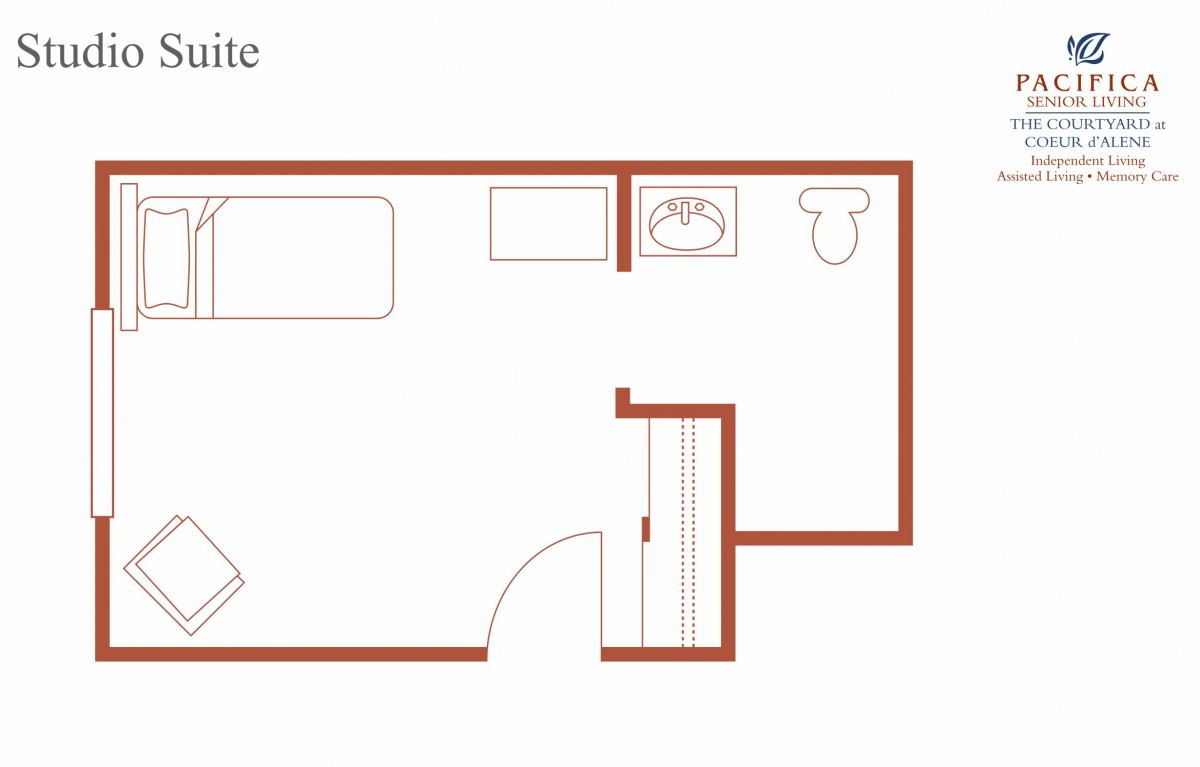
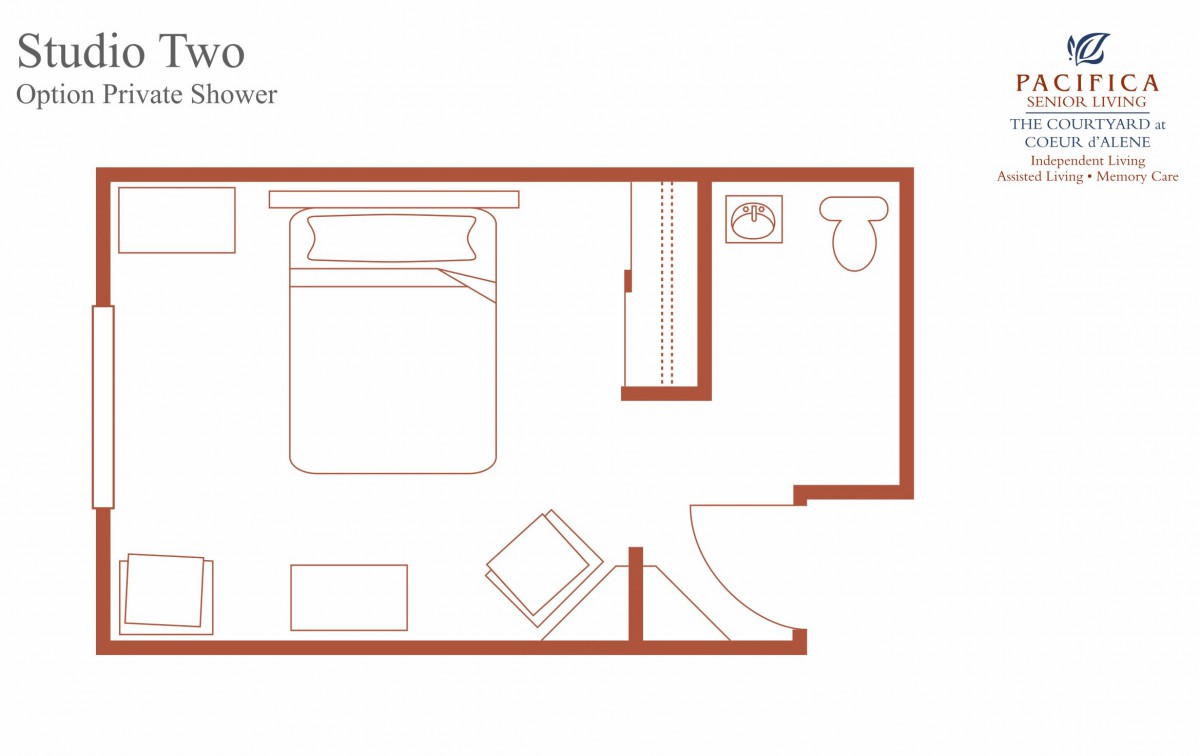
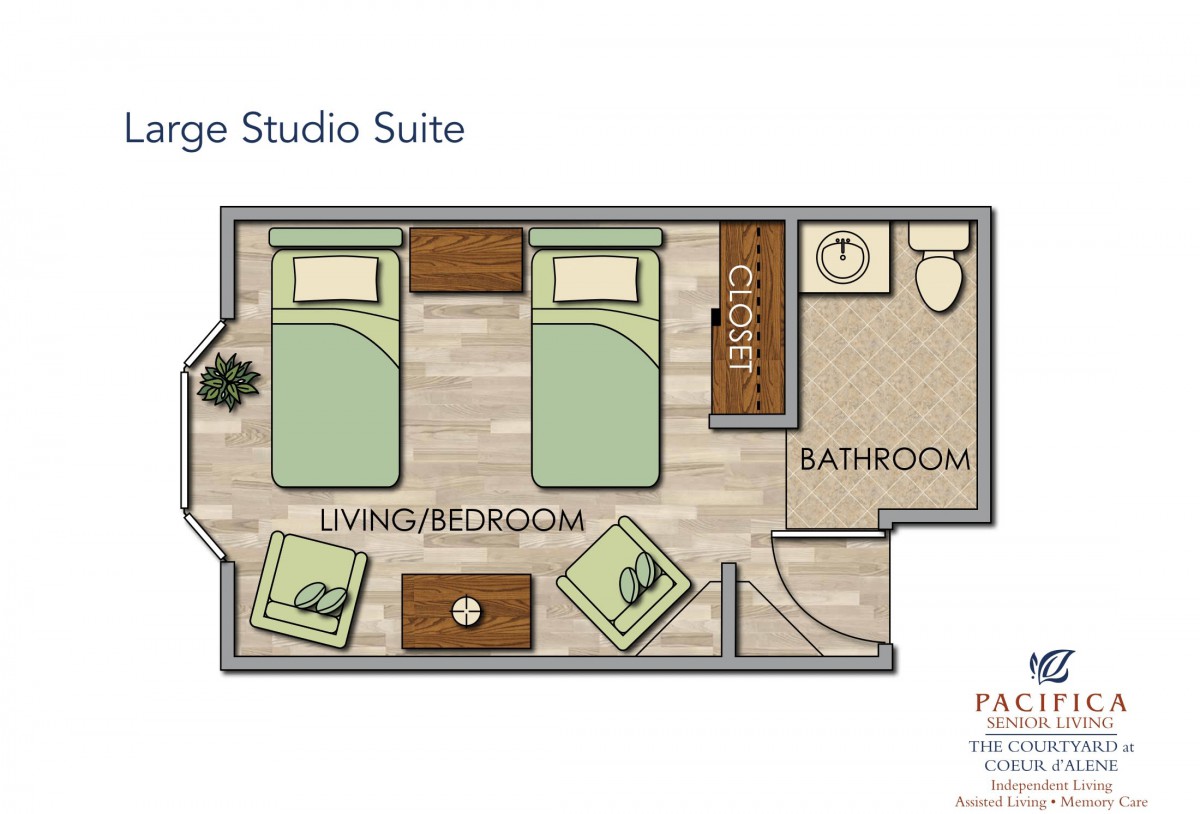
    A floor plan of a medium studio suite featuring a living and bedroom area with adjacent bathroom.
  • Appliances

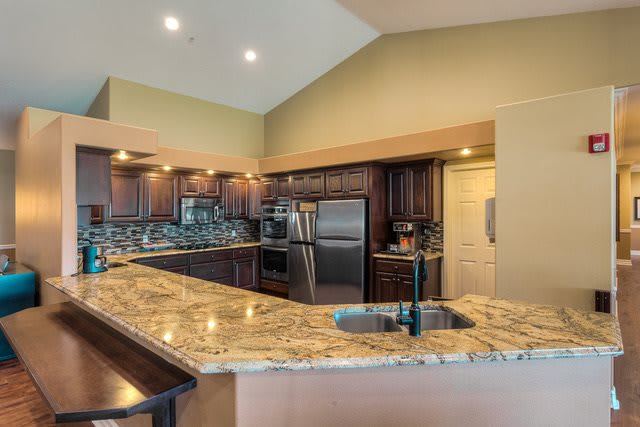
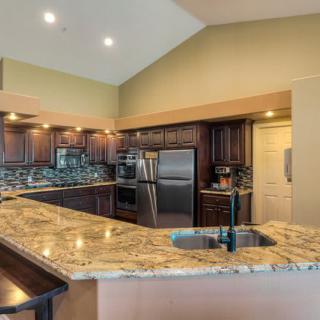
    A modern kitchen featuring granite countertops, stainless steel appliances, and wood cabinets under recessed lighting.
  • Grass

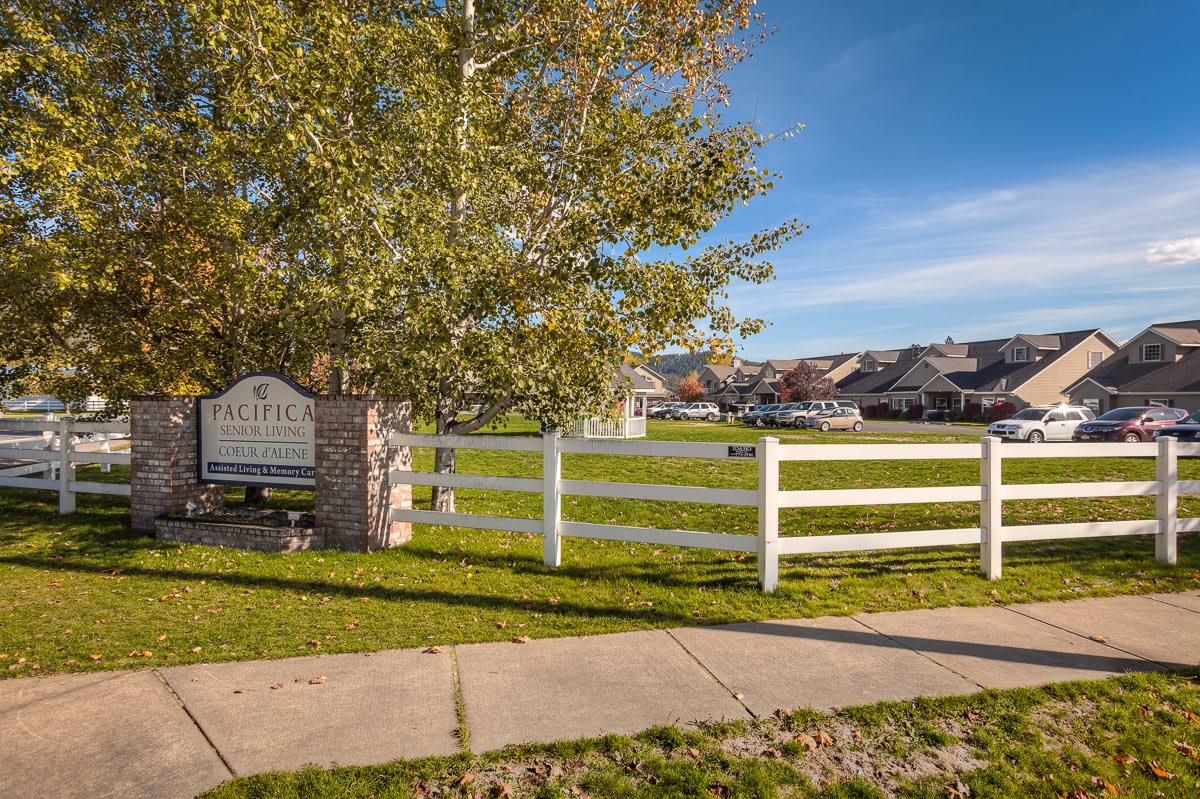
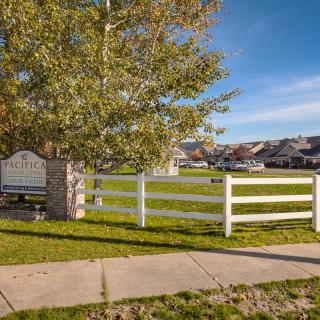
    A suburban park with a white fence and sidewalk leading to a grassy area, surrounded by houses.

Pacifica Senior Living Coeur D'Alene

Information last verified:

840 E. Dalton Ave, Coeur d'Alene, ID 83815

For more information about senior living options: (844) 490-3973

4.1 from 50 reviews
5 stars
33
4 stars
6
3 stars
3
2 stars
0
1 stars
8

Pacifica Senior Living Coeur D'Alene Costs & Pricing

At Pacifica Senior Living Coeur D'Alene, the monthly cost for a studio apartment is set at $3,600. This rate reflects the comprehensive services and amenities provided by the facility, which are designed to foster a supportive and enriching environment for residents. Comparatively, the average costs in Kootenai County stand at $3,512, while across Idaho, the average monthly cost for similar accommodations is lower at $3,213. While Pacifica's pricing is slightly above both local and state averages, it underscores the value of its tailored care and community-focused approach that many families find essential when choosing a senior living option.

Floor plansPacifica Senior Living Coeur D'AleneKootenai CountyIdaho
Studio$3,600$3,512$3,213

Overall Review of Pacifica Senior Living Coeur D'Alene

Pros

  • pro Darla at the front desk is kind, welcoming, and genuinely cares for residents, making the community feel comfortable and inviting.
  • pro Jeania is thorough, friendly, and helpful, guiding tours and answering questions.
  • pro The facility is beautiful and well managed, with staff who clearly respect and care for the community.
  • pro The staff is awesome and takes great care of residents.
  • pro Tours are informative, with all questions answered, making families comfortable about moving in.
  • pro Pacifica Senior Living is a wonderful facility with a caring staff; the spaces are clean and activities are engaging.
  • pro The Executive Director is warm and caring, fostering real connections with residents.

Cons

  • pro Administrative issues and a sudden, significant care increase with no warning left the family unsure whether their loved one could stay.
  • pro Two months of calls mostly went unanswered.
  • pro The staff was understaffed most of the time, and the remaining staff were overworked.
  • pro The main office staff member Heidi was described as rude and incompetent.
  • pro The reviewer would not recommend the facility due to horrible customer service, dirty facilities, and poor management.
  • pro There was a lack of activities for residents, and communication was not very good.
  • pro The facility was noisy at night, with some residents smoking inside.

Review

Pacifica Senior Living Coeur D'Alene is best suited for families seeking a warm, intimate, home-like setting where caregivers know residents by name and form real, lasting connections. The community leans into small-cottage living with roughly a dozen to a dozen-and-a-half residents per home, spread across four to six buildings. That scale translates into personalized attention, visible cleanliness, and a setting where staff can tailor daily routines to individual preferences. It appeals to families prioritizing compassionate, relationship-driven care, especially for seniors with memory-related needs or those who value a facility where residents are treated as family. It is less well suited for families that require high-frequency, high-acuity medical oversight, consistent administrative transparency on billing, or a facility with a larger, more bustling campus that offers a broader range of on-paper services.

On the positive side, the core strengths of Pacifica are the people and the atmosphere. Front-desk staff like Darla consistently set a welcoming tone, and investigative tours reveal staff who are patient, kind, and genuinely invested in residents’ comfort. The care team, several caregivers and managers mentioned by name, often goes beyond the basics to learn residents’ histories, preferences, and daily rhythms. The Executive Director and other leaders are described as warm and hands-on, with a culture that emphasizes respect, dignity, and a sense of home. Residents benefit from a clean, well-kept environment, aroma-friendly dining areas, and an activity calendar that clearly communicates what’s happening where and when. Families frequently note meaningful moments of connection, eye contact, remembered routines, and thoughtful gestures, that make the setting feel less like a facility and more like a trusted, local home.

The upside is reinforced by tangible care details that families cite with confidence: small-group living encourages intimate interactions, and caregivers often tailor support to memory-impaired residents, including those with advanced needs. The facility earns praise for offering specialized attention within a dementia unit, and staff members are described as going out of their way to know each resident’s preferences, whether it’s a favorite blanket, a preferred dining option, or a familiar routine. When families need to bridge distances, the ability to connect via video chat with their loved ones, particularly during end-of-life moments, has been a meaningful, highly valued feature. Cleanliness, homelike ambiance, and reliable, high-quality meals also standout as consistent positives that reinforce the sense of a true, caring community.

Yet, the landscape is not without its challenges. Several reviews flag administrative tensions, inconsistent communication, and staffing strains that can color otherwise strong impressions. Instances of care increases without clear warnings, delayed or missing replies to calls, and turnover among key roles appear to create moments of uncertainty. A few families report encounters with less-helpful office staff and a perception that leadership does not always maintain steady, proactive communication. The criticisms aren’t universal, but they are real enough to demand attention: some residents experience noisier nights, limited responsiveness during peak times, and occasional gaps in activities for residents with specific needs. There are even explicit comments about miscommunications around billing or overcharging, and one account describes a director who seemed less engaged. Taken together, these issues remind that a small, beloved community can still wrestle with the complexity of grow­ing demand, staffing realities, and administrative process.

Those pros therefore offset the cons most meaningfully when families prioritize intimate, person-centered care and a truly home-like environment. In this model, highly engaged caregivers form relationships that enable nuanced care planning, and the small scale allows staff to observe subtle changes in mood, appetite, or cognition and respond quickly. The strong reputations of individual staffers, Darla at the front desk, Jeania during tours, Miranda during visits, Chloe Hart for hands-on care, and Ashley for frontline support, offer a sense of stability and trust that can soften concerns about administrative hiccups. Families that value transparent, frequent personal updates and the ability to witness genuine kindness across shifts will find the day-to-day reality very different from, and often more reassuring than, the occasional administrative misstep.

For decision-making, this community shines for seniors who benefit most from consistent, affectionate caregiving, small, manageable social settings, and a sense of “home.” It is a compelling option for memory-care-oriented care, end-of-life support, and residents who respond positively to staff continuity and individualized routines. Those who require expansive programming, aggressive medical management, or ironclad, dialed-in billing practices may want to contrast Pacifica with larger campuses or operators known for higher staffing ratios and more formalized administrative systems. Prospective families should approach with a plan: tour more than once, meet multiple care staff across shifts, request a clear, current care plan, and discuss what happens if care needs intensify. This diligence helps ensure the warmth of Pacifica’s culture aligns with the resident’s medical and financial expectations.

Ultimately, Pacifica Senior Living Coeur D'Alene offers a compelling blend of heart and home with undeniable strengths in caregiver engagement, resident-centered routines, and a clean, comfortable setting. The strongest case rests with families seeking an intimate community where staff form authentic bonds, residents are treated with consistent dignity, and meaningful daily life persists through careful, individualized attention. The potential drawbacks, administrative bumps, occasional miscommunications, and staffing pressures, are real, but they tend to be survivable when families enter with clear expectations and a plan for ongoing dialogue. For many, the net is a comforting, trustworthy option that feels less like a facility and more like a reassuring, well-loved home.

Features

Housing

  • 22 resident community capacity 22 resident community capacity

Types of Care

  • Assisted Living Assisted LivingAssisted living facilities provide crucial support and care for seniors who may need help with daily tasks such as medication management, bathing, and meal preparation. These communities offer a safe and comfortable environment where seniors can maintain their independence while receiving the assistance they need to thrive in their golden years.
  • Independent Living Independent LivingIndependent living communities are important for seniors because they offer a safe and supportive environment where older adults can live independently while still having access to amenities and services that enhance their quality of life. These communities provide social opportunities, recreational activities, and assistance with daily tasks, promoting overall well-being and allowing seniors to maintain their independence for as long as possible.
  • Memory Care Memory CareMemory care is crucial for seniors as it provides specialized support and services for individuals with dementia or Alzheimer's disease. These programs offer a safe and secure environment where residents receive personalized care, cognitive stimulation, and help with daily activities. Memory care helps seniors maintain their independence, quality of life, and dignity while also providing peace of mind for their families.

Amenities

  • Activities off-site Activities off-siteEngaging in off-site activities is crucial for seniors to maintain social connections, stay active, and stimulate their minds. It promotes overall well-being and helps combat feelings of isolation and loneliness.
  • Activities on-site Activities on-siteActivities on-site are important for seniors because they provide opportunities for socialization, mental stimulation, physical activity, and overall well-being. Engaging in activities can help seniors stay active, maintain their independence, and improve their quality of life.
  • Air-conditioning Air-conditioningAir conditioning is important for seniors as they are more vulnerable to heat-related illnesses and may have underlying health conditions that make it difficult for them to regulate their body temperature. It helps to keep them comfortable, safe, and healthy in hot weather.
  • Beautician on-site Beautician on-siteHaving a beautician on-site at a senior living community is important for seniors as it allows them to easily access grooming and personal care services, boosting their self-esteem and overall well-being. It also provides convenience and helps seniors maintain their sense of independence and personal style.
  • Beauty salon Beauty salonBeauty salons are important for seniors because they provide a space for them to feel pampered, socialize, and maintain their personal grooming and hygiene. Regular visits to a beauty salon can help boost seniors' self-esteem and overall well-being.
  • Cable or satellite TV Cable or satellite TVCable or satellite TV is important for seniors because it provides entertainment, news, and companionship, helping to combat loneliness and boredom. It also offers a wide range of programming options tailored to different interests and preferences.
  • Devotional services off-site Devotional services off-siteDevotional services off-site are important for seniors as they provide spiritual nourishment, social engagement, and a sense of community outside of the senior living facility. This can enhance overall well-being and help combat feelings of isolation and loneliness often experienced by older adults.
  • Devotional services on-site Devotional services on-siteDevotional services on-site provide seniors with spiritual support and a sense of community, as well as an opportunity for reflection and guidance during their senior living experience. This can promote emotional well-being and connection to others, leading to a more fulfilling and enriching lifestyle in their later years.
  • Dining room Dining roomDining rooms are important for seniors as they provide a space for socialization, connection, and nutritious meals. They offer opportunities for residents to bond over shared meals, foster a sense of community, and promote healthy eating habits. Dining rooms also ensure that seniors have access to well-balanced meals tailored to their dietary needs and preferences.
  • Fully furnished Fully furnishedFully furnished senior living communities are important for seniors because they provide convenience, comfort, and a hassle-free moving experience. Seniors can easily settle into their new living space without the stress of having to buy and move furniture. This allows them to focus on enjoying their new home and community.
  • Garden GardenGardens are important for seniors as they provide a peaceful and therapeutic environment for relaxation, physical activity, and socialization. Being in nature has been shown to reduce stress, improve mood, and promote overall well-being. Gardens also offer opportunities for seniors to engage in gardening activities, which can improve mobility, flexibility, and cognitive function. Additionally, gardens create a sense of community and connection with others who share a passion for plants and outdoor spaces.
  • Ground floor units Ground floor unitsGround floor units are important for seniors because they provide easy accessibility, reduced risk of falls and injuries, and convenience for those with mobility issues. Seniors can avoid climbing stairs or using elevators, making daily tasks and activities more manageable and enjoyable.
  • Housekeeping services Housekeeping servicesHousekeeping services are important for seniors because they help maintain a clean and safe living environment, promote independence, and reduce the risk of accidents or illnesses. Additionally, having assistance with household chores can alleviate physical strain and allow seniors to focus on other aspects of their well-being.
  • Indoor common areas Indoor common areasIndoor common areas are crucial for seniors as they provide a space for socialization, recreation, and community engagement, promoting overall well-being and reducing feelings of isolation and loneliness.
  • Kitchenette KitchenetteKitchenettes are important for seniors living in senior living communities because they provide the convenience and independence of being able to prepare simple meals and snacks in the comfort of their own living space. This can help promote a sense of autonomy and well-being for seniors, allowing them to maintain some level of control over their dietary choices and daily routines.
  • Move-in coordination Move-in coordinationMove-in coordination is important for seniors because it helps ease the transition into their new living environment. It ensures that all logistics, such as packing, organizing movers, and setting up utilities are taken care of, allowing seniors to focus on settling in and adjusting to their new home. Having a smooth move-in process can alleviate stress and anxiety, making the transition smoother and more enjoyable for seniors.
  • Outdoor common areas Outdoor common areasOutdoor common areas are important for seniors as they provide a space for socialization, physical activity, and relaxation. Being outside in nature can improve mood and overall well-being, while also encouraging movement and engagement with others. These spaces can help combat feelings of isolation and promote a sense of community among residents.
  • Outdoor space Outdoor spaceOutdoor spaces are important for seniors as they provide opportunities for physical activity, social interaction, exposure to natural light and fresh air, and a sense of connection to nature. Having access to outdoor spaces can improve overall well-being and quality of life for older adults living in senior communities.
  • Pet friendly Pet friendly"Pet friendly" senior living communities are important for seniors because pets provide companionship, reduce feelings of loneliness and depression, promote physical activity and mental stimulation, and offer a sense of purpose and responsibility. Pets can improve overall well-being and quality of life for seniors in many ways.
  • Small library Small librarySmall libraries are important for seniors as they provide access to a variety of reading materials, including books, newspapers, and magazines. This can help stimulate their minds, keep them engaged, and provide a sense of community through book clubs and other social activities. Additionally, reading has been shown to improve cognitive function and overall mental well-being in older adults.
  • Telephone TelephoneTelephones are important for seniors as they provide a lifeline for communication with loved ones, emergency services, and healthcare providers. They offer a sense of security and independence, enabling seniors to stay connected and access assistance when needed.
  • Wheelchair accessible showers Wheelchair accessible showersWheelchair accessible showers are crucial for seniors as they provide a safe and independent bathing option for those with mobility challenges. These showers help prevent falls and allow seniors to maintain their dignity and autonomy while ensuring they can bathe comfortably.
  • Wi-Fi/high-speed internet available Wi-Fi/high-speed internet availableWi-Fi/high-speed internet is important for seniors to stay connected with loved ones, access online resources, and participate in virtual activities to combat feelings of loneliness and isolation. It also allows them to easily manage healthcare needs, access entertainment, and engage in lifelong learning opportunities.

Care Services

  • 24-hour call system 24-hour call system24-hour call systems are important for seniors because they provide peace of mind and immediate assistance in case of emergencies. This technology ensures that help is always available, promoting safety and security for elderly individuals living alone or in assisted living facilities.
  • 24-hour supervision 24-hour supervision24-hour supervision is important for seniors to ensure their safety, well-being, and access to immediate assistance in case of emergencies or health issues. This constant support provides peace of mind for both seniors and their loved ones, allowing them to age in place with dignity and security.
  • Activities of daily living assistance Activities of daily living assistanceActivities of daily living assistance are important for seniors because they provide essential support with tasks such as eating, bathing, dressing, and mobility. This assistance helps seniors maintain their independence, dignity, and overall quality of life as they age.
  • Ambulatory care Ambulatory care"Ambulatory care services provide essential medical support and treatment to seniors without requiring hospitalization, allowing them to maintain their independence and quality of life while managing chronic conditions or receiving routine medical care."
  • Assistance with bathing Assistance with bathingAssistance with bathing is crucial for seniors as it helps maintain personal hygiene, prevents infections, and ensures their overall well-being and comfort. It also provides a sense of dignity and independence for seniors who may struggle with this task on their own.
  • Assistance with dressing Assistance with dressingAssistance with dressing is important for seniors because it helps maintain their independence, promotes personal hygiene, prevents accidents and injuries, and improves overall quality of life. This service ensures that seniors can continue to dress comfortably and confidently, despite any physical limitations they may have.
  • Assistance with transfers Assistance with transfersAssistance with transfers is crucial for seniors as it helps prevent falls and injuries, maintains their independence, and ensures they can safely navigate their living environment. It also provides peace of mind for both seniors and their loved ones.
  • Coordination with health care providers Coordination with health care providersCoordination with health care providers is crucial for seniors to ensure proper medical care, medication management, and overall well-being. This collaboration helps prevent overlapping treatments, track progress more effectively, and provide comprehensive support tailored to individual needs.
  • Dementia waiver Dementia waiverDementia waivers are essential for seniors as they provide critical protections and accommodations for those experiencing cognitive decline. These waivers ensure individuals with dementia receive appropriate care, support, and resources to maintain their quality of life and dignity as they navigate the challenges of this progressive condition.
  • Diabetes diet Diabetes dietA diabetes diet is crucial for seniors as it helps manage blood sugar levels, reduce risks of complications, and improve overall health and well-being. By following a balanced and nutritious diet tailored to their specific needs, seniors can better control their diabetes and enhance their quality of life.
  • Diabetic care Diabetic careDiabetic care is crucial for seniors as they are more susceptible to developing diabetes due to aging and other health conditions. Proper management of diabetes can help prevent complications such as heart disease, vision loss, and nerve damage, improving the overall quality of life for seniors in senior living communities.
  • Hospice waiver Hospice waiverHospice waivers are important for seniors because they allow individuals to receive specialized end-of-life care and support at home or in a hospice facility. This waiver ensures that seniors can access the necessary resources and services to maintain comfort and dignity during their final days.
  • Incontinence care Incontinence careIncontinence care is essential for seniors to maintain their dignity, hygiene, and overall quality of life. By addressing incontinence issues promptly and effectively, seniors can enjoy a sense of independence and comfort in their daily activities.
  • Meal preparation and service Meal preparation and serviceMeal preparation and service are crucial for seniors as they may have limited mobility or energy to cook nutritious meals. Having access to healthy and convenient food options can ensure they are getting the proper nutrition needed to maintain their overall health and well-being.
  • Medication management Medication managementMedication management is crucial for seniors to ensure they are taking the right medications at the correct dosages and times. This helps prevent adverse drug interactions, reduces the risk of medication errors, and promotes overall health and well-being. Proactive management also allows for adjustments as needed based on changing health conditions or new prescriptions.
  • Mental wellness program Mental wellness programMental wellness programs are essential for seniors as they promote cognitive stimulation, emotional support, and social engagement. These programs help prevent isolation, depression, and cognitive decline, ultimately enhancing the overall quality of life for older adults.
  • Mild cognitive impairment Mild cognitive impairment"Mild cognitive impairment" is important for seniors because it is an early stage of cognitive decline that can potentially progress to more severe conditions such as dementia. Recognizing and addressing mild cognitive impairment can help seniors receive appropriate care and support to maintain their quality of life and independence for as long as possible.
  • Special dietary restrictions Special dietary restrictionsSpecial dietary restrictions are important for seniors because age-related changes in metabolism and health conditions can make it difficult for their bodies to process certain foods. By following a diet tailored to their specific needs, seniors can maintain their overall health and well-being, manage chronic conditions, and reduce the risk of complications such as malnutrition or food interactions with medications.
  • Specialized memory care programming Specialized memory care programmingSpecialized memory care programming is crucial for seniors with cognitive impairments such as dementia or Alzheimer's disease. These programs provide a safe and supportive environment tailored to the unique needs of individuals with memory loss, helping them maintain their independence, dignity, and quality of life.
  • Transportation arrangement (medical) Transportation arrangement (medical)Transportation arrangements for medical purposes are essential for seniors as they may have difficulty driving themselves to appointments or accessing public transportation. Having reliable and safe transportation options ensures that seniors can receive timely medical care and maintain their health and well-being.
  • Transportation to doctors appointments Transportation to doctors appointmentsTransportation to doctors' appointments is crucial for seniors as it ensures they have access to necessary medical care and support for their health needs. Without reliable transportation, seniors may struggle to attend important appointments, leading to potential delays in treatment and health complications. Providing transportation services helps seniors maintain their overall well-being and quality of life.

Dining

  • Anytime dining Anytime diningAnytime dining is important for seniors because it allows them the flexibility to eat when they are hungry, rather than being restricted to set meal times. This can be especially beneficial for those with medical conditions or medications that affect their appetite, as well as those who may have difficulty adhering to a strict dining schedule. Overall, anytime dining promotes independence and overall well-being for seniors in senior living communities.
  • Diabetes diet Diabetes dietA diabetes diet is crucial for seniors as it helps manage blood sugar levels, reduce risks of complications, and improve overall health and well-being. By following a balanced and nutritious diet tailored to their specific needs, seniors can better control their diabetes and enhance their quality of life.
  • Gluten-free Gluten-freeGluten-free options are important for seniors as they are more prone to digestive issues and dietary sensitivities. Offering gluten-free meal choices in senior living communities can help improve their overall health and well-being.
  • Guest meals Guest mealsGuest meals are important for seniors living in senior living communities because they provide an opportunity for socialization and companionship. Sharing a meal with friends, family, or new acquaintances can help combat feelings of loneliness and isolation, promote a sense of community, and enhance overall well-being. Additionally, guest meals allow seniors to enjoy delicious food in a comfortable setting without the hassle of cooking or cleaning up, making dining a pleasurable and stress-free experience.
  • Low / no sodium Low / no sodiumLow/no sodium options are important for seniors because excessive sodium intake can lead to high blood pressure, heart disease, and other health issues commonly experienced by older adults. By choosing low/no sodium foods, seniors can better manage their health and reduce their risk of developing these conditions.
  • Meals provided Meals provided"Meals provided" are crucial for seniors in assisted living communities as it ensures they have access to nutritious, balanced meals without the stress of meal planning and preparation. This can help promote overall health and well-being for seniors who may have limited mobility or cognitive abilities.
  • No Sugar No SugarNo sugar diets are important for seniors because they can help prevent or manage chronic conditions such as diabetes, heart disease, and obesity. Sugar can also contribute to cognitive decline and inflammation in the body, so reducing sugar intake can lead to overall improved health and well-being in older adults.
  • Professional chef Professional chefProfessional chefs are important for seniors living in senior living communities because they provide nutritious and delicious meals that cater to their dietary needs and preferences. A professional chef can ensure that seniors are receiving balanced, flavorful meals that support their overall health and well-being.
  • Room service Room serviceRoom service is important for seniors in a senior living community because it provides convenience and allows them to have their meals delivered directly to their room. This can be especially beneficial for seniors who may have mobility issues or difficulty accessing the dining area. Room service ensures that seniors are able to receive nutritious meals without having to navigate through the facility, allowing them to maintain their independence and overall well-being.
  • Special dietary restrictions Special dietary restrictionsSpecial dietary restrictions are important for seniors because age-related changes in metabolism and health conditions can make it difficult for their bodies to process certain foods. By following a diet tailored to their specific needs, seniors can maintain their overall health and well-being, manage chronic conditions, and reduce the risk of complications such as malnutrition or food interactions with medications.
  • Special dining programs Special dining programsSpecial dining programs are important for seniors because they provide nutritious meals tailored to their dietary needs and preferences. These programs also offer socialization opportunities, promote overall health and well-being, and can help prevent malnutrition.
  • Vegan VeganVegan diets can provide numerous health benefits for seniors, including lower risk of chronic diseases, improved digestion, and increased energy levels. Additionally, plant-based diets are often rich in essential nutrients that can support overall well-being and longevity in older adults.
  • Vegetarian VegetarianA vegetarian diet is important for seniors because it can help lower the risk of chronic diseases, maintain a healthy weight, and provide essential nutrients needed for aging bodies. Additionally, plant-based diets are often easier on digestive systems and can contribute to overall well-being in older adults.

Activities

  • Art classes Art classesArt classes are important for seniors because they provide a creative outlet, improve cognitive function, reduce stress and anxiety, promote socialization, and enhance overall well-being and quality of life.
  • Bible study group Bible study groupBible study groups provide seniors with a sense of community, spiritual growth, and support during their later years. It helps them stay connected to their faith, find comfort in difficult times, and build meaningful relationships with others.
  • Community-sponsored activities Community-sponsored activitiesCommunity-sponsored activities are important for seniors as they provide opportunities for social interaction, mental stimulation, and physical activity. These activities can help improve overall well-being, combat loneliness and isolation, and promote a sense of belonging and purpose among older adults.
  • Concierge services Concierge servicesConcierge services are essential for seniors as they provide assistance with daily tasks and errands, enhance their quality of life by offering convenience and personalized care, and promote a sense of safety and security.
  • Cooking classes Cooking classesCooking classes are important for seniors as they provide opportunities for social interaction, enhance cognitive skills, promote healthy eating habits, and boost confidence in the kitchen.
  • Day trips and outings Day trips and outingsDay trips and outings are important for seniors as they provide opportunities for socialization, mental stimulation, physical activity, and a break from daily routines. These experiences can enhance overall well-being and quality of life for older adults living in senior communities.
  • Devotional activities offsite Devotional activities offsiteDevotional activities offsite are important for seniors because they provide social engagement, spiritual growth, and a sense of community outside of their living environment. This can improve overall well-being, mental health, and combat feelings of isolation or loneliness.
  • Devotional activities on-site Devotional activities on-siteDevotional activities on-site provide seniors with a sense of community, spiritual fulfillment, and emotional support, promoting overall well-being and a positive sense of purpose in their lives.
  • Educational speakers / life long learning Educational speakers / life long learningEducational speakers and lifelong learning opportunities are crucial for seniors as they provide mental stimulation, promote social engagement, and contribute to overall well-being. Continuous learning helps seniors stay mentally sharp, build new skills, and maintain a sense of purpose and fulfillment in their lives. It also allows them to stay connected to the world around them and fosters a sense of community within senior living facilities.
  • Karaoke KaraokeKaraoke provides seniors with a fun and social activity that can boost mood, confidence, and cognitive function. It encourages social interaction, physical movement, and creative expression, making it an important form of entertainment for senior living communities.
  • Live musical performances Live musical performancesLive musical performances can provide seniors with a sense of joy, nostalgia, and connection. Music has the power to evoke emotions and memories, improve mood and cognitive function, and foster social interaction among seniors. It can also serve as a form of therapy and stress relief for older adults, making it an important activity to include in senior living communities.

  • Other religious services Other religious servicesOther religious services are important for seniors as they provide a sense of community, spiritual comfort, and opportunities for socializing. These services can help seniors feel connected to their faith and maintain a sense of purpose and belonging in their later years.
  • Resident-run activities Resident-run activitiesResident-run activities are important for seniors as they encourage social interaction, creativity, and a sense of autonomy. These activities empower seniors to stay engaged and active in their community while fostering meaningful connections with their peers.
  • Scheduled daily activities Scheduled daily activitiesScheduled daily activities are important for seniors because they provide structure, socialization, mental stimulation, and physical activity. Engaging in regular activities can improve overall well-being and quality of life for seniors living in a community setting.
  • Visiting chaplain or priest Visiting chaplain or priestHaving a visiting chaplain or priest at a senior living community is important for seniors because it provides spiritual support, comfort, and guidance during a time of life that can be challenging and uncertain. Their presence can help seniors feel connected to their faith, find peace of mind, and cope with the emotional and mental struggles they may face in their later years.

Description

Pacifica Senior Living Coeur D'Alene in Coeur d'Alene, ID, offers a vibrant and supportive environment for seniors seeking both independent living and specialized memory care. Nestled in a picturesque setting, this community is thoughtfully designed to provide residents with the comfort of home while catering to their unique care needs.

Residents can enjoy a range of amenities that enhance their quality of life, including fully furnished accommodations with kitchenettes, Wi-Fi/high-speed internet, and cable or satellite TV. The inviting dining room serves delicious meals tailored to special dietary restrictions, ensuring that each resident's nutritional needs are met. Outdoor spaces and beautifully maintained gardens provide serene spots for relaxation or socializing with friends and family.

Pacifica Senior Living recognizes the importance of personalized care, offering 24-hour supervision and tailored assistance with daily activities such as bathing, dressing, and transfers. The dedicated staff also coordinates with healthcare providers to ensure comprehensive support for residents dealing with specific conditions such as dementia or diabetes. Specialized memory care programming is available for those who require additional cognitive support.

The community fosters engagement through various scheduled activities and resident-run initiatives that encourage social interaction and mental wellness. Concierge services are offered to streamline residents' daily lives, while transportation arrangements facilitate easy access to medical appointments.

Conveniently located near essential services, Pacifica Senior Living is surrounded by vibrant local offerings including cafes, parks, pharmacies, restaurants, places of worship, and hospitals, ensuring that everything residents need is within reach.

At Pacifica Senior Living Coeur D'Alene, residents experience exceptional service in a warm and welcoming environment where they can thrive as they age gracefully.

Nearby Places of Interest

This part of Coeur d'Alene, Idaho offers a convenient and accessible location for seniors looking to settle in a welcoming community. With a variety of places of worship nearby, including Coeur D'alene Bible Church and Landmark United Pentecostal, seniors can easily maintain their spiritual practices. In terms of healthcare, there are several physicians' offices and pharmacies within close proximity, such as Northwest Family Medicine and Medicine Man North Pharmacy, ensuring easy access to medical services. Additionally, the area boasts a selection of restaurants and cafes like Chili's Grill & Bar and Dutch Bros Coffee for enjoyable dining experiences. For outdoor recreation, Cherry Hill Park provides a peaceful setting for leisurely walks or picnics. Overall, this part of Coeur d'Alene offers a balanced mix of amenities for seniors seeking a comfortable and vibrant community to call home.

Places of Worship

  • Coeur D'alene Bible Church (0.1 miles)
  • Hunter Hayden (1.8 miles)
  • Landmark United Pentecostal (2.5 miles)
  • Wels (2.5 miles)

Physicians

  • Northwest Family Medicine (0.8 miles)
  • Active Family Healthcare (1.5 miles)
  • Asthma & Allergy of Idaho (1.8 miles)
  • Torquato John MD (1.9 miles)
  • Hayden Lake Famliy PHY (1.9 miles)
  • North Idaho Nephrology (1.9 miles)
  • Prairie Family Medicine (2 miles)

Pharmacies

  • Medicine Man North Pharmacy (0.8 miles)
  • Fred Meyer Pharmacy (1.1 miles)
  • Walgreens (1.6 miles)
  • Rite Aid (1.8 miles)
  • Albertsons Pharmacy (1.8 miles)
  • Medicine Man Prairie Pharmacy (1.9 miles)
  • Rite Aid (2.1 miles)

Restaurants

  • McDonald's (1 miles)
  • Las Chavelas (1 miles)
  • Chili's Grill & Bar (1 miles)
  • Wendy's (1.1 miles)
  • Little Caesars Pizza (1.1 miles)
  • Mongolian Bbque (1.2 miles)
  • The Triple B Backhills BBQ On Best (1.5 miles)

Cafes

  • CK Coffee (1.3 miles)
  • Starbucks (1.7 miles)
  • Starbucks (2.1 miles)
  • Dutch Bros Coffee (2.4 miles)
  • Chomper Cafe (2.6 miles)

Hospitals

  • DSI Hayden (1.8 miles)
  • Emergency Room, Kootenai Medical Center (2 miles)
  • Kootenai Health (2 miles)
  • Kootenai Occupational Medicine (2.1 miles)

Parks

  • Cherry Hill (2.3 miles)

Frequently Asked Questions

How much does it cost to live at Pacifica Senior Living Coeur D'Alene in Coeur d'Alene, ID?
Where is Pacifica Senior Living Coeur D'Alene?
Does Pacifica Senior Living Coeur D'Alene provide care for residents with dementia or Alzheimer's disease?
What photos are available for Pacifica Senior Living Coeur D'Alene in Coeur d'Alene, Idaho?

Nearby Communities

  • The Bennett House

    The Bennett House

    Coeur D'Alene, ID

    4.8 from 38 reviews
     

    pro Warm, home-like environment with attentive staff and engaging activities.

  • Home Helpers of Coeur d'Alene

    Home Helpers of Coeur d'Alene

    Coeur d'Alene, ID

    4.1 from 23 reviews
     

    pro Excellent office coordination and thorough caregiver orientation.

  • Creekside Inn

    Creekside Inn

    Coeur D’ Alene, ID

    4.4 from 28 reviews
     

    pro Strong memory-care focus with extensive on-site amenities.

  • Creekside Inn Memory Care Community

    Creekside Inn Memory Care Community

    Coeur d'Alene, ID

    4.3 from 70 reviews
    $6,200 to $7,800 / month

    pro Compassionate, attentive staff in a clean, engaging, home-like setting.

  • TLC Adult Family Home

    TLC Adult Family Home

    Coeur D'Alene, ID


    pro Nearby amenities and healthcare options; welcoming setting.

  • Affinity at Coeur d'Alene

    Affinity at Coeur d'Alene

    Coeur d'Alene, ID

    4.5 from 62 reviews
    $1,495 to $1,800 / month

    pro Strong value with competitive pricing, friendly staff, and well-kept grounds with ample on-site amenities.

  • Leisure Park

    Leisure Park

    Hayden Lake, ID

    4 from 10 reviews
     

    pro Excellent proximity to parks, dining, pharmacies, physicians, and transportation.

  • Rose Terrace Cottages

    Rose Terrace Cottages

    Coeur D'alene, ID

    3.8 from 16 reviews
    $2,500 to $2,900 / month

    pro Caring, supportive staff and a warm, positive atmosphere.

  • Guardian Angel Homes

    Guardian Angel Homes

    Liberty Lake, WA

    4.1 from 15 reviews
    $1,050 to $2,400 / month

    pro Friendly staff, pleasant decor, and a robust activities calendar.

Assisted Living in Nearby Cities

Related Resources

  • dementia careA Holistic Dementia Care Guide: Effective Strategies for Memory Support

    The guide on holistic dementia care outlines the complexity of dementia and stresses the need for individualized caregiver strategies that include medical treatment, psychological support, and environmental adaptations, while emphasizing early detection, various therapeutic options, and caregiver support to enhance quality of life and maintain dignity.

  • dementia careMemory Care Pathways: A Holistic Guide to Dementia Support

    "Memory Care Pathways: A Holistic Guide to Dementia Support" outlines the complexities of dementia and its various types, emphasizing early detection, patient-centered care strategies, caregiver support, and long-term care options while addressing legal and financial considerations to enhance the quality of life for individuals with dementia and their families.

  • sundown syndromeComprehending Evening Confusion in Dementia: Causes, Manifestations, and Support
    Sundown syndrome, or sundowning, is a phenomenon in dementia patients characterized by increased confusion and agitation during late afternoon and evening, influenced by factors like disrupted circadian rhythms and fatigue. Effective caregiver strategies include establishing routines and managing environmental light while addressing caregiver stress through support services.