240 East Kathleen Avenue, Coeur D’ Alene, ID 83815
For more information about senior living options: (866) 208-4318
4.4 from 28 reviews
5 stars
22
4 stars
1
3 stars
1
2 stars
1
1 stars
3
Overall Review of Creekside Inn
differentiator8 reviews mention this
Memory care is the focus
Residents and families describe Creekside as a memory care setting for dementia-related needs.
Several reviews mention dementia experiences such as Alzheimer’s and Lewy body dementia, and they frame Creekside as the place they turned to for memory care. Families also note that the transition into the facility felt important to safety and ongoing daily support. One reviewer compares the staffing and environment to another memory care community they had used previously. Across these stories, memory care is the reason they were looking—and why they stayed engaged as their loved one’s needs changed.
common22 reviews mention this
Caring staff comes up often
Many reviews emphasize the kindness, compassion, and respect the staff shows residents and families.
Across the reviews, families repeatedly describe staff as kind, compassionate, respectful, and attentive to residents. Multiple writers say staff treated them with grace and dignity, especially during difficult transitions or end-of-life periods. Even reviews that were not fully positive still reference situations where they felt staff attention changed once family presence was known. A number of residents are also described as feeling secure, engaged, and comfortable with the daily care they receive.
common6 reviews mention this
The facility is described as spotless
Residents and families frequently point to cleanliness as a standout part of the experience.
Several reviews describe the building as very clean and well kept, including comparisons to a hotel-like look. Families mention that rooms were clean and ready at move-in, and that the overall space looked cared for. One reviewer highlights that the facility felt spic-and-span, while another calls it the cleanest they have seen compared with other communities.
common6 reviews mention this
Communication reduces caregiver stress
Reviewers often say the team keeps families informed and responds to questions.
A recurring theme is that families felt updated and supported, including during move-in and stressful periods. Some reviewers specifically mention being able to call at any time and getting reassurance when needed. Others describe frequent check-ins and timely help coordinating hospital discharge into the facility.
common4 reviews mention this
Activities keep residents engaged
Reviews frequently describe ongoing activities and opportunities to socialize.
Multiple reviews describe residents as engaged through daily activities, activity rooms, and social opportunities such as watching sports. Families also mention community-sponsored events that bring relatives together. One reviewer points to residents using wide hallways for movement and greetings, reinforcing the idea that day-to-day engagement is part of how the community operates.
caveat4 reviews mention this
Some families raise serious care concerns
A minority of reviews describe incidents and communication breakdowns that concerned them.
Several negative reviews describe falls, bruising or injuries, and situations where families felt staff did not respond quickly or take clear responsibility. One reviewer says a wheelchair and motion alarm disappeared and property was missing, while another recounts an experience involving being over-medicated and hospitalized. There are also complaints about delays in informing family members when eating declined and about how specific behavioral concerns were handled. These reviews contrast with the more positive stories about attentiveness by pointing to gaps in safety, follow-through, and accountability.
How we summarize
Counts show how many written reviews mention each theme; a review can touch several themes, and only frequently mentioned themes are displayed.
Features
Housing
70 resident community capacity
Types of Care
Memory Care
Amenities
Air-conditioning
Beauty salon
Cable or satellite TV
Computer center
Dining room
Fitness room
Fully furnished
Gaming room
Garden
Housekeeping services
Kitchenette
Move-in coordination
Outdoor space
Private bathrooms
Restaurant-style dining
Small library
Telephone
Wellness center
Wi-Fi/high-speed internet available
Transportation
Community operated transportation
Transportation arrangement
Transportation arrangement (non-medical)
Transportation to doctors appointments
Care Services
12-16 hour nursing
24-hour call system
24-hour supervision
Activities of daily living assistance
Assistance with bathing
Assistance with dressing
Assistance with transfers
Coordination with health care providers
Dementia waiver
Diabetes diet
Hospice waiver
Meal preparation and service
Medication management
Mental wellness program
Mild cognitive impairment
Special dietary restrictions
Specialized memory care programming
Transportation arrangement (medical)
Transportation to doctors appointments
Dining
Diabetes diet
Special dietary restrictions
Activities
Community-sponsored activities
Concierge services
Fitness programs
Planned day trips
Resident-run activities
Scheduled daily activities
Nearby Places of Interest
Pharmacies
Medicine Man North Pharmacy (0.4 miles)
Fred Meyer Pharmacy (0.6 miles)
Walgreens (1 miles)
Rite Aid (1.5 miles)
Medicine Man Pharmacy (1.5 miles)
Interlake Pharmacy (1.5 miles)
Rite Aid (2.1 miles)
Restaurants
Las Chavelas (0.4 miles)
Chili's Grill & Bar (0.5 miles)
Little Caesars Pizza (0.6 miles)
Mongolian Bbque (0.6 miles)
Wendy's (1 miles)
McDonald's (1 miles)
The Triple B Backhills BBQ On Best (1 miles)
Places of Worship
Coeur D'alene Bible Church (0.5 miles)
Hunter Hayden (2.3 miles)
Thirst - College Age - Young Adults (2.6 miles)
Physicians
Northwest Family Medicine (0.7 miles)
Asthma & Allergy of Idaho (1.2 miles)
Rockwood Clinic PS (1.4 miles)
Providence Northwest Heart and Lung - Coeur d'Alene (1.4 miles)
Kootenai Heart Center (1.4 miles)
Debooy Jonathan D MD - Anesthesia Associates-Coeur (1.4 miles)
Kootenai Hand & Reconstructive Surgery (1.4 miles)
Cafes
CK Coffee (0.7 miles)
Starbucks (1.5 miles)
Dutch Bros Coffee (1.8 miles)
Starbucks (2 miles)
Awaken Coffee (2.3 miles)
Hospitals
Emergency Room, Kootenai Medical Center (1.4 miles)
Creekside Inn's comprehensive range of services is designed to address the specific needs of residents experiencing dementia or Alzheimer's disease, enhancing their quality of life and promoting independence. Assistance with dressing, bathing, and transfers ensures that individuals receive support for activities of daily living while maintaining dignity. Medication management helps prevent errors in medication intake, crucial for health stability. Meal preparation and service are tailored to accommodate dietary needs, while transportation arrangements aid access to medical appointments. Coordination with health care providers fosters a holistic approach to care, ensuring that each resident's health is consistently monitored and managed. The availability of 24-hour supervision guarantees safety, while specialized memory care programming engages residents meaningfully and promotes cognitive function. The mental wellness program addresses emotional well-being, helping to alleviate anxiety or depression commonly associated with dementia conditions. Together, these features create an environment that not only prioritizes safety but also nurtures individual well-being through personalized and compassionate care.
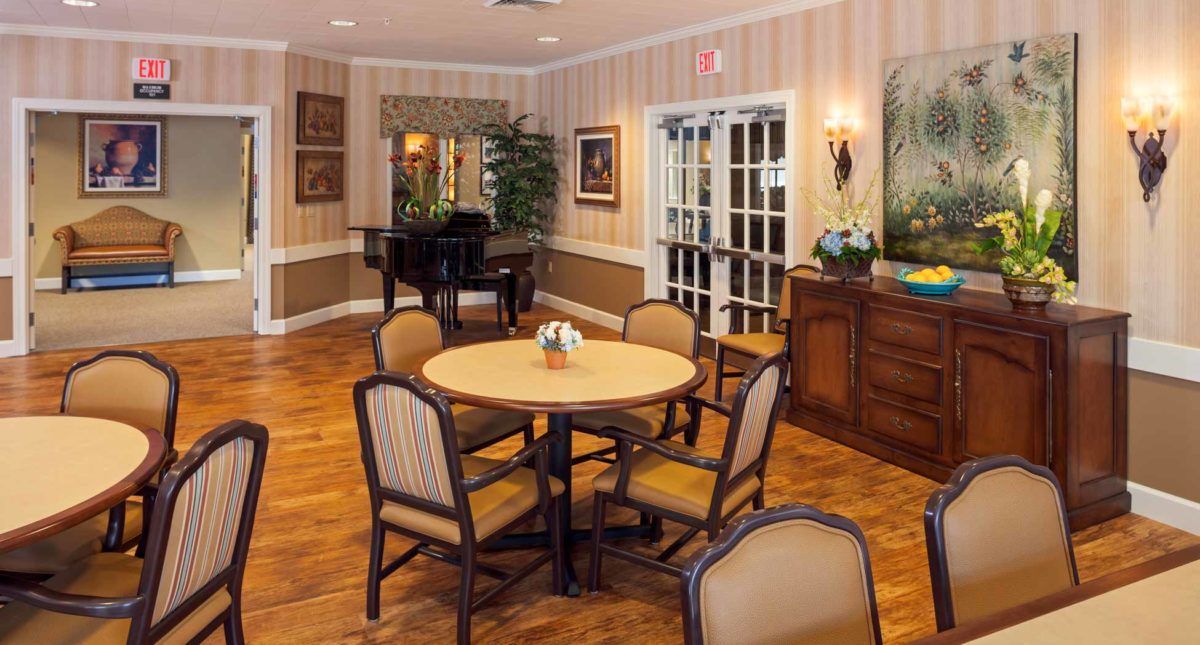
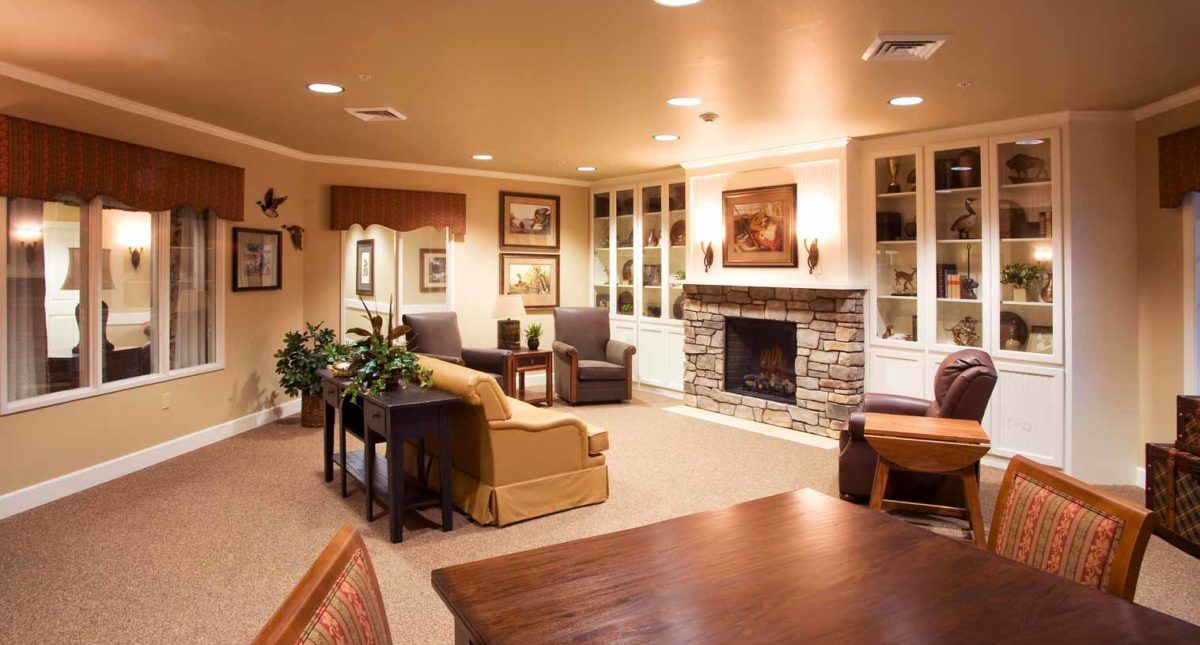
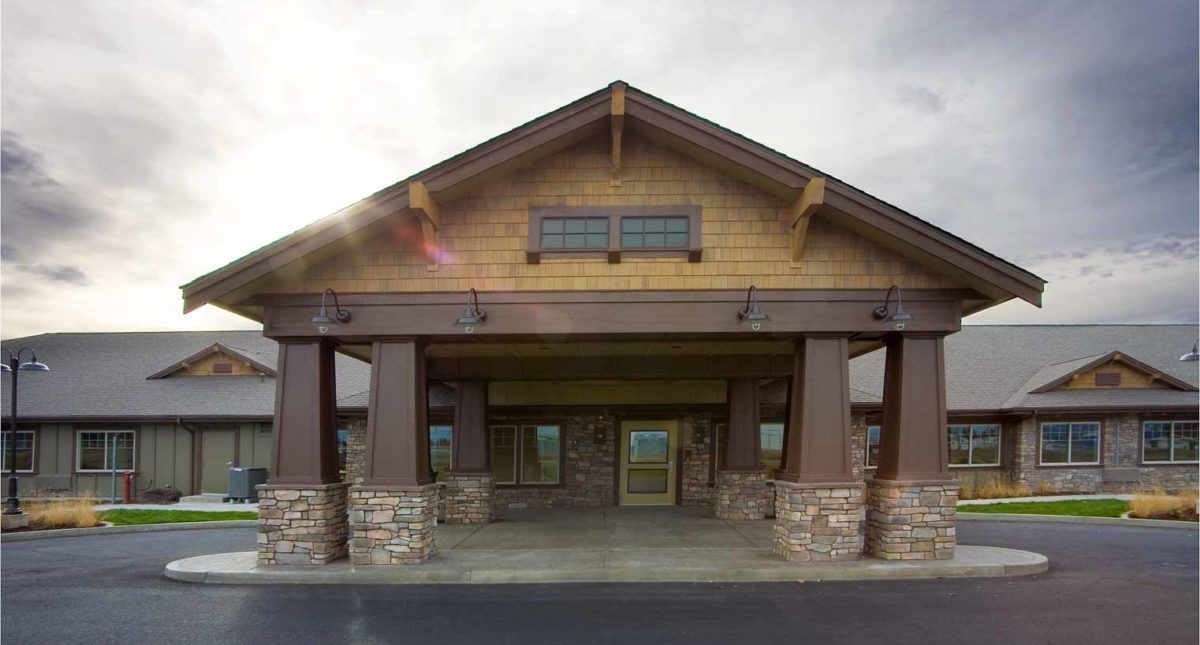
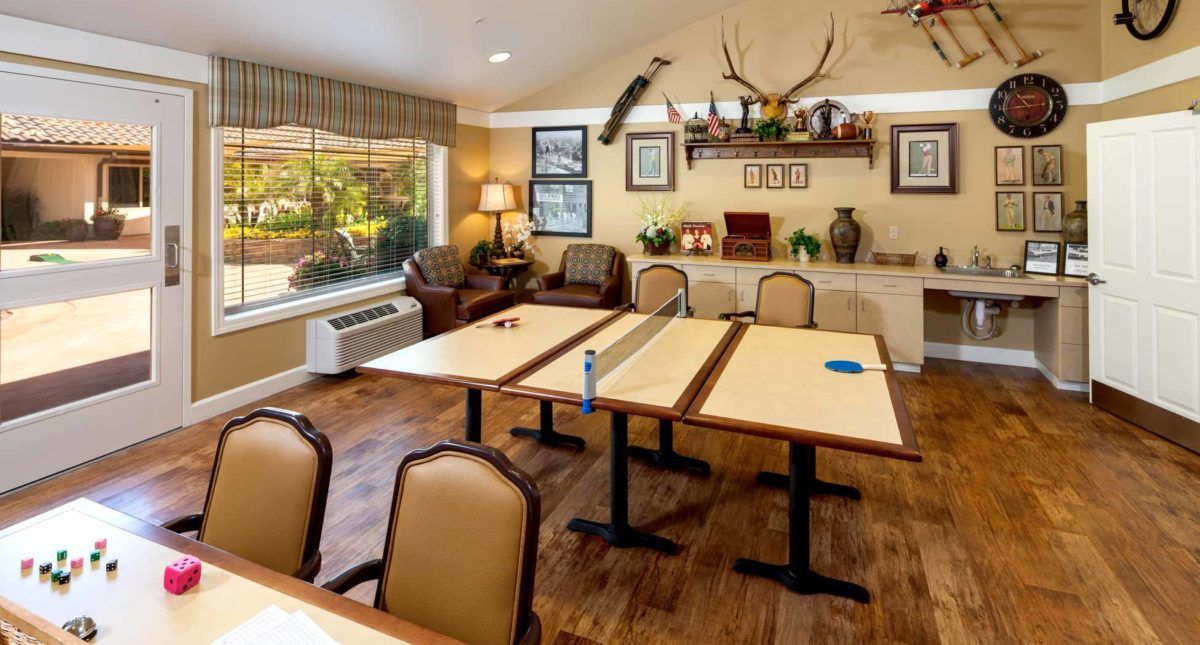
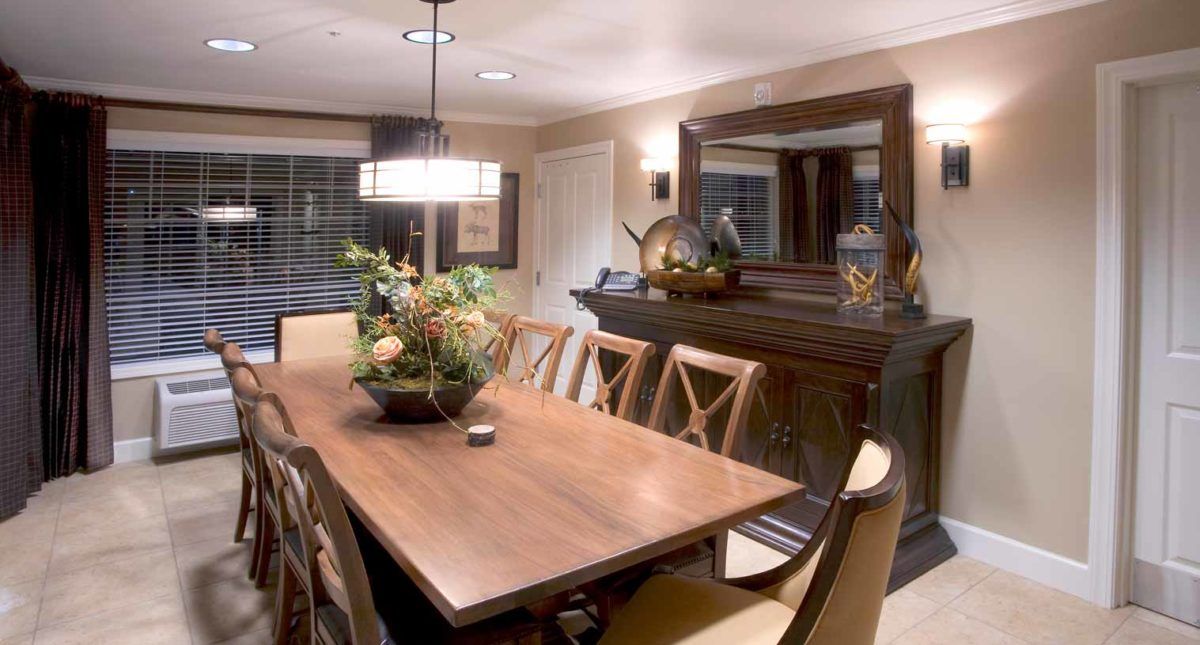
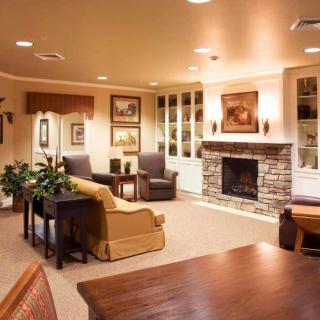
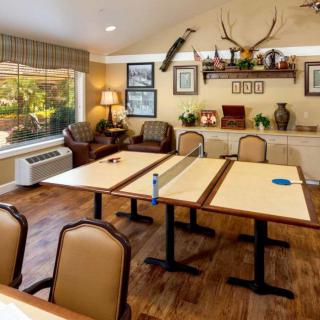
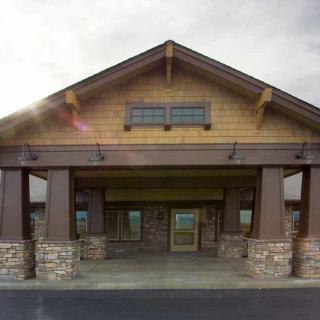
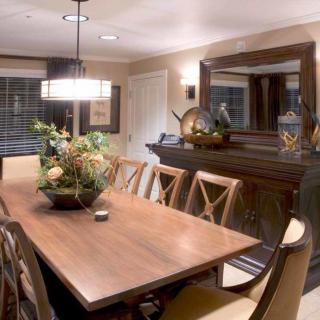
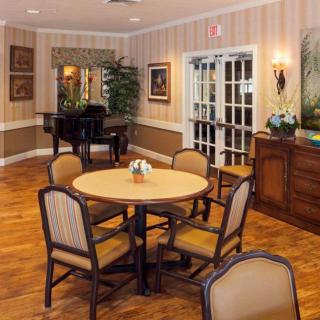
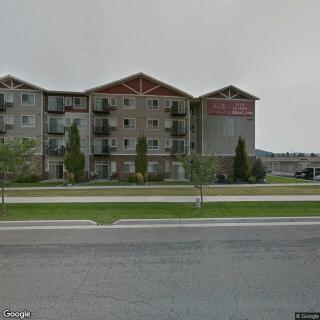
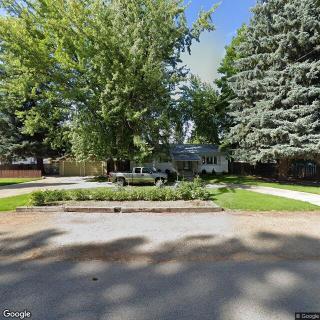
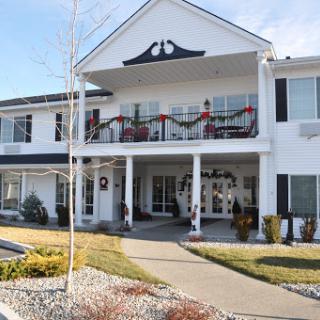
Creekside Inn on seniors.fyi includes 6 photos including images showing interior, decor, dining, building, meeting room, windows, piano, living room, and more.
Nearby Communities
Creekside Inn Memory Care Community
Coeur d'Alene, ID
4.3 from 70 reviews
$6,200 to $7,800 / month
Compassionate, attentive staff in a clean, engaging, home-like setting.
TLC Adult Family Home
Coeur D'Alene, ID
Nearby amenities and healthcare options; welcoming setting.
Affinity at Coeur d'Alene
Coeur d'Alene, ID
4.5 from 70 reviews
$1,495 to $1,800 / month
Strong value with competitive pricing, friendly staff, and well-kept grounds with ample on-site amenities.
The Bennett House
Coeur D'Alene, ID
4.8 from 38 reviews
Warm, home-like environment with attentive staff and engaging activities.
Pacifica Senior Living Coeur D'Alene
Coeur d'Alene, ID
4.1 from 51 reviews
Caring staff with strong resident connections in a warm, home-like setting.
All Valley Home Care
Coeur D'Alene, ID
4.7 from 6 reviews
Consistent, friendly, and dedicated aides; well-organized service.
Leisure Park
Hayden Lake, ID
4 from 10 reviews
Excellent proximity to parks, dining, pharmacies, physicians, and transportation.
Rose Terrace Cottages
Coeur D'alene, ID
3.8 from 16 reviews
$2,500 to $2,900 / month
Caring, supportive staff and a warm, positive atmosphere.
Guardian Angel Homes
Liberty Lake, WA
4.1 from 15 reviews
$1,050 to $2,400 / month
Friendly staff, pleasant decor, and a robust activities calendar.
Dementia is characterized by cognitive decline, with nutrition playing a vital role in brain health; while no specific diet can prevent or reverse it, a nutrient-dense diet rich in antioxidants and healthy fats may support cognitive function. The MIND diet, which emphasizes beneficial foods and limits processed items, along with proper hydration and individualized meal strategies, can enhance the well-being of dementia patients.
Dementia affects memory and cognitive function in older adults, presenting challenges for caregivers due to behavioral changes such as confusion and mood swings. Compassionate, person-centered care that considers individual history and preferences, along with effective communication and environmental modifications, is essential for supporting both patients and their caregivers.
Dementia leads to cognitive impairment and can cause emotional and behavioral changes, including aggression that arises from frustration, confusion, or fear. Effective coping strategies for caregivers include understanding dementia's nature, recognizing triggers, using empathetic communication, and employing non-pharmacological interventions like music and art therapy.
Living Room, Lighting, Fireplace, and Seating Area
Landscaping and Parking
Windows and Meeting Room
Building
Architecture and Entrance
Chandelier
Piano
Get PricingAsk A QuestionSchedule A TourContact Senior Advisor
By clicking submit, you agree to our Partner's Terms of Use. You
also consent to receive calls and texts, which may be autodialed, from our Partner. Your consent is not a condition to
using our Partner's service. Please visit our Partner's Privacy Policy for information about their privacy practices.



 70 resident community capacity
 Memory Care
 Air-conditioning
 Beauty salon
 Cable or satellite TV
 Computer center
 Dining room
 Fitness room
 Fully furnished
 Gaming room
 Garden
 Housekeeping services
 Kitchenette
 Move-in coordination
 Outdoor space
 Private bathrooms
 Restaurant-style dining
 Small library
 Telephone
 Wellness center
 Wi-Fi/high-speed internet available
 Community operated transportation
 12-16 hour nursing
 24-hour call system
 Activities of daily living assistance
 Assistance with bathing
 Assistance with dressing
 Assistance with transfers
 Diabetes diet
 Hospice waiver
 Medication management
 Mental wellness program
 Special dietary restrictions
 Transportation arrangement (medical)
 Concierge services
 Planned day trips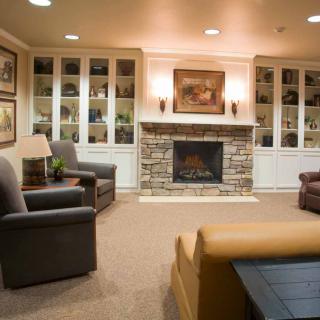
 Compassionate, attentive staff in a clean, engaging, home-like setting.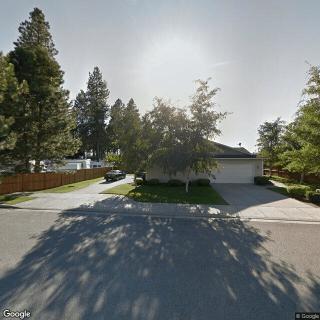

 Nourishing the Mind: Essential Dietary Approaches for Dementia
 Understanding Dementia Behaviors: Practical Insights and Strategies for Caregivers
 When Dementia Sparks Anger and Aggression: Understanding the Connection and Ways to Cope