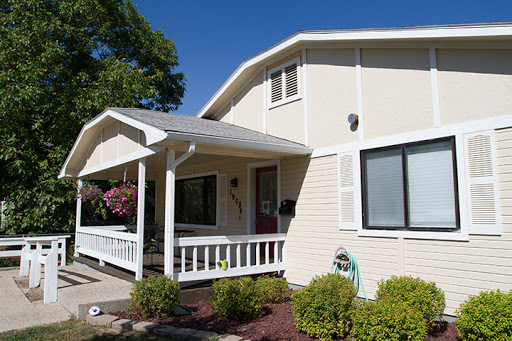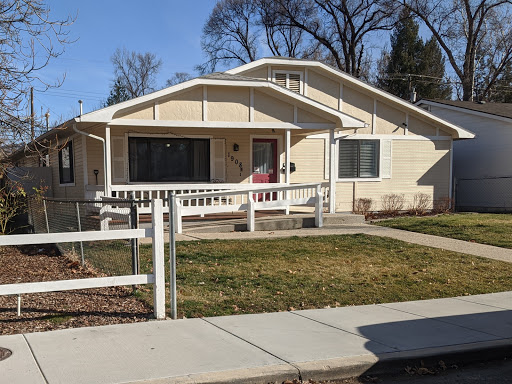
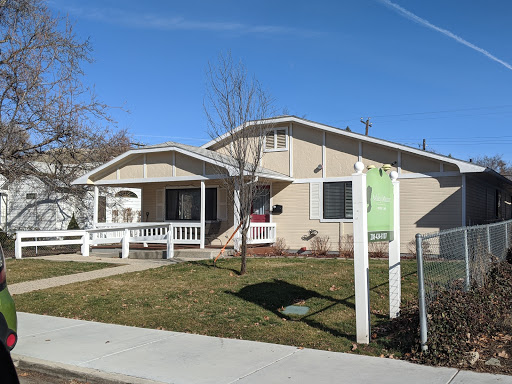

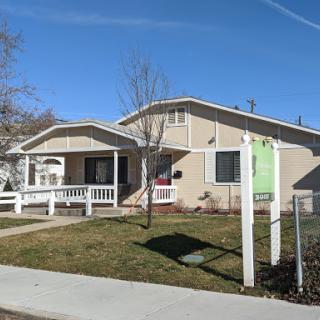
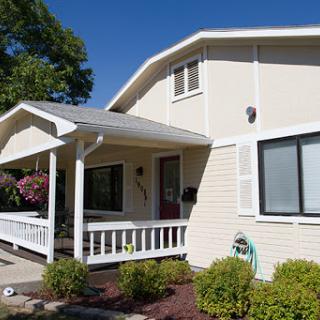
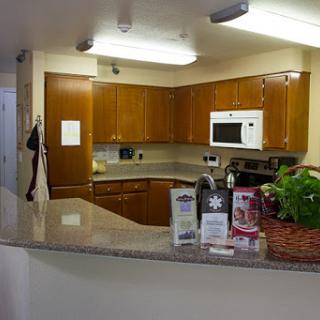
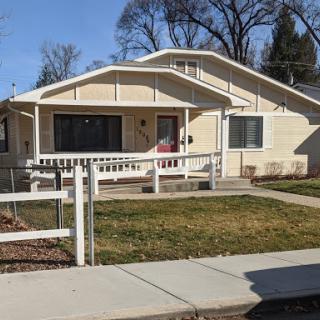
1908 N 13th, Boise, ID 83702
To contact a resident: (208) 424-8107
For more information about senior living options: (866) 208-4318
Ashley Manor - Hyde Park Costs & Pricing
At Ashley Manor - Hyde Park, residents can expect competitive pricing for their living arrangements compared to the broader market in Boise County and the state of Idaho. The semi-private rooms are offered at $3,000 per month, which is slightly more affordable than the county's average of $3,150 and offers an attractive option for those seeking budget-friendly care. For those preferring more privacy, the studio units are available for $3,500 per month; while this is higher than both the county average of $4,550 and the state average of $3,213, it reflects the quality and amenities that come with a stay at Ashley Manor. Overall, Ashley Manor - Hyde Park provides a good balance between cost and value within its local context.
| Floor plans | Ashley Manor - Hyde Park | Boise County | Idaho |
|---|---|---|---|
| Semi-Private | $3,000 | $3,150 | $3,026 |
| Studio | $3,500 | $4,550 | $3,213 |
Memory care communities with a similar price nearby
-
from -$247 / mo
Garden Plaza of Valley View
$2,753 to $4,358 / month3.4 miles away -
About the same
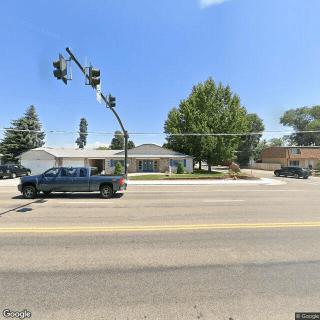
Ashley Manor - Orchard
$3,000 to $3,500 / month4.0 miles away -
About the same

Overland Court Senior Living
$2,930 to $3,530 / month6.0 miles away -
from +$300 / mo

Veranda at Paramount
$3,300 to $5,000 / month10.1 miles away -
About the same
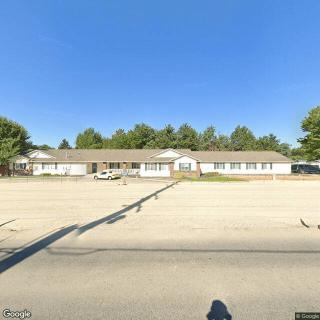
Ashley Manor - Cloverdale
$3,000 to $3,500 / month6.6 miles away
Overall Review of Ashley Manor - Hyde Park
Pros
 The residents are happy, and the house is well kept.
- The administrator and staff are warm-hearted and care deeply about the residents.
- The facility offers a home atmosphere and flexible visiting options.
- Julie and the other staff provide good meals.
- The staff are very nice.
- The facility has great staff and is a wonderful place to work.
- Caregivers are very sweet and genuinely care about the tenants.
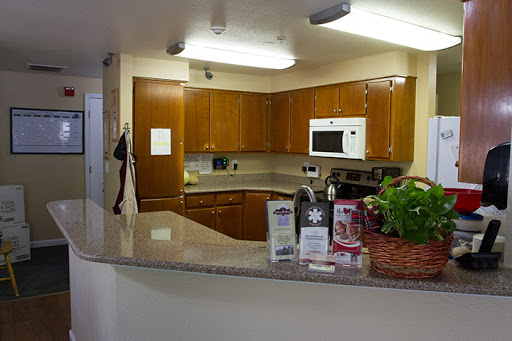
- The facility is very clean.
- The executive staff and owners truly care about every resident.
Cons
 The facility wouldn’t be rated five stars because it could be more secure, and more cameras should be installed.
- The front-door security, though using a pinpad, could be improved.
- Some reviewers felt security measures were lacking relative to the otherwise homey atmosphere.
Review
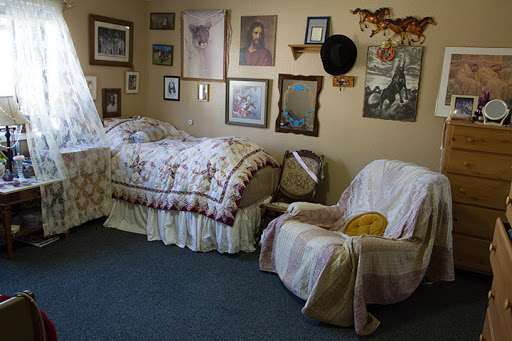
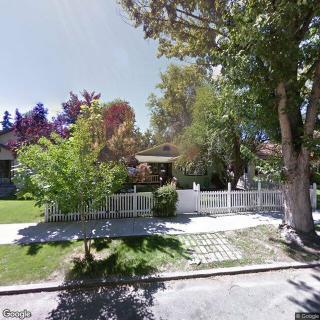
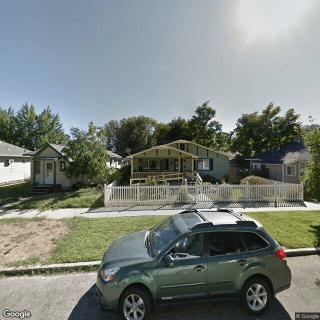
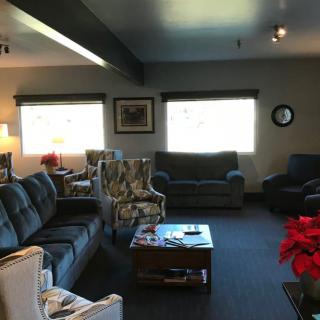
Ashley Manor - Hyde Park in Boise is best suited for families seeking a warm, home-like assisted living environment where residents are treated with personal attention and life stays intimate rather than clinical. The house itself feels welcoming, repeatedly described as well-kept, with residents who look content and engaged. The standout here is the genuine care from the administrator and staff, who come across as warm-hearted and deeply invested in each resident’s well-being. For families who prize effortless continuity of connection, the ability to visit at any time is not just convenient, it’s a meaningful reassurance that loved ones remain integrated into daily life rather than isolated. In short, this community excels when the priority is a reassuring, family-centered atmosphere that feels more like home than a facility.
Those weighing alternatives should consider what truly matters most. If security and formalized monitoring are non-negotiables, or if a resident requires robust memory-care supports or a larger campus with a broader slate of structured programs, other options may serve better. The reviews point to a homey, low-stress environment rather than a fortress-like setting, and that distinction matters for families prioritizing ease of access and personal interactions over high-tech security or specialized clinical oversight. Additionally, if a resident’s needs include highly regimented schedules or advanced medical management, it would be prudent to compare how those needs are met elsewhere before committing.
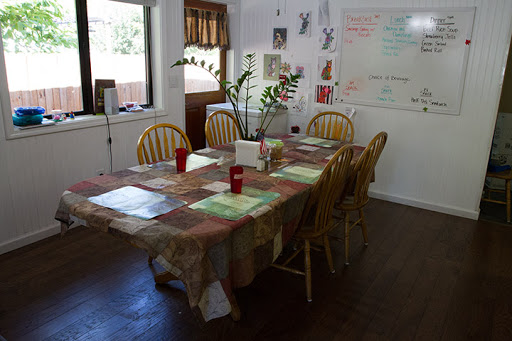
The strongest pros here center on atmosphere, staff, and daily life. The home-like feel translates into tangible benefits: happy residents, a clean environment, and caregivers who appear to care deeply about daily quality of life. Meals are repeatedly highlighted as a positive, with staff members known for offering good nourishment and thoughtful attention at mealtimes. The ongoing warmth from administrators and the executive team reinforces trust that the care plan remains person-centered. Importantly, the ability for family members to visit freely at any hour reduces the sense of distance that can come with care transitions, helping residents maintain identities and routines that matter to them.
That said, the most commonly cited con about Ashley Manor - Hyde Park is room for improved security. While the front-door pinpad and general safety protocols function, some reviewers suggested adding more cameras to bolster reassurance. From an advisory perspective, the overall care and the homey vibe can offset this concern for many families, especially when they place a premium on relational care and accessible visitation. Yet for households where visible layered security or higher surveillance is essential, such as for residents with wandering tendencies or heightened safety concerns, this would be a critical point to verify in a tour and to gauge how staff safety plans would adapt.
The narrative from families is consistently favorable on the human side of the operation. The caregivers are described as sweet and genuinely attentive, with stories of specific staff members going above and beyond in small, meaningful ways. Anecdotes about a grandmother who was well cared for, well fed, and surrounded by sympathetic, involved staff reinforce the impression that the culture here centers on kindness and personal connection. The fact that residents can come and go, within safety limits, appeals to families seeking a low-stress transition that still respects independence. In practice, these elements create a compelling picture of daily life that many families translate into less anxiety about relinquishing home routines.
For families evaluating a move, a practical path is clear: visit with questions that matter to care quality, resident happiness, and daily routine. Observe how staff interact with residents, whether conversations feel respectful and individualized, whether meals appear appetizing, and whether cleanliness and organization hold up in common areas and rooms. Ask about staff-to-resident ratios during different shifts, confirm how emergencies are handled, and explore what security enhancements are on the roadmap. If memory care or more formal medical oversight is a must-have, request specific examples of care plans and unit capabilities to ensure alignment with current needs. The decision is strongest when the tour confirms a match between the home-like atmosphere and the resident’s practical care requirements.
Bottom line: Ashley Manor - Hyde Park stands out for families who value a nurturing, home-like setting, a warm and stable caregiving team, and flexible family involvement. The positive patterns, happy residents, clean surroundings, high-quality mealtime experiences, and staff who genuinely care, provide powerful offset to the noted security caveat. If warmth, accessibility, and personal attention trump higher-security features, this community is a strong choice. If, instead, the top criteria hinge on fortress-style security or on specialized, highly structured clinical care, it’s worth looking elsewhere and comparing offerings. A guided tour focused on security, daily routines, and future care plans will seal whether this environment aligns with both current needs and long-term expectations.
 Board and Care Home
 Memory Care
 Respite or short term stays offered
 Boise Air Terminal (5 miles away)




 Understanding Dementia Through Its Seven Stages: A Comprehensive Look at Progression and Expectations
 Safeguarding Your Memory Through the Golden Years: Eight Ways to Preserve Cognitive Health
 Comprehensive Insights into Activities of Daily Living (ADLs) and Their Assessment