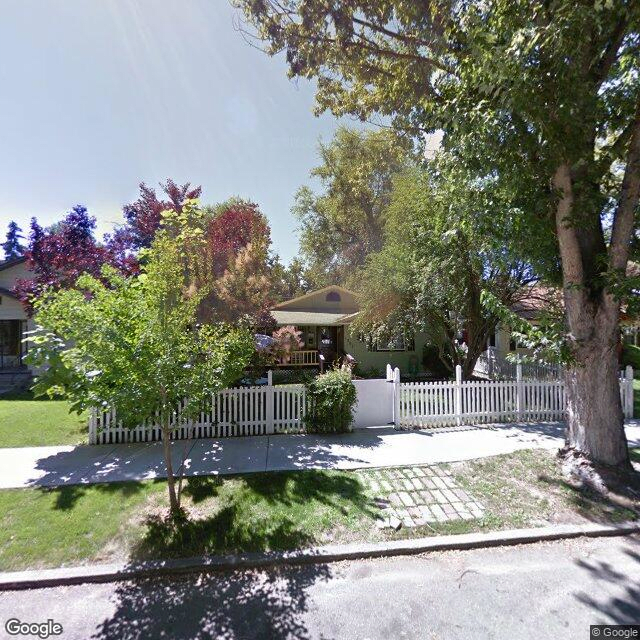
1307 N 25th St, Boise, ID 83702
To contact a resident: (208) 426-8033
For more information about senior living options: (866) 208-4318
Ivy Place Residence Costs & Pricing
Ivy Place Residence offers a competitive pricing structure for its private and studio accommodations, both set at $5,000 per month. This aligns closely with the average costs in Boise County, where the monthly rate for similar private rooms is approximately $4,900 and studios are about $4,550. When considering statewide averages across Idaho, Ivy Place's rates are significantly higher than the statewide figures of $3,906 for private rooms and $3,213 for studios. While these prices position Ivy Place at the upper end of the market within Boise County and Idaho as a whole, they may reflect enhanced amenities and quality of care that residents can expect from this esteemed facility.
| Floor plans | Ivy Place Residence | Boise County | Idaho |
|---|---|---|---|
| Private | $5,000 | $4,900 | $3,906 |
| Studio | $5,000 | $4,550 | $3,213 |
Memory care communities with a similar price nearby
-
from -$500 / mo

Mountain View Crossing
$4,500 / month2.9 miles away -
from -$755 / mo

Meridian Meadows Assisted Living and Memory Care
$4,245 to $5,145 / month7.4 miles away -
from +$800 / mo
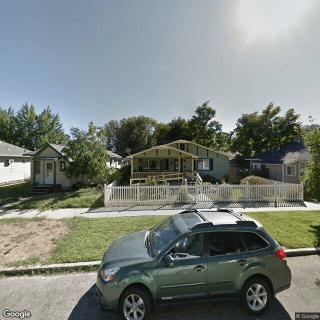
Amber Lane Residence
$5,800 / month0.7 miles away -
from +$750 / mo

Touchmark at Meadow Lake Village
$5,750 / month6.6 miles away -
from +$716 / mo

The Terraces of Boise
$5,716 to $6,797 / month6.9 miles away
Overall Review of Ivy Place Residence
Pros
 Ivy Place is described as a nice residential home for seniors with dementia, offering private rooms for about seven residents and 24-hour in-house care.
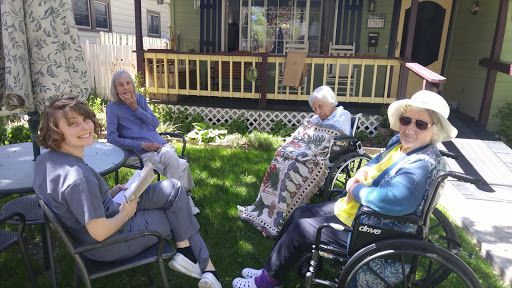
- The staff are caring and treat residents like family, giving families peace of mind.
- Families feel confident choosing Ivy Place due to compassionate care and smooth transitions.
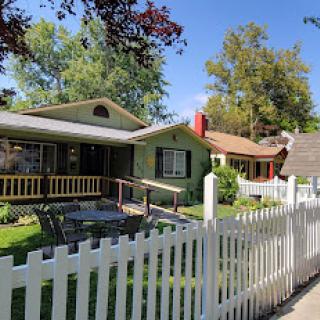
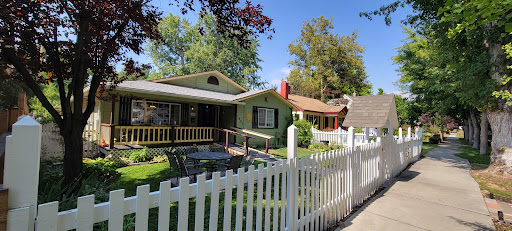
- The facility is very clean and feels like home, with a cheerful front porch and well-kept yard.
- The care is coordinated and attentive, with staff going above and beyond to meet residents' needs.
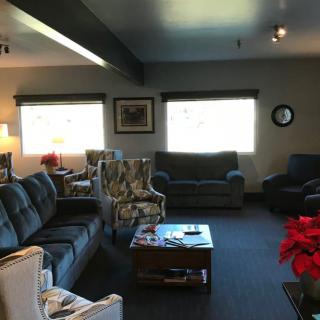
- The property is warm and inviting, featuring a beautiful setting, comfortable common spaces, and appealing meals and activities.
- Administrators and staff provide endless support to families during difficult times.
Cons
 The facility is depressing, run down, and really expensive for what you get.
- They don’t seem to reinvest in the facility or its resources as much as they should.
- There are security concerns due to a wanderer.
- There were uncleanliness complaints noted by others.
- They don’t do a lot of activities, and the residents may not be inclined to join.
Review
Ivy Place Residence is best suited for seniors facing memory impairment who want a small, home-like setting where care feels highly individualized. With space for roughly seven residents in private rooms and a single, shared dining and living area, it functions as a tight-knit memory-care community rather than a sprawling campus. The model emphasizes 24-hour in-house care, intimate daily routines, and a living environment that encourages personal connections between residents, families, and caregivers. It also appears adept at handling transitions for couples who wish to remain in proximity, offering a path for spouses to stay in the same care continuum when possible. For families prioritizing steady, compassionate oversight in a warm, familiar atmosphere, Ivy Place provides a compelling fit.
Those considering alternatives should weigh the realities of limited size against the needs for broader programming and potential cost considerations. If a resident thrives on robust social calendars, structured enrichment activities, or a facility with expansive common spaces and modern amenities, Ivy Place may feel restrictive. Some reviewers describe the care setting as beautiful and well-kept, yet also point to concerns about expense and the perception that the facility does not continually reinvest in its infrastructure. For families on tighter budgets or those seeking a more dynamic activity lineup, looking at larger assisted living options with more routine programming could be more appropriate.
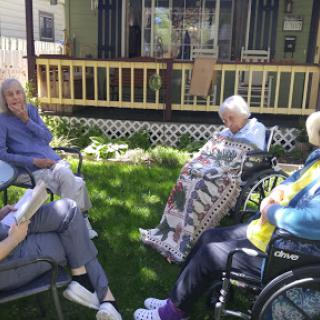
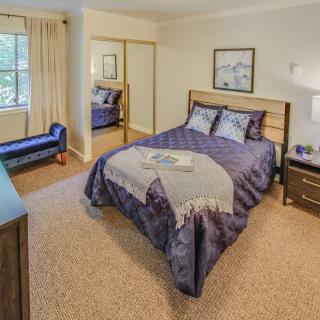
The strongest positives center on the human touch. Caregivers are described as genuinely caring, with staff who treat residents like family and who provide constant, attentive support around the clock. Families report a sense of peace knowing staff are accessible, coordinated with medical professionals, and capable of managing complex needs with warmth. The environment reinforces this: a clean, remodeled interior, a cheery personal room, and access to comfortable spaces like a porch that overlooks a well-kept yard. Residents enjoy home-cooked meals, consistent routines, and staff who help sustain dignity and independence wherever possible. These are not mere niceties but core elements that translate into meaningful daily quality of life for individuals with dementia.
Yet every decision involves weighing trade-offs. The most cited drawbacks include a perception of higher cost relative to value, and comments about the building feeling somewhat dated or not as resource-rich as larger facilities. While the interior is described as warm and remodeled, the small footprint can translate into limited opportunities for group activities or spontaneous social engagement, which some residents miss. Security also rises as a practical concern for wander-prone residents, underscoring the need for clear, explicit wander-management strategies. Taken together, these cons do not negate the care story, but they do narrow the fit to families prioritizing intimate, high-touch care over expansive programming or sheer square footage.
When the pros are weighed against the cons, Ivy Place tends to deliver offsetting advantages for the right resident. The intimate, home-like setting, coupled with nonstop staff availability and a culture of genuine care, often compensates for the limits on programming and the premium price. For families seeking continuity of care during dementia progression, and for residents who value a strong caregiver-resident bond and predictable daily rhythms, the facility can deliver peace of mind that larger communities struggle to match. The care narrative, staff going beyond, families being welcomed, and residents remaining dressed, fed, and engaged, translates into a compelling value proposition despite acknowledged gaps.
Ultimately, families weighing Ivy Place should anchor their decision in three practical tests: can the resident thrive with a small, highly attentive team and a predictable routine; is the budget sustainable given the perceived value of personalized care; and does the wander-risk plan in place align with the resident’s security needs? A visit is essential to gauge the feel of the space, observe staff-resident interactions, and review the activity cadence, safety measures, and care coordination with physicians and therapists. If warmth, continuity, and intimate attention to dementia care matter most, Ivy Place stands out as a prudent, experienced choice. If broader programming, greater scale, or a lower price point are non-negotiables, it is wise to explore alternatives with that benchmark in mind.
 22 resident community capacity
 Assisted Living
 Board and Care Home
 Memory Care
 Cats allowed
 Beauty salon
 Cable or satellite TV
 Dining room
 Fully furnished
 Garden
 Housekeeping services
 Kitchenette
 Move-in coordination
 Outdoor space
 Private
 Telephone
 Wheelchair accessible showers
 Wi-Fi/high-speed internet available
 Boise Air Terminal (5 miles away)
 24-hour call system
 Activities of daily living assistance
 Ambulatory care
 Assistance with bathing
 Assistance with dressing
 Assistance with transfers
 Diabetes diet
 Meal preparation and service
 Medication management
 Mental wellness program
 Special dietary restrictions
 Transportation arrangement (medical)
 Transportation to doctors appointments

 When Dementia Sparks Anger and Aggression: Understanding the Connection and Ways to Cope
 Dementia Behaviors: In-Depth Understanding and Effective Coping Strategies
 5 Early Indicators of Dementia and What You Can Do