
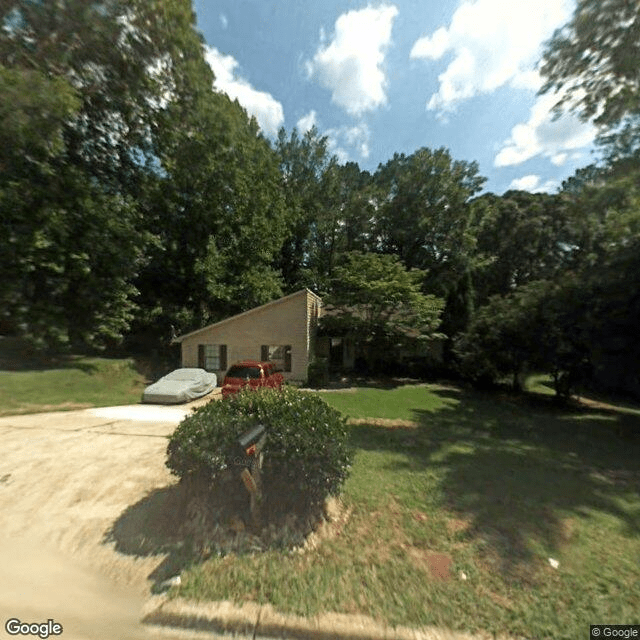
8204 Park Ridge Drive, Riverdale, GA 30274
To contact a resident: (770) 473-0333
For more information about senior living options: (866) 208-4318
Hands That Care @ Park Ridge Costs & Pricing
At Hands That Care @ Park Ridge, the monthly cost for a private room is competitively priced at $1,800. This rate not only reflects a commitment to providing quality care but also positions the facility as an affordable option compared to the average costs in Clayton County and across the state of Georgia. In comparison, private room rates in Clayton County stand at approximately $2,449, while the state average reaches around $2,864. This significant difference highlights Hands That Care @ Park Ridge's dedication to making quality assisted living accessible without compromising on the level of care provided.
| Floor plans | Hands That Care @ Park Ridge | Clayton County | Georgia |
|---|---|---|---|
| Private | $1,800 | $2,449 | $2,864 |
Memory care communities with a similar price nearby
-
from +$300 / mo
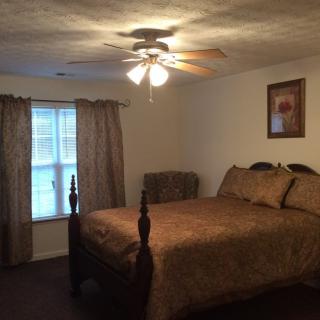
Abiding Care Home
$2,100 / month13.0 miles away -
from +$301 / mo
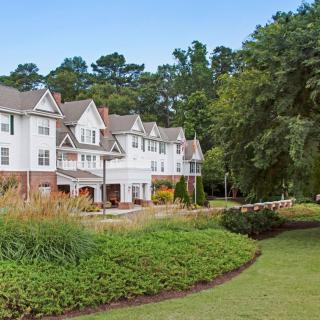
Brighton Gardens of Buckhead
$2,101 to $5,370 / month21.5 miles away -
from +$200 / mo
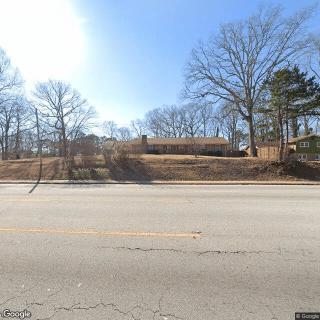
Patron Place PCH
$2,000 to $2,500 / month20.2 miles away -
from -$300 / mo
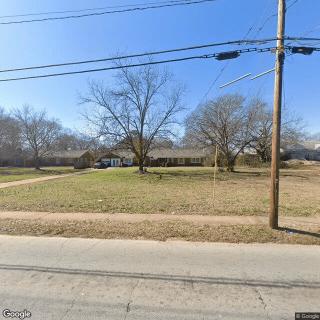
Joy's Manor Pch
$1,500 to $4,000 / month17.9 miles away -
from +$200 / mo
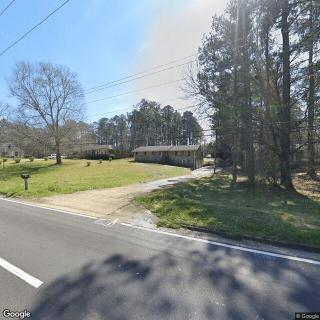
Adam & Eve Pch 1
$2,000 to $3,000 / month18.0 miles away
Overall Review of Hands That Care @ Park Ridge
Pros
 Phyllis runs this community and is described as sweet.
 - There were a couple of caregivers who catered to residents and were really good.
Cons
 Hands that Care didn’t look nice inside and everything looked really old.
- The interior didn’t look like a place you would want your mom to stay.
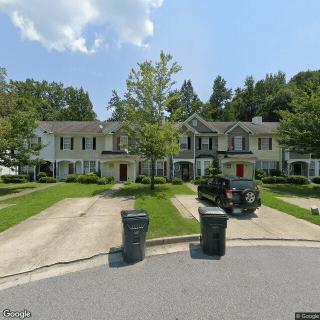
- The facility was a small house with three or four bedrooms and few residents.
- There was only one person on per shift.
- The price was the same as the others despite the poor condition.
- Phyllis runs the community, but the reviewer thought she bit off more than she could chew.
- Bruises were found on the loved one after they stayed there, raising concerns of elder abuse.
- There was concern that elder abuse might be going on.
- Some caregivers were not good, even though a couple were really good.
- Phyllis would take residents in her car to the other houses she ran, implying multiple care homes.
Review
Hands That Care @ Park Ridge in Riverdale, GA is best suited for families seeking a tiny, home-like assisted living experience rather than a traditional, campus-style facility. The residence operates like a small house with three or four bedrooms and a care model that hinges on a single caregiver on shift. For a loved one who thrives on a familiar domestic routine and close, personalized attention, this setup can feel comforting and manageable. The upside is a level of intimacy and contact that larger communities struggle to match; the downside is a ceiling on resources and formal oversight that can leave families feeling exposed when issues arise.
Those weighing Hands That Care should explicitly weigh expectations against clear red flags that surfaced in the feedback. Care needs that require steady, around-the-clock supervision, reliable and consistent staffing, or robust monitoring may be better served elsewhere. The operator runs multiple care homes, which can dilute supervision, complicate transitions, and raise questions about continuity of care. For residents with a history of wandering, behavioral challenges, or conditions that demand strict safety protocols, this model risks becoming destabilizing rather than reassuring.
Pros tied to the small-scale format include unusually intimate caregiver relationships and the potential for highly individualized care. In practice, however, these advantages are undermined by significant drawbacks. The interior was described as aging and not particularly inviting, which can color a family’s sense of value and daily comfort. A single shift arrangement creates real exposure to gaps in supervision, especially if turnover is high or staffing is inconsistent. One account notes bruising on a loved one and concerns about potential abuse, underscoring the stakes when a caregiver roster is not stable or fully trusted.
The limited number of residents also constrains programming and resource depth. Fewer people mean fewer on-site activities, fewer built-in social opportunities, and less formal infrastructure to support wellness or emergency needs. For families seeking the reassurance of structured daily schedules, predictable programming, and redundant safety measures found in larger facilities, Hands That Care may fall short. The practice of transporting a resident between multiple homes operated by the same person further erodes continuity of care and the sense of reliable, ongoing oversight that families deserve.
Practical diligence should precede any commitment. Prospective residents and families need concrete assurances: a clear, posted staffing schedule with on-site coverage, a transparent incident and safety record, and a defined process for caregiver assignment and back-up coverage. In-depth conversations should cover caregiver qualifications, background checks, and how care plans are developed and adjusted over time. Confirm licensure status, ask for recent references who can speak to safety, communication, and everyday quality of life, and insist on a plan for continuity if the principal caregiver, whether Phyllis or another trusted member, suddenly becomes unavailable.
In practice, Hands That Care @ Park Ridge is not a universal fit. It serves a narrow niche, families who prize a deeply domestic, intimate setting and are willing to accept potential oversight gaps in exchange for personal attention and lower resident density. For most seniors who require steady supervision, a well-staffed team, and consistent caregiver relationships, alternatives with larger, more regulated environments typically offer greater peace of mind. If the choice is to proceed, enter with explicit expectations, rigorous questions, and a hands-on oversight plan from family or a trusted advocate to safeguard safety, dignity, and daily quality of life.
 Board and Care Home
 Memory Care
 Bath tubs
 Private
 Respite or short term stays offered
 Wheelchair accessible showers
 William B Hartsfield-Atlanta International (8 miles away)
 Diabetic care

 Exploring the Power of Reminiscence Therapy for Individuals With Dementia
 An In-Depth Look at Reminiscence Therapy in Dementia Care
 Dementia-Related Hallucinations: Causes, Experiences, and Practical Approaches